Tag: natural fertility

  • Fertility Supplements: Supporting Your Body’s Natural Fertility Processes

    Fertility Supplements: Supporting Your Body’s Natural Fertility Processes

    For couples hoping to conceive, the journey to parenthood can often be filled with challenges and obstacles. Many factors can affect fertility, including age, genetics, medical conditions, and lifestyle choices. While there is no magic solution to becoming pregnant, there are ways to support your body’s natural fertility processes. One option that has gained popularity in recent years is the use of fertility supplements. In this blog post, we will explore the benefits of fertility supplements and how they can help you on your journey to parenthood.

    What are Fertility Supplements?

    Fertility supplements are dietary supplements that contain vitamins, minerals, and herbs that are believed to support fertility. They are designed to be taken in addition to a healthy diet and lifestyle to provide your body with the essential nutrients it needs for optimal reproductive health. These supplements are available in various forms, including pills, powders, and liquids.

    Supporting Ovulation and Hormonal Balance

    One of the primary ways fertility supplements can support your body’s natural fertility processes is by promoting ovulation and hormonal balance. Ovulation is the process in which a mature egg is released from the ovary, and it is necessary for conception to occur. Hormonal imbalances, such as those caused by polycystic ovary syndrome (PCOS), can interfere with ovulation and make it difficult to get pregnant.

    Fertility supplements often contain ingredients like myo-inositol, which has been shown to improve ovulation and hormonal balance in women with PCOS. Other common ingredients include vitamin B6 and chasteberry, which can also help regulate hormones and support healthy ovulation. By promoting regular ovulation and hormonal balance, fertility supplements can increase the chances of conception.

    Improving Sperm Health

    Fertility supplements are not just for women; they can also benefit men by improving sperm health. Male infertility accounts for up to 40% of all infertility cases, making it crucial for couples to consider both partners’ reproductive health. Sperm health is particularly vulnerable to external factors such as stress, environmental toxins, and poor diet.
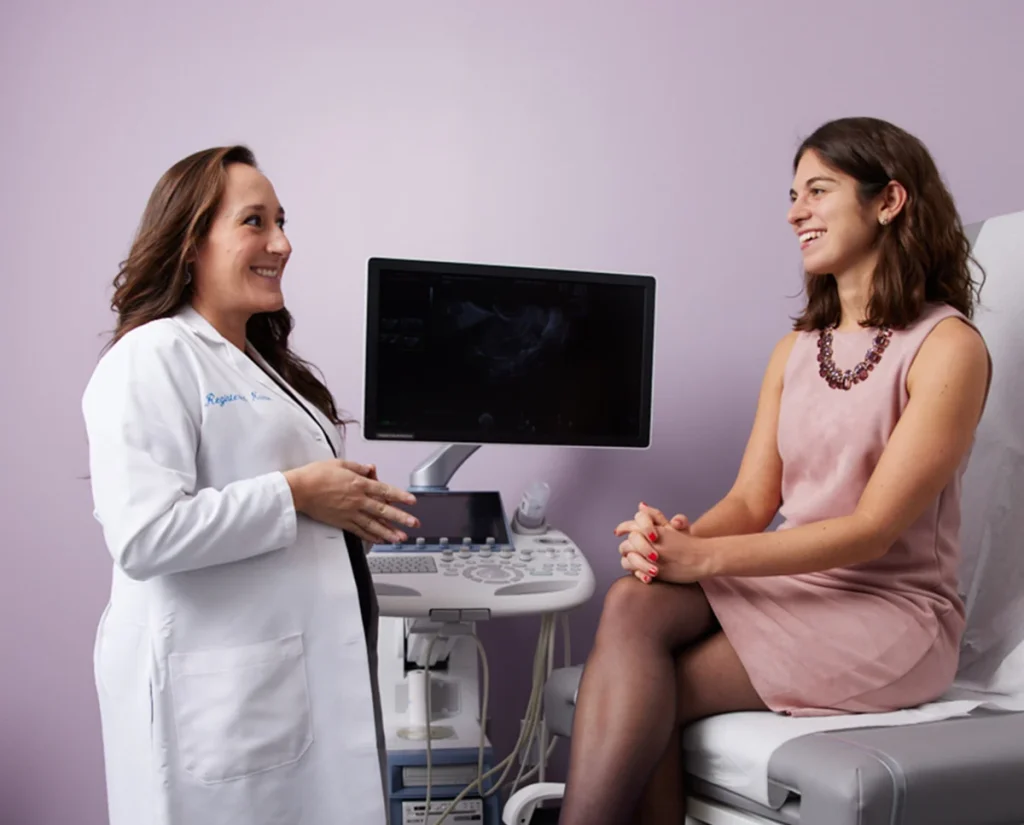
    doctor discussing treatment with a patient in a medical office, featuring an ultrasound machine in the background

    Fertility Supplements: Supporting Your Body's Natural Fertility Processes

    Fertility supplements for men often contain antioxidants and vitamins such as vitamin C, vitamin E, and zinc, which can protect sperm from oxidative damage and improve sperm count, motility, and morphology. Additionally, ingredients like L-carnitine and CoQ10 can enhance sperm quality and function. By taking fertility supplements, men can improve their chances of fertilizing an egg and increase the likelihood of conception.

    Nourishing the Reproductive System

    Fertility supplements can also support fertility by providing essential nutrients to the reproductive system. Our bodies require a variety of vitamins and minerals for healthy reproductive function, and sometimes our diets may not provide us with enough of these nutrients. Fertility supplements can fill these gaps and ensure that our reproductive system has all the necessary building blocks for optimal function.

    Some common nutrients found in fertility supplements include folic acid, iron, and vitamin D. Folic acid is essential for preventing birth defects and promoting healthy fetal development, while iron is necessary for carrying oxygen to the reproductive organs. Vitamin D is also crucial for fertility as it helps regulate hormonal balance and improve egg quality. By nourishing the reproductive system, fertility supplements can enhance overall fertility and increase the chances of a successful pregnancy.

    Reducing Stress and Promoting Relaxation

    The journey to parenthood can be stressful and emotionally taxing. Stress can also have a negative impact on fertility by disrupting hormone levels and affecting ovulation. Therefore, it is crucial to find ways to reduce stress and promote relaxation in your life.

    Many fertility supplements contain adaptogenic herbs like ashwagandha, which can help the body adapt to stress and promote relaxation. Other supplements may include ingredients such as magnesium and B vitamins, which can also help reduce stress and improve overall mood. By incorporating these supplements into your routine, you can support your mental and emotional well-being, creating a more conducive environment for conception.

    Consult Your Doctor Before Starting Fertility Supplements

    While fertility supplements can be beneficial, it is essential to consult with your doctor before incorporating them into your routine, especially if you have any underlying medical conditions or are currently taking any medications. Your doctor can help you determine which supplements are safe and appropriate for your specific needs and guide you on the proper dosage.

    In conclusion, fertility supplements can be a valuable tool in supporting your body’s natural fertility processes. By promoting ovulation and hormonal balance, improving sperm health, nourishing the reproductive system, and reducing stress, these supplements can increase the chances of conception. However, it is crucial to remember that fertility supplements are not a substitute for a healthy diet and lifestyle. By combining these supplements with proper nutrition, exercise, and stress management, you can optimize your chances of conceiving and starting a family.
  • The Human Touch: Exploring the Emotional Aspects of Traditional Fertility Tracking Methods

    Summary:

    Fertility is a natural and essential aspect of human life, yet it is often surrounded by taboo and misconceptions. In recent years, there has been a rise in interest and use of traditional fertility tracking methods, which involve tracking physical signs and symptoms of a woman’s menstrual cycle to determine the most fertile days for conception. While these methods may seem outdated in a world filled with advanced technology and medical interventions, they offer a unique aspect that cannot be replicated – the human touch. In this blog post, we will explore the emotional aspects of traditional fertility tracking methods and how they can enhance the fertility journey.

    Firstly, traditional fertility tracking methods require a deep understanding of one’s body and its natural rhythms. This involves paying close attention to physical changes such as cervical mucus, basal body temperature, and cervical position. This heightened awareness of one’s body can lead to a greater sense of connection and empowerment, as women become more in tune with their bodies. In contrast, modern medical interventions often focus on treating fertility as a problem to be solved, rather than a natural process to be embraced.

    Moreover, the use of traditional fertility tracking methods can also foster a sense of intimacy and connection between partners. Instead of relying solely on technology or medical professionals, couples can work together to track and interpret fertility signs. This process can deepen the bond between partners and create a more supportive and understanding environment for conception. Additionally, it allows for open and honest communication about fertility and can strengthen the emotional aspect of the relationship.

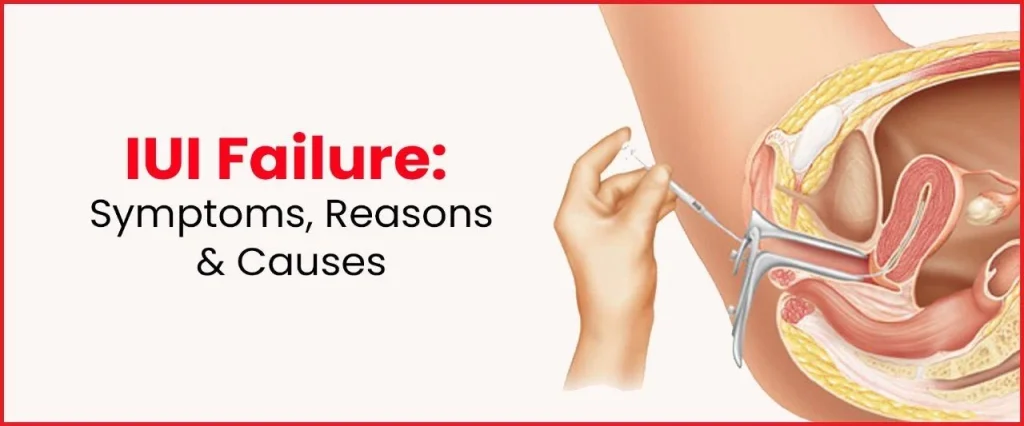
    illustration of IUI procedure with text on symptoms, reasons, and causes of IUI failure

    The Human Touch: Exploring the Emotional Aspects of Traditional Fertility Tracking Methods

    Another emotional benefit of traditional fertility tracking methods is the feeling of control and ownership over one’s fertility journey. In a world where many aspects of our lives are out of our control, tracking fertility signs and understanding one’s body can provide a sense of agency and empowerment. This can be especially beneficial for women who may feel helpless or frustrated when trying to conceive. Traditional methods also offer a more personalized approach to fertility, as each woman’s body and cycle is unique, unlike the one-size-fits-all approach of medical interventions.

    Furthermore, traditional fertility tracking methods can also have a positive impact on mental health. The journey to conception can be emotionally taxing, and modern methods can often add to the stress and pressure. In contrast, traditional methods encourage a more natural and relaxed approach to fertility. By focusing on the present moment and embracing the natural rhythms of the body, women can reduce stress and anxiety, which can have a positive impact on their mental health.

    It is also worth mentioning that traditional fertility tracking methods have been used for centuries by women from various cultures and backgrounds. This long-standing tradition creates a sense of connection and belonging to a community of women who have shared similar experiences and challenges. This support system can be invaluable for women who may feel isolated or misunderstood in their fertility journey.

    In conclusion, while modern technology and medical interventions have their benefits, traditional fertility tracking methods offer a unique and valuable aspect – the human touch. By fostering a deeper connection with one’s body, strengthening relationships, and providing a sense of control and support, these methods can enhance the emotional aspect of the fertility journey. It is essential to recognize and embrace the benefits of traditional methods and not dismiss them as outdated or ineffective.

  • A Step-by-Step Guide to Fertility Massage: Techniques to Try at Home

    Fertility is a topic that holds great significance for many women and couples. It is a natural desire to want to start a family and experience the joy of parenthood. However, for some, this journey may not be as easy as expected. Many factors can affect fertility, such as stress, hormonal imbalances, and reproductive issues. While there are medical interventions available, some people may prefer a more holistic approach. This is where fertility massage comes in. Fertility massage is a natural and non-invasive method that can help improve reproductive health and increase the chances of conception. In this blog post, we will provide a step-by-step guide to fertility massage techniques that you can try at home.

    Step 1: Prepare Yourself and Your Space
    Before beginning any massage, it is essential to create a relaxing and comfortable environment. Find a quiet and private space in your home where you feel at ease. You can play some soothing music or light some candles to create a calming ambiance. Make sure to wear loose and comfortable clothing and remove any jewelry that may get in the way during the massage.

    Step 2: Abdominal Massage
    The first technique in fertility massage is the abdominal massage. This massage helps to increase blood flow to the reproductive organs, improve digestion, and release tension in the abdomen. To perform this massage, lie down on your back with your knees bent. Place your hands on your lower abdomen and make gentle circular motions using your fingertips. Slowly move your hands outwards towards your pelvic bones and then back to your starting position. Repeat this motion for 5-10 minutes.

    Step 3: Ovarian Massage
    The next technique is the ovarian massage, which helps to increase ovarian function and stimulate the release of eggs. To perform this massage, use your fingers to gently massage the area above your pubic bone in a circular motion. You can also apply a light pressure on the sides of your lower abdomen. This massage should be done for about 5 minutes.

    Step 4: Reflexology Points
    Reflexology is a traditional practice that involves applying pressure to specific points on the body to stimulate healing. There are certain reflexology points on the feet that are believed to be connected to the reproductive organs. To perform this technique, sit comfortably and place your left foot over your right knee. Use your thumb to apply pressure on the reflexology points on your left foot, which are located in the area between the big toe and the second toe. Hold this pressure for a few seconds, release, and repeat on the other foot.

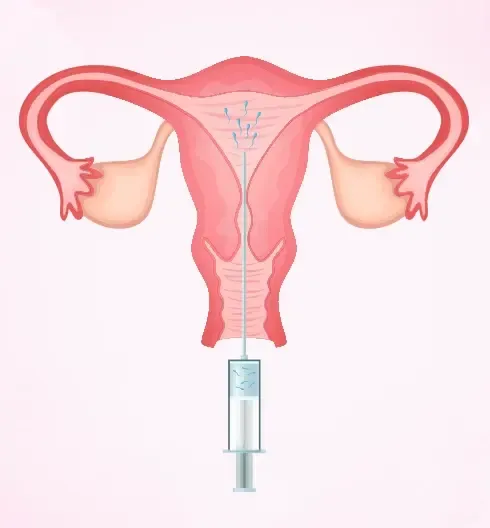
    Illustration of a uterus with a syringe indicating an intrauterine insemination procedure.

    A Step-by-Step Guide to Fertility Massage: Techniques to Try at Home

    Step 5: Lower Back Massage
    The lower back massage helps to release tension in the lower back, which can affect the reproductive organs. Lie down on your stomach, and have your partner or a massage tool gently massage your lower back using circular motions. You can also try using a tennis ball to roll on your lower back for added pressure.

    Step 6: Self-Care and Relaxation
    After completing the fertility massage techniques, it is essential to take some time for self-care and relaxation. You can take a warm bath, meditate, or do some gentle stretches. This will help you to de-stress and promote a healthy mind-body connection, which is crucial for fertility.

    It is important to note that fertility massage should not be performed during menstruation, pregnancy, or if you have any reproductive health conditions. If you are unsure, it is best to consult with a certified fertility massage therapist.

    In conclusion, fertility massage is a natural and effective way to improve reproductive health and increase the chances of conception. By following the step-by-step guide above, you can perform these techniques at home and incorporate them into your self-care routine. Along with proper nutrition, exercise, and stress management, fertility massage can be a beneficial tool on your journey to parenthood. Remember to listen to your body and take breaks when needed. With patience and dedication, you can support your reproductive health and achieve your fertility goals.

    In summary, fertility massage is a natural and non-invasive method that can help improve reproductive health and increase the chances of conception. This blog post provides a step-by-step guide to fertility massage techniques that can be performed at home. The techniques include abdominal and ovarian massages, reflexology points, and lower back massages. It is important to create a relaxing environment and practice self-care and relaxation after the massage. It is also recommended to consult with a certified fertility massage therapist and avoid performing the massage during menstruation, pregnancy, or if you have any reproductive health conditions. By incorporating fertility massage into your self-care routine, along with proper nutrition and stress management, you can support your reproductive health and increase your chances of conceiving.

  • Fertility Massage vs. Medications: Which Is the Safer Option?

    Fertility issues can be a source of great stress and frustration for many individuals and couples. In an effort to conceive, many turn to fertility treatments such as medications or fertility massage. While both options may have their benefits, it is important to consider which is the safer option for your body. In this blog post, we will explore the differences between fertility massage and medications, and ultimately determine which may be the better choice for those struggling with fertility.

    First, let’s take a closer look at fertility medications. These medications are typically prescribed by a doctor and work by regulating hormones and stimulating ovulation. While they may be effective in helping individuals conceive, they come with their fair share of risks and side effects. Some common side effects of fertility medications include hot flashes, headaches, mood swings, and abdominal discomfort. In some cases, these medications may also increase the risk of multiple pregnancies or ovarian hyperstimulation syndrome, a potentially serious condition that can cause swelling of the ovaries and fluid accumulation in the abdomen. Additionally, fertility medications can be expensive, with each cycle costing hundreds or even thousands of dollars.

    On the other hand, fertility massage is a non-invasive and natural approach to increasing fertility. This type of massage focuses on the reproductive organs and surrounding areas, using specific techniques to improve blood flow, release tension, and balance hormones. It is believed that by addressing any blockages or imbalances in the reproductive system, fertility massage can help prepare the body for pregnancy. Some studies have shown that fertility massage can improve the chances of conception, with one study reporting a 50% increase in pregnancy rates for those who received regular fertility massages. Furthermore, this type of massage can also help reduce stress and promote relaxation, which can have a positive impact on fertility.

    One of the key benefits of fertility massage is that it does not come with the same risks and side effects as fertility medications. As a non-invasive and natural approach, it is generally considered to be a safer option for those looking to improve their fertility. Fertility massage can also be more cost-effective in the long run, as it does not require expensive medications or multiple cycles.

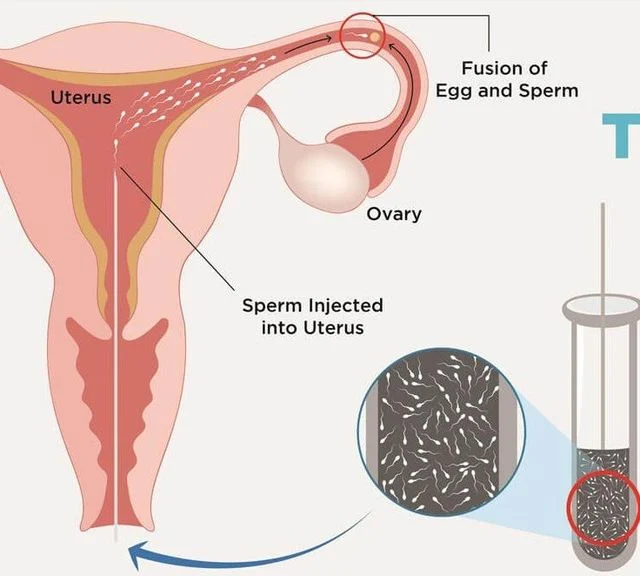
    Diagram illustrating the IUI process, showing sperm injection into the uterus and egg fertilization.

    Fertility Massage vs. Medications: Which Is the Safer Option?

    It is also worth noting that fertility massage can be used in conjunction with fertility medications. Some individuals may choose to combine the two methods for a more comprehensive approach to fertility. However, it is important to consult with a healthcare professional before doing so, as some medications may interfere with the massage techniques or vice versa.

    In addition to the physical benefits, fertility massage can also have a positive impact on one’s emotional well-being. Struggling with fertility can take a toll on mental health, and the stress and anxiety that come with it can actually hinder the chances of conception. Fertility massage, with its focus on relaxation and self-care, can help alleviate some of that stress and create a more positive mindset for those trying to conceive.

    In summary, both fertility massage and medications have their own unique benefits and risks. While medications may be more effective in stimulating ovulation, they also come with potential side effects and can be costly. On the other hand, fertility massage is a safer and more affordable option that can also have a positive impact on one’s emotional well-being. Ultimately, the best option for you will depend on your personal circumstances and preferences. It is important to consult with a healthcare professional and consider all factors before making a decision.

    In conclusion, fertility massage and medications are two commonly used methods for those struggling with fertility. While both have their own pros and cons, it is important to consider which may be the safer option for your body. Fertility massage, with its natural approach and lack of side effects, may be a better choice for those looking to improve their chances of conception. However, it is always recommended to consult with a healthcare professional and make an informed decision based on your individual needs and situation.

  • The Role of Natural Fertility Methods in At-Home Intrauterine Insemination

    Blog Post:

    The desire to have a child is an innate human instinct that is shared by many individuals and couples. However, for some, conceiving a child may not come as easily as they had hoped. This can lead to feelings of frustration, disappointment, and even heartbreak. While there are various medical procedures and treatments available to assist in conception, they can often be expensive, invasive, and emotionally taxing. As a result, many people are turning to natural fertility methods and at-home intrauterine insemination (IUI) as a more affordable and less invasive option. In this blog post, we will explore the role of natural fertility methods in at-home IUI and how they can increase the chances of successful conception.

    Natural fertility methods, also known as fertility awareness methods or natural family planning, involve tracking and monitoring a woman’s menstrual cycle to determine the most fertile days for conception. This can be done through various methods such as tracking basal body temperature, cervical mucus changes, and ovulation predictor kits. These methods are based on the understanding that a woman is most fertile during her ovulation period, which is when the egg is released from the ovary.

    At-home IUI, on the other hand, is a procedure that involves placing prepared sperm directly into the uterus using a catheter. This bypasses the need for sperm to travel through the cervix and into the uterus, increasing the chances of fertilization. While IUI is traditionally done in a medical setting, there are now at-home kits available that make it possible for couples to perform the procedure themselves in the comfort of their own home.

    So, what is the role of natural fertility methods in at-home IUI? Let’s delve deeper into the benefits and effectiveness of combining these two approaches.

    1. Increased Timing Accuracy:

    One of the main advantages of using natural fertility methods in at-home IUI is the increased accuracy in timing. By tracking and monitoring the woman’s menstrual cycle, couples can pinpoint the most fertile days for conception. This can significantly increase the chances of success as the sperm is introduced into the uterus during the optimal time for fertilization.

    2. Lower Cost:

    Traditional IUI procedures can be expensive, especially when multiple attempts are needed. At-home IUI kits, on the other hand, are relatively affordable and can save couples thousands of dollars. This makes it a more accessible option for those who may not be able to afford costly medical treatments.

    Diagram illustrating the IUI process, showing sperm injection into the uterus and egg fertilization.

    The Role of Natural Fertility Methods in At-Home Intrauterine Insemination

    3. Less Invasive:

    At-home IUI is a minimally invasive procedure, which can be a more comfortable and less stressful experience for couples. Unlike traditional IUI, there is no need for frequent visits to a medical facility, reducing the risk of infections and other complications. This also allows couples to have more control over the process and make it a more intimate and personal experience.

    4. Higher Success Rates:

    Combining natural fertility methods and at-home IUI can significantly increase the chances of successful conception. By tracking the woman’s fertile window and using the at-home IUI kit during that time, couples can optimize their chances of fertilization. Additionally, the relaxed and comfortable environment of the home can also contribute to a more successful outcome.

    5. Empowerment and Involvement:

    For couples struggling with infertility, it can be a very emotional and isolating experience. By utilizing natural fertility methods and performing at-home IUI, couples can feel more empowered and involved in the process. This can help alleviate some of the stress and anxiety associated with trying to conceive and promote a sense of teamwork between partners.

    However, it is essential to note that at-home IUI may not be suitable for everyone. It is crucial to consult with a medical professional to determine if this method is right for you and to ensure that you are following the correct procedure and using sterile equipment.

    In conclusion, the combination of natural fertility methods and at-home IUI can be a promising option for couples struggling with conception. It offers a more affordable, less invasive, and potentially more successful alternative to traditional medical treatments. By tracking and monitoring the woman’s menstrual cycle and performing the procedure during the fertile window, couples can optimize their chances of successful conception. However, it is essential to seek guidance from a medical professional and to follow proper protocols to ensure safety and effectiveness.

    Summary:

    The desire to have a child is universal, but for some, it may not come as easily. Traditional medical treatments for infertility can be expensive, invasive, and emotionally taxing. As a result, many couples are turning to natural fertility methods and at-home intrauterine insemination (IUI) as a more affordable and less invasive option. By tracking and monitoring the woman’s menstrual cycle and performing the procedure during the fertile window, this approach can increase the chances of successful conception. Additionally, at-home IUI can be a more empowering and involving experience for couples. However, it is essential to consult with a medical professional and follow proper protocols for safety and effectiveness.

  • DIY Insemination: A Natural Alternative to Medical Procedures

    Blog Post: DIY Insemination: A Natural Alternative to Medical Procedures

    In recent years, there has been a growing interest in natural alternatives to medical procedures, especially when it comes to fertility and conception. One option that has gained popularity is DIY insemination, also known as at-home insemination. This process involves using a simple and inexpensive method to introduce sperm into the cervix or uterus in order to increase the chances of pregnancy.

    While medical procedures such as intrauterine insemination (IUI) or in vitro fertilization (IVF) may be necessary for some individuals, they can be expensive and invasive. DIY insemination, on the other hand, provides a more affordable and natural option for those who are trying to conceive. In this blog post, we will explore the ins and outs of DIY insemination and how it can be a viable alternative for those looking to start a family.

    What is DIY Insemination?

    DIY insemination is a method of introducing sperm into the reproductive tract without the need for medical intervention. This can be done through various methods such as using a syringe, cervical cap, or softcup. The goal is to place the sperm as close as possible to the cervix or uterus to increase the chances of conception.

    Why Choose DIY Insemination?

    There are several reasons why someone may choose to try DIY insemination instead of a medical procedure. One of the main reasons is cost. Medical procedures can be expensive, with one round of IVF costing thousands of dollars. DIY insemination, on the other hand, can cost as little as $20-$50 for the necessary supplies.

    Another reason is the desire for a more natural approach. Many people prefer to avoid medical interventions and opt for a more holistic and natural method. DIY insemination allows for a more hands-on approach and can be done in the comfort and privacy of one’s own home.

    Who Can Benefit from DIY Insemination?

    DIY insemination can be a viable option for a variety of individuals or couples. It can be used by same-sex couples, single individuals, or heterosexual couples experiencing fertility issues. It can also be a great option for those who prefer to use donor sperm instead of going through a sperm bank or fertility clinic.

    Step-by-Step Guide to DIY Insemination

    Cost breakdown for IUI components, including requirements, impacts, and alternatives.

    DIY Insemination: A Natural Alternative to Medical Procedures

    Step 1: Determine Ovulation Cycle
    The first step to DIY insemination is to determine your ovulation cycle. This can be done through various methods such as tracking basal body temperature, using ovulation predictor kits, or monitoring changes in cervical mucus.

    Step 2: Gather Supplies
    Once you have determined your ovulation cycle, it’s time to gather the necessary supplies. These may include a syringe, cervical cap, softcup, or a menstrual cup.

    Step 3: Collect Sperm
    If using donor sperm, it can be purchased from a sperm bank or obtained from a known donor. If using a known donor, it’s important to have a conversation about any potential health concerns or diseases.

    Step 4: Prepare Sperm
    Before insemination, the sperm needs to be prepared. This can be done by liquefying it at room temperature for about 20-30 minutes.

    Step 5: Insert the Sperm
    Using the chosen method, insert the sperm into the cervix or uterus. This can be done by yourself or with the help of a partner.

    Step 6: Rest
    After insemination, it’s recommended to rest for at least 15-20 minutes to allow the sperm to travel towards the egg.

    Step 7: Repeat
    Insemination can be repeated every 12-24 hours during the ovulation period to increase the chances of pregnancy.

    Risks and Considerations

    While DIY insemination can be a safe and effective method, it’s important to be aware of the potential risks and considerations. It’s essential to use sterile equipment and to follow proper hygiene practices to avoid any infections. It’s also important to have open and honest communication with a known donor to ensure the safety and well-being of everyone involved.

    In addition, it’s important to keep in mind that DIY insemination does not guarantee pregnancy and may not be suitable for everyone. It’s always recommended to consult with a medical professional before trying any new fertility method.

    Summary:

    DIY insemination is a natural and affordable alternative to medical procedures for those looking to conceive. It involves placing sperm into the reproductive tract using a simple and inexpensive method. It can benefit a variety of individuals or couples and can be done in the comfort of one’s own home. However, it’s important to be aware of the potential risks and to consult with a medical professional before trying DIY insemination.

  • Fertility Drugs vs. Natural Methods: Which Has a Higher Chance of Success?

    Fertility is a topic that affects many people, whether they are trying to conceive or struggling with infertility. With advancements in technology and medicine, there are now various options available for those looking to improve their chances of getting pregnant. Two common methods are fertility drugs and natural methods. But which one has a higher chance of success? In this blog post, we will explore the differences between fertility drugs and natural methods and determine which one may be more effective in achieving pregnancy.

    Fertility Drugs: What Are They and How Do They Work?

    Fertility drugs, also known as ovulation induction drugs, are medications that are used to stimulate the ovaries to produce multiple eggs. These drugs are often prescribed for women who have irregular or absent ovulation, which can be a major factor in infertility. The most common types of fertility drugs are Clomid, gonadotropins, and letrozole. They work by either mimicking the hormones that trigger ovulation or by stimulating the production of these hormones.

    The Success Rate of Fertility Drugs

    The success rate of fertility drugs varies depending on the type of drug used and the individual’s specific fertility issues. However, on average, fertility drugs have a success rate of 20-60%. This means that for every 100 women who use fertility drugs, 20-60 of them will become pregnant. It is essential to note that while fertility drugs can increase the chances of ovulation and pregnancy, they do not guarantee a successful pregnancy. There are still other factors, such as sperm quality, that can affect the success of fertility drugs.

    Possible Side Effects of Fertility Drugs

    Like any medication, fertility drugs come with potential side effects. The most common side effects of fertility drugs include headaches, hot flashes, mood swings, and nausea. In rare cases, these drugs can also cause more severe side effects, such as ovarian hyperstimulation syndrome (OHSS), which can be potentially life-threatening. It is crucial to discuss these potential side effects with your doctor before starting any fertility drug treatment.

    Natural Methods: What Are They and How Do They Work?

    Natural methods, also known as natural fertility or fertility awareness methods, involve tracking and monitoring a woman’s menstrual cycle to determine the most fertile days for conception. These methods use various techniques, such as tracking basal body temperature, cervical mucus, and ovulation predictor kits. By understanding their natural fertility signs, women can time intercourse to increase their chances of getting pregnant.

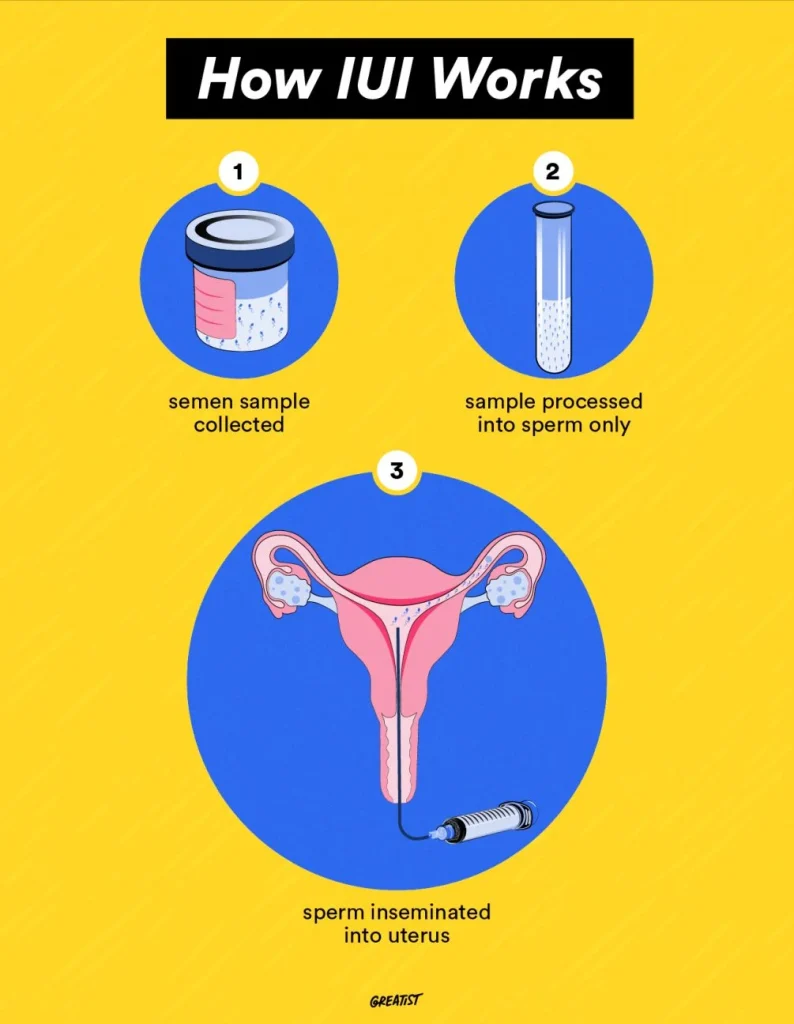
    illustration explaining the steps of intrauterine insemination (IUI) process on a bright yellow background

    Fertility Drugs vs. Natural Methods: Which Has a Higher Chance of Success?

    The Success Rate of Natural Methods

    The success rate of natural methods can vary depending on the individual’s consistency and accuracy in tracking their fertility signs. However, studies have shown that natural methods have a success rate of 20-25% per cycle. This means that for every 100 women who use natural methods, 20-25 of them will get pregnant in a given cycle. It is important to note that the success rate of natural methods can be affected by factors such as age, underlying health issues, and lifestyle habits.

    Possible Challenges with Natural Methods

    Unlike fertility drugs, natural methods require a significant level of commitment and consistency from the user. Tracking fertility signs and timing intercourse can be challenging and time-consuming. Additionally, natural methods are not as effective for women with irregular cycles or those who have underlying fertility issues such as endometriosis or polycystic ovary syndrome (PCOS). These factors can make it more difficult to accurately predict ovulation and increase the chances of pregnancy.

    Fertility Drugs vs. Natural Methods: Which Has a Higher Chance of Success?

    Both fertility drugs and natural methods have their pros and cons, and the success rate can vary from person to person. However, when comparing the two, it is essential to consider the potential risks and benefits of each option. Fertility drugs can be more effective for women with specific fertility issues, but they also come with potential side effects. Natural methods, on the other hand, may not be as reliable for some women, but they are a non-invasive and more holistic approach.

    In conclusion, the choice between fertility drugs and natural methods ultimately depends on an individual’s unique circumstances. It is crucial to consult with a fertility specialist to determine which option may be more suitable for you. Additionally, incorporating a healthy lifestyle and managing stress can also improve the chances of success, regardless of the method chosen. Remember, fertility is a journey, and it is essential to seek support and guidance along the way.

    Summary:

    Fertility is a common concern for many people, and there are various options available to increase the chances of pregnancy. Fertility drugs, also known as ovulation induction drugs, are medications that stimulate the ovaries to produce multiple eggs. They have a success rate of 20-60%, but they also come with potential side effects. On the other hand, natural methods involve tracking and monitoring a woman’s menstrual cycle to determine fertile days for conception. They have a success rate of 20-25% per cycle, but they require a significant level of commitment and consistency. Ultimately, the choice between fertility drugs and natural methods depends on an individual’s unique circumstances and should be discussed with a fertility specialist.

  • The Role of Hormones in Fertility and How to Balance Them Naturally

    Blog Post Title: The Role of Hormones in Fertility and How to Balance Them Naturally

    Hormones play a crucial role in fertility, as they are responsible for regulating various processes in the body that are necessary for conception and pregnancy. However, imbalances in hormones can significantly impact fertility and make it difficult for couples to conceive. In this blog post, we will explore the role of hormones in fertility and discuss natural ways to balance them for improved reproductive health.

    Understanding Hormones and Fertility

    Hormones are chemical messengers produced by the endocrine glands that regulate various bodily functions, including reproduction. In women, the primary hormones involved in fertility are estrogen, progesterone, follicle-stimulating hormone (FSH), and luteinizing hormone (LH). In men, the primary hormone involved in fertility is testosterone.

    In women, the menstrual cycle is regulated by these hormones, with estrogen and progesterone responsible for preparing the uterus for pregnancy and FSH and LH involved in the release of eggs from the ovaries. In men, testosterone is responsible for sperm production and maintaining a healthy sex drive.

    Hormonal Imbalances and Fertility

    When hormones are not functioning properly, it can lead to imbalances that can affect fertility. For women, hormonal imbalances can cause irregular or absent periods, ovarian cysts, and difficulty ovulating. In men, hormonal imbalances can cause low sperm count, low libido, and erectile dysfunction.

    There are many factors that can contribute to hormonal imbalances, such as stress, poor diet, environmental toxins, and certain medical conditions. It is essential to identify the root cause of hormonal imbalances to effectively balance them and improve fertility.

    Natural Ways to Balance Hormones for Fertility

    1. Eat a Balanced and Nutritious Diet

    What you eat can significantly impact your hormones and fertility. A diet high in processed foods, sugar, and unhealthy fats can disrupt hormonal balance. On the other hand, a diet rich in whole foods, healthy fats, and lean protein can support hormone production and regulation.

    Foods that are particularly beneficial for balancing hormones include:

    – Leafy greens: These are rich in nutrients that support hormone production, such as magnesium, calcium, and vitamin B.
    – Healthy fats: Avocados, nuts, and seeds are excellent sources of healthy fats that support hormone production and balance.
    – Omega-3 fatty acids: Found in fatty fish, flaxseeds, and chia seeds, omega-3s can help reduce inflammation and regulate hormone levels.
    – Fermented foods: Foods like yogurt, kimchi, and sauerkraut contain probiotics that can support gut health and hormone balance.
    – Cruciferous vegetables: Vegetables like broccoli, cauliflower, and Brussels sprouts contain compounds that help the liver detoxify excess hormones.

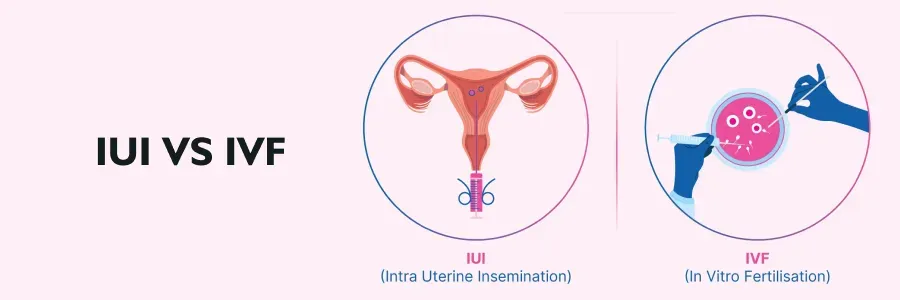
    Comparison of IUI and IVF treatments with diagrams of reproductive anatomy.

    The Role of Hormones in Fertility and How to Balance Them Naturally

    2. Manage Stress

    Chronic stress can wreak havoc on your hormones and fertility. When you are under stress, your body produces high levels of cortisol, which can interfere with the production of estrogen and progesterone. This can lead to irregular periods, difficulty ovulating, and reduced fertility.

    To manage stress, try incorporating relaxation techniques into your daily routine, such as meditation, yoga, or deep breathing exercises. Regular exercise can also help reduce stress and balance hormones.

    3. Get Enough Sleep

    Getting enough quality sleep is crucial for hormone balance. Lack of sleep can disrupt the production of hormones, leading to imbalances. Aim for 7-8 hours of sleep each night and try to maintain a consistent sleep schedule.

    4. Avoid Environmental Toxins

    Exposure to environmental toxins can disrupt hormones and negatively impact fertility. Try to limit your exposure to chemicals found in household cleaning products, cosmetics, and plastics. Choose natural, organic products when possible.

    5. Consider Herbal Remedies

    Certain herbs have been traditionally used to balance hormones and improve fertility. These include:

    – Maca: This root vegetable has been used for centuries to improve fertility and balance hormones.
    – Vitex: Also known as chaste tree berry, vitex has been shown to regulate menstrual cycles and improve fertility.
    – Dong Quai: This herb is commonly used in Traditional Chinese Medicine to regulate hormones and improve fertility.
    – Red Raspberry Leaf: This herb is known for its ability to tone the uterus and promote hormonal balance.

    It is essential to consult with a healthcare professional before incorporating herbal remedies into your routine, as they may interact with other medications or have side effects.

    Summary:

    Hormones play a vital role in fertility, and imbalances can significantly impact a couple’s ability to conceive. Factors such as stress, poor diet, and exposure to environmental toxins can disrupt hormone production and regulation. However, there are natural ways to balance hormones for improved fertility, including a nutritious diet, stress management, getting enough sleep, avoiding environmental toxins, and considering herbal remedies.

  • The Success Stories of DIY Fertility: Real Women, Real Results

    Blog post:

    Fertility struggles are a common reality for many couples around the world. It’s a journey that is filled with uncertainty, emotions, and often, disappointment. While there are various medical treatments and procedures available, not everyone has access to or can afford these options. This is where DIY fertility comes in – a growing trend where women take matters into their own hands and use natural methods to increase their chances of conceiving. In this blog post, we will dive into the success stories of real women who have tried DIY fertility and achieved real results.

    Sarah’s Story:
    Sarah had been trying to conceive for over a year without success. She and her husband had been to multiple doctors and tried various fertility treatments, but nothing seemed to work. Feeling frustrated and discouraged, Sarah stumbled upon a blog about DIY fertility and decided to give it a try. She started by tracking her ovulation using at-home ovulation predictor kits and following a specific diet and exercise plan tailored for fertility. To her surprise, after just a few months, Sarah found out she was pregnant. She gave birth to a healthy baby girl and is now a proud mother of two children.

    Melissa’s Story:
    Melissa had been diagnosed with polycystic ovary syndrome (PCOS) and was told by her doctor that she may have trouble conceiving. She was determined to find a natural solution and stumbled upon a DIY fertility program. Melissa started incorporating fertility-boosting foods into her diet, practicing yoga and meditation, and using essential oils to balance her hormones. After six months of following this regimen, she got pregnant and gave birth to a healthy baby boy. Melissa’s success story inspired her to create a support group for other women with PCOS who are trying to conceive.

    Jenna’s Story:
    Jenna and her husband had been trying to conceive for over two years. They had undergone multiple rounds of expensive fertility treatments, but none of them worked. Feeling defeated and financially drained, Jenna decided to take a break from medical interventions and focus on DIY fertility. She started using acupuncture, taking Chinese herbs, and practicing fertility yoga. After a few months, Jenna became pregnant and gave birth to a healthy baby girl. She believes that the combination of Eastern and Western practices was the key to her success.

    Samantha’s Story:
    Samantha had been diagnosed with unexplained infertility and was told by her doctor that her chances of conceiving were very low. She and her husband couldn’t afford expensive fertility treatments, so they turned to DIY fertility. Samantha started tracking her menstrual cycle, using natural fertility supplements, and practicing reflexology. After six months, she got pregnant and gave birth to a healthy baby boy. Samantha now shares her story and tips on her blog to help other women going through similar struggles.

    comparison of IUI and IVF procedures illustrated with simple graphics and labels

    The Success Stories of DIY Fertility: Real Women, Real Results

    These are just a few of the many success stories of women who have tried DIY fertility. While the results may vary for each individual, these stories show that it is possible to conceive naturally without expensive medical interventions. So, what are the key factors that contribute to the success of DIY fertility? Let’s take a look.

    1. Tracking ovulation: Many DIY fertility methods involve tracking ovulation, which is crucial for timing intercourse and increasing the chances of conception. This can be done through at-home ovulation predictor kits, tracking basal body temperature, or using fertility tracking apps.

    2. Diet and exercise: A healthy and balanced diet, along with regular exercise, is essential for overall health and fertility. Certain foods, such as leafy greens, whole grains, and healthy fats, can boost fertility. Exercise can also help regulate hormones and improve reproductive health.

    3. Stress management: Stress can have a negative impact on fertility by disrupting hormone levels. DIY fertility often involves incorporating stress-reducing activities like yoga, meditation, or acupuncture to promote relaxation and balance hormones.

    4. Natural supplements: Many women who have successfully conceived through DIY fertility swear by the use of natural supplements such as maca root, evening primrose oil, and vitex. These supplements are believed to support reproductive health and increase fertility.

    5. Support and community: Going through fertility struggles can be emotionally draining. DIY fertility programs often provide a sense of community and support, which can be helpful for women on this journey.

    In summary, DIY fertility has been successful for many women, and these real-life stories are a testament to its effectiveness. While it may not be the right choice for everyone, it is worth considering as a natural and affordable alternative to medical treatments. By tracking ovulation, following a healthy diet and exercise regimen, managing stress levels, and using natural supplements, women can increase their chances of conceiving and fulfill their dreams of becoming mothers.

  • Is DIY Fertility the Answer to Expensive Clinic Treatments?

    DIY Fertility: A Viable Alternative to Expensive Clinic Treatments?

    In today’s society, the pressure to have children has become increasingly prevalent. With more and more couples struggling with fertility issues, the demand for fertility treatments has risen, leading to a significant increase in the cost of these treatments. Many couples are facing the harsh reality that they may not be able to afford the expensive treatments offered by fertility clinics. In this scenario, DIY fertility has emerged as a possible solution for couples looking to start a family without breaking the bank. But the question remains, is DIY fertility a safe and effective alternative to expensive clinic treatments? Let’s dive in and explore the pros and cons of DIY fertility and whether it could be the answer to expensive clinic treatments.

    What is DIY Fertility?

    DIY fertility, also known as at-home or natural fertility, refers to the use of natural methods, supplements, and techniques to promote fertility without the assistance of medical professionals. These methods include tracking ovulation, using fertility-friendly foods and supplements, and incorporating lifestyle changes such as stress reduction and exercise. The idea behind DIY fertility is to create a more affordable and accessible option for couples struggling with infertility, while also empowering them to take control of their own fertility journey.

    The Pros of DIY Fertility

    Cost-Effective

    One of the most significant advantages of DIY fertility is its cost-effectiveness. Fertility treatments at clinics can cost thousands of dollars, with no guarantee of success. On the other hand, DIY fertility techniques can cost significantly less, making it a more affordable option for couples. By using natural methods and supplements, couples can save money on expensive medical procedures and medications, which can quickly add up.

    Empowering

    For many couples, struggling with infertility can feel like a loss of control over their own bodies. Turning to DIY fertility allows them to take back that control and feel empowered in their fertility journey. By tracking ovulation, incorporating lifestyle changes, and using natural supplements, couples can feel more involved in the process and have a sense of agency over their own bodies.

    No Side Effects

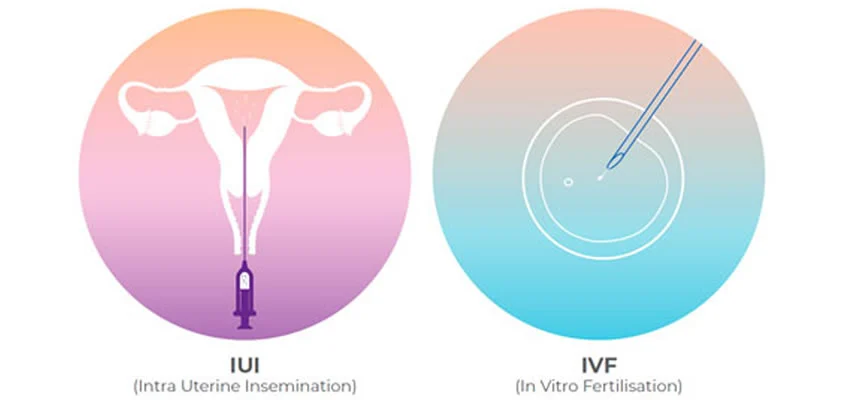
    Comparison of IUI and IVF with illustrations of each procedure.

    Is DIY Fertility the Answer to Expensive Clinic Treatments?

    Fertility treatments at clinics often come with a long list of potential side effects, including mood swings, bloating, and nausea. With DIY fertility, couples can avoid these side effects as they are using all-natural methods and supplements. This can be especially appealing for couples who may have had negative experiences with medications and procedures in the past.

    The Cons of DIY Fertility

    Lack of Medical Supervision

    The most significant disadvantage of DIY fertility is the lack of medical supervision. Fertility clinics have trained professionals who can monitor and adjust treatment plans accordingly. In comparison, DIY fertility relies on the couple’s own research and understanding, which may not always be accurate or effective. Without medical supervision, there is a risk of incorrect timing of ovulation, leading to unsuccessful attempts at conception.

    Limited Success Rates

    While DIY fertility techniques may work for some couples, they are not a one-size-fits-all solution. The success rates of DIY fertility are significantly lower than those of fertility clinic treatments. This is because DIY fertility does not address underlying medical conditions or problems that may be causing infertility. Without proper medical evaluation and treatment, it may be challenging to achieve successful results with DIY fertility methods.

    Time-Consuming

    DIY fertility methods require a significant amount of time and effort. Tracking ovulation, incorporating lifestyle changes, and taking supplements can be time-consuming and may not fit into everyone’s busy schedules. Additionally, it may take longer to see results with DIY fertility compared to clinic treatments, which can be a source of frustration for some couples.

    The Importance of Finding Balance

    The decision to pursue DIY fertility should not be taken lightly. It is essential to find a balance between cost-effectiveness and successful results. While DIY fertility may work for some couples, it may not be the best option for everyone. It is crucial to consult with a medical professional to address any underlying medical conditions and develop a tailored treatment plan that combines both natural methods and medical interventions.

    In conclusion, DIY fertility can be a viable alternative to expensive clinic treatments, but it is not without its limitations. It offers a more affordable and empowering option for couples struggling with infertility, but it may not be as effective as fertility clinic treatments. The decision to pursue DIY fertility should be made carefully, taking into consideration individual circumstances and consulting with medical professionals. Finding a balance between cost-effectiveness and successful results is crucial in this journey to starting a family.