Tag: ethical concerns

  • The Debate: Traditional Medicine vs Fertility Clinics and Hospitals

    Traditional medicine and fertility clinics/hospitals are two vastly different approaches to treating infertility. On one hand, traditional medicine relies on natural remedies and holistic practices, while fertility clinics and hospitals offer more modern and advanced medical procedures. The debate between these two options has been ongoing, with proponents and critics on both sides. In this blog post, we will delve into the debate between traditional medicine and fertility clinics/hospitals and explore the pros and cons of each approach.

    Traditional medicine has been practiced for thousands of years and is deeply rooted in cultural and spiritual beliefs. It encompasses a wide range of practices, including herbal medicine, acupuncture, massage, and dietary changes. The goal of traditional medicine is to restore balance and harmony in the body, which is believed to be the key to treating infertility. Many people turn to traditional medicine as a first-line treatment for infertility, as it is often seen as a more natural and less invasive option compared to fertility clinics and hospitals.

    One of the main advantages of traditional medicine is its holistic approach. Traditional medicine practitioners not only focus on treating the physical symptoms of infertility but also take into account the emotional and spiritual well-being of the individual. This can be particularly beneficial for couples struggling with the emotional toll of infertility. Traditional medicine also relies heavily on natural remedies, which are believed to have fewer side effects compared to pharmaceutical drugs used in fertility clinics and hospitals.

    However, one of the major criticisms of traditional medicine is the lack of scientific evidence to support its effectiveness. Many traditional remedies lack adequate research and studies to back up their claims. This can make it difficult for couples to determine which treatments are actually beneficial and which are simply based on anecdotal evidence. Additionally, traditional medicine may not be suitable for all types of infertility, and in some cases, may even delay more effective treatments.

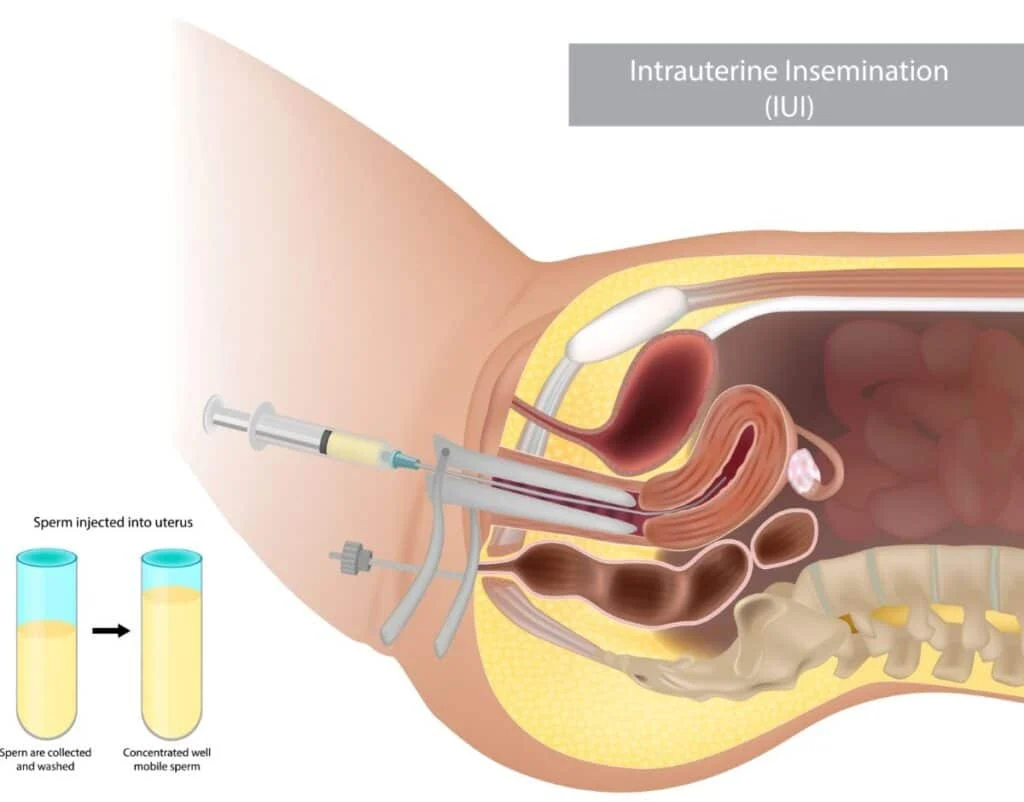
    On the other hand, fertility clinics and hospitals offer a more modern and scientific approach to treating infertility. These medical facilities have access to advanced technology and procedures, such as in vitro fertilization (IVF) and intrauterine insemination (IUI). These treatments have been extensively researched and have a higher success rate compared to traditional medicine.

    Another advantage of fertility clinics and hospitals is the expertise of their medical staff. These facilities have highly trained and specialized doctors, nurses, and technicians who are well-versed in the latest advancements in infertility treatment. This can provide couples with a sense of reassurance and confidence in their treatment.

    However, one of the main criticisms of fertility clinics and hospitals is the high cost of treatment. IVF, for example, can cost tens of thousands of dollars and is not always covered by insurance. This can be a significant barrier for many couples, especially those who have already spent a significant amount of money on traditional medicine treatments.
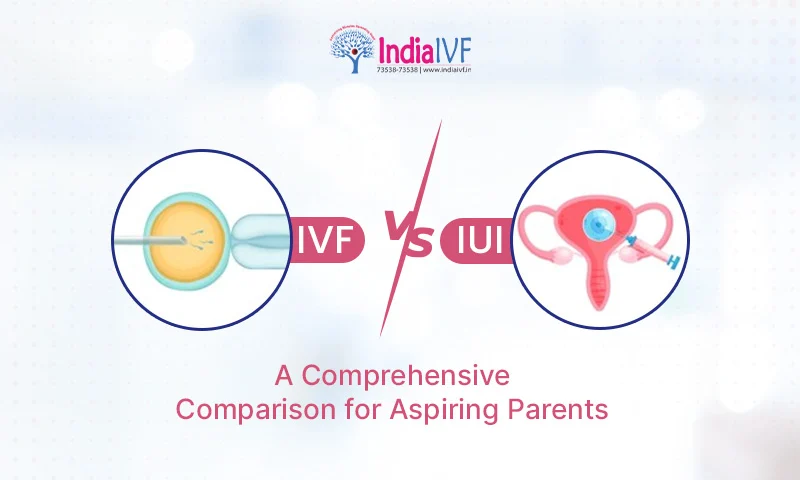
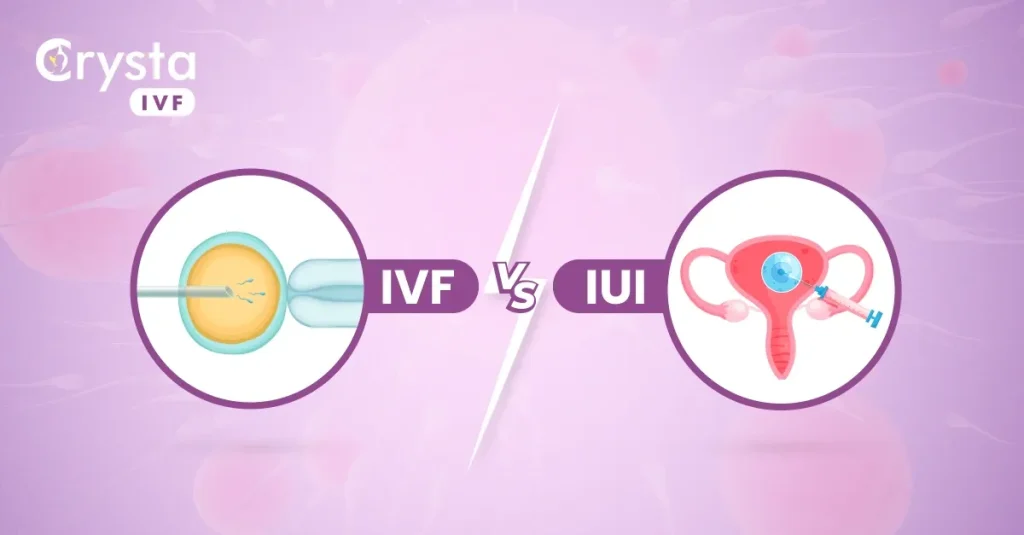
    IVF vs IUI comparison graphic highlighting reproductive methods for aspiring parents.

    The Debate: Traditional Medicine vs Fertility Clinics and Hospitals

    Moreover, the invasive nature of some fertility treatments can also be a concern for couples. IVF, in particular, involves a series of injections and surgical procedures, which can be physically and emotionally taxing. The high success rates of these treatments also come with the risk of multiple pregnancies, which can be complicated and potentially dangerous.

    In addition to the cost and invasiveness of fertility treatments, there is also the ethical concern of the creation and disposal of unused embryos. Many fertility clinics and hospitals offer the option of freezing and storing unused embryos for future use, which raises questions about the moral implications of creating and potentially discarding human life.

    So, which approach is better for treating infertility? The answer is not so simple. Both traditional medicine and fertility clinics/hospitals have their own set of advantages and disadvantages. The decision ultimately depends on the individual and their specific needs and beliefs.

    For those who prefer a more natural and holistic approach, traditional medicine may be a good option. It can provide emotional and spiritual support, and may even help improve overall health and well-being. However, it is important to seek out reputable and qualified practitioners and to be cautious of any treatments that lack scientific evidence.

    Meanwhile, fertility clinics and hospitals may be a better choice for those who want a more scientific and modern approach. These facilities offer advanced technology and specialized medical staff, which can increase the chances of success. However, the high cost and invasive nature of treatments should be carefully considered before making a decision.

    In conclusion, the debate between traditional medicine and fertility clinics/hospitals is ongoing and there is no clear winner. Both approaches have their own strengths and weaknesses, and the best option for treating infertility depends on the individual’s preferences and needs. It is important to carefully research and consider all options before making a decision, and to always consult with a medical professional.

    Summary:
    The debate between traditional medicine and fertility clinics/hospitals is ongoing, with proponents and critics on both sides. Traditional medicine relies on natural remedies and holistic practices, while fertility clinics and hospitals offer more modern and advanced medical procedures. Traditional medicine has a holistic approach and relies on natural remedies, but lacks scientific evidence. Fertility clinics and hospitals offer advanced technology and specialized medical staff, but can be expensive and invasive. The decision ultimately depends on the individual’s needs and beliefs, and it is important to carefully research and consider all options before making a decision.

  • From a Legal Perspective: The Pros and Cons of Home Insemination

    From a Legal Perspective: The Pros and Cons of Home Insemination

    Home insemination, also known as self-insemination, is the process of using a syringe or other instrument to inject sperm into the cervix or vagina at home, without the assistance of a medical professional. This method of conception has gained popularity in recent years, particularly among same-sex couples, single women, and couples struggling with infertility. While home insemination may seem like a convenient and affordable option for starting a family, it is important to consider the legal implications before proceeding with this method. In this blog post, we will explore the pros and cons of home insemination from a legal perspective.

    Pros of Home Insemination:

    1. Cost-effective

    One of the main advantages of home insemination is its affordability. Traditional methods of assisted reproduction, such as in vitro fertilization (IVF), can be extremely expensive and may not be covered by insurance. In contrast, home insemination involves minimal costs, as it can be done with basic equipment and without the need for medical assistance.

    2. Privacy and comfort

    Another benefit of home insemination is the privacy and comfort it offers. Many individuals and couples may feel more at ease and in control of the process when it is done in the comfort of their own home, rather than in a clinical setting. This can be particularly beneficial for those who may feel uncomfortable or intimidated by medical procedures.

    3. Accessibility for same-sex couples and single women

    Home insemination provides a viable option for same-sex couples and single women who wish to have a biological child. In many countries, laws and regulations may restrict access to assisted reproduction for these individuals, making home insemination a more feasible option.

    4. Flexibility

    Home insemination allows for flexibility in timing, as it can be done at any time during a woman’s menstrual cycle. This can be particularly useful for individuals or couples who have busy schedules or are unable to travel to a medical facility for assisted reproduction procedures.

    doctor discussing treatment with a patient in a medical office, featuring an ultrasound machine in the background

    From a Legal Perspective: The Pros and Cons of Home Insemination

    Cons of Home Insemination:

    1. Lack of medical supervision

    One of the biggest drawbacks of home insemination is the lack of medical supervision. Unlike assisted reproduction procedures done in a medical facility, home insemination does not involve any monitoring or testing to ensure the sperm is of good quality or to detect any potential fertility issues. This could result in unsuccessful attempts or even potential health risks.

    2. Legal complications

    Home insemination raises a number of legal concerns, particularly for couples who are not married or for same-sex couples. In many countries, the law may not recognize the non-biological parent as a legal guardian, leaving them with no legal rights or responsibilities towards the child. This could lead to complicated custody battles or issues with inheritance and other legal matters.

    3. Health risks

    While home insemination may seem like a simple and safe procedure, it does carry certain health risks. If the sperm used is not from a known and trusted donor, there is a possibility of contracting sexually transmitted diseases (STDs). In addition, if the sperm is not properly stored or handled, it could cause infections or other health complications.

    4. Ethical concerns

    Home insemination raises ethical concerns, particularly when it comes to using donor sperm. It is important to ensure that the donor has given informed consent and that there is no coercion or exploitation involved. In addition, using donor sperm without proper screening and testing could lead to the transmission of genetic diseases or disorders.

    In conclusion, while home insemination may seem like a convenient and affordable option for starting a family, it is important to consider the legal implications and potential risks before proceeding with this method. Consulting with a legal professional and seeking medical advice can help individuals and couples make informed decisions about their options for conception.

    Summary:

    Home insemination, also known as self-insemination, is a method of conception that involves injecting sperm into the cervix or vagina at home without medical assistance. While it may seem like an affordable and convenient option, there are several pros and cons to consider from a legal perspective. The pros include cost-effectiveness, privacy and comfort, accessibility for same-sex couples and single women, and flexibility. However, the cons include lack of medical supervision, legal complications, health risks, and ethical concerns. It is important to consult with a legal professional and seek medical advice before proceeding with home insemination.

  • The Pros and Cons of Fertility Preservation: What You Need to Know

    Blog Post Title: The Pros and Cons of Fertility Preservation: What You Need to Know

    Fertility preservation, also known as cryopreservation, is a medical procedure that involves freezing and storing eggs, sperm, or embryos for future use. This option is becoming increasingly popular for individuals or couples who are considering delaying parenthood or undergoing medical treatments that may affect their fertility. However, like any medical procedure, there are both pros and cons to consider before making the decision to preserve one’s fertility. In this blog post, we will discuss the benefits and drawbacks of fertility preservation, as well as important considerations to keep in mind.

    Pros of Fertility Preservation:

    1. Allows for Delayed Parenthood: One of the main advantages of fertility preservation is that it allows individuals or couples to delay parenthood for personal or professional reasons. With the advancement of technology, eggs, sperm, and embryos can be safely frozen and stored for many years, giving individuals the flexibility to start a family when they are ready.

    2. Preserves Fertility Before Medical Treatments: For individuals who are facing medical treatments such as chemotherapy, radiation, or surgery that may affect their fertility, fertility preservation provides a chance to preserve their reproductive options before undergoing the treatments. This is especially important for young cancer patients who may want to have children in the future.

    3. Increases Chances of Pregnancy: As women age, their fertility decreases, making it more difficult to conceive naturally. By preserving eggs at a younger age, women can increase their chances of getting pregnant later in life. This is also beneficial for couples who are struggling with infertility, as they can use their stored eggs or sperm for assisted reproductive techniques such as in vitro fertilization (IVF).

    4. Peace of Mind: Fertility preservation can provide peace of mind for individuals who are worried about their future fertility. Knowing that they have the option to use their preserved eggs, sperm, or embryos in the future can alleviate the stress and anxiety that often comes with fertility concerns.

    5. Suitable for LGBTQ+ Couples: Fertility preservation is also a viable option for LGBTQ+ couples who want to have biological children. Same-sex male couples can preserve their sperm for future use, while same-sex female couples can use donor sperm or preserve eggs for IVF.

    Cons of Fertility Preservation:

    1. Cost: Fertility preservation can be a costly procedure, and the cost may vary depending on the method used, the number of cycles required, and the storage fees. In addition, not all insurance plans cover the cost of fertility preservation, making it an expensive option for some individuals or couples.

    2. No Guarantee of Success: While fertility preservation can increase the chances of pregnancy, it does not guarantee success. There is always a chance that the stored eggs, sperm, or embryos may not survive the freezing and thawing process, or that they may not result in a successful pregnancy.

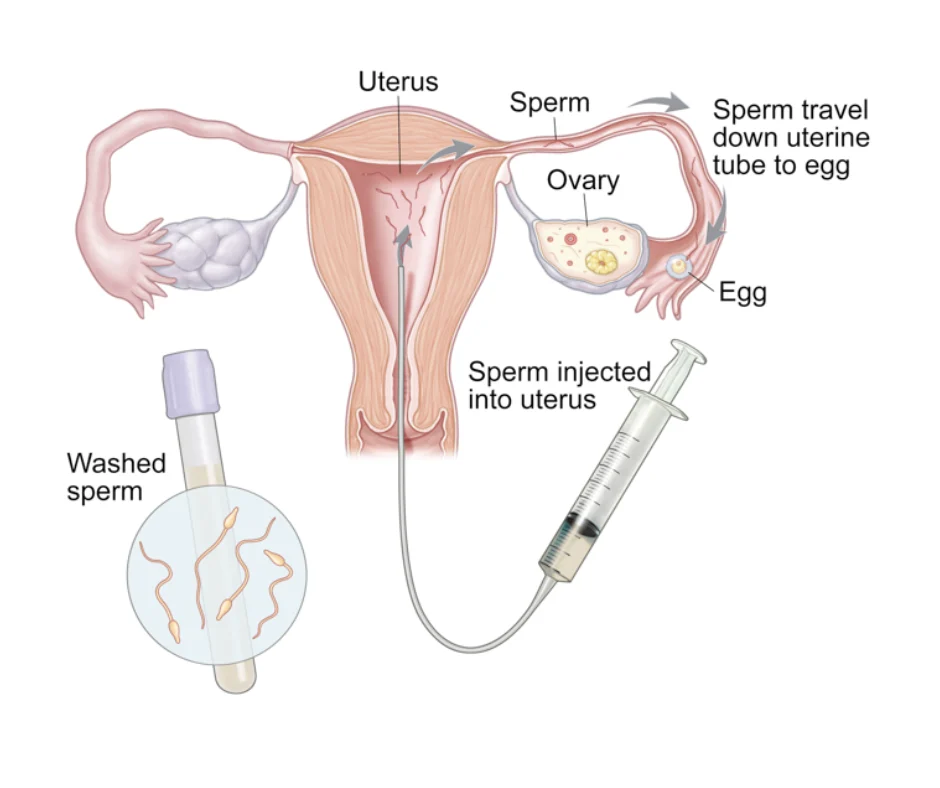
    Diagram illustrating intrauterine insemination (IUI) procedure with sperm injection into the uterus.

    The Pros and Cons of Fertility Preservation: What You Need to Know

    3. Emotional Toll: Deciding to preserve one’s fertility can come with emotional challenges. It may bring up feelings of grief and loss, as individuals may be mourning the loss of their natural ability to conceive. In addition, the process of undergoing fertility treatments and making decisions about the number of eggs or sperm to preserve can be emotionally taxing.

    4. Ethical Concerns: Some people have ethical concerns about fertility preservation, especially when it comes to storing and potentially discarding unused embryos. This can raise questions about the status of the embryos and the ethical implications of using them for reproductive purposes.

    5. Limited Time Frame: Fertility preservation is most effective when done at a younger age, as the quality of eggs and sperm decreases with age. This means that individuals who decide to preserve their fertility later in life may have a lower chance of success.

    Important Considerations:

    1. Consult with a Fertility Specialist: Before making a decision about fertility preservation, it is important to consult with a fertility specialist who can provide expert advice and guidance. They can assess your individual situation and help you understand the potential success rates and risks associated with the procedure.

    2. Plan for the Future: It is important to have a plan in place for the future use of the preserved eggs, sperm, or embryos. This includes considering the number of eggs or sperm to preserve, the length of storage, and the potential use of a surrogate or donor if needed.

    3. Be Informed: It is crucial to educate yourself about the procedure and the potential risks and benefits before making a decision. This includes understanding the costs involved, the success rates, and the potential emotional toll.

    4. Explore Other Options: Fertility preservation is not the only option for individuals or couples who want to have children in the future. Adoption, surrogacy, and fostering are all alternatives that may be worth considering.

    In conclusion, fertility preservation is a complex decision that requires careful consideration. While it can provide many benefits and help individuals achieve their goal of parenthood, it also comes with potential drawbacks and challenges. It is important to weigh the pros and cons, consult with a fertility specialist, and be informed before making a decision about fertility preservation.

    Summary:

    Fertility preservation, also known as cryopreservation, is a medical procedure that involves freezing and storing eggs, sperm, or embryos for future use. It allows for delayed parenthood, preserves fertility before medical treatments, increases chances of pregnancy, and provides peace of mind. However, it can be costly, has no guarantee of success, and can have an emotional toll. Important considerations include consulting with a fertility specialist, planning for the future, being informed, and exploring other options. Ultimately, the decision to preserve one’s fertility is a personal one that should be made after careful consideration of the pros and cons.

  • Egg Retrieval vs Egg Sharing: Which Offers More Success?

    Blog Post:

    Egg retrieval and egg sharing are two methods of obtaining eggs for fertility treatments. Both offer the potential for success in helping couples or individuals conceive a child. However, there are some key differences between the two that may impact the success rates and overall experience for those undergoing these procedures. In this blog post, we will dive into the details of egg retrieval and egg sharing to determine which one offers more success.

    What is Egg Retrieval?

    Egg retrieval, also known as oocyte retrieval, is a procedure used to collect eggs from a woman’s ovaries for in vitro fertilization (IVF) or other fertility treatments. The process involves stimulating the ovaries with hormones to produce multiple eggs, which are then retrieved using a needle guided by ultrasound. Once the eggs are collected, they are fertilized with sperm in a laboratory and the resulting embryos are transferred into the woman’s uterus.

    What is Egg Sharing?

    Egg sharing is a process where a woman undergoing IVF or other fertility treatments donates some of her eggs to another woman or couple who are struggling with infertility. The woman undergoing the treatment receives a reduced cost for her own IVF treatment in exchange for donating eggs. The donated eggs are then fertilized with sperm and the resulting embryos are transferred into the recipient’s uterus.

    Success Rates: Egg Retrieval vs. Egg Sharing

    When it comes to success rates, there is no clear winner between egg retrieval and egg sharing. The success of both procedures depends on various factors such as the age and health of the woman, the quality of the eggs, and the expertise of the fertility clinic. However, studies have shown that the success rates for egg retrieval tend to be slightly higher than those for egg sharing.

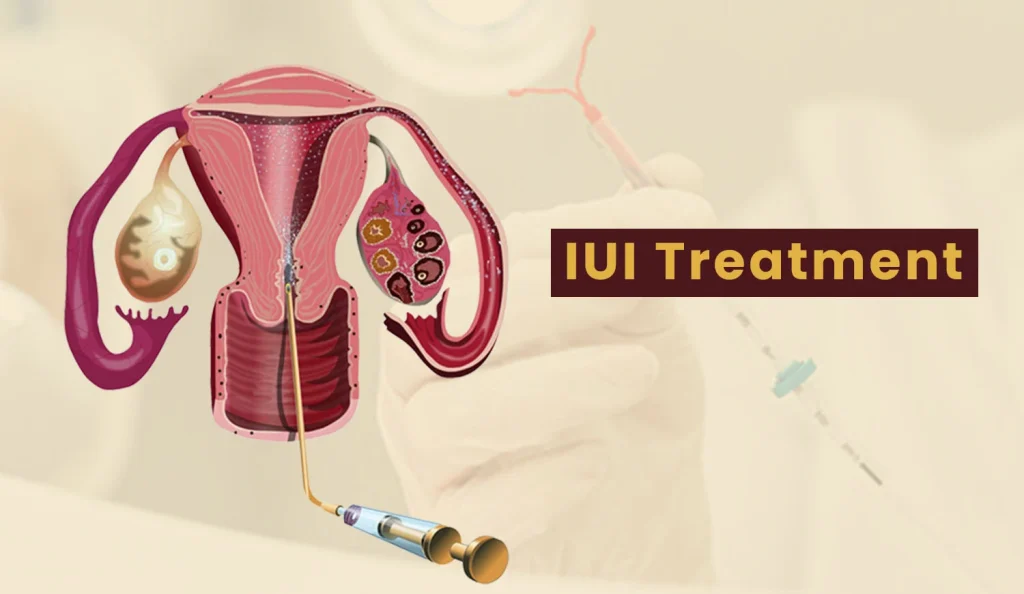
    illustration of the uterus and ovaries with a syringe, labeled "IUI Treatment" in the background

    Egg Retrieval vs Egg Sharing: Which Offers More Success?

    One reason for this is that women undergoing egg retrieval have the advantage of using their own eggs, which are more likely to result in a successful pregnancy compared to donated eggs. Additionally, the woman undergoing egg retrieval receives all of the eggs collected, while in egg sharing, only a portion of the donated eggs are used, which may decrease the chances of success.

    Cost: Egg Retrieval vs. Egg Sharing

    The cost of egg retrieval and egg sharing can vary greatly, depending on factors such as location, clinic, and specific treatment plans. In general, egg sharing tends to be more affordable than egg retrieval, as the woman undergoing the treatment receives a reduced cost in exchange for donating eggs. However, this reduced cost may not be significant enough to outweigh the potential success rates of egg retrieval.

    Emotional and Ethical Considerations

    Aside from success rates and cost, there are also emotional and ethical considerations to take into account when deciding between egg retrieval and egg sharing. Egg retrieval is a more personal process, as the woman is using her own eggs and is in control of the entire procedure. On the other hand, egg sharing involves donating eggs to someone else, which can bring up a range of emotions and ethical concerns.

    The decision to undergo egg retrieval or egg sharing should be carefully considered and discussed with a medical professional. It’s important to weigh the potential success rates, cost, and emotional and ethical implications before making a decision.

    Summary:

    Egg retrieval and egg sharing are two methods of obtaining eggs for fertility treatments. Egg retrieval involves collecting eggs from a woman’s ovaries for IVF or other treatments, while egg sharing involves donating eggs to another woman or couple in exchange for a reduced cost for the donor’s own treatment. While egg retrieval tends to have slightly higher success rates and egg sharing is more affordable, the decision should also consider emotional and ethical implications. Ultimately, the choice between the two methods should be carefully considered and discussed with a medical professional.

  • The Impact of Society: Artificial Insemination and Natural Conception

    The Impact of Society: Artificial Insemination and Natural Conception

    In today’s society, there are many different ways to start a family. While natural conception has been the traditional method for centuries, advancements in technology have introduced artificial insemination as an alternative option. This has sparked debates and discussions about the impact of society on these two methods of conception. In this blog post, we will explore the history, process, and impact of both artificial insemination and natural conception on society.

    History of Artificial Insemination

    The first successful artificial insemination was performed in 1884 by a British doctor named William Pancoast. However, it wasn’t until the 20th century that artificial insemination became more widely accepted and practiced. In the 1920s, Dr. John Rock and Miriam Menkin developed a method of artificial insemination using frozen sperm. This was a significant breakthrough as it allowed for the use of donor sperm, opening up options for couples struggling with male infertility.

    In the 1950s, artificial insemination gained even more popularity with the introduction of intrauterine insemination (IUI). This procedure involves placing washed and concentrated sperm directly into the uterus, increasing the chances of fertilization. It was also during this time that artificial insemination became more regulated and monitored by medical professionals.

    The first successful pregnancy through in vitro fertilization (IVF) was achieved in 1978. This revolutionary technique involves fertilizing an egg with sperm in a laboratory, and then transferring the embryo into the uterus. IVF has since become a widely used method of artificial insemination, with millions of babies born through this procedure worldwide.

    History of Natural Conception

    Natural conception, or sexual intercourse leading to pregnancy, is the oldest and most traditional method of conception. It has been the primary means of starting a family for centuries, and it remains the most popular method in many cultures and societies.

    However, the widespread use of birth control methods such as condoms and oral contraceptives in the 20th century has led to a decline in natural conception. These methods have allowed couples to control when they want to have children, leading to smaller family sizes and delayed childbearing.

    Process of Artificial Insemination

    Artificial insemination involves the insertion of sperm into a woman’s reproductive tract through means other than sexual intercourse. There are various techniques used in artificial insemination, including intrauterine insemination (IUI), intracervical insemination (ICI), and intratubal insemination (ITI). The specific method used depends on the individual’s fertility issues and the recommendation of their medical professional.

    The process of artificial insemination typically involves the collection of sperm, whether it be from a partner or a donor. The sperm is then washed and prepared for insertion into the woman’s reproductive tract. This can be done at various stages of the woman’s menstrual cycle, depending on the desired outcome.

    For example, IUI is typically done around the time of ovulation to increase the chances of fertilization. IVF, on the other hand, involves a more complex process, including stimulating the ovaries with hormones, retrieving eggs, fertilizing them in a laboratory, and then transferring the embryo into the uterus.

    Illustration of intrauterine insemination (IUI) procedure with syringe and catheter in the uterus.

    The Impact of Society: Artificial Insemination and Natural Conception

    Process of Natural Conception

    Natural conception, as mentioned earlier, involves sexual intercourse leading to pregnancy. During sexual intercourse, the male’s sperm is ejaculated into the female’s vagina and travels through the cervix and into the uterus, where it may fertilize an egg if present. The fertilized egg then implants itself in the lining of the uterus, and pregnancy begins.

    The process of natural conception is more unpredictable compared to artificial insemination methods. It relies on factors such as ovulation, sperm count, and quality, and timing of intercourse. It is also important to note that natural conception is not always successful, and couples may face challenges in conceiving.

    Impact of Artificial Insemination on Society

    One of the most significant impacts of artificial insemination on society is the options it provides for couples struggling with infertility. It allows them to start a family and experience the joys of parenthood when it may not have been possible otherwise. It also provides options for same-sex couples and single individuals who want to have children.

    However, artificial insemination has also sparked ethical and moral debates. The use of donor sperm raises questions about the child’s right to know their biological father and the potential psychological impacts on both the child and the donor. There are also concerns about the commercialization of sperm and egg donation and the potential exploitation of donors.

    Artificial insemination has also led to a rise in the use of assisted reproductive technologies (ART) such as IVF. While these methods have helped many couples achieve their dreams of having a child, they can also be costly and inaccessible for some. This has created a divide between those who can afford these procedures and those who cannot, highlighting issues of socioeconomic status and privilege.

    Impact of Natural Conception on Society

    Natural conception remains the most common method of conception in many societies. It is seen as the natural and traditional way of starting a family, and it carries cultural and societal expectations. It also allows for the passing down of genetic traits and characteristics from parents to children.

    However, the use of birth control methods and the decline in natural conception has also impacted society. Smaller family sizes, delayed childbearing, and the choice to have fewer or no children have become more socially acceptable. This has led to changes in family dynamics, societal expectations, and even the economy.

    Conclusion

    The impact of society on artificial insemination and natural conception is significant and complex. Both methods have their advantages and drawbacks, and the debates surrounding them continue to evolve as technology and societal norms change. It is crucial to have open and informed discussions about these methods to understand their impact and ensure the well-being of all individuals involved.

    In summary, artificial insemination and natural conception have had a significant impact on society. While artificial insemination has provided options for couples struggling with infertility, it has also raised ethical concerns. Natural conception remains the traditional method of starting a family, but the use of birth control has changed societal expectations and dynamics. It is essential to continue discussing and examining these methods’ impact to ensure the well-being of all individuals involved.

  • The Impact of Modern Technology on Fertility: Pros and Cons

    Blog Post: The Impact of Modern Technology on Fertility: Pros and Cons

    The advancement of technology has had a significant impact on every aspect of our lives, including fertility. With the rise of new medical procedures and assisted reproductive technologies, couples who struggle with infertility now have more options than ever before. However, along with these advancements come potential drawbacks and ethical concerns. In this blog post, we will explore the pros and cons of modern technology on fertility and its impact on individuals and society as a whole.

    Pros:

    1. Increased Success Rates: One of the most significant benefits of modern technology on fertility is the increased success rates of assisted reproductive technologies. In-vitro fertilization (IVF), for example, has an average success rate of 30-35%, depending on the age of the woman. This means that couples who were once struggling to conceive now have a higher chance of having a biological child.

    2. Expanded Options for LGBTQ+ Couples: With the help of modern technology, same-sex couples and individuals now have the option to have biological children. Procedures like intrauterine insemination (IUI) and donor sperm or egg have made it possible for LGBTQ+ individuals to start families of their own.

    3. Egg Freezing: Egg freezing, also known as oocyte cryopreservation, has become a popular option for women who want to delay pregnancy for personal or medical reasons. This technology allows women to freeze their eggs when they are at their peak fertility and use them later in life when they are ready to have children.

    4. Pre-implantation Genetic Diagnosis (PGD): PGD is a procedure that allows for the screening of embryos for genetic disorders before implantation. This technology has helped reduce the risk of passing on genetic diseases to future generations, giving couples peace of mind when starting a family.

    5. Fertility Tracking Apps: With the rise of smartphones, there has been a surge in fertility tracking apps that help women track their menstrual cycle, ovulation, and fertile window. These apps not only allow women to better understand their bodies but also help in identifying potential fertility issues.

    Cons:

    1. Expensive: The cost of assisted reproductive technologies can be a significant barrier for many couples. IVF, for example, can cost anywhere from $12,000 to $17,000 per cycle, and most couples require multiple cycles to achieve a successful pregnancy. This can put a financial strain on couples and limit their options for starting a family.

    diagram illustrating intrauterine insemination process, showing sperm injection into the uterus and egg fertilization pathway

    The Impact of Modern Technology on Fertility: Pros and Cons

    2. Emotional and Physical Toll: The journey to parenthood can be emotionally and physically taxing, especially for couples who struggle with infertility. The constant cycle of hope, disappointment, and medical procedures can take a toll on an individual’s mental health and strain their relationships.

    3. Ethical Concerns: With advancements in technology, there are ethical concerns surrounding the creation and use of embryos in assisted reproductive technologies. Questions arise about the disposal of unused embryos, the creation of “designer babies,” and the exploitation of women’s bodies for egg donation.

    4. Increased Risk of Multiple Pregnancies: IVF and other assisted reproductive technologies have an increased risk of multiple pregnancies, which can lead to complications for both the mother and babies. This can be a challenging situation for couples who may not be prepared for the financial and emotional strain of raising multiple children.

    5. Unrealistic Expectations: The media often portrays assisted reproductive technologies as a quick fix for infertility. This can create unrealistic expectations for couples, leading to disappointment and feelings of failure when the procedures do not work.

    The Impact on Society:

    The impact of modern technology on fertility goes beyond individuals and couples struggling with infertility. The surge in fertility treatments has also led to a decline in natural conception rates in some countries. This can have long-term implications for society, such as an aging population and a decline in birth rates.

    Moreover, the use of assisted reproductive technologies has also raised questions about the definition of parenthood and the rights of donor-conceived children to know their biological origins. These issues have sparked debates and discussions surrounding the ethics and regulation of assisted reproductive technologies.

    In conclusion, modern technology has undoubtedly had a significant impact on fertility, offering hope and options for couples who struggle with infertility. However, it is essential to consider the potential drawbacks and ethical concerns surrounding these advancements. As technology continues to evolve, it is crucial to have open and honest discussions about its impact on fertility and society as a whole.

    Summary:

    The advancement of technology has had a significant impact on fertility, providing couples with more options to overcome infertility. The pros of modern technology on fertility include increased success rates, expanded options for LGBTQ+ couples, egg freezing, PGD, and fertility tracking apps. However, there are also cons, such as the high cost, emotional and physical toll, ethical concerns, increased risk of multiple pregnancies, and unrealistic expectations. The impact on society includes a decline in natural conception rates and debates about the definition of parenthood and the rights of donor-conceived children. It is crucial to consider both the pros and cons of modern technology on fertility and have open discussions about its impact on individuals and society.

  • The Impact of Donor Anonymity Laws on Sperm Banks vs Known Donors

    Blog Post:

    Assisted reproduction has become increasingly common in recent years, with more and more people turning to sperm banks and known donors to start or expand their families. However, there is a crucial factor that differentiates these two options – donor anonymity laws. While sperm banks typically offer anonymous donors, known donors are individuals who have chosen to reveal their identities to the intended parents. This distinction has significant implications for both the donors and the recipients, and it has sparked debates and discussions about the impact of donor anonymity laws on sperm banks and known donors.

    The History of Donor Anonymity Laws
    To understand the current state of donor anonymity laws, it’s essential to look at their history. In the 1970s, sperm donation was mostly unregulated, and donors were often paid for their contributions. This led to concerns about the potential exploitation of donors and the lack of information available to offspring about their biological origins. As a result, several countries, including the United Kingdom, Australia, and New Zealand, introduced legislation that required sperm donors to reveal their identities to any offspring born from their donation.

    In the United States, however, donor anonymity laws vary from state to state. Some states, such as California, have laws that protect the anonymity of donors, while others, like Washington, require donors to disclose their identities upon request. This inconsistent approach has created a complex legal landscape for sperm banks and known donors, and it has had a significant impact on the industry.

    The Impact on Sperm Banks
    One of the main concerns for sperm banks is the potential decrease in donors due to the anonymity laws. With the rise of DNA testing and online DNA databases, it has become easier for donor-conceived individuals to identify their biological fathers, even if they were initially anonymous. This has led to some donors being hesitant to donate, fearing that their identities may be revealed in the future. As a result, sperm banks may struggle to maintain an adequate supply of donors, ultimately limiting the options for recipients.

    Additionally, donor anonymity laws also pose a significant challenge for sperm banks when it comes to recruiting donors. In countries with strict anonymity laws, sperm banks are not allowed to advertise or pay donors, which can make it challenging to attract potential donors. This leads to a smaller pool of donors, and as a result, sperm banks may have to charge higher prices, making it more difficult for some individuals or couples to afford the treatments.

    The Impact on Known Donors
    For known donors, the impact of donor anonymity laws is quite different. These individuals have chosen to reveal their identities to the intended parents, and as a result, they are often more involved in the process and may have a more significant emotional connection to the child. However, donor anonymity laws can create legal challenges for known donors, as they may be held liable for child support or other financial responsibilities in the future.

    Comparison of IVF and IUI procedures with illustrations of each method.

    The Impact of Donor Anonymity Laws on Sperm Banks vs Known Donors

    Furthermore, donor anonymity laws can also affect the relationship between the known donor and the intended parents. In some cases, the donor may want to have a more active role in the child’s life, while the intended parents may prefer a more traditional donor arrangement. This can create conflicts and potentially damage the relationship between the donor and the intended parents.

    The Debate on Donor Anonymity Laws
    The impact of donor anonymity laws on sperm banks and known donors has sparked a heated debate about the ethical and legal implications of these laws. Proponents of anonymity laws argue that they protect the privacy and rights of donors, as well as the rights of the intended parents to raise the child without interference from the donor. They also argue that anonymity can prevent potential legal issues and conflicts that may arise in the future.

    On the other hand, opponents of anonymity laws argue that they deny donor-conceived individuals the right to know their biological origins and potentially important medical information. They also argue that anonymity laws may contribute to a lack of transparency and accountability in the industry, as well as perpetuate the idea that sperm donation is solely a financial transaction.

    Possible Solutions
    Given the complex and emotional nature of the debate, finding a solution that satisfies all parties involved is challenging. Some countries have implemented a compromise, where donors are required to disclose their identities to any offspring once they reach a certain age, usually 18 or 21. This allows the donor to remain anonymous during their lifetime, while also giving donor-conceived individuals the opportunity to learn about their biological origins.

    Another possible solution is to have open communication between donors, recipients, and any potential offspring. This can help establish clear expectations and boundaries and prevent potential legal issues in the future. However, this approach may not be suitable for all donors and recipients, and it may not be enforceable by law.

    In conclusion, donor anonymity laws have a significant impact on sperm banks and known donors. While they aim to protect the rights and privacy of donors, they also raise concerns and challenges for both parties involved. As the industry continues to evolve, it’s crucial to find solutions that balance the needs and rights of all individuals involved in the process.

    Summary:
    Donor anonymity laws have a significant impact on sperm banks and known donors. These laws vary from state to state in the United States and have sparked a debate about their ethical and legal implications. For sperm banks, the laws can lead to a decrease in donors and make it challenging to recruit new ones. For known donors, the laws can create legal challenges and affect their relationship with the intended parents. Finding a solution that satisfies all parties involved is challenging, but some countries have implemented a compromise where donors disclose their identities to offspring at a certain age. Open communication between donors, recipients, and offspring may also be a possible solution.

  • The Influence of Donor Profiles in Sperm Banks vs Known Donors

    Blog Post:

    Sperm donation has been a widely accepted method of assisted reproduction for decades. With advancements in technology and societal attitudes towards alternative family structures, the demand for donor sperm has significantly increased. As a result, sperm banks have become a popular option for individuals and couples looking to start a family.

    However, along with the rise in demand for donor sperm, there has been a growing debate over the use of donor profiles in sperm banks versus known donors. In this blog post, we will explore the influence of donor profiles in sperm banks and how they compare to known donors.

    Donor Profiles in Sperm Banks:

    Sperm banks are facilities that collect and store donated sperm for use in assisted reproduction. Donor profiles, also known as donor information, are a crucial aspect of sperm banks. They contain detailed information about the donor, including physical characteristics, medical history, education, and personal interests.

    The purpose of donor profiles is to provide potential recipients with as much information as possible about the donor. This allows recipients to make an informed decision when choosing a donor, as they can select someone who closely matches their desired traits and characteristics.

    The Influence of Donor Profiles:

    The availability of donor profiles in sperm banks has a significant influence on the choices of recipients. With a wide range of information available, recipients can select donors based on physical attributes such as height, eye and hair color, and ethnicity. They can also choose donors based on their educational background, occupation, and personal interests.

    The ability to select a donor based on these factors can give recipients a sense of control and comfort in the process of choosing a donor. It also allows them to choose a donor who closely resembles themselves or their partner, making the child feel more connected to their family.

    However, the influence of donor profiles can also have negative implications. The extensive amount of information available can lead to a phenomenon known as ‘designer babies,’ where recipients may choose donors solely based on desirable physical or intellectual traits. This can raise ethical concerns and may perpetuate societal ideals of perfection and conformity.

    Diagram illustrating intrauterine insemination (IUI) procedure with sperm injection into the uterus.

    The Influence of Donor Profiles in Sperm Banks vs Known Donors

    Known Donors:

    Known donors are individuals who donate sperm directly to a recipient, usually a friend or acquaintance. Unlike sperm banks, known donors do not have donor profiles. The information available about known donors is typically limited to their physical characteristics and medical history.

    The Influence of Known Donors:

    Known donors have a different influence on the sperm donation process compared to donor profiles in sperm banks. In most cases, recipients choose known donors because of their existing personal relationship and trust with the donor. This can be a significant factor in the decision-making process, as recipients may feel more comfortable knowing the donor personally.

    Another influence of known donors is the level of involvement they have in the child’s life. Unlike anonymous donors in sperm banks, known donors may have a more active role in the child’s life, which can be beneficial for the child’s emotional well-being. However, this could also lead to potential conflicts and challenges in the future, especially if the relationship between the recipient and donor changes.

    The Debate:

    The debate over the use of donor profiles in sperm banks versus known donors is ongoing. On one hand, donor profiles allow recipients to select donors based on desired traits, giving them a sense of control and comfort in the process. On the other hand, known donors offer a more personal connection and potential for a relationship with the child.

    There are also concerns about the impact of anonymity on the child’s well-being. Donor profiles in sperm banks provide no information about the donor’s identity, which could raise questions and emotional distress for the child in the future. In contrast, known donors have a known identity, which can alleviate these concerns.

    Summary:

    In conclusion, the availability of donor profiles in sperm banks has a significant influence on the choices of recipients. While it offers a sense of control and comfort, it also raises ethical concerns and the potential for ‘designer babies.’ On the other hand, known donors provide a personal connection and potential for a relationship with the child, but also raise questions about anonymity and emotional well-being. Ultimately, the decision between donor profiles in sperm banks and known donors should be based on careful consideration and what is best for the recipient and future child.

  • Exploring the Ethics of Traditional and Gestational Surrogacy

    Blog Post:

    Surrogacy is a method of assisted reproduction where a woman carries a child for another person or couple, who will become the child’s legal parents after birth. There are two types of surrogacy: traditional surrogacy, where the surrogate mother is genetically related to the child, and gestational surrogacy, where the surrogate mother has no genetic connection to the child. While surrogacy is a widely accepted practice, it is not without its controversies, particularly when it comes to the ethics surrounding it. In this blog post, we will explore the ethics of traditional and gestational surrogacy and the implications these practices have on all parties involved.

    Traditional Surrogacy:

    Traditional surrogacy involves the use of the surrogate’s own egg, making her the biological mother of the child. This method was the only option available before the development of in vitro fertilization (IVF) technology. In traditional surrogacy, the surrogate mother is artificially inseminated with the intended father’s sperm or donated sperm. The child is genetically related to the surrogate mother, and she has to carry the child for nine months, go through the physical and emotional demands of pregnancy, and ultimately give up the child after birth.

    One of the main ethical concerns surrounding traditional surrogacy is whether the surrogate mother is being exploited. Critics argue that surrogacy commodifies a woman’s body and turns her into a mere vessel for someone else’s child. In some cases, the surrogate mother may not have full autonomy over her decision to carry the child, and she may not be fully aware of the physical and emotional toll that pregnancy can have on her. There have also been cases where the surrogate mother was not adequately compensated for her time and efforts, leading to claims of exploitation.

    Another ethical issue with traditional surrogacy is the potential for a complicated relationship between the surrogate mother and the child. As the child is biologically related to the surrogate, there is a risk of emotional attachment between them. This can lead to legal battles over custody or visitation rights if the intended parents decide not to keep the child after birth. It can also be emotionally challenging for the surrogate mother to give up the child she has carried for nine months, leading to potential psychological harm.

    Gestational Surrogacy:

    Illustration of intrauterine insemination (IUI) procedure with syringe and catheter in the uterus.

    Exploring the Ethics of Traditional and Gestational Surrogacy

    Gestational surrogacy, on the other hand, involves the use of IVF technology, where the embryo is created using the intended parents’ egg and sperm or donated genetic material. The embryo is then transferred to the surrogate mother’s uterus, who carries the child to term. In gestational surrogacy, the surrogate has no genetic connection to the child, and the intended parents are the biological parents of the child.

    One of the primary ethical concerns with gestational surrogacy is the issue of commercialization. In some countries, surrogacy is a lucrative business, and the surrogate mother may be motivated by financial gain rather than altruism. This raises concerns about the exploitation of women from lower socioeconomic backgrounds who may see surrogacy as their only means of income. It also raises questions about the fairness and equity of the compensation received by the surrogate mother compared to the intended parents.

    There is also the ethical issue of the commodification of children in gestational surrogacy. Critics argue that this practice reduces children to mere products, where the parents can choose the desired characteristics and features of their child. This can have negative implications on the child’s sense of identity and self-worth in the future, knowing that they were essentially “ordered” by their parents.

    The Impact on All Parties Involved:

    The ethics of surrogacy not only affect the surrogate mother and the intended parents but also have implications for the child. In both traditional and gestational surrogacy, the child’s rights and well-being must be considered. In traditional surrogacy, the child may have questions about their identity and the role of the surrogate mother in their life. In gestational surrogacy, the child may have questions about their genetic background and the circumstances of their conception. These issues can have long-term effects on the child’s mental and emotional health, and it is crucial for all parties involved to consider these factors before entering into a surrogacy arrangement.

    Conclusion:

    Surrogacy is a complex and controversial topic, and the ethical concerns surrounding it cannot be ignored. While it can be a life-changing option for couples struggling with infertility, it is essential to consider the well-being and autonomy of all parties involved, including the surrogate mother, intended parents, and the child. Clear and comprehensive laws and regulations must be in place to protect the rights and ensure the fair treatment of all individuals involved in surrogacy arrangements.

    In summary, surrogacy raises ethical questions about the exploitation and commodification of women’s bodies, the commercialization of children, and the psychological impact on the child. It is crucial for all parties involved to consider these issues and for governments to have strict regulations in place to protect the rights and well-being of all individuals involved in surrogacy arrangements.

  • The Legalities of Traditional and Gestational Surrogacy

    Blog Post:

    Surrogacy is a method of assisted reproduction in which a woman carries a pregnancy and gives birth to a child for another individual or couple. There are two types of surrogacy: traditional surrogacy and gestational surrogacy. While both methods offer a path to parenthood for those unable to conceive on their own, there are important legal considerations to be aware of before pursuing either option.

    Traditional surrogacy is when a woman becomes pregnant through artificial insemination using the intended father’s sperm. In this case, the surrogate is also the biological mother of the child, as her own egg is used in the process. On the other hand, gestational surrogacy involves the use of in vitro fertilization (IVF) to implant an embryo created from the intended parents’ genetic material into the surrogate’s uterus. This means that the surrogate has no genetic relationship to the child she carries.

    The legalities surrounding traditional and gestational surrogacy vary greatly, depending on the country or state involved. In some places, surrogacy is completely prohibited, while in others, it is regulated and permitted with certain restrictions. Therefore, it is crucial to thoroughly understand the laws and regulations in your specific location before entering into a surrogacy arrangement.

    One of the main legal considerations in surrogacy is the issue of parental rights. In traditional surrogacy, the surrogate is the biological mother of the child and may have legal rights to the child, even if she is not the intended parent. This can lead to complicated custody battles and legal disputes if the surrogate decides to keep the child after birth. In contrast, in gestational surrogacy, the intended parents’ genetic material is used, making it easier to establish their parental rights.

    Comparison of IUI and IVF, illustrating procedures and definitions for each fertility treatment.

    The Legalities of Traditional and Gestational Surrogacy

    Another important aspect to consider is the legality of surrogacy contracts. In some places, surrogacy contracts are not enforceable, meaning that the surrogate may be able to change her mind and keep the child, even if a contract was signed. This can be devastating for intended parents who have already invested emotionally and financially in the process. On the other hand, in locations where surrogacy contracts are upheld, they can provide a legal framework for the rights and responsibilities of all parties involved.

    There are also ethical concerns surrounding surrogacy, particularly in traditional surrogacy where the surrogate is also the biological mother of the child. Critics argue that this creates a complicated and potentially damaging emotional bond between the surrogate and the child. There are also concerns about exploitation of the surrogate, especially in cases where she is from a lower socio-economic background and may be financially motivated to enter into a surrogacy arrangement.

    In addition to the legal and ethical considerations, there are also financial implications to consider when it comes to surrogacy. Traditional surrogacy is generally less expensive than gestational surrogacy, as it does not involve the use of IVF. However, it can still be a significant financial investment for intended parents, as they may be responsible for all medical expenses, legal fees, and compensation for the surrogate. Gestational surrogacy, on the other hand, can be much more costly due to the additional medical procedures involved.

    It is also important to note that surrogacy laws are constantly evolving and can vary greatly from state to state or country to country. In some places, surrogacy is not legally recognized at all, while in others, there may be specific requirements and restrictions in place. Therefore, it is crucial to seek the advice of an experienced attorney who is knowledgeable in surrogacy laws in your area.

    In summary, traditional and gestational surrogacy offer hopeful parents a path to parenthood, but there are important legal considerations to be aware of before pursuing either option. These include issues of parental rights, the enforceability of surrogacy contracts, ethical concerns, and financial implications. It is important to thoroughly research and understand the laws and regulations surrounding surrogacy in your location and seek the guidance of a qualified attorney before embarking on this journey.