Tag: accessibility

  • Fertility Medications vs Supplements: Which Is More Accessible to Everyone?

    Fertility Medications vs Supplements: Which Is More Accessible to Everyone?

    When it comes to trying to conceive, many couples turn to fertility medications or supplements to increase their chances of getting pregnant. However, there is often a debate about which option is more accessible to everyone. In this blog post, we will discuss the differences between fertility medications and supplements, their accessibility, and which one may be the better choice for those struggling with fertility.

    Fertility Medications:
    Fertility medications, also known as fertility drugs, are prescribed by doctors to help regulate hormones and stimulate ovulation in women. Some common fertility medications include clomiphene citrate, gonadotropins, and letrozole. These medications are usually taken orally or injected and have specific instructions on when and how to take them.

    Accessibility:
    One of the main barriers to accessing fertility medications is the high cost. Since these medications are not typically covered by insurance, couples may have to pay out of pocket for them, which can be financially burdensome. In addition, fertility medications require a prescription from a doctor, which means individuals must have access to healthcare and be able to afford the cost of doctor visits.

    Furthermore, fertility medications may not be readily available in every country, making it challenging for couples to access them. This can be especially difficult for those who live in rural areas or countries with limited healthcare resources.

    Effectiveness:
    The effectiveness of fertility medications varies from person to person. While some may have success using these medications, others may not respond to them at all. It is crucial to consult with a doctor and undergo fertility testing to determine if fertility medications are the right option for you.

    Supplements:
    Supplements, on the other hand, are over-the-counter products that can be purchased without a prescription. They are often marketed as natural and alternative options for increasing fertility. Some common supplements used for fertility include CoQ10, vitamin D, and omega-3 fatty acids.
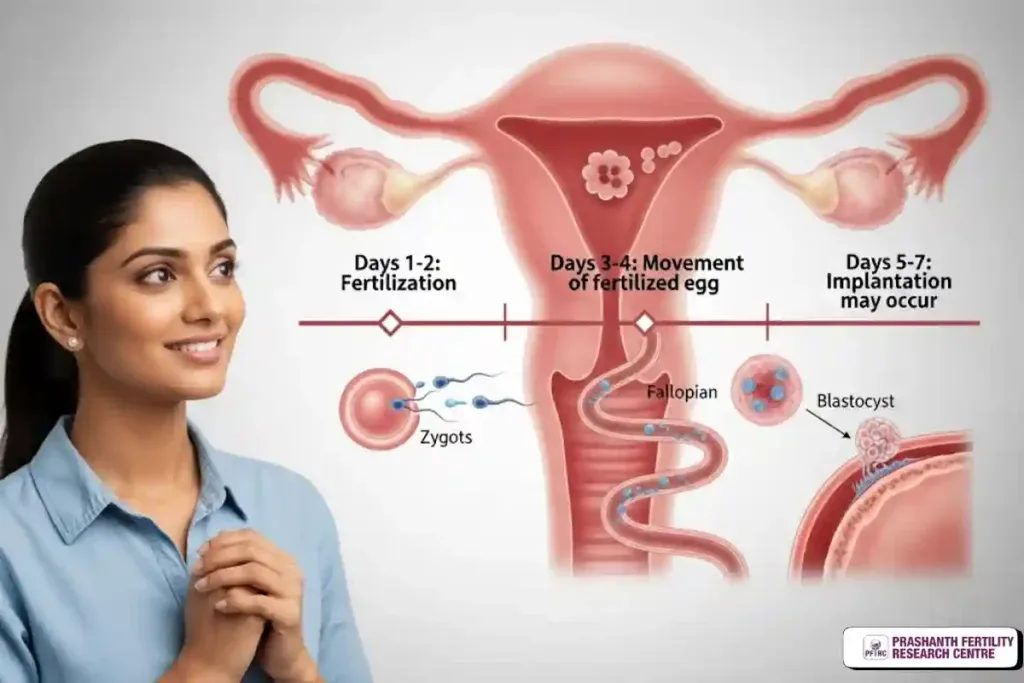
    Illustration showing fertilization and implantation timeline with a woman looking hopeful.

    Fertility Medications vs Supplements: Which Is More Accessible to Everyone?

    Accessibility:
    Supplements are generally more accessible to everyone since they can be purchased without a prescription. They are also usually more affordable than fertility medications. However, it is essential to note that not all supplements are created equal, and some may not have enough scientific evidence to support their effectiveness.

    Effectiveness:
    While supplements may seem like a more accessible and natural option for increasing fertility, their effectiveness is not guaranteed. Since supplements are not regulated by the FDA, their quality and ingredients may vary. This makes it challenging to determine which supplements are truly effective for fertility.

    Which Is the Better Option?
    It is challenging to determine which option is better since both fertility medications and supplements have their pros and cons. Fertility medications may be more effective for those who have specific hormonal imbalances or ovulation issues, while supplements may be beneficial for overall reproductive health.

    Therefore, it is crucial to consult with a doctor and undergo fertility testing to determine the root cause of fertility issues before deciding on a treatment plan. In some cases, a combination of both fertility medications and supplements may be recommended.

    In terms of accessibility, supplements may have an advantage since they can be purchased without a prescription and are often more affordable. However, it is essential to research and choose reputable supplement brands that have scientific evidence to support their effectiveness.

    In conclusion, both fertility medications and supplements have their benefits and drawbacks. While fertility medications may be more effective for specific fertility issues, supplements may be a more accessible and affordable option for overall reproductive health. Consulting with a doctor and undergoing fertility testing is crucial in determining the best treatment plan for each individual or couple.

    Summary:
    Fertility medications and supplements are both options for those struggling with fertility, but their accessibility and effectiveness vary. Fertility medications require a prescription and can be expensive, while supplements can be purchased over-the-counter and are generally more affordable. However, the effectiveness of both options is not guaranteed, and it is crucial to consult with a doctor and undergo fertility testing to determine the best treatment plan.

  • The Importance of Location: Choosing Between Fertility Clinics and Hospitals

    Summary:

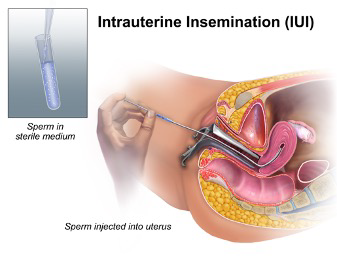
    diagram illustrating intrauterine insemination (IUI) procedure with uterus, sperm, and catheter labeled

    The Importance of Location: Choosing Between Fertility Clinics and Hospitals

    The location of a fertility clinic or hospital can greatly impact a person’s experience and success with fertility treatment. Factors such as accessibility, cost, and quality of care should be considered when choosing between these two types of facilities. Fertility clinics often offer specialized services and a more personalized approach, while hospitals may have more advanced medical technology and resources. Ultimately, the decision should be based on the individual’s needs and preferences, as well as thorough research and consultation with medical professionals.

  • The Convenience of At-Home Insemination Kits: A User’s Perspective

    Blog Post Title: The Convenience of At-Home Insemination Kits: A User’s Perspective

    With advancements in technology and a growing demand for alternative methods of conception, at-home insemination kits have become a popular option for individuals and couples looking to start or expand their families. These kits provide a simple and convenient way to perform insemination in the comfort of your own home, without the need for a medical professional. As someone who has used at-home insemination kits, I can attest to the many benefits and convenience they offer. In this blog post, I will share my personal experience and discuss the convenience of using at-home insemination kits from a user’s perspective.

    First and foremost, one of the biggest advantages of using at-home insemination kits is the privacy and comfort they provide. Many people may feel uncomfortable or self-conscious about undergoing insemination in a medical setting, and the thought of discussing such intimate matters with a healthcare provider can be daunting. With at-home insemination kits, you have complete control over the process and can perform it in the privacy of your own home. This can alleviate any feelings of anxiety or discomfort and make the experience more comfortable and stress-free.

    Another major convenience of at-home insemination kits is the cost-effectiveness. Insemination procedures done in a medical setting can be expensive, and the cost can add up if multiple attempts are needed. On the other hand, at-home insemination kits are much more affordable and can save you thousands of dollars in the long run. This is especially beneficial for those who may not have insurance coverage for fertility treatments or for those who are on a tight budget.

    Furthermore, at-home insemination kits offer flexibility in terms of timing. In a medical setting, you may have to schedule appointments and coordinate with your doctor’s schedule, which can be challenging and time-consuming. With at-home kits, you have the freedom to choose the best time for insemination based on your own schedule and ovulation cycle. This can be particularly advantageous for those who have irregular cycles or for same-sex couples who may not have access to a sperm donor on a specific day.

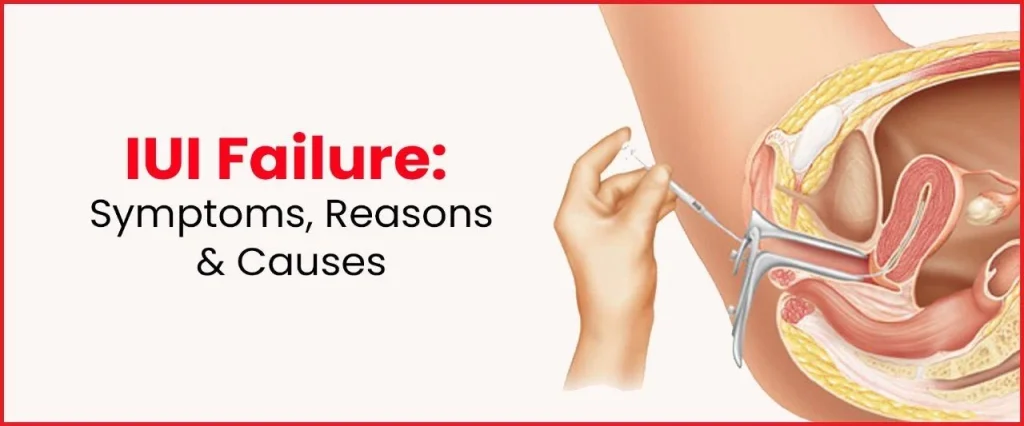
    illustration of IUI procedure with text on symptoms, reasons, and causes of IUI failure

    The Convenience of At-Home Insemination Kits: A User's Perspective

    The ease of use is another factor that makes at-home insemination kits so convenient. These kits typically come with clear instructions and all the necessary tools, making the process much simpler than traditional insemination methods. As someone who has never been comfortable with needles, I found the process of using an at-home kit to be much less intimidating and stressful. With a little bit of practice, the entire process can be completed in the comfort of your own home within a matter of minutes.

    Moreover, at-home insemination kits can be easily ordered online or purchased at a local pharmacy, making them readily available whenever you need them. This eliminates the need for frequent visits to a medical facility and gives you the freedom to perform insemination at any time that is convenient for you. Additionally, these kits can be discreetly delivered to your doorstep, saving you from any potential embarrassment or awkward interactions at a pharmacy.

    Of course, as with any medical procedure, it is important to do thorough research and consult with a healthcare provider before using an at-home insemination kit. It is also crucial to follow the instructions carefully and use the kit as directed to ensure the best chances of success. But for those who are deemed eligible for at-home insemination, the convenience and ease of use can make this option a very appealing one.

    In conclusion, as someone who has personally used at-home insemination kits, I can vouch for the convenience and benefits they offer. From the privacy and comfort of your own home to the cost-effectiveness and flexibility, these kits provide a simple and accessible way to perform insemination. While it may not be the right option for everyone, it is certainly a viable choice for those who are eligible and looking for a more convenient and affordable way to start or expand their families.

    Summary: At-home insemination kits provide a convenient and cost-effective alternative to traditional insemination methods. They offer privacy, flexibility, ease of use, and accessibility, making the process of conception more comfortable and stress-free for individuals and couples. While it is important to consult with a healthcare provider before using these kits, they can be a viable option for those looking for a simpler and more convenient way to start or expand their families.

  • Breaking Down Barriers: How Fertility Tracking Devices are Making Reproductive Health More Accessible

    Blog Post Title: Breaking Down Barriers: How Fertility Tracking Devices are Making Reproductive Health More Accessible

    Summary:

    In today’s society, there are countless barriers that make it difficult for individuals to access reproductive health care. From financial constraints to lack of education and stigma surrounding reproductive health, many people face challenges in taking control of their own fertility and reproductive health. However, advancements in technology have led to the rise of fertility tracking devices, which are making reproductive health more accessible to all.

    This blog post will explore the various barriers that people face when it comes to reproductive health and how fertility tracking devices are breaking them down. We will discuss the benefits of these devices, how they work, and their impact on individuals, especially women, around the world. By the end of this post, you will have a better understanding of how fertility tracking devices are revolutionizing reproductive health and making it more accessible for everyone.

    Firstly, let’s address the barriers that exist when it comes to reproductive health. One of the biggest barriers is financial constraints. Many people, especially in developing countries, cannot afford traditional fertility treatments or even basic reproductive health care. This leads to a lack of access to essential services such as fertility testing, family planning, and prenatal care. Fertility tracking devices offer a more affordable alternative, making it possible for individuals to monitor their fertility and reproductive health without breaking the bank.

    Another significant barrier is the lack of education and awareness surrounding reproductive health. Many people, especially women, do not have access to accurate and reliable information about their bodies and reproductive health. This can lead to confusion, misinformation, and even fear. Fertility tracking devices come with educational resources and provide users with a better understanding of their menstrual cycles, ovulation, and fertility. This not only empowers individuals to take control of their reproductive health but also promotes a better understanding of the reproductive system.

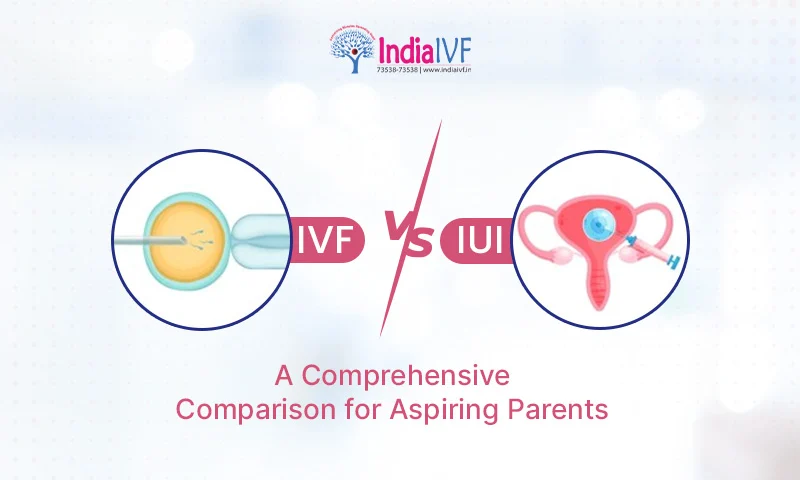
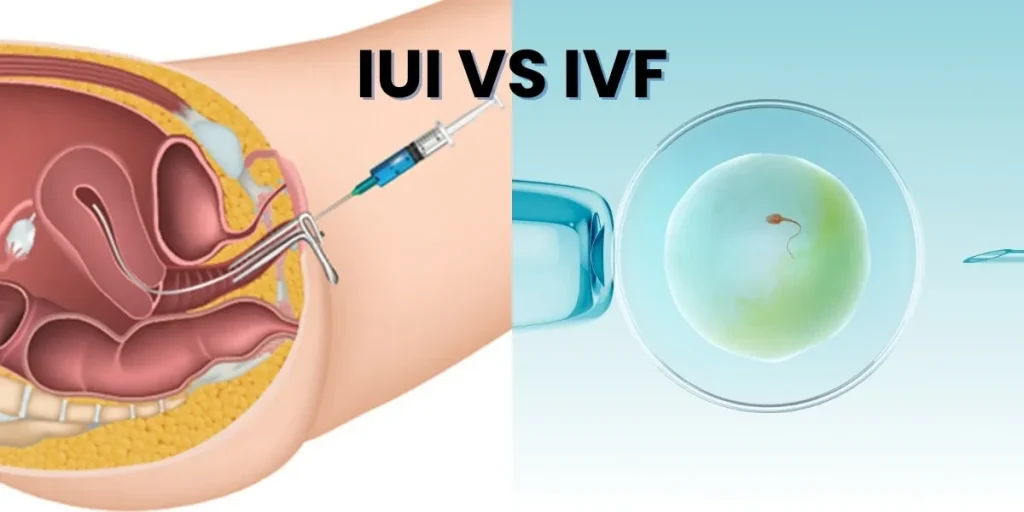
    IVF vs IUI comparison graphic highlighting reproductive methods for aspiring parents.

    Breaking Down Barriers: How Fertility Tracking Devices are Making Reproductive Health More Accessible

    Stigma and cultural barriers also play a significant role in limiting access to reproductive health care. In many societies, there is still a stigma surrounding discussions about fertility and reproductive health. This can make it difficult for individuals to seek help or even openly discuss their concerns. Fertility tracking devices offer a more discreet and private way to monitor reproductive health, allowing individuals to take control of their fertility without having to face any judgment or stigma.

    Now, let’s dive into the benefits of fertility tracking devices. The most notable benefit is their accuracy. These devices use advanced technology to track various fertility indicators such as basal body temperature, cervical mucus, and hormone levels. This data is then analyzed to provide users with accurate information about their fertility and menstrual cycle. This information is crucial for those trying to conceive, as it helps them pinpoint their most fertile days and increase their chances of pregnancy.

    In addition to accuracy, fertility tracking devices also offer convenience. Unlike traditional fertility treatments that require multiple visits to the doctor, these devices can be used in the comfort of one’s own home. They are also easy to use and require minimal effort, making them accessible for individuals of all ages and backgrounds. This convenience factor allows people to monitor their fertility and reproductive health without disrupting their daily routines.

    Fertility tracking devices also promote a more natural approach to reproductive health. Many traditional fertility treatments involve medication or invasive procedures, which may not be suitable for everyone. Fertility tracking devices, on the other hand, rely on the body’s natural indicators to provide information about fertility. This not only eliminates the need for medication or procedures but also promotes a better understanding and connection with one’s own body.

    Moreover, these devices are not just limited to those trying to conceive. They can also be used for family planning and birth control. By tracking fertility and menstrual cycles, individuals can identify their most fertile and infertile days, making it easier to prevent or plan for pregnancy. This puts the power of family planning in the hands of individuals, allowing them to make informed decisions about their reproductive health.

    In conclusion, fertility tracking devices are breaking down barriers and making reproductive health more accessible for all. By providing affordable, accurate, and convenient ways to monitor fertility and reproductive health, these devices are empowering individuals to take control of their own bodies and make informed decisions about their reproductive health. As these devices continue to advance, we can expect to see more positive impacts on individuals and communities around the world.

  • Fertility Yoga vs Traditional Exercise: Which is More Accessible for Women Trying to Conceive?

    Blog Post:

    Fertility is a topic that is often discussed in hushed tones, but is a very real and important aspect of women’s health. For many women, the journey to conceiving a child can be a long and difficult one, filled with many ups and downs. In recent years, there has been a growing interest in using yoga as a means to improve fertility and increase the chances of successfully conceiving. Traditional exercise, on the other hand, has been a staple in women’s health and fitness routines for decades. But when it comes to fertility, which is more accessible for women trying to conceive – fertility yoga or traditional exercise?

    Fertility Yoga:

    Yoga has been around for thousands of years and has been proven to have numerous physical, mental, and emotional benefits. Fertility yoga, specifically, is a type of yoga that is specifically designed to support and enhance fertility. It focuses on poses and breathing techniques that can help balance hormones, increase blood flow to the reproductive organs, and reduce stress – all of which can contribute to fertility issues.

    One of the main appeals of fertility yoga is its low-impact nature. Many women who are trying to conceive may have underlying health issues or may be going through fertility treatments that make high-intensity exercise difficult or even risky. Fertility yoga offers a gentle way to stay active and improve overall health without putting too much strain on the body.

    Another advantage of fertility yoga is its ability to reduce stress and promote relaxation. Stress is a common factor in fertility issues, and yoga has been shown to help alleviate stress and anxiety. In a study published in the Journal of Midwifery and Women’s Health, women who participated in a 10-week fertility yoga program experienced a significant decrease in stress levels compared to those who did not participate.

    Fertility yoga also offers a sense of community and support for women who are trying to conceive. Many fertility yoga classes are specifically tailored to women who are on the same journey, creating a safe and supportive space for individuals to share their experiences and connect with others who understand their struggles. This sense of community can be a source of comfort and motivation for women trying to conceive.

    Traditional Exercise:

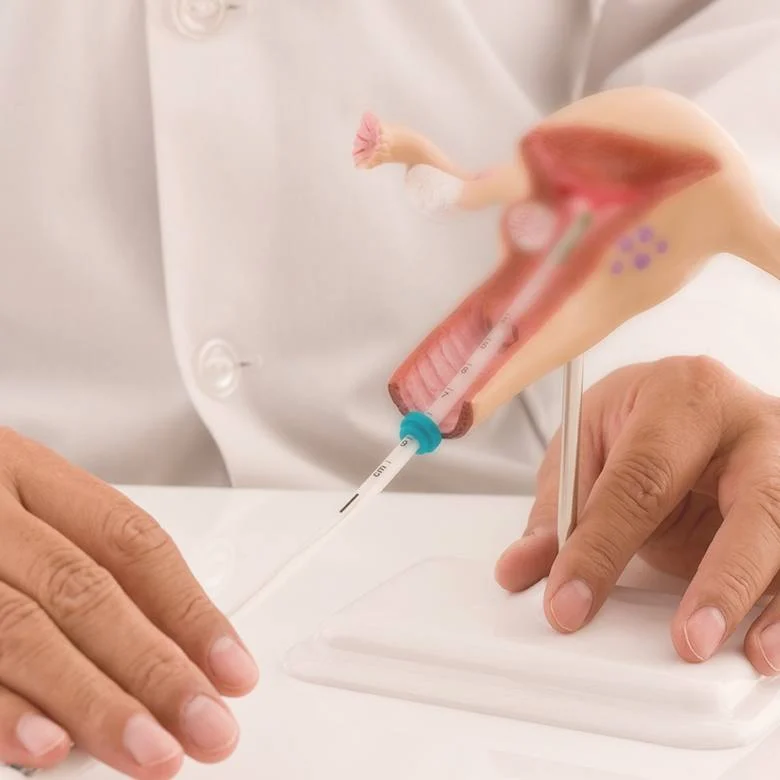
    model of the female reproductive system with a hand demonstrating intrauterine insemination technique

    Fertility Yoga vs Traditional Exercise: Which is More Accessible for Women Trying to Conceive?

    Traditional exercise, on the other hand, refers to any physical activity that is not specifically geared towards fertility. This can include activities such as running, weightlifting, or group fitness classes. While traditional exercise has its own set of benefits, it may not be the best option for women trying to conceive.

    One of the main drawbacks of traditional exercise for women trying to conceive is its potential impact on hormone levels. High-intensity exercise can cause a spike in cortisol, the stress hormone, which can negatively affect fertility. Additionally, traditional exercise can also lead to a decrease in estrogen levels, which is essential for ovulation and fertility.

    Another challenge with traditional exercise is the pressure to maintain a certain body weight or body mass index (BMI). Many women trying to conceive may feel pressure to lose weight or maintain a certain level of fitness, which can be stressful and counterproductive. Focusing on physical appearance rather than overall health can also contribute to increased stress levels, which can have a negative impact on fertility.

    Accessibility:

    When it comes to accessibility, fertility yoga has a clear advantage over traditional exercise. Fertility yoga can be practiced at home with minimal equipment, making it accessible to women who may not have the time or resources to join a gym or attend exercise classes. Additionally, fertility yoga can be modified to accommodate any physical limitations or health issues that a woman may be experiencing, making it a safe and inclusive option for all.

    On the other hand, traditional exercise may require a gym membership, specific equipment, or a certain level of physical fitness. This can make it difficult for some women to incorporate into their daily routine, especially those who may be going through fertility treatments and have limited energy or mobility.

    In terms of cost, fertility yoga is also a more affordable option compared to traditional exercise. Gym memberships and fitness classes can be expensive, while fertility yoga can be practiced at home for free or at a lower cost through online classes or local community centers.

    Summary:

    In conclusion, while traditional exercise has its own set of benefits, fertility yoga appears to be a more accessible and suitable option for women trying to conceive. Its low-impact nature, stress-reducing properties, and sense of community make it a safe and supportive practice for women on their fertility journey. Additionally, fertility yoga is more accessible in terms of cost and can be easily modified to accommodate any physical limitations or health issues. Ultimately, the most important thing for women trying to conceive is to find a form of exercise that makes them feel good and supports their overall health and well-being.

  • Fresh Donor Sperm vs Frozen Donor Sperm: Which is More Accessible for Couples?

    Blog Post:

    When it comes to starting a family, there are many factors to consider for couples, especially for those who may require donor sperm to conceive. One of the main considerations is whether to use fresh donor sperm or frozen donor sperm. Both options have their own benefits and drawbacks, but the accessibility of each can also play a significant role in the decision-making process.

    Fresh donor sperm is collected directly from the donor and used immediately for insemination. On the other hand, frozen donor sperm is collected and stored in a sperm bank for future use. While both options involve the use of donor sperm, there are key differences between the two that can affect accessibility for couples. In this blog post, we will explore the differences between fresh donor sperm and frozen donor sperm and which option may be more accessible for couples.

    Fresh Donor Sperm:

    One of the main benefits of using fresh donor sperm is the immediacy of the process. The sperm is collected and used on the same day, reducing the waiting time for couples who are eager to begin their fertility journey. This option is also more cost-effective as there is no need for sperm freezing and storage fees.

    However, there are some drawbacks to using fresh donor sperm. The process of finding a suitable donor can be time-consuming and challenging, as it involves finding a donor who meets the specific criteria and availability. Fresh donor sperm is also subject to potential delays due to the donor’s schedule or availability, which can be frustrating for couples who are eager to start their treatment.

    Furthermore, fresh donor sperm is typically only available from local sperm banks, limiting the options for couples who live in rural areas or places with fewer sperm bank facilities. This can also be an issue for couples who are seeking specific traits or characteristics in a donor, as the selection may be limited in their area.

    Frozen Donor Sperm:

    Frozen donor sperm has become increasingly popular in recent years, and there are several reasons for this. The biggest advantage of using frozen donor sperm is the convenience and accessibility it offers. The sperm is collected and stored in a sperm bank, making it readily available for use whenever needed. This eliminates the need to coordinate with a live donor and reduces the waiting time for couples.

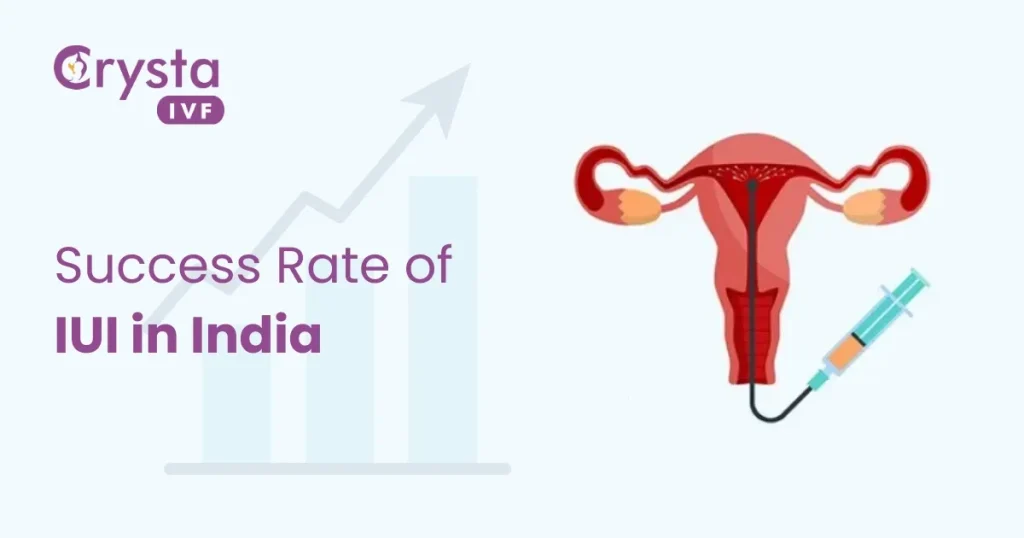
    success rate of IUI in India with a graphic of a uterus and syringe alongside a rising graph

    Fresh Donor Sperm vs Frozen Donor Sperm: Which is More Accessible for Couples?

    Frozen donor sperm also provides more options for couples, as they are not limited to local sperm banks. With the advancement of technology, frozen donor sperm can be easily shipped to different locations, providing more choices for couples who may not have access to a local sperm bank.

    In addition, frozen donor sperm is typically quarantined and screened for any potential health issues, providing a higher level of safety for couples. This is due to the strict regulations set by sperm banks to ensure the quality and health of the sperm before it is used for insemination.

    However, there are also some downsides to using frozen donor sperm. The process can be more expensive, as there are additional costs for sperm freezing, storage, and shipping. The sperm may also have a lower success rate compared to fresh donor sperm, as the freezing and thawing process can affect the sperm’s viability.

    Which Option is More Accessible for Couples?

    When it comes to accessibility, frozen donor sperm may have the upper hand. The convenience and availability of frozen donor sperm make it a more accessible option for couples, especially for those who live in rural areas or have limited options in their local sperm banks. The ability to ship frozen donor sperm also provides more choices for couples who are seeking specific traits or characteristics in a donor.

    However, it is important to note that accessibility may also depend on individual circumstances and preferences. Some couples may prefer the immediacy and cost-effectiveness of fresh donor sperm, especially if they have a suitable donor readily available. It ultimately comes down to what works best for each couple’s unique situation.

    In conclusion, both fresh donor sperm and frozen donor sperm have their own advantages and drawbacks. While fresh donor sperm may offer immediacy and cost-effectiveness, frozen donor sperm provides more accessibility and convenience. Ultimately, the decision between the two options should be based on the individual circumstances and preferences of each couple.

    Summary:

    When it comes to starting a family with donor sperm, couples may have to choose between fresh donor sperm or frozen donor sperm. Fresh donor sperm is collected and used immediately, while frozen donor sperm is stored in a sperm bank for future use. While both options have their own benefits and drawbacks, the accessibility of each can also play a significant role in the decision-making process. Fresh donor sperm may offer immediacy and cost-effectiveness, but frozen donor sperm provides more accessibility and convenience. Ultimately, the choice between the two options should be based on the individual circumstances and preferences of each couple.

  • Fertility Tracking for All: How Apps are Making Tracking Accessible

    Title: Fertility Tracking for All: How Apps are Making Tracking Accessible

    Word Count: 2000

    Introduction

    Fertility tracking has become an increasingly popular method for couples and individuals trying to conceive or avoid pregnancy. However, traditional methods such as charting basal body temperature and cervical mucus can be time-consuming and difficult to interpret. This is where fertility tracking apps come in. With the rise of technology and smartphones, these apps have made tracking fertility more accessible for all. In this blog post, we will explore the benefits of fertility tracking apps and how they are making tracking accessible for everyone.

    The Rise of Fertility Tracking Apps

    Fertility tracking apps have been around for over a decade, but they have gained significant popularity in recent years. These apps use advanced algorithms and data input by the user to accurately predict ovulation and fertile days. They also provide a platform for users to track their menstrual cycles, symptoms, and sexual activity. With the increasing number of smartphone users, these apps have become widely available and accessible.

    Benefits of Using Fertility Tracking Apps

    1. Convenience and Accessibility

    One of the main benefits of fertility tracking apps is the convenience they offer. Unlike traditional methods, these apps are easily accessible on a smartphone and can be used anywhere and at any time. This is particularly useful for busy individuals who may not have the time to track their fertility manually. With just a few clicks, users can input their data and receive accurate predictions.

    2. Personalized and Accurate Predictions

    Fertility tracking apps use advanced algorithms to analyze data input by the user and provide personalized predictions. This means that the app takes into account factors such as cycle length, ovulation patterns, and symptoms to accurately predict fertile days and ovulation. This personalized approach makes tracking more accurate compared to traditional methods, which rely on general guidelines.

    3. Educational Resources

    Many fertility tracking apps also offer educational resources and information about fertility and reproductive health. This can be beneficial for users who are trying to conceive or simply want to learn more about their bodies. These resources can include articles, videos, and forums where users can interact with experts and other app users.

    4. Inclusivity and Privacy

    Fertility tracking apps are inclusive and cater to all individuals, regardless of their gender, sexual orientation, or relationship status. This is particularly beneficial for LGBTQ+ couples and individuals who may not have access to traditional fertility tracking methods. These apps also offer a level of privacy that traditional methods may not provide, as all data is stored securely on the user’s phone.

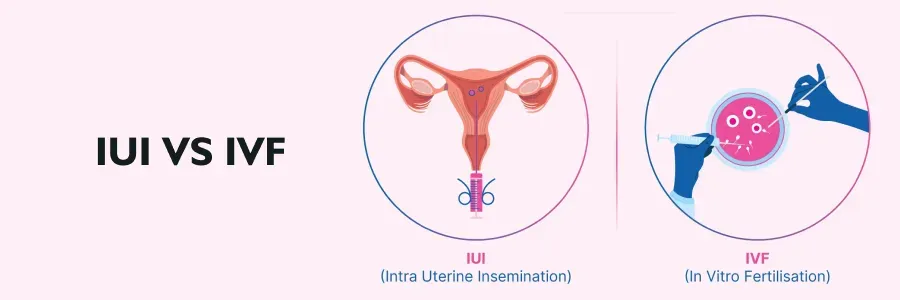
    Comparison of IUI and IVF with illustrations of each procedure.

    Fertility Tracking for All: How Apps are Making Tracking Accessible

    Making Tracking Accessible for All

    1. Language Options

    Fertility tracking apps have made tracking accessible for individuals who do not speak English as their first language. Many apps offer multiple language options, making it easier for non-English speakers to use the app and understand the information provided.

    2. Cost-effective

    Traditional fertility tracking methods such as ovulation kits and fertility monitors can be expensive. Fertility tracking apps, on the other hand, are relatively low-cost or even free. This makes tracking accessible for individuals who may not have the financial means to invest in traditional methods.

    3. User-friendly Interface

    Fertility tracking apps have a user-friendly interface that is easy to navigate and understand. This makes tracking accessible for individuals who may not be familiar with technology or have difficulty using traditional methods.

    4. Integration with Other Health Apps

    Many fertility tracking apps also offer integration with other health apps, such as fitness trackers and period trackers. This allows users to have all their health data in one place, making it easier to track and understand patterns in their bodies.

    5. Remote and Virtual Options

    In today’s digital age, many fertility tracking apps offer remote and virtual options. This means that users can communicate with experts and receive support and guidance without having to leave their homes. This is particularly beneficial for individuals who may not have access to fertility clinics or experts in their area.

    The Future of Fertility Tracking Apps

    Fertility tracking apps have come a long way in terms of accessibility and accuracy. However, there is still room for improvement. In the future, we can expect to see even more advanced algorithms and artificial intelligence being used to make predictions more accurate. There may also be more integration with other health apps and virtual options for support and guidance.

    Conclusion

    Fertility tracking apps have revolutionized the way individuals and couples track their fertility. With their convenience, accuracy, and accessibility, they have made tracking accessible for all. By providing educational resources, language options, and inclusivity, these apps have created a more inclusive and user-friendly experience. As technology continues to advance, we can expect to see even more benefits and improvements in fertility tracking apps.

  • The Evolution of Fertility Support: How Online Forums Are Revolutionizing the Way We Connect

    Blog Post:

    Fertility can be a sensitive and emotional topic for many individuals and couples who are struggling to conceive. Traditionally, support for those going through fertility treatments has been limited to in-person support groups or therapy sessions. However, with the rise of technology and social media, online forums have become a popular and valuable resource for individuals seeking support and information on their fertility journey.

    The Evolution of Fertility Support:

    In the past, the only option for those seeking support and advice on fertility treatments was to attend in-person support groups or therapy sessions. These options, while helpful, were often limited in terms of accessibility, as they required individuals to physically attend meetings or appointments. Additionally, individuals may have felt uncomfortable discussing such personal matters in a group setting.

    However, with the widespread use of the internet, online forums have become a game-changer in the world of fertility support. These forums, also known as online communities or message boards, provide a platform for individuals to connect with others who are going through similar experiences. These online forums offer a safe and anonymous space for individuals to share their thoughts, feelings, and questions about fertility treatments.

    How Online Forums Are Revolutionizing the Way We Connect:

    The use of online forums for fertility support has revolutionized the way individuals connect with others going through similar experiences. These forums provide a sense of community and understanding that may not be found in traditional support groups. By connecting with others who are on a similar journey, individuals can feel less alone and more supported, which can be crucial during the emotional rollercoaster of fertility treatments.

    One of the most significant advantages of online forums is the accessibility they offer. Unlike in-person support groups, which may have limited meeting times or locations, online forums are available 24/7, allowing individuals to connect with others at any time. This accessibility is especially beneficial for those who may have busy schedules or live in remote areas where in-person support groups are not available.

    Comparison of IUI and IVF, illustrating procedures and definitions for each fertility treatment.

    The Evolution of Fertility Support: How Online Forums Are Revolutionizing the Way We Connect

    Another advantage of online forums is the anonymity they provide. Many individuals going through fertility treatments may feel embarrassed or hesitant to share their experiences with others. Online forums offer a safe space for individuals to discuss their thoughts and feelings without fear of judgment or embarrassment. This anonymity can also be beneficial for individuals who are not yet ready to share their fertility journey with friends and family.

    Online forums also offer a wealth of information and resources for those going through fertility treatments. Many forums have specific sections dedicated to different types of treatments, allowing individuals to connect with others who have gone through or are currently undergoing the same treatment. This can be especially helpful for individuals who may be feeling overwhelmed or confused about their treatment options.

    Furthermore, online forums allow individuals to connect with others from all over the world. This global reach can provide a diverse and supportive community for individuals going through fertility treatments. It also allows individuals to gain insight into different cultural perspectives on fertility and treatments.

    The Impact of Online Forums on Fertility Support:

    The impact of online forums on fertility support cannot be overstated. These forums have provided a safe and supportive space for individuals to connect with others, share their experiences, and gain valuable information and resources. They have also helped to break down the barriers of distance and accessibility, allowing individuals from all over the world to connect and support each other.

    Moreover, online forums have also played a significant role in reducing the stigma surrounding fertility treatments. By providing a platform for open and honest discussions, these forums have helped to normalize the conversation around fertility and break down the taboos and misconceptions associated with it.

    In addition to providing support for individuals, online forums have also been instrumental in advocating for improvements and changes in the fertility treatment industry. Many forums have dedicated sections for individuals to share their experiences with different clinics and doctors, allowing others to make informed decisions about their treatment options.

    Summary:

    The evolution of fertility support has been greatly impacted by the rise of online forums. These forums provide a safe and anonymous space for individuals to connect with others, share their experiences, and gain valuable information and resources. They have revolutionized the way individuals connect, providing a sense of community and support that may not be found in traditional in-person support groups. Online forums have also played a crucial role in reducing the stigma surrounding fertility treatments and advocating for improvements in the industry.

  • The Role of Religion and Culture in the Decision to Try At-Home Insemination

    Blog Post:

    The decision to try at-home insemination is a deeply personal and complex one, often influenced by a variety of factors such as financial resources, access to medical care, and cultural and religious beliefs. In this blog post, we will explore the role of religion and culture in the decision to try at-home insemination.

    Religion and culture play a significant role in shaping our beliefs and values, and this can greatly impact our decisions regarding fertility and reproduction. In many religions, the purpose of marriage and family is seen as procreation, and any form of assisted reproductive technology, including at-home insemination, may be viewed as unnatural or against the will of a higher power.

    In certain cultures, there may also be a strong emphasis on traditional gender roles and expectations, which can influence a couple’s decision to try at-home insemination. For example, in some cultures, the pressure to have a biological child may fall heavily on the woman, and this may lead to the use of at-home insemination as a means of fulfilling this societal expectation.

    On the other hand, there are also religious and cultural beliefs that support the use of at-home insemination. In some cultures, family and community are highly valued, and having a child is seen as a way to strengthen these bonds. In these cases, at-home insemination may be seen as a way to expand the family and bring joy and fulfillment to the couple and their community.

    Another important factor to consider is the accessibility and affordability of medical care. In many countries, access to assisted reproductive technologies, such as in-vitro fertilization (IVF), can be limited or expensive. For couples who are unable to afford or access these medical procedures, at-home insemination may be seen as a more feasible option.

    comparison of IUI and IVF fertility treatments with illustrations of procedures and a petri dish with an egg and sperm

    The Role of Religion and Culture in the Decision to Try At-Home Insemination

    Furthermore, for LGBTQ+ couples, at-home insemination may be the only available option to start a family. Religious and cultural beliefs that reject same-sex relationships and marriages can make it difficult for these couples to access medical care for assisted reproductive technologies, making at-home insemination a more viable option.

    It is also essential to acknowledge the potential risks and challenges that come with at-home insemination, especially when it is not performed under medical supervision. Without proper medical guidance, there is a higher risk of complications, such as infections or the use of incorrect techniques, which may result in unsuccessful insemination or harm to the couple’s health.

    In some cases, religious and cultural beliefs may also intersect with medical reasons for trying at-home insemination. For example, some couples may have religious or cultural restrictions on the use of donor sperm, which may lead them to choose at-home insemination with a known donor, such as a close friend or family member.

    In addition to religion and culture, personal beliefs and values also play a significant role in the decision to try at-home insemination. For some couples, the desire to have a child that is biologically related to both partners may outweigh any potential religious or cultural objections. Others may see at-home insemination as a way to take control of their fertility journey and make a more intimate and personal connection with the process.

    In conclusion, the decision to try at-home insemination is a highly personal one, influenced by a variety of factors, including religion, culture, accessibility to medical care, and personal beliefs and values. While these factors may shape a couple’s decision, it is ultimately up to the individual or couple to weigh the benefits and risks and make the best decision for themselves and their family.

    Summary:

    The decision to try at-home insemination is complex and influenced by various factors, including religion and culture. In many religions, assisted reproductive technologies, including at-home insemination, may be seen as against the will of a higher power. However, certain cultures may view expanding the family as a way to strengthen bonds and bring joy. For LGBTQ+ couples, at-home insemination may be the only option due to limited access to medical care. Personal beliefs and values also play a significant role in the decision, and at-home insemination may be seen as a more intimate and personal way to start a family. However, it is essential to acknowledge the potential risks and challenges that come with at-home insemination without medical supervision. Ultimately, the decision to try at-home insemination is a deeply personal one, and it is up to the individual or couple to weigh the factors and make the best decision for themselves and their family.

  • Egg Retrieval vs Egg Sharing: The Impact on Society

    Egg retrieval and egg sharing are two methods of obtaining eggs for fertility treatments. While both methods involve the collection of eggs from a donor, there are significant differences in the impact they have on society. This blog post will explore the societal implications of egg retrieval and egg sharing, and compare the two methods in terms of ethics, accessibility, and the effects on relationships and families.

    Egg Retrieval:
    Egg retrieval is the process of collecting eggs from a woman’s ovaries for the purpose of in vitro fertilization (IVF). This involves stimulating the ovaries with hormones to produce multiple eggs, which are then extracted through a minor surgical procedure. The eggs are then fertilized with sperm in a laboratory and implanted into the intended mother’s uterus.

    One of the main societal impacts of egg retrieval is its accessibility. This method is primarily used by individuals or couples who are struggling with infertility. In many cases, these individuals have already exhausted other options, such as fertility medications or intrauterine insemination. Egg retrieval offers them a chance to have a biological child, which can have a significant positive impact on their mental and emotional well-being.

    However, egg retrieval also raises ethical concerns. The donor’s eggs are used solely for the intended mother’s pregnancy, which can be seen as a form of reproductive exploitation. This method also involves a considerable financial cost, making it more accessible to those who can afford it. This can further perpetuate societal inequalities and create a divide between those who can and cannot access fertility treatments.

    Egg Sharing:
    Egg sharing is a process where a woman undergoing IVF donates some of her eggs to another woman or couple who are struggling with infertility. This method allows the donor to receive a discounted or free IVF treatment in exchange for her eggs. The donated eggs are then fertilized and implanted into the recipient’s uterus.

    Illustration of intrauterine insemination (IUI) procedure, showing sperm injection into the uterus.

    Egg Retrieval vs Egg Sharing: The Impact on Society

    One of the main societal impacts of egg sharing is its potential to increase accessibility to fertility treatments. By offering a discounted or free treatment, egg sharing allows individuals or couples who may not be able to afford IVF the chance to have a child. This can have a significant positive impact on their lives, as well as on the overall birth rate and population growth.

    However, egg sharing also raises ethical concerns. The donor’s eggs are used for the recipient’s pregnancy, which can raise questions about the ownership of the resulting child. This method also involves a complex legal process, as well as potential emotional and psychological consequences for both the donor and recipient.

    Effects on Relationships:
    Both egg retrieval and egg sharing can have significant effects on relationships and families. In egg retrieval, the intended parents may experience a sense of detachment from the child, as the donor’s eggs are used instead of the mother’s. This can potentially impact the bond between the intended parents and the child, as well as the relationship between the parents themselves.

    On the other hand, egg sharing can create a unique bond between the donor and recipient, as they are both involved in the creation of a new life. However, this can also lead to potential conflicts and complications, especially if the donor has a change of heart and decides to keep the child.

    In both methods, there is a possibility for the child to have a desire to know their genetic origins. This can raise questions about identity and the role of the donor in the child’s life. It can also have an impact on the dynamics within the family, especially if the child has a relationship with the donor.

    Summary:
    In summary, egg retrieval and egg sharing have significant impacts on society. While egg retrieval offers a chance for individuals or couples to have a biological child, it also raises ethical concerns and perpetuates societal inequalities. On the other hand, egg sharing can increase accessibility to fertility treatments, but it also comes with its own set of ethical and legal complexities. Both methods can have effects on relationships and families, and it is important for individuals to carefully consider these implications before making a decision.