Tag: IVF

  • The Cost of Fertility Preservation: Planning for the Future

    Blog Post:

    The Cost of Fertility Preservation: Planning for the Future

    Fertility preservation, also known as egg freezing, is a process in which a woman’s eggs are extracted, frozen, and stored for future use. This procedure has become increasingly popular in recent years, as more women are delaying motherhood due to various reasons such as career goals, financial stability, or medical issues. While fertility preservation offers hope for women to have children later in life, it also comes with a hefty price tag. In this blog post, we will discuss the cost of fertility preservation and the importance of planning for the future.

    The Process of Fertility Preservation

    Before we dive into the cost, let’s first understand the process of fertility preservation. The first step is to consult with a fertility specialist who will assess your medical history and perform fertility tests to determine your chances of success with the procedure. If you are a good candidate, the next step is to undergo ovarian stimulation, where you will receive hormone injections to stimulate your ovaries to produce multiple eggs. This process can take up to two weeks and requires regular monitoring through blood tests and ultrasounds.

    Once the eggs are mature, they are retrieved through a minor surgical procedure known as egg retrieval. The eggs are then frozen and stored in a specialized facility until you are ready to use them. When you decide to use your frozen eggs, they will be thawed, fertilized with sperm, and transferred back into your uterus in a procedure known as in vitro fertilization (IVF).

    Cost of Fertility Preservation

    The cost of fertility preservation varies depending on several factors, including your location, the clinic you choose, and the number of eggs you want to freeze. On average, the cost of one round of egg freezing can range from $10,000 to $15,000. This price includes the initial consultation, ovarian stimulation medications, egg retrieval, and the first year of storage. Additional costs may also include anesthesia fees, blood tests, and ultrasounds.

    It’s important to note that one round of egg freezing may not be enough. As women age, the quality and quantity of their eggs decrease, and it may take multiple rounds of egg freezing to have a viable number of eggs for future use. This means that the total cost of fertility preservation can add up to tens of thousands of dollars.
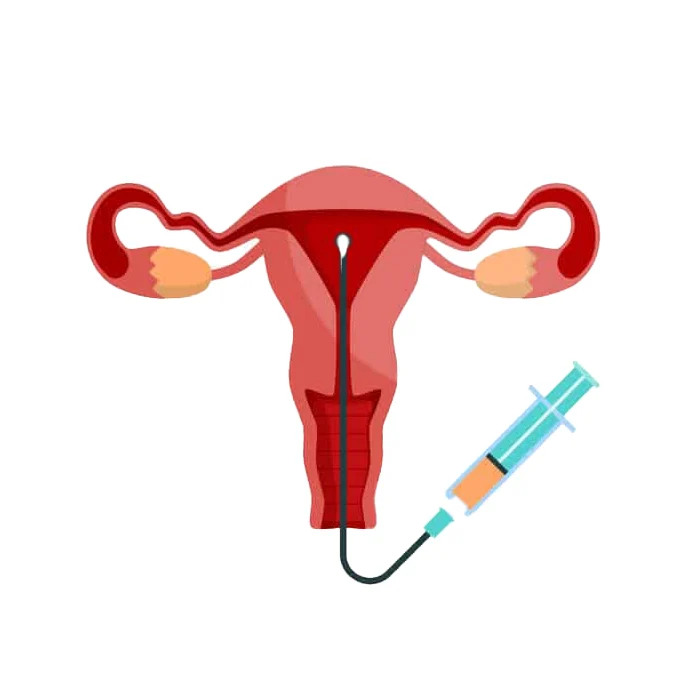
    illustration of a uterus with a syringe for intrauterine insemination (IUI) procedure

    The Cost of Fertility Preservation: Planning for the Future

    Factors Affecting the Cost

    As mentioned earlier, the cost of fertility preservation depends on various factors. One of the biggest factors is your age. The younger you are, the better your chances of success, and the fewer rounds of egg freezing you may need. This means that if you are in your early 30s, you may need to freeze fewer eggs compared to someone in their late 30s or 40s, ultimately reducing the cost.

    The location and clinic you choose can also impact the cost. Fertility clinics in major cities tend to have higher prices compared to those in smaller towns. The reputation and success rates of the clinic may also affect the cost. It’s essential to do your research and compare prices before choosing a clinic.

    Importance of Planning for the Future

    The high cost of fertility preservation highlights the importance of planning for the future. As mentioned earlier, fertility preservation is a viable option for women who want to delay motherhood. However, it’s crucial to keep in mind that it’s not a guarantee of success. While the success rates of egg freezing have improved in recent years, there is still a chance that the frozen eggs may not result in a viable pregnancy.

    Moreover, it’s essential to consider the costs associated with using the frozen eggs in the future. In addition to the cost of thawing and fertilizing the eggs, there will also be costs for IVF and other associated procedures. Planning for these costs and having a backup plan in case the frozen eggs do not result in a successful pregnancy is crucial.

    In conclusion, fertility preservation offers hope for women to have children later in life. However, it comes with a high price tag, making it essential to plan and save for this expense. With proper planning and research, women can make informed decisions about their fertility and have a better chance of achieving their dream of motherhood in the future.

    Summary:

    Fertility preservation, also known as egg freezing, is a procedure in which a woman’s eggs are extracted, frozen, and stored for future use. This process has become increasingly popular as more women are delaying motherhood. The cost of fertility preservation can range from $10,000 to $15,000 per round, and multiple rounds may be needed for success. Factors such as age, location, and clinic choice can affect the cost. Planning for the future is crucial, as the high cost highlights the need for financial preparation and backup plans.
  • Fertility Preservation for Women with PCOS: What You Need to Know

    Blog Post Title: Fertility Preservation for Women with PCOS: What You Need to Know

    Polycystic Ovary Syndrome (PCOS) affects approximately 1 in 10 women of reproductive age, making it one of the most common hormonal disorders among women. PCOS can cause a variety of symptoms, including irregular periods, weight gain, acne, and excess hair growth. But one of the biggest concerns for women with PCOS is its impact on fertility. Many women with PCOS struggle with infertility and may need to consider fertility preservation options. In this blog post, we will discuss what you need to know about fertility preservation for women with PCOS.

    Understanding PCOS and Its Impact on Fertility

    PCOS is a complex condition that affects the hormonal balance in a woman’s body. It is characterized by high levels of androgens (male hormones) and insulin resistance. These hormonal imbalances can lead to irregular ovulation or anovulation (lack of ovulation), which can make it difficult for women to get pregnant.

    In addition to irregular ovulation, PCOS can also cause other fertility issues such as:

    1. Ovarian cysts: Women with PCOS may have enlarged ovaries with multiple small cysts, which can affect egg quality and ovulation.

    2. Endometrial abnormalities: PCOS can cause thickening of the uterine lining, making it difficult for a fertilized egg to implant.

    3. Hormonal imbalances: High levels of androgens and insulin resistance can interfere with the production of other hormones necessary for fertility.

    Due to these factors, women with PCOS may have difficulty getting pregnant naturally. And for those who do conceive, there is a higher risk of complications such as gestational diabetes, preeclampsia, and premature birth.

    Fertility Preservation Options for Women with PCOS

    If you have PCOS and are considering starting a family in the future, it is essential to be aware of fertility preservation options that can increase your chances of getting pregnant.

    1. Ovulation Induction: This is a common treatment for PCOS-related infertility. It involves taking medication, such as Clomiphene, to stimulate ovulation. Ovulation induction can also be combined with intrauterine insemination (IUI) to increase the chances of conception.

    2. In Vitro Fertilization (IVF): IVF is a more advanced fertility treatment that involves stimulating the ovaries to produce multiple eggs, which are then retrieved and fertilized in a laboratory. The resulting embryos are then transferred to the uterus for implantation.

    3. Egg Freezing: Egg freezing, also known as oocyte cryopreservation, is a common fertility preservation method for women with PCOS. It involves retrieving and freezing a woman’s eggs, which can be thawed and used for IVF later on.

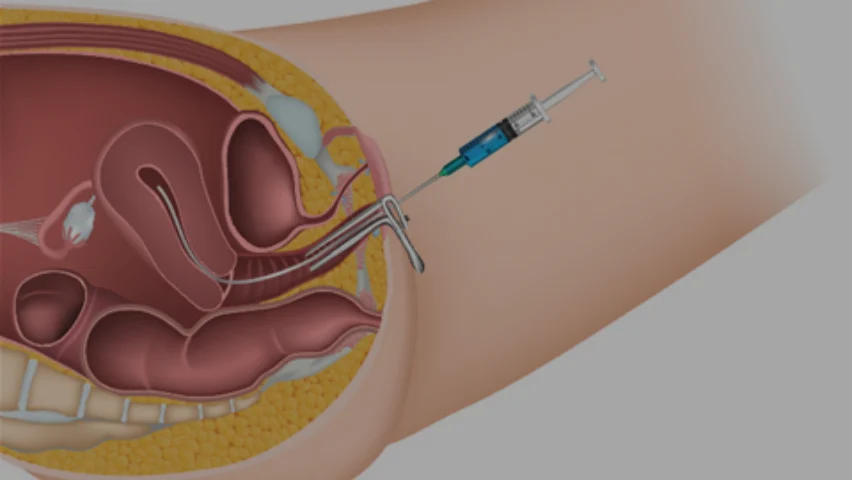
    Illustration of intrauterine insemination (IUI) procedure with syringe and catheter in the uterus.

    Fertility Preservation for Women with PCOS: What You Need to Know

    4. Embryo Cryopreservation: This is a similar process to egg freezing, but instead of freezing eggs, fertilized embryos are frozen. This option is suitable for women who have a partner or donor sperm available.

    5. Ovarian Tissue Freezing: For women with PCOS who are not suitable candidates for egg or embryo freezing, ovarian tissue freezing is an alternative option. It involves removing a small piece of ovarian tissue and freezing it for later use.

    The Benefits of Fertility Preservation for Women with PCOS

    Fertility preservation offers several benefits for women with PCOS. Firstly, it provides hope for future fertility and allows women to pursue their desired family planning goals. It also gives women more control over their reproductive health and can reduce the stress and anxiety associated with fertility issues.

    Moreover, fertility preservation can also be beneficial for women with PCOS who are undergoing cancer treatments, as chemotherapy and radiation therapy can damage the ovaries and affect fertility.

    Important Factors to Consider

    Before opting for fertility preservation, there are a few essential factors to consider:

    1. Age: As a woman gets older, her ovarian reserve (number of eggs) decreases, making it more challenging to retrieve viable eggs for freezing. Therefore, it is best to consider fertility preservation options at a younger age.

    2. Health Status: Women with PCOS may also have other health conditions that can affect fertility, such as obesity or thyroid disorders. It is vital to address these issues before starting fertility preservation treatments.

    3. Cost: Fertility preservation can be expensive, and insurance coverage may vary. It is essential to research and plan accordingly to ensure you have the necessary resources.

    4. Success Rates: It is crucial to have realistic expectations about the success rates of different fertility preservation methods. Talk to your doctor and understand the chances of success for each option.

    Conclusion

    PCOS can be a challenging condition to manage, and its impact on fertility can add to the stress and anxiety for women who want to start a family. But with advancements in reproductive technology, there are several fertility preservation options available for women with PCOS. It is essential to educate yourself and talk to your doctor about the best options for your specific situation. Fertility preservation can provide hope and a sense of control over your reproductive health, ultimately helping you achieve your dream of starting a family.

    Summary:

    Polycystic Ovary Syndrome (PCOS) affects 1 in 10 women and can cause fertility issues due to hormonal imbalances. The condition can lead to irregular ovulation, ovarian cysts, and endometrial abnormalities. Fertility preservation options for women with PCOS include ovulation induction, IVF, egg freezing, embryo freezing, and ovarian tissue freezing. These options provide hope for future fertility and give women more control over their reproductive health. It is essential to consider factors such as age, health status, cost, and success rates before opting for fertility preservation. With advancements in reproductive technology, women with PCOS can now have a better chance of starting a family in the future.

  • Fertility Preservation for Women: A Myths vs Facts Breakdown

    Summary:

    Fertility preservation is a process that involves freezing and storing eggs, embryos, or ovarian tissue with the aim of preserving a woman’s fertility for future use. This procedure has gained popularity in recent years as more women are delaying motherhood for various reasons. However, there are many myths surrounding fertility preservation that can create confusion and misinformation. In this blog post, we will break down the myths and present the facts about fertility preservation for women.

    Myth #1: Fertility preservation is only for women with medical conditions.

    Fact: While fertility preservation is commonly used for women facing medical conditions that may affect their fertility, it is not limited to those cases. Many women choose to undergo fertility preservation for personal reasons, such as delaying motherhood due to career or educational pursuits.

    Myth #2: Fertility preservation is only for women in their late thirties or forties.

    Fact: While it is true that fertility declines with age, fertility preservation can be beneficial for women of any age. In fact, the American Society for Reproductive Medicine recommends that women in their 20s and early 30s consider fertility preservation if they have plans to delay motherhood.

    Myth #3: Fertility preservation is only for single women.

    Fact: Fertility preservation can be beneficial for both single women and those in relationships. In fact, it can be a helpful option for couples who are not yet ready to have children but want to ensure their future fertility.

    Myth #4: Fertility preservation is a complicated and risky procedure.

    Fact: Fertility preservation is a safe and straightforward procedure, with success rates comparable to traditional IVF treatments. The process involves hormone injections to stimulate the ovaries, followed by an egg retrieval procedure. The eggs are then frozen and stored for future use.

    Myth #5: Fertility preservation is expensive and not accessible to everyone.

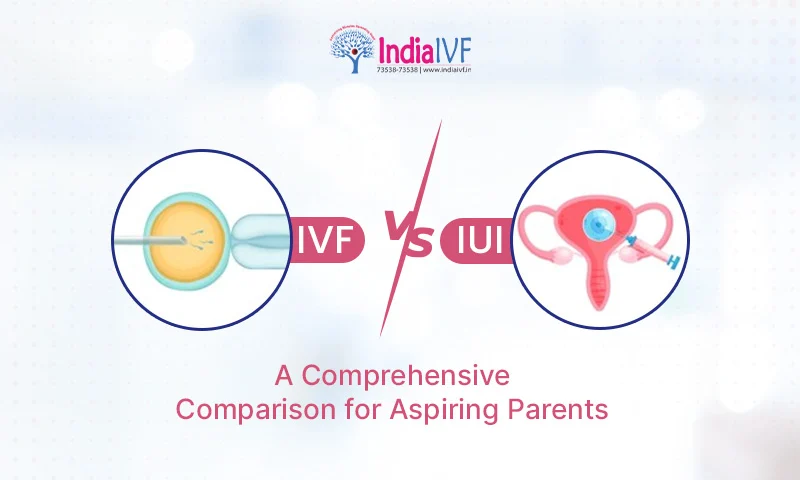
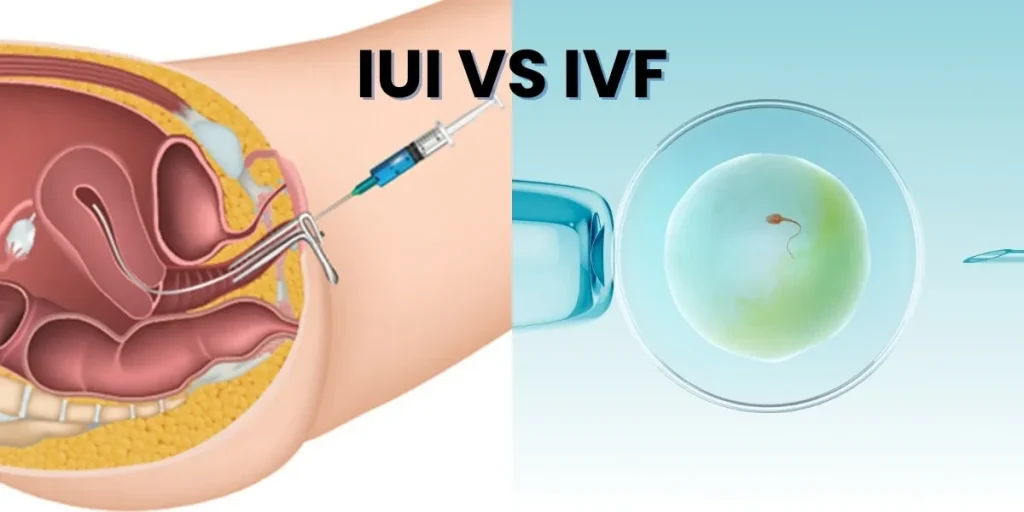
    comparison of IUI and IVF fertility treatments with illustrations of procedures and a petri dish with an egg and sperm

    Fertility Preservation for Women: A Myths vs Facts Breakdown

    Fact: While fertility preservation can be a significant financial investment, there are options available to make it more affordable, such as payment plans and financial assistance programs. Additionally, some insurance plans may cover the cost of fertility preservation for medical reasons.

    Myth #6: Fertility preservation guarantees future pregnancy and childbirth.

    Fact: While fertility preservation can increase the chances of pregnancy in the future, it is not a guarantee. Many factors can affect the success of fertility preservation, including the age and health of the woman at the time of egg retrieval.

    Myth #7: Fertility preservation is only for women who want biological children.

    Fact: Fertility preservation can also be beneficial for women who do not plan to have biological children. Women who have undergone cancer treatments that may affect their fertility can preserve their eggs or embryos to have the option of using a surrogate or a gestational carrier in the future.

    Myth #8: Fertility preservation is a one-time procedure.

    Fact: Fertility preservation can involve multiple cycles of egg retrieval and freezing, as the number of eggs retrieved in each cycle can vary. Additionally, women who have frozen their eggs or embryos may need to undergo further procedures, such as IVF, to achieve pregnancy in the future.

    Myth #9: Fertility preservation is emotionally and physically taxing.

    Fact: While fertility preservation can be a challenging decision for some women, it is not necessarily emotionally or physically taxing. The process involves regular visits to a fertility clinic, but the procedures are typically minimally invasive and do not require a prolonged recovery time.

    Myth #10: Fertility preservation is only available at specialized fertility clinics.

    Fact: Fertility preservation can be performed at specialized fertility clinics, but it is also available at many general gynecology practices. It is essential to choose a reputable and experienced provider regardless of the type of clinic.

    In conclusion, fertility preservation is a safe, accessible, and beneficial option for women looking to preserve their fertility for future use. It is important to understand the facts and dispel the myths surrounding this procedure to make informed decisions about reproductive health.

  • The Role of Education: Egg Retrieval vs Egg Sharing

    The Role of Education: Egg Retrieval vs Egg Sharing

    Education is a crucial aspect of our lives that shapes our knowledge, skills, and values. It plays a pivotal role in our personal, social, and economic development. When it comes to fertility treatments, education is equally important, especially in understanding the differences between egg retrieval and egg sharing. In this blog post, we will explore the role of education in egg retrieval and egg sharing, and how it affects the decision-making process for both donors and recipients.

    Egg Retrieval:

    Egg retrieval is a process in which a woman’s eggs are collected and fertilized in a laboratory to create embryos, which can then be used for in vitro fertilization (IVF) or frozen for future use. This process is typically used for women who are struggling with infertility or have a medical condition that makes it difficult for them to conceive naturally.

    The Role of Education:

    The decision to undergo egg retrieval is a big one and requires a lot of consideration and education. For women who are experiencing infertility, education about the process, its success rates, and potential risks is crucial in making an informed decision. They need to understand the various steps involved, the medications they will need to take, and the possible side effects. Education also helps them to manage their expectations and understand the emotional and physical toll that the process can have on their bodies.

    Education is equally important for egg donors. These women are generously giving a part of themselves to help others achieve their dream of starting a family. They need to be educated about the process, their rights and responsibilities, and the potential risks. Education also helps them to have a realistic understanding of the expectations of the recipient and the potential impact on their own fertility.

    In both cases, education is essential in ensuring that donors and recipients make informed decisions and are fully aware of the potential risks and benefits of egg retrieval.

    Egg Sharing:

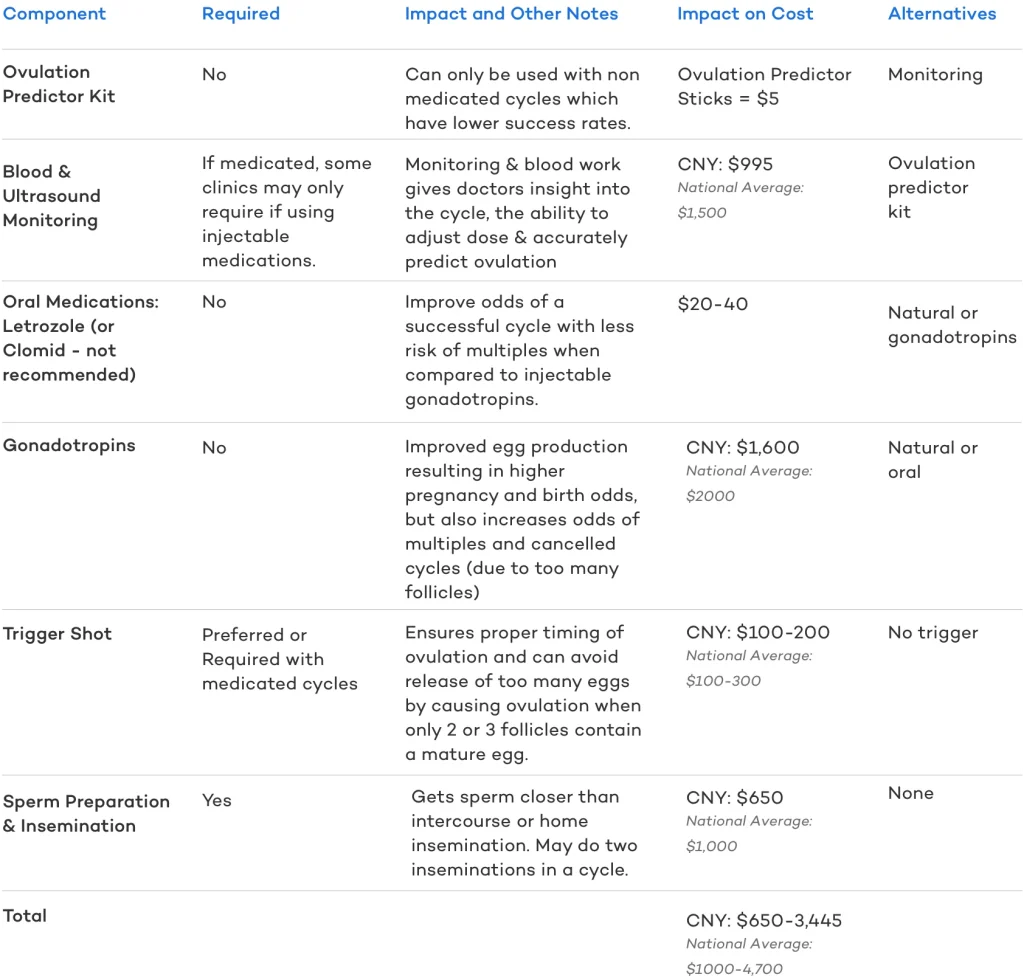
    Cost breakdown for IUI components, including requirements, impacts, and alternatives.

    The Role of Education: Egg Retrieval vs Egg Sharing

    Egg sharing is a process in which a woman undergoing IVF donates some of her eggs to another woman who is also undergoing IVF treatment. This process is often used as a more affordable option for couples struggling with infertility, as the donated eggs can help offset the cost of the IVF treatment. However, egg sharing is not as straightforward as it may seem, and education plays a crucial role in this process as well.

    The Role of Education:

    For women considering egg sharing, education is essential in understanding the legal, ethical, and emotional aspects of the process. They need to be educated about the legal agreements and contracts involved, as well as their rights and responsibilities as both a donor and a recipient. Education also helps them to manage their expectations and understand the potential emotional impact of the process.

    Education is also crucial for the donor in egg sharing. These women are not only helping others achieve their dream of starting a family, but they are also undergoing the physically and emotionally demanding process of IVF. They need to be educated about the potential risks and side effects, as well as the emotional impact of donating their eggs. Education also helps them to have a better understanding of the potential impact on their own fertility and the importance of taking care of their bodies during and after the process.

    Conclusion:

    Education plays a significant role in both egg retrieval and egg sharing. It helps both donors and recipients make informed decisions, manage their expectations, and understand the potential risks and benefits of the processes. Without proper education, the decision-making process for both parties can be clouded, and the overall success of the fertility treatment can be compromised.

    In the fast-paced world we live in, it is important to take the time to educate ourselves about important topics such as fertility treatments. Whether you are considering egg retrieval or egg sharing, it is crucial to seek out reliable and accurate information from reputable sources. Education empowers us to make the best decisions for ourselves and our families.

    Summary:

    Education plays a crucial role in the processes of egg retrieval and egg sharing, which are commonly used in fertility treatments. It helps both donors and recipients make informed decisions, manage expectations, and understand the potential risks and benefits involved. Without proper education, the decision-making process can be clouded, and the overall success of the treatment can be compromised. It is essential to seek out reliable and accurate information from reputable sources to make the best decisions for oneself and one’s family.

  • Egg Retrieval vs Egg Sharing: A Doctor’s Success Stories

    Egg retrieval and egg sharing are two popular methods for couples struggling with infertility to have a child. These methods involve the retrieval of a woman’s eggs and fertilizing them with sperm, with the resulting embryo being placed into the woman’s uterus. While both methods have their own benefits and drawbacks, they have both proven to be successful for many couples. In this blog post, we will hear from a doctor who has had success stories with both egg retrieval and egg sharing, and explore the differences between the two methods.

    Egg Retrieval:

    Egg retrieval, also known as In Vitro Fertilization (IVF), is a process where a woman’s eggs are retrieved from her ovaries and fertilized with sperm in a laboratory. The resulting embryo is then transferred into the woman’s uterus, where it can develop and result in a pregnancy. This method is usually recommended for couples who have been struggling with infertility for a longer period of time or have certain medical conditions that make it difficult to conceive naturally.

    Dr. Sarah Jones, a fertility specialist, has had many success stories with egg retrieval. “I have seen many couples who were struggling to conceive for years finally have a successful pregnancy through IVF,” she says. “Egg retrieval allows us to closely monitor the development of the embryos and select the healthiest ones to transfer, increasing the chances of a successful pregnancy.”

    One of Dr. Jones’ patients, Rachel, had been trying to conceive for over 5 years with no success. After multiple failed fertility treatments, they decided to try egg retrieval. “It was a tough decision for us, but we knew it was our best chance at having a baby,” Rachel shares. “And I am so grateful we did because I am now 6 months pregnant with our first child.”

    Another advantage of egg retrieval is the ability to freeze extra embryos for future use. This is especially beneficial for couples who want to have more than one child or for those who want to wait a few years before having another child.

    Egg Sharing:

    IVF vs IUI comparison graphic highlighting reproductive methods for aspiring parents.

    Egg Retrieval vs Egg Sharing: A Doctor's Success Stories

    Egg sharing, also known as Egg Donation, is a process where a woman donates her eggs to another woman or couple who are struggling with infertility. The donated eggs are fertilized and the resulting embryo is transferred into the recipient’s uterus. This method is often recommended for couples who have severe fertility issues or for same-sex couples who want to have a biological child.

    Dr. Jones has also had many success stories with egg sharing. “I have seen many couples who were told they could never have a biological child, finally have a successful pregnancy through egg sharing,” she says. “It is an amazing feeling to see these couples become parents and know that I played a part in making their dreams come true.”

    One of Dr. Jones’ patients, Sarah and her wife, had been trying to conceive for 8 years with no success. They were told that due to their medical conditions, they would not be able to have a biological child. However, with the help of egg sharing, they were able to have a healthy baby boy. “We are eternally grateful to our egg donor for giving us the gift of parenthood,” Sarah says. “And we are also thankful to Dr. Jones for guiding us through the process and making it possible for us to have our son.”

    One of the main benefits of egg sharing is the lower cost compared to egg retrieval. This is because the recipient only needs to pay for the donor’s medical expenses, rather than the entire IVF process. Additionally, the donor also receives compensation for her time and effort, making it a win-win situation for both parties.

    So, which method is right for you?

    Both egg retrieval and egg sharing have their own benefits and drawbacks, and the decision ultimately depends on the individual couple’s situation. Dr. Jones advises couples to consult with a fertility specialist to determine the best course of action for their specific case.

    Summary:

    Egg retrieval and egg sharing are two methods used to help couples struggling with infertility to have a child. Egg retrieval involves fertilizing a woman’s eggs with sperm in a laboratory and transferring the resulting embryo into her uterus. Egg sharing, on the other hand, involves using donated eggs from another woman and fertilizing them with sperm before transferring the embryo into the recipient’s uterus. Both methods have proven to be successful for many couples, but the decision on which method to choose should be made after consulting with a fertility specialist.

  • Egg Retrieval vs Egg Sharing: The Effect on Family Dynamics

    Blog Post:

    Egg retrieval and egg sharing are two methods of assisted reproductive technology that have been gaining popularity in recent years. Both involve the retrieval of eggs from a woman’s ovaries, but they differ in the purpose of the retrieved eggs. Egg retrieval is typically used for in vitro fertilization (IVF) and the resulting embryos are used to create a biological child for the intended parents. On the other hand, egg sharing involves the donation of some or all of the retrieved eggs to another woman or couple who are struggling with infertility. This process raises some important questions about the effect on family dynamics for both the donor and recipient families.

    For the donor family, egg sharing can bring about a range of emotions. On one hand, it can be a fulfilling experience to help another family achieve their dream of having a child. It can also be seen as an act of kindness and generosity, which can strengthen family bonds. However, there may also be feelings of loss and grief as the donor may see the child as a part of their genetic makeup but will not have a parental role in their life. This can lead to complex emotions and potential challenges in navigating the family dynamic.

    Additionally, egg sharing can also raise questions about the child’s identity and sense of self. If the child is aware of their genetic origins, they may struggle with their sense of belonging and may have a desire to know more about their biological family. This can lead to a complex family dynamic, especially if the donor and recipient families have conflicting views on the level of involvement the donor should have in the child’s life.

    For the recipient family, egg sharing can bring about feelings of gratitude and joy as they are able to have a child they may not have been able to conceive on their own. However, it can also bring about feelings of guilt and anxiety as they may feel indebted to the donor family for their generosity. This can lead to a power dynamic within the family and may create challenges in establishing a balanced relationship between the donor and recipient families.

    Moreover, egg sharing can also raise the question of disclosure within the recipient family. Should the child be told about their genetic origins? If so, at what age? This can lead to potential conflicts and differences in opinion within the family, especially if one parent wants to disclose the information and the other does not. This can also impact the child’s relationship with their parents and potentially create a rift in the family dynamic.

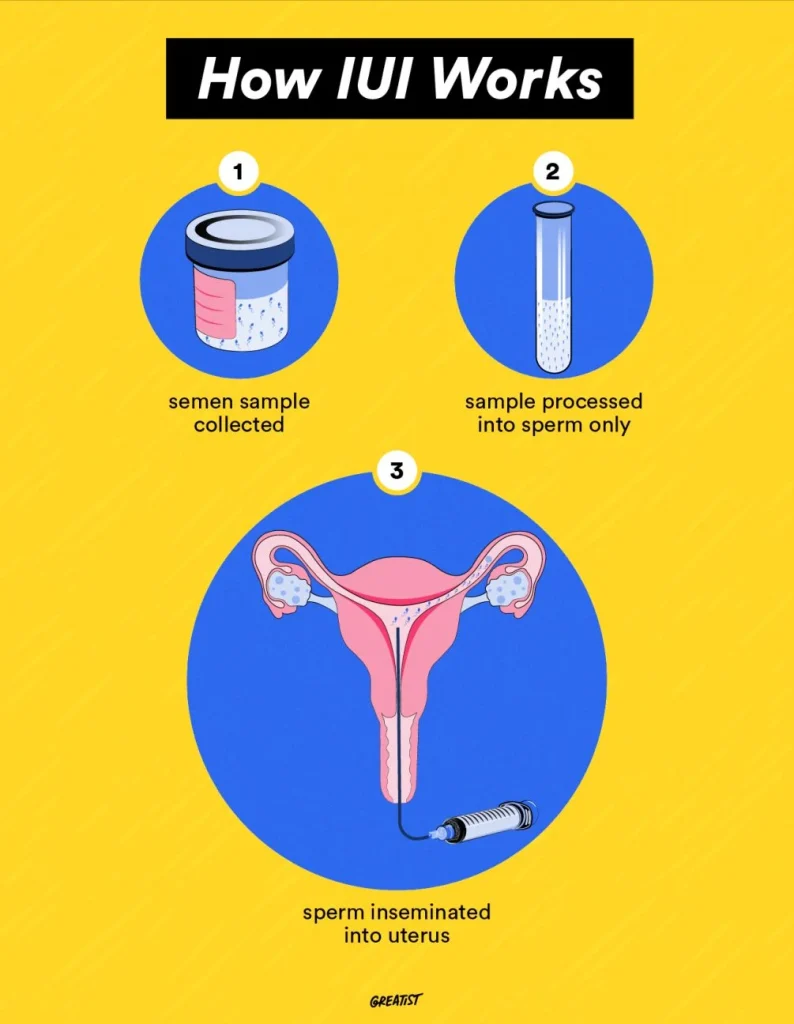
    illustration explaining the steps of intrauterine insemination (IUI) process on a bright yellow background

    Egg Retrieval vs Egg Sharing: The Effect on Family Dynamics

    It is important to note that egg sharing can also have a positive effect on family dynamics. It can bring families closer together as they go through the process together and support each other. It can also create a unique bond between the donor and recipient families, as they are connected through the child.

    On the other hand, egg retrieval for IVF may also have an impact on family dynamics. The process of IVF can be emotionally and physically taxing for the intended parents, and this can put a strain on their relationship. The financial burden of IVF can also create stress and conflict within the family. Moreover, the use of a donor’s eggs may raise questions about the child’s genetic identity and may also impact their relationship with their parents.

    Egg retrieval for IVF can also have an effect on extended family relationships. The use of a donor’s eggs may raise questions and potential conflicts within the extended family, especially if the donor is a close relative. This can create tension and potentially affect the family dynamic.

    In conclusion, both egg retrieval and egg sharing can have an impact on family dynamics. While egg sharing can bring about complex emotions and challenges, it can also create a unique bond between the donor and recipient families. On the other hand, egg retrieval for IVF can also have an effect on family dynamics, especially in terms of financial and emotional strain. It is important for families to carefully consider all aspects and potential implications before making the decision to pursue either option.

    Summary:

    Egg retrieval and egg sharing are two methods of assisted reproductive technology that involve the retrieval of eggs from a woman’s ovaries. Egg retrieval is typically used for IVF while egg sharing involves donating eggs to another woman or couple struggling with infertility. Both processes can have an impact on family dynamics. For the donor family, there may be feelings of loss and grief, while the recipient family may feel indebted to the donor. Egg retrieval for IVF can also have an effect on family dynamics, including strain on relationships and questions about genetic identity. Careful consideration and open communication are important for families considering these options.

  • Egg Retrieval vs Egg Sharing: A Global Perspective

    Blog Post Title: Egg Retrieval vs Egg Sharing: A Global Perspective

    Egg donation has become a popular option for couples struggling with infertility or genetic disorders, as well as same-sex couples and single individuals who want to start a family. However, there are two ways to go about egg donation – egg retrieval and egg sharing. While both methods involve the same process of retrieving eggs from a donor, there are significant differences between the two that are worth exploring. In this blog post, we will take a global perspective and delve into the details of egg retrieval and egg sharing, including their advantages, disadvantages, and ethical considerations.

    Egg Retrieval:

    Egg retrieval, also known as traditional egg donation, involves a donor going through the egg retrieval process and donating all of her eggs to one recipient or couple. The recipient(s) will then use the donated eggs to undergo in vitro fertilization (IVF) and carry the pregnancy to term. Egg retrieval is the most common method of egg donation and is widely practiced in the United States, Canada, and many European countries.

    Advantages:

    One of the main advantages of egg retrieval is that it gives the recipient(s) full control over the eggs. Since all of the donated eggs are reserved for the recipient(s), there is no need to worry about a shortage of eggs or the donor changing her mind and deciding to keep some of her eggs. This also allows the recipient(s) to have a higher chance of success with IVF, as they have a larger pool of eggs to choose from.

    Disadvantages:

    The biggest disadvantage of egg retrieval is the high cost. In most cases, the recipient(s) are responsible for covering the donor’s medical expenses, including the cost of fertility drugs, retrieval procedure, and any complications that may arise. This can add up to thousands of dollars, making it a financially burdensome option for many couples. Additionally, the recipient(s) may also have to cover the cost of IVF, which can further increase the overall cost.

    Ethical Considerations:

    One of the main ethical concerns surrounding egg retrieval is the potential exploitation of the donor. Critics argue that the high cost of the procedure may incentivize donors to donate their eggs for financial gain, rather than altruistic reasons. This can also lead to donors being pressured into donating multiple times, which can be physically and emotionally taxing. Furthermore, there are concerns about the long-term effects of fertility drugs on the donor’s health.

    Egg Sharing:

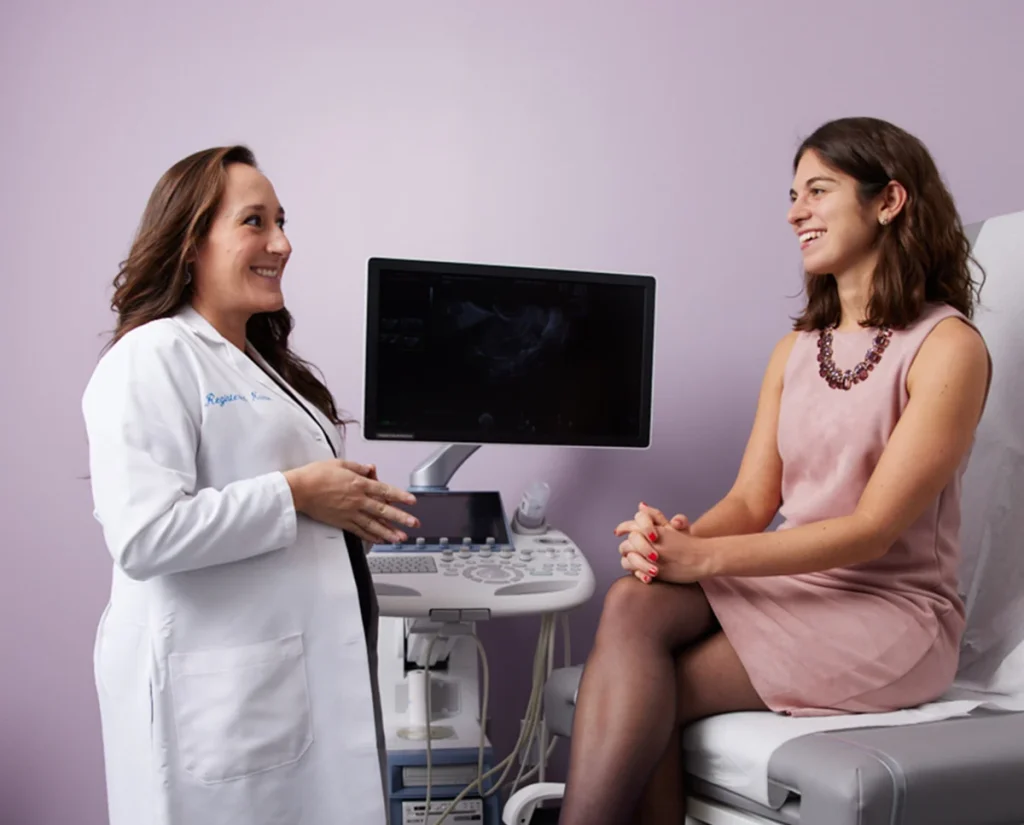
    doctor discussing treatment with a patient in a medical office, featuring an ultrasound machine in the background

    Egg Retrieval vs Egg Sharing: A Global Perspective

    Egg sharing, also known as shared egg donation, involves a donor going through the egg retrieval process and dividing her eggs between two recipients. Each recipient will receive a portion of the eggs and undergo IVF using those eggs. Egg sharing is a less common method of egg donation, but it is gaining popularity in countries like the United Kingdom, Australia, and South Africa.

    Advantages:

    The main advantage of egg sharing is the lower cost. Since the eggs are divided between two recipients, the overall cost is significantly reduced for each recipient. This makes egg sharing a more affordable option for couples who cannot afford the high cost of egg retrieval. Additionally, egg sharing allows for a more equal distribution of eggs, giving both recipients a fair chance of success with IVF.

    Disadvantages:

    One of the disadvantages of egg sharing is the potential for unequal egg distribution. In some cases, the donor’s eggs may not be of equal quality, and one recipient may receive better quality eggs than the other. This can lead to feelings of resentment and disappointment for the recipient who received lower quality eggs. Additionally, egg sharing may also result in a lower number of eggs for each recipient, reducing their chances of success with IVF.

    Ethical Considerations:

    There are several ethical concerns surrounding egg sharing, including the potential for coercion and exploitation of the donor. In some cases, the donor may feel pressured to agree to egg sharing due to financial incentives or pressure from the fertility clinic. This can lead to a violation of the donor’s autonomy and decision-making. Additionally, there are concerns about the psychological impact on the donor, who may feel emotionally attached to the eggs she has donated.

    Global Perspective:

    In general, the use of egg donation is more prevalent in Western countries, with the United States being the leader in egg donation cycles. However, the availability and regulations surrounding egg donation differ from country to country. For example, in some countries like Spain, egg donation is anonymous, while in others like the United Kingdom, it is not. This highlights the need for a global perspective when considering egg donation and the importance of understanding the cultural, legal, and ethical implications.

    In conclusion, egg retrieval and egg sharing both have their advantages and disadvantages, and the decision ultimately depends on the individual circumstances and preferences of the recipients. However, it is essential to consider the ethical implications and global perspective when making such a life-changing decision.

    Summary:

    Egg donation has become a popular option for couples struggling with infertility or genetic disorders, and there are two methods of egg donation – egg retrieval and egg sharing. Egg retrieval involves a donor donating all of her eggs to one recipient, while egg sharing involves dividing the eggs between two recipients. Both methods have their advantages, disadvantages, and ethical considerations. Egg retrieval gives the recipient(s) full control over the eggs but is more expensive and can lead to donor exploitation. Egg sharing is a more affordable option but can result in unequal egg distribution and potential coercion of the donor. It is essential to consider the global perspective and ethical implications when deciding on egg donation.

  • Egg Retrieval vs Egg Sharing: The Success Rates Compared

    Egg retrieval and egg sharing are two options for women who are looking to become pregnant but are unable to use their own eggs. Both procedures involve the retrieval of eggs from a woman’s ovaries, but there are some key differences between the two. In this blog post, we will compare the success rates of egg retrieval and egg sharing, and discuss the pros and cons of each option.

    Egg Retrieval:
    Egg retrieval, also known as in vitro fertilization (IVF), is a process in which a woman’s eggs are retrieved from her ovaries and fertilized with sperm in a laboratory. The resulting embryos are then transferred back into the woman’s uterus, with the hope of achieving a successful pregnancy.

    Success Rates:
    According to the latest statistics from the Centers for Disease Control and Prevention (CDC), the success rate for IVF using a woman’s own eggs is about 21% for women under 35, 17% for women aged 35-37, 11% for women aged 38-40, and 5% for women aged 41-42. These success rates can vary depending on factors such as the woman’s age, overall health, and the quality of her eggs.

    Pros:
    1. Biological Connection: One of the main advantages of egg retrieval is that it allows the woman to have a biological connection to the child. This can be important for some women who want to have a genetic link to their child.

    2. More Control: With egg retrieval, the woman has more control over the process as she can choose the sperm donor and make decisions about the number of embryos to be transferred.

    3. More Eggs: Egg retrieval typically results in the retrieval of a larger number of eggs, which can increase the chances of success and allow for the potential for more than one pregnancy.

    Cons:
    1. Cost: IVF using a woman’s own eggs can be expensive, and the cost can increase if multiple cycles are needed.

    2. Time-Consuming: Egg retrieval requires multiple visits to the fertility clinic and can be a time-consuming process, which can be challenging for women who have busy schedules.

    3. Potential for Multiple Pregnancies: While having multiple eggs retrieved can increase the chances of success, it also increases the risk of multiple pregnancies, which can lead to complications.

    illustration of a uterus with a syringe, representing intrauterine insemination procedure

    Egg Retrieval vs Egg Sharing: The Success Rates Compared

    Egg Sharing:
    Egg sharing is a process in which a woman donates some of her eggs to another woman who is struggling with infertility. This option allows women who are unable to conceive with their own eggs to still have a chance at pregnancy.

    Success Rates:
    The success rates for egg sharing can vary depending on the quality of the donated eggs and the age and health of the recipient. However, studies have shown that egg sharing has a similar success rate to egg retrieval, with some studies even showing slightly higher success rates for egg sharing.

    Pros:
    1. Cost-Effective: Egg sharing can be a more affordable option for women who are unable to afford the high cost of IVF using their own eggs.

    2. Less Invasive: Since the eggs are donated by another woman, the recipient does not have to undergo the egg retrieval procedure, which can be physically and emotionally taxing.

    3. Fulfilling: Egg sharing allows women to help others struggling with infertility, which can be a fulfilling and rewarding experience.

    Cons:
    1. No Biological Connection: Unlike egg retrieval, egg sharing does not allow for a biological connection to the child, which can be a downside for some women.

    2. Limited Number of Eggs: With egg sharing, the recipient only receives a certain number of eggs, which may be less than the number retrieved in a typical egg retrieval procedure.

    3. Limited Control: The recipient does not have control over the egg donor selection or the number of embryos transferred, which may be a concern for some women.

    In summary, both egg retrieval and egg sharing have their own pros and cons, and the decision ultimately depends on the individual’s preferences and situation. While egg retrieval offers a biological connection to the child and more control over the process, egg sharing can be a more affordable and less invasive option. However, both procedures have similar success rates, making them viable options for women struggling with infertility.

  • The Psychological Effects: Egg Retrieval vs Egg Sharing

    Blog Post:

    Egg retrieval and egg sharing are two different methods used in assisted reproductive technology (ART) where eggs are collected from a woman’s ovaries for fertilization in a laboratory. Both methods have their own unique psychological effects on the individuals involved. In this blog post, we will explore the psychological effects of egg retrieval and egg sharing, and how they differ from each other.

    Egg Retrieval:

    Egg retrieval is a procedure where eggs are surgically removed from a woman’s ovaries, usually under sedation or general anesthesia. This is done as part of the in vitro fertilization (IVF) process, where the eggs are then fertilized with sperm in a laboratory and the resulting embryos are transferred into the woman’s uterus. Egg retrieval is typically used when a woman wants to use her own eggs for IVF.

    The psychological effects of egg retrieval can vary from person to person, but there are some common experiences that many individuals go through. The first and most obvious effect is physical discomfort. The procedure itself is not painful, but the woman may experience bloating, cramping, and discomfort in the days following the procedure. This can be distressing for some individuals, especially if they are not prepared for it.

    Another psychological effect of egg retrieval is the emotional toll it can take on the individual. The process of IVF can be emotionally draining, and the egg retrieval procedure can add to this stress. The fear of the unknown, the anticipation of the outcome, and the pressure to produce enough eggs can all contribute to heightened emotions. This can lead to feelings of anxiety, depression, and even guilt if the procedure is not successful.

    In addition to the physical and emotional effects, egg retrieval can also have a financial impact. IVF is an expensive process and the cost of egg retrieval can add up. This can cause financial stress and anxiety, especially if the individual has already invested a significant amount of money in the IVF process.

    Cost breakdown for IUI components, including requirements, impacts, and alternatives.

    The Psychological Effects: Egg Retrieval vs Egg Sharing

    Egg Sharing:

    Egg sharing, also known as egg donation, is a process where a woman donates her eggs to another individual or couple who are unable to use their own eggs. This is often done through a fertility clinic and the eggs are used for IVF. Egg sharing is a selfless act of generosity and can have a positive impact on both the donor and the recipient.

    The psychological effects of egg sharing are different from egg retrieval, as the individual donating their eggs is not going through the IVF process themselves. However, there are still some psychological effects that the donor may experience. One of the most common effects is a sense of pride and fulfillment from helping someone else achieve their dream of having a child. This can have a positive impact on the donor’s self-esteem and self-worth.

    On the other hand, egg sharing can also bring up feelings of loss and mourning for the donor. The process of donating eggs involves taking medications to stimulate egg production, and this can lead to a temporary increase in hormones. This hormonal shift can cause mood swings, similar to those experienced during premenstrual syndrome (PMS). In some cases, the donor may also feel a sense of loss for the eggs they have donated, as they are no longer a part of their body. This can be a difficult experience for some donors to process.

    Another psychological effect of egg sharing is the potential for a relationship between the donor and the recipient. In some cases, the donor and the recipient may meet and form a connection through the donation process. This can be a positive experience for both parties, as they share a common goal and bond over their journey.

    Summary:

    The psychological effects of egg retrieval and egg sharing can differ greatly, as they involve different experiences and emotions for the individuals involved. Egg retrieval can cause physical discomfort, emotional stress, and financial strain for the woman undergoing the procedure. On the other hand, egg sharing can bring feelings of pride, loss, and the potential for a relationship. It’s important for individuals considering these methods to understand and prepare for the potential psychological effects.

    In conclusion, egg retrieval and egg sharing are both viable options for individuals or couples looking to start a family through IVF. It’s important to consider the physical, emotional, and financial impacts of each method before making a decision. Ultimately, the most important thing is to find the method that feels right for you and your journey towards parenthood.

  • Egg Retrieval vs Egg Sharing: A Partner’s Perspective

    Blog Post:

    When it comes to starting a family, there are many different paths that couples can take. For some, the journey may include assisted reproductive technologies, such as in vitro fertilization (IVF). Within the IVF process, there are two options for obtaining eggs: egg retrieval or egg sharing.

    Egg retrieval involves a woman undergoing hormonal stimulation and a minor surgical procedure to collect and freeze her own eggs. These eggs can then be used for her own future pregnancies or donated to other couples in need. On the other hand, egg sharing involves a woman undergoing the same hormonal stimulation and surgical procedure, but instead of keeping the eggs for herself, she shares them with another couple in need.

    As a partner in this process, it can be challenging to understand the differences between egg retrieval and egg sharing, and to figure out which option is the best for you and your partner. In this blog post, we will explore the key differences between these two options and provide a partner’s perspective on the pros and cons of each.

    Egg Retrieval: A Partner’s Perspective

    For many couples, egg retrieval may seem like the most straightforward option. The woman undergoes the procedure and the retrieved eggs are used for their own future pregnancies. As a partner, this can be a comforting thought, knowing that the eggs are exclusively for your family.

    However, there are some downsides to consider. The first is the cost. Egg retrieval can be an expensive process, with the hormonal medication, medical procedures, and storage fees adding up quickly. This may be a significant financial burden for some couples and can cause stress and strain on the relationship.

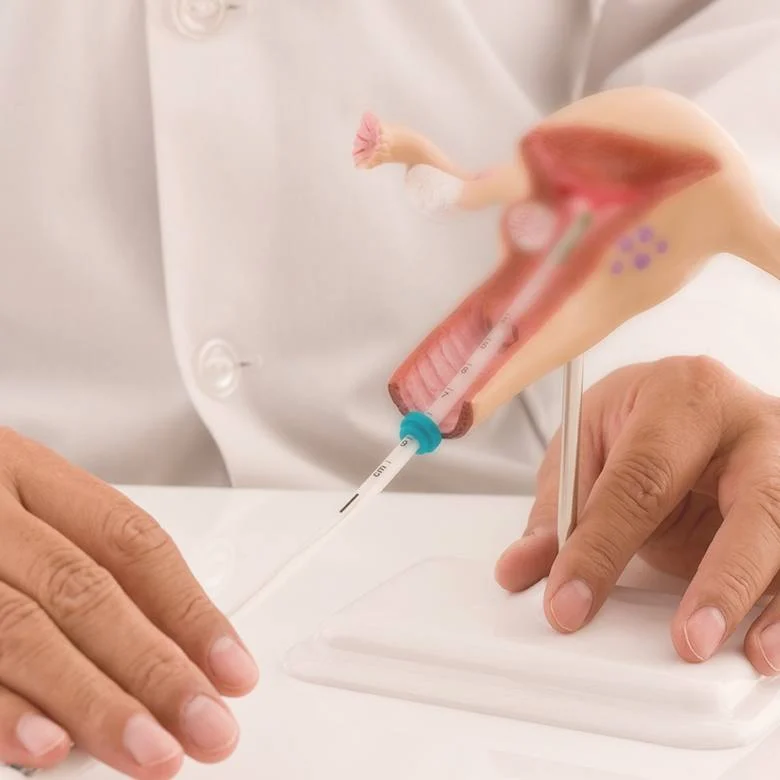
    model of the female reproductive system with a hand demonstrating intrauterine insemination technique

    Egg Retrieval vs Egg Sharing: A Partner's Perspective

    Another aspect to consider is the physical and emotional toll that the procedure can take on your partner. The hormonal stimulation can cause discomfort and mood swings, and the surgical procedure can be stressful and invasive. As a partner, it is essential to be there to support your partner throughout this process and to be prepared for any potential side effects.

    Egg Sharing: A Partner’s Perspective

    Egg sharing, on the other hand, can be seen as a more altruistic option for couples who want to help others while also undergoing IVF. As a partner, it can be fulfilling to know that your partner is not only helping your family but also giving another couple the chance to start their own family.

    One of the main benefits of egg sharing is the reduced cost. As the eggs are shared with another couple, the cost of the procedure is split between the two parties, making it a more affordable option. This can be a significant factor for couples who are struggling with the financial burden of fertility treatments.

    However, there are also some potential downsides to consider. The first is the potential emotional impact of sharing eggs with another couple. As a partner, you may feel a sense of loss or jealousy knowing that your partner’s eggs will be used to help another couple conceive. It is essential to have open and honest communication with your partner and to address any concerns or feelings that may arise.

    Another aspect to consider is the legal implications of egg sharing. As the eggs are shared with another couple, there may be legal agreements and contracts involved, which can be overwhelming and confusing for some couples. It is crucial to seek legal advice and fully understand the implications before moving forward with egg sharing.

    Summary:

    When it comes to starting a family through assisted reproductive technologies, couples have the option of egg retrieval or egg sharing. Egg retrieval involves a woman undergoing hormonal stimulation and a minor surgical procedure to collect and freeze her own eggs, while egg sharing involves sharing the eggs with another couple in need. As a partner, it can be challenging to understand the differences between these two options and to figure out which one is the best for you and your partner. Egg retrieval may seem like the most straightforward option, but it can be expensive and take a toll on your partner’s physical and emotional well-being. On the other hand, egg sharing can be seen as a more altruistic option, but it may come with emotional and legal implications. It is essential for partners to have open and honest communication and to be supportive of each other, regardless of which option they choose.