Intrauterine Insemination vs Timed Intercourse: The Impact of Male and Female Fertility on Success Rates
When it comes to trying to conceive, many couples may find themselves exploring different fertility treatments and methods. Two common options are intrauterine insemination (IUI) and timed intercourse. While both methods have the ultimate goal of helping a couple achieve pregnancy, there are some key differences in their approaches and success rates.
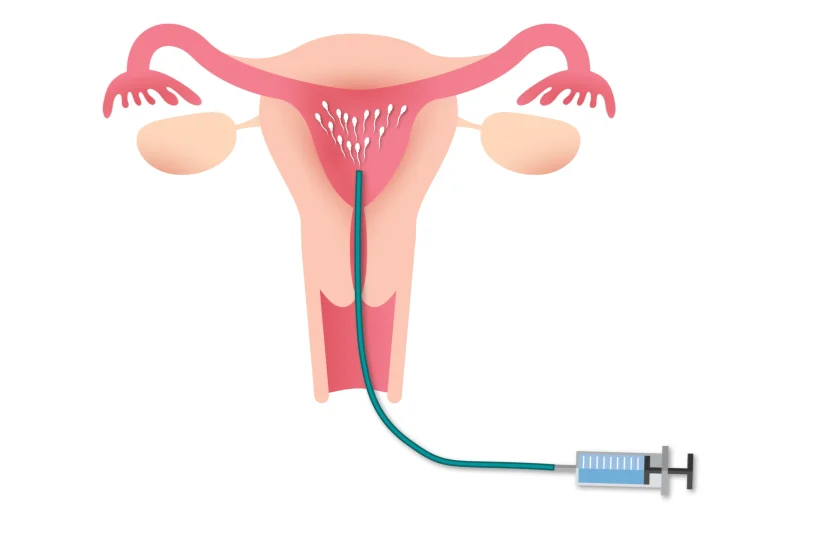
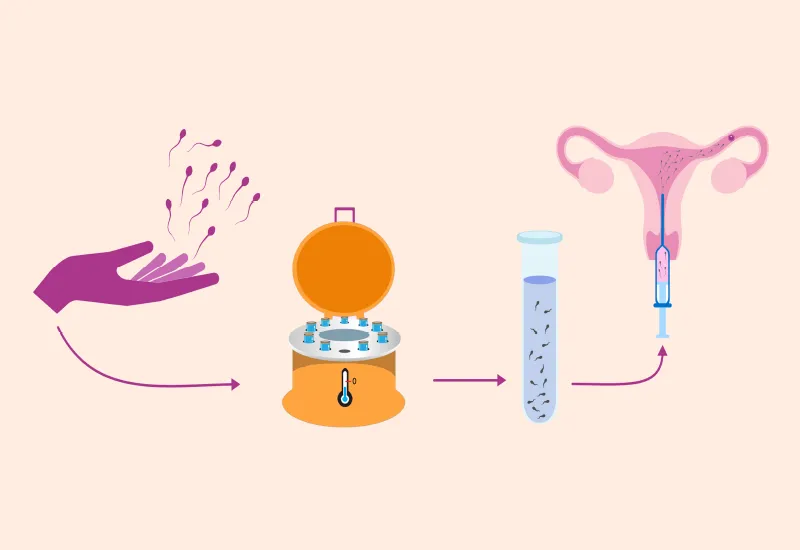
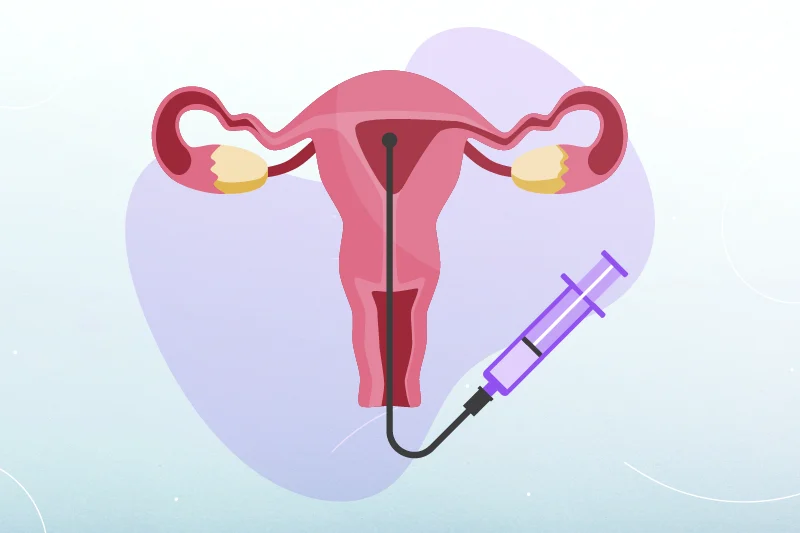
Intrauterine insemination (IUI) is a fertility treatment where sperm is placed directly into a woman’s uterus during her ovulation cycle. This is typically done with the help of a catheter, which allows for the sperm to bypass the cervix and increase the chances of fertilization. On the other hand, timed intercourse involves tracking a woman’s ovulation cycle and having sexual intercourse during her most fertile days.
In this blog post, we will delve deeper into the differences between intrauterine insemination and timed intercourse, and how male and female fertility can impact the success rates of these methods.
The Role of Female Fertility
The success of both IUI and timed intercourse greatly depends on the fertility of the female partner. For IUI, the woman’s fertility is crucial as the sperm is directly placed into her uterus, increasing the chances of fertilization. If the woman has a healthy and regular menstrual cycle, and is ovulating consistently, then the chances of IUI being successful are higher.
However, if the woman has underlying fertility issues such as irregular ovulation or blocked fallopian tubes, IUI may not be as effective. In these cases, additional fertility treatments may be recommended to increase the chances of success.
In timed intercourse, the woman’s fertility is also a key factor. In order to achieve pregnancy through this method, the woman must have a regular menstrual cycle and be able to accurately track her ovulation. This can be done through methods such as ovulation predictor kits or tracking basal body temperature.
If a woman has irregular ovulation or does not ovulate at all, timed intercourse may not be as effective. In these cases, fertility medications may be prescribed to help induce ovulation and increase the chances of success.
The Role of Male Fertility
While female fertility plays a significant role in the success of both IUI and timed intercourse, the male partner’s fertility also has an impact. In IUI, the quality and quantity of sperm are important factors. If the male partner has a low sperm count, poor sperm motility, or abnormal sperm morphology, the chances of fertilization and pregnancy may decrease.
In timed intercourse, the male partner’s sperm quality is also crucial. The timing of intercourse is important as sperm can survive in the female reproductive tract for up to five days. If the male partner has low sperm quality, it may decrease the chances of fertilization even if intercourse is timed correctly.
In both methods, if the male partner has underlying fertility issues, additional treatments may be recommended to improve the chances of success.

Success Rates of IUI vs Timed Intercourse
The success rates of IUI and timed intercourse can vary depending on a couple’s individual fertility factors. However, in general, IUI has a higher success rate compared to timed intercourse.
According to the American Pregnancy Association, the success rate for IUI is 10-20% per cycle, while the success rate for timed intercourse is 8-15% per cycle. This is because IUI allows for the sperm to be placed directly into the uterus, increasing the chances of fertilization.
In addition, IUI can also be combined with fertility medications to further increase the chances of success, whereas timed intercourse relies solely on the timing of ovulation and intercourse.
Factors Affecting Success Rates
Aside from male and female fertility, there are other factors that can affect the success rates of IUI and timed intercourse. These include:
1. Age – As women age, their fertility declines, making it more difficult to conceive through any fertility method. This is because women are born with a limited number of eggs, and as they age, the quality and number of eggs decrease.
2. Underlying medical conditions – Certain medical conditions such as polycystic ovary syndrome (PCOS) or endometriosis can affect a woman’s fertility and decrease the chances of success with IUI and timed intercourse.
3. Lifestyle factors – Smoking, excessive alcohol consumption, and being overweight or underweight can all impact fertility and decrease the chances of success with IUI and timed intercourse.
4. Timing and frequency of intercourse – In timed intercourse, having intercourse too early or too late in the woman’s ovulation cycle can decrease the chances of fertilization. Additionally, having intercourse too frequently or not frequently enough can also affect the success rates.
Conclusion
Intrauterine insemination and timed intercourse are two common fertility treatments that can help couples achieve pregnancy. While both methods have the same goal, they employ different approaches and have varying success rates.
The success of both IUI and timed intercourse depends on the fertility of the female and male partners, as well as other factors such as age, underlying medical conditions, and lifestyle factors. For couples struggling with fertility, it is important to consult with a fertility specialist to determine the best treatment option for their individual situation.
In the end, the most important thing is to remain positive and have faith that with the right treatment and support, the journey to parenthood can be successful.