Tag: Adoption

  • Surrogacy vs Adoption: A Comparison of Processes

    Title: Surrogacy vs Adoption: A Comparison of Processes

    Surrogacy and adoption are two options available for individuals and couples who are unable to have children naturally. Both processes involve bringing a child into a family, but they differ significantly in terms of the process, cost, and legal implications. In this blog post, we will explore the differences between surrogacy and adoption and help you understand which option may be best for your family.

    Surrogacy Process
    Surrogacy is a process where a woman (surrogate) carries a child for another person or couple (intended parents). There are two types of surrogacy: traditional and gestational. In traditional surrogacy, the surrogate’s egg is fertilized with the intended father’s sperm through artificial insemination. This means that the surrogate is genetically related to the child. In gestational surrogacy, the embryo is created using the intended parents’ eggs and sperm or through a donor, and then transferred to the surrogate’s uterus. This process means that the surrogate has no genetic connection to the child.

    The surrogacy process involves several steps, including finding a surrogate, undergoing medical and psychological evaluations, and drafting a surrogacy contract. The intended parents may also need to go through IVF (in vitro fertilization) to create the embryo. Once the surrogate is pregnant, the intended parents will cover all medical expenses and provide financial compensation to the surrogate for carrying the child.

    Adoption Process
    Adoption is a legal process where a child becomes a permanent member of a family different from their birth family. There are different types of adoption, including domestic, international, and foster care adoption. In domestic adoption, the child is adopted within the country, while international adoption involves adopting a child from a different country. Foster care adoption is when a child is adopted from the foster care system.

    The adoption process involves several steps, such as finding an adoption agency, completing a home study, and attending training and education sessions. The agency will then match the prospective adoptive parents with a child, and once the child is placed with the family, the adoption process is finalized through a court order. The cost of adoption varies depending on the type of adoption, but it typically includes agency fees, legal fees, and any necessary travel expenses.
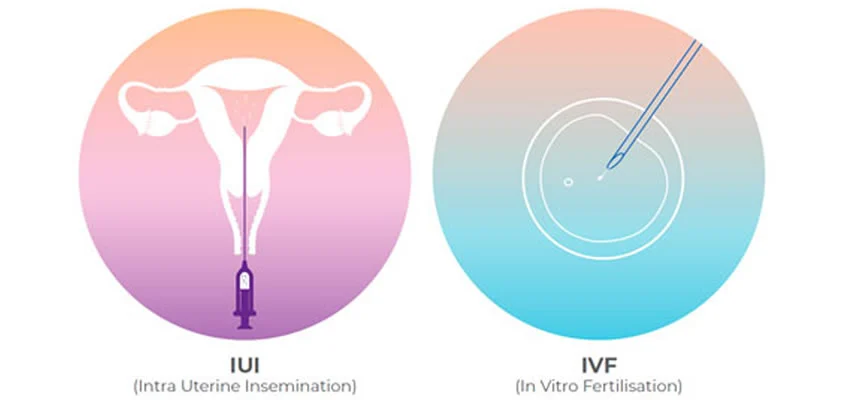
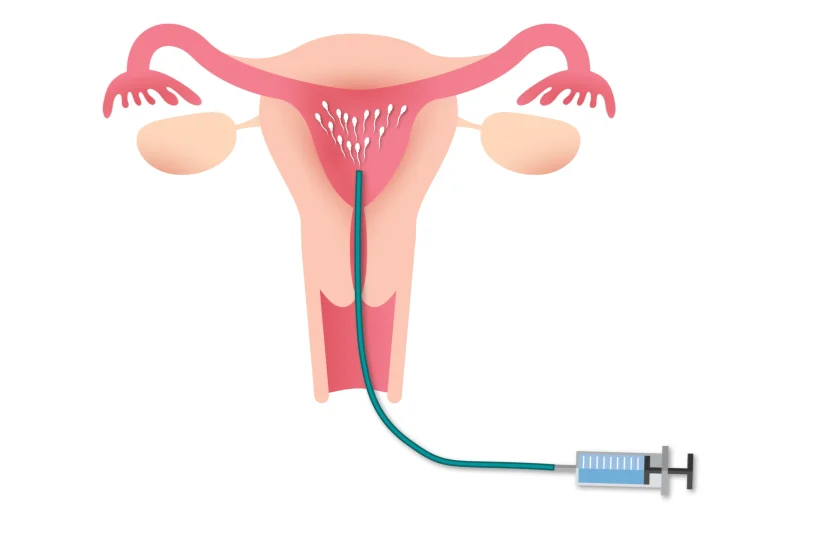
    comparison of IUI and IVF procedures illustrated with simple graphics and labels

    Surrogacy vs Adoption: A Comparison of Processes

    Cost Comparison
    One of the significant differences between surrogacy and adoption is the cost. Surrogacy can cost anywhere between $100,000 to $150,000, while domestic adoption can cost between $20,000 to $50,000. International adoption can cost between $30,000 to $50,000, and foster care adoption is significantly less expensive, with little to no cost involved.

    The high cost of surrogacy is mainly due to medical expenses, which can include IVF, prenatal care, labor and delivery, and any complications that may arise during pregnancy. In contrast, adoption costs are primarily associated with agency fees and legal fees.

    Legal Implications
    Surrogacy and adoption also differ in terms of legal implications. In surrogacy, a legal contract is signed between the intended parents and the surrogate, outlining the terms and conditions of the surrogacy. It is essential to have a well-drafted contract to avoid any legal issues that may arise during or after the surrogacy process. However, even with a contract in place, there have been cases where the surrogate has changed her mind and decided to keep the child.

    In adoption, the legal process involves terminating the birth parents’ rights and transferring them to the adoptive parents. Once the adoption is finalized, the adoptive parents have full legal rights and responsibilities for the child, just like biological parents.

    Emotional Considerations
    Both surrogacy and adoption involve a lot of emotions for all parties involved. For intended parents, the surrogacy process can be emotionally challenging, as they are relying on someone else to carry their child. In adoption, the process can also be emotionally taxing as it involves navigating through the birth parents’ feelings and potentially facing rejection from the child.

    For surrogates, there may be emotional challenges as they carry a child that they will not raise, and they may experience postpartum depression after giving birth. In adoption, the birth parents may also experience emotional struggles as they make the difficult decision to place their child for adoption.

    Summary:
    Surrogacy and adoption are two options available for individuals and couples who are unable to have children naturally. Surrogacy involves finding a surrogate to carry the child, while adoption is a legal process of bringing a child into a family. Surrogacy is a more expensive option, while adoption costs can vary depending on the type of adoption. There are also differences in legal implications and emotional considerations for both processes.

  • Challenges and Rewards of Surrogacy vs Adoption

    Blog Post:

    Surrogacy and adoption are two ways in which people can expand their families. While both options have the same end goal of having a child, the journeys and experiences involved are vastly different. Surrogacy involves a woman carrying and giving birth to a child for another individual or couple, while adoption is the legal process of becoming the parent of a child who is not biologically related to you. Both surrogacy and adoption come with their own set of challenges and rewards, and it is important for individuals or couples considering either option to carefully weigh their options and understand the implications of their choice.

    Challenges of Surrogacy:

    1. Financial Costs: Surrogacy can be an expensive process, with the cost varying depending on the type of surrogacy (traditional or gestational) and the country or state in which the surrogacy takes place. In traditional surrogacy, the surrogate mother is also the biological mother of the child, which can lead to legal and emotional complications. In gestational surrogacy, the embryo is created through in-vitro fertilization and transferred to the surrogate, which can be a costly process.

    2. Legal Complications: The laws surrounding surrogacy can be complex and vary from country to country, and even from state to state within a country. In some places, surrogacy is completely prohibited, while in others, it is heavily regulated. This can lead to legal complications and challenges for individuals or couples seeking surrogacy as a means of having a child.

    3. Emotional Challenges: Surrogacy can be an emotionally charged process for all parties involved. The surrogate mother may face difficulties when bonding with the child she is carrying, and there may be emotional challenges for the intended parents as well. The relationship between the intended parents and the surrogate can also be complicated, as boundaries and expectations need to be clearly defined and respected.

    Rewards of Surrogacy:

    1. Biological Connection: One of the major rewards of surrogacy is that the child is biologically related to at least one of the intended parents. This can be important for individuals or couples who want to have a child that is genetically related to them.

    2. Control and Involvement: Surrogacy allows intended parents to have more control and involvement in the pregnancy and birth process. They can be present for ultrasounds, doctor’s appointments, and even the birth itself, which can help them to feel more connected to the child.

    3. Fulfillment of Parenthood: For individuals or couples who are unable to conceive or carry a child on their own, surrogacy can be a way to fulfill their dream of becoming parents. It allows them to experience the joys and challenges of parenthood and create a family of their own.

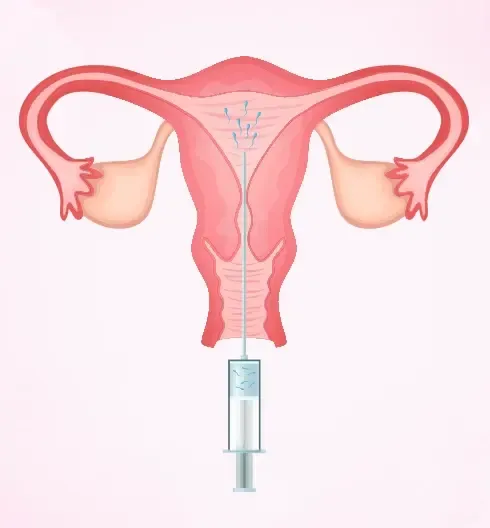
    Illustration of IUI procedure with uterus and syringe against a DNA background.

    Challenges and Rewards of Surrogacy vs Adoption

    Challenges of Adoption:

    1. Legal Complications: Similar to surrogacy, adoption also involves complex legal processes that can vary from country to country and state to state. There may be restrictions on who can adopt, and the process can be lengthy and expensive.

    2. Emotional Challenges: Adoption can be an emotionally taxing process for both the adoptive parents and the child. The child may have experienced trauma or loss, and it can take time for them to adjust to their new family. For the adoptive parents, there may be challenges in bonding with the child and navigating the complexities of an open or closed adoption.

    3. Uncertainty: Unlike surrogacy, where the child is biologically related to at least one of the intended parents, adoption involves uncertainty in terms of the child’s health, background, and potential challenges. This can be daunting for some individuals or couples, as they may not know what to expect when bringing a child into their family.

    Rewards of Adoption:

    1. Providing a Home for a Child in Need: One of the greatest rewards of adoption is providing a loving and stable home for a child who may not have had one otherwise. By adopting, individuals or couples are giving a child the opportunity to grow and thrive in a safe and supportive environment.

    2. Creating a Family: Adoption allows individuals or couples to create a family in a unique and special way. They have the opportunity to provide love, support, and guidance to a child and watch them grow and develop into their own unique person.

    3. Personal Growth: Adoption can also be a rewarding experience in terms of personal growth and learning. It teaches individuals or couples about unconditional love, patience, and resilience, and can bring a deeper understanding and appreciation for the complexities of family.

    In Summary:

    Both surrogacy and adoption have their own set of challenges and rewards. Surrogacy offers a biological connection and more control and involvement in the pregnancy and birth process, but can be expensive and emotionally challenging. Adoption provides the opportunity to give a child a loving home and create a family, but can involve legal and emotional complexities and uncertainty. Ultimately, the decision between surrogacy and adoption is a personal one that should be carefully considered based on individual circumstances and preferences.

  • Surrogacy vs Adoption: Cultural Perspectives

    Surrogacy and adoption are two methods of building a family that have become increasingly common in today’s society. While both options involve someone else carrying and giving birth to a child, they differ greatly in terms of the cultural perspectives surrounding them. In this blog post, we will explore the cultural perspectives surrounding surrogacy and adoption and discuss the pros and cons of each option.

    Surrogacy is a process in which a woman carries and gives birth to a child for someone else, typically a couple or individual who is unable to conceive or carry a child on their own. This can be done through traditional surrogacy, where the surrogate’s own egg is fertilized with the intended father’s sperm, or through gestational surrogacy, where the surrogate carries a fertilized embryo created through in vitro fertilization (IVF) using the intended parents’ sperm and eggs. Surrogacy has become a popular option for couples and individuals who are struggling with infertility, same-sex couples, and those who are unable to carry a pregnancy due to medical reasons.

    On the other hand, adoption is the legal process of taking in a child and raising them as one’s own. This can be done through domestic adoption, where a child is adopted within the same country, or through international adoption, where a child is adopted from another country. Adoption is often seen as a way to provide a loving home for a child who is in need of one, and it is also a way for couples and individuals to fulfill their desire to become parents.

    One of the main cultural perspectives surrounding surrogacy is the idea of biological connection. For many people, having a biological connection to their child is important and surrogacy allows them to have that. However, this can also lead to concerns about the surrogate’s role in the child’s life and the potential for legal battles over custody. In some cultures, there may also be a stigma attached to using a surrogate, as it goes against traditional views of pregnancy and childbirth.

    On the other hand, adoption is often viewed as a selfless act, as it involves giving a child a loving home and family. However, there can also be cultural perspectives that view adoption negatively, such as the belief that adopted children may have behavioral or emotional issues. This can lead to challenges in the adoption process, such as long waiting periods and strict eligibility criteria.

    success rate of IUI in India with a graphic of a uterus and syringe alongside a rising graph

    Surrogacy vs Adoption: Cultural Perspectives

    Another cultural perspective to consider is the financial aspect of surrogacy and adoption. Surrogacy can be a costly process, as it involves medical procedures and compensation for the surrogate. This can make it inaccessible to many people, especially those from lower-income backgrounds. Adoption also involves significant costs, such as legal fees and travel expenses for international adoption. However, there are also options for low-cost or even free adoption through foster care.

    Religion can also play a significant role in the cultural perspectives surrounding surrogacy and adoption. In some religions, surrogacy is seen as going against the natural order of things and is therefore not accepted. On the other hand, adoption is often seen as a way to provide a child with a better life and can be seen as a religious duty. However, there may also be religious beliefs that discourage adoption, such as the idea that children should be raised by their biological parents.

    In terms of legal considerations, surrogacy and adoption can vary greatly depending on the country or state where the process takes place. Some countries have strict laws regarding surrogacy, while others have no laws at all. This can lead to complications for intended parents, especially if they are from a country where surrogacy is not legally recognized. Adoption also involves legal processes and regulations, which can differ between countries and can also be a lengthy and complex process.

    Another important aspect to consider is the emotional impact of surrogacy and adoption on all parties involved. Surrogacy can be emotionally challenging for both the intended parents and the surrogate, as it involves carrying and giving birth to a child that will not be raised by the surrogate. There may also be emotional challenges for the child as they grow up and learn about their birth story. Adoption can also have emotional implications, as adopted children may struggle with feelings of abandonment or may have a strong desire to find their birth parents.

    In summary, both surrogacy and adoption have their own cultural perspectives and considerations. Surrogacy allows for a biological connection between the intended parents and the child, but it can also come with legal and emotional challenges. Adoption provides a loving home for a child in need, but it is not without its own difficulties, such as high costs and potential cultural stigmas. Ultimately, the decision between surrogacy and adoption is a personal one that should be made after careful consideration of all factors involved.

  • The Emotional Bond: Surrogacy vs Adoption

    Blog Post:

    When it comes to starting or growing a family, there are many options available to couples or individuals. Two of the most common methods are surrogacy and adoption. Both of these options involve creating an emotional bond with a child, but the process and experience can be vastly different. In this blog post, we will explore the emotional bond between surrogacy and adoption and the unique aspects of each.

    Surrogacy is the process of using a surrogate mother to carry a child for someone else. This can be through traditional surrogacy, where the surrogate’s own egg is fertilized with the intended father’s sperm, or gestational surrogacy, where the surrogate carries a child that is not biologically related to her. In either case, the intended parents have a genetic connection to the child.

    On the other hand, adoption is the legal process of becoming the parent of a child who is not biologically related to you. This can be through domestic adoption, where a child is adopted within the country, or international adoption, where a child is adopted from another country. In both cases, the adoptive parents have no genetic connection to the child.

    The Emotional Bond in Surrogacy:

    One of the main advantages of surrogacy is the opportunity for the intended parents to have a genetic connection to the child. This can be a significant factor for couples who are unable to conceive naturally or for individuals who want to be a biological parent. The emotional bond between the intended parents and the child can begin even before the child is born, as they can be involved in the pregnancy and attend doctor’s appointments and ultrasounds with the surrogate.

    For the surrogate, the emotional bond can also be strong as she carries the child for nine months and experiences the physical and emotional changes that come with pregnancy. Many surrogates have described feeling a sense of fulfillment and joy in helping someone else start a family. However, it is essential to note that the surrogate is not the child’s legal parent, and the intended parents have full legal rights to the child.

    The Emotional Bond in Adoption:

    Adoption is a unique and beautiful way to expand a family. While there is no genetic connection between the adoptive parents and the child, the emotional bond can be just as strong. Many adoptive parents describe the moment they first saw their child as love at first sight, and the bond only grows stronger as they raise the child.

    For the child, adoption can bring a sense of belonging and security as they become a part of a loving and stable family. While the adoption process can be lengthy and challenging, the emotional bond formed between the child and the adoptive parents is well worth it. And unlike surrogacy, the adoptive parents have full legal rights to the child, making the bond even more secure.

    success rate of IUI in India with a graphic of a uterus and syringe alongside a rising graph

    The Emotional Bond: Surrogacy vs Adoption

    The Challenges of Surrogacy and Adoption:

    Both surrogacy and adoption come with their own set of challenges, which can impact the emotional bond between the child and the parents. In surrogacy, the intended parents may struggle with feelings of guilt or uncertainty as they are not the ones carrying the child. They may also face challenges with the surrogate, such as disagreements about the pregnancy or changes in the surrogate’s feelings towards the child.

    In adoption, the child may struggle with feelings of loss or confusion about their biological family, especially in cases of international adoption. The adoptive parents may also face challenges in navigating the child’s past and helping them form a healthy sense of identity.

    The Importance of Openness:

    In both surrogacy and adoption, openness and communication play a crucial role in forming and maintaining the emotional bond between the child and the parents. In surrogacy, open communication with the surrogate can help ensure a smooth and positive experience for everyone involved. It can also help the child understand their story and the role the surrogate played in their life.

    In adoption, openness can also play a significant role in helping the child understand their past and form a healthy sense of identity. Many adoptive parents choose to have an open adoption, where there is ongoing communication and contact with the birth family. This can be beneficial for the child as they grow up, knowing they have a connection to their biological family.

    In Conclusion:

    The emotional bond between surrogacy and adoption is unique and complex. While surrogacy offers the opportunity for a genetic connection, adoption offers the chance to provide a loving and stable home for a child in need. Both options come with their own set of challenges, but with open communication and a strong commitment to the child’s well-being, a strong emotional bond can be formed.

    In the end, whether you choose surrogacy or adoption, what matters most is the love and bond that is formed between the child and the parents. Both options have the potential to create a beautiful and fulfilling family dynamic, and it is up to each individual or couple to decide which path is right for them.

    Summary:

    In this blog post, we explored the emotional bond between surrogacy and adoption. Surrogacy involves using a surrogate mother to carry a child for someone else, while adoption is the legal process of becoming the parent of a child who is not biologically related to you. Surrogacy offers the opportunity for a genetic connection, but adoption provides a loving and stable home for a child in need. Both options come with challenges, but with open communication, a strong emotional bond can be formed between the child and the parents. Ultimately, what matters most is the love and bond that is formed, regardless of the method chosen to grow or start a family.

  • The Role of the Surrogate vs Adoptive Parent

    Blog Post:

    The Role of the Surrogate vs Adoptive Parent

    When a couple or individual is unable to conceive a child on their own, they often turn to alternative methods such as surrogacy or adoption to fulfill their desire for parenthood. While both surrogacy and adoption involve bringing a child into a family, the roles of the surrogate and adoptive parent differ greatly. In this blog post, we will explore the differences between the two roles and the unique challenges and rewards that each one brings.

    Surrogacy, also known as gestational surrogacy, is when a woman carries a pregnancy for another individual or couple. This can be done through traditional surrogacy, where the surrogate uses her own egg, or gestational surrogacy, where the embryo is created using the intended parent’s sperm and egg or donated sperm and egg. The surrogate’s role is to carry and give birth to the child, but she does not have any legal or biological ties to the child. On the other hand, adoption is the legal process of transferring parental rights and responsibilities from a child’s biological parents to adoptive parents.

    One of the main differences between surrogacy and adoption is the involvement of genetics. In surrogacy, the child is genetically related to one or both of the intended parents, while in adoption, the child is not biologically related to the adoptive parents. This can have a significant impact on the parent-child relationship and the child’s sense of identity. Surrogacy can also involve a more complex legal process, as the surrogate’s rights and intentions must be carefully considered and outlined in a contract.

    Another difference is the level of involvement of the surrogate or adoptive parent in the child’s life after birth. In surrogacy, the intended parents are typically heavily involved throughout the pregnancy, attending doctor’s appointments and creating a relationship with the surrogate. However, after the child is born, the level of involvement can vary depending on the agreement between the parties involved. Some surrogates may choose to have an ongoing relationship with the child and the intended parents, while others may prefer to have no further contact.

    diagram of a uterus with a syringe for intrauterine insemination procedure

    The Role of the Surrogate vs Adoptive Parent

    In adoption, the adoptive parents are usually involved throughout the entire process, from the initial application to the finalization of the adoption. Once the adoption is finalized, the adoptive parents become the child’s legal parents, with all the rights and responsibilities that come with parenthood. In most cases, the biological parents have little to no involvement in the child’s life after the adoption is complete.

    Both surrogacy and adoption come with their own set of challenges and rewards. For surrogates, the physical and emotional toll of carrying a child for someone else can be significant. They must also navigate complex legal and emotional boundaries, as they are not the child’s legal parents. However, surrogates also have the satisfaction of helping someone else create a family and experience the joy of parenthood.

    Adoptive parents may face challenges such as navigating the adoption process, dealing with potential issues related to the child’s background and adjusting to parenthood. However, they also have the privilege of providing a child with a loving and stable home and the opportunity to create a lifelong bond with their child.

    In terms of legal rights and responsibilities, the roles of surrogates and adoptive parents also differ. In surrogacy, the intended parents are responsible for all medical expenses related to the pregnancy and childbirth, as well as paying the surrogate for her services. However, they are not considered the child’s legal parents until they go through a legal process such as adoption or a parental order. In adoption, the adoptive parents are responsible for all expenses related to the adoption, such as legal fees and adoption agency fees. Once the adoption is finalized, they have all the same legal rights and responsibilities as biological parents.

    In conclusion, while both surrogacy and adoption involve bringing a child into a family, the roles of the surrogate and adoptive parent are different. Surrogacy involves the physical act of carrying and giving birth to a child, while adoption is the legal process of becoming a child’s parent. Each role comes with its own unique challenges and rewards, but both surrogacy and adoption have the power to bring immense joy and fulfillment to those involved.

    Summary:

    Surrogacy and adoption are two methods used by individuals and couples to fulfill their desire for parenthood. While both involve bringing a child into a family, the roles of the surrogate and adoptive parent differ greatly. Surrogacy involves the physical act of carrying and giving birth to a child, while adoption is the legal process of becoming a child’s parent. The involvement of genetics, level of involvement in the child’s life, and legal rights and responsibilities also differ between the two methods. Each role comes with its own unique challenges and rewards, but both surrogacy and adoption have the power to bring immense joy and fulfillment to those involved.

  • Making the Decision: Surrogacy vs Adoption

    Blog Post: Making the Decision: Surrogacy vs Adoption

    Deciding to start a family is a major life decision, and for some couples, the journey to parenthood may not be as straightforward as they had hoped. For those struggling with fertility issues or unable to conceive naturally, the options of surrogacy and adoption can offer hope and a chance to fulfill their dream of becoming parents. However, choosing between surrogacy and adoption can be a difficult and confusing decision. In this blog post, we will explore the pros and cons of both surrogacy and adoption, and provide some guidance on how to make the best decision for your family.

    Surrogacy: What is it?

    Surrogacy is a process in which a woman carries a baby for another person or couple, also known as the intended parents. There are two types of surrogacy: traditional and gestational. In traditional surrogacy, the surrogate mother is also the biological mother of the child, as her egg is fertilized by the intended father’s sperm. In gestational surrogacy, the surrogate mother carries the child but is not biologically related to the baby. Instead, the embryo is created through in vitro fertilization (IVF) using the intended parents’ sperm and egg or a donor’s sperm or egg.

    Pros of Surrogacy

    One of the main advantages of surrogacy is that the intended parents can have a biological connection to the child. This can be particularly important for couples who are unable to conceive naturally or for same-sex couples who want to have a child with both of their DNA. Surrogacy also allows the intended parents to have control over the pregnancy and prenatal care, which can be reassuring for some couples. Additionally, surrogacy can be a faster process compared to adoption, as there is no lengthy waiting period.

    Cons of Surrogacy

    The biggest downside of surrogacy is the cost. Surrogacy can be a very expensive process, with estimated costs ranging from $90,000 to $130,000 in the United States. This high cost is due to the legal and medical expenses, as well as compensation for the surrogate mother. Another potential con of surrogacy is the emotional and legal complexities involved. The relationship between the surrogate mother and the intended parents can be complicated, and there have been cases where the surrogate mother has changed her mind and decided to keep the baby. This can lead to legal battles and emotional turmoil for all parties involved.

    Adoption: What is it?

    Adoption is the legal process of becoming the parent of a child who is not biologically related to you. There are different types of adoption, including domestic adoption, international adoption, and foster care adoption. In domestic adoption, the child is born in the same country as the adoptive parents, while in international adoption, the child is born in a different country. Foster care adoption involves adopting a child who is in the foster care system.

    Illustration of a uterus with a syringe indicating an intrauterine insemination procedure.

    Making the Decision: Surrogacy vs Adoption

    Pros of Adoption

    One of the biggest advantages of adoption is the potential to provide a loving home for a child in need. By adopting a child, you are giving them a chance to have a stable and loving family. Adoption can also be a more affordable option compared to surrogacy, with costs ranging from $0 to $50,000, depending on the type of adoption. Additionally, the adoption process is highly regulated, and there are strict laws in place to protect the rights of the child, the birth parents, and the adoptive parents.

    Cons of Adoption

    The main disadvantage of adoption is the uncertainty and waiting period involved. Depending on the type of adoption, the process can take anywhere from a few months to several years. This can be emotionally draining for couples who are eager to start a family. Another potential con is the lack of a biological connection to the child, which can be important to some couples. Additionally, the adoptive parents may face challenges in bonding with the child, especially if the child has been in the foster care system for a long time.

    Making the Decision: Surrogacy vs Adoption

    When it comes to deciding between surrogacy and adoption, there is no right or wrong answer. It ultimately comes down to your personal preferences, financial situation, and what you feel is best for your family. It is important to carefully consider all the factors involved, including the cost, legal complexities, and emotional implications.

    It may also be helpful to seek guidance from a fertility specialist or adoption agency to fully understand the process and what to expect. Additionally, it is important to have open and honest communication with your partner throughout the decision-making process.

    In the end, both surrogacy and adoption offer the opportunity to create a loving family and fulfill the dream of parenthood. Whichever path you choose, it is a decision that should be made with careful consideration and the utmost love and dedication to your future child.

    Summary:

    Deciding between surrogacy and adoption can be a difficult decision for couples struggling with fertility issues. Surrogacy involves a woman carrying a baby for the intended parents, while adoption is the legal process of becoming a parent to a child who is not biologically related. Surrogacy offers the advantage of a biological connection to the child, while adoption allows couples to provide a loving home to a child in need. However, surrogacy is a costly and complex process, while adoption can involve a lengthy waiting period and lack of a biological connection. The decision ultimately depends on personal preferences and what is best for the family. Seeking guidance from a specialist and open communication with your partner can help in making the decision.

  • Surrogacy vs Adoption: The Role of the Birth Mother

    Surrogacy and adoption are two common methods for building a family when a birth mother is unable to raise her child. While both options involve a third party, there are significant differences in the role of the birth mother in each process. In this blog post, we will explore the role of the birth mother in surrogacy and adoption and discuss the pros and cons of each method.

    Surrogacy involves a woman carrying and giving birth to a child for another individual or couple. There are two types of surrogacy: traditional and gestational. In traditional surrogacy, the surrogate mother’s own egg is fertilized with the intended father’s sperm through artificial insemination. In gestational surrogacy, the surrogate mother carries a fertilized embryo created through in vitro fertilization (IVF) using the intended mother’s egg or a donor egg. In both types of surrogacy, the surrogate mother has no genetic connection to the child she carries.

    The role of the birth mother in surrogacy is to carry the child to term and give birth. She has no legal rights or responsibilities to the child after birth, as the intended parents will become the legal parents through a surrogacy agreement and court order. The birth mother may have a close relationship with the intended parents during the pregnancy, but her role ends after the birth.

    On the other hand, adoption involves a legal process in which a child is permanently placed with a new family. In most cases, the birth mother voluntarily gives up her parental rights, and the adoptive parents become the legal parents of the child. In some cases, the birth mother’s rights may be terminated involuntarily by the court due to neglect or abuse.

    The role of the birth mother in adoption is more complex and can vary depending on the type of adoption. In open adoption, the birth mother may choose the adoptive parents and have ongoing contact with the child and adoptive family. In closed adoption, the birth mother has no contact with the child or adoptive family after the adoption is finalized. In either case, the birth mother plays a crucial role in choosing the adoptive parents and giving consent for the adoption to take place.

    Now let’s dive deeper into the pros and cons of surrogacy and adoption from the perspective of the birth mother.

    Pros and Cons of Surrogacy for Birth Mothers:

    Pros:
    1. Fulfills the desire to carry a child: For women who are unable to carry a child due to medical reasons, surrogacy provides an opportunity to experience pregnancy and childbirth.

    2. Financial compensation: Surrogacy can be a lucrative option for women who choose to become surrogates. They can receive payment for their time, effort, and medical expenses.

    3. Minimal legal responsibilities: The birth mother in surrogacy has no legal responsibilities towards the child, which can be a relief for some women who may not be ready to become a parent.

    Cons:
    1. Emotional attachment: Carrying a child for nine months can create a strong emotional bond between the birth mother and the child. This can make it difficult for the birth mother to give up the child after birth.

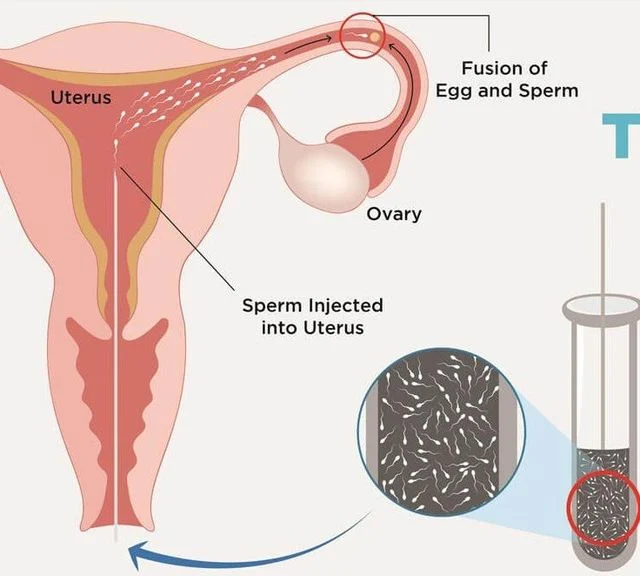
    Diagram illustrating the IUI process, showing sperm injection into the uterus and egg fertilization.

    Surrogacy vs Adoption: The Role of the Birth Mother

    2. Complex legal process: Surrogacy involves a legal agreement between the surrogate mother and the intended parents, which can be a complex and lengthy process.

    3. Health risks: Pregnancy and childbirth always carry risks, and surrogacy can put the birth mother’s health at risk. It is essential for the surrogate mother to have a thorough medical evaluation before agreeing to carry a child for someone else.

    Pros and Cons of Adoption for Birth Mothers:

    Pros:
    1. Provides a stable and loving home for the child: In situations where the birth mother is unable to provide a stable and safe environment for the child, adoption can give the child a chance at a better life.

    2. Financial and emotional support: In some cases, the adoptive parents may provide financial support to the birth mother during pregnancy and postpartum. In open adoptions, the birth mother may also receive emotional support from the adoptive family.

    3. Ability to choose the adoptive parents: In open adoptions, the birth mother has a say in choosing the adoptive parents for her child. This can provide a sense of control and comfort in the adoption process.

    Cons:
    1. Grief and loss: Giving up a child for adoption can be an emotionally challenging experience for the birth mother. It can result in feelings of grief, loss, and guilt.

    2. Lack of control: In closed adoptions, the birth mother may have little to no contact with the child after the adoption is finalized, which can be difficult for some women.

    3. Stigma and societal pressure: In some cultures, adoption is still stigmatized, and birth mothers may face judgement and pressure from society for their decision to give up their child.

    In conclusion, both surrogacy and adoption have their own sets of pros and cons for birth mothers. Surrogacy allows women to experience pregnancy and childbirth, while adoption provides a stable and loving home for the child. Ultimately, the decision between surrogacy and adoption should be made based on individual circumstances and preferences.

    Summary:

    In this blog post, we discussed the role of the birth mother in surrogacy and adoption. Surrogacy involves a woman carrying a child for another individual or couple, while adoption involves a legal process of placing a child with a new family. The birth mother’s role in surrogacy is to carry the child and give birth, while in adoption, she plays a more complex role in choosing the adoptive parents and giving consent for the adoption. We also explored the pros and cons of surrogacy and adoption from the perspective of the birth mother, highlighting the emotional and practical aspects of each method.

  • The Impact on the Child: Surrogacy vs Adoption

    Blog Post Title: The Impact on the Child: Surrogacy vs Adoption

    Introduction:

    The decision to become a parent is a life-changing one that comes with its own set of challenges and responsibilities. For many couples who are unable to conceive naturally, surrogacy and adoption are two viable alternatives. Both options offer the opportunity to become parents, but they also have their own unique impact on the child. In this blog post, we will explore the various aspects of surrogacy and adoption and how they affect the child.

    Surrogacy:

    Surrogacy is a process where a woman carries a child for another couple or individual. There are two types of surrogacy – traditional surrogacy and gestational surrogacy. In traditional surrogacy, the surrogate mother uses her own egg, making her the biological mother of the child. On the other hand, in gestational surrogacy, the surrogate mother carries a fertilized egg created through in-vitro fertilization (IVF) using the intended mother’s egg or a donor egg, making her the gestational carrier of the child.

    Impact on the Child:

    One of the primary concerns with surrogacy is the emotional impact it may have on the child. Unlike adoption, where the child is placed with adoptive parents after birth, the child in surrogacy is carried by another woman, which can create a sense of confusion and detachment. In traditional surrogacy, the child may also have a genetic connection to the surrogate mother, which can further complicate their identity and sense of belonging.

    Another significant impact on the child is the lack of a legal relationship with the surrogate mother. In most cases, the surrogate mother has no legal rights to the child, which can be unsettling for the child as they grow older and try to understand their origins.

    Adoption:

    Adoption is a legal process where the rights and responsibilities of biological parents are transferred to adoptive parents. There are various types of adoption, including domestic, international, and foster care adoption. Each type has its own set of challenges and benefits, but they all involve giving a child a permanent and loving home.

    diagram of the female reproductive system with an IUI syringe and test tube for artificial insemination

    The Impact on the Child: Surrogacy vs Adoption

    Impact on the Child:

    The primary impact of adoption on the child is the sense of belonging and security that comes with being a part of a family. In most cases, adoption happens after birth, which means the child has a legal relationship with their adoptive parents from the start. This can help the child build a strong sense of identity and eliminate any confusion or detachment that may arise in surrogacy.

    Moreover, adoption also offers the opportunity for an open adoption, where the child can maintain a relationship with their birth parents. This can help the child understand their origins and have a sense of connection to their biological family, which can be beneficial for their emotional well-being.

    Comparison:

    While both surrogacy and adoption offer the chance to become parents, they have their own unique impact on the child. Surrogacy may struggle with issues of identity and detachment, while adoption provides a sense of belonging and security. However, adoption also has its own set of challenges, such as the child’s potential feelings of abandonment by their birth parents.

    In terms of cost, surrogacy tends to be more expensive than adoption, which can be a significant barrier for many couples. Adoption also involves a lengthy process, including home studies and background checks, which can take months or even years to complete. On the other hand, surrogacy can often be a quicker process, but it still involves extensive medical procedures and legal agreements.

    Conclusion:

    In the end, the decision between surrogacy and adoption ultimately depends on the individual circumstances of the couple or individual seeking to become parents. Both options offer their own unique set of challenges and benefits, and it is essential to carefully consider the impact on the child before making a decision. It is also crucial to seek guidance from professionals and have open and honest discussions with all parties involved to ensure the best outcome for the child.

    Summary:

    The decision to become a parent is a life-changing one that comes with its own set of challenges and responsibilities. For couples who are unable to conceive naturally, surrogacy and adoption are two viable alternatives. Surrogacy involves a woman carrying a child for another couple or individual, while adoption is a legal process where the rights and responsibilities of biological parents are transferred to adoptive parents. Both options have their own unique impact on the child, with surrogacy struggling with issues of identity and detachment, while adoption provides a sense of belonging and security. The final decision ultimately depends on the individual circumstances, and it is crucial to carefully consider the impact on the child before making a decision.

  • Exploring the Ethics of Surrogacy vs Adoption

    Exploring the Ethics of Surrogacy vs Adoption

    The decision to start a family is a deeply personal and emotional one. For some couples, the journey to parenthood may not be as straightforward as they had hoped. With advancements in reproductive technology, there are now more options available for couples struggling with infertility, including surrogacy and adoption. However, both of these options come with their own set of ethical considerations. In this blog post, we will dive into the ethics of surrogacy and adoption, comparing the two and exploring the potential implications for all parties involved.

    The Ethics of Surrogacy

    Surrogacy is a process in which a woman carries a pregnancy for another person or couple, with the intention of handing over the child to them after birth. There are two types of surrogacy – traditional surrogacy, where the surrogate uses her own egg, and gestational surrogacy, where the surrogate carries a fertilized egg from the intended parents or a donor.

    One of the main ethical concerns surrounding surrogacy is the potential exploitation of the surrogate. Critics argue that surrogacy commodifies the woman’s body and reduces her to a mere vessel for someone else’s child. This is particularly true for traditional surrogacy, where the surrogate is also the biological mother of the child. Additionally, there are concerns about the health risks and emotional toll on the surrogate, as well as the lack of legal protection for surrogates in some countries.

    Another ethical consideration is the financial aspect of surrogacy. In many cases, surrogacy involves significant financial compensation for the surrogate, which can lead to questions of whether women from lower socio-economic backgrounds are being exploited for their financial needs. There have also been cases of surrogates being coerced into the process by their families or agencies, raising concerns about their autonomy and consent.

    The Ethics of Adoption

    Adoption, on the other hand, involves the legal transfer of parental rights and responsibilities from the biological parents to the adoptive parents. There are various reasons why couples may choose to adopt, including infertility, wanting to provide a loving home to a child in need, or simply a desire to expand their family.

    One of the main ethical considerations in adoption is the potential for exploitation of birth mothers. In the past, there have been cases of coercion and manipulation of birth mothers, particularly in international adoptions. This raises questions about the ethical responsibility of adoptive parents and agencies to ensure that the birth mother is making an informed decision and is not being taken advantage of.

    Another ethical concern in adoption is the potential for adoptive parents to “shop” for the “perfect” child, perpetuating societal standards of what makes a “desirable” child. This can lead to discrimination against children with disabilities, older children, or those from different ethnic backgrounds. Additionally, there have been cases of fraudulent or unethical adoption practices, such as falsifying documents or bribing birth parents, which raise serious ethical concerns.

    Illustration of a uterus with a syringe indicating an intrauterine insemination procedure.

    Exploring the Ethics of Surrogacy vs Adoption

    Comparing Surrogacy and Adoption

    When it comes to the ethics of surrogacy vs adoption, both options have their own set of concerns. While surrogacy may involve the exploitation of the surrogate, adoption can potentially exploit the birth mother or discriminate against certain children. On the other hand, surrogacy allows for a genetic connection between the child and the intended parents, while adoption offers a child in need a loving home.

    One argument in favor of surrogacy is that it allows for the biological connection between the child and the intended parents, which can be important for some couples. However, critics argue that this should not be the sole reason for choosing surrogacy, as it places a higher value on biological ties over the well-being and rights of the surrogate.

    In terms of adoption, one of the main ethical concerns is the lack of legal protection for birth mothers, particularly in cases of international adoption. While the adoption process is meant to be in the best interest of the child, there have been instances of unethical practices, such as the trafficking of children or the separation of siblings.

    The Best Interest of the Child

    At the heart of the ethical debate between surrogacy and adoption is the best interest of the child. Both options involve bringing a child into the world, and it is essential to consider their well-being above all else. In surrogacy, the child may face the risk of being separated from the surrogate mother, who they may have formed a bond with during the pregnancy. In adoption, a child may face the challenges of adjusting to a new family and culture.

    It is also important to note that both surrogacy and adoption can have positive outcomes and provide loving homes for children. However, careful consideration and ethical practices must be in place to ensure that the rights and well-being of all parties involved are protected.

    In conclusion, the decision between surrogacy and adoption is a complex one, and it is essential to consider the ethical implications of both options. While both can provide a path to parenthood for couples struggling with infertility, it is crucial to prioritize the well-being and rights of the surrogate or birth mother, as well as the best interest of the child. By addressing and addressing the ethical concerns, we can create a more ethical and responsible approach to building families through surrogacy and adoption.

    Summary:

    The decision to start a family can be challenging, especially for couples struggling with infertility. Surrogacy and adoption are two options available, but both come with ethical considerations. Surrogacy can potentially exploit the surrogate, while adoption can exploit the birth mother or discriminate against certain children. Both options must prioritize the best interest of the child, and careful consideration and ethical practices must be in place. Ultimately, the decision between surrogacy and adoption is a personal one that requires a thorough understanding of the ethical implications of each option.

  • The Differences Between Surrogacy and Adoption

    Blog Post:

    Surrogacy and adoption are two ways for couples or individuals to expand their families and experience the joys of parenthood. While both options involve bringing a child into a loving home, there are significant differences between surrogacy and adoption. These differences can impact the financial, emotional, and legal aspects of the process. In this blog post, we will explore the key differences between surrogacy and adoption to help you determine which option may be best for your family.

    What is Surrogacy?

    Surrogacy is a method of assisted reproduction where a woman carries and gives birth to a child for another person or couple. There are two types of surrogacy: traditional and gestational.

    In traditional surrogacy, the surrogate mother is the biological mother of the child, as her own egg is fertilized with the intended father’s sperm through artificial insemination. On the other hand, gestational surrogacy involves the use of in vitro fertilization (IVF) to create an embryo using the intended parents’ or donor’s egg and sperm. The embryo is then transferred to the surrogate’s uterus for pregnancy and birth.

    One of the key differences between surrogacy and adoption is that in surrogacy, the intended parents have a genetic connection to the child, whereas in adoption, there is no genetic connection.

    What is Adoption?

    Adoption is the legal process of permanently taking on the parenting responsibilities of a child who is not biologically related to the adoptive parents. It involves terminating the biological parents’ rights and granting them to the adoptive parents. There are several types of adoption, including domestic, international, foster care, and private adoption.

    In domestic adoption, the child is born and adopted within the same country, while international adoption involves adopting a child from another country. Foster care adoption involves adopting a child who has been placed in the foster care system due to abuse, neglect, or abandonment. Private adoption is when the birth parents directly place the child for adoption with the adoptive parents.

    One of the main differences between surrogacy and adoption is that adoption does not involve a genetic connection between the child and the adoptive parents.

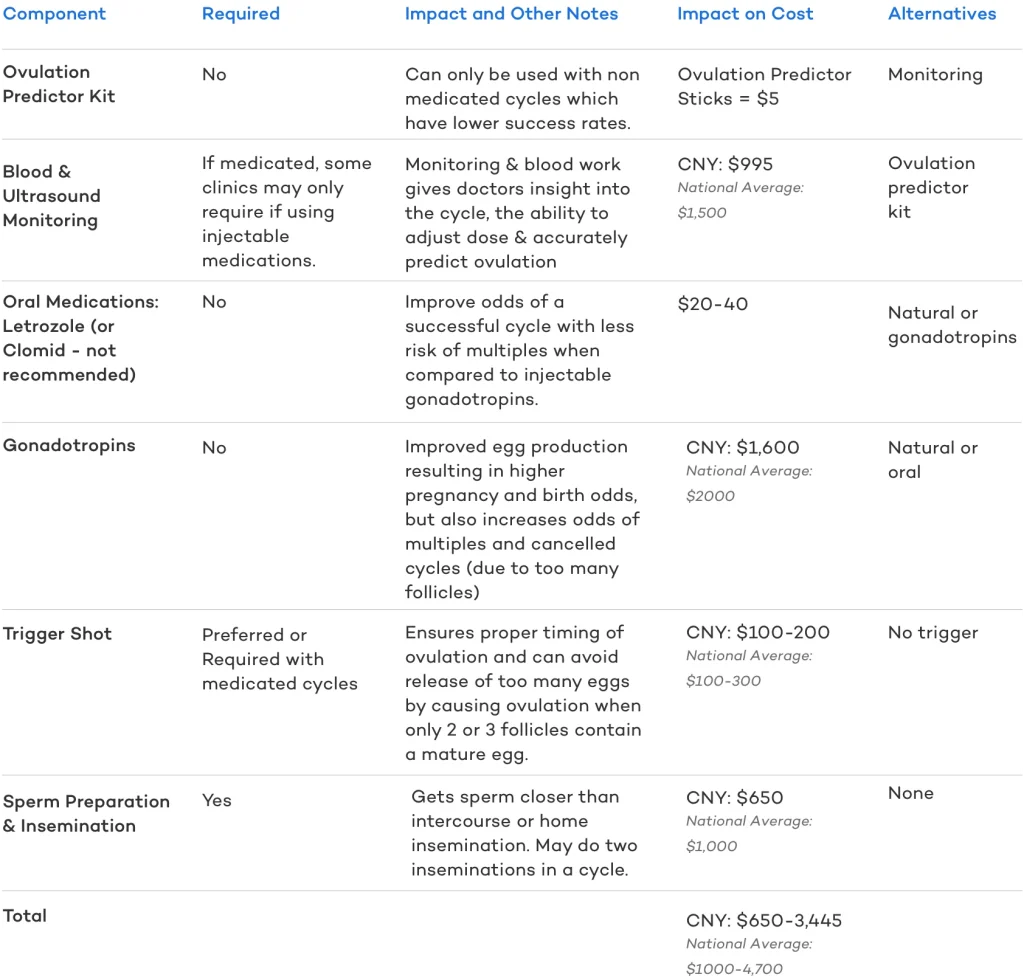
    Cost breakdown for IUI components, including requirements, impacts, and alternatives.

    The Differences Between Surrogacy and Adoption

    Costs Involved

    Surrogacy and adoption can both be expensive processes, but surrogacy tends to be more costly. In surrogacy, there are several expenses to consider, such as the surrogate’s compensation, medical expenses, legal fees, and agency fees. The total cost of surrogacy can range from $80,000 to $150,000.

    On the other hand, adoption costs can vary depending on the type of adoption and the agency or attorney used. Domestic adoption can cost anywhere from $20,000 to $45,000, while international adoption can cost between $30,000 to $50,000. Foster care adoptions are typically the least expensive, with little to no cost involved, as many adoption agencies provide financial assistance.

    Emotional Considerations

    Both surrogacy and adoption involve complex emotional considerations for all parties involved. In surrogacy, the surrogate mother may experience emotional challenges in carrying a child for another family and then giving the child up after birth. The intended parents may also experience emotional ups and downs throughout the process, from the excitement of starting a family to the stress of navigating legal issues and the uncertainty of the outcome.

    In adoption, the birth parents may experience feelings of grief and loss, while the adoptive parents may feel anxious about their ability to bond with the child. The adopted child may also experience a range of emotions, including confusion and identity issues.

    Legal Considerations

    The legal processes involved in surrogacy and adoption also differ significantly. In surrogacy, there is a need for a detailed surrogacy contract that outlines the rights and responsibilities of all parties involved, including the surrogate, intended parents, and any donors. The legal process can also vary depending on the state or country where the surrogacy takes place.

    In adoption, the legal process can also vary depending on the type of adoption. In most cases, the adoptive parents must go through a home study to ensure they are fit to adopt a child. The biological parents’ rights must also be terminated before the adoption can be finalized.

    Summary:

    In conclusion, surrogacy and adoption are two ways to build a family, but they have significant differences that should be considered. Surrogacy involves a genetic connection between the child and the intended parents, while adoption does not. Surrogacy can also be more expensive and complex legally and emotionally. Adoption, on the other hand, may have lower costs and a more straightforward legal process, but it may also involve emotional challenges for all parties involved. It is essential to carefully weigh these differences and consult with professionals to determine which option is best for your family.