Tag: IVF

  • The High Cost of Fertility: Comparing Treatments and Adoption Expenses

    Blog Post:

    Fertility struggles can be a heartbreaking and expensive journey for many couples. With advancements in technology and medical treatments, there are now more options than ever for those struggling to conceive. However, with these options comes a high cost that can often be overwhelming and financially draining. In this blog post, we will explore the high cost of fertility treatments and adoption expenses, comparing the two and providing insights into the financial considerations that come with each option.

    Fertility Treatments:

    Fertility treatments can range from basic procedures such as intrauterine insemination (IUI) to more complex treatments like in vitro fertilization (IVF). While these treatments offer hope for many couples, they come at a steep price. According to the American Society for Reproductive Medicine, the average cost of one IVF cycle is around $12,000, not including medications and additional procedures. This means that for couples who require multiple cycles to achieve a successful pregnancy, the cost can quickly add up to tens of thousands of dollars.

    In addition to the high cost of IVF, there are also additional expenses that couples may encounter. Medications, which can range from $3,000 to $5,000 per cycle, are often not covered by insurance. These medications are crucial for stimulating egg production and preparing the body for implantation, making them a necessary and costly part of the process. Furthermore, additional procedures such as genetic testing, embryo freezing, and egg or sperm donation can also significantly increase the overall cost of fertility treatments.

    Adoption Expenses:

    For couples who are unable to conceive through fertility treatments, adoption can be another option for building a family. However, like fertility treatments, adoption comes with its own set of expenses. The cost of adoption can vary greatly depending on the type of adoption and the agency used. Domestic adoption, where a child is adopted within the same country, can range from $20,000 to $40,000. International adoption, where a child is adopted from another country, can cost upwards of $50,000. These expenses often cover fees for the adoption agency, legal fees, travel expenses, and medical costs for the birth mother.

    In addition to these costs, families who choose to adopt also need to consider ongoing expenses such as childcare, education, and healthcare for the child. These expenses can add up over time and should be factored into the overall cost of adoption. It is also important to note that not all adoptions are successful, and families may encounter additional expenses if an adoption falls through.
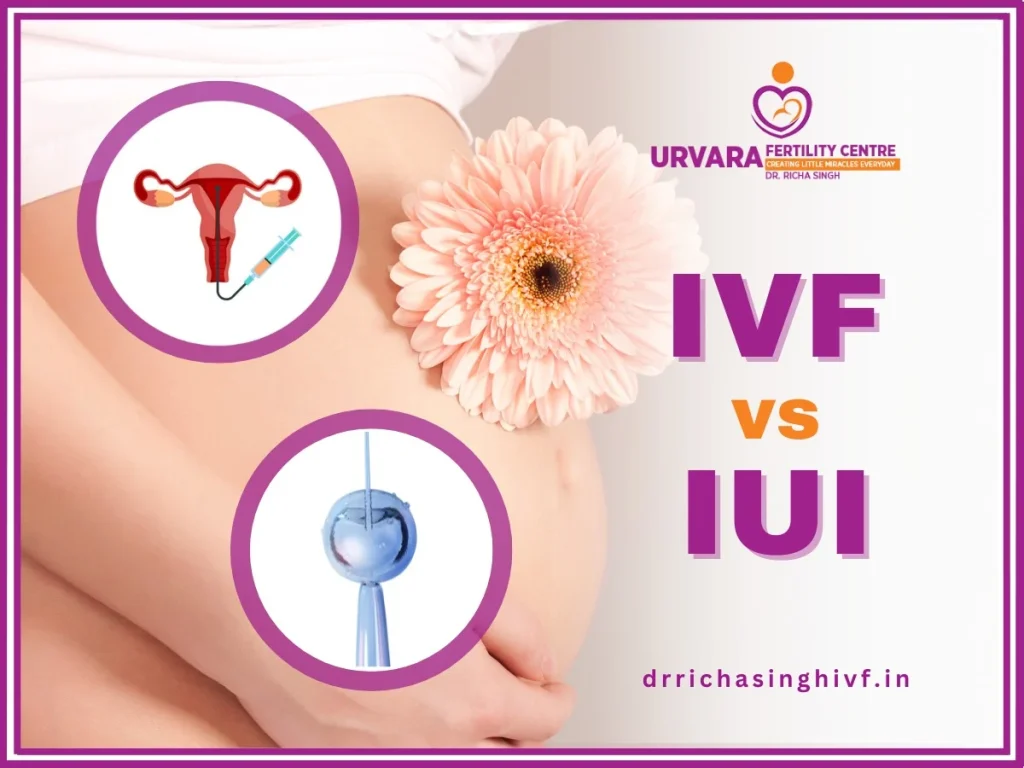
    IVF vs IUI comparison with illustrations of reproductive processes and a flower on a pregnant belly.

    The High Cost of Fertility: Comparing Treatments and Adoption Expenses

    Comparing the Costs:

    When comparing the costs of fertility treatments and adoption, it is essential to consider not only the financial aspect but also the emotional toll it can take on couples. Fertility treatments often require multiple cycles before a successful pregnancy, meaning that the financial burden can be prolonged. On the other hand, adoption can also be a long and unpredictable process, with no guarantee of a successful adoption.

    It is also crucial to note that while fertility treatments may have a higher upfront cost, adoption expenses can add up over time, especially when considering the ongoing expenses of raising a child. Additionally, fertility treatments may offer a higher chance of success for couples who are able to conceive, while there is always a risk of an adoption falling through.

    Alternative Options:

    For couples who are unable to afford the high cost of fertility treatments or adoption, there are alternative options available. Some insurance companies may cover a portion of fertility treatments, so it is essential to check with your provider to see if you have any coverage. Additionally, some fertility clinics offer financing options for treatments, allowing couples to spread out the cost over time. For those considering adoption, there are also grants and loans available to help with the expenses.

    Conclusion:

    The high cost of fertility treatments and adoption can be a significant barrier for couples hoping to start a family. It is crucial for couples to carefully consider their financial situation and discuss all options with their healthcare provider and adoption agency. While both options come with a hefty price tag, the end goal of building a family is priceless.

    In summary, fertility treatments and adoption both come with a high cost, with fertility treatments averaging around $12,000 per cycle and adoption ranging from $20,000 to $50,000. Couples must consider not only the financial aspect but also the emotional toll of both options. Alternative options such as insurance coverage and financing may help alleviate some of the financial burden. Ultimately, the decision between fertility treatments and adoption is a personal one that should be made after careful consideration and discussion with healthcare providers and adoption agencies.

  • Making Sense of the Costs: Fertility Treatments and Adoption Compared

    Making Sense of the Costs: Fertility Treatments and Adoption Compared

    When it comes to starting a family, there are many different paths that people can take. For some, the journey to parenthood may involve fertility treatments, while for others, adoption may be the chosen route. However, both options come with their own set of financial costs that can be overwhelming and confusing for many. In this blog post, we will explore the costs associated with fertility treatments and adoption, and compare them to help individuals and couples make informed decisions about starting their family.

    The Cost of Fertility Treatments
    Fertility treatments are medical procedures that aim to help individuals or couples conceive a child. These treatments can range from simple interventions such as fertility drugs to more complex procedures like in vitro fertilization (IVF). The costs of these treatments can vary significantly depending on several factors, including the type of treatment, the clinic or doctor chosen, and the location.

    The most commonly used fertility treatment is medication to stimulate ovulation, which can cost anywhere from $50 to $1000 per cycle. This is often the first step that couples take when trying to conceive. However, if this is unsuccessful, they may need to consider more advanced treatments such as intrauterine insemination (IUI) or IVF. The cost of an IUI cycle can range from $500 to $4000, while the average cost of a single IVF cycle is around $12,000. However, these costs do not include additional expenses such as medication, genetic testing, and embryo storage, which can add thousands of dollars to the total bill.

    Furthermore, the success rates of fertility treatments can also impact the overall cost. As these treatments are not always successful on the first try, many couples may need to undergo multiple cycles, leading to increased expenses. According to the Society for Assisted Reproductive Technology, the average success rate for IVF is around 48% for women under 35, but this drops to 20% for women over 40. This means that older women may need to undergo more cycles, leading to higher costs.

    The Cost of Adoption
    Adoption is another option for individuals or couples who are unable to conceive naturally. The costs associated with adoption can vary greatly depending on the type of adoption, whether it is domestic or international, and whether it is through a private agency or a public agency. On average, the cost of a domestic adoption through an agency can range from $20,000 to $40,000, while international adoptions can cost upwards of $50,000.

    However, it is essential to note that these costs are not just for the adoption itself but also cover expenses such as home studies, legal fees, agency fees, and travel expenses. Public agency adoptions, which involve adopting a child from the foster care system, are often less expensive, with fees ranging from $0 to $2,500.

    Comparison of IUI and IVF, illustrating procedures and definitions for each fertility treatment.

    Making Sense of the Costs: Fertility Treatments and Adoption Compared

    Additionally, there are other costs associated with adoption, such as post-placement expenses, which can include counseling, therapy, and medical expenses for the child. These costs can add up quickly and should be factored into the overall cost of adoption.

    Comparing the Costs
    When comparing the costs of fertility treatments and adoption, it is essential to consider the success rates of both options. While fertility treatments may have a higher upfront cost, the success rates are often higher than adoption. This means that individuals or couples may need to undergo multiple cycles of treatment, leading to increased expenses.

    On the other hand, adoption may have a lower upfront cost, but there is no guarantee of success. Many factors, such as the age of the child and the type of adoption, can impact the success of adoption. Furthermore, the process of adoption can be lengthy, and the emotional toll can also add to the overall cost.

    Another factor to consider is insurance coverage. While most insurance plans do not cover fertility treatments, some may offer coverage for diagnostic tests or medications. On the other hand, some insurance plans may cover some of the costs associated with adoption, such as home studies or legal fees. It is essential to check with your insurance provider to understand what expenses may be covered.

    Making the Best Decision
    When it comes to starting a family, there is no one-size-fits-all solution. The decision to pursue fertility treatments or adoption is a personal one that should be made after careful consideration of all factors, including the financial costs. It is essential to research and understand the costs associated with both options and seek advice from medical professionals and adoption agencies to make an informed decision.

    In the end, the most important thing is to choose the path that feels right for you and your family. Whether it is fertility treatments or adoption, the ultimate goal is to have a happy and healthy family, and the costs should not be the deciding factor.

    In summary, the costs associated with fertility treatments and adoption can be significant and vary depending on several factors. While fertility treatments may have a higher upfront cost, the success rates may be higher than adoption. On the other hand, adoption may have a lower upfront cost, but there is no guarantee of success, and the process can be emotionally taxing. It is essential to research and understand the costs and seek professional advice to make the best decision for starting a family.

  • and Facing Infertility: The Financial Burden of Fertility Treatments and Adoption

    Facing Infertility: The Financial Burden of Fertility Treatments and Adoption

    Infertility affects millions of couples worldwide, and the emotional toll of struggling to conceive can be overwhelming. But aside from the emotional and physical challenges, one of the biggest obstacles for couples facing infertility is the financial burden of fertility treatments and adoption. In this blog post, we will delve into the costs of fertility treatments and adoption, as well as explore potential solutions to alleviate the financial burden for couples.

    The Cost of Fertility Treatments
    According to the American Society for Reproductive Medicine, fertility treatments can cost anywhere from $5,000 to $15,000 per cycle, and many couples require multiple cycles in order to achieve a successful pregnancy. This can quickly add up to tens of thousands of dollars, and unfortunately, most insurance plans do not cover the costs of fertility treatments. In fact, only 15 states in the US have laws requiring insurance coverage for fertility treatments, leaving the majority of couples to foot the bill themselves.

    The most common fertility treatments include in vitro fertilization (IVF), intrauterine insemination (IUI), and fertility drugs. IVF, the most effective and costly option, involves retrieving eggs from the woman’s ovaries and fertilizing them with sperm in a lab before transferring the embryos back into the woman’s uterus. This procedure can cost upwards of $12,000 per cycle, not including additional costs for medications and genetic testing.

    IUI, on the other hand, is a less expensive option that involves placing washed and prepared sperm directly into the woman’s uterus. This procedure costs around $500 to $1000 per cycle, but it also has a lower success rate compared to IVF.

    Fertility drugs, such as Clomid and Femara, are also commonly used to stimulate ovulation and increase the chances of conception. These medications can cost anywhere from $50 to $500 per cycle, depending on the specific drug and dosage prescribed.

    The Cost of Adoption
    For couples who are unable to conceive naturally or through fertility treatments, adoption is often considered as an alternative option. However, the cost of adoption can also be a significant financial strain for couples.

    The average cost of a domestic adoption in the US is around $40,000, which includes fees for home studies, legal fees, and agency fees. International adoptions can be even more expensive, with costs ranging from $15,000 to $50,000 or more, depending on the country and adoption agency.

    In addition to the initial costs, there are also ongoing expenses associated with raising a child, such as healthcare, education, and daily living expenses. While there are some tax credits and financial assistance available for adoptive families, these may not fully cover the costs incurred.

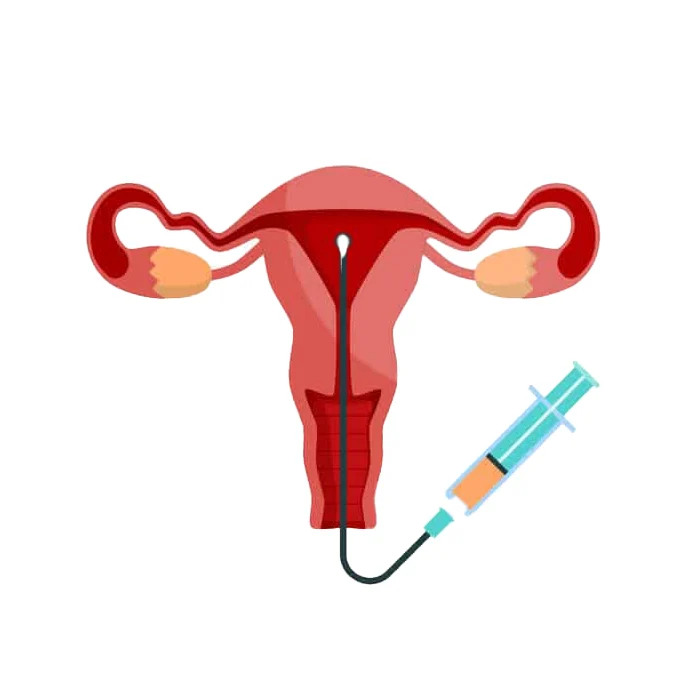
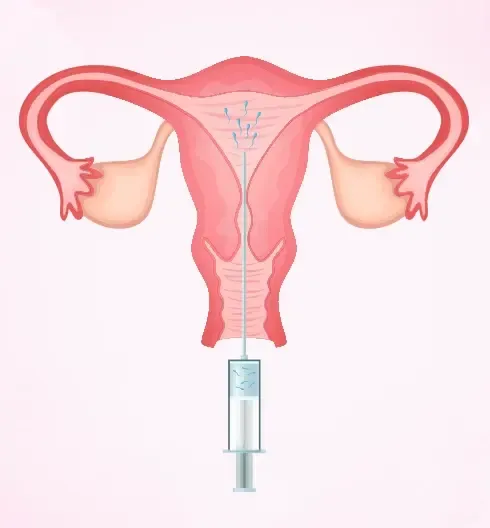
    Illustration of a uterus with a syringe indicating an intrauterine insemination procedure.

    and Facing Infertility: The Financial Burden of Fertility Treatments and Adoption

    The Emotional Toll of Financial Burden
    The financial burden of fertility treatments and adoption can take a toll on couples emotionally, adding to the stress and pressure they are already facing. It can also cause strain in relationships as couples try to navigate the financial aspect of their journey towards parenthood.

    Couples may also feel guilty or ashamed for not being able to afford the treatments or adoption process, leading to feelings of inadequacy and hopelessness. This can further exacerbate the emotional impact of infertility and make it a much more challenging experience for couples.

    Solutions to Alleviate the Financial Burden
    Thankfully, there are some options available for couples facing the high costs of fertility treatments and adoption.

    1. Fertility Grants and Scholarships: Many organizations offer grants and scholarships to help cover the costs of fertility treatments. These grants are often awarded based on financial need and other criteria, and can significantly reduce the financial burden for couples.

    2. Crowdfunding: With the rise of social media and crowdfunding platforms, many couples have turned to crowdfunding to help fund their fertility treatments or adoption journey. By sharing their story and reaching out to their network, couples can raise funds and receive support from their community.

    3. Adoption Loans: Some financial institutions offer loans specifically for adoption expenses, with lower interest rates and more flexible repayment terms compared to traditional loans.

    4. Insurance Coverage: While the majority of insurance plans do not cover fertility treatments, it is worth checking with your insurance provider to see if there are any options available. Some employers also offer fertility benefits as part of their employee benefits package.

    5. Budgeting and Saving: Planning ahead and budgeting for fertility treatments or adoption can help couples prepare for the costs and alleviate some of the financial strain. Setting aside a certain amount each month can add up over time and make it more manageable to cover the expenses.

    The journey to parenthood is undoubtedly a challenging one, both emotionally and financially. But with these options available, couples can find ways to overcome the financial burden and fulfill their dream of starting a family.

    In summary, infertility can be a devastating experience for couples, and the financial burden of fertility treatments and adoption only adds to the stress and pressure. The costs of fertility treatments, adoption, and ongoing expenses can quickly add up, leaving many couples feeling overwhelmed and unable to afford the necessary treatments or adoption process. However, there are options available to help alleviate the financial burden, such as grants, crowdfunding, adoption loans, and budgeting. With the right support and resources, couples can navigate the financial aspect of their journey towards parenthood and start the family they have always dreamed of.

  • Is Adoption More Affordable Than Fertility Treatments? A Comprehensive Comparison

    Summary:

    Adoption and fertility treatments are two options for couples struggling with infertility who still want to start a family. While both paths can lead to the same result, there are significant differences in terms of cost. In this blog post, we will compare the costs of adoption and fertility treatments and explore the various factors that can affect the overall affordability. We will also delve into the emotional and psychological impact of both options and provide resources for couples to consider when making this important decision. By the end of this post, you will have a better understanding of which option may be more affordable for you and your family.

    Adoption Costs:

    Adoption is the legal process of permanently transferring parental rights and responsibilities from one family to another. There are three main types of adoption: domestic, international, and foster care. Each type has its own unique costs and requirements.

    Domestic adoption, where a child is adopted from within the country, typically has the highest costs. The average cost of a domestic adoption can range from $20,000 to $40,000. This includes expenses such as agency fees, legal fees, birth mother expenses, and home study fees.

    International adoption, where a child is adopted from another country, can also be expensive. The average cost can range from $25,000 to $50,000. This includes expenses such as agency fees, travel expenses, and foreign country fees.

    Foster care adoption, where a child in the foster care system is adopted, is generally the most affordable option. The average cost can range from $2,000 to $5,000. This includes expenses such as home study fees and legal fees.

    Fertility Treatment Costs:

    Fertility treatments are medical procedures that are used to help couples conceive a child. There are various types of fertility treatments, such as in vitro fertilization (IVF), intrauterine insemination (IUI), and fertility drugs. The costs of these treatments can vary depending on the type of treatment, the number of cycles needed, and any additional procedures or medications required.

    The average cost of one cycle of IVF can range from $12,000 to $15,000. This does not include additional costs such as medications, which can add another $3,000 to $5,000 to the total cost.

    IUI, which involves placing sperm directly into the uterus, is a less expensive option with an average cost of $500 to $4,000 per cycle. However, multiple cycles may be needed for success.

    Fertility drugs, which are used to stimulate ovulation, can range from $50 to $5,000 per cycle, depending on the type of medication and dosage needed.

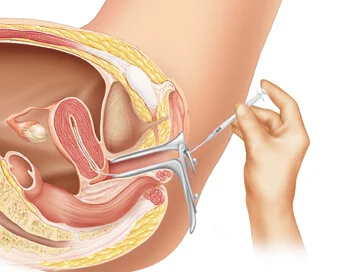
    illustration of intrauterine insemination procedure with a hand holding a speculum and syringe near the uterus

    Is Adoption More Affordable Than Fertility Treatments? A Comprehensive Comparison

    Factors Affecting Cost:

    There are several factors that can affect the overall cost of adoption and fertility treatments. One of the biggest factors is the type of adoption or treatment chosen. As mentioned earlier, domestic adoption and IVF tend to have higher costs compared to foster care adoption and IUI.

    The location can also play a significant role in cost. Adoption costs can vary depending on the state and country, while fertility treatment costs can differ between clinics. It is essential to research and compare costs in different locations to find the most affordable option for your specific situation.

    Another factor to consider is the age of the child or the woman undergoing fertility treatments. Older children and women may require more extensive medical care, which can increase costs. Additionally, women over the age of 35 may need to use more expensive fertility treatments, such as IVF, due to a decline in fertility.

    Emotional and Psychological Impact:

    The decision to pursue adoption or fertility treatments can be emotionally and psychologically taxing for couples. Adoption can be a lengthy process, and the uncertainty of being matched with a child can be stressful. On the other hand, fertility treatments can also take a toll on a couple’s emotional well-being, with the added pressure of undergoing medical procedures and the possibility of not being successful.

    It is crucial for couples to consider the emotional and psychological impact of both options and to seek support from professionals or support groups throughout the process.

    Resources for Couples:

    There are many resources available for couples who are considering adoption or fertility treatments. These resources can provide guidance, support, and financial assistance.

    For adoption, there are grants, loans, and tax credits available to help offset the costs. Organizations such as the National Adoption Foundation and the Dave Thomas Foundation for Adoption offer financial assistance for families looking to adopt.

    For fertility treatments, some insurance plans may cover some of the costs. It is essential to research and understand your insurance coverage and consider speaking with a financial advisor to explore other options such as loans or grants.

    Conclusion:

    In conclusion, the cost of adoption and fertility treatments can vary significantly depending on various factors. While foster care adoption and IUI may be more affordable options, they are not suitable for every couple. It is crucial for couples to carefully consider their financial situation, emotional readiness, and personal preferences when deciding between adoption and fertility treatments. Seeking support from professionals and utilizing available resources can also make the process more manageable. Ultimately, the most affordable option for starting a family will depend on each couple’s unique circumstances.

  • and Trying to Conceive: The High Cost of Fertility Treatments

    Trying to conceive, or the process of attempting to become pregnant, can be an emotional and often expensive journey for many couples. While some may have success through natural means, others face difficulties and may turn to fertility treatments in hopes of starting a family. However, these treatments come with a high price tag, both financially and emotionally. In this blog post, we will explore the various fertility treatments available, their costs, and the emotional toll they can take on individuals and couples.

    The first step in this journey is often seeking medical advice and fertility testing. This can include blood work, ultrasounds, and semen analysis, which can cost hundreds to thousands of dollars. These initial tests can help determine the cause of infertility and guide the treatment plan.

    One of the most common fertility treatments is intrauterine insemination (IUI), also known as artificial insemination. This procedure involves placing sperm directly into the uterus during ovulation to increase the chances of fertilization. The cost of IUI can range from $300 to $1000 per cycle, and multiple cycles may be necessary for success.

    In vitro fertilization (IVF) is another popular option for couples struggling to conceive. It involves retrieving eggs from the ovaries and fertilizing them with sperm in a laboratory. The resulting embryos are then implanted into the uterus. IVF can cost upwards of $12,000 per cycle, not including the cost of medications and additional procedures such as genetic testing. Many couples may require multiple cycles to achieve a successful pregnancy, making the cost even higher.

    Other assisted reproductive technologies, such as intracytoplasmic sperm injection (ICSI) and frozen embryo transfer (FET), can also add to the overall cost of fertility treatments. ICSI is often used in conjunction with IVF and involves injecting a single sperm directly into an egg. FET is the process of thawing and transferring previously frozen embryos into the uterus. These procedures can add thousands of dollars to the already expensive IVF process.

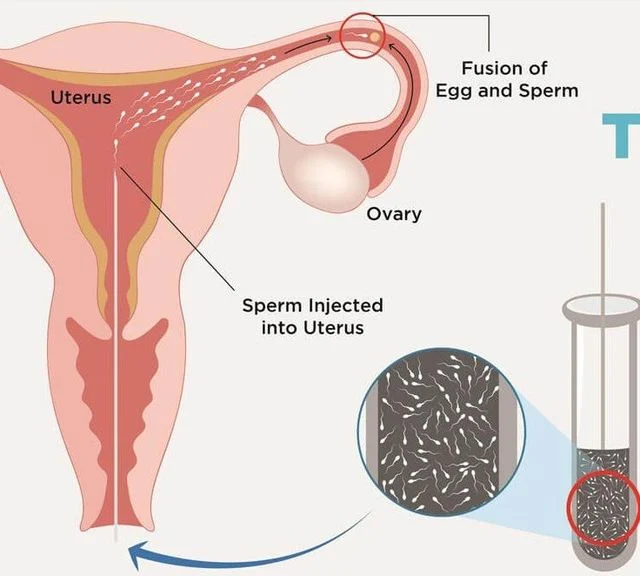
    Diagram illustrating the IUI process, showing sperm injection into the uterus and egg fertilization.

    and Trying to Conceive: The High Cost of Fertility Treatments

    The high cost of fertility treatments can take a toll not only on a couple’s finances but also on their emotional well-being. The constant cycle of hope and disappointment, along with the financial strain, can be overwhelming. Many couples may turn to loans, credit cards, or even personal savings to cover the costs, adding to their stress and anxiety.

    In addition to the financial burden, fertility treatments can also have physical side effects. Hormone injections and medications can cause mood swings, weight gain, and other uncomfortable symptoms. The invasive procedures and constant doctor visits can also be physically taxing, adding to the emotional toll.

    Moreover, the emotional aspect of fertility treatments cannot be overlooked. Couples may experience feelings of failure, guilt, and shame as they struggle to conceive. The pressure to have a child can strain relationships and cause tension between partners. The emotional toll of fertility treatments can be just as challenging as the financial burden, and it is essential for couples to prioritize their mental and emotional health during this process.

    For those who cannot afford the high cost of fertility treatments, there are some options available, such as fertility grants and financing programs. However, these options may be limited, and the application process can be competitive and time-consuming.

    In conclusion, trying to conceive through fertility treatments can be a challenging and expensive journey. The costs of various treatments, along with the emotional toll, can be overwhelming for couples. It is crucial for individuals and couples to carefully consider their options and prioritize their physical and emotional well-being during this process. While the road to starting a family may not be easy, the end result of a successful pregnancy and a new bundle of joy can make all the sacrifices and struggles worth it.

    Summary:
    Trying to conceive through fertility treatments can be a difficult and expensive journey. The first step usually involves expensive medical testing to determine the cause of infertility. Intrauterine insemination (IUI) and in vitro fertilization (IVF) are two common treatments, both with high costs and the potential need for multiple cycles. Other assisted reproductive technologies can also add to the overall cost. The financial burden, along with the physical and emotional toll, can be overwhelming for couples. While there are some options available for financial assistance, it is essential for couples to prioritize their mental and emotional well-being during this process.

  • Fertility Acupuncture and Egg Donation: Can It Help Improve Success Rates?

    Blog Post:

    Fertility acupuncture has been used for centuries as a natural way to improve fertility and increase the chances of conception. In recent years, it has gained popularity among women who are considering egg donation as a fertility treatment option. But can acupuncture really help improve success rates for egg donation?

    Egg donation is a process where a woman donates her eggs to another woman who is unable to produce her own eggs. This is a common option for women who are facing infertility due to advanced age, premature menopause, or genetic conditions. While egg donation has a high success rate, it is not without its challenges. One of the biggest challenges is the quality of the donated eggs, which can greatly impact the success of the procedure.

    This is where fertility acupuncture comes in. Acupuncture is a form of Traditional Chinese Medicine (TCM) that involves the insertion of thin needles into specific points on the body to promote healing and balance. According to TCM, fertility issues are often caused by imbalances in the body’s energy flow, known as Qi. By targeting specific acupuncture points related to fertility, the flow of Qi can be restored, which can help improve overall reproductive health.

    Research has shown that acupuncture can improve the success rates of in vitro fertilization (IVF) by increasing blood flow to the uterus and ovaries, regulating hormone levels, and reducing stress and anxiety. It has also been found to improve the quality of eggs and embryos, which is crucial for a successful egg donation.

    In fact, a study published in the Journal of Integrative Medicine found that women who received acupuncture before and after egg retrieval had significantly higher rates of embryo implantation and pregnancy compared to those who did not receive acupuncture. Another study published in the journal Fertility and Sterility showed that women who received acupuncture alongside their IVF treatment had a 42.5% pregnancy rate, compared to a 26.3% pregnancy rate for those who did not receive acupuncture.

    illustration of a uterus with a syringe for intrauterine insemination (IUI) procedure

    Fertility Acupuncture and Egg Donation: Can It Help Improve Success Rates?

    But how does acupuncture specifically benefit the success of egg donation? First, it helps improve the overall health of the reproductive system by increasing blood flow to the uterus and ovaries. This increased blood flow can provide the necessary nutrients and oxygen to the developing eggs, resulting in healthier and more viable eggs.

    Acupuncture also helps regulate hormone levels, which is crucial for the success of egg donation. Hormonal imbalances can lead to irregular menstrual cycles, poor egg quality, and difficulty carrying a pregnancy to full term. By targeting specific acupuncture points, the body’s hormone levels can be balanced, which can greatly improve the chances of a successful egg donation.

    Additionally, acupuncture can help reduce stress and anxiety, which are common side effects of fertility treatments. The stress associated with egg donation can lead to the release of stress hormones, which can negatively impact the success of the procedure. Acupuncture has been found to reduce stress and promote relaxation, which can help create a more optimal environment for egg donation.

    It is important to note that acupuncture is not a standalone treatment for egg donation. It is recommended to be used alongside other fertility treatments, such as IVF, to maximize its benefits. It is also important to consult with a qualified acupuncturist who specializes in fertility to ensure proper treatment and effectiveness.

    In addition to acupuncture, there are other lifestyle factors that can help improve the success rates of egg donation. These include maintaining a healthy diet, exercising regularly, and reducing stress. Combining these lifestyle changes with acupuncture can greatly improve the chances of a successful egg donation.

    In summary, fertility acupuncture can be a beneficial addition to the egg donation process. It can improve the overall health of the reproductive system, regulate hormone levels, and reduce stress and anxiety, all of which can greatly impact the success of egg donation. However, it is important to consult with a qualified acupuncturist and use acupuncture alongside other fertility treatments for optimal results.

  • Fertility Acupuncture and Multiple Births: Is There a Higher Risk?

    Blog Post: Fertility Acupuncture and Multiple Births: Is There a Higher Risk?

    Fertility acupuncture has gained popularity as a natural and holistic approach to treating infertility. This ancient Chinese practice involves the insertion of thin needles into specific points on the body to improve the flow of energy and promote overall health and well-being. While there is evidence that acupuncture can increase the chances of conception, there have been concerns about its potential impact on multiple births. In this blog post, we will explore the link between fertility acupuncture and multiple births, and whether there is a higher risk associated with this treatment.

    The Link Between Acupuncture and Multiple Births

    Multiple births occur when a woman gives birth to more than one baby in a single pregnancy. This can happen naturally, but it is also a common result of assisted reproductive technologies (ART) such as in vitro fertilization (IVF). According to a study published in the Journal of Alternative and Complementary Medicine, acupuncture may play a role in increasing the likelihood of multiple births in IVF treatments. The study found that women who received acupuncture before and after embryo transfer had a higher rate of twin pregnancies compared to those who did not receive acupuncture.

    Possible Explanations for the Link

    There are a few possible explanations for the link between fertility acupuncture and multiple births. One theory is that acupuncture may improve blood flow to the uterus, creating a more favorable environment for implantation of multiple embryos. Another theory is that acupuncture may help regulate hormone levels, which can increase the chances of multiple eggs being released during ovulation. Additionally, some experts believe that acupuncture may help reduce stress and anxiety, which can have a positive effect on fertility.

    The Risks of Multiple Births

    Illustration of the uterus with a syringe, depicting the intrauterine insemination procedure.

    Fertility Acupuncture and Multiple Births: Is There a Higher Risk?

    While multiple births may seem like a blessing, they also come with a higher risk of complications for both the mother and the babies. These risks include premature birth, low birth weight, and a higher likelihood of birth defects. In fact, the American Society for Reproductive Medicine recommends transferring only one embryo during IVF treatment to reduce the risk of multiple births. With that in mind, it is important to carefully consider the potential risks before undergoing fertility acupuncture.

    Factors That May Increase the Risk of Multiple Births

    It is important to note that fertility acupuncture may not be the sole factor contributing to multiple births. There are other factors that may increase the risk, such as a woman’s age, the number of embryos transferred during IVF, and the use of fertility drugs. It is also worth mentioning that some women may have a higher natural likelihood of conceiving twins, which may be unrelated to acupuncture.

    The Importance of Working with a Qualified Practitioner

    If you are considering fertility acupuncture, it is crucial to work with a qualified and experienced practitioner. Acupuncture is a complex practice, and the placement of needles in specific points on the body requires a deep understanding of the body’s anatomy. It is also important to inform your practitioner if you are undergoing any fertility treatments, as they may need to adjust their approach to avoid potential risks.

    In Conclusion

    Fertility acupuncture has shown promise in helping couples conceive, but there is a potential link between this treatment and multiple births. While more research is needed to fully understand this connection, it is important to carefully weigh the risks and benefits before undergoing acupuncture. Working with a qualified practitioner and being transparent about your fertility journey can also help mitigate any potential risks.

    In summary, fertility acupuncture may increase the chances of multiple births, but there are other factors that may contribute to this outcome. It is crucial to work with a qualified practitioner and consider the potential risks before undergoing this treatment.

  • Fertility Acupuncture for Unsuccessful IVF: Is It Worth Trying?

    Fertility Acupuncture for Unsuccessful IVF: Is It Worth Trying?

    In recent years, more and more couples have turned to in vitro fertilization (IVF) as a solution for their struggles with fertility. While IVF can be a successful option for some, it is not a guaranteed solution for everyone. For those who have tried IVF multiple times without success, the idea of fertility acupuncture as an alternative treatment may be intriguing. But is it worth trying?

    Acupuncture, a form of traditional Chinese medicine, has been used for centuries to treat a variety of health issues, including fertility. It involves placing thin needles into specific points on the body to stimulate energy flow and promote healing. In recent years, there has been growing interest in the use of acupuncture for fertility, particularly as a complementary treatment to IVF.

    Many studies have examined the effectiveness of acupuncture in improving IVF success rates, and the results have been mixed. Some studies have shown a significant increase in pregnancy rates for those who received acupuncture during IVF treatment, while others have shown no significant difference. So, what is the truth about fertility acupuncture for unsuccessful IVF? Let’s take a closer look.

    How Does Acupuncture Help with Fertility?

    According to traditional Chinese medicine, the body has a vital energy called Qi (pronounced “chee”) that flows through channels or meridians. When there is a blockage or disruption in the flow of Qi, it can lead to illness and disease. Acupuncture aims to restore the balance of Qi in the body by stimulating specific points along these meridians.

    In terms of fertility, acupuncture is believed to help by:

    1. Regulating Hormones: Acupuncture can help regulate the hormones responsible for ovulation, which can improve egg quality and increase the chances of fertilization.

    2. Increasing Blood Flow to the Reproductive Organs: Acupuncture has been shown to improve blood flow to the uterus and ovaries, which can help with the development of follicles and thickening of the uterine lining.

    3. Reducing Stress: The process of IVF can be stressful, and stress has been linked to lower success rates. Acupuncture can help reduce stress and anxiety, creating a more relaxed and receptive environment for the embryo to implant.

    4. Improving Sperm Quality: Acupuncture has also been shown to improve sperm count and motility, which can increase the chances of fertilization.

    Diagram illustrating the IUI process, showing sperm injection into the uterus and egg fertilization.

    Fertility Acupuncture for Unsuccessful IVF: Is It Worth Trying?

    Is Fertility Acupuncture Effective for Unsuccessful IVF?

    As mentioned earlier, the results of studies on the effectiveness of fertility acupuncture for unsuccessful IVF have been mixed. However, there are some factors to consider when interpreting these results.

    Firstly, the quality of the acupuncture treatment and the experience of the acupuncturist can play a significant role in its effectiveness. It is essential to find a licensed acupuncturist with experience in treating fertility issues.

    Secondly, the timing of acupuncture sessions is crucial. Research has shown that receiving acupuncture before and after embryo transfer can significantly improve pregnancy rates. Therefore, it is recommended to start acupuncture at least three months before beginning IVF treatment.

    Lastly, acupuncture may not be effective for everyone. Factors such as age, underlying medical conditions, and the cause of infertility can also impact its effectiveness.

    Should You Try Fertility Acupuncture for Unsuccessful IVF?

    The decision to try fertility acupuncture for unsuccessful IVF ultimately depends on the individual and their unique circumstances. It is essential to consult with a qualified acupuncturist and discuss your medical history and goals before starting treatment.

    If you have already undergone multiple unsuccessful IVF cycles, it may be worth trying acupuncture as a complementary treatment. It can help improve your overall physical and emotional well-being and create a more favorable environment for a successful outcome.

    However, it is vital to keep in mind that fertility acupuncture is not a guaranteed solution, and it may not work for everyone. It is crucial to manage your expectations and remain open to other options.

    In conclusion, fertility acupuncture may be worth trying for those who have had unsuccessful IVF cycles. While it may not be a miracle cure, it can offer many benefits and potentially increase the chances of a successful pregnancy. As with any medical treatment, it is essential to do your research, consult with a professional, and make an informed decision.

    Summary:

    Fertility acupuncture, a form of traditional Chinese medicine, has been used for centuries to treat a variety of health issues, including fertility. It involves placing thin needles into specific points on the body to stimulate energy flow and promote healing. While studies have shown mixed results, acupuncture may help with fertility by regulating hormones, increasing blood flow to the reproductive organs, reducing stress, and improving sperm quality. The decision to try fertility acupuncture for unsuccessful IVF ultimately depends on the individual and their unique circumstances. It is essential to consult with a qualified acupuncturist and manage expectations while remaining open to other options.

  • The Cost Comparison: Fertility Acupuncture vs Traditional Treatments

    Blog Post:

    When it comes to fertility treatments, there are many options available for couples struggling to conceive. From traditional medical treatments such as in vitro fertilization (IVF) to alternative therapies like acupuncture, the choices can be overwhelming. However, one factor that often comes into consideration is the cost – both financially and emotionally. In this blog post, we will take a closer look at the cost comparison between fertility acupuncture and traditional treatments.

    The Cost of Traditional Treatments

    Traditional medical treatments for fertility, such as IVF, can be expensive. The average cost of one IVF cycle in the United States is around $12,000, and that does not include additional costs for medications, tests, and other procedures. In some cases, multiple cycles may be needed, which can significantly increase the overall cost. These treatments often require a significant financial investment, which can add stress and strain to an already emotionally challenging journey.

    Aside from the financial cost, traditional treatments can also have side effects and risks. Medications used in IVF can cause hormonal imbalances and increase the risk of multiple pregnancies. The procedures themselves can also be physically uncomfortable and invasive, adding to the emotional toll of fertility treatments.

    The Cost of Fertility Acupuncture

    On the other hand, fertility acupuncture is a natural and non-invasive alternative that has been gaining popularity in recent years. Acupuncture involves the insertion of thin needles into specific points on the body to stimulate the flow of energy and promote healing. In terms of cost, fertility acupuncture is significantly more affordable than traditional treatments, with an average session costing between $75-150.

    But does the lower cost of fertility acupuncture mean it is less effective? Not necessarily. Many studies have shown that acupuncture can improve fertility outcomes by regulating hormones, improving blood flow to the reproductive organs, and reducing stress and anxiety. Additionally, acupuncture can also improve the success rates of traditional treatments such as IVF when used in conjunction.

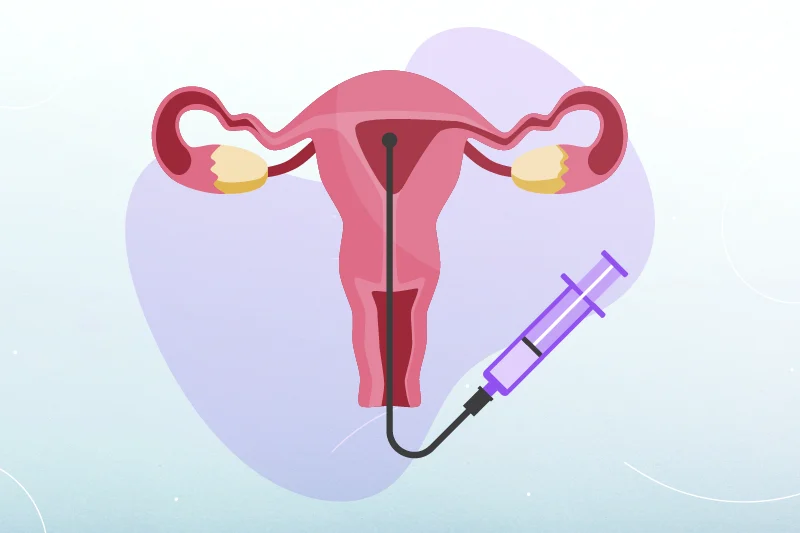
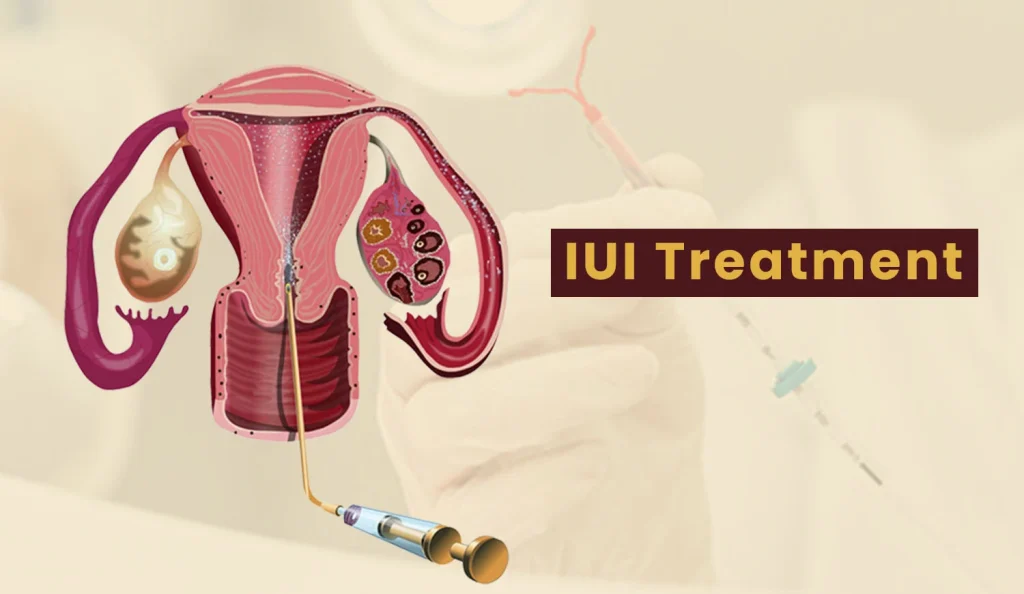
    illustration of the uterus and ovaries with a syringe, labeled "IUI Treatment" in the background

    The Cost Comparison: Fertility Acupuncture vs Traditional Treatments

    Comparing Success Rates

    When comparing the success rates of fertility acupuncture and traditional treatments, the results can vary. While some studies have shown similar success rates between acupuncture and IVF, others have shown a higher success rate for acupuncture. For example, a study published in the Journal of Integrative Medicine found that the pregnancy rate was 43.3% for women who received acupuncture with IVF compared to 26.3% for those who only received IVF treatment.

    Furthermore, fertility acupuncture can also improve overall health and well-being, which can contribute to a better pregnancy outcome. By addressing underlying issues such as stress, hormonal imbalances, and irregular menstrual cycles, acupuncture can help create a healthier environment for conception.

    The Emotional Cost

    Aside from the financial cost, the emotional toll of fertility treatments cannot be overlooked. The rollercoaster of emotions that couples experience can be overwhelming and can take a toll on their mental health. Traditional treatments often involve a lot of waiting, uncertainty, and disappointment, which can be difficult to handle. On the other hand, fertility acupuncture can provide a sense of control and empowerment for couples as they actively participate in their treatment.

    Moreover, fertility acupuncture can also improve emotional well-being by reducing stress and anxiety. This is crucial as stress can negatively impact fertility by disrupting hormonal balance and affecting ovulation. By helping couples relax and reduce stress, acupuncture can create a more positive and conducive environment for conception.

    In conclusion, when it comes to the cost of fertility treatments, it is essential to weigh both the financial and emotional factors. While traditional treatments may have higher success rates, they can also come with a significant financial burden and potential side effects. Fertility acupuncture, on the other hand, is a more affordable and natural alternative with promising results. It can also improve overall health and well-being, leading to a more positive pregnancy outcome. Ultimately, the choice between the two will depend on the individual needs and preferences of the couple, but it is worth considering all options before making a decision.

    Summary:

    Fertility treatments can be expensive, both financially and emotionally. Traditional treatments such as IVF can cost an average of $12,000 per cycle, with potential side effects and risks. On the other hand, fertility acupuncture is a more affordable and natural alternative, with an average cost of $75-150 per session. Studies have shown that acupuncture can improve fertility outcomes and can even improve success rates of traditional treatments when used in conjunction. Furthermore, acupuncture can also improve overall health and well-being, leading to a more positive pregnancy outcome. Ultimately, the choice between traditional treatments and fertility acupuncture will depend on the individual needs and preferences of the couple.

  • The Role of Acupuncture in Preparing for IVF

    Blog Post:

    In vitro fertilization (IVF) is a complex and emotionally charged process for couples struggling with infertility. While the success rates of IVF have improved over the years, it can still be a physically and emotionally demanding experience for individuals going through it. This is where acupuncture comes in as a complimentary therapy to IVF. Acupuncture, a form of traditional Chinese medicine, has gained popularity in recent years as an effective method for preparing the body and mind for IVF. In this blog post, we will delve into the role of acupuncture in preparing for IVF and how it can improve the chances of success for couples undergoing this fertility treatment.

    Acupuncture is an ancient practice that involves the insertion of thin needles into specific points on the body. These points, known as acupuncture points, are believed to be connected by pathways that conduct energy or “qi” throughout the body. According to traditional Chinese medicine, when this energy flow is disrupted, it can lead to illness or disease. Acupuncture aims to restore balance and harmony to the body by stimulating these points and improving the flow of energy.

    When it comes to IVF, acupuncture can play a crucial role in preparing the body for the treatment. One of the main ways acupuncture can help is by reducing stress and promoting relaxation. Going through IVF can be a stressful and emotionally taxing experience, and research has shown that stress can have a negative impact on fertility. Acupuncture has been found to reduce stress and anxiety levels by promoting the release of endorphins, the body’s natural “feel-good” hormones. This can not only help individuals feel more calm and relaxed during the IVF process but also improve the chances of success by creating a more positive and supportive environment for the embryo to implant.

    Another way acupuncture can prepare the body for IVF is by improving blood flow and circulation to the reproductive organs. Acupuncture has been found to increase blood flow to the uterus, which can create a more hospitable environment for the embryo to implant. It can also improve the thickness and quality of the uterine lining, which is essential for successful implantation. By improving blood flow and circulation, acupuncture can also increase the supply of oxygen and nutrients to the reproductive organs, making them healthier and more receptive to the IVF treatment.

    Illustration of the IUI process, showing a syringe and catheter in the reproductive system.

    The Role of Acupuncture in Preparing for IVF

    In addition to preparing the body, acupuncture can also help prepare the mind for IVF. Going through fertility treatments can be mentally draining and can take a toll on one’s emotional well-being. Acupuncture can help individuals relax and reduce anxiety, making them more mentally prepared for the IVF process. It can also improve sleep quality, which is crucial for maintaining a healthy mind and body during this time. By promoting relaxation and reducing anxiety, acupuncture can also help individuals cope with the emotional ups and downs that come with IVF, making the process more manageable and less overwhelming.

    Acupuncture can also support the stimulation phase of IVF, which involves taking fertility medications to stimulate the ovaries to produce multiple eggs. These medications can have side effects such as bloating, headaches, and mood swings. Acupuncture can help alleviate these side effects and reduce discomfort by promoting the release of endorphins and reducing inflammation in the body. This can make the stimulation phase more comfortable and manageable for individuals going through IVF.

    Furthermore, acupuncture can support the transfer phase of IVF, which involves the placement of the embryo into the uterus. Acupuncture treatments before and after the embryo transfer have been found to increase the chances of success. It can help relax the uterine muscles, making it easier for the embryo to implant. Acupuncture can also help improve the quality of the uterine lining, promoting a more favorable environment for the embryo to grow and develop.

    In conclusion, acupuncture can play a significant role in preparing the body and mind for IVF. From reducing stress and improving blood flow to supporting the different phases of IVF, acupuncture can improve the chances of success for couples undergoing this fertility treatment. It is essential to note that acupuncture is a complementary therapy and should not be seen as a replacement for medical treatment. It is crucial to consult with a licensed acupuncturist and your fertility specialist to develop a personalized treatment plan that best suits your needs.

    Summary:

    Acupuncture, a traditional Chinese medicine practice, can play a vital role in preparing the body and mind for in vitro fertilization (IVF). By reducing stress and promoting relaxation, improving blood flow, supporting the different phases of IVF, and preparing the mind, acupuncture can increase the chances of success for individuals undergoing this fertility treatment. It is essential to consult with a licensed acupuncturist and fertility specialist to create a personalized treatment plan.