Tag: Ovulation

  • Maximizing Your Chances of Conception: Fertility Tracking Devices vs Traditional Methods

    Maximizing Your Chances of Conception: Fertility Tracking Devices vs Traditional Methods

    Conception is a natural process that many couples hope to achieve when trying to start a family. However, for some, it may not be as easy as expected. Factors such as age, health conditions, and lifestyle choices can affect a couple’s chances of conception. Fortunately, there are various methods available to help maximize the chances of conception, including fertility tracking devices and traditional methods. In this blog post, we will discuss the pros and cons of each method and how they can help couples on their journey to parenthood.

    Fertility Tracking Devices

    Fertility tracking devices are modern tools that use technology and data to track a woman’s menstrual cycle and determine her most fertile days. These devices come in various forms, including wearable bracelets, patches, and apps. They use different methods such as basal body temperature, hormone levels, and cervical mucus to predict ovulation and fertility.

    Pros:

    1. Accurate Tracking: Fertility tracking devices use advanced technology to track a woman’s menstrual cycle and determine her fertile window. They can provide accurate results, making it easier for couples to plan and time intercourse accordingly.

    2. Convenient and Easy to Use: These devices are designed to be user-friendly and convenient. They can be worn or used discreetly, and some can even sync with a woman’s phone or other devices, making tracking more accessible and hassle-free.

    3. Personalized Data: Fertility tracking devices collect and analyze a woman’s data over time, providing personalized insights into her cycle and fertility patterns. This information can be valuable for couples trying to conceive, as it can help them understand their fertility better.

    4. Helpful for Women with Irregular Cycles: For women with irregular cycles, fertility tracking devices can be beneficial in identifying ovulation and fertile days. This can be especially helpful for those with conditions like polycystic ovary syndrome (PCOS) or thyroid disorders, which can cause irregular cycles.

    Cons:

    1. Cost: Fertility tracking devices can be expensive, with some costing hundreds of dollars. This can be a significant investment for couples trying to conceive, and it may not be financially feasible for everyone.

    2. Initial Learning Curve: These devices rely on the user’s input and may require some time to learn how to use them correctly. This can be frustrating for some users, especially if they are not tech-savvy.
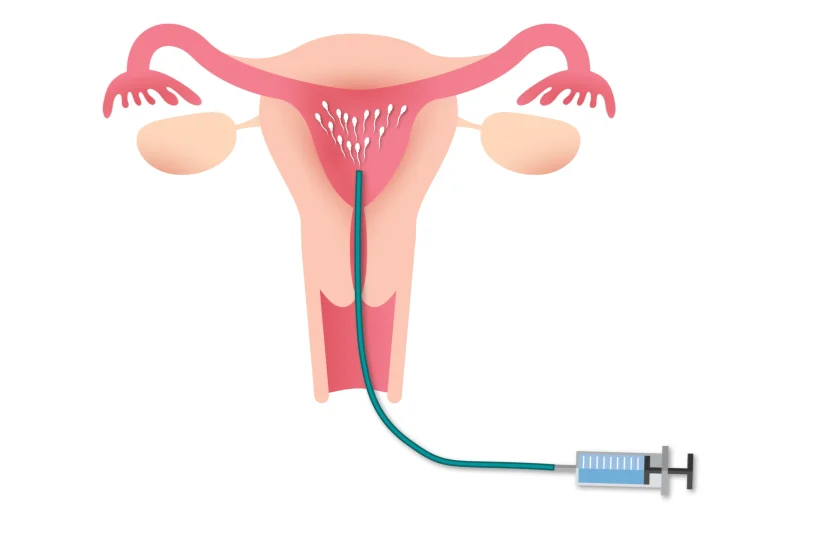
    diagram of a uterus with a syringe for intrauterine insemination procedure

    Maximizing Your Chances of Conception: Fertility Tracking Devices vs Traditional Methods

    3. Not 100% Accurate: While fertility tracking devices can provide accurate results, they are not foolproof. Factors such as stress, illness, or travel can affect a woman’s cycle and throw off the predictions. Therefore, it is essential to use these devices in conjunction with other methods to maximize accuracy.

    Traditional Methods

    Traditional methods of tracking fertility have been used for centuries and rely on a woman’s body signals to determine her fertile window. These methods include tracking changes in basal body temperature, cervical mucus, and changes in the cervix.

    Pros:

    1. Low Cost: Traditional methods of fertility tracking are relatively inexpensive, as they do not require any technology or equipment.

    2. Easy to Learn: These methods are easy to understand and require minimal effort to track. They can be easily learned by anyone and do not require any special skills or technology.

    3. Natural and Non-invasive: Unlike fertility tracking devices, traditional methods do not require any invasive procedures or devices. They are completely natural and can be used by women of all ages and health conditions.

    Cons:

    1. Limited Effectiveness: Traditional methods rely solely on a woman’s body signals, which may not be accurate for everyone. They may not be as effective for women with irregular cycles or those with conditions that affect their fertility.

    2. Subjective: These methods rely on the user’s interpretation of their body signals, which may not always be accurate. This can lead to incorrect predictions of ovulation and fertile days.

    3. Time-consuming: Traditional methods require daily tracking, which can be time-consuming and may not be feasible for everyone’s busy schedule.

    In summary, both fertility tracking devices and traditional methods have their pros and cons. Fertility tracking devices offer more accurate and personalized data, but they can be expensive and may have a learning curve. Traditional methods are natural and non-invasive, but they may not be as effective or accurate for everyone. Ultimately, the best approach may be to combine both methods to maximize the chances of conception.

    In conclusion, the journey to parenthood can be a challenging one, but with the help of fertility tracking devices and traditional methods, couples can increase their chances of conception. It is essential to find the method that works best for each individual and to consult with a healthcare professional for personalized guidance. With patience, perseverance, and the right tools, couples can achieve their dream of starting a family.

  • The Role of Hormones: Intrauterine Insemination vs Low-Tech IVF

    Blog Post Title: The Role of Hormones: Intrauterine Insemination vs Low-Tech IVF

    Hormones play a significant role in a woman’s reproductive system, and when it comes to fertility treatments, they are crucial in achieving a successful pregnancy. Intrauterine insemination (IUI) and low-tech in vitro fertilization (IVF) are two commonly used fertility treatments that involve the use of hormones. While both procedures have the same goal of helping couples conceive, they differ in terms of hormone use and their approach. In this blog post, we will explore the role of hormones in these two fertility treatments and understand the differences between them.

    What are Hormones?

    Before diving into the specifics of IUI and low-tech IVF, it is essential to understand the role of hormones in the reproductive system. Hormones are chemical messengers that regulate various functions in the body. In women, hormones control the menstrual cycle and are responsible for ovulation, pregnancy, and childbirth. The primary hormones involved in fertility treatments are follicle-stimulating hormone (FSH), luteinizing hormone (LH), and human chorionic gonadotropin (hCG).

    Intrauterine Insemination (IUI)

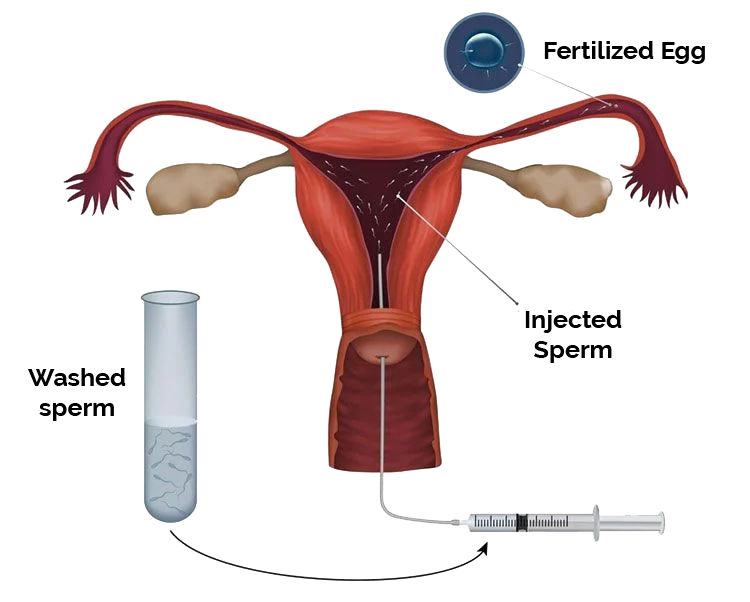
    IUI is a fertility treatment that involves injecting washed and concentrated sperm directly into the uterus during ovulation. This procedure is often recommended for couples with unexplained infertility or mild male factor infertility. In IUI, the use of hormones is minimal, and the focus is on timing the insemination to coincide with ovulation.

    Hormonal Stimulation in IUI

    In some cases, ovulation may not occur naturally, and that is when hormonal stimulation comes into play. The woman is given a low dose of FSH to stimulate the ovaries to produce mature eggs. This process is closely monitored through ultrasounds and blood tests, and when the eggs are mature, an hCG injection is given to trigger ovulation. The timing of the hCG injection is critical, as the eggs need to be retrieved within 36 hours of the injection.

    The Role of Hormones in IUI

    The use of hormones in IUI is mainly to stimulate ovulation and ensure that the eggs are mature and ready for fertilization. The goal is to produce one or two good quality eggs, as too many eggs can lead to multiple pregnancies, which can be risky for both the mother and the babies. The use of hormones in IUI is minimal compared to other fertility treatments, making it a safer and more cost-effective option.

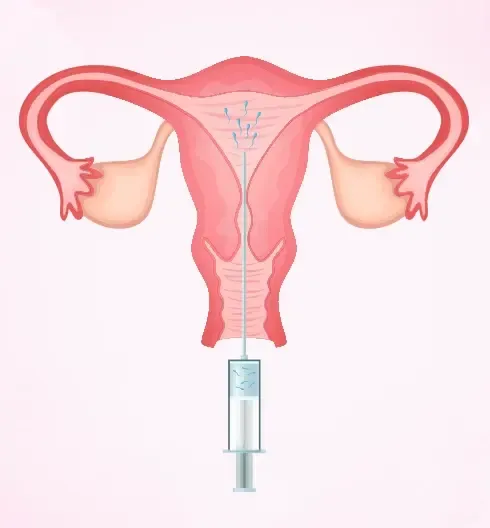
    Illustration of a uterus with a syringe indicating an intrauterine insemination procedure.

    The Role of Hormones: Intrauterine Insemination vs Low-Tech IVF

    Low-Tech In Vitro Fertilization (IVF)

    Low-tech IVF is a simplified version of traditional IVF, where the woman’s natural cycle is used, and minimal medications are given. In this procedure, the woman’s eggs are retrieved and fertilized with sperm in a laboratory, and the resulting embryos are transferred back into the uterus. Low-tech IVF is often recommended for couples with unexplained infertility or mild fertility issues.

    Hormonal Stimulation in Low-Tech IVF

    Unlike traditional IVF, where high doses of hormones are given to stimulate the ovaries and produce multiple eggs, low-tech IVF focuses on natural ovulation. The woman is given a low dose of FSH to help mature one or two eggs, and an hCG injection is given to trigger ovulation. The eggs are retrieved within 36 hours, and the fertilization process is the same as traditional IVF.

    The Role of Hormones in Low-Tech IVF

    Hormones play a more significant role in low-tech IVF compared to IUI. The use of FSH helps to produce a few mature eggs, while the hCG injection is crucial in triggering ovulation. The goal of low-tech IVF is to produce a small number of good quality embryos, which are then transferred back into the uterus. The use of minimal hormones makes it a safer option than traditional IVF and reduces the risk of multiple pregnancies.

    The Differences between IUI and Low-Tech IVF

    The main difference between IUI and low-tech IVF is the level of hormone use. IUI focuses on timing the insemination to coincide with ovulation, while low-tech IVF involves retrieving eggs and fertilizing them in a laboratory. Another significant difference is the cost, as IUI is a more affordable option compared to low-tech IVF. Additionally, IUI is less invasive and has a lower risk of multiple pregnancies compared to low-tech IVF.

    Summary

    In summary, hormones play a crucial role in both intrauterine insemination and low-tech IVF. In IUI, hormones are primarily used to stimulate ovulation, while low-tech IVF involves more hormonal stimulation to produce a small number of good quality eggs. Both procedures have their advantages and are suitable for couples with different fertility issues. It is essential to consult with a fertility specialist to determine the best treatment option for your specific case.

  • The Importance of Follow-Up: Intrauterine Insemination vs Intracervical Insemination

    Blog Post Title: The Importance of Follow-Up: Intrauterine Insemination vs Intracervical Insemination

    In the world of fertility treatments, there are many options available for couples struggling to conceive. Two common procedures are intrauterine insemination (IUI) and intracervical insemination (ICI). Both involve the placement of washed and prepared sperm into the female reproductive tract, but the methods and success rates differ. While these procedures offer hope for couples, the importance of follow-up cannot be stressed enough.

    Intrauterine insemination (IUI) is a procedure where washed and prepared sperm is directly inserted into the uterus using a thin catheter. This method allows for the sperm to bypass the cervix and have a shorter distance to travel to reach the egg. IUI is often recommended for couples struggling with male factor infertility or unexplained infertility.

    On the other hand, intracervical insemination (ICI) is a procedure where washed and prepared sperm is placed near the cervix using a syringe. The sperm then has to make its way through the cervix and into the uterus to reach the egg. This method is often used for couples with mild male factor infertility or for single women or same-sex couples using donor sperm.

    While the success rates of IUI and ICI may vary depending on individual factors, the key to increasing the chances of conception with either procedure is proper follow-up. This means closely monitoring the woman’s cycle and timing the insemination correctly, as well as participating in post-insemination ultrasounds and blood work.

    One important aspect of follow-up is tracking the woman’s ovulation cycle. This involves regular ultrasounds and blood work to monitor the growth and development of the follicles, which contain the eggs. The timing of IUI and ICI is crucial, as the sperm needs to be introduced into the reproductive tract at the optimal time for fertilization to occur. By closely monitoring the woman’s ovulation cycle, fertility specialists can determine the ideal time for insemination and increase the chances of success.

    illustration of a uterus with a syringe, representing intrauterine insemination procedure

    The Importance of Follow-Up: Intrauterine Insemination vs Intracervical Insemination

    Another key component of follow-up is post-insemination ultrasounds and blood work. These tests can help determine if the sperm has successfully reached the egg and if fertilization has occurred. They can also detect any potential issues that may be hindering conception, such as uterine or cervical abnormalities. In cases where fertilization does not occur, these tests can provide valuable information for the fertility specialist to adjust the treatment plan accordingly.

    Follow-up also involves assessing the fertilization success rates of IUI and ICI. Studies have shown that IUI has a higher success rate than ICI, with a 20% chance of conception per cycle for IUI compared to 10% for ICI. However, this success rate can increase with proper follow-up and adjustments to the treatment plan. For example, if the woman’s ovulation cycle is not responding well to the medication used to stimulate the follicles, the fertility specialist may suggest switching to a different medication or increasing the dosage.

    In addition to increasing the chances of conception, follow-up also plays a crucial role in ensuring the health and safety of both the mother and potential child. Regular ultrasounds and blood work can detect any potential complications early on, allowing for prompt treatment and minimizing any risks. It also allows for the monitoring of the number of follicles developing, which can help prevent the risk of multiple pregnancies.

    Follow-up is also essential for the emotional well-being of couples going through fertility treatments. The process of trying to conceive can be emotionally draining, and the uncertainty of whether each cycle will be successful can take a toll on couples. By closely monitoring the progress and providing support and guidance, follow-up can help alleviate some of the stress and anxiety associated with fertility treatments.

    In conclusion, while IUI and ICI offer hope for couples struggling to conceive, the importance of follow-up cannot be emphasized enough. By closely monitoring the woman’s ovulation cycle, participating in post-insemination tests, and making necessary adjustments, the chances of success can significantly increase. Follow-up also ensures the safety and well-being of both the mother and potential child and provides much-needed emotional support for couples going through fertility treatments. With proper follow-up, couples can navigate the journey of fertility treatments with confidence and hope for a successful outcome.

    Summary:

    Intrauterine insemination (IUI) and intracervical insemination (ICI) are two common fertility treatments that involve the placement of washed and prepared sperm into the female reproductive tract. While these procedures offer hope for couples struggling to conceive, the key to increasing their chances of success is proper follow-up. This includes closely monitoring the woman’s ovulation cycle, participating in post-insemination ultrasounds and blood work, and assessing the fertilization success rates. Follow-up not only increases the chances of conception but also ensures the health and safety of both the mother and potential child, as well as providing emotional support for couples going through fertility treatments.

  • The Role of Ovulation: Intrauterine Insemination vs Intracervical Insemination

    Blog Post: The Role of Ovulation: Intrauterine Insemination vs Intracervical Insemination

    Ovulation is a crucial part of the female reproductive cycle, as it is the process by which an egg is released from the ovary and can potentially be fertilized by sperm. For couples struggling with fertility, ovulation plays an even more important role in their journey to conceive. Intrauterine insemination (IUI) and intracervical insemination (ICI) are two commonly used methods of assisted reproductive techniques that utilize ovulation to help increase the chances of pregnancy. In this blog post, we will explore the role of ovulation in these two procedures and compare the effectiveness of IUI and ICI in achieving pregnancy.

    Intrauterine insemination, also known as artificial insemination, involves placing washed and concentrated sperm directly into the uterus, bypassing the cervix. This is usually done around the time of ovulation, as it increases the chances of the sperm reaching the egg and fertilizing it. The procedure itself is relatively simple and can be done in a doctor’s office. It is often used in cases of male factor infertility, where the sperm may have difficulty reaching the egg naturally. IUI can also be used in cases of unexplained infertility or for single women or same-sex couples using donor sperm.

    On the other hand, intracervical insemination involves placing the sperm in the cervix, near the entrance of the uterus. This method is less invasive than IUI, as it does not require a catheter to be inserted into the uterus. It is usually performed at home, with the help of a special syringe designed for this purpose. ICI is often preferred by couples who want to try a more natural approach to insemination, as it mimics the act of intercourse. However, it is important to note that the success rates of ICI are generally lower than IUI.

    Both IUI and ICI rely on the timing of ovulation for their success. In a natural cycle, ovulation usually occurs around day 14 of a 28-day menstrual cycle. However, this can vary from person to person and can even vary from cycle to cycle. Therefore, it is crucial for couples undergoing IUI or ICI to track their ovulation using methods such as ovulation predictor kits or monitoring changes in their cervical mucus. This will help determine the best time to perform the insemination, increasing the chances of pregnancy.

    Illustration of IUI procedure with uterus and syringe against a DNA background.

    The Role of Ovulation: Intrauterine Insemination vs Intracervical Insemination

    In terms of effectiveness, studies have shown that IUI has a higher success rate compared to ICI. This is because IUI places the sperm directly into the uterus, bypassing any potential barriers in the cervix. Additionally, IUI also allows for a higher concentration of sperm to be placed in the uterus, increasing the chances of fertilization. However, ICI can still be a viable option for couples with no underlying fertility issues, as it has been shown to have success rates of up to 15-20% per cycle.

    It is also important to note that both IUI and ICI can be combined with fertility medications, such as clomiphene or follicle-stimulating hormone, to further enhance the chances of pregnancy. These medications can help stimulate the ovaries to produce more eggs, increasing the chances of one being fertilized.

    Aside from the differences in procedure and success rates, there are also variations in cost and convenience between IUI and ICI. IUI is usually more expensive, as it requires a doctor’s visit and can only be performed in a medical setting. ICI, on the other hand, can be done at home and is often more affordable. However, it is important to discuss the costs and logistics with a healthcare professional to determine the best option for each individual couple.

    In conclusion, both IUI and ICI are effective methods of assisted reproductive techniques that utilize ovulation to increase the chances of pregnancy. IUI is more invasive but has a higher success rate, while ICI is less invasive but has lower success rates. It is important for couples to consult with a healthcare professional to determine the best option for their specific situation. Additionally, tracking ovulation is crucial for the success of both procedures, and fertility medications can be used to further enhance the chances of pregnancy.

    Summary: Ovulation plays a crucial role in assisted reproductive techniques such as intrauterine insemination (IUI) and intracervical insemination (ICI). IUI involves placing washed and concentrated sperm directly into the uterus, while ICI involves placing sperm near the cervix. Both procedures rely on tracking ovulation for their success, and IUI has a higher success rate compared to ICI. Factors such as cost and convenience should also be considered when choosing between the two methods.

  • The Role of Medications: Intrauterine Insemination vs Intracervical Insemination

    Title: The Role of Medications: Intrauterine Insemination vs Intracervical Insemination

    Intrauterine insemination (IUI) and intracervical insemination (ICI) are two of the most common fertility treatments used to help couples conceive. These procedures involve inserting sperm directly into the woman’s uterus or cervix, respectively, in order to increase the chances of fertilization. However, the success of these procedures can be greatly influenced by the use of medications. In this blog post, we will discuss the role of medications in IUI and ICI, and how they can improve the success rates of these procedures.

    The Role of Medications in Intrauterine Insemination (IUI)

    IUI is a fertility treatment where sperm is inserted directly into the woman’s uterus during the time of ovulation. This procedure is often combined with fertility medications to stimulate the ovaries and increase the number of mature eggs produced. The most commonly used medication in IUI is clomiphene citrate (Clomid), which is an oral medication that helps to stimulate ovulation.

    Clomid works by blocking the effects of estrogen in the body, which leads to an increase in follicle-stimulating hormone (FSH) and luteinizing hormone (LH). These hormones are responsible for the growth and development of follicles in the ovaries. By stimulating the ovaries to produce more eggs, Clomid increases the chances of a successful fertilization during IUI.

    Other medications that may be used in conjunction with Clomid in IUI include gonadotropins, which are injectable hormones that also stimulate the ovaries to produce multiple eggs. These medications are often used in cases where Clomid alone is not effective in stimulating ovulation.

    The Role of Medications in Intracervical Insemination (ICI)

    ICI is a less invasive fertility treatment compared to IUI, as it involves placing sperm into the cervix rather than the uterus. This procedure is often used for couples who have unexplained infertility or for women with cervical issues that make it difficult for sperm to reach the uterus. While ICI does not require the use of fertility medications, they can still play a role in improving the success rates of this procedure.

    One medication that is commonly used in ICI is a cervical mucus enhancer. This type of medication helps to improve the quality and quantity of cervical mucus, which is essential for sperm to survive and swim towards the egg. Without enough cervical mucus, the sperm may not be able to reach the egg, leading to a lower chance of fertilization.

    Another medication that may be used in ICI is a sperm wash solution. This solution helps to separate healthy and motile sperm from other components of the semen, such as dead sperm and debris. By using a sperm wash, the chances of fertilization are increased as only the healthiest sperm are used for insemination.

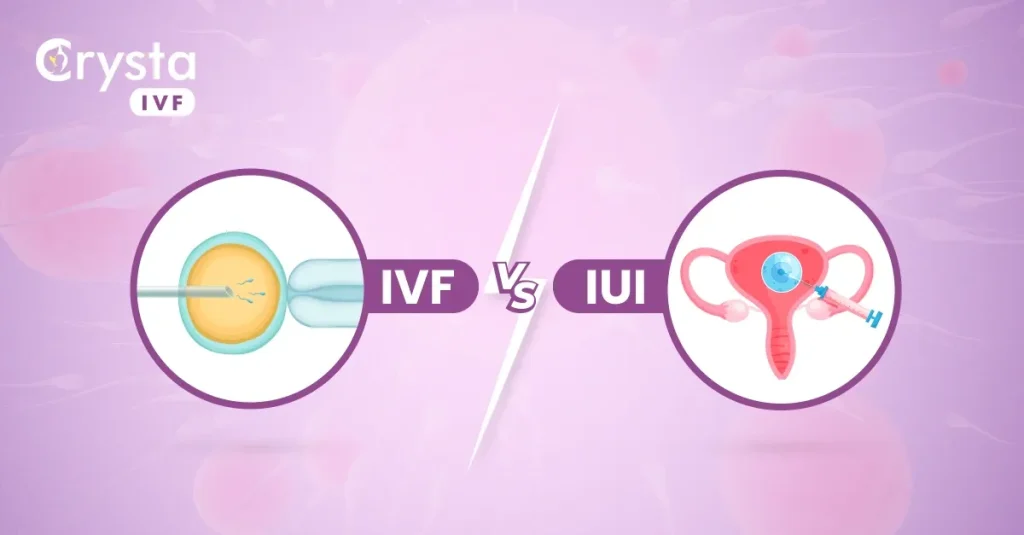
    Comparison of IVF and IUI procedures with illustrations of each method.

    The Role of Medications: Intrauterine Insemination vs Intracervical Insemination

    Which Medications Are Right for You?

    The type of medication used in IUI or ICI will depend on various factors, including the cause of infertility, the woman’s age, and overall health. It is important to consult with a fertility specialist to determine the best course of treatment and medication for your individual situation.

    In some cases, a combination of medications may be recommended to increase the chances of a successful pregnancy. For example, a woman may be prescribed Clomid to stimulate ovulation, while also using a cervical mucus enhancer during an ICI procedure. Your doctor will work with you to create a personalized treatment plan that is tailored to your needs.

    Other Factors Affecting the Success of IUI and ICI

    While medications play a significant role in the success of IUI and ICI, there are other factors that can also impact the outcomes of these procedures. These include:

    – Age: As a woman gets older, her fertility declines, making it more difficult to conceive. This is why it is important to seek fertility treatment as soon as possible if you are struggling to get pregnant.

    – Sperm Quality: The quality of sperm used in IUI and ICI is crucial for fertilization to occur. If a man has low sperm count or poor sperm motility, it can decrease the chances of a successful pregnancy.

    – Underlying Health Conditions: Certain medical conditions such as endometriosis or polycystic ovary syndrome (PCOS) can affect fertility. Treating these conditions can improve the success rates of IUI and ICI.

    Summarizing the Role of Medications in IUI and ICI

    Intrauterine insemination (IUI) and intracervical insemination (ICI) are two common fertility treatments that involve inserting sperm directly into the woman’s uterus or cervix, respectively. These procedures can be greatly enhanced by the use of medications, which can stimulate ovulation, improve cervical mucus quality, and increase the chances of fertilization. Working with a fertility specialist to determine the right medication and treatment plan for your individual needs is crucial for a successful pregnancy.

  • The Role of Timing: Intrauterine Insemination vs Intracervical Insemination

    The Role of Timing: Intrauterine Insemination vs Intracervical Insemination

    Timing is a crucial factor in achieving a successful pregnancy, and this is especially true when it comes to assisted reproductive techniques such as intrauterine insemination (IUI) and intracervical insemination (ICI). Both of these procedures involve the introduction of sperm into the woman’s reproductive tract, but they differ in terms of the timing and location of the insemination. In this blog post, we will explore the role of timing in IUI and ICI, and discuss which procedure may be the best option for couples trying to conceive.

    Intrauterine Insemination (IUI) is a commonly used fertility treatment where sperm is placed directly inside the woman’s uterus. This procedure is often recommended for couples who have been trying to conceive for a year or longer without success, or for those with certain fertility issues such as low sperm count or motility. The timing of IUI is crucial, as it needs to be performed during the woman’s fertile window, which is typically the day of ovulation or a day before. This is because the sperm needs to be present in the fallopian tubes at the same time as the released egg in order to increase the chances of fertilization.

    Timing is also important in terms of preparing the woman’s body for IUI. This may involve taking ovulation-inducing medications or using ovulation predictor kits to determine the most optimal time for the procedure. Additionally, the female partner may also be monitored closely through ultrasound and blood tests to track the growth of follicles and hormone levels, which can help determine the best time for IUI.

    On the other hand, Intracervical Insemination (ICI) involves placing the sperm directly into the cervix, rather than the uterus. This procedure is typically performed at home by the couple themselves, and does not require medical intervention or monitoring. However, timing is still an important factor in the success of ICI. The sperm needs to be introduced into the cervix at the right time in order to coincide with ovulation and increase the chances of fertilization. This can be determined by using ovulation predictor kits or tracking the woman’s basal body temperature.

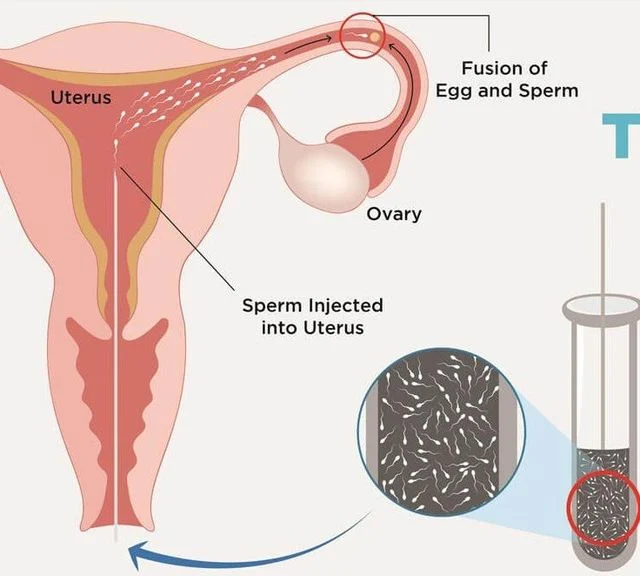
    Diagram illustrating the IUI process, showing sperm injection into the uterus and egg fertilization.

    The Role of Timing: Intrauterine Insemination vs Intracervical Insemination

    One of the main differences between IUI and ICI is the location of the sperm placement. IUI involves placing the sperm directly into the uterus, which is a more efficient route for the sperm to reach the fallopian tubes and increase the chances of fertilization. On the other hand, ICI involves placing the sperm in the cervix, which is a longer and more difficult journey for the sperm to reach the egg. This is why timing is crucial in ICI, as the sperm needs to be present in the cervix at the exact time of ovulation in order to have the best chance of reaching the egg.

    Another important aspect to consider is the quality of the sperm being used in both procedures. In IUI, the sperm is typically washed and prepared in a lab, which helps to remove any dead or abnormal sperm, and concentrates the healthy sperm. This improves the chances of fertilization and reduces the risk of complications. In ICI, the sperm is not washed or prepared, which means that the quality of the sperm used is not as controlled as in IUI. This can decrease the chances of fertilization and increase the risk of using unhealthy or non-viable sperm.

    In conclusion, timing plays a crucial role in the success of both intrauterine insemination (IUI) and intracervical insemination (ICI). While IUI may be a more effective and controlled procedure, it requires close monitoring and medical intervention in terms of timing and preparation. ICI, on the other hand, can be performed at home but may have a lower success rate due to the longer journey of the sperm and the lack of sperm preparation.

    Ultimately, the decision between IUI and ICI will depend on various factors, such as the couple’s specific fertility issues, their personal preferences, and the recommendations of their fertility specialist. It is important to consult with a healthcare professional to determine the best option for your unique situation.

    In summary, the success of IUI and ICI depends heavily on the timing of the procedures and the quality of the sperm used. While IUI may be a more controlled and effective option, ICI can be a more convenient and affordable choice for some couples. Understanding the role of timing in these procedures can help couples make informed decisions and increase their chances of achieving a successful pregnancy.

  • Breaking Down the Costs: Intrauterine Insemination vs Intracervical Insemination

    Summary:

    When it comes to fertility treatments, there are various options available to those struggling to conceive. Intrauterine insemination (IUI) and intracervical insemination (ICI) are two commonly used procedures that can help individuals or couples achieve pregnancy. However, these procedures come with their own set of costs, and it is important to understand the differences between them in order to make an informed decision.

    Intrauterine insemination, also known as artificial insemination, involves placing sperm directly into the uterus during ovulation. This procedure is typically performed in a medical setting, using a catheter to deliver the sperm. On the other hand, intracervical insemination involves placing sperm at the entrance of the cervix, allowing them to naturally travel through the cervix and into the uterus. This procedure can be done at home with the use of a special syringe or cup.

    The cost breakdown for these two procedures can vary depending on factors such as location, clinic, and individual needs. However, there are some general costs to consider when comparing IUI and ICI.

    1. Medical costs: As IUI is typically performed in a medical setting, it involves additional costs such as doctor’s fees, lab tests, and ultrasound monitoring. These costs can range from $500 to $4,000 per cycle, depending on the individual’s insurance coverage and the number of cycles needed. On the other hand, ICI can be done at home, eliminating the need for medical fees. However, there may still be some medical costs involved, such as sperm analysis or ovulation tracking.

    diagram of the female reproductive system with an IUI syringe and test tube for artificial insemination

    Breaking Down the Costs: Intrauterine Insemination vs Intracervical Insemination

    2. Sperm costs: The success of IUI and ICI largely depends on the quality of sperm used. In IUI, the sperm is typically obtained from a sperm bank, which can add an additional cost of $300 to $600 per vial. The number of vials required per cycle can vary, depending on the individual’s fertility needs. In comparison, ICI allows for the use of fresh or frozen sperm from a known donor, which can significantly reduce costs. However, it is important to note that using fresh sperm may increase the risk of sexually transmitted infections.

    3. Medication costs: In order to stimulate ovulation, some individuals may require medication such as clomiphene or gonadotropins. These medications can add an additional cost of $50 to $250 per cycle for IUI. In contrast, ICI does not usually require medication, unless there are underlying fertility issues.

    4. Additional costs: There may be other costs associated with fertility treatments, such as counseling or support services. These costs can vary depending on the individual’s needs and preferences.

    When comparing the costs of IUI and ICI, it is important to consider the success rates of each procedure. Studies have shown that IUI has a higher success rate than ICI, with an average success rate of 10-20% per cycle. However, this success rate can vary depending on factors such as age and fertility issues.

    In conclusion, both IUI and ICI can be effective fertility treatments, but the costs involved can vary significantly. While IUI may have a higher success rate, it also comes with higher medical and sperm costs. On the other hand, ICI may be a more cost-effective option, but it may not be suitable for everyone. It is important to consult with a fertility specialist to determine the best treatment option based on individual needs and financial capabilities.

  • The Decision-Making Process: How to Choose the Right Fertility Tracking Method for You

    Summary:

    The decision to start trying for a baby can be both exciting and overwhelming. Along with the emotions and anticipation, there are also many considerations to take into account, one of which is choosing the right fertility tracking method. With so many options available, it can be challenging to determine which method will work best for you. In this blog post, we will discuss the decision-making process for choosing the right fertility tracking method and provide an overview of the different methods available.

    First, it is essential to understand the purpose of fertility tracking. Fertility tracking is a way to monitor and track a woman’s menstrual cycle to identify the most fertile days for conception. By knowing when ovulation occurs, couples can time intercourse for a higher chance of pregnancy. There are various methods of fertility tracking, and each has its pros and cons. The key is to find the one that aligns with your lifestyle, preferences, and needs.

    The first step in the decision-making process is to assess your goals and preferences. Are you looking for a natural and non-invasive method? Or do you prefer a more high-tech and accurate approach? Some methods require daily tracking, while others are more hands-off. It is essential to consider these factors before diving into the specifics of each method.

    The most commonly used fertility tracking methods include the calendar method, basal body temperature (BBT) tracking, cervical mucus monitoring, ovulation predictor kits (OPKs), and fertility tracking apps. The calendar method involves tracking your period and using a prediction formula to determine your fertile window. BBT tracking involves taking your temperature every morning at the same time to detect a slight increase after ovulation. Cervical mucus monitoring involves tracking changes in vaginal discharge to determine when ovulation is likely to occur. OPKs are urine tests that detect the luteinizing hormone, which surges right before ovulation. Fertility tracking apps use various data inputs, such as BBT, ovulation test results, and menstrual cycle information, to predict fertile days.

    Diagram illustrating intrauterine insemination (IUI) procedure with sperm injection into the uterus.

    The Decision-Making Process: How to Choose the Right Fertility Tracking Method for You

    Each method has its advantages and disadvantages. For example, the calendar method is easy and inexpensive, but it may not be accurate for women with irregular periods. BBT tracking is a reliable method, but it requires daily tracking and can be affected by factors such as illness or poor sleep. Cervical mucus monitoring is a natural and straightforward method, but it may not be as precise as other methods. OPKs are highly accurate but can be expensive if used every cycle. Fertility tracking apps are convenient and provide a comprehensive overview of your cycle, but they may not be accurate for women with irregular periods or conditions like polycystic ovary syndrome (PCOS).

    Besides these methods, there are also more advanced options like fertility monitors and wearable devices. Fertility monitors, such as the Clearblue Fertility Monitor, use urine tests and other data inputs to track hormone levels and identify the fertile window. Wearable devices, like the Ava bracelet, track various physiological parameters, such as skin temperature and heart rate, to predict ovulation.

    Once you have familiarized yourself with the different methods, the next step is to consider any potential obstacles that may affect your ability to track your fertility accurately. For example, if you have an irregular sleep schedule or travel frequently, BBT tracking may not be the best option for you. Similarly, if you have a history of urinary tract infections or are on certain medications, OPKs may not be as reliable. It is essential to speak with your healthcare provider about any concerns or factors that may affect your fertility tracking method.

    Another crucial factor to consider is your budget. Some methods, like the calendar method and cervical mucus monitoring, are relatively inexpensive, while others, like fertility monitors and wearable devices, may require a more significant investment. It is essential to weigh the cost against the potential benefits and decide what is feasible for you.

    Finally, it is crucial to remember that no single method is foolproof, and combining different methods may provide a more accurate picture of your fertile window. For example, using BBT tracking in conjunction with OPKs or a fertility tracking app can provide a more comprehensive overview of your cycle.

    In conclusion, choosing the right fertility tracking method requires careful consideration of your goals, preferences, and potential obstacles. Familiarizing yourself with the different methods, consulting with your healthcare provider, and assessing your budget can help you make an informed decision. Remember that no method is 100% accurate, and combining different methods may provide the best results. By taking the time to choose the right fertility tracking method for you, you can increase your chances of conceiving and embark on the exciting journey of starting a family.

  • The Power of Data: How Fertility Tracking Apps Can Help You Identify Patterns and Improve Your Chances of Conceiving

    Title: The Power of Data: How Fertility Tracking Apps Can Help You Identify Patterns and Improve Your Chances of Conceiving

    Introduction:
    Fertility is a topic that has been surrounded by myths and misconceptions for a long time. Many couples struggle with the process of trying to conceive, and it can often feel like an overwhelming and confusing journey. However, with the advancement of technology, there are now fertility tracking apps that can help women better understand their menstrual cycles and increase their chances of conceiving. In this blog post, we will explore the power of data and how fertility tracking apps can be a valuable tool for couples trying to conceive.

    Understanding Menstrual Cycles:
    Before we dive into the topic of fertility tracking apps, it is important to understand the basics of menstrual cycles. Menstrual cycles are controlled by hormones and can vary in length from woman to woman. On average, a menstrual cycle lasts 28 days, with ovulation occurring around day 14. However, this can vary, and many factors can impact the length and regularity of a woman’s cycle.

    The Power of Data:
    One of the most valuable aspects of fertility tracking apps is the collection and analysis of data. These apps allow women to track their menstrual cycles, record symptoms and changes in their bodies, and even input data from ovulation predictor kits. By inputting this data, the app can analyze patterns and provide insight into a woman’s fertility window, helping her to identify the best time for conception.

    Identifying Ovulation:
    Tracking ovulation is crucial for couples trying to conceive. Ovulation is the process of releasing an egg from the ovary, and it is the most fertile time in a woman’s cycle. However, pinpointing the exact day of ovulation can be challenging. Fertility tracking apps use data such as basal body temperature and cervical mucus to help women identify their most fertile days accurately. By understanding their ovulation window, women can plan intercourse accordingly, increasing their chances of conceiving.

    Tracking Changes in the Body:
    Fertility tracking apps also allow women to track changes in their bodies throughout their cycle. These changes can include changes in cervical mucus, breast tenderness, and mood swings. By recording these changes, women can start to see patterns in their cycles, making it easier to predict ovulation and identify any potential issues with their fertility. This data can also be shared with healthcare professionals, providing them with valuable information in diagnosing and treating any fertility issues.

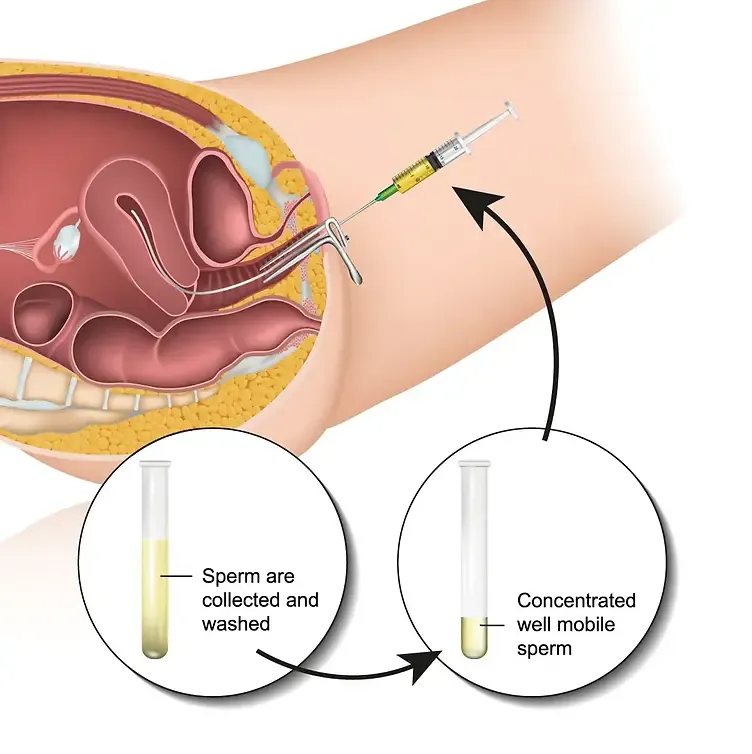
    Illustration of intrauterine insemination process, showing sperm collection and injection into the uterus.

    The Power of Data: How Fertility Tracking Apps Can Help You Identify Patterns and Improve Your Chances of Conceiving

    Monitoring Health:
    Fertility tracking apps not only track menstrual cycles but also allow women to monitor their overall health. These apps often include features such as tracking water intake, exercise, and nutrition. By maintaining a healthy lifestyle, women can improve their overall fertility and increase their chances of conceiving. Additionally, tracking these aspects of health can also help women identify any underlying health issues that may be affecting their fertility.

    Tips and Tricks for Using Fertility Tracking Apps:
    To get the most out of fertility tracking apps, here are some tips and tricks to keep in mind:

    1. Consistency is Key: For accurate data analysis, it is essential to be consistent with inputting data into the app. This includes tracking menstrual cycles, symptoms, and changes in the body.

    2. Use Multiple Data Points: To get a complete picture of your cycle, it is essential to track multiple data points. This can include basal body temperature, cervical mucus, and ovulation predictor kits.

    3. Share Data with Your Partner: Fertility tracking apps allow women to share data with their partners, making the journey to conceive a team effort.

    4. Don’t Rely on the App Alone: While fertility tracking apps can be a valuable tool, they should not be used as the only method for predicting ovulation. It is essential to listen to your body and pay attention to any changes or symptoms.

    Conclusion:
    In conclusion, fertility tracking apps can be a game-changer for couples trying to conceive. By using the power of data, women can better understand their menstrual cycles, identify patterns, and increase their chances of conceiving. These apps also provide a sense of control and empowerment for women who are on the journey to parenthood. Remember, everyone’s fertility journey is unique, and it is essential to consult with a healthcare professional if you have any concerns or questions.

  • From Tracking to Conception: The Role of Fertility Apps in Your Journey to Parenthood

    From Tracking to Conception: The Role of Fertility Apps in Your Journey to Parenthood

    In today’s digital age, there seems to be an app for everything, including tracking fertility and aiding in conception. With the rise of fertility apps, many couples are turning to technology to help them in their journey towards parenthood. These apps offer a range of features, from tracking menstrual cycles to predicting ovulation and fertility windows. But how effective are these apps, and what role do they play in the process of conception? In this blog post, we will explore the world of fertility apps and their impact on the journey to parenthood.

    Understanding Fertility and the Menstrual Cycle

    Before diving into the world of fertility apps, it is essential to understand the basics of fertility and the menstrual cycle. Every month, a woman’s body goes through a series of changes to prepare for pregnancy. These changes are controlled by hormones, and the menstrual cycle is divided into three phases – the follicular phase, ovulation, and the luteal phase.

    The follicular phase begins on the first day of a woman’s period and lasts for around 14 days. During this phase, the follicles in the ovary mature, and the uterine lining thickens in preparation for pregnancy. Ovulation occurs when the mature egg is released from the ovary and travels down the fallopian tube. This usually happens around day 14 of a 28-day cycle. The luteal phase begins after ovulation and lasts for around 14 days. If the egg is not fertilized, the uterine lining sheds, and the cycle starts again.

    The Role of Fertility Apps

    Fertility apps are designed to track the menstrual cycle and predict the most fertile days for conception. They use algorithms and data input by the user to calculate the predicted ovulation and fertility windows. These apps also offer features like tracking symptoms, temperature, and cervical mucus, which can help in detecting ovulation and predicting the fertile days.

    One of the primary benefits of fertility apps is that they can help women understand their bodies better and track their cycles. This knowledge can be empowering, especially for women who have irregular periods or are trying to conceive. Fertility apps can also be a useful tool for couples who are actively trying to avoid pregnancy by predicting fertile days and using contraception methods accordingly.

    test tube with sperm in blue liquid, promoting IUI success rate and factors influencing fertility.

    From Tracking to Conception: The Role of Fertility Apps in Your Journey to Parenthood

    Effectiveness of Fertility Apps

    While fertility apps can be a helpful tool, it is essential to understand their limitations. These apps are not foolproof, and their accuracy depends on the data input by the user. If the user is not diligent in tracking their cycle and providing accurate information, the predictions made by the app may not be reliable.

    Moreover, fertility apps may not be suitable for everyone, especially women with irregular periods or those with underlying medical conditions that affect fertility. These apps also do not take into account other factors that may impact fertility, such as stress, diet, and lifestyle.

    The Role of Fertility Apps in Conception

    For couples trying to conceive, fertility apps can provide valuable insight into the woman’s menstrual cycle and help identify the most fertile days. However, it is essential to remember that these apps are just a tool and should not replace medical advice or professional help.

    For couples facing fertility issues, fertility apps can be a helpful addition to their journey. They can provide data and information that can be shared with doctors and fertility specialists, giving them a better understanding of the woman’s menstrual cycle. Fertility apps can also help identify any irregularities or potential issues that may be affecting conception.

    Conclusion

    Fertility apps can be a useful tool for tracking menstrual cycles, predicting fertile days, and aiding in conception. They can provide valuable information and insight into a woman’s body and help couples understand their fertility better. However, it is essential to remember that these apps are not a replacement for medical advice or professional help. If you are facing fertility issues, it is crucial to consult a doctor or fertility specialist for personalized guidance and treatment.

    In summary, fertility apps can play a significant role in the journey to parenthood, but they should be used in conjunction with medical advice and not as a standalone solution. They can be a helpful tool in tracking cycles, understanding the body better, and identifying any potential issues. With the right approach and understanding, fertility apps can be a valuable asset in your journey towards parenthood.