Blog Post: The Role of Timing: Artificial Insemination vs Natural Conception
When it comes to starting a family, many couples may face challenges in conceiving a child. In recent years, there has been a rise in the use of artificial insemination as a method of conception. However, the debate between natural conception and artificial insemination still remains. One crucial factor that plays a role in both methods is timing. In this blog post, we will explore the role of timing in artificial insemination and natural conception and how it can impact the success of both methods.
Natural Conception and Timing
Natural conception, also known as sexual intercourse, is the most common way for couples to conceive a child. It involves the fertilization of an egg by sperm during the woman’s fertile window. The fertile window refers to the days in a woman’s menstrual cycle when she is most likely to conceive. Typically, this window occurs around day 14 of a 28-day menstrual cycle, but it can vary from woman to woman.
Timing is crucial in natural conception because the egg is only viable for fertilization for about 12-24 hours after it is released from the ovary. Sperm, on the other hand, can survive in the female reproductive tract for up to 5 days. This means that couples need to have sexual intercourse during the fertile window to increase their chances of conception.
Several factors can affect the timing of ovulation and, therefore, the fertile window. Stress, hormonal imbalances, and certain health conditions can all impact a woman’s menstrual cycle and make it difficult to pinpoint the exact time of ovulation. Additionally, age can also play a role, as women’s fertility declines with age, making it more challenging to conceive naturally.
Artificial Insemination and Timing
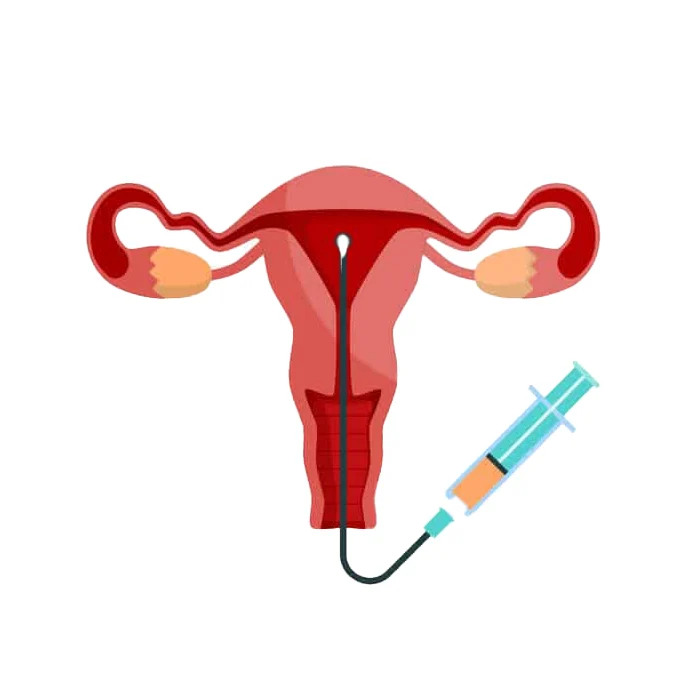
Artificial insemination involves the insertion of sperm directly into a woman’s uterus or cervix, bypassing the need for sexual intercourse. This method is often used by couples who have been unsuccessful in conceiving naturally or by same-sex couples or single individuals who want to have a child.
Timing is also crucial in artificial insemination, but in a slightly different way. Unlike natural conception, where couples need to time sexual intercourse during the fertile window, artificial insemination requires the timing of the insemination procedure. The timing of the procedure is critical as it needs to be done when the woman is ovulating to increase the chances of conception.
The Role of Timing: Artificial Insemination vs Natural Conception
There are two types of artificial insemination: intrauterine insemination (IUI) and intracervical insemination (ICI). In IUI, the sperm is inserted directly into the uterus, while in ICI, it is placed in the cervix. IUI is typically performed around 24-36 hours after the woman has received a trigger shot, which helps induce ovulation. On the other hand, ICI is usually done within a few hours of a positive ovulation test.
Timing is also essential in artificial insemination because sperm can only survive for a limited time outside of the body. To ensure the sperm is viable and can fertilize the egg, the timing of the procedure needs to be precise.
Which Method is More Effective?
When it comes to timing, both natural conception and artificial insemination require careful planning and consideration. However, studies have shown that artificial insemination may be more effective, especially for couples who have been struggling with fertility issues.
In natural conception, the chances of conceiving in each cycle are around 20%, while in artificial insemination, it can be as high as 25%. This is because artificial insemination allows for a higher concentration of sperm, increasing the chances of fertilization. Additionally, artificial insemination also bypasses any potential issues with sperm motility or the female reproductive system, which can affect natural conception.
Moreover, artificial insemination also allows for timing to be more controlled and precise. With natural conception, there is a higher chance of missing the fertile window, while artificial insemination can be timed to coincide with ovulation.
Summarizing the Role of Timing in Artificial Insemination vs Natural Conception
Timing plays a crucial role in both artificial insemination and natural conception. In natural conception, couples need to time sexual intercourse during the woman’s fertile window, while in artificial insemination, the timing of the procedure is essential. Both methods require careful planning and consideration to increase the chances of conception.
While natural conception may be the preferred method for many couples, artificial insemination may be a more effective option, especially for those struggling with fertility issues. With the ability to control timing and bypass potential issues, artificial insemination can increase the chances of conception and help couples start a family.
In conclusion, timing is a vital factor in both artificial insemination and natural conception. Whether couples choose to conceive naturally or opt for artificial insemination, understanding the role of timing can help them make an informed decision and increase their chances of success.