Tag: fertility medications

  • Exploring the Differences Between Fertility Medications and Surgical Options

    Exploring the Differences Between Fertility Medications and Surgical Options

    Fertility issues can be a challenging and emotional experience for individuals or couples trying to conceive. Fortunately, there are various fertility treatments available, including medications and surgical options, that can help improve the chances of pregnancy. However, understanding the differences between these treatment options is essential in making an informed decision about the best course of action for your specific situation. In this blog post, we will explore the differences between fertility medications and surgical options and how they work to increase fertility.

    Understanding Fertility Medications

    Fertility medications, also known as fertility drugs, are used to stimulate the ovaries to produce more eggs, regulate ovulation, and increase the chances of conception. These medications can be prescribed to women who have irregular menstrual cycles, polycystic ovary syndrome (PCOS), or other hormonal imbalances that affect fertility.

    The most commonly used fertility medications are Clomiphene citrate (Clomid) and Gonadotropins. Clomid is a pill that is taken orally and works by blocking estrogen receptors in the brain, causing the body to produce more follicle-stimulating hormone (FSH) and luteinizing hormone (LH). These hormones are responsible for stimulating the growth of follicles in the ovaries, which contain eggs. Gonadotropins, on the other hand, are injectable medications that contain FSH and LH and are used to directly stimulate the ovaries to produce more eggs.

    Fertility medications are often the first-line treatment for fertility issues and are generally well-tolerated with few side effects. However, they can increase the risk of multiple pregnancies and may not be suitable for women who have underlying medical conditions like ovarian cysts or uterine fibroids.

    Exploring Surgical Options for Fertility

    In some cases, fertility issues may be caused by structural or physical problems that cannot be corrected with medications. In such instances, surgical options may be recommended to improve fertility. These procedures are typically performed by a reproductive endocrinologist, a specialist in fertility and reproductive health.
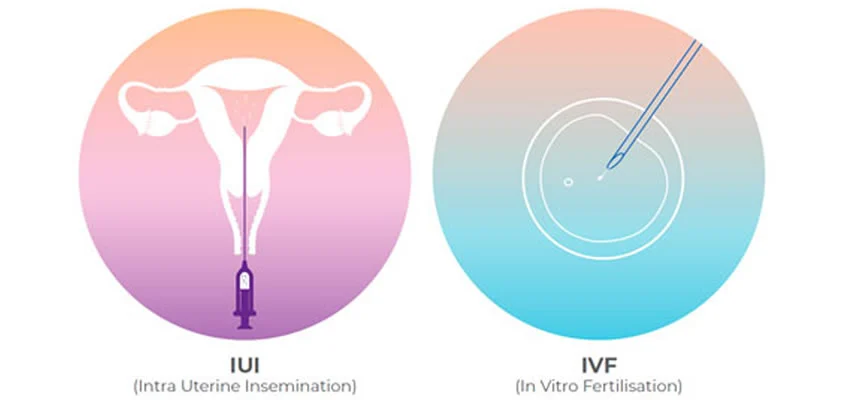
    comparison of IUI and IVF procedures illustrated with simple graphics and labels

    Exploring the Differences Between Fertility Medications and Surgical Options

    One of the most common surgical procedures for fertility is laparoscopy, which is a minimally invasive surgical technique that involves making small incisions in the abdomen to access and correct any abnormalities in the reproductive organs. It can be used to diagnose and treat conditions such as endometriosis, uterine fibroids, or blocked fallopian tubes. Another surgical procedure, hysteroscopy, involves inserting a thin, lighted tube through the cervix to examine and treat any abnormalities in the uterus that may affect fertility.

    Surgical options for fertility are generally safe and effective, but they do carry some risks, including infection, bleeding, and damage to surrounding organs. Recovery time may also vary, depending on the type of surgery and individual healing abilities.

    Which Option is Right for You?

    When it comes to choosing between fertility medications and surgical options, there is no one-size-fits-all approach. The best option for you will depend on various factors, including the cause of your fertility issues, your medical history, and your overall health. It is essential to consult with a fertility specialist to determine the most suitable treatment option for your specific situation.

    In some cases, a combination of both fertility medications and surgical procedures may be recommended, especially for women who have multiple fertility issues. For example, a woman with PCOS may be prescribed Clomid to stimulate ovulation and undergo laparoscopy to remove any ovarian cysts that may be affecting fertility.

    It is also crucial to consider the emotional and financial aspects of fertility treatments when deciding on the right option for you. Fertility medications are often more affordable and less invasive, while surgical options may require a more significant financial investment and longer recovery time.

    In conclusion, fertility medications and surgical options are two types of treatments available for individuals or couples struggling with fertility issues. While fertility medications work by stimulating ovulation and increasing the chances of conception, surgical options can correct structural or physical problems that may affect fertility. Ultimately, the best option for you will depend on various factors and should be discussed with a fertility specialist.

    Summary:

    Fertility issues can be a challenging and emotional experience, but there are various treatment options available. Fertility medications, such as Clomid and Gonadotropins, work by stimulating ovulation, while surgical options, like laparoscopy and hysteroscopy, can correct structural or physical problems that may affect fertility. The best option for an individual or couple will depend on factors such as the cause of fertility issues, medical history, and overall health, and should be discussed with a fertility specialist.

  • The Pros and Cons of Fertility Medications vs Surgical Treatments

    Blog Post:

    Fertility issues can be a difficult and emotional journey for many individuals and couples. When facing challenges with conceiving, there are various options available to help increase the chances of a successful pregnancy. Two common treatments for fertility problems are fertility medications and surgical procedures. Both approaches have their own set of pros and cons, and it’s important to weigh them carefully to make an informed decision. In this blog post, we will explore the pros and cons of fertility medications versus surgical treatments.

    Fertility Medications:

    Fertility medications are drugs that are used to stimulate the ovaries and help regulate the menstrual cycle. These medications can range from oral pills to injections, and they work by increasing hormone levels in the body. The most commonly used fertility medications are Clomiphene citrate, Gonadotropins, and Metformin.

    Pros:

    1. Non-invasive: One of the biggest advantages of fertility medications is that they are non-invasive. This means that they can be taken orally or through injections, eliminating the need for any surgical procedures.

    2. Cost-effective: Fertility medications are generally more affordable than surgical treatments. This can be a significant factor for couples who are struggling with fertility issues and already facing financial strain.

    3. Widely available: Fertility medications are readily available and can be prescribed by a gynecologist or fertility specialist. This makes it easier for couples to access them without having to travel long distances or wait for a specific procedure to be available.

    4. Low-risk: The risk of complications with fertility medications is relatively low compared to surgical treatments. While there may be mild side effects such as bloating, mood swings, and headaches, they are usually temporary and can be managed with the help of a doctor.

    Cons:

    1. Less effective: Fertility medications may not work for everyone and have a lower success rate compared to surgical treatments. This is especially true for individuals who have more severe fertility issues, such as blocked fallopian tubes or endometriosis.

    2. Multiple cycles: In some cases, multiple cycles of fertility medications may be needed before a successful pregnancy occurs. This can be emotionally and physically taxing for couples, as well as financially draining.

    3. Risk of multiple pregnancies: Fertility medications can increase the chances of having a multiple pregnancy, such as twins or triplets. While some couples may see this as a positive outcome, it can also increase the risk of complications during pregnancy and delivery.

    Illustration of intrauterine insemination (IUI) procedure with syringe and catheter in the uterus.

    The Pros and Cons of Fertility Medications vs Surgical Treatments

    Surgical Treatments:

    Surgical treatments for fertility issues involve procedures that are performed in a hospital or clinic setting. The most common surgical treatments for fertility problems include Intrauterine Insemination (IUI), In Vitro Fertilization (IVF), and Surgical Sperm Retrieval.

    Pros:

    1. Higher success rates: Surgical treatments have a higher success rate compared to fertility medications. This is because they directly address the underlying cause of infertility, such as blocked fallopian tubes or low sperm count.

    2. Customizable: Surgical treatments can be tailored to the specific needs of the individual or couple. For example, IVF can be used to address various fertility issues, including male factor infertility, unexplained infertility, and advanced maternal age.

    3. Can address more severe issues: Surgical treatments are more effective for individuals or couples who have more severe fertility issues. This includes conditions such as endometriosis, polycystic ovary syndrome (PCOS), and blocked fallopian tubes.

    Cons:

    1. Invasive and costly: Surgical treatments are more invasive and costly compared to fertility medications. They require specialized equipment, a team of medical professionals, and a sterile environment, which all contribute to the higher cost.

    2. Risk of complications: As with any surgery, there is a risk of complications with surgical treatments. This can include bleeding, infection, and damage to surrounding organs.

    3. Emotional toll: The process of undergoing surgery and the uncertainty of its success can take an emotional toll on individuals and couples. This can be especially difficult if multiple attempts are needed before a successful pregnancy occurs.

    Summary:

    When it comes to fertility treatments, there is no one-size-fits-all approach. Fertility medications are a non-invasive, cost-effective option that is widely available and has a low risk of complications. However, they may have a lower success rate and require multiple cycles. On the other hand, surgical treatments have a higher success rate and can address more severe fertility issues. However, they are more invasive, costly, and carry a higher risk of complications. The decision between fertility medications and surgical treatments ultimately depends on the individual or couple’s specific needs and preferences.

    SEO Metadata:

  • The Impact of Medications on At-Home and Clinical Insemination

    The Impact of Medications on At-Home and Clinical Insemination: A Comprehensive Guide

    Medications play a crucial role in the success of both at-home and clinical insemination. Insemination, also known as artificial insemination, is a form of assisted reproductive technology that involves placing sperm into a woman’s reproductive tract to facilitate fertilization. It is commonly used by couples struggling with fertility issues, as well as by same-sex couples and single individuals who want to start a family.

    While insemination can be done at home using a donor sperm kit, it can also be performed in a clinical setting with the help of a fertility specialist. In both cases, medications are often prescribed to increase the chances of successful fertilization. In this blog post, we will delve into the impact of medications on at-home and clinical insemination and discuss their importance in the process.

    The Role of Medications in At-Home Insemination

    At-home insemination involves using a donor sperm kit that contains all the necessary tools for the procedure. This method is often preferred by those who want to conceive in the comfort of their own home and at a lower cost compared to clinical insemination. However, the success rate of at-home insemination is significantly lower than that of clinical insemination, and this is where medications come into play.

    The most commonly used medication in at-home insemination is Clomiphene citrate, also known as Clomid. It is an oral medication that is used to induce ovulation in women who have trouble ovulating on their own. Ovulation is the process of releasing an egg from the ovary, and it is essential for pregnancy to occur. By taking Clomid, women can increase their chances of ovulating and thus, increase their chances of successful insemination.

    Another medication that is sometimes prescribed for at-home insemination is human chorionic gonadotropin (hCG). This hormone is naturally produced by the body after ovulation and is responsible for maintaining the uterine lining. In at-home insemination, hCG is used to trigger ovulation, which helps to time the insemination perfectly. This medication is usually administered as an injection, and it is crucial to follow the doctor’s instructions carefully to ensure its effectiveness.

    The Impact of Medications on Clinical Insemination

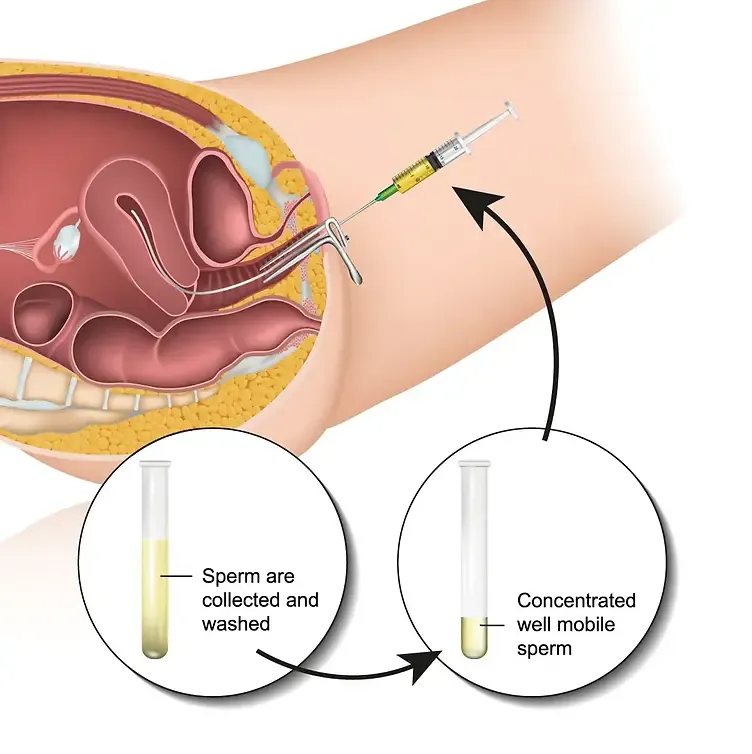
    Clinical insemination, also known as intrauterine insemination (IUI), involves placing washed sperm directly into the uterus using a catheter. This method is more invasive and requires the assistance of a fertility specialist. The success rate of clinical insemination is significantly higher than at-home insemination, but medications are still an essential part of the process.

    Illustration of intrauterine insemination process, showing sperm collection and injection into the uterus.

    The Impact of Medications on At-Home and Clinical Insemination

    In clinical insemination, the medications used are similar to those in at-home insemination, but the dosage and administration may differ. In addition to Clomid and hCG, gonadotropins are another type of medication that may be prescribed for clinical insemination. These are injectable hormones that stimulate the ovaries to produce multiple eggs, increasing the chances of successful fertilization.

    Progesterone is another medication that is commonly used in clinical insemination. It is a hormone that is naturally produced by the body after ovulation and is essential in preparing the uterus for pregnancy. Progesterone supplements may be prescribed to help thicken the uterine lining and make it more receptive to embryo implantation.

    The Importance of Monitoring and Timing

    In both at-home and clinical insemination, medications are not the only crucial factor in achieving pregnancy. Proper monitoring and timing are also essential for success. In at-home insemination, women are advised to track their ovulation using ovulation predictor kits or by monitoring their basal body temperature. This helps to determine the best time to perform the insemination.

    In clinical insemination, monitoring is done through blood tests and ultrasounds to track the development of follicles (structures that contain eggs) in the ovaries. This allows the fertility specialist to determine the best time to trigger ovulation and perform the insemination. Timing is crucial in both methods, as insemination should be done as close to ovulation as possible for the best chances of success.

    Potential Side Effects of Medications

    As with any medication, there are potential side effects that come with using medications for insemination. The most common side effects of Clomid and gonadotropins include hot flashes, mood swings, and abdominal discomfort. Some women may also experience ovarian hyperstimulation syndrome (OHSS), a condition where the ovaries become swollen and painful.

    Progesterone supplements may cause side effects such as bloating, breast tenderness, and mood swings. It is essential to discuss potential side effects with a doctor and to report any unusual symptoms. In rare cases, severe side effects such as allergic reactions or blood clots may occur, and immediate medical attention should be sought.

    In conclusion, medications play a crucial role in the success of both at-home and clinical insemination. They can help regulate ovulation, increase the chances of successful fertilization, and prepare the uterus for pregnancy. However, proper monitoring and timing are also crucial for the best chances of success. It is important to consult with a fertility specialist and follow their instructions carefully to ensure the safe and effective use of medications in insemination.

    SEO Metadata:

  • Navigating the Options: A Guide to Male and Female Infertility Treatments

    Navigating the Options: A Guide to Male and Female Infertility Treatments

    Infertility is a condition that affects millions of couples worldwide, causing emotional, physical, and financial stress. Both men and women can experience fertility issues, and it can be a challenging and overwhelming journey to navigate the various treatment options available. In this blog post, we will provide a comprehensive guide to the different male and female infertility treatments, their effectiveness, risks, and costs.

    Understanding Male and Female Infertility

    Before diving into the treatments, it’s essential to understand what causes male and female infertility. In women, infertility can be caused by issues such as ovulation disorders, blocked fallopian tubes, or uterine problems. In men, the most common cause is sperm abnormalities, including low sperm count, poor sperm motility, or abnormal sperm shape.

    It’s crucial to seek medical advice and undergo fertility testing to determine the underlying cause of infertility before starting any treatment. Identifying the cause can help determine the most suitable treatment plan for couples.

    Female Infertility Treatments

    1. Fertility Medications

    Fertility medications are often the first line of treatment for women with ovulation disorders. These medications work by stimulating the ovaries to produce more eggs, increasing the chances of pregnancy. The most commonly used fertility medications include Clomiphene citrate, Gonadotropins, and Metformin. These medications can be taken orally, injected, or inserted vaginally, depending on the specific medication.

    2. Intrauterine Insemination (IUI)

    IUI is a procedure that involves placing sperm directly into the uterus during ovulation. It’s often used in combination with fertility medications to increase the chances of pregnancy. IUI is a less invasive and less expensive option compared to other fertility treatments. However, it’s only suitable for couples with mild fertility issues and may not be effective for more severe cases.

    3. In vitro Fertilization (IVF)

    IVF is a more advanced and costly fertility treatment option for women. It involves collecting eggs from the ovaries, fertilizing them with sperm in a lab, and then transferring the resulting embryos into the uterus. IVF is suitable for couples with severe fertility issues, including blocked fallopian tubes, advanced maternal age, or endometriosis. However, it’s a more invasive and time-consuming process, and there is a risk of multiple pregnancies.

    4. Surgery

    In some cases, female infertility may be caused by structural issues such as uterine fibroids, polyps, or endometriosis. In these cases, surgery may be recommended to correct the issue and improve the chances of pregnancy. However, surgery is usually considered a last resort option and may not always be successful.

    comparison of IUI and IVF procedures illustrated with simple graphics and labels

    Navigating the Options: A Guide to Male and Female Infertility Treatments

    Male Infertility Treatments

    1. Surgery

    In some cases, male infertility may be caused by physical obstructions, such as a blocked vas deferens or epididymis. In these cases, surgery may be recommended to remove the blockage and improve sperm flow. However, surgery is not always successful, and there is a risk of complications.

    2. Medications

    Medications can also be prescribed for men with sperm abnormalities, such as low sperm count or poor sperm motility. These medications work by increasing sperm production or improving sperm quality. However, they may take a few months to show results, and they may not work for all men.

    3. Assisted Reproductive Techniques (ART)

    ART involves collecting sperm from the male partner and using it to fertilize the female partner’s eggs in a lab. The most common ART procedures include Intracytoplasmic Sperm Injection (ICSI) and Intrauterine Insemination (IUI). ART is often used in combination with fertility medications to increase the chances of pregnancy.

    4. Donor Sperm

    In cases where the male partner’s sperm is not suitable for fertilization, donor sperm can be used in ART procedures. Donor sperm is thoroughly screened for diseases and genetic disorders to ensure the health of the child.

    Navigating the Emotional and Financial Aspects of Infertility Treatments

    Infertility treatments can be emotionally and financially draining for couples. It’s essential to have open communication and seek support from loved ones throughout the process. It’s also crucial to understand the financial implications of each treatment option and discuss them with your healthcare provider. Some treatments may be covered by insurance, while others may require out-of-pocket expenses.

    Final Thoughts

    Dealing with infertility can be a challenging and emotional journey for couples. However, with the right information, support, and guidance, it’s possible to navigate the options and find a suitable treatment plan. It’s essential to work closely with your healthcare provider to determine the best course of action for your specific situation.

    In summary, male and female infertility treatments include fertility medications, intrauterine insemination, in vitro fertilization, surgery, and assisted reproductive techniques. Each option has its own effectiveness, risks, and costs, and it’s crucial to seek medical advice to determine the most suitable treatment plan. It’s also essential to consider the emotional and financial aspects of infertility treatments and have open communication and support throughout the process.

  • Intrauterine Insemination vs Timed Intercourse: Understanding the Potential Complications and Risks

    Blog Post: Intrauterine Insemination vs Timed Intercourse: Understanding the Potential Complications and Risks

    Deciding to start a family is an exciting and life-changing decision. However, for some couples, conceiving a child may not come as easily as they had hoped. In these situations, fertility treatments such as intrauterine insemination (IUI) and timed intercourse may be recommended by a fertility specialist. While both methods aim to increase the chances of pregnancy, they each come with their own set of potential complications and risks. In this blog post, we will dive into the differences between intrauterine insemination and timed intercourse and explore the potential complications and risks associated with each method.

    Intrauterine Insemination (IUI)

    Intrauterine insemination, also known as artificial insemination, is a fertility treatment method in which sperm is directly placed into a woman’s uterus during ovulation. This procedure is often used for couples with unexplained infertility or in cases where the male partner has a low sperm count or mobility.

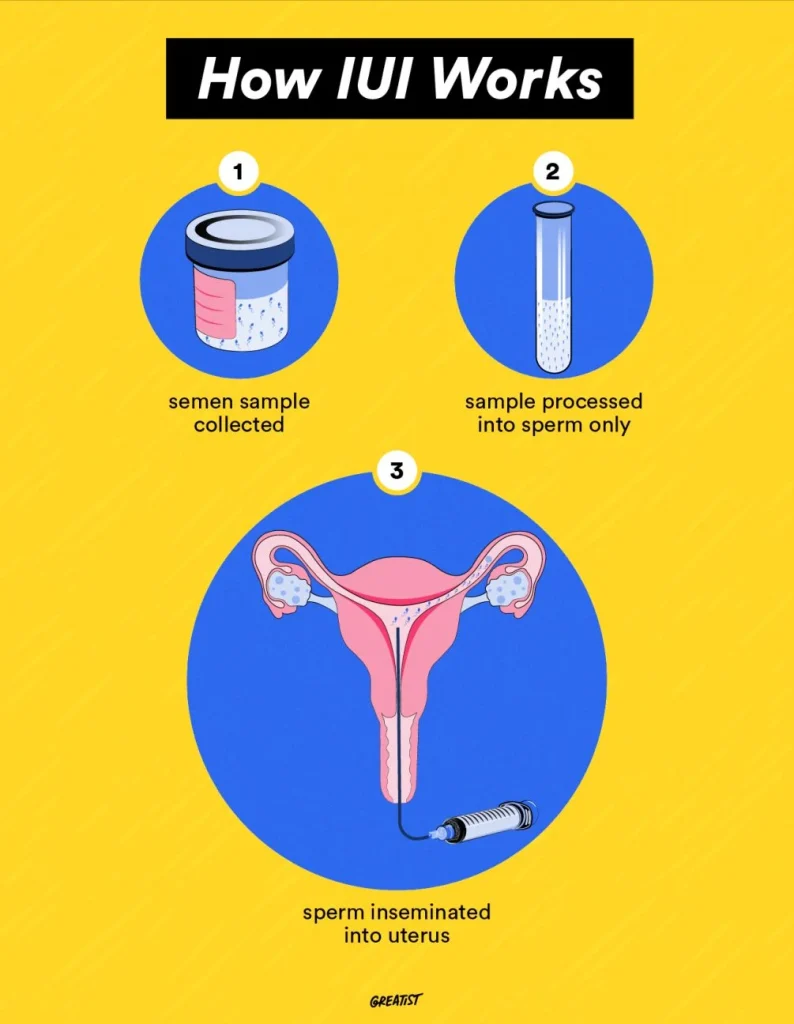
    The process of IUI involves a series of steps. First, the male partner’s sperm is washed and prepared in the laboratory to ensure only the healthiest and most motile sperm are used for the procedure. Then, a thin catheter is inserted through the vagina and cervix, allowing the sperm to be placed directly into the uterus. This procedure is usually painless and takes only a few minutes to complete.

    Potential Complications and Risks of IUI

    While IUI is generally considered a safe and minimally invasive procedure, there are still potential complications and risks that couples should be aware of. One of the most common risks is infection, which can occur if the catheter used during the procedure is not properly sterilized. In rare cases, IUI can also cause damage to the uterus or cervix.

    Another risk associated with IUI is the potential for multiple pregnancies. Because multiple eggs can be released during ovulation, there is a higher chance of conceiving multiples with IUI. This can increase the risks and complications during pregnancy and delivery, as well as the financial and emotional strain of raising multiple children.

    Timed Intercourse

    Illustration of intrauterine insemination (IUI) procedure with syringe and catheter in the uterus.

    Intrauterine Insemination vs Timed Intercourse: Understanding the Potential Complications and Risks

    Timed intercourse, also known as ovulation induction, is another fertility treatment method that involves tracking a woman’s ovulation cycle and timing intercourse accordingly. This method can be used for couples with unexplained infertility or in cases where the female partner has irregular ovulation.

    The process of timed intercourse typically begins with monitoring a woman’s ovulation using ovulation predictor kits or ultrasounds. Once ovulation is detected, the couple is instructed to have intercourse during the most fertile days of the cycle. In some cases, fertility medications may also be prescribed to stimulate ovulation and increase the chances of pregnancy.

    Potential Complications and Risks of Timed Intercourse

    While timed intercourse may seem like a simple and natural method of conceiving, there are still potential complications and risks that couples should be aware of. One of the most common risks is the possibility of missing the fertile window. Ovulation can be unpredictable, and if the timing of intercourse is off, the chances of conceiving decrease significantly.

    Another potential complication is the use of fertility medications. These medications can cause side effects such as bloating, mood swings, and abdominal pain. In rare cases, they may also lead to ovarian hyperstimulation syndrome (OHSS), a condition in which the ovaries become swollen and painful.

    Which Method is Right for You?

    The decision between IUI and timed intercourse ultimately depends on various factors, including the cause of infertility, the age of the woman, and the couple’s preferences. It is essential to discuss all available options with a fertility specialist to determine which method is best suited for your individual situation.

    Summary

    Intrauterine insemination and timed intercourse are two common fertility treatment methods used to increase the chances of pregnancy. While IUI involves placing sperm directly into the uterus during ovulation, timed intercourse involves tracking ovulation and timing intercourse accordingly. Both methods come with their own set of potential complications and risks, including infection, multiple pregnancies, missed fertile window, and side effects from fertility medications. It is crucial to consult with a fertility specialist to determine the best treatment option for your individual needs.

  • Intrauterine Insemination vs Timed Intercourse: How to Prepare Your Body for Pregnancy

    Blog Post:

    Preparing your body for pregnancy is an important step for anyone looking to start a family. For couples struggling with fertility, there are two commonly used methods to increase their chances of conception: intrauterine insemination (IUI) and timed intercourse. Both options have their own unique benefits and considerations, and it’s important to understand the differences between the two in order to make an informed decision. In this blog post, we will explore the key differences between IUI and timed intercourse, as well as how to prepare your body for pregnancy using either method.

    Intrauterine Insemination (IUI):

    IUI is a form of assisted reproductive technology (ART) where sperm is directly inserted into the uterus during a woman’s fertile window. This method is commonly used for couples with unexplained infertility, mild male factor infertility, or cervical issues. IUI can also be used for same-sex couples or single women who are using donor sperm.

    The procedure for IUI involves the use of a small catheter to insert the washed and prepared sperm into the uterus. This bypasses the cervix and allows the sperm to have a better chance of reaching the fallopian tubes and fertilizing the egg. IUI is typically painless and can be done in a doctor’s office without the need for anesthesia.

    Preparing Your Body for IUI:

    Before undergoing IUI, it’s important to prepare your body to increase your chances of success. This includes making lifestyle changes such as quitting smoking, reducing alcohol intake, and maintaining a healthy weight. It’s also important to have a pre-IUI checkup with your doctor to ensure that you are in good overall health and there are no underlying issues that may affect the procedure.

    In addition to lifestyle changes, your doctor may also prescribe fertility medications to stimulate ovulation and increase the number of eggs produced. These medications can include oral medications such as Clomid or injectable hormones like gonadotropins. It’s important to closely follow your doctor’s instructions and attend all monitoring appointments to ensure that the medications are working properly.

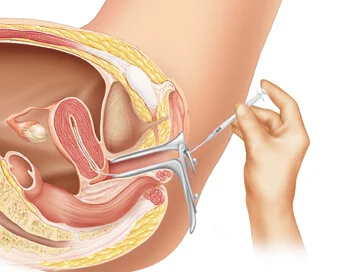
    illustration of intrauterine insemination procedure with a hand holding a speculum and syringe near the uterus

    Intrauterine Insemination vs Timed Intercourse: How to Prepare Your Body for Pregnancy

    Timed Intercourse:

    Timed intercourse is a natural method of trying to conceive where couples have sex during a woman’s fertile window. This is typically the five days leading up to ovulation and the day of ovulation itself. Timing is crucial for this method, as sperm can survive in the female reproductive tract for up to five days, while the egg is only viable for about 24 hours after ovulation.

    This method is often used for couples with unexplained infertility or mild male factor infertility. It can also be a more affordable option compared to IUI or other ART procedures. However, timed intercourse can be stressful for some couples, as it requires careful tracking of ovulation and frequent intercourse during the fertile window.

    Preparing Your Body for Timed Intercourse:

    Unlike IUI, there are no medical procedures involved in timed intercourse. However, there are still steps you can take to prepare your body for pregnancy. As with IUI, making lifestyle changes such as quitting smoking and reducing alcohol intake can improve fertility. Additionally, tracking ovulation through methods such as basal body temperature charting or ovulation predictor kits can help determine the best time for intercourse.

    It’s also important to maintain a healthy and balanced diet, as well as incorporating regular exercise into your routine. This can help regulate hormones and improve overall reproductive health. Some studies have also shown that certain supplements, such as folic acid, can improve fertility and increase the chances of conception.

    Summary:

    Intrauterine insemination (IUI) and timed intercourse are two commonly used methods for couples struggling with fertility. IUI involves the insertion of washed and prepared sperm into the uterus, while timed intercourse relies on natural conception during a woman’s fertile window. Both methods have their own unique benefits and considerations, and it’s important to prepare your body for pregnancy using either method. This includes making lifestyle changes, attending doctor appointments, and closely following instructions for fertility medications. Timed intercourse also requires careful tracking of ovulation and maintaining a healthy diet and exercise routine. By understanding the differences between IUI and timed intercourse and taking steps to prepare your body, you can increase your chances of conceiving and starting your journey towards parenthood.

  • Choosing the Right Path: Navigating Fertility Options

    Title: Choosing the Right Path: Navigating Fertility Options

    Fertility is a topic that is often surrounded by emotions, uncertainties, and difficult decisions. Couples who are trying to conceive may face challenges and roadblocks along the way, leading them to consider various fertility options. With the advancements in medical technology, there are now more options available than ever before. However, the abundance of choices can also make the decision-making process overwhelming and confusing. In this blog post, we will discuss the different fertility options available and provide guidance on choosing the right path for you and your partner.

    Understanding Fertility Options

    Before diving into the different fertility options, it is essential to have a basic understanding of fertility and how it works. Fertility refers to a person’s ability to conceive a child, and it is influenced by various factors such as age, health, and genetics. For couples who have been trying to conceive for over a year without success, they may be diagnosed with infertility. It is estimated that about 12% of couples in the United States struggle with infertility.

    Fertility options can be divided into two main categories: assisted reproductive technologies (ART) and non-ART options. ART includes procedures that involve the handling of eggs and sperm in a laboratory, such as in vitro fertilization (IVF), intrauterine insemination (IUI), and intracytoplasmic sperm injection (ICSI). Non-ART options, on the other hand, do not involve laboratory procedures and include fertility medications, surgery, and adoption.

    Factors to Consider When Choosing a Fertility Option

    When faced with fertility challenges, it can be challenging to determine which option is the best fit for you and your partner. Here are some factors to consider when making this decision:

    1. Age and Fertility: Age is a significant factor when it comes to fertility. As women age, their fertility declines, and the chances of conception decrease. It is essential to consider your age when choosing a fertility option and seek medical advice on the best course of action.

    2. Underlying Medical Conditions: Certain medical conditions can affect a person’s fertility, such as endometriosis, polycystic ovary syndrome (PCOS), or uterine fibroids. It is crucial to consult with a fertility specialist to determine if any underlying medical conditions are causing fertility issues and how they may impact your chosen fertility option.

    3. Financial Considerations: Fertility treatments can be expensive, and the cost varies depending on the type of procedure and the clinic. It is essential to consider your financial situation when choosing a fertility option and research insurance coverage or financing options that may be available.

    illustration explaining the steps of intrauterine insemination (IUI) process on a bright yellow background

    Choosing the Right Path: Navigating Fertility Options

    4. Emotional Readiness: Going through fertility treatments can be emotionally taxing for couples. It is essential to consider your emotional readiness and the potential impact on your mental health when making a decision. Seeking support from a therapist or support group can be beneficial during this process.

    5. Success Rates: It is essential to research the success rates of different fertility options and choose one that aligns with your goals and expectations. Keep in mind that success rates may vary depending on factors such as age and underlying medical conditions.

    Common Fertility Options

    1. In Vitro Fertilization (IVF): IVF is a type of ART that involves the fertilization of an egg with sperm in a laboratory and then transferring the embryo to the uterus. This procedure is usually recommended for couples with severe infertility issues, such as blocked fallopian tubes or low sperm count. IVF has a higher success rate compared to other fertility options but can be costly and emotionally challenging.

    2. Intrauterine Insemination (IUI): IUI is a non-ART option that involves the placement of sperm directly into the uterus during ovulation. This procedure is typically recommended for couples with mild fertility issues and has a lower success rate compared to IVF. It is less invasive and more affordable than IVF.

    3. Fertility Medications: Fertility medications are often used in conjunction with other fertility treatments to stimulate ovulation or improve the quality of eggs or sperm. They can also be used alone in the case of mild fertility issues. These medications can have side effects and should be used under the guidance of a fertility specialist.

    4. Surgery: In some cases, surgery may be recommended to correct underlying medical conditions that are causing fertility issues, such as blocked fallopian tubes or endometriosis. Surgery can improve the chances of natural conception or increase the success rate of other fertility treatments.

    5. Adoption: For some couples, adoption may be the best option to grow their family. Adoption can be a lengthy and expensive process, but it can be a rewarding way to become parents and provide a loving home to a child in need.

    Summary:

    Fertility is a complex and personal journey, and there is no one-size-fits-all solution. It is essential to consider various factors, such as age, underlying medical conditions, and financial considerations, when choosing a fertility option. The choice ultimately depends on the individual needs and goals of each couple. By understanding the different fertility options available and seeking guidance from a fertility specialist, couples can make an informed decision that is right for them.