Tag: sperm quality

  • The Impact of Age on the Quality of Frozen Donor Sperm vs Fresh Donor Sperm

    Blog Post:

    The use of donor sperm has become increasingly common for couples and individuals who are struggling with fertility issues. However, one factor that is often overlooked is the age of the donor sperm, whether it is frozen or fresh. This can have a significant impact on the quality of the sperm and ultimately affect the success of fertility treatments. In this blog post, we will explore the impact of age on the quality of frozen donor sperm versus fresh donor sperm and its implications for those using donor sperm for conception.

    Understanding the difference between frozen and fresh donor sperm:

    Before delving into the impact of age on the quality of donor sperm, it is important to understand the difference between frozen and fresh sperm. Fresh donor sperm is collected and used immediately, whereas frozen donor sperm is collected and then frozen for later use. Frozen sperm can be stored for years and thawed when needed, making it a more convenient option for fertility clinics and patients.

    The impact of age on frozen donor sperm:

    Frozen donor sperm is usually collected from young and healthy donors, which can be beneficial for couples and individuals seeking fertility treatments. The younger the donor, the better the quality of sperm. This is because sperm tends to decline in quality with age, leading to lower fertility rates and an increased risk of genetic abnormalities. Therefore, using frozen donor sperm from a young donor can increase the chances of a successful pregnancy.

    However, the quality of frozen donor sperm can also be affected by the freezing process. The freezing process can cause damage to the sperm, leading to a decrease in quality and viability. This is why it is essential for fertility clinics to follow proper freezing and thawing protocols to minimize the damage to the sperm. It is also important for patients to choose a reputable fertility clinic that has a high success rate with frozen donor sperm.

    The impact of age on fresh donor sperm:

    Fresh donor sperm is collected and used immediately, which means it is not affected by the freezing process. However, the age of the donor can still have a significant impact on the quality of the sperm. As mentioned earlier, sperm quality tends to decrease with age, and this can affect its ability to fertilize an egg. This is particularly important for couples and individuals using fresh donor sperm for intrauterine insemination (IUI) or in vitro fertilization (IVF). The age of the donor can also affect the chances of genetic abnormalities in the resulting embryo.
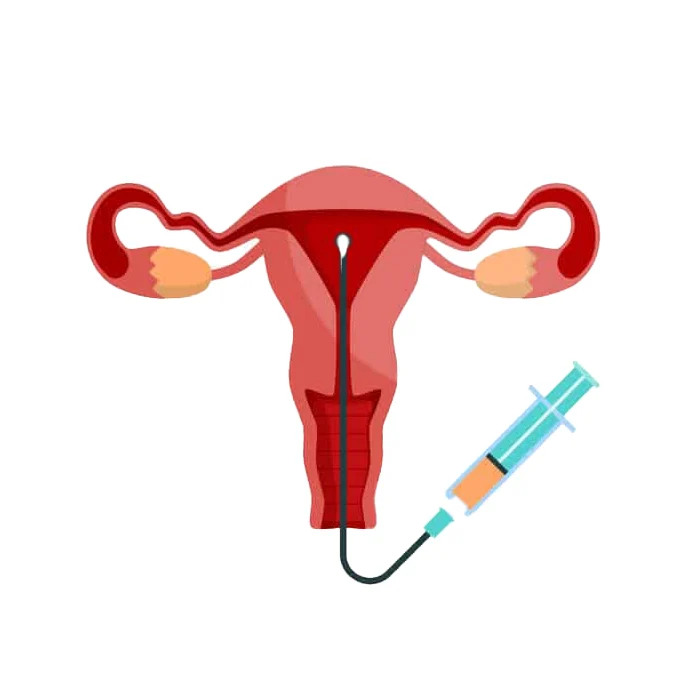
    illustration of a uterus with a syringe for intrauterine insemination (IUI) procedure

    The Impact of Age on the Quality of Frozen Donor Sperm vs Fresh Donor Sperm

    Fresh donor sperm from a younger donor is likely to have a higher sperm count, better motility, and fewer genetic abnormalities compared to sperm from an older donor. This can increase the chances of a successful pregnancy for couples and individuals undergoing fertility treatments.

    The importance of choosing a reputable sperm bank:

    Whether using frozen or fresh donor sperm, it is crucial to choose a reputable sperm bank. This is because the quality of the sperm is directly linked to the health and lifestyle of the donor. A reputable sperm bank will thoroughly screen and test their donors for any genetic abnormalities, infectious diseases, and lifestyle habits that can affect the quality of the sperm.

    Sperm banks also have age limits for their donors to ensure the best quality sperm for their clients. This may vary from bank to bank, but the general rule is that donors should be between 18-40 years old. It is important to research and choose a sperm bank that follows strict guidelines and protocols to ensure the best quality sperm for fertility treatments.

    The cost implications of using frozen and fresh donor sperm:

    Another factor to consider when choosing between frozen and fresh donor sperm is the cost. Fresh donor sperm is typically more expensive than frozen sperm because it requires more resources and time to collect and prepare. On the other hand, frozen donor sperm is more cost-effective as it can be stored for later use and does not require the same level of resources for collection and preparation.

    However, it is important to note that the success rates of fresh and frozen donor sperm may differ, which can ultimately affect the overall cost of fertility treatments. It is essential to discuss all the options with a fertility specialist to determine the best course of action based on individual circumstances and needs.

    In conclusion, the age of the donor sperm, whether it is frozen or fresh, can have a significant impact on the quality and success of fertility treatments. Both frozen and fresh donor sperm have their advantages and disadvantages, and it is important to consider all factors before making a decision. Choosing a reputable sperm bank and discussing all options with a fertility specialist is crucial for couples and individuals seeking fertility treatments.

    Summary:

    The age of donor sperm, whether it is frozen or fresh, can greatly impact the quality and success of fertility treatments. Frozen donor sperm from a younger donor is often preferred due to its higher quality, but the freezing process can also affect sperm quality. Fresh donor sperm is not affected by the freezing process, but the age of the donor can still impact its quality. It is important to choose a reputable sperm bank and discuss all options with a fertility specialist to determine the best course of action. Cost is also a factor to consider, as fresh donor sperm is more expensive than frozen sperm.
  • Frozen Donor Sperm vs Fresh Donor Sperm: The Impact on the Success Rate of IVF

    In recent years, there has been a significant increase in the use of assisted reproductive technology, particularly in vitro fertilization (IVF). As more people turn to IVF as a solution for fertility issues, the demand for donor sperm has also risen. However, when it comes to donor sperm, there are two options available – frozen or fresh. Both have their own advantages and disadvantages, but the question remains, which one has a higher success rate for IVF? In this blog post, we will explore the differences between frozen and fresh donor sperm and their impact on the success rate of IVF.

    Frozen Donor Sperm:
    Frozen donor sperm refers to sperm that has been collected, processed, and stored at a sperm bank or fertility clinic. It is typically frozen using liquid nitrogen and can be stored for many years. Frozen donor sperm is usually used in cases where the male partner is unable to produce sperm, or in cases where a single or same-sex female couple is seeking IVF treatment.

    Advantages of Frozen Donor Sperm:
    1. Availability: Frozen donor sperm is readily available at sperm banks and fertility clinics. This means that the selection process for a suitable donor is often quicker and more convenient.
    2. Cost: Frozen donor sperm is usually less expensive than fresh donor sperm, making it a more affordable option for couples seeking IVF treatment.
    3. Lower risk of disease transmission: Frozen donor sperm is stored and screened for any potential diseases before being used, reducing the risk of disease transmission to the recipient.
    4. Longer storage time: Frozen donor sperm can be stored for many years, allowing for multiple rounds of IVF treatment if needed.

    Disadvantages of Frozen Donor Sperm:
    1. Sperm quality: Frozen sperm may not survive the freezing and thawing process, resulting in a lower sperm count and reduced sperm quality.
    2. Limited genetic information: Unlike fresh donor sperm, which allows for more recent and updated genetic information, frozen donor sperm may have limited genetic information available.
    3. Thawing process: The process of thawing frozen sperm can sometimes result in damage to the sperm, affecting its quality and viability.

    Fresh Donor Sperm:
    Fresh donor sperm refers to sperm that is collected and used immediately for IVF treatment. Unlike frozen sperm, it is not stored for a certain period of time.

    Advantages of Fresh Donor Sperm:
    1. Higher sperm quality: Fresh donor sperm is typically of higher quality as it has not gone through the process of freezing and thawing.
    2. More recent genetic information: With fresh donor sperm, there is usually more recent and updated genetic information available, allowing for a more accurate selection process.
    3. More viable sperm: As fresh sperm is used immediately, there is a higher chance of more viable sperm being available for IVF treatment.

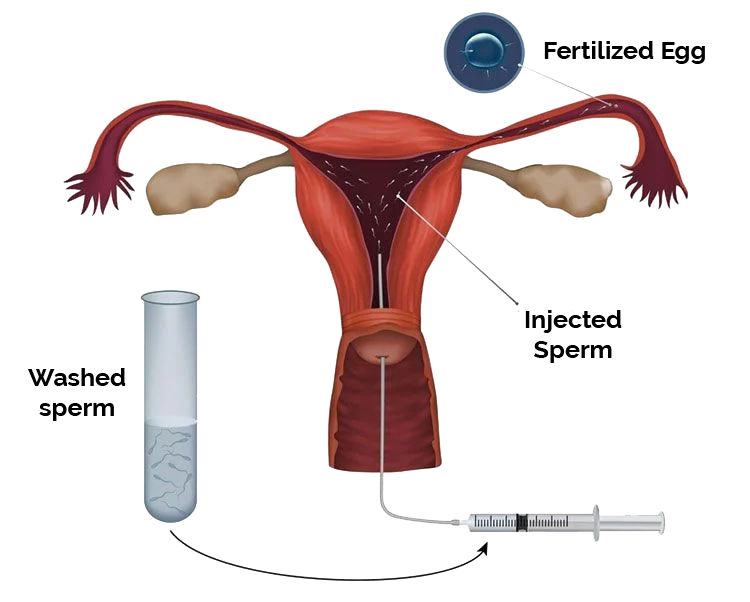
    diagram of the female reproductive system with an IUI syringe and test tube for artificial insemination

    Frozen Donor Sperm vs Fresh Donor Sperm: The Impact on the Success Rate of IVF

    Disadvantages of Fresh Donor Sperm:
    1. Availability: Fresh donor sperm may not be readily available, as it relies on the availability and schedule of the donor.
    2. Cost: Fresh donor sperm is typically more expensive than frozen donor sperm, making it a less affordable option for couples seeking IVF treatment.
    3. Risk of disease transmission: Fresh donor sperm may not have been screened for potential diseases, increasing the risk of disease transmission to the recipient.
    4. Limited storage time: Unlike frozen donor sperm, fresh sperm cannot be stored for long periods, limiting the number of IVF treatments that can be done.

    Impact on the Success Rate of IVF:
    The success rate of IVF depends on many factors, including the quality of the sperm used. Both frozen and fresh donor sperm have their own advantages and disadvantages, but which one has a higher success rate for IVF?

    Studies have shown that there is no significant difference in the success rates between frozen and fresh donor sperm. However, some factors may affect the success rates of each option. For frozen donor sperm, the freezing and thawing process may result in reduced sperm quality, affecting the success rate. On the other hand, for fresh donor sperm, the availability and timing of the sperm may impact the success rate as well.

    Ultimately, the success rate of IVF using donor sperm depends on the individual circumstances and the quality of the sperm used. It is essential to discuss the options with a fertility specialist to determine which option is best for each individual case.

    In conclusion, both frozen and fresh donor sperm have their own pros and cons, but they have a similar success rate when it comes to IVF. Factors such as sperm quality, availability, and cost may play a role in determining which option is best for a particular couple. It is crucial to consider all these factors and consult with a fertility specialist to make an informed decision.

    SEO metadata:

  • The Role of Acupuncture in Enhancing At-Home Intrauterine Insemination

    Blog Post Title: The Role of Acupuncture in Enhancing At-Home Intrauterine Insemination

    Acupuncture has been used for centuries as a form of traditional Chinese medicine to treat various health conditions. In recent years, it has gained popularity in the field of fertility and has been found to enhance the success of at-home intrauterine insemination (IUI). In this blog post, we will explore the role of acupuncture in enhancing at-home IUI and how it can benefit couples trying to conceive.

    What is At-Home Intrauterine Insemination?

    At-home intrauterine insemination (IUI) is a fertility treatment where washed and prepared sperm is placed directly into the uterus using a catheter. This procedure is often done at home by couples who are trying to conceive without the assistance of a medical professional. It is a less invasive and more cost-effective option compared to in-clinic IUI, making it a popular choice for many couples.

    The Role of Acupuncture in Enhancing At-Home IUI

    Acupuncture is believed to improve fertility by promoting relaxation, regulating hormones, increasing blood flow to the reproductive organs, and reducing inflammation. When used in conjunction with at-home IUI, it can enhance the success of the procedure in several ways.

    1. Promotes Relaxation and Reduces Stress

    Trying to conceive can be a stressful and emotionally taxing experience for couples. Stress and anxiety can have a negative impact on fertility by disrupting hormone levels and affecting the menstrual cycle. Acupuncture has been shown to promote relaxation and reduce stress levels, which can help improve the chances of conception.

    2. Regulates Hormones

    Hormonal imbalances can affect ovulation and the overall reproductive health of women. Acupuncture has been found to regulate hormone levels, especially the luteinizing hormone (LH) and follicle-stimulating hormone (FSH), which are essential for ovulation. By improving hormone balance, acupuncture can increase the chances of successful ovulation and conception.

    3. Increases Blood Flow to the Reproductive Organs

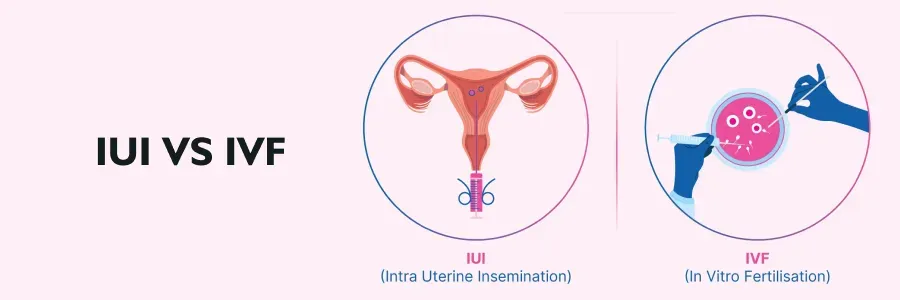
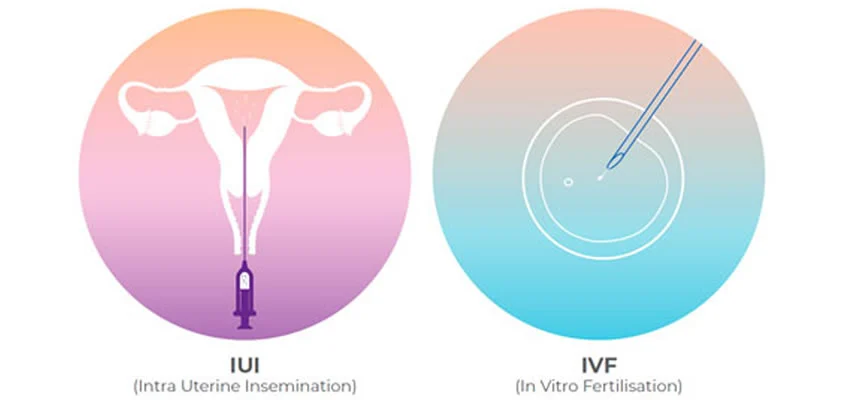
    comparison of IUI and IVF procedures illustrated with simple graphics and labels

    The Role of Acupuncture in Enhancing At-Home Intrauterine Insemination

    Proper blood flow is crucial for the health of the reproductive organs and the success of at-home IUI. Acupuncture has been found to increase blood flow to the uterus and ovaries, which can improve the thickness of the uterine lining and the quality of the eggs released during ovulation. This can result in a higher chance of successful fertilization and implantation.

    4. Improves Sperm Quality

    Acupuncture has been shown to improve sperm quality in men by increasing sperm count, motility, and morphology. This can improve the overall quality of the sperm used in at-home IUI, increasing the chances of successful fertilization.

    5. Reduces Inflammation

    Inflammation in the reproductive organs can interfere with fertility and the success of at-home IUI. Acupuncture has anti-inflammatory properties that can help reduce inflammation in the uterus and ovaries, promoting a healthy environment for conception.

    How to Incorporate Acupuncture into At-Home IUI

    Acupuncture can be incorporated into at-home IUI in two ways: pre-IUI and post-IUI treatments. Pre-IUI treatments usually begin a few weeks before ovulation and can help prepare the body for conception. Post-IUI treatments are done after the IUI procedure to enhance its success and support the pregnancy.

    During pre-IUI treatments, acupuncture can help regulate hormone levels, improve blood flow to the reproductive organs, and reduce stress levels. Post-IUI treatments can help promote implantation and support the early stages of pregnancy.

    It is essential to consult with a licensed acupuncturist who specializes in fertility to create a personalized treatment plan that addresses your specific needs and cycle.

    In Summary

    At-home intrauterine insemination (IUI) can be a successful fertility treatment for couples trying to conceive. The addition of acupuncture can enhance the success of at-home IUI by promoting relaxation, regulating hormones, increasing blood flow to the reproductive organs, improving sperm quality, and reducing inflammation.

    By incorporating acupuncture into the at-home IUI process, couples can increase their chances of successful conception and have a healthier pregnancy. It is crucial to consult with a licensed acupuncturist who specializes in fertility to create a personalized treatment plan that fits your unique needs.

  • The Role of Genetics in At-Home vs Clinic Intrauterine Insemination

    The Role of Genetics in At-Home vs Clinic Intrauterine Insemination

    Intrauterine insemination (IUI) is a commonly used fertility treatment that involves placing sperm directly into a woman’s uterus to increase the chances of fertilization. This procedure can be done at home or in a clinic, and while the process is similar, there are some key differences when it comes to the role of genetics.

    Genetics play a crucial role in the success of IUI, as it determines the quality and viability of the sperm and the potential genetic disorders that can be passed down to the child. In this blog post, we will explore the role of genetics in at-home vs clinic IUI and how it affects the outcomes of the procedure.

    At-Home IUI and Genetics:

    At-home IUI involves collecting the sperm sample at home and placing it into the uterus. This method is preferred by some couples as it is more convenient, less expensive, and allows for more privacy. However, when it comes to the role of genetics, at-home IUI may not be the best option.

    One of the main concerns with at-home IUI is the quality of the sperm sample. Sperm quality is determined by factors such as count, motility, and morphology. These factors can be affected by genetics, as some men may have genetic conditions that can lead to low sperm count or poor sperm quality. This can significantly reduce the chances of successful fertilization and pregnancy.

    In addition, at-home IUI does not involve any genetic screening or testing of the sperm sample. This means that any potential genetic disorders that the man may carry can be passed on to the child. This could lead to health issues for the child in the future, and in some cases, can even result in miscarriage or stillbirth.

    Clinic IUI and Genetics:

    In contrast, clinic IUI involves collecting the sperm sample at the clinic and performing genetic screening and testing before the procedure. This allows for a more thorough evaluation of the sperm quality and any potential genetic disorders that may be present.

    Genetic screening involves testing for any genetic conditions that can be passed down to the child. This can include chromosomal abnormalities, single gene disorders, and genetic mutations. By identifying these potential risks, couples can make informed decisions about their fertility treatment and seek appropriate medical advice.

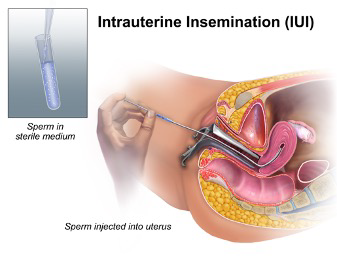
    Illustration of intrauterine insemination (IUI) procedure, showing sperm injection into the uterus.

    The Role of Genetics in At-Home vs Clinic Intrauterine Insemination

    In addition, clinic IUI also allows for the use of donor sperm, which undergoes rigorous genetic screening and testing before being used in the procedure. This ensures that the sperm used is of high quality and does not carry any genetic disorders.

    Genetics and the Success of IUI:

    The role of genetics in IUI goes beyond just the sperm sample. It also plays a significant role in the success of the procedure. According to a study published in the Journal of Assisted Reproduction and Genetics, genetic factors can influence the outcome of IUI, with some genetic variations being associated with decreased pregnancy rates.

    For example, variations in the FSHR gene have been linked to decreased pregnancy rates in IUI. This gene is responsible for follicle-stimulating hormone, which plays a crucial role in ovulation and fertility. Therefore, identifying these genetic variations through screening can help couples make more informed decisions about their fertility treatment and potentially improve their chances of success.

    Genetics and the Health of the Child:

    Aside from the success of the procedure, genetics also play a crucial role in the health of the child. As mentioned earlier, at-home IUI does not involve any genetic screening or testing, which can lead to potential health issues for the child.

    In contrast, clinic IUI with genetic screening and testing can help identify any potential genetic disorders that may be present in the sperm sample. This allows couples to make informed decisions about their fertility treatment and seek appropriate medical advice if needed.

    Furthermore, genetic screening can also help identify any carrier status for genetic disorders. This means that while the individual may not have a genetic disorder, they may carry a gene that can be passed down to their child. This information can be vital in making decisions about family planning and seeking proper medical care for the child if needed.

    In summary, genetics play a crucial role in the success of IUI and the health of the child. While at-home IUI may seem like a more convenient and less expensive option, it lacks the necessary genetic screening and testing that is essential for a successful and healthy pregnancy. Clinic IUI, on the other hand, offers a more comprehensive approach with genetic screening and testing, which can ultimately lead to better outcomes for both the parents and the child.

    In conclusion, when it comes to the role of genetics in IUI, clinic-based procedures are the preferred option. Not only do they offer a more thorough evaluation of the sperm sample, but they also provide important information about potential genetic disorders and carrier status. This allows couples to make informed decisions about their fertility treatment and the health of their future child.

  • Maximizing Success: Tips for At-Home Intrauterine Insemination

    Blog Post Title: Maximizing Success: Tips for At-Home Intrauterine Insemination

    Intrauterine insemination (IUI) is a common fertility treatment where sperm is placed directly into the uterus, increasing the chances of fertilization. While traditionally done in a medical setting, some couples may opt for at-home IUI for privacy, convenience, or cost reasons. However, at-home IUI requires careful preparation and execution to ensure success. In this blog post, we will discuss tips for maximizing success with at-home IUI.

    1. Understand the Process
    Before attempting at-home IUI, it is crucial to thoroughly understand the process and have a clear plan in place. This includes knowing when to start the process, how to track ovulation, and the timing of the insemination. It is recommended to consult with a fertility specialist to ensure proper understanding and preparation.

    2. Track Ovulation
    Timing is everything when it comes to IUI. It is essential to know when ovulation occurs to ensure the insemination is done during the most fertile window. There are various methods for tracking ovulation, such as using ovulation predictor kits, monitoring basal body temperature, or tracking cervical mucus changes. It is also important to note that ovulation can vary from month to month, so tracking for several cycles can provide a better understanding of your ovulation patterns.

    3. Prepare the Sperm
    The quality of sperm used in IUI can significantly impact the success rate. It is essential to have a semen analysis done to ensure that the sperm is viable and healthy. If the sperm quality is low, there are supplements and lifestyle changes that can improve sperm health. Additionally, the sperm must be handled and stored properly before the insemination to maintain its quality.

    Comparison of IUI and IVF with illustrations of each procedure.

    Maximizing Success: Tips for At-Home Intrauterine Insemination

    4. Create a Sterile Environment
    At-home IUI requires a sterile environment to reduce the risk of infection. It is crucial to clean and disinfect all surfaces and equipment used during the process, including the speculum, syringe, and any other tools. Hands should be thoroughly washed before handling anything, and gloves should be worn to prevent contamination.

    5. Follow Proper Technique
    The technique used for at-home IUI is similar to that used in a medical setting. It involves inserting a speculum to visualize the cervix and then using a syringe to deposit the sperm into the uterus. It is important to follow proper technique to ensure that the sperm is deposited in the correct location and that the cervix is not irritated or injured. If possible, have a partner or healthcare professional assist with the procedure.

    6. Relax and Stay Positive
    Stress and anxiety can have a negative impact on fertility. It is essential to remain calm and relaxed during the at-home IUI process. Consider practicing relaxation techniques such as deep breathing or meditation before and during the insemination. It may also be helpful to have a positive mindset and visualize a successful outcome.

    7. Monitor for Pregnancy
    After the insemination, it is important to monitor for signs of pregnancy. This can include tracking symptoms such as breast tenderness, fatigue, and nausea. It is also recommended to take a pregnancy test around two weeks after the insemination to confirm if the procedure was successful.

    In summary, at-home IUI can be a successful fertility treatment if done correctly. It is essential to understand the process, track ovulation, prepare the sperm, create a sterile environment, follow proper technique, and maintain a positive mindset. Consulting with a fertility specialist and having a partner or healthcare professional assist can also increase the chances of success with at-home IUI.

  • The Importance of Detoxification in Holistic Fertility Care

    Blog Post: The Importance of Detoxification in Holistic Fertility Care

    In recent years, there has been a growing interest in alternative and holistic approaches to fertility care. More and more couples are turning to natural methods to improve their chances of conceiving, and one key aspect of this is detoxification. The process of detoxification involves removing toxins from the body and has been shown to have numerous benefits for overall health and fertility. In this blog post, we will explore the importance of detoxification in holistic fertility care and how it can help couples on their journey to parenthood.

    What is Detoxification?

    The human body is exposed to toxins on a daily basis, whether it is through the food we eat, the products we use, or the environment we live in. These toxins can accumulate in our bodies and have a negative impact on our health and fertility. Detoxification is the process of eliminating these toxins from the body, usually through diet and lifestyle changes. It is a natural process that our bodies are designed to do but can be hindered if we are constantly bombarded with toxins.

    Detoxification and Fertility

    The link between detoxification and fertility may not be immediately apparent, but the two are closely connected. When our bodies are overloaded with toxins, it can affect our hormonal balance, which is crucial for fertility. Toxins can disrupt the production of reproductive hormones, such as estrogen and progesterone, and can also affect the health of our eggs and sperm. This can lead to irregular menstrual cycles, difficulty ovulating, and low sperm count and quality.

    In addition, toxins can also cause inflammation in the body, which can interfere with the implantation of a fertilized egg and increase the risk of miscarriage. By detoxifying our bodies, we can reduce the toxic burden and improve our overall health, making it easier for us to conceive and carry a healthy pregnancy.

    Detoxification and Egg Quality

    For women, the health of our eggs is a crucial factor in fertility. As we age, the quality of our eggs naturally declines, but environmental toxins can accelerate this process. Studies have shown that exposure to toxins like heavy metals, pesticides, and BPA can damage our eggs and decrease their quality. This can make it more difficult to conceive and increase the risk of chromosomal abnormalities and pregnancy complications.

    By undergoing a detoxification process, we can reduce our exposure to these toxins and give our bodies the chance to repair and rejuvenate our eggs. This can lead to better egg quality, making it easier to conceive and have a healthy pregnancy.

    Detoxification and Sperm Quality

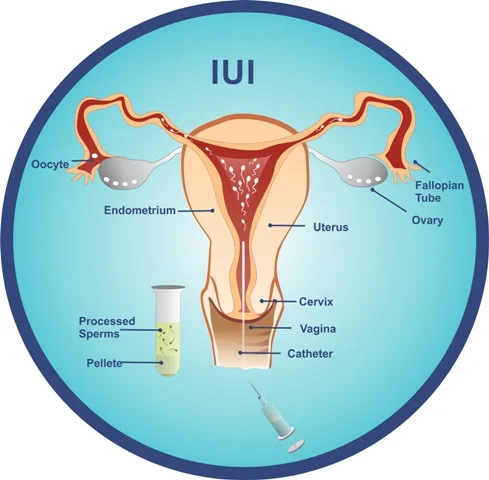
    diagram illustrating intrauterine insemination (IUI) with labeled reproductive anatomy and procedures

    The Importance of Detoxification in Holistic Fertility Care

    Men are not exempt from the effects of toxins on fertility. In fact, studies have shown that exposure to environmental toxins can have a significant impact on sperm quality. Toxins can damage sperm DNA, decrease sperm count and motility, and increase the risk of birth defects in offspring. This can make it more challenging for couples to conceive and increase the risk of miscarriage and birth defects.

    By detoxifying, men can reduce their exposure to toxins and improve the health and quality of their sperm. This can increase their chances of successfully conceiving with their partner and having a healthy baby.

    Types of Detoxification

    There are various ways to detoxify the body, and the best approach will depend on an individual’s specific needs. Some of the most common methods include:

    1. Diet – Eliminating processed foods, sugar, and alcohol and increasing intake of whole, nutrient-dense foods can help reduce the toxic burden on the body.

    2. Supplements – Certain supplements, such as probiotics, antioxidants, and liver-supportive herbs, can aid in the detoxification process.

    3. Lifestyle Changes – Avoiding exposure to toxins, such as pesticides, chemicals, and plastics, and incorporating stress-reducing activities like yoga and meditation can also support detoxification.

    4. Fasting – Intermittent fasting or juice cleanses can give the body a break from digesting and processing food, allowing it to focus on eliminating toxins.

    5. Colon Hydrotherapy – This involves flushing the colon with water to remove waste and toxins from the body.

    It is essential to consult with a healthcare professional before starting any detoxification program to ensure it is safe and suitable for your individual needs.

    Summary:

    In conclusion, detoxification is a crucial aspect of holistic fertility care. By reducing the toxic burden on our bodies, we can improve hormonal balance, egg and sperm quality, and overall health, making it easier to conceive and have a healthy pregnancy. There are various methods of detoxification, and finding the right approach for you can help support your fertility journey. Remember to always consult with a healthcare professional before starting any detoxification program.

  • The Impact of Stress on Clinical Insemination Success Rates

    Blog Post:

    Clinical insemination, also known as intrauterine insemination (IUI), is a common fertility treatment used to help couples struggling with infertility. It involves placing washed and prepared sperm directly into a woman’s uterus, increasing the chances of fertilization and pregnancy. While this procedure may seem straightforward, it is not always successful. One important factor that can greatly affect the success rates of clinical insemination is stress.

    The Impact of Stress on Clinical Insemination Success Rates

    Stress is a natural response to challenging or overwhelming situations, and it is a common experience for individuals undergoing fertility treatments. In fact, studies have shown that couples dealing with infertility experience higher levels of stress and anxiety compared to those who are not struggling with fertility issues. This stress can come from various sources, such as financial strain, relationship strain, and the emotional toll of trying to conceive.

    But how exactly does stress impact the success rates of clinical insemination? Let’s take a closer look at the potential effects of stress on this fertility treatment.

    1. Hormonal Imbalance

    Stress can disrupt hormonal balance in the body, particularly the hormones involved in the menstrual cycle and ovulation. This can affect the quality and timing of ovulation, which is crucial for successful clinical insemination. Hormonal imbalances can also lead to irregular or absent periods, making it difficult to track the best time for insemination.

    2. Decreased Sperm Quality

    Stress can also impact male fertility by decreasing sperm quality. Studies have shown that chronic stress can lead to lower sperm concentration, motility, and overall quality. This can greatly reduce the chances of successful fertilization during clinical insemination.

    3. Reduced Blood Flow to the Uterus

    Stress can cause the body to release a hormone called cortisol, which can constrict blood vessels and decrease blood flow to the uterus. This reduced blood flow can make it difficult for the sperm to reach the egg and can also affect the uterine lining, making it less receptive to implantation.

    4. Increased Risk of Miscarriage

    Stress has been linked to an increased risk of miscarriage in women undergoing fertility treatments. This is because stress can affect the immune system, making it more difficult for the body to support a developing pregnancy. This is especially important to consider during clinical insemination, as the procedure involves introducing sperm directly into the uterus, increasing the risk of miscarriage if the body is not in an optimal state.

    5. Negative Impact on Mental Health

    diagram of the female reproductive system with an IUI syringe and test tube for artificial insemination

    The Impact of Stress on Clinical Insemination Success Rates

    Dealing with infertility and undergoing fertility treatments can take a toll on an individual’s mental health. Stress, anxiety, and depression are common among couples struggling to conceive. These mental health issues can not only make the fertility journey more difficult, but they can also have a negative impact on the success rates of clinical insemination. Studies have shown that individuals with higher levels of stress and anxiety have lower pregnancy rates after fertility treatments.

    How to Manage Stress During Clinical Insemination

    While it may not be possible to eliminate stress completely during clinical insemination, there are steps that individuals and couples can take to manage and reduce stress levels.

    1. Seek Support

    Dealing with infertility can be a lonely and isolating experience. It is important to seek support from loved ones, friends, or a therapist to help manage stress and emotions during this time. Support groups can also provide a safe space to connect with others who are going through a similar journey.

    2. Practice Mindfulness

    Mindfulness techniques, such as meditation and deep breathing, can help individuals cope with stress and anxiety. These practices can help reduce cortisol levels and promote a sense of calm and relaxation.

    3. Exercise Regularly

    Physical activity is not only beneficial for overall health, but it can also help reduce stress levels. Regular exercise can increase endorphins, which are known as “feel-good” hormones. It can also improve blood flow and promote a healthy weight, which can positively impact fertility.

    4. Try Acupuncture

    Acupuncture has been shown to reduce stress and improve fertility outcomes. This ancient Chinese practice involves inserting thin needles into specific points on the body to restore balance and promote relaxation.

    5. Consider Counseling

    Individual or couples counseling can provide a safe and supportive environment to work through the emotional toll of infertility. A therapist can also provide coping strategies and tools to manage stress during clinical insemination.

    Summary:

    Stress can have a significant impact on the success rates of clinical insemination. It can disrupt hormonal balance, decrease sperm quality, reduce blood flow to the uterus, increase the risk of miscarriage, and have a negative impact on mental health. To manage stress during this fertility treatment, individuals can seek support, practice mindfulness, exercise regularly, try acupuncture, and consider counseling.

  • The Role of Sperm Quality in At-Home vs Clinical Insemination

    Blog Post:

    When it comes to starting a family, many couples turn to assisted reproductive technologies (ART) such as intrauterine insemination (IUI) or in vitro fertilization (IVF). These procedures often involve the use of sperm from a sperm bank or a known donor, and the quality of the sperm is a crucial factor in the success of the procedure. But what about at-home insemination, where couples use a DIY approach to insemination? Does sperm quality play a significant role in the success of this method as well? In this blog post, we will discuss the role of sperm quality in at-home vs clinical insemination.

    Sperm Quality and Fertility:

    Before diving into the differences between at-home and clinical insemination, it’s essential to understand the importance of sperm quality in fertility. Sperm quality refers to the health and viability of the sperm, which is determined by factors such as sperm count, motility, and morphology. Sperm must have the ability to swim and penetrate the egg for successful fertilization to occur. Therefore, sperm quality is directly linked to a couple’s chances of conceiving.

    Clinical Insemination:

    Clinical insemination, also known as artificial insemination, is a medical procedure usually performed in a fertility clinic. It involves the placement of sperm directly into a woman’s uterus, bypassing the cervix and increasing the chances of fertilization. There are two types of clinical insemination: IUI and IVF.

    In IUI, a sperm sample is obtained from either a sperm bank or a known donor, washed, and then inserted into the uterus through a thin catheter. This process is typically done around the time of ovulation to increase the chances of sperm meeting the egg. IVF, on the other hand, involves retrieving eggs from the woman’s ovaries and fertilizing them in a laboratory with sperm from a donor or partner. The resulting embryos are then transferred into the woman’s uterus.

    Sperm quality plays a crucial role in the success of clinical insemination. In IUI, the washed sperm must have good motility and be able to swim through the uterus to reach the egg. In IVF, the sperm must be able to fertilize the egg in the laboratory. If the sperm quality is poor, the chances of a successful pregnancy are significantly reduced in both procedures.

    At-Home Insemination:

    Comparison of IVF and IUI procedures with illustrations of each method.

    The Role of Sperm Quality in At-Home vs Clinical Insemination

    At-home insemination involves the use of a syringe or a cervical cap to deposit sperm into the vagina near the cervix. This method is often used by same-sex couples or those struggling with fertility issues. Unlike clinical insemination, at-home insemination does not require any medical intervention and can be done in the comfort of one’s home.

    But does sperm quality matter in at-home insemination? The answer is yes. While the sperm does not have to swim through the uterus like in IUI, it still needs to reach the egg for fertilization to occur. Poor sperm quality can hinder this process and decrease the chances of conception. Additionally, at-home insemination does not involve any medical supervision, so it’s crucial for couples to ensure that the sperm used is of good quality.

    Improving Sperm Quality:

    Now that we understand the importance of sperm quality in both clinical and at-home insemination, it’s essential to know how to improve sperm quality. Lifestyle factors such as diet, exercise, and avoiding harmful substances like alcohol and tobacco can have a significant impact on sperm quality. Additionally, certain vitamins and supplements have been shown to improve sperm health, such as zinc, vitamin C, and CoQ10.

    Couples can also opt for advanced sperm testing, such as a semen analysis, to determine the quality of the sperm and address any underlying issues. In cases where the male partner’s sperm quality is low, there are options for sperm improvement, such as intra-cytoplasmic sperm injection (ICSI) during IVF, where a single sperm is injected directly into the egg.

    Conclusion:

    In conclusion, sperm quality plays a crucial role in both at-home and clinical insemination. While clinical insemination involves medical intervention and a more controlled environment, at-home insemination relies on the quality of the sperm used. Couples must prioritize improving sperm quality through lifestyle changes and advanced testing for a higher chance of success in both methods.

    Summary:

    Sperm quality is a vital factor in fertility, and it plays a significant role in both at-home and clinical insemination. In clinical insemination, the sperm must have good motility and be able to fertilize the egg either in the uterus or in a laboratory. At-home insemination, although less invasive, still requires good sperm quality for successful fertilization to occur. Couples can improve sperm quality through lifestyle changes, advanced testing, and treatment options such as ICSI during IVF.

  • The Role of Timing in At-Home and Clinical Insemination

    The Role of Timing in At-Home and Clinical Insemination

    Insemination, also known as artificial insemination, is a method of assisted reproduction where sperm is introduced into the reproductive tract of a female in order to achieve pregnancy. This can be done at home or in a clinical setting. While the success rates of at-home and clinical insemination are similar, one key factor that can greatly impact the success of the procedure is timing. In this blog post, we will explore the role of timing in both at-home and clinical insemination and how it can affect the chances of achieving pregnancy.

    Timing in At-Home Insemination

    At-home insemination, also known as self-insemination, is the process of performing the procedure in the comfort of one’s own home. This method is often chosen by couples or individuals who are looking for a more intimate and cost-effective way to conceive. However, timing is crucial in at-home insemination and can greatly impact the success of the procedure.

    The most important factor in at-home insemination is tracking ovulation. Ovulation is when an egg is released from the ovary and is the most fertile time during a woman’s menstrual cycle. In order for pregnancy to occur, sperm must be present in the reproductive tract at the time of ovulation. This is why tracking ovulation is crucial in at-home insemination.

    There are several methods of tracking ovulation, such as using ovulation predictor kits, tracking basal body temperature, or monitoring cervical mucus changes. By using one or a combination of these methods, individuals can determine the most fertile days of their cycle and time the insemination accordingly. Timing the insemination during these fertile days can greatly increase the chances of pregnancy.

    In addition to tracking ovulation, the timing of the insemination itself is also important. Sperm can survive in the female reproductive tract for up to five days, but the window of optimal fertility is only about 24 hours around ovulation. Therefore, it is recommended to inseminate within 24 hours of ovulation for the best chances of success. Timing the insemination too early or too late can significantly reduce the chances of pregnancy.

    Timing in Clinical Insemination

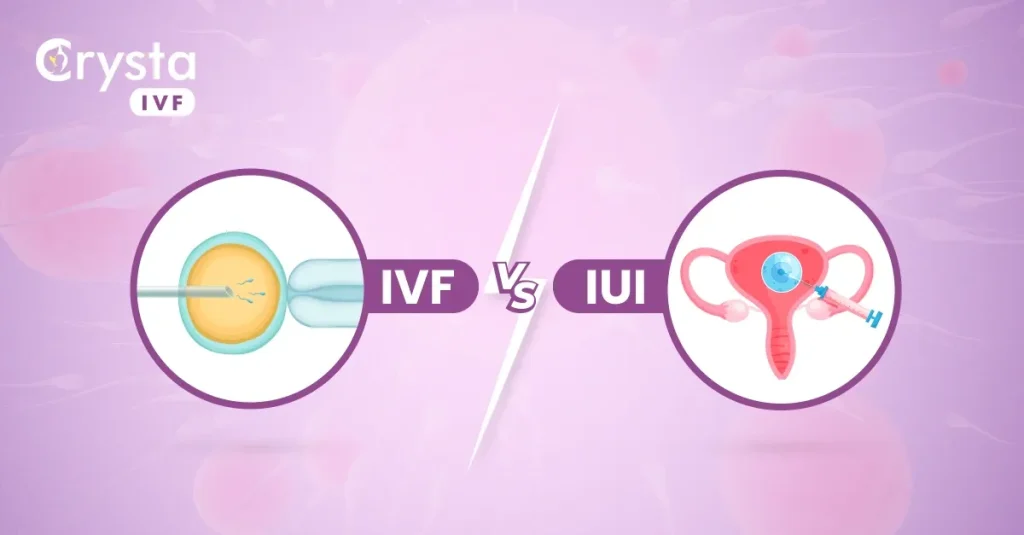
    IVF vs IUI comparison with illustrations of reproductive processes and a flower on a pregnant belly.

    The Role of Timing in At-Home and Clinical Insemination

    Clinical insemination, also known as intrauterine insemination (IUI), is a procedure that is performed by a healthcare professional in a clinical setting. This method of insemination involves placing specially prepared sperm directly into the uterus, bypassing the cervix and increasing the chances of fertilization. While timing is still important in clinical insemination, the process is more controlled and precise compared to at-home insemination.

    In clinical insemination, the timing of the procedure is based on the results of ovulation tracking. This is usually done through ultrasound imaging and blood tests to determine the exact time of ovulation. Once the optimal time is determined, the insemination can be scheduled accordingly. This ensures that the sperm is placed in the uterus at the most fertile time, increasing the chances of fertilization and pregnancy.

    In addition to timing the procedure, the quality of the sperm also plays a crucial role in the success of clinical insemination. Sperm quality can be affected by various factors such as age, health, and lifestyle choices. Therefore, it is important for individuals undergoing clinical insemination to have their sperm quality evaluated beforehand. This will help determine the best timing for the procedure and increase the chances of success.

    The Impact of Timing on Success Rates

    Timing is a crucial factor in both at-home and clinical insemination, and it can greatly impact the success rates of the procedure. In at-home insemination, timing the insemination during the most fertile days can increase the chances of pregnancy. However, if the timing is off, it can significantly reduce the chances of success. Similarly, in clinical insemination, timing the procedure during the most fertile time and using high-quality sperm can greatly increase the chances of pregnancy.

    Moreover, timing is also important in terms of emotional readiness and preparation for the procedure. At-home insemination requires individuals to be well-informed and prepared to perform the procedure themselves, while clinical insemination may require multiple visits to the clinic and more involvement from healthcare professionals. Timing the insemination when one is emotionally and mentally prepared can also contribute to the success of the procedure.

    Conclusion

    Insemination, whether done at home or in a clinical setting, is a viable option for individuals or couples looking to conceive. However, timing plays a crucial role in the success of the procedure. Tracking ovulation and timing the insemination accordingly can greatly increase the chances of pregnancy. In clinical insemination, the timing of the procedure is based on precise ovulation tracking and the use of high-quality sperm. Therefore, it is important for individuals to understand the role of timing in insemination and consult with a healthcare professional for the best chances of success.

  • Fertility Acupuncture and Male Infertility: Addressing Underlying Causes

    Blog Post:

    Fertility Acupuncture and Male Infertility: Addressing Underlying Causes

    Infertility affects approximately 15% of couples worldwide, with male infertility being the underlying cause in about 40% of cases. While there are various treatment options available for male infertility, one alternative therapy that has gained popularity in recent years is fertility acupuncture. This ancient Chinese practice involves the insertion of thin needles at specific points on the body to stimulate energy flow and promote overall well-being. In this blog post, we will explore the role of fertility acupuncture in addressing underlying causes of male infertility.

    Understanding Male Infertility

    Before delving into the details of fertility acupuncture, it is crucial to understand the root causes of male infertility. Male infertility can be attributed to various factors such as hormonal imbalances, structural issues, genetic disorders, and lifestyle factors. These underlying causes can affect the quality and quantity of sperm, making it difficult for couples to conceive.

    How Fertility Acupuncture Can Help

    Fertility acupuncture has been used for centuries in traditional Chinese medicine to treat a wide range of health conditions, including infertility. This holistic approach focuses on balancing the body’s energy flow, also known as Qi, to promote overall health and well-being. In the case of male infertility, fertility acupuncture aims to address the underlying causes by:

    1. Improving Sperm Quality and Quantity

    Studies have shown that acupuncture can help improve sperm quality and quantity. The stimulation of specific acupuncture points can increase blood flow to the reproductive organs, which, in turn, can enhance the production of healthy sperm. Acupuncture has also been found to reduce oxidative stress, which can damage sperm DNA and lead to male infertility.

    2. Balancing Hormones

    Hormonal imbalances can be a significant factor in male infertility. Acupuncture can help regulate hormone levels by stimulating the hypothalamus and pituitary gland, which are responsible for producing key reproductive hormones. This can help address issues such as low testosterone levels, which can affect sperm production.

    3. Addressing Structural Issues

    illustration of a uterus with a syringe for intrauterine insemination (IUI) procedure

    Fertility Acupuncture and Male Infertility: Addressing Underlying Causes

    Structural issues, such as varicoceles, can affect sperm production and lead to male infertility. Acupuncture can help improve blood flow and reduce inflammation in the affected areas, which can improve sperm quality and quantity. It can also help alleviate pain and discomfort associated with varicoceles.

    4. Reducing Stress and Anxiety

    Stress and anxiety can have a significant impact on male fertility. Acupuncture can help promote relaxation and reduce stress hormones, such as cortisol, which can interfere with reproductive hormones. It can also help with anxiety and depression, which can be common among couples struggling with infertility.

    5. Improving Overall Health and Well-being

    Fertility acupuncture takes a holistic approach to health, focusing on balancing the body’s energy flow and promoting overall well-being. By addressing underlying causes of male infertility, acupuncture can help improve overall health, which, in turn, can enhance fertility.

    The Role of Diet and Lifestyle Changes

    In addition to fertility acupuncture, adopting a healthy diet and making lifestyle changes can also play a crucial role in addressing underlying causes of male infertility. A diet rich in antioxidants, vitamins, and minerals can help improve sperm quality and quantity. Avoiding excessive alcohol consumption, smoking, and exposure to toxins can also have a positive impact on male fertility.

    Choosing a Qualified Acupuncturist

    While fertility acupuncture has shown promising results in addressing male infertility, it is essential to choose a qualified acupuncturist with experience in treating fertility issues. They should be able to provide a personalized treatment plan based on your specific needs and address any concerns you may have.

    In conclusion, fertility acupuncture can be a beneficial alternative therapy for couples struggling with male infertility. By addressing underlying causes and promoting overall well-being, it can help improve sperm quality and quantity, regulate hormones, reduce stress and anxiety, and enhance overall health. Along with a healthy diet and lifestyle changes, fertility acupuncture can increase the chances of conceiving and help couples achieve their dream of starting a family.

    Summary:

    Male infertility affects a significant percentage of couples worldwide, and while there are various treatment options available, fertility acupuncture has gained popularity in recent years. This ancient Chinese practice aims to address underlying causes of male infertility by improving sperm quality and quantity, balancing hormones, addressing structural issues, reducing stress and anxiety, and promoting overall well-being. Along with a healthy diet and lifestyle changes, fertility acupuncture can increase the chances of conceiving and help couples achieve their dream of starting a family.