Tag: medications

  • Navigating the World of Fertility Products: Medications vs Supplements

    Navigating the World of Fertility Products: Medications vs Supplements

    When trying to conceive, couples often turn to various fertility products to increase their chances of success. However, with so many options available on the market, it can be overwhelming and confusing to know which products are worth investing in. Two of the most common types of fertility products are medications and supplements. In this blog post, we will explore the differences between these two categories and provide guidance on navigating the world of fertility products.

    Medications for Fertility

    Medications for fertility are prescribed by a doctor and are typically used to treat specific medical conditions or hormonal imbalances that may be impacting fertility. These medications are regulated by the FDA and can only be obtained with a prescription. Some common types of fertility medications include:

    1. Clomiphene citrate: This medication is used to induce ovulation in women who are not ovulating regularly.

    2. Human Chorionic Gonadotropin (hCG): This hormone is used to trigger ovulation in women undergoing fertility treatments.

    3. Gonadotropins: These hormones are used to stimulate the ovaries to produce multiple eggs, increasing the chances of conception.

    4. Metformin: This medication is often prescribed for women with polycystic ovary syndrome (PCOS) to regulate their menstrual cycles and improve fertility.

    Medications for fertility can be highly effective in treating underlying medical conditions and helping couples achieve their dream of starting a family. However, they can also have side effects and may not be suitable for everyone. It is important to consult with a doctor before starting any fertility medication.

    Supplements for Fertility

    Supplements for fertility are over-the-counter products that are not regulated by the FDA. They are marketed as natural remedies to improve fertility and often contain a combination of vitamins, minerals, and herbal ingredients. Some popular supplements for fertility include:

    1. Coenzyme Q10: This antioxidant is believed to improve egg quality and increase sperm count and motility.
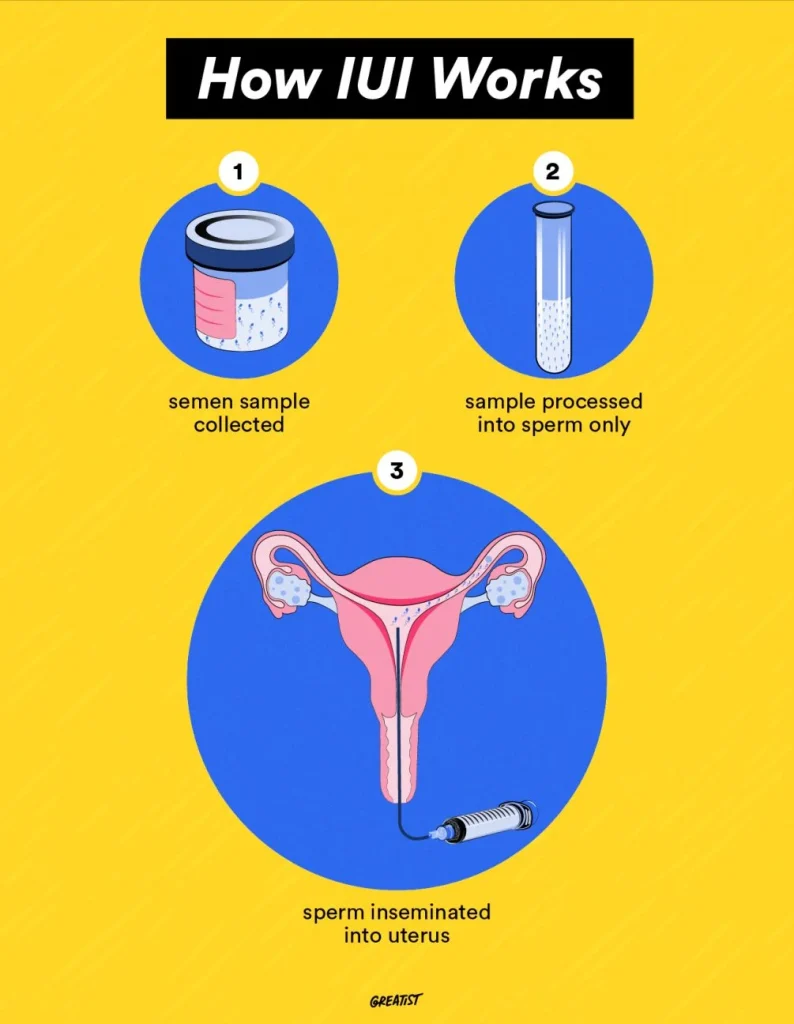
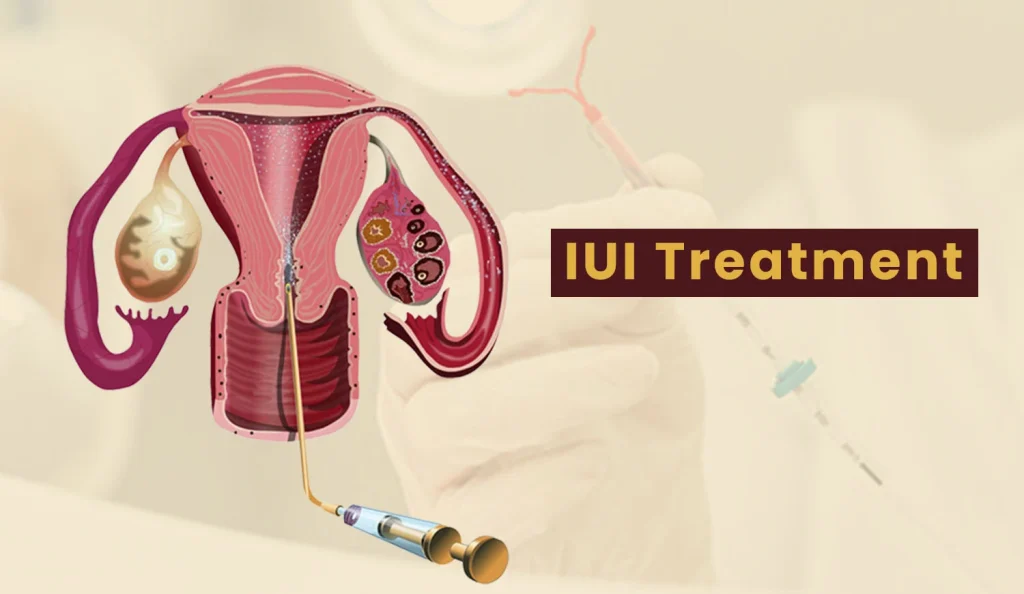
    illustration explaining the steps of intrauterine insemination (IUI) process on a bright yellow background

    Navigating the World of Fertility Products: Medications vs Supplements

    2. Folic acid: This B vitamin is essential for fetal development and can also improve fertility in women.

    3. Omega-3 fatty acids: These healthy fats may improve hormone balance and increase fertility in both men and women.

    4. Maca root: This herb is thought to regulate hormone levels and increase libido in both men and women.

    Supplements for fertility are widely available and can be purchased without a prescription. They may be a more affordable option compared to prescription medications, but their effectiveness is not supported by extensive scientific research. It is important to consult with a doctor before taking any supplements, as they may interact with other medications or have adverse effects.

    Which One is Right for You?

    When it comes to choosing between medications and supplements for fertility, there is no one-size-fits-all answer. It ultimately depends on your specific needs and medical history. For couples struggling with underlying medical conditions, fertility medications may be the most effective option. However, for those with unexplained infertility, supplements may be worth trying as they can provide a natural boost to fertility.

    It is also important to consider the potential risks and side effects of both medications and supplements. Fertility medications may have more noticeable side effects, but they are also closely monitored by a doctor. Supplements, on the other hand, may have fewer side effects, but their ingredients may not be well-regulated and could potentially interact with other medications.

    In some cases, a combination of both medications and supplements may be recommended for optimal results. It is crucial to consult with a doctor and discuss your options before starting any fertility product, as they can provide personalized recommendations based on your individual needs.

    In Conclusion

    Navigating the world of fertility products can be overwhelming, but understanding the differences between medications and supplements can help you make informed decisions. Fertility medications are prescribed by a doctor and regulated by the FDA, while supplements are over-the-counter and not regulated. Both options have their benefits and potential risks, and it is important to consult with a doctor before starting any new fertility product.

    Summary:

    When trying to conceive, couples often turn to fertility products such as medications and supplements. Medications are prescribed by a doctor and regulated by the FDA, while supplements are over-the-counter and not regulated. Medications are more effective for treating underlying medical conditions, while supplements may provide a natural boost to fertility. It is important to consult with a doctor before starting any fertility product and to consider the potential risks and side effects.
  • The Pros and Cons of Using Fertility Medications and Supplements

    Fertility medications and supplements have become increasingly popular among those struggling with infertility. These medications and supplements are designed to help regulate hormones, increase ovulation, and improve overall reproductive health. While they can be effective in helping couples achieve their dream of having a child, there are also potential risks and drawbacks to consider. In this blog post, we will explore the pros and cons of using fertility medications and supplements.

    Pros of Using Fertility Medications and Supplements:

    1. Improved Chances of Conception: The main benefit of fertility medications and supplements is that they can increase the chances of conception. These medications and supplements can help regulate hormones and improve ovulation, making it easier for couples to conceive. For those struggling with infertility, this can be a major advantage and can bring them one step closer to starting a family.

    2. Variety of Options: There are various types of fertility medications and supplements available, allowing couples to find the right one for their specific needs. From oral medications like Clomid to injectable medications like gonadotropins, there is a range of options to choose from. Additionally, there are also many different types of supplements that can be used to support reproductive health, such as folic acid, omega-3 fatty acids, and Coenzyme Q10.

    3. Cost-Effective: In comparison to other infertility treatments such as in vitro fertilization (IVF), fertility medications and supplements are relatively affordable. This makes them a more cost-effective option for couples who may not be able to afford more expensive treatments. Additionally, some insurance plans may cover the cost of these medications and supplements, making them even more accessible.

    4. Non-Invasive: Fertility medications and supplements are non-invasive, meaning they do not require any surgical procedures. This can be appealing for couples who may be hesitant to undergo more invasive treatments. It also means that there is less risk involved and a shorter recovery time.

    5. Can Address Underlying Issues: In some cases, fertility medications and supplements can also help address underlying issues that may be causing infertility. For example, some supplements may help improve egg quality or sperm count, while certain medications can help regulate conditions like polycystic ovary syndrome (PCOS) or endometriosis.

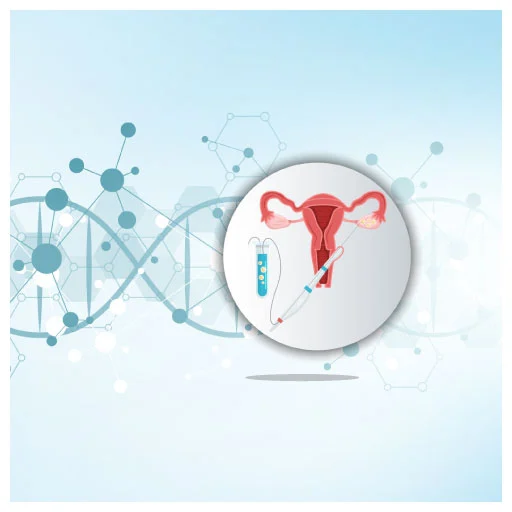
    Illustration of IUI procedure with uterus and syringe against a DNA background.

    The Pros and Cons of Using Fertility Medications and Supplements

    Cons of Using Fertility Medications and Supplements:

    1. Side Effects: Like all medications, fertility medications and supplements can come with potential side effects. These can range from mild symptoms such as headaches and nausea to more severe reactions like ovarian hyperstimulation syndrome (OHSS). It is important to discuss potential side effects with a doctor and closely monitor any symptoms while using these medications and supplements.

    2. May Not Work for Everyone: While fertility medications and supplements have helped many couples conceive, they may not work for everyone. Factors such as age, overall health, and underlying medical conditions can play a role in the effectiveness of these treatments. It is essential to have realistic expectations and discuss other options with a doctor if these treatments are not successful.

    3. Multiple Births: One of the potential risks of fertility medications and supplements is the increased chance of multiple births. This is more common with treatments like IVF, but it can also occur with other medications and supplements. Multiple pregnancies can be high-risk and may require more medical care and monitoring.

    4. Requires Monitoring: Fertility medications and supplements require close monitoring by a doctor to ensure they are working correctly and to monitor for any potential side effects. This may involve frequent appointments, blood work, and ultrasounds, which can be time-consuming and may add to the overall cost of treatment.

    5. Not a Permanent Solution: Fertility medications and supplements are not a permanent solution for infertility. While they can help couples conceive, they do not address the underlying cause of infertility. This means that once the medications and supplements are stopped, infertility may return. For some couples, this may mean needing to continue using these treatments or exploring other options in the future.

    In summary, fertility medications and supplements can be a helpful tool for couples struggling with infertility. They offer a variety of options, are cost-effective, and are non-invasive. However, they also come with potential risks and drawbacks, such as side effects and the risk of multiple births. It is essential to discuss these treatments with a doctor and weigh the pros and cons to determine if they are the right choice for you.

    Metadata:

  • Fertility Medications vs Supplements: Which is More Effective?

    Blog Post:

    Fertility issues can be a daunting and emotional journey for many couples trying to conceive. In addition to seeking medical advice, many turn to fertility medications and supplements to boost their chances of getting pregnant. However, there is often confusion and debate over which is more effective in increasing fertility. In this blog post, we will discuss the differences between fertility medications and supplements and determine which may be more beneficial for couples struggling with fertility.

    Fertility Medications:

    Fertility medications, also known as assisted reproductive technology (ART), are prescribed by doctors to help couples overcome specific fertility issues. These medications can range from oral pills to injections and are typically used to stimulate ovulation, regulate hormones, or improve sperm production. Some common fertility medications include Clomid, Letrozole, and Gonadotropins.

    The main advantage of fertility medications is that they are specifically tailored to address individual fertility issues. They are also highly regulated and have been extensively studied and tested for their effectiveness. In many cases, fertility medications have been successful in helping couples achieve pregnancy.

    However, these medications also come with potential side effects such as mood swings, hot flashes, and bloating. They can also be expensive, especially if multiple rounds of treatment are needed, and may not be covered by insurance. Additionally, they require close monitoring by a doctor, which can be time-consuming and stressful for couples.

    Fertility Supplements:

    On the other hand, fertility supplements are over-the-counter (OTC) products that are not regulated by the FDA and do not require a prescription. These supplements often contain a combination of vitamins, minerals, and herbs that claim to enhance fertility. Some popular fertility supplements include CoQ10, DHEA, and omega-3 fatty acids.

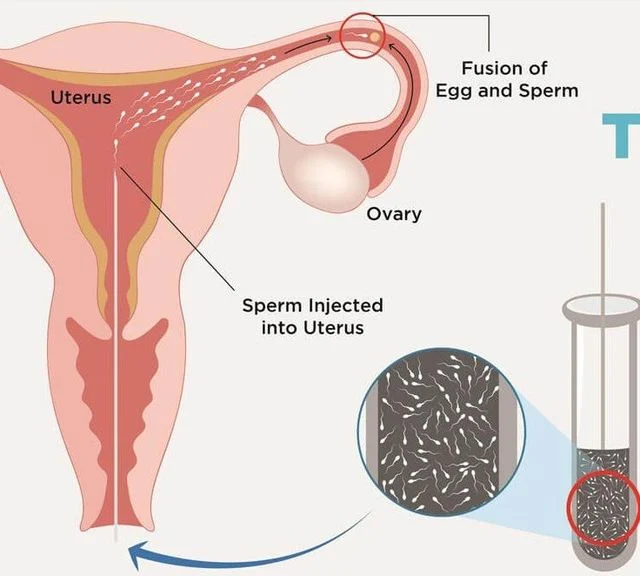
    Diagram illustrating the IUI process, showing sperm injection into the uterus and egg fertilization.

    Fertility Medications vs Supplements: Which is More Effective?

    One of the main advantages of fertility supplements is their accessibility and affordability. They can be purchased without a prescription and are generally less expensive than fertility medications. They also have fewer potential side effects, making them a more appealing option for many couples.

    However, the effectiveness of fertility supplements is often questioned due to the lack of regulation and scientific evidence. While some supplements may have positive effects on fertility, there is no guarantee that they will work for everyone. Additionally, some supplements may interact with other medications or have potential risks for certain individuals, so it is important to consult with a doctor before taking them.

    Which is More Effective?

    The truth is, there is no clear answer to this question. Both fertility medications and supplements have their pros and cons, and their effectiveness can vary from person to person. In some cases, a combination of both may be recommended to address specific fertility issues.

    For couples with diagnosed fertility issues, fertility medications may be the more effective option as they are tailored to address those issues. However, for couples with unexplained infertility, fertility supplements may be a good starting point as they are less invasive and have fewer side effects.

    It is also important to note that fertility medications and supplements are not a guarantee for pregnancy. They can only enhance fertility, but the success ultimately depends on various factors such as age, overall health, and lifestyle habits.

    In conclusion, both fertility medications and supplements can play a role in improving fertility. It is essential to consult with a doctor and discuss the best option for your specific situation. Remember to also maintain a healthy lifestyle, including a balanced diet and regular exercise, to maximize the effectiveness of any fertility treatment.

    Summary:

    Fertility medications and supplements are two common options for couples struggling with fertility issues. Fertility medications are highly regulated and tailored to address specific fertility problems, while supplements are more accessible and affordable. Both have their advantages and disadvantages, and the effectiveness can vary from person to person. Consulting with a doctor and maintaining a healthy lifestyle are crucial in maximizing the effectiveness of any fertility treatment.

  • Side Effects Showdown: Fertility Medications vs Supplements

    Side Effects Showdown: Fertility Medications vs Supplements

    For couples struggling with fertility issues, the journey towards parenthood can be a challenging and emotional one. In an effort to increase their chances of conceiving, many couples turn to fertility medications and supplements. However, these treatments often come with a long list of potential side effects. In this blog post, we will explore the side effects of fertility medications and supplements, and compare the two to help couples make informed decisions about their fertility journey.

    Fertility Medications: The Good, the Bad, and the Ugly

    Fertility medications, also known as assisted reproductive technology (ART), are commonly prescribed to women who are having difficulty conceiving. These medications work by stimulating the ovaries to produce more eggs, increasing the chances of fertilization. While these medications have helped many couples achieve their dream of starting a family, they also come with a range of side effects.

    The most common side effects of fertility medications include bloating, headaches, breast tenderness, and mood swings. These side effects are caused by the hormones in the medication, which can disrupt the body’s natural balance. In some cases, these side effects can be severe and may require medical attention. For example, ovarian hyperstimulation syndrome (OHSS) is a potential side effect of fertility medications that can cause abdominal pain, nausea, and vomiting. This condition can be life-threatening and may require hospitalization.

    In addition to physical side effects, fertility medications can also have a significant impact on a woman’s emotional well-being. The rollercoaster of emotions that comes with trying to conceive, coupled with the hormonal changes caused by these medications, can take a toll on mental health. Many women report feeling anxious, depressed, and overwhelmed while taking fertility medications.

    Supplements: A Natural Alternative?

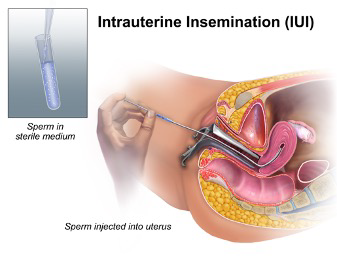
    diagram illustrating intrauterine insemination process, showing sperm injection into the uterus and egg fertilization pathway

    Side Effects Showdown: Fertility Medications vs Supplements

    As an alternative to fertility medications, many couples turn to supplements to help boost their fertility. Supplements such as CoQ10, folic acid, and vitamin D are believed to improve overall reproductive health and increase the chances of conception. While these supplements are generally considered safe, they can also have side effects.

    The most common side effects of supplements include nausea, diarrhea, and upset stomach. This is because some supplements may be difficult for the body to absorb, leading to gastrointestinal discomfort. In some cases, supplements may also interact with other medications, causing harmful side effects. It is essential to consult with a healthcare provider before starting any supplements, especially if you are taking other medications.

    Another factor to consider when taking supplements is the lack of regulation in the supplement industry. Unlike medications, supplements are not closely monitored by the FDA, meaning that the quality and effectiveness of these products can vary greatly. This can make it challenging to determine which supplements are safe and effective, leading to potential risks and side effects.
    The Importance of Informed Decision-Making

    When it comes to fertility treatments, there is no one-size-fits-all solution. Each couple’s journey is unique, and what works for one may not work for another. It is essential to consult with a healthcare provider before starting any fertility medications or supplements. They can assess your specific situation and recommend the best course of treatment for you.

    It is also crucial to understand the potential risks and side effects of any treatment or supplement before starting. This allows you to make an informed decision and prepare for any potential side effects that may arise. It is also essential to have a support system in place, whether it be your partner, family, or friends, to help you through the emotional and physical challenges that may come with fertility treatments.

    In conclusion, both fertility medications and supplements can have side effects that can impact a couple’s fertility journey. While medications may have more severe side effects, supplements also come with potential risks and lack regulation. Ultimately, the decision of whether to pursue fertility medications or supplements should be made with the guidance of a healthcare provider and a thorough understanding of the potential side effects. Remember, every couple’s journey is unique, and there is no shame in seeking help to achieve your dream of starting a family.

    SEO Metadata:

  • Navigating the Results of Sperm Analysis and Semen Analysis

    Blog Post:

    Sperm analysis and semen analysis are two important tests used to evaluate male fertility. These tests provide valuable information about the quality and quantity of sperm in a man’s semen, which can have a significant impact on his ability to father a child. While the thought of undergoing these tests may be daunting for some men, it is important to understand the process and how to navigate the results.

    In this blog post, we will discuss the basics of sperm analysis and semen analysis, including why they are necessary, what to expect during the tests, and how to interpret the results. We will also discuss the various factors that can affect the results of these tests and offer tips on how to prepare for them.

    Why is Sperm Analysis and Semen Analysis Important?

    Sperm analysis and semen analysis are crucial in evaluating male fertility because they provide information about the quantity, quality, and movement of sperm in a man’s semen. These tests are typically recommended for men who are having trouble conceiving with their partners or for those who are planning to undergo fertility treatments.

    Sperm analysis measures the number of sperm present in a semen sample, as well as their shape and movement. It also evaluates the semen volume, pH levels, and other factors that can affect sperm health. Semen analysis, on the other hand, focuses on the quality and health of the semen itself, including the presence of bacteria or other abnormalities.

    What to Expect During the Tests?

    Sperm analysis and semen analysis require a semen sample, which can be collected at home or at a fertility clinic. The sample should be collected through masturbation and should be delivered to the lab within 30 minutes of ejaculation. Most laboratories will provide a private room for sample collection, but in some cases, men may be asked to collect the sample at home and bring it to the lab within an hour.

    During the tests, the sample will be examined under a microscope, and the sperm will be evaluated based on their concentration, motility, and morphology (shape and size). The semen will also be checked for its volume, color, and other characteristics. The entire process usually takes about an hour, and the results will be available within a few days.

    Interpreting the Results

    The normal range for sperm count is typically between 15 million to 200 million per milliliter of semen. A low sperm count, also known as oligospermia, can indicate a problem with either the testicles or the reproductive tract. Poor sperm motility, or the ability of sperm to move properly, can also be a contributing factor to male infertility. Abnormalities in sperm shape and size, known as teratospermia, can also affect fertility.

    In semen analysis, the semen is evaluated for its pH levels, viscosity, and the presence of bacteria or white blood cells. An abnormal result in any of these factors may indicate an underlying infection or inflammation in the reproductive system, which can affect sperm health.

    Factors That Can Affect the Results

    There are several factors that can affect the results of sperm analysis and semen analysis, and it is essential to consider these when interpreting the results. These factors include:

    illustration of the uterus and ovaries with a syringe, labeled "IUI Treatment" in the background

    Navigating the Results of Sperm Analysis and Semen Analysis

    1. Lifestyle habits: Certain lifestyle habits, such as smoking, excessive alcohol consumption, and drug use, can have a significant impact on sperm health.

    2. Medications: Some medications, including certain antibiotics and testosterone replacement therapy, can affect sperm production and quality.

    3. Diet and nutrition: A healthy diet and proper nutrition are essential for sperm production and overall reproductive health.

    4. Age: As men age, their sperm quality and quantity may decrease, making it harder to conceive.

    5. Health conditions: Certain health conditions, such as diabetes, high blood pressure, and sexually transmitted infections, can affect sperm health.

    Tips for Preparing for Sperm Analysis and Semen Analysis

    To ensure accurate and reliable results, it is essential to prepare for sperm analysis and semen analysis properly. Here are some tips to help you prepare for these tests:

    1. Avoid ejaculation for two to five days before the test. This will allow for a more accurate assessment of sperm production.

    2. Avoid alcohol, caffeine, and drugs for at least 48 hours before the test, as they can affect sperm quality.

    3. Inform your doctor about any medications you are taking, as they may affect the results.

    4. Eat a healthy and balanced diet, including foods rich in antioxidants, which can help improve sperm quality.

    5. Get enough rest and manage stress levels, as these can also affect sperm production and quality.

    In conclusion, sperm analysis and semen analysis are essential tests for evaluating male fertility. By understanding the process and knowing what to expect, as well as considering the various factors that can affect the results, men can navigate these tests with confidence. By following the tips for preparation and maintaining a healthy lifestyle, men can also improve their chances of having a successful outcome from these tests.

    Summary:

    Sperm analysis and semen analysis are important tests used to evaluate male fertility. These tests provide information about the quality and quantity of sperm in a man’s semen, which can affect his ability to father a child. The process of collecting and evaluating the semen sample is relatively simple, and the results are usually available within a few days. However, several factors can affect the results, including lifestyle habits, medications, and age. By preparing properly and maintaining a healthy lifestyle, men can improve their chances of having a successful outcome from these tests.

  • The Future of Fertility Treatments: Advancements in Medications and Surgery

    The Future of Fertility Treatments: Advancements in Medications and Surgery

    Fertility treatments have come a long way in the past few decades, with advancements in medications and surgical procedures providing hope for couples struggling with infertility. These treatments have helped millions of people fulfill their dreams of starting a family, and with ongoing research and development, the future looks even brighter. In this blog post, we will explore the latest advancements in fertility treatments, specifically in the areas of medications and surgery, and discuss how they are changing the landscape of assisted reproductive technology.

    Advancements in Medications:

    One of the most significant developments in fertility treatments is the use of medications to stimulate ovulation. In the past, the most common medication used for this purpose was clomiphene, which works by stimulating the release of follicle-stimulating hormone (FSH) and luteinizing hormone (LH) from the pituitary gland. However, in recent years, new medications, such as letrozole and gonadotropins, have emerged as viable alternatives for women who do not respond well to clomiphene.

    Letrozole, originally developed to treat breast cancer, has been found to be effective in stimulating ovulation in women with polycystic ovary syndrome (PCOS). It works by blocking the production of estrogen, which in turn triggers the production of FSH and LH. On the other hand, gonadotropins are injectable hormones that directly stimulate the ovaries to produce multiple eggs. This method is often used in conjunction with in vitro fertilization (IVF) to increase the chances of success.

    Another major advancement in fertility medications is the use of pre-implantation genetic testing (PGT). PGT involves screening embryos for genetic disorders before they are transferred to the uterus. This allows couples with a family history of genetic diseases to select healthy embryos, reducing the risk of passing on these disorders to their children. PGT has proven to be a game-changer in assisted reproductive technology, providing hope for couples who would otherwise face the difficult decision of whether to pursue pregnancy knowing the risks involved.

    Advancements in Surgery:

    Surgery has also played a crucial role in the advancement of fertility treatments. In the past, many women with blocked or damaged fallopian tubes had limited options for conceiving. However, with the development of minimally invasive surgical techniques, such as laparoscopy and hysteroscopy, these issues can now be addressed with a higher success rate.

    A person administering an injection into their abdomen with a yellow pen-like device.

    The Future of Fertility Treatments: Advancements in Medications and Surgery

    Laparoscopy involves making small incisions in the abdomen and inserting a thin, lighted instrument called a laparoscope to view the reproductive organs. This procedure can be used to remove scar tissue, repair damaged tubes, and treat endometriosis. Hysteroscopy, on the other hand, involves inserting a thin, lighted instrument through the cervix to visualize the inside of the uterus. This procedure is often used for the removal of polyps, fibroids, or scar tissue that may be affecting fertility.

    In addition to these minimally invasive procedures, advancements in robotic surgery have also made fertility treatments more accessible and less invasive. Robotic surgery allows for more precise movements and better visualization, making it an excellent option for complex surgeries in the reproductive organs.

    The Future of Fertility Treatments:

    As technology continues to advance, the future of fertility treatments looks promising. One area of ongoing research is the use of stem cells for infertility. Stem cells have the potential to develop into different types of cells, including egg and sperm cells. This could provide a new treatment option for individuals who are unable to produce viable gametes.

    Another area of focus is the development of artificial ovaries. These are created using a woman’s own ovarian tissue, which is then manipulated in a lab to produce mature eggs. This could benefit women who have undergone cancer treatment or have a genetic condition that affects their ovarian function.

    The use of artificial intelligence (AI) is also being explored in fertility treatments. AI can analyze large amounts of data, such as genetic information and medical history, to identify patterns and predict the success of certain treatments. This could help doctors personalize fertility treatments for each patient, increasing their chances of success.

    Summary:

    Fertility treatments have come a long way in recent years, thanks to advancements in medications and surgery. New medications, such as letrozole and gonadotropins, have proven to be effective alternatives for stimulating ovulation. Pre-implantation genetic testing has also revolutionized assisted reproductive technology by allowing couples to select healthy embryos. Minimally invasive surgical techniques, including laparoscopy and hysteroscopy, have made it possible to address issues such as blocked fallopian tubes and endometriosis. The future of fertility treatments looks even brighter, with ongoing research into stem cells, artificial ovaries, and the use of AI to personalize treatments.

  • The Importance of a Support System During Fertility Medications vs Surgical Treatments

    Fertility issues can be a challenging and emotional journey for many couples. The struggle to conceive can take a toll on both physical and emotional well-being. While there are various treatments available, such as fertility medications and surgical procedures, having a strong support system in place can make a significant difference in the overall experience. In this blog post, we’ll discuss the importance of a support system during fertility medications versus surgical treatments.

    Fertility Medications: A Glimpse into the Journey

    Fertility medications are often the first line of treatment for couples struggling with infertility. These medications work by stimulating ovulation or regulating hormonal imbalances that may be affecting fertility. While they can be effective in helping couples conceive, the process can be physically and emotionally taxing.

    The use of fertility medications can cause side effects such as hot flashes, mood swings, and abdominal discomfort. These side effects can take a toll on the body and affect a person’s emotional well-being. In addition, the process of taking fertility medications can be lengthy, with multiple cycles required before achieving a successful pregnancy. This can be exhausting for couples, both physically and emotionally.

    The Role of a Support System During Fertility Medications

    Having a support system in place during fertility medications is crucial. It can provide emotional support and help alleviate the stress and anxiety that comes with the treatment. Family and friends can offer a listening ear, provide a shoulder to cry on, and offer words of encouragement when needed. They can also help with practical tasks, such as picking up prescriptions, attending doctor’s appointments, and preparing healthy meals.

    Furthermore, support groups for individuals going through fertility treatments can be a valuable resource. These groups provide a safe space for individuals to share their experiences, ask questions, and receive support from others who are going through a similar journey. It can be comforting to know that you’re not alone in this process and to have a community that understands your struggles.

    Surgical Treatments: A More Invasive Approach

    Illustration of intrauterine insemination (IUI) procedure, showing sperm injection into the uterus.

    The Importance of a Support System During Fertility Medications vs Surgical Treatments

    If fertility medications are not successful or if there are underlying medical conditions, surgical treatments may be recommended. These procedures include intrauterine insemination (IUI), in vitro fertilization (IVF), and surgical repair of reproductive organs. While these treatments have a higher success rate compared to fertility medications, they are more invasive and can be emotionally and physically challenging.

    Surgical treatments often involve multiple doctor’s appointments, fertility injections, and procedures that may require time off work. The process can also be emotionally draining, as couples must deal with the uncertainty of whether the treatment will be successful or not. In addition, the cost of these procedures can be a significant financial burden, adding to the stress and anxiety of the journey.

    The Importance of a Support System During Surgical Treatments

    During surgical treatments, having a support system is crucial for emotional well-being. The process can be overwhelming, and having a strong support system can help alleviate the anxiety and stress that comes with it. Family and friends can offer a sense of normalcy and provide a distraction from the treatment. They can also help with practical tasks, such as transportation to and from appointments and help with household chores.

    Support groups can also be a valuable resource during surgical treatments. It can be reassuring to connect with others who have gone through or are currently going through the same procedures. These groups can provide a safe and understanding space to share experiences, ask questions, and receive support.

    The Impact of a Support System on Overall Well-being

    Whether going through fertility medications or surgical treatments, having a support system in place can have a significant impact on the overall experience. The emotional support and practical help provided by family, friends, and support groups can make a challenging journey more bearable. It can also help individuals and couples cope with the stress and anxiety that comes with fertility treatments.

    Moreover, having a strong support system can also improve the chances of success. Studies have shown that individuals with a support system have better emotional well-being and a higher success rate in fertility treatments compared to those without one. The positivity and encouragement from loved ones and support groups can have a profound effect on the mind and body, making it easier to navigate through the ups and downs of the journey.

    In conclusion, whether going through fertility medications or surgical treatments, having a support system in place is crucial. It can provide emotional support, practical help, and improve overall well-being. The journey to parenthood can be a challenging one, but with a strong support system, individuals and couples can find the strength and resilience to overcome any obstacles and achieve their dream of starting a family.

  • Breaking Down the Science Behind Fertility Medications vs Surgical Treatments

    Blog Post Title: Breaking Down the Science Behind Fertility Medications vs Surgical Treatments

    Introduction:

    Fertility issues can be a difficult and emotional journey for many individuals or couples. When trying to conceive, it is common for people to turn to fertility treatments to help them achieve their dream of having a child. Two common options for fertility treatments are medications and surgical procedures. But which one is better? In this blog post, we will dive into the science behind fertility medications and surgical treatments, and explore the pros and cons of each option.

    What are Fertility Medications?

    Fertility medications, also known as ovulation induction drugs, are a common treatment option for women who have trouble ovulating or have irregular menstrual cycles. These medications work by stimulating the ovaries to produce multiple eggs, increasing the chances of conception. The most commonly prescribed fertility medications are Clomid, Letrozole, and Gonadotropins.

    Clomid, the most well-known fertility medication, works by blocking estrogen receptors in the brain, which then causes the body to produce more follicle-stimulating hormone (FSH) and luteinizing hormone (LH). These hormones are responsible for stimulating the ovaries to produce eggs. Letrozole, on the other hand, is an aromatase inhibitor that lowers estrogen levels, thereby increasing the production of FSH and LH. Gonadotropins, which are injectable hormones, directly stimulate the ovaries to produce multiple eggs.

    Pros of Fertility Medications:

    1. Non-invasive: Fertility medications are taken orally or through injections, making them a non-invasive treatment option. This means that there is no need for any surgical procedures, and the risk of complications is minimal.

    2. Cost-effective: In comparison to surgical treatments, fertility medications are relatively more affordable. They also do not require multiple doctor visits, making them a cost-effective option for those on a budget.

    3. Controlled stimulation: Fertility medications allow for controlled stimulation of the ovaries, which means that the doctor can monitor the number of eggs produced and adjust the dosage if necessary. This helps to reduce the risk of multiple pregnancies, which can be a concern with surgical treatments.

    Cons of Fertility Medications:

    1. Side effects: Like any medication, fertility drugs can have side effects such as hot flashes, headaches, and mood swings. These side effects are usually temporary and mild, but they can be uncomfortable for some individuals.

    2. Lower success rates: Fertility medications have lower success rates compared to surgical treatments. This is because they rely on the body’s natural ability to conceive, and not all women respond to these drugs in the same way.

    Illustration of intrauterine insemination (IUI) procedure with syringe and catheter in the uterus.

    Breaking Down the Science Behind Fertility Medications vs Surgical Treatments

    What are Surgical Treatments?

    Surgical treatments for fertility issues involve minor procedures that are performed to correct any physical abnormalities in the reproductive organs. The two most common surgical treatments for fertility are intrauterine insemination (IUI) and in vitro fertilization (IVF).

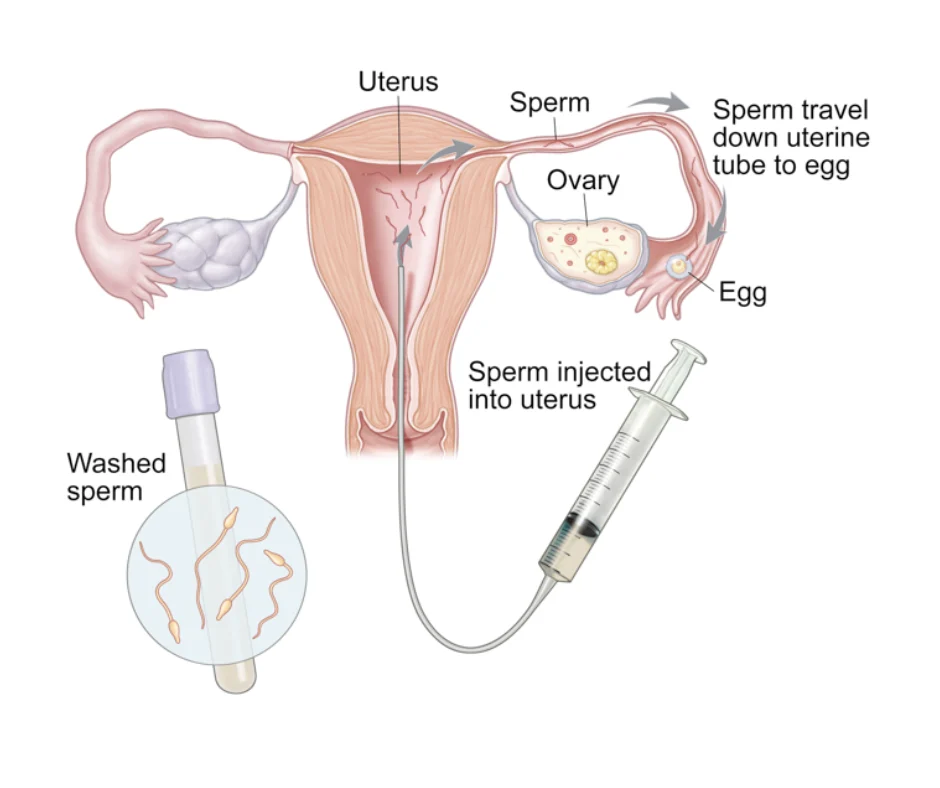
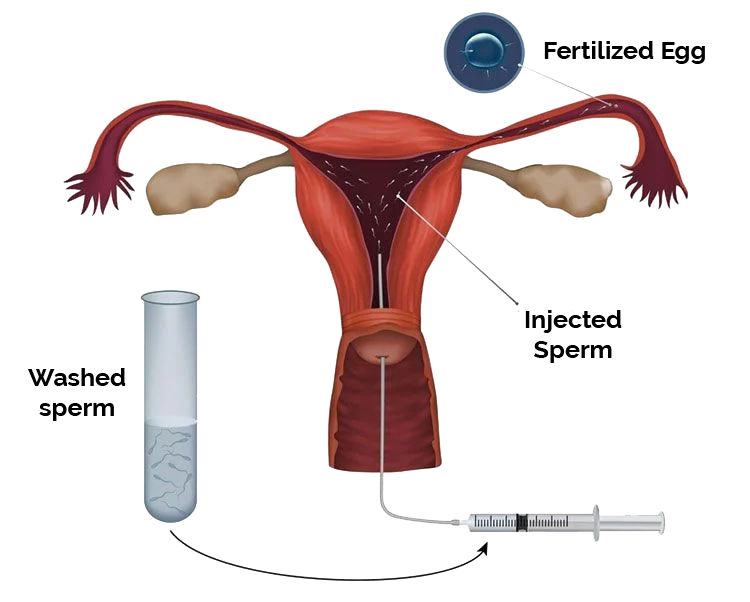
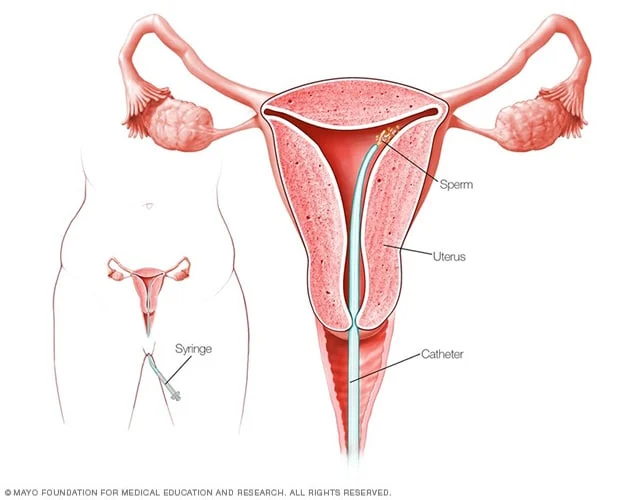
    IUI is a relatively simple procedure that involves placing washed and prepared sperm directly into the uterus, bypassing the cervix and increasing the chances of fertilization. IVF, on the other hand, is a more complex procedure that involves retrieving eggs from the ovaries and fertilizing them with sperm in a laboratory. The resulting embryo is then transferred into the uterus.

    Pros of Surgical Treatments:

    1. Higher success rates: Surgical treatments have higher success rates compared to fertility medications. This is because the eggs are retrieved and placed directly in the uterus, increasing the chances of fertilization.

    2. No medication side effects: Since surgical treatments do not involve fertility drugs, individuals do not have to deal with any potential side effects.

    Cons of Surgical Treatments:

    1. Invasive: Surgical treatments involve minor procedures that require anesthesia and have a higher risk of complications than fertility medications.

    2. Higher cost: Surgical treatments are more expensive than fertility medications. They also require multiple doctor visits and additional procedures, which can add to the overall cost.

    3. Risk of multiple pregnancies: IVF, in particular, carries a higher risk of multiple pregnancies, which can be a concern for some individuals.

    Summary:

    When it comes to fertility treatments, both medications and surgical procedures have their pros and cons. Fertility medications are non-invasive, cost-effective, and allow for controlled stimulation of the ovaries. However, they have lower success rates and may cause side effects. Surgical treatments have higher success rates but are invasive and more expensive. They also carry a risk of multiple pregnancies. Ultimately, the best treatment option for an individual or couple will depend on their specific fertility issues and their doctor’s recommendation.

    In conclusion, the science behind fertility medications and surgical treatments is complex, and there is no one-size-fits-all solution. It is essential to consult with a fertility specialist and weigh the pros and cons of each option before deciding on the best course of treatment.

  • The Role of Male Fertility in Deciding Between Medications and Surgery

    The Role of Male Fertility in Deciding Between Medications and Surgery

    For many men, the thought of fertility and reproduction may not cross their minds until they are ready to start a family. However, for men who are struggling with fertility issues, it becomes a constant concern that can impact every aspect of their lives, including their healthcare decisions. When it comes to treating reproductive health issues in men, there are often two options: medications or surgery. But how does male fertility play a role in deciding between the two? In this blog post, we will explore the impact of male fertility on the decision-making process and why it is crucial to consider when choosing between medications and surgery.

    Understanding Male Fertility

    Before delving into the relationship between male fertility and treatment options, it is essential to understand what male fertility is and how it can be affected. Male fertility is the ability of a man to impregnate a woman. This relies on the production, movement, and function of sperm. A healthy sperm count, shape, and motility are all essential for successful fertilization. However, several factors can affect male fertility, including age, lifestyle choices, and underlying medical conditions.

    Medications vs. Surgery: What’s the Difference?

    When it comes to treating reproductive health issues in men, there are two main options: medications and surgery. Medications are often the first line of treatment and are typically used to address hormonal imbalances, infections, and other underlying issues that may be affecting male fertility. On the other hand, surgery is usually reserved for more severe cases, such as blockages, varicoceles, or other structural abnormalities that cannot be addressed with medication.

    The Impact of Medications on Male Fertility

    While medications can be effective in addressing certain fertility issues, they may also have a negative impact on male fertility. Some medications, such as steroids and antidepressants, can lower sperm count and affect sperm quality, making it more difficult for men to impregnate their partners. In some cases, these effects may be reversible once the medication is stopped, but in others, the damage may be permanent. It is crucial for men to discuss any potential side effects on fertility with their doctor before starting any medication.

    diagram of the female reproductive system with an IUI syringe and test tube for artificial insemination

    The Role of Male Fertility in Deciding Between Medications and Surgery

    The Role of Surgery in Male Fertility

    Surgery, on the other hand, can have a more significant and long-lasting impact on male fertility. While surgery may be necessary to correct certain underlying issues, it can also have unintended consequences. For example, varicocele surgery, which involves repairing enlarged veins in the scrotum, can result in reduced sperm production and quality. In some cases, surgery may also cause blockages or scarring, which can affect sperm movement and fertilization.

    The Importance of Considering Male Fertility in Treatment Decisions

    When it comes to deciding between medications and surgery for treating male fertility issues, it is crucial to consider the impact on fertility carefully. While medications may seem like a less invasive option, they can have long-term consequences on fertility. On the other hand, surgery may be necessary for addressing certain issues, but it can also have unintended effects on male fertility. Therefore, it is essential for men to have a thorough discussion with their doctor about the potential impact of treatment options on their fertility and how it may affect their future reproductive goals.

    Alternative Treatment Options

    In some cases, alternative treatment options may be available for men who are concerned about the impact of medications or surgery on their fertility. For example, lifestyle changes, such as quitting smoking, reducing alcohol consumption, and maintaining a healthy weight, can have a positive impact on male fertility. Alternative therapies, such as acupuncture and herbal remedies, may also be beneficial in improving sperm quality and count. It is crucial to discuss these options with a healthcare professional to determine the best course of treatment for individual cases.

    In Conclusion

    When it comes to male fertility, it is essential to consider all factors, including potential treatment options, before making any decisions. While medications and surgery may be necessary for addressing certain reproductive health issues, they can also have unintended consequences on male fertility. It is crucial for men to have open and honest discussions with their doctor about their fertility concerns and goals to determine the best course of treatment that will not only address their current issues but also consider their future reproductive goals.

    In summary, male fertility plays a crucial role in the decision-making process between medications and surgery for treating reproductive health issues in men. While medications may have a negative impact on fertility, surgery can also have unintended consequences. It is crucial for men to discuss all potential treatment options with their doctor and consider the long-term effects on their fertility before making any decisions.

  • The Psychological Impact of Fertility Medications vs Surgical Procedures

    Blog Post Title: The Psychological Impact of Fertility Medications vs Surgical Procedures: A Comprehensive Analysis

    Introduction:
    Fertility issues can be a challenging and emotionally taxing experience for many couples. The desire to have a child and start a family can lead to a range of emotions, from excitement and hope to frustration and disappointment. When faced with fertility problems, couples often turn to various treatment options, including fertility medications and surgical procedures, to increase their chances of conception. While these methods aim to help couples achieve their dream of starting a family, they can also have a significant psychological impact on individuals. In this blog post, we will explore the psychological impact of fertility medications and surgical procedures and compare their effects on individuals and couples going through fertility treatments.

    Fertility Medications:
    Fertility medications, also known as assisted reproductive technology (ART), are a popular treatment option for fertility problems. These medications work by stimulating the ovaries to produce more eggs, increasing the chances of fertilization. While fertility medications have been successful in helping many couples conceive, they can also have a significant psychological impact on individuals.

    One of the main psychological effects of fertility medications is the rollercoaster of emotions that individuals may experience. The process of taking fertility medications can be physically and emotionally draining, leading to mood swings, irritability, and anxiety. The constant monitoring and numerous doctor appointments can also add to the stress and uncertainty that individuals may feel during this process.

    Moreover, the failure of fertility medications to produce the desired results can be emotionally devastating for couples. The build-up of hope and anticipation of a positive outcome can make the failure of fertility medications feel like a personal failure, leading to feelings of guilt, shame, and even depression. This emotional toll can also strain relationships and cause tension between partners, further adding to the psychological impact of fertility medications.

    Surgical Procedures:
    Surgical procedures, such as in vitro fertilization (IVF) and intrauterine insemination (IUI), are another common treatment option for fertility issues. These procedures involve a more invasive approach and may be recommended for couples who have been unsuccessful with fertility medications. While surgical procedures can be more effective in helping couples conceive, they also have a significant psychological impact on individuals going through fertility treatments.

    diagram illustrating intrauterine insemination (IUI) procedure with uterus, sperm, and catheter labeled

    The Psychological Impact of Fertility Medications vs Surgical Procedures

    One of the main psychological effects of surgical procedures is the physical and emotional toll they can take on the body. These procedures can be physically demanding and involve multiple steps, from hormone injections to egg retrieval. This can cause discomfort, pain, and even side effects, such as bloating and mood swings. The emotional toll of the process, combined with the physical discomfort, can be overwhelming for individuals, leading to feelings of anxiety, stress, and even depression.

    Furthermore, surgical procedures can also have a significant financial burden on individuals and couples. IVF and other surgical procedures can be costly, and the financial strain of these treatments can add to the psychological impact. Couples may feel pressure to continue with the treatments, despite the financial strain, in hopes of achieving their dream of having a child. This can lead to feelings of guilt, frustration, and even resentment towards the process and each other.

    Comparison:
    While both fertility medications and surgical procedures can have a significant psychological impact on individuals and couples, there are some key differences between the two. Fertility medications can have a more immediate psychological impact due to the rollercoaster of emotions and uncertainty they bring. On the other hand, surgical procedures may have a longer-lasting psychological impact due to the physical and financial toll they take on individuals and couples.

    Another difference is the level of control individuals may have over these treatment options. With fertility medications, individuals have more control over the process, as they can administer the medications themselves and monitor their progress. However, with surgical procedures, individuals have less control, as they rely on medical professionals to perform the procedures and determine the success of the treatment.

    Ultimately, the psychological impact of fertility medications and surgical procedures depends on the individual’s coping mechanisms and support system. While these treatments can be challenging and emotionally draining, individuals can find solace in the support of their partner, family, and friends. Seeking therapy or joining support groups can also help individuals and couples cope with the psychological impact of fertility treatments.

    Conclusion:
    In conclusion, fertility medications and surgical procedures can both have a significant psychological impact on individuals and couples going through fertility treatments. The rollercoaster of emotions, physical discomfort, financial strain, and uncertainty can take a toll on individuals’ mental well-being. It is essential for individuals and couples to be aware of these potential psychological effects and seek support and coping mechanisms to navigate through the process successfully.

    Summary:
    Fertility issues can be a difficult and emotionally taxing experience for many couples, and the use of fertility medications and surgical procedures can have a significant psychological impact. Fertility medications can cause mood swings and anxiety, while the failure of these medications can lead to feelings of guilt and shame. On the other hand, surgical procedures can cause physical discomfort, financial strain, and feelings of anxiety and depression. The level of control and support individuals have during these treatments can also play a role in their psychological impact. Seeking support and coping mechanisms can help individuals and couples navigate through the process successfully.