Tag: empowerment

  • DIY Insemination: Empowerment or Risk?

    DIY Insemination: Empowerment or Risk?

    In recent years, there has been a growing trend towards do-it-yourself (DIY) methods for insemination. With the rise of online resources and at-home fertility kits, more and more people are choosing to take the process into their own hands. While this may seem like a convenient and empowering option, it also raises questions about safety, legality, and ethical considerations. In this blog post, we will delve into the world of DIY insemination and explore whether it is truly an empowering choice or a risky endeavor.

    What is DIY Insemination?

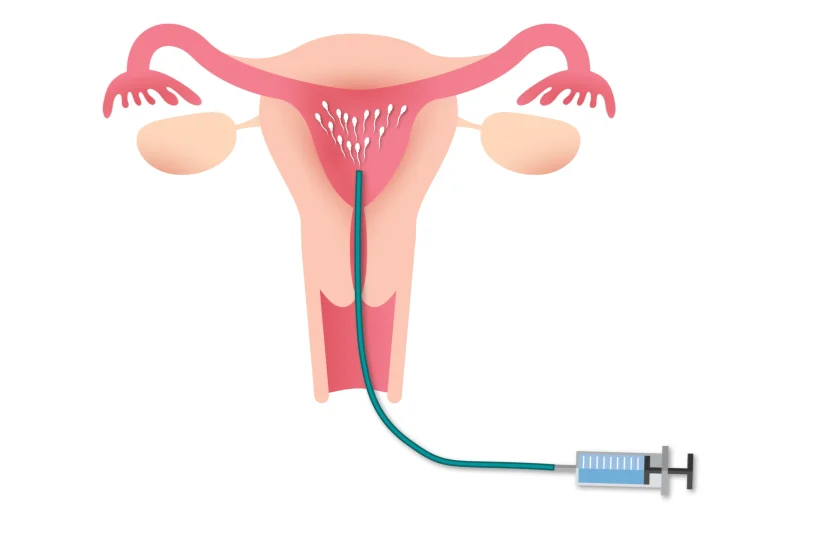
    DIY insemination, also known as at-home insemination, is the process of using self-insemination techniques to achieve pregnancy without the assistance of a medical professional. This can include methods such as using donor sperm, using a syringe to deposit semen into the vagina, or using a turkey baster or cervical cap. The rise of online resources and at-home fertility kits has made DIY insemination more accessible and popular for those seeking alternative ways to conceive.

    Empowerment through Knowledge and Autonomy

    One of the main reasons people choose DIY insemination is the sense of empowerment that comes with taking control of their own fertility. By using online resources and learning about the process, individuals or couples can feel more knowledgeable and in control of their own bodies. This can be especially empowering for LGBTQ+ individuals and couples who may not have access to traditional fertility treatments.

    Cost and Convenience

    Another factor that contributes to the popularity of DIY insemination is the cost and convenience. Traditional fertility treatments can be expensive and may not be covered by insurance. DIY insemination can be a more affordable option, especially for those who are not able to conceive through traditional methods. It also offers the convenience of being able to do it in the privacy of one’s own home, without the need for multiple doctor’s appointments.
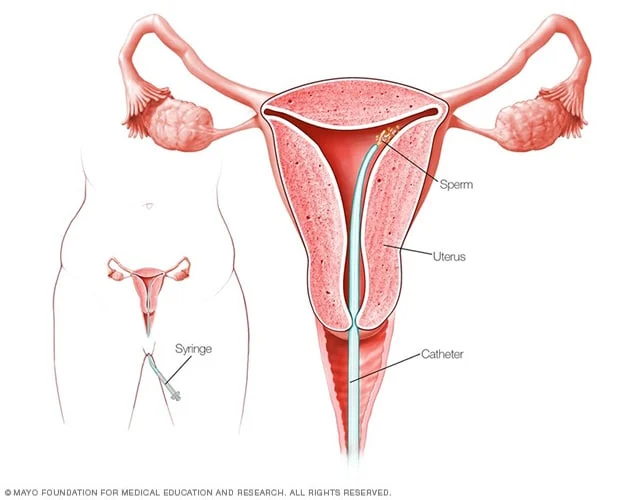
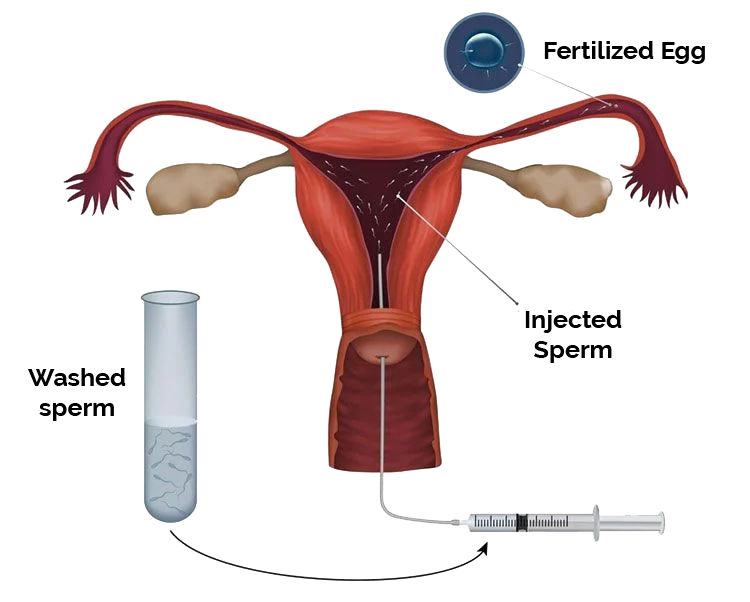
    diagram illustrating intrauterine insemination (IUI) procedure with uterus, sperm, and catheter labeled

    DIY Insemination: Empowerment or Risk?

    Risks and Considerations

    While DIY insemination may seem like a simple and empowering choice, there are several risks and considerations that should be taken into account. The main concern is the lack of medical supervision and potential risks to both the person inseminating and the potential child. Without proper medical screening and testing, there is a risk of transmitting sexually transmitted infections or genetic disorders. There is also a risk of improper insemination technique, which could result in injury or infection.

    Legal and Ethical Considerations

    DIY insemination also raises legal and ethical considerations. In some countries, using donor sperm without a licensed physician is illegal. This means that DIY insemination could result in legal repercussions for both the person inseminating and the donor. Additionally, there are ethical concerns surrounding the use of donor sperm and the potential rights and responsibilities of the donor in the child’s life.

    Alternatives to DIY Insemination

    For those who are seeking alternative methods of conception, there are other options available that may be safer and more legally and ethically sound. Using a known donor who has been properly screened and tested, or using a licensed sperm bank, can provide a safer and more regulated alternative to DIY insemination.

    The Importance of Informed Decision Making

    Ultimately, the decision to pursue DIY insemination should be made after careful consideration and research. It is important to fully understand the risks involved and to consult with a medical professional before proceeding. Informed decision making is key to ensuring the safety and well-being of all parties involved.

    In summary, DIY insemination can be seen as both an empowering choice and a risky endeavor. While it offers the potential for greater autonomy and affordability, there are significant risks and legal and ethical considerations that must be taken into account. It is important for individuals and couples to thoroughly research and understand all aspects of DIY insemination before making a decision.
  • At-Home Insemination: A Journey of Empowerment and Independence

    Blog Post Title: At-Home Insemination: A Journey of Empowerment and Independence

    At-home insemination is a process that allows individuals or couples to conceive a child in the comfort of their own home, without the need for medical professionals or expensive fertility treatments. While the idea of insemination at home may seem daunting at first, it can be a journey of empowerment and independence for those who choose this path. In this blog post, we will explore the process of at-home insemination, its benefits, and how it can be a powerful tool for individuals and couples looking to start a family.

    The journey of at-home insemination begins with a decision to take control of one’s fertility journey. For many people, the idea of starting a family can be overwhelming, especially when faced with the high costs and invasive procedures of traditional fertility treatments. At-home insemination offers a more natural and affordable alternative, allowing individuals to take charge of their own fertility and conception process.

    The first step in at-home insemination is choosing a donor. This can be a known donor, such as a friend or family member, or an anonymous donor from a sperm bank. With the help of online resources and support groups, individuals can find reputable sperm banks and donors who meet their specific criteria and preferences. This allows for a more personalized and intimate experience, as opposed to traditional fertility treatments where the donor is chosen by a medical professional.

    Once a donor has been chosen, the next step is preparing for insemination. This process involves tracking ovulation and timing the insemination accordingly. This can be done through various methods such as ovulation predictor kits, basal body temperature tracking, or monitoring cervical mucus. By taking a more natural approach, individuals can better understand their own body and fertility cycle, leading to a more informed and empowered decision-making process.

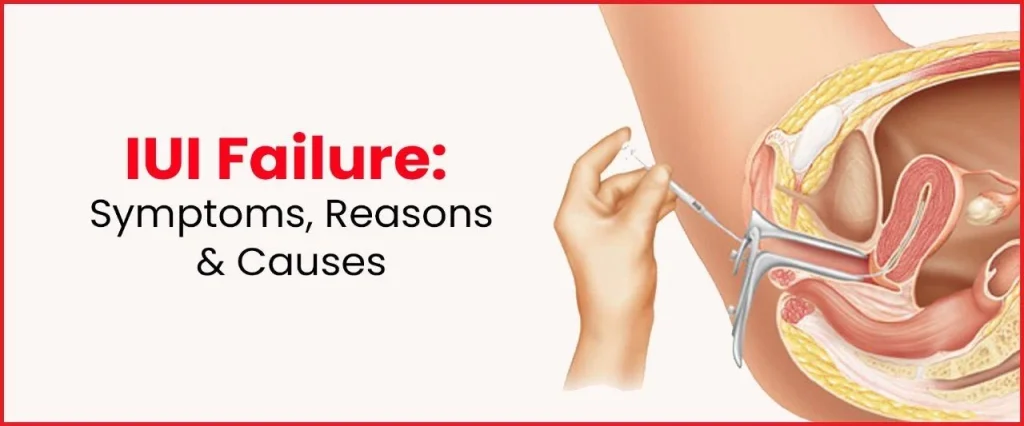
    illustration of IUI procedure with text on symptoms, reasons, and causes of IUI failure

    At-Home Insemination: A Journey of Empowerment and Independence

    When it comes time for insemination, the process is relatively simple and can be done in the comfort of one’s own home. Using a sterile syringe or insemination kit, the sperm is inserted into the vagina near the cervix. This process can be done alone or with the help of a partner, making it a more intimate and bonding experience for couples. Unlike traditional fertility treatments, at-home insemination does not require multiple trips to a medical facility, allowing for more privacy and convenience.

    One of the most significant benefits of at-home insemination is the sense of empowerment and independence it provides. For many individuals and couples, the ability to take control of their fertility journey can be a powerful and freeing experience. It allows individuals to make their own decisions and removes the pressure and judgment that can come with traditional fertility treatments. At-home insemination also offers a more natural and holistic approach to conception, which can be appealing to those looking to avoid invasive procedures and medications.

    Additionally, at-home insemination can be a more affordable option for those struggling with the high costs of traditional fertility treatments. It eliminates the need for costly medical procedures and allows individuals to save money by preparing and administering the insemination themselves. This can be especially beneficial for same-sex couples or single individuals who may not have access to insurance coverage for fertility treatments.

    While at-home insemination may not be the right choice for everyone, it can be a powerful tool for those looking to start a family on their own terms. It offers a sense of empowerment and independence that is often lacking in traditional fertility treatments, and it allows individuals to take a more natural and personalized approach to conception. As society continues to evolve and embrace diverse family structures, at-home insemination is becoming a more accepted and accessible option for individuals and couples looking to start a family.

    In conclusion, at-home insemination can be a journey of empowerment and independence for those who choose this path. It offers a more natural and affordable alternative to traditional fertility treatments, allowing individuals to take control of their own fertility journey and make informed decisions. By providing a more intimate and personalized experience, at-home insemination can be a powerful tool for individuals and couples looking to start a family on their own terms.

  • Empowering Women and Men: Taking Control of Infertility Through Treatment

    Empowering Women and Men: Taking Control of Infertility Through Treatment

    Infertility affects millions of couples around the world, causing emotional distress, strain on relationships, and feelings of inadequacy and failure. For years, infertility was seen as a woman’s problem, and the responsibility for seeking treatment and finding a solution often fell solely on her. However, with advancements in medical technology and research, it is now known that infertility can affect both men and women equally. This has led to a shift in the way infertility is viewed and treated, with more focus on empowering both men and women to take control of their fertility journey through treatment options.

    The first step towards empowering couples struggling with infertility is to break the stigma and silence surrounding the issue. Many people feel ashamed and embarrassed to talk about their fertility struggles, which can lead to isolation and a lack of support. By opening up and sharing their experiences, men and women can find a sense of community and understanding, which can be crucial in navigating through the ups and downs of infertility treatment.

    Another important aspect of empowering couples is to educate them about the various causes of infertility and the available treatment options. Infertility can be caused by a variety of factors, such as hormonal imbalances, structural issues, and genetic abnormalities. By understanding the root cause of their infertility, couples can make informed decisions about which treatment options are best suited for their specific situation. This also helps to dispel the myth that infertility is solely a woman’s problem and encourages men to take an active role in seeking treatment and finding solutions.

    One of the most common and effective treatment options for infertility is in vitro fertilization (IVF). This involves retrieving eggs from a woman’s ovaries and fertilizing them with sperm in a laboratory. The resulting embryos are then transferred back into the woman’s uterus, where they have the potential to implant and develop into a pregnancy. IVF has helped countless couples achieve their dream of starting a family, and its success rates continue to improve with advancements in technology and techniques. By understanding the process and success rates of IVF, couples can feel more in control of their fertility journey and have realistic expectations for the outcome.

    illustration of IUI procedure with text on symptoms, reasons, and causes of IUI failure

    Empowering Women and Men: Taking Control of Infertility Through Treatment

    Another empowering aspect of infertility treatment is the option of using a third-party donor. This can include using donor eggs, sperm, or embryos, and it allows couples to still have a biological connection to their child while overcoming their own fertility challenges. This option also opens up the possibility for same-sex couples and single individuals to start a family. By embracing the use of third-party donors, couples can break free from the limitations of their own bodies and expand their family in a way that feels right for them.

    Along with medical treatments, there are also lifestyle changes that can improve fertility and increase the chances of success with infertility treatment. This includes maintaining a healthy diet, exercising regularly, and reducing stress levels. These changes not only have a positive impact on fertility but also promote overall health and well-being. By taking control of their lifestyle habits, men and women can feel empowered to actively participate in their fertility journey and increase their chances of success.

    In addition to medical and lifestyle interventions, there are also psychological and emotional aspects to consider when dealing with infertility. The stress and anxiety that come with fertility struggles can take a toll on a couple’s mental health and relationship. It is important for couples to seek support from a therapist or support group to navigate through these challenges and maintain a strong and healthy relationship. By addressing the emotional impact of infertility, couples can feel more empowered to face their fertility journey together and come out stronger on the other side.

    It is also crucial to note that infertility treatment can be a financially and physically demanding process. Many couples face financial burdens and physical discomfort from the procedures, which can add to the stress and strain of the fertility journey. It is important for couples to have open and honest discussions about their financial and physical limitations and to seek support and resources when needed. By acknowledging these challenges and finding ways to overcome them, couples can feel more empowered and in control of their fertility journey.

    In conclusion, infertility can be a challenging and emotional journey, but it doesn’t have to be a journey that is taken alone. By breaking the silence, educating oneself, and seeking support and resources, couples can feel empowered to take control of their fertility journey through treatment options. Whether it be through medical interventions, lifestyle changes, or emotional support, both men and women can play an active role in overcoming their infertility and achieving their dream of starting a family.

  • Taking Control of Your Fertility: The Empowerment of Counseling and Support Groups

    Blog Post Title: Taking Control of Your Fertility: The Empowerment of Counseling and Support Groups

    The journey to parenthood can be a stressful and emotional one for many couples. For some, the process of conceiving a child can come with its own set of challenges and difficulties. This is where the power of counseling and support groups can play a crucial role in empowering individuals and couples to take control of their fertility journey.

    Counseling and support groups provide a safe and non-judgmental space for individuals and couples to share their experiences, feelings, and concerns about fertility. They offer a sense of belonging and community, as well as a wealth of knowledge and resources to navigate through the often complex world of fertility treatments and options.

    One of the most significant benefits of counseling and support groups is the emotional support they provide. The fertility journey can be an isolating one, as many individuals and couples may feel like they are going through it alone. In counseling and support groups, they can connect with others who are going through similar experiences, creating a sense of validation and understanding.

    Moreover, counselors and facilitators in these groups are trained professionals who can offer a listening ear, practical advice, and coping strategies to help individuals and couples manage the emotional toll of fertility treatments. They can also provide a safe space for individuals to explore their options and make informed decisions about their fertility journey.

    diagram of the female reproductive system with an IUI syringe and test tube for artificial insemination

    Taking Control of Your Fertility: The Empowerment of Counseling and Support Groups

    Counseling and support groups can also be a valuable source of education and information. Fertility treatments and options can be overwhelming and confusing, and it can be challenging to navigate through them without guidance. Support groups often have guest speakers, such as fertility specialists, nutritionists, and holistic practitioners, who provide valuable insights and advice on various aspects of fertility.

    Through counseling and support groups, individuals and couples can also learn about alternative treatments and approaches to fertility. These groups can introduce them to techniques like acupuncture, herbal remedies, and mind-body practices, which can complement traditional medical treatments.

    In addition to emotional support and education, counseling and support groups also offer a sense of empowerment to individuals and couples. The fertility journey can often make individuals feel like they have lost control over their bodies and their lives. These groups provide a space for individuals to reclaim that sense of control by making informed decisions about their fertility treatments and options.

    Furthermore, the sense of community and support in these groups can help individuals and couples build resilience and cope with the ups and downs of fertility treatments. The guidance and support from others who have gone through similar experiences can be incredibly empowering and give individuals the strength to keep moving forward.

    It is essential to note that counseling and support groups are not a substitute for medical treatment but rather a complement to it. They can provide emotional and psychological support that is often lacking in traditional medical settings. By addressing the mental and emotional aspects of fertility, these groups can improve overall well-being and increase the chances of success in fertility treatments.

    In conclusion, counseling and support groups are a powerful tool for individuals and couples to take control of their fertility journey. These groups offer emotional support, education, and empowerment to navigate the complex world of fertility treatments. They provide a sense of community and understanding, helping individuals and couples feel less alone in their journey. By joining a counseling or support group, individuals and couples can find the strength and resilience to take control of their fertility and increase their chances of success.

  • The Power of Positivity: How Fertility Support Groups Can Boost Your Mental Health

    Blog Post:

    In today’s fast-paced and stressful world, it’s easy to get overwhelmed and feel like we’re constantly struggling to keep our heads above water. This is especially true for individuals or couples who are struggling with fertility issues. The emotional and physical toll of trying to conceive can be draining and can take a toll on one’s mental health. However, there is a powerful tool that can help boost mental health and provide much-needed support during this difficult journey – fertility support groups.

    Fertility support groups are safe and welcoming spaces for individuals or couples who are trying to conceive, have experienced pregnancy loss, or are going through fertility treatments. These groups provide a platform for people to share their experiences, emotions, and struggles with others who understand and can relate to what they are going through. While the primary goal of these groups is to provide support and information related to fertility, they also have a powerful impact on one’s mental health and overall well-being. Let’s explore the power of positivity that fertility support groups can bring into your life.

    1. A Sense of Community and Belonging

    One of the most significant benefits of participating in a fertility support group is the sense of community and belonging it provides. Going through fertility struggles can be isolating and can make individuals feel like they are the only ones facing these challenges. However, in a support group, one can meet others who are going through similar experiences and understand the struggles and emotions involved. This sense of community can help individuals feel less alone and provide a sense of belonging, which can have a positive impact on mental health.

    2. Validation and Understanding

    Fertility support groups offer a safe space for individuals to share their experiences and emotions without fear of judgment. This validation and understanding from others who are going through similar challenges can be incredibly comforting and therapeutic. It can help individuals feel heard and understood, which can alleviate feelings of isolation and loneliness. This can be particularly helpful for those who may not have a strong support system in their personal lives.

    3. Coping Strategies and Resources

    Fertility support groups are not just about sharing experiences and emotions; they also provide valuable information and resources. Many groups have professionals, such as therapists or fertility specialists, who provide guidance and coping strategies to help individuals manage their emotions and navigate their fertility journey. These resources can be invaluable in helping individuals cope with the stress and anxiety that often accompany fertility struggles.

    diagram of a uterus with a syringe for intrauterine insemination procedure

    The Power of Positivity: How Fertility Support Groups Can Boost Your Mental Health

    4. Hope and Positivity

    One of the most significant benefits of participating in a fertility support group is the sense of hope and positivity it can bring. Seeing others who have gone through similar challenges and have successfully conceived or are on their way to becoming parents can provide a much-needed ray of hope. It can also serve as a reminder that one is not alone in their struggles and that there is light at the end of the tunnel. This positivity can be a powerful tool in boosting mental health and helping individuals stay motivated and resilient on their journey to parenthood.

    5. A Safe Place to Grieve

    For individuals or couples who have experienced pregnancy loss or failed fertility treatments, a support group can be a safe place to grieve. It is a space where they can openly express their emotions and receive support and understanding from others who have gone through similar experiences. This can be incredibly healing and therapeutic, as bottling up emotions and grief can have a negative impact on mental health.

    6. Bonding and Friendships

    Fertility support groups not only provide support and information, but they also offer the opportunity to form meaningful connections and friendships. Going through a challenging journey with others can create a strong bond, and many individuals in these groups form lasting friendships. These friendships can provide a source of support and understanding long after the fertility journey is over, making a positive impact on overall mental health.

    7. A Sense of Empowerment

    Participating in a fertility support group can also provide a sense of empowerment to individuals. It helps them take control of their journey and make informed decisions about their fertility treatment. It also allows them to advocate for their needs and rights, which can be particularly helpful when dealing with healthcare professionals. This sense of empowerment can boost self-esteem and confidence, which are essential aspects of mental health.

    In summary, fertility support groups can have a powerful impact on one’s mental health and well-being. They provide a sense of community, validation, coping strategies, hope, and positivity. They also serve as a safe place to grieve, bond, and form friendships, and can empower individuals to take control of their fertility journey. If you are struggling with fertility issues, consider joining a support group and experience the power of positivity for yourself.

  • Finding Your Voice: The Empowerment of Fertility Support Groups

    Finding Your Voice: The Empowerment of Fertility Support Groups

    For many people, the journey to starting a family is not always easy. In fact, it can be filled with unexpected challenges and obstacles, especially when it comes to fertility. The emotional toll of dealing with infertility and other fertility issues can be overwhelming and isolating, leaving many individuals and couples feeling lost and alone. However, there is a growing movement towards finding strength and support through fertility support groups. These groups provide a safe and empowering space for individuals to share their experiences, connect with others who understand, and find their voice in a world that often shames and stigmatizes those struggling with fertility.

    The Power of Community

    One of the most significant benefits of fertility support groups is the sense of community they provide. Infertility can often leave individuals feeling isolated and misunderstood by their loved ones. This can lead to feelings of shame, guilt, and inadequacy. However, in a support group, individuals can connect with others who are going through similar experiences. They can share their stories, provide support and encouragement, and offer a listening ear without any judgment.

    The power of community is especially crucial when it comes to infertility because it is a topic that is often not discussed openly in society. Fertility support groups create a safe and inclusive space where individuals can freely express their thoughts and feelings without fear of being judged or ostracized. This sense of belonging and understanding can be incredibly empowering, as it allows individuals to break their silence and find their voice.

    Validation of Feelings

    Infertility is a complex and emotional experience that can bring up a range of feelings, including anger, sadness, grief, and frustration. However, these emotions are often dismissed or invalidated in society, leaving individuals to carry the weight of their struggles alone. Fertility support groups provide a space where individuals can openly express their feelings without fear of being judged or dismissed.

    In these groups, individuals can find validation for their emotions and experiences, which can be incredibly empowering. By hearing the stories of others and realizing that they are not alone in their struggles, individuals can find a sense of comfort and understanding. This can help them process their emotions and find ways to cope with the challenges they are facing.

    Empowerment Through Education

    Illustration of IUI procedure with uterus and syringe against a DNA background.

    Finding Your Voice: The Empowerment of Fertility Support Groups

    Fertility support groups not only provide emotional support but also serve as a valuable source of information and education. Many groups have guest speakers or hold informational sessions on various topics related to fertility, such as treatments, alternative options, and self-care practices. This education can empower individuals to take an active role in their fertility journey and make informed decisions.

    Moreover, fertility support groups also provide a platform for individuals to share their own knowledge and experiences. This can be especially helpful for those who have already gone through certain treatments or have tried alternative methods. They can share their insights and advice with others, helping them feel more in control of their situation.

    Mental Health Support

    The emotional toll of infertility can take a significant toll on one’s mental health. It is not uncommon for individuals struggling with fertility to experience anxiety, depression, and other mental health issues. Fertility support groups can serve as a vital source of mental health support for those going through these challenges.

    In a support group, individuals can find a safe and understanding space to talk about their mental health struggles and receive support from others who are going through similar experiences. This can be incredibly empowering, as it allows individuals to openly address their mental health and seek help without any shame or stigma.

    Family Planning and Beyond

    Fertility support groups not only cater to those struggling with infertility but also to individuals and couples who are planning to start a family. These groups can provide valuable information and support for those navigating family planning decisions, such as considering fertility treatments or adoption. They can also offer a safe and inclusive space for LGBTQ+ individuals and couples looking to start a family.

    Furthermore, fertility support groups can also serve as a source of support for individuals and couples who have successfully started a family but still need emotional support and understanding. They can offer a sense of community and validation for those who may still be dealing with the emotional aftermath of their fertility struggles.

    In summary, fertility support groups are a powerful tool for empowerment and support for those struggling with fertility. They provide a sense of community, validation of emotions, education, mental health support, and a safe space for family planning and beyond. These groups offer a beacon of hope and strength for individuals and couples going through the challenges of fertility, and through the power of community, they can find their voice and feel empowered in their journey towards starting a family.

  • Empowering Your Fertility Journey: The Role of Support Groups

    Empowering Your Fertility Journey: The Role of Support Groups

    Struggling with fertility challenges can be a lonely and emotionally draining experience. Many individuals and couples facing fertility issues often feel isolated and overwhelmed, unsure of where to turn for support and guidance. This is where support groups can play a crucial role in empowering individuals on their fertility journey.

    Support groups provide a safe and non-judgmental space for individuals to share their personal experiences, emotions, and concerns with others who are going through similar struggles. These groups offer a sense of community and understanding that can be difficult to find elsewhere. In this blog post, we will discuss the importance of support groups in empowering your fertility journey and how they can help you navigate the ups and downs of trying to conceive.

    1. Emotional Support

    One of the most significant benefits of support groups is the emotional support they provide. Fertility struggles can often take a toll on an individual’s mental health, leading to feelings of anxiety, stress, and depression. Support groups offer a safe and supportive environment for individuals to express their emotions and receive validation and understanding from others who are facing similar challenges. This emotional support can help individuals feel less alone and more empowered to cope with their fertility journey.

    2. Information and Education

    Support groups also offer a wealth of information and education about fertility and fertility treatments. Many groups have guest speakers, such as doctors, nutritionists, or mental health professionals, who can provide valuable insights and answer questions about various fertility-related topics. This information can help individuals make informed decisions about their treatment and better understand their options.

    3. Shared Experiences

    Illustration of IUI procedure with uterus and syringe against a DNA background.

    Empowering Your Fertility Journey: The Role of Support Groups

    Being part of a support group means being surrounded by a community of individuals who have gone through or are going through similar experiences. This shared experience can be incredibly empowering, as individuals can learn from others’ successes and challenges. This sense of camaraderie can also provide a sense of hope and motivation to keep going, even when the journey feels overwhelming.

    4. Coping Strategies

    Support groups are not only a place to share experiences and emotions, but they also offer practical advice and coping strategies for dealing with fertility challenges. Members can learn from each other’s coping mechanisms, such as mindfulness techniques, stress management strategies, or self-care practices, to help them navigate the emotional rollercoaster of fertility struggles.

    5. Advocacy and Empowerment

    Support groups can also serve as a platform for advocacy and empowerment. Many groups work to raise awareness about fertility issues and advocate for better access to fertility treatments. By joining a support group, individuals can become part of a larger movement to break the stigma surrounding fertility struggles and push for change in the healthcare system.

    6. Partnerships and Friendships

    Support groups can also lead to meaningful partnerships and friendships. Going through fertility challenges with a partner or friend can strengthen the bond between individuals and help them navigate the journey together. Support groups can also provide a sense of belonging and understanding, which can lead to lasting friendships with others who share similar experiences.

    In summary, support groups can play a crucial role in empowering individuals on their fertility journey. From emotional support and information to shared experiences and advocacy, these groups offer a range of benefits that can help individuals cope with their fertility struggles and feel empowered to take control of their journey. If you are struggling with fertility, consider joining a support group and experience the power of community and understanding.

  • The Impact of Home Insemination and IVF on the LGBTQ+ Community

    The Impact of Home Insemination and IVF on the LGBTQ+ Community

    Home insemination and in vitro fertilization (IVF) have been revolutionary processes in the world of assisted reproductive technology (ART). These procedures have allowed many LGBTQ+ individuals and couples to have biological children and start their own families. Prior to these advancements, LGBTQ+ individuals faced many barriers and discrimination when it came to starting a family. However, with the help of home insemination and IVF, these barriers have been broken down and the LGBTQ+ community has been given the opportunity to create their own families on their own terms.

    Historically, LGBTQ+ individuals and couples have faced many challenges when it comes to starting a family. Traditional methods of conception, such as sexual intercourse and traditional adoption agencies, were not available to them. Same-sex couples were often denied the right to adopt or foster children, and in some cases, even denied the right to raise their own biological children. This discrimination led many LGBTQ+ individuals to feel like they were not able to fulfill their desire to become parents.

    However, with the advancements in home insemination and IVF, LGBTQ+ individuals and couples now have more options available to them when it comes to starting a family. Home insemination, also known as self-insemination, involves using a kit or donor sperm to inseminate at home. This method allows same-sex couples to have a biological connection to their child, as one partner can carry the pregnancy and give birth. This has been a game changer for LGBTQ+ individuals and has given them the opportunity to have a biological connection to their child, something that was previously not possible.

    In vitro fertilization, or IVF, is another assisted reproductive technology that has had a huge impact on the LGBTQ+ community. This process involves fertilizing an egg with sperm in a laboratory and then implanting the embryo into the uterus of the person who will carry the pregnancy. This method allows same-sex couples to have a child that is genetically related to both partners, and also allows individuals to have a child without a partner. IVF has opened up many possibilities for LGBTQ+ individuals who want to start a family, and has given them more control over the process.

    illustration of a uterus with a syringe, representing intrauterine insemination procedure

    The Impact of Home Insemination and IVF on the LGBTQ+ Community

    One of the biggest impacts of home insemination and IVF on the LGBTQ+ community is the ability to create their own families on their own terms. These procedures have taken away the barriers that were previously in place and have given LGBTQ+ individuals and couples the power to decide when and how they want to start a family. This has been especially important for individuals who may not have a partner but still want to have a child, as IVF allows them to do so without a partner.

    Moreover, home insemination and IVF have also played a huge role in creating a sense of equality for LGBTQ+ individuals and couples. By having the same options available to them as heterosexual couples, LGBTQ+ individuals are no longer limited in their ability to start a family. This has helped to break down societal barriers and has allowed LGBTQ+ individuals to feel more accepted and included in the world of parenting.

    Another important impact of home insemination and IVF is the sense of empowerment it has given to LGBTQ+ individuals and couples. These procedures have given them the ability to take control of their reproductive choices and have a say in their own future. This is especially important for individuals who have faced discrimination and barriers in other areas of their lives. Home insemination and IVF have given them a sense of agency and control over their own bodies and family planning.

    However, it is important to note that while home insemination and IVF have had many positive impacts on the LGBTQ+ community, there are still challenges and barriers that need to be addressed. These procedures can be costly and may not be accessible to everyone, limiting the options for some individuals and couples. There is also a lack of legal protection for LGBTQ+ parents, which can make the process of starting a family more difficult and uncertain.

    In conclusion, home insemination and IVF have had a profound impact on the LGBTQ+ community. These procedures have opened up new possibilities and options for individuals and couples who want to start a family, and have helped to break down barriers and create a sense of equality and empowerment. While there are still challenges that need to be addressed, the advancements in assisted reproductive technology have given the LGBTQ+ community the opportunity to create their own families and fulfill their dreams of parenthood.

    Summary: Home insemination and in vitro fertilization have had a significant impact on the LGBTQ+ community by providing them with the opportunity to have biological children and start their own families. These procedures have broken down barriers and created a sense of equality, empowerment, and control for LGBTQ+ individuals and couples. However, there are still challenges and barriers that need to be addressed in order for these procedures to be accessible to everyone and to provide legal protection for LGBTQ+ parents.

  • At-Home Fertility Testing for Men: Breaking the Stigma and Taking Control

    Summary:

    Fertility has long been seen as a woman’s issue, but the truth is that men play just as important of a role in the fertility journey. However, due to societal stigma and lack of education, men often neglect their fertility health until it’s too late. At-home fertility testing for men is a game-changer in breaking the stigma and empowering men to take control of their fertility.

    In this blog post, we will discuss the importance of fertility testing for men, the different types of at-home fertility tests available, and how to interpret the results. We will also address the common misconceptions and stigmas surrounding male fertility and how at-home testing can help overcome these barriers. By the end of this post, you will have a better understanding of why at-home fertility testing is crucial for men and how it can help you take control of your fertility.

    The Importance of Fertility Testing for Men:

    Fertility testing is a crucial step for both men and women who are trying to conceive. However, many men tend to overlook their fertility health because of the misconception that fertility issues only affect women. This is far from the truth, as male infertility is responsible for about 30% of all infertility cases. Additionally, fertility declines with age in men, just like in women, making it essential to monitor fertility health regularly.

    Fertility testing for men can also help identify underlying health issues that may be affecting fertility. Conditions such as low testosterone, varicocele, and genetic abnormalities can impact sperm production and quality, which can lead to fertility problems. By identifying these issues early on, men can take appropriate measures to improve their fertility and increase their chances of conception.

    Types of At-Home Fertility Tests for Men:

    There are several at-home fertility tests available for men, each with its own advantages and limitations. The most common types of at-home fertility tests for men are sperm count tests, sperm quality tests, and hormone level tests.

    Sperm count tests measure the number of sperm in a man’s ejaculate, while sperm quality tests assess the sperm’s motility (movement) and morphology (shape). These tests can be done at home using a sperm count kit or a sperm quality kit, which usually involves collecting a semen sample and sending it to a lab for analysis.

    diagram of a uterus with a syringe for intrauterine insemination procedure

    At-Home Fertility Testing for Men: Breaking the Stigma and Taking Control

    Hormone level tests, on the other hand, measure the levels of testosterone and other hormones that play a crucial role in sperm production. These tests can be done at home using a hormone level testing kit, which usually involves collecting a blood or saliva sample and sending it to a lab for analysis.

    Interpreting the Results:

    Interpreting the results of at-home fertility tests can be confusing for many men, especially if they have no prior knowledge of fertility health. However, it’s essential to understand what the results mean to take appropriate action.

    In sperm count and quality tests, a lower number of sperm or poor sperm quality can indicate potential fertility issues. However, it’s important to keep in mind that these tests are not always accurate and should be confirmed by a healthcare professional.

    In hormone level tests, abnormal levels of testosterone or other hormones may indicate underlying health issues that could be impacting fertility. Again, these tests should be confirmed by a healthcare professional for an accurate diagnosis.

    Breaking the Stigma and Empowering Men:

    One of the biggest barriers to male fertility testing is the stigma surrounding it. Many men feel embarrassed or emasculated by the thought of being infertile, and this stigma often prevents them from seeking help. At-home fertility testing breaks this stigma by providing a discreet and convenient way for men to assess their fertility health.

    Moreover, at-home fertility testing also empowers men to take control of their fertility by providing them with valuable information about their reproductive health. By understanding their fertility health, men can make informed decisions about their future, whether it’s seeking medical treatment, making lifestyle changes, or exploring alternative options such as sperm donation or adoption.

    In conclusion, at-home fertility testing for men is crucial in breaking the stigma surrounding male fertility and empowering men to take control of their reproductive health. By understanding the importance of fertility testing, the different types of at-home tests available, and how to interpret the results, men can break free from societal expectations and make informed decisions about their fertility journey.

  • Egg Donation vs Egg Freezing: A Choice for Empowerment

    Blog Post Title: Egg Donation vs Egg Freezing: A Choice for Empowerment

    Egg donation and egg freezing are two methods of fertility preservation that have gained popularity in recent years. Both options offer women the opportunity to take control of their reproductive health and make informed choices about their future. While the ultimate goal of both procedures is to have a baby, the reasons behind each choice vary. In this blog post, we will explore the differences between egg donation and egg freezing, and how these options can empower women to make the best decision for their lives.

    Egg Donation: What is it and Who is it For?

    Egg donation is a process where a woman donates her eggs to another woman or couple who are unable to conceive on their own. This could be due to fertility issues, genetic factors, or same-sex couples who need an egg to fertilize with sperm. The donor goes through a series of medical and psychological tests to ensure her eggs are healthy and suitable for donation. Once approved, the donor will undergo hormone injections to stimulate egg production. The eggs are then retrieved and fertilized with sperm in a laboratory. The resulting embryos are transferred to the recipient’s uterus for pregnancy.

    Egg donation is a selfless act that can bring joy to those who are struggling to have a baby. It is a highly regulated process and donors are compensated for their time and effort. However, egg donation comes with its own set of challenges. Firstly, the donor may have to undergo various medical procedures that can be physically and emotionally taxing. The hormone injections can also have side effects, and there is a small risk of complications from the egg retrieval procedure. Secondly, egg donation is a one-time choice, and once the eggs are donated, the donor has no control over what happens to them.

    Egg Freezing: What is it and Who is it For?

    Egg freezing, also known as oocyte cryopreservation, is a process where a woman’s eggs are harvested, frozen, and stored for future use. This option is ideal for women who want to delay childbearing due to personal or medical reasons. The process is similar to egg donation, where the woman undergoes hormone injections to stimulate egg production. The eggs are then retrieved and frozen using a process called vitrification, which ensures the eggs are preserved without any damage. When the woman is ready to have a baby, the eggs are thawed, fertilized, and transferred to her uterus for pregnancy.

    Egg freezing offers women the freedom to decide when they want to start a family. It is a great option for women who want to focus on their careers, travel, or wait for the right partner before having children. It also provides a sense of security for women who may have health issues that can affect their fertility in the future. Unlike egg donation, egg freezing is a personal choice and does not involve any third party. The woman has full control over her eggs and can decide when and how to use them.

    Cost breakdown for IUI components, including requirements, impacts, and alternatives.

    Egg Donation vs Egg Freezing: A Choice for Empowerment

    Empowerment through Knowledge

    Both egg donation and egg freezing are empowering options for women, but the key difference lies in the choice. Egg donation involves giving up control over one’s eggs, whereas egg freezing allows women to take charge of their reproductive health. This choice is critical as it gives women the power to decide what is best for their lives. It also eliminates the societal pressure of having children at a certain age and allows women to plan for the future on their terms.

    Moreover, both options require a thorough understanding of the process and the potential risks involved. Women who choose to donate their eggs or freeze them must be fully informed and aware of the physical, emotional, and legal implications. This knowledge empowers women to make an informed decision that aligns with their values and goals.

    The Role of Technology in Empowering Women

    Advancements in technology have made egg donation and egg freezing more accessible and successful. With the use of vitrification, eggs can be frozen and stored for a longer period without any damage. This has increased the success rates of frozen eggs, making it a viable option for women who want to delay childbearing. The use of technology has also made it possible for women to undergo the egg retrieval process without disrupting their daily lives. With the option of at-home hormone injections, women can continue to work and carry out their daily activities during the process.

    Conclusion

    In conclusion, both egg donation and egg freezing are empowering choices for women. They provide women with the opportunity to take control of their fertility and make informed decisions about their future. While egg donation is a selfless act that can bring joy to others, egg freezing gives women the power to decide when and how they want to start a family. Empowerment through knowledge and advancements in technology have made these options more accessible and successful. Ultimately, the decision to donate eggs or freeze them is a personal one, and women should feel empowered to make the choice that is best for them.

    Summary:

    Egg donation and egg freezing are two methods of fertility preservation that offer women the opportunity to take control of their reproductive health. Egg donation involves donating eggs to someone in need, while egg freezing allows women to preserve their eggs for future use. Both options have their own set of benefits and challenges, but the key difference lies in the choice. Egg donation gives up control, whereas egg freezing empowers women to make decisions about their future. Advancements in technology have made these options more accessible and successful, and knowledge about the process is crucial in making an informed decision. Ultimately, the decision to donate eggs or freeze them is a personal one, and women should feel empowered to make the choice that is best for them.