The Role of Technology: Intrauterine Insemination vs In Vitro Fertilization
In the world of reproductive medicine, technology plays a crucial role in assisting couples who struggle with fertility. Intrauterine insemination (IUI) and in vitro fertilization (IVF) are two commonly used techniques to help couples achieve pregnancy. Both procedures involve the use of technology, but they differ in their approach and success rates. In this blog post, we will explore the role of technology in these two fertility treatments and how they compare.
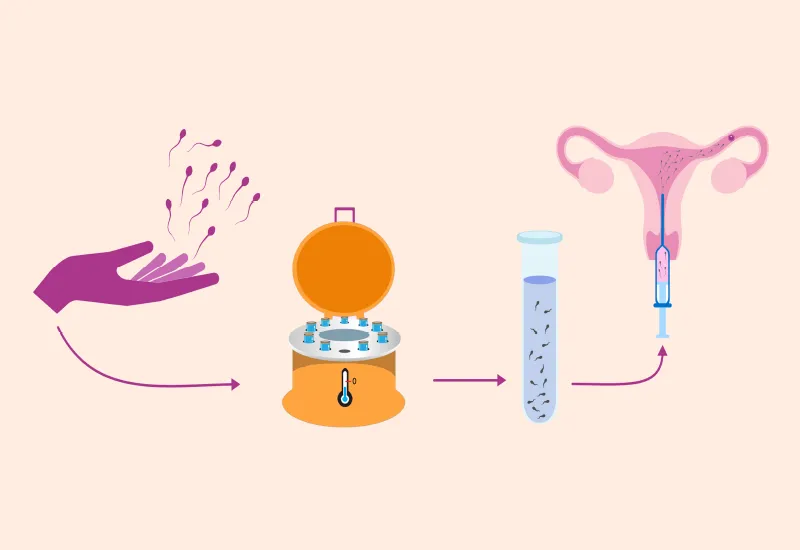
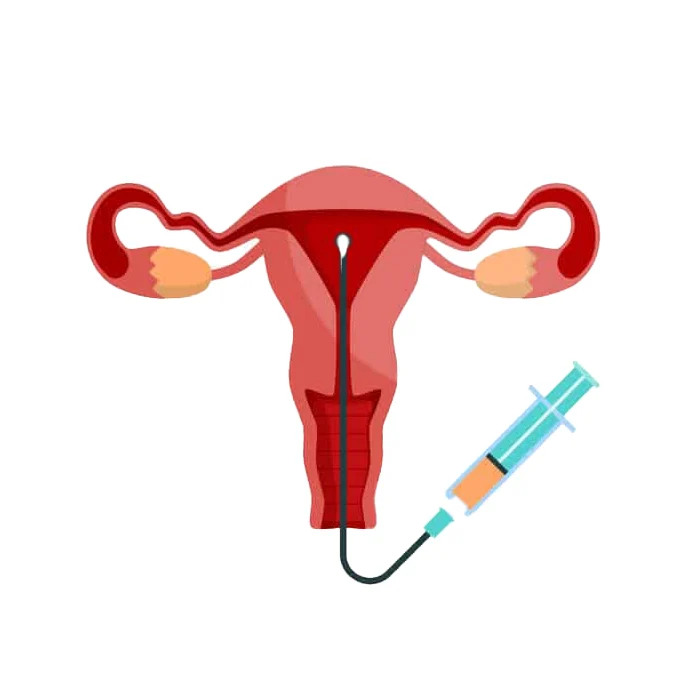
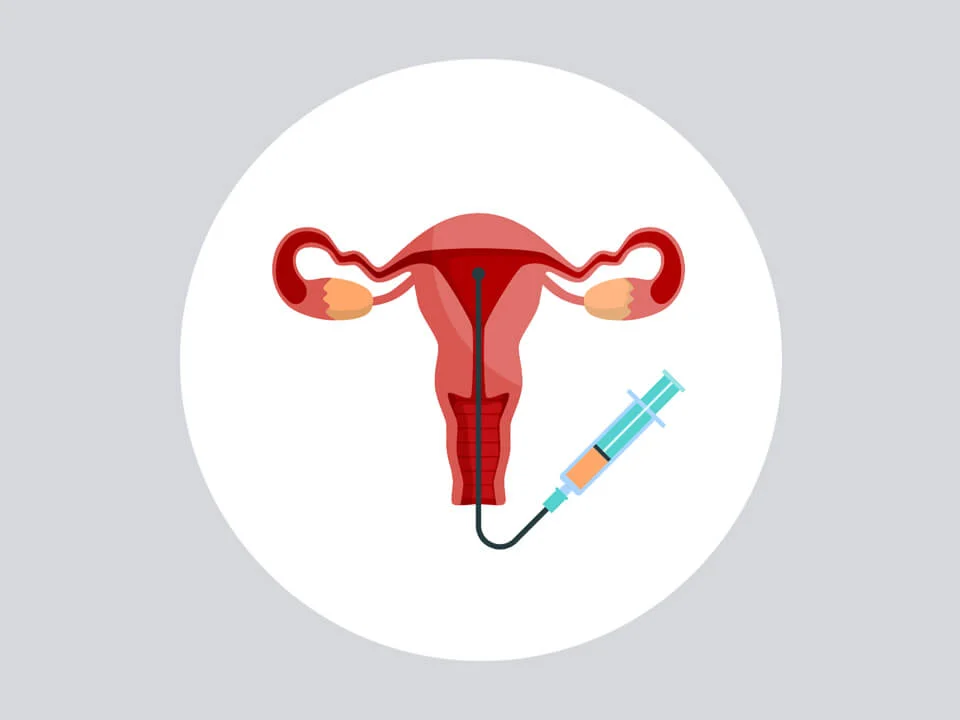
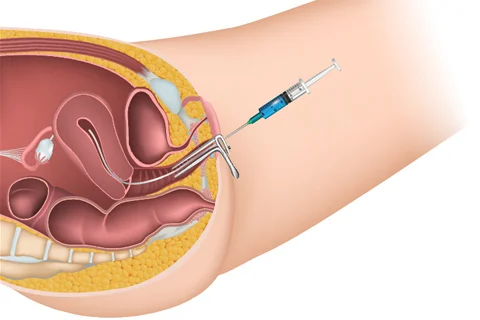
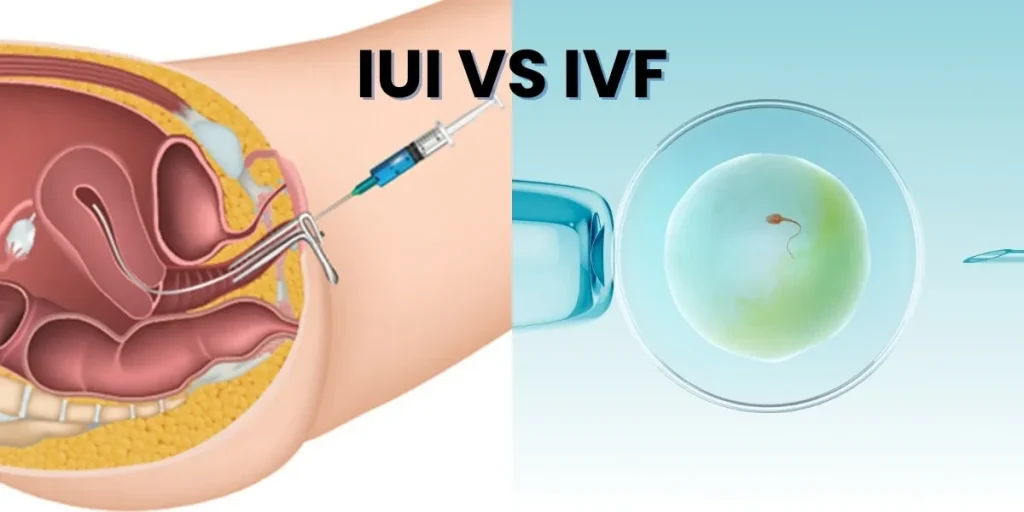
Intrauterine insemination, also known as artificial insemination, is a relatively simple and non-invasive procedure. It involves placing washed and concentrated sperm directly into the uterus, bypassing the cervix. This process is done around the time of ovulation to increase the chances of fertilization. IUI can be performed with the partner’s sperm or with donor sperm, depending on the couple’s needs.
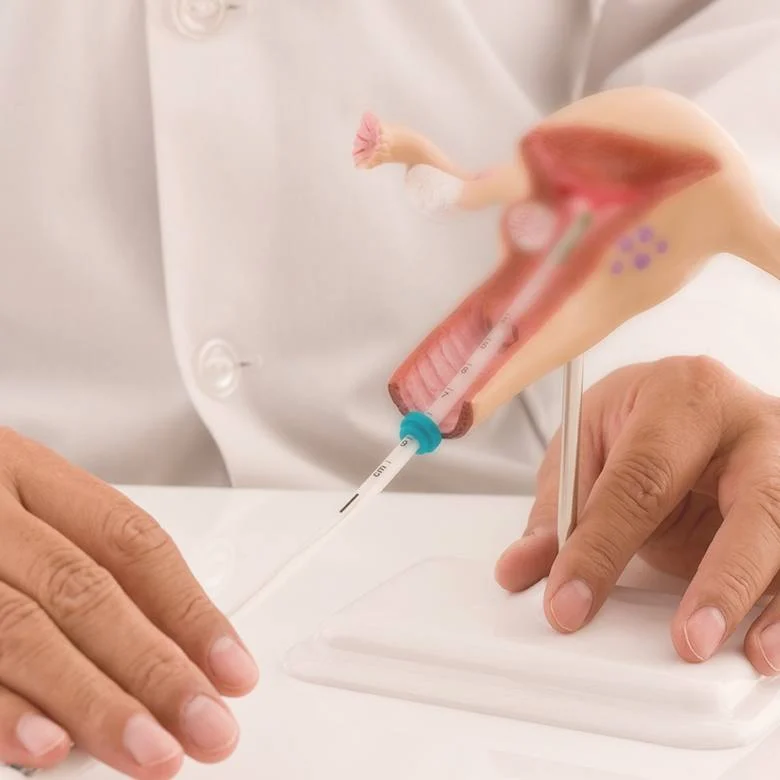
One of the key technologies used in IUI is sperm washing. This process separates healthy sperm from seminal fluid and other debris, increasing the concentration of sperm and reducing the risk of infection. The washed sperm is then placed into the uterus using a catheter, which is guided by ultrasound technology. This allows for precise placement of the sperm near the fallopian tubes, increasing the chances of fertilization.
Another technology used in IUI is ovulation prediction. This involves monitoring a woman’s menstrual cycle to determine the best time for the procedure. This can be done through various methods such as tracking basal body temperature, hormone level testing, and ultrasound monitoring. By accurately predicting ovulation, the success rate of IUI can be significantly improved.
On the other hand, in vitro fertilization is a more complex and invasive procedure. It involves retrieving eggs from the ovaries and fertilizing them with sperm in a laboratory setting. The fertilized eggs, or embryos, are then transferred back into the woman’s uterus, where they can implant and develop into a pregnancy.
The Role of Technology: Intrauterine Insemination vs In Vitro Fertilization
IVF requires advanced technologies such as controlled ovarian stimulation to produce multiple eggs, ultrasound-guided egg retrieval, and laboratory techniques to fertilize the eggs. The embryos are then cultured and monitored for several days before being transferred into the uterus. This process allows for the selection of the healthiest embryos, increasing the chances of a successful pregnancy.
One significant technological advancement in IVF is the use of intracytoplasmic sperm injection (ICSI). This technique involves injecting a single sperm directly into an egg, bypassing any potential barriers to fertilization. ICSI is particularly beneficial for couples with male factor infertility, as it can significantly improve the chances of fertilization compared to traditional IVF.
Another notable technology used in IVF is preimplantation genetic testing (PGT). This involves testing embryos for genetic abnormalities before they are transferred into the uterus. PGT can help identify and prevent the transfer of embryos with chromosomal or genetic abnormalities, reducing the risk of miscarriage or inherited diseases in the baby.
While both IUI and IVF utilize technology to assist with fertility, IVF has a higher success rate. The success rate of IUI is around 10-20%, while IVF has a success rate of 40-45%. This can be attributed to the more advanced technologies used in IVF, as well as the ability to select the healthiest embryos for transfer.
However, with advancements in technology, the success rates of IUI have been steadily increasing. For example, the use of intrauterine ultrasound during the procedure has been shown to improve the success rate of IUI by up to 50%. Additionally, the use of fertility drugs to stimulate ovulation can also improve the chances of success.
Another factor to consider when comparing IUI and IVF is the cost. IUI is a more affordable option compared to IVF, making it a popular choice for couples who do not have severe fertility issues. However, for couples with more complex infertility, IVF may be the better option despite the higher cost.
In conclusion, technology plays a significant role in both intrauterine insemination and in vitro fertilization. These fertility treatments use various techniques and technologies to increase the chances of pregnancy for couples struggling with infertility. While IVF has a higher success rate, advancements in technology have also improved the success rates of IUI. Ultimately, the choice between IUI and IVF depends on the individual needs and circumstances of each couple, and consulting with a fertility specialist is crucial in making the best decision.