Tag: Insurance Coverage

  • The Financial Side of Family Planning: Fertility Treatments vs Adoption

    Blog Post Title: The Financial Side of Family Planning: Fertility Treatments vs Adoption

    Family planning is a critical aspect of a couple’s journey towards parenthood. However, many factors, including medical conditions, age, and financial stability, can affect this process. For some couples, the road to parenthood may involve fertility treatments, while others may choose to adopt. Both options come with their own sets of challenges and costs, making it essential to consider the financial implications of each choice. In this blog post, we will explore the financial side of family planning, specifically comparing fertility treatments to adoption.

    Fertility Treatments:

    Fertility treatments, also known as assisted reproductive technology (ART), involve various medical procedures that aim to help couples conceive. These treatments are often recommended for couples who have been struggling to get pregnant naturally. According to the Centers for Disease Control and Prevention (CDC), about 12% of women aged 15 to 44 in the United States have difficulty getting pregnant or carrying a pregnancy to term. As such, fertility treatments have become a popular option for many couples.

    There are various types of fertility treatments, including fertility drugs, intrauterine insemination (IUI), in vitro fertilization (IVF), and surrogacy. Each treatment option comes with its own costs, and the total expense can vary depending on factors such as the clinic, location, and the specific treatment required.

    One of the most significant costs associated with fertility treatments is the cost of the procedures itself. For example, the average cost of a single IVF cycle in the United States can range from $10,000 to $15,000. This cost does not include additional expenses such as fertility drugs, consultations, and ultrasounds. Additionally, many couples may require multiple cycles of treatment, further increasing the overall cost.

    Moreover, fertility treatments may not be covered by insurance, making it an out-of-pocket expense for many couples. According to the American Society for Reproductive Medicine, only 15 states in the US have laws that require insurance companies to cover fertility treatments. This leaves many couples struggling to cover the costs on their own.

    Adoption:

    doctor discussing treatment with a patient in a medical office, featuring an ultrasound machine in the background

    The Financial Side of Family Planning: Fertility Treatments vs Adoption

    Adoption is another popular option for couples who are unable to conceive naturally. It involves legally accepting a child into one’s family and providing them with a permanent home. Adoption can be a rewarding experience for both the parents and the child, but it also comes with its own set of financial considerations.

    The cost of adoption can range from a few thousand dollars to over $40,000, depending on various factors such as the type of adoption, location, and agency fees. For instance, domestic adoption can cost between $20,000 to $40,000, while international adoption can cost up to $50,000. These costs typically cover expenses such as home studies, legal fees, and agency fees.

    One significant advantage of adoption is that it may be partially or fully covered by insurance, depending on the type of adoption and the insurance policy. For instance, some insurance policies may cover the costs of adoption for children with special needs. Additionally, there are also various financial assistance programs and tax credits available for adoptive families, which can help offset some of the costs.

    Other Financial Considerations:

    Aside from the cost of the procedures, there are other financial considerations that couples should keep in mind when deciding between fertility treatments and adoption. For instance, fertility treatments may involve additional expenses such as time off work for medical appointments, travel costs, and childcare expenses. On the other hand, adoption may require families to take time off work to attend court hearings and bonding with the child.

    Another factor to consider is the ongoing costs associated with raising a child. Fertility treatments may result in multiple births, which can significantly increase the expenses of raising a child. On the other hand, adoption may come with its own set of costs, such as legal fees, medical expenses, and ongoing expenses for the child’s care.

    Summary:

    Family planning is a crucial decision for couples, and the financial aspect is an essential consideration. Fertility treatments and adoption are two popular options for couples struggling to conceive naturally. While fertility treatments can be costly, they provide couples with the opportunity to have a biological child. On the other hand, adoption may be a more affordable option for some couples, and it offers the opportunity to provide a loving home to a child in need. Ultimately, the decision between fertility treatments and adoption should be based on individual circumstances and preferences.

    In conclusion, the financial side of family planning is a significant consideration for couples. Fertility treatments and adoption both come with their own set of costs, and it is essential to weigh the financial implications of each option. Ultimately, the most important factor is to choose the path that is best for the couple and their future family.

  • Breaking Down the Costs: Intrauterine Insemination vs Sperm Washing

    Summary:

    Intrauterine insemination (IUI) and sperm washing are two common methods used for fertility treatments, but many people are not familiar with the differences and costs associated with each option. In this blog post, we will break down the costs of IUI and sperm washing, and explain the differences between the two procedures.

    Firstly, it is important to note that both IUI and sperm washing involve the use of donated sperm and are typically used for individuals or couples with fertility issues. However, the procedures and costs can vary significantly.

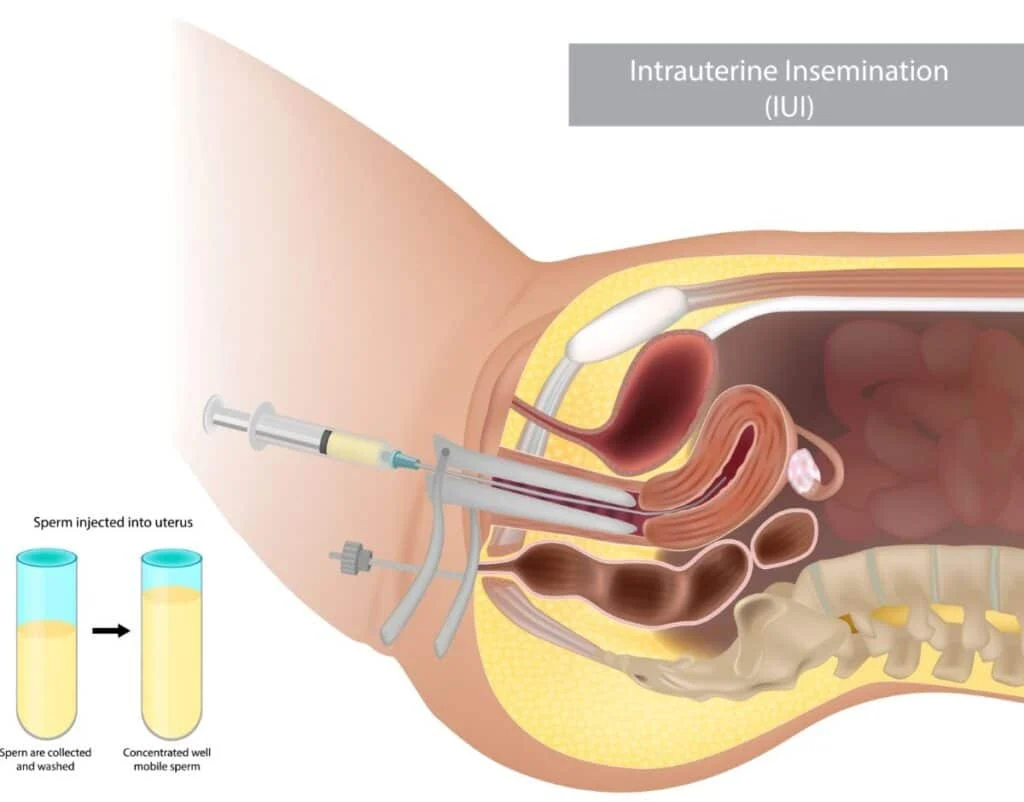
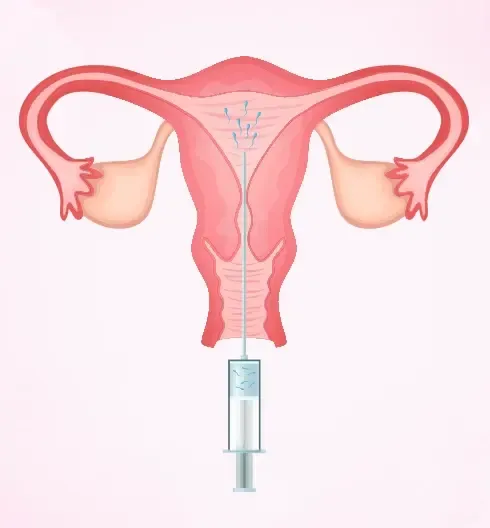
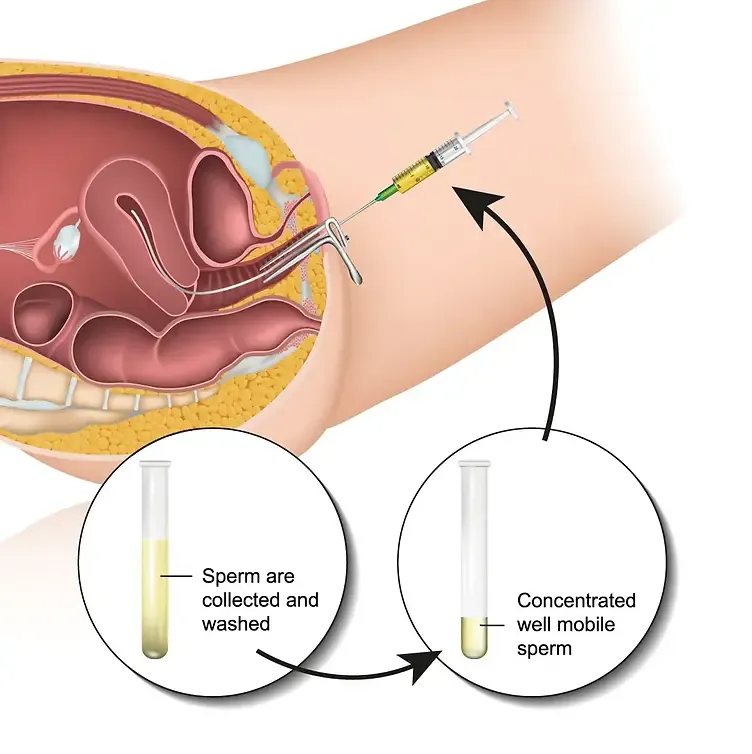
    IUI, also known as artificial insemination, involves placing washed sperm directly into the uterus near the time of ovulation. The cost of IUI can range from $300 to $1000 per cycle, depending on factors such as location and clinic fees. This cost does not include the price of sperm, which can range from $500 to $1000 per vial. Additionally, multiple cycles may be needed for successful pregnancy, leading to further expenses.

    Illustration of intrauterine insemination process, showing sperm collection and injection into the uterus.

    Breaking Down the Costs: Intrauterine Insemination vs Sperm Washing

    On the other hand, sperm washing is a more complex procedure that involves separating healthy sperm from semen, removing any harmful substances, and preserving the sperm for use in assisted reproduction. This is typically used for individuals with fertility issues or those who are using a surrogate. The cost of sperm washing can range from $1000 to $3000 per cycle, which includes the price of sperm and the procedure itself.

    One of the major differences between IUI and sperm washing is the success rates. IUI has a success rate of around 10-20% per cycle, while sperm washing has a higher success rate of 15-20% per cycle. This is due to the fact that sperm washing involves a more thorough screening process, ensuring that only healthy and viable sperm are used for fertilization.

    Another factor to consider is the timing of the procedures. IUI can be performed on a monthly basis, whereas sperm washing may require more time and planning. This is because the sperm washing process can take up to a week to complete, and the timing must be coordinated with the woman’s ovulation cycle.

    Lastly, it is important to note that both IUI and sperm washing may not be covered by insurance. While some insurance plans may cover a portion of the costs, it is important to check with your insurance provider to understand your coverage.

    In conclusion, while IUI may initially seem like a more affordable option, the costs can add up with multiple cycles and the price of sperm. Sperm washing may have a higher upfront cost, but it also has a higher success rate and may be a better option for individuals with fertility issues. It is important to discuss these options with your doctor and weigh the costs and success rates to determine which procedure is right for you.

  • The Financial Considerations: Egg Retrieval vs Egg Sharing

    Blog Post Title: The Financial Considerations: Egg Retrieval vs Egg Sharing

    Summary:

    Egg donation has become a popular option for individuals and couples struggling with infertility. However, the process of egg retrieval can be expensive, making it a daunting decision for many. In recent years, a new option has emerged – egg sharing. This involves sharing the retrieved eggs with another recipient, which can significantly reduce the cost. In this blog post, we will discuss the financial considerations of egg retrieval vs egg sharing, helping you make an informed decision.

    Firstly, let’s understand the basic difference between egg retrieval and egg sharing. Egg retrieval is the process of retrieving eggs from a donor’s ovaries through a minor surgical procedure. These eggs are then fertilized with sperm in a lab and transferred to the intended recipient’s uterus. On the other hand, egg sharing involves a donor agreeing to share the retrieved eggs with another recipient. In this case, the donor may receive a discounted or even free egg retrieval procedure, depending on the arrangement.

    Now, let’s look at the financial considerations of both options. Egg retrieval can cost anywhere between $5,000 to $15,000, depending on the location and clinic. This includes the donor’s compensation, medical expenses, and other related costs. On the other hand, egg sharing may only cost the recipient around $2,000 to $5,000, as the donor’s compensation is divided between the two recipients. This can result in significant savings for the recipient, making egg sharing a more affordable option.

    illustration of a uterus with a syringe, representing intrauterine insemination procedure

    The Financial Considerations: Egg Retrieval vs Egg Sharing

    It’s important to note that egg sharing may not be available in all clinics, and the cost may vary depending on the clinic’s policies. Some clinics may offer a discounted egg retrieval procedure if the donor agrees to share her eggs, while others may offer a free procedure. It’s crucial to research and compare different clinics to find the best option for you.

    Another factor to consider is the legal and insurance implications. In most cases, egg sharing is considered a form of egg donation, and the donor is protected by the same laws and insurance coverage. This means that the recipient may have to cover the donor’s medical expenses and any complications that may arise during the procedure. However, in some cases, the recipient may be required to pay additional costs for the donor’s insurance coverage, which can add to the overall cost.

    Additionally, egg sharing may also have financial benefits for the donor. As mentioned earlier, the donor may receive a discounted or free egg retrieval procedure. Moreover, some clinics may also offer financial incentives, such as compensation for lost wages or travel expenses. This can make egg sharing a more attractive option for donors, as they are not only helping someone in need but also receiving financial benefits.

    Lastly, it’s essential to consider the success rates of both options. In general, egg sharing has slightly lower success rates compared to egg retrieval. This is because the shared eggs may not be of the same quality, and the recipient may receive a smaller number of eggs. However, the success rates can vary depending on the clinic and the donor’s age and health. It’s crucial to discuss the success rates with your doctor and choose the option that has the highest chances of success for your individual case.

    In conclusion, both egg retrieval and egg sharing have their own financial considerations. Egg sharing can significantly reduce the cost for the recipient, making it a more affordable option. However, it may not be available in all clinics, and the success rates may be slightly lower. On the other hand, egg retrieval may be a more expensive option, but it may have higher success rates. It’s crucial to research and compare different clinics and discuss your options with your doctor to make the best decision for your unique situation.

    SEO metadata:

  • Navigating Insurance: What’s Covered in Male and Female Infertility Treatments

    As more couples delay starting a family, infertility has become a common issue. In fact, according to the Centers for Disease Control and Prevention, about 12% of women aged 15-44 in the United States struggle with getting pregnant or carrying a pregnancy to term. This has led to an increase in demand for infertility treatments, which can be costly and overwhelming for many. Thankfully, insurance coverage for infertility treatments has become more widespread in recent years, but understanding what is covered can be a challenge. In this blog post, we will navigate the complex world of insurance coverage for infertility treatments, specifically looking at what is covered for both male and female infertility.

    Firstly, it is important to note that insurance coverage for infertility treatments varies greatly depending on your specific insurance plan. Some plans may provide comprehensive coverage, while others may offer limited coverage or none at all. It is crucial to thoroughly review your insurance policy or speak with a representative to understand what is covered for infertility treatments.

    When it comes to male infertility, the most common treatment is for erectile dysfunction. This condition affects around 30 million men in the United States and can have a significant impact on a couple’s ability to conceive. Thankfully, most insurance plans do cover treatments for erectile dysfunction, such as medication or therapy. However, it is essential to note that not all medications for erectile dysfunction are covered, and some may require a prior authorization from your insurance company. It is also worth noting that while some insurance plans may cover the treatment of erectile dysfunction, they may not cover the underlying cause of the issue, such as low testosterone levels or hormonal imbalances.

    Moving on to female infertility, there are several types of treatments that may be covered by insurance. The most common treatment for female infertility is in vitro fertilization (IVF), which involves fertilizing an egg with sperm in a laboratory and then transferring the embryo into the uterus. While some insurance plans may cover the cost of IVF, it is essential to understand the specific requirements and limitations. For example, some plans may only cover a certain number of IVF cycles, while others may require a specific diagnosis or age restriction for coverage.

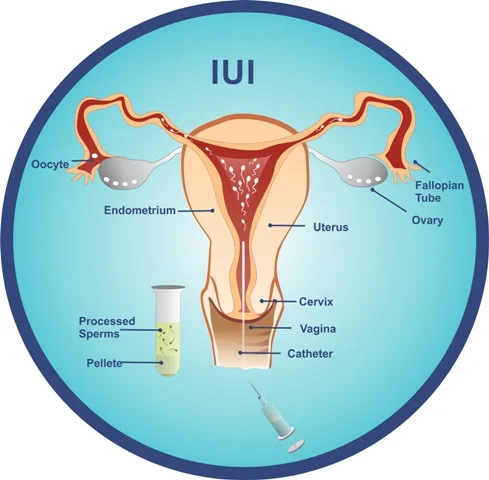
    diagram illustrating intrauterine insemination (IUI) with labeled reproductive anatomy and procedures

    Navigating Insurance: What's Covered in Male and Female Infertility Treatments

    Other treatments for female infertility, such as intrauterine insemination (IUI) and fertility medications, may also be covered by insurance. However, as with IVF, there may be restrictions and limitations on coverage. For instance, some plans may only cover a certain number of IUI cycles, and fertility medications may require a prior authorization or have a cap on the maximum amount covered.

    In addition to treatments, many insurance plans also cover diagnostic testing for infertility. This can include blood tests, ultrasounds, and other procedures to identify the underlying cause of infertility. However, as with treatments, there may be restrictions and limitations on coverage, such as specific diagnoses or age restrictions.

    It is also worth noting that some insurance plans may offer coverage for fertility preservation, which is the process of freezing eggs, sperm, or embryos for future use. This can be particularly beneficial for individuals or couples who may need to delay starting a family due to medical treatments, such as chemotherapy or radiation. However, it is essential to thoroughly review your insurance policy to understand what is covered for fertility preservation.

    While insurance coverage for infertility treatments has become more widespread, it is still not guaranteed. Many insurance plans still do not cover any aspect of infertility treatments, leaving individuals and couples to bear the full cost on their own. In these cases, there may be alternative options, such as financing or grants, to help make treatments more affordable.

    In summary, navigating insurance coverage for infertility treatments can be a complex and overwhelming process. It is crucial to thoroughly review your insurance policy or speak with a representative to understand what is covered for both male and female infertility. Treatments for male infertility, such as erectile dysfunction, may be covered, but there may be limitations and restrictions. For female infertility, treatments such as IVF, IUI, and fertility medications may be covered, but again, there may be specific requirements and limitations. Additionally, diagnostic testing and fertility preservation may also be covered by some insurance plans. It is essential to fully understand your coverage to avoid any unexpected costs and to explore alternative options if needed.

  • Fertility Supplements vs Medical Treatments: Which is More Accessible?

    Blog Post:

    The journey to parenthood can be a difficult and emotional one for many couples. For those struggling with fertility issues, the decision between using fertility supplements or seeking medical treatments can be overwhelming. While both options have their own pros and cons, one factor that often gets overlooked is accessibility. In this blog post, we will explore the differences between fertility supplements and medical treatments, and determine which option is more accessible for couples on their journey to building a family.

    Fertility Supplements:

    Fertility supplements have been gaining popularity in recent years as a natural alternative to medical treatments for fertility issues. These supplements are typically made up of vitamins, minerals, and herbs that claim to boost fertility and increase chances of conception. While some couples have reported success with fertility supplements, it is important to note that these supplements are not regulated by the FDA and their effectiveness is not scientifically proven.

    One of the main advantages of fertility supplements is their accessibility. They can be easily purchased over the counter at drugstores, health food stores, and online retailers. This makes it convenient for couples to try these supplements without the need for a prescription or a visit to a fertility specialist. Additionally, fertility supplements tend to be more affordable compared to medical treatments, making it a more accessible option for couples on a budget.

    However, the lack of regulation and scientific evidence behind fertility supplements can also be a disadvantage. Without proper regulation, there is a risk of consuming supplements that may contain harmful ingredients or interact with other medications. And while some couples may see success with these supplements, others may not experience any changes in their fertility or may even experience negative side effects.

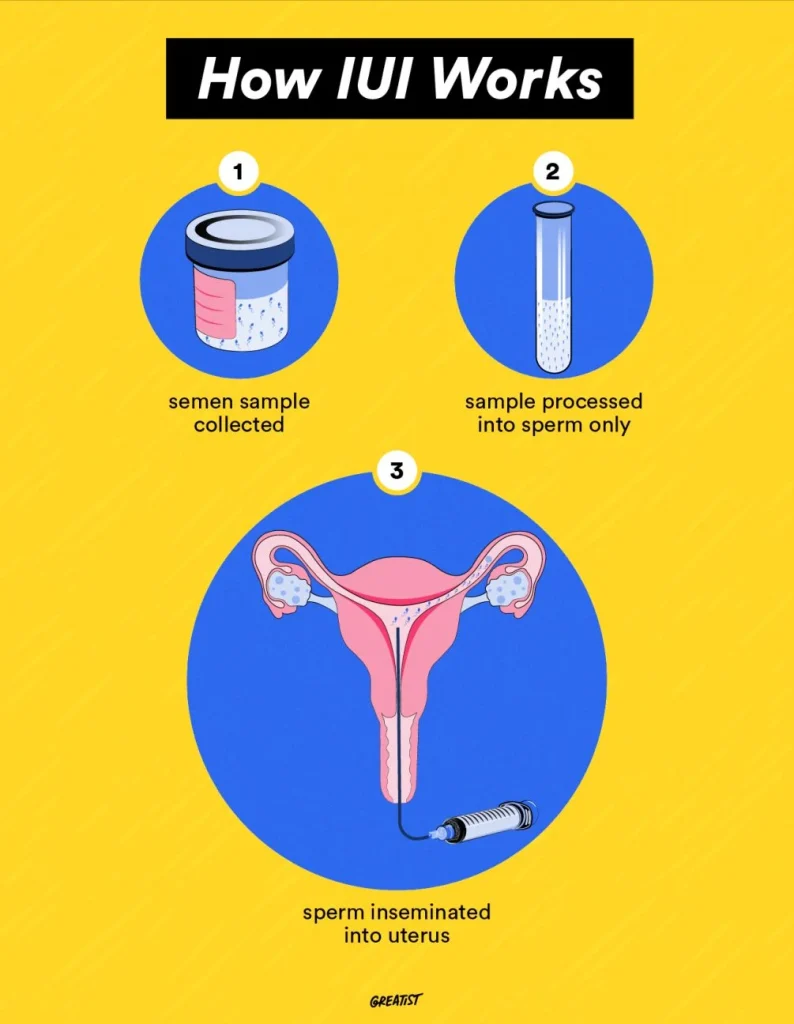
    illustration explaining the steps of intrauterine insemination (IUI) process on a bright yellow background

    Fertility Supplements vs Medical Treatments: Which is More Accessible?

    Medical Treatments:

    On the other hand, medical treatments for fertility issues are prescribed and supervised by fertility specialists. These treatments can include fertility drugs, intrauterine insemination (IUI), and in vitro fertilization (IVF). While they may be more effective in treating fertility issues, they also come with a higher price tag and require more time and effort.

    One of the biggest barriers to accessing medical treatments for fertility is the cost. Fertility drugs can cost hundreds of dollars per cycle, and IUI and IVF can cost thousands of dollars per attempt. These costs can quickly add up and become a financial burden for couples, especially if multiple attempts are needed. Additionally, medical treatments may also require travel to a fertility clinic, which can be a challenge for couples who live in remote areas or do not have access to reliable transportation.

    Another factor that may affect the accessibility of medical treatments for fertility is insurance coverage. While some insurance plans may cover certain aspects of fertility treatments, many do not cover them at all. This can make it difficult for couples to afford the necessary medical treatments.

    Summary:

    When it comes to fertility supplements vs medical treatments, accessibility should be a key consideration for couples. Fertility supplements may be more accessible in terms of availability and affordability, but they also come with risks and lack of scientific evidence. On the other hand, medical treatments may be more effective, but they can also be costly and may not be covered by insurance. Ultimately, the choice between fertility supplements and medical treatments will depend on the individual needs and preferences of each couple.

    In conclusion, while both fertility supplements and medical treatments can be viable options for couples struggling with fertility issues, it is important to carefully consider the accessibility of each option. Couples should consult with a healthcare professional to determine the best course of action for their specific situation and make an informed decision.

  • The Cost of Conception: Comparing Fertility Drug and Natural Method Expenses

    Blog Post Title: The Cost of Conception: Comparing Fertility Drug and Natural Method Expenses

    Summary:

    The journey towards starting a family can be an exciting and emotional time for couples. However, for some, it may also come with its own set of challenges, particularly when it comes to fertility. Many couples turn to various methods to increase their chances of conceiving, and two of the most common options are fertility drugs and natural methods. While both have their own advantages and disadvantages, one crucial factor that couples often consider is the cost. In this blog post, we will compare the expenses associated with fertility drugs and natural methods to help you make an informed decision.

    The Cost of Fertility Drugs:

    Fertility drugs are commonly used to stimulate ovulation and increase the chances of conception. These drugs work by regulating hormones and can be prescribed for various fertility issues, such as irregular ovulation or polycystic ovary syndrome (PCOS). The cost of fertility drugs can vary greatly depending on the type of medication, dosage, and length of treatment.

    For example, Clomid, one of the most commonly prescribed fertility drugs, can cost anywhere from $100 to $200 per cycle. However, more potent medications such as gonadotropins can cost up to $1000 per cycle. Additionally, some fertility drugs may require monitoring through ultrasounds and blood work, which can add to the overall cost.

    The Cost of Natural Methods:

    Natural methods, on the other hand, do not involve any medication and focus on identifying the most fertile days in a woman’s cycle and timing intercourse accordingly. This approach may include tracking basal body temperature, cervical mucus, and using ovulation prediction kits. While the initial cost of these methods may be minimal, they do require consistent tracking and can be time-consuming.

    diagram illustrating intrauterine insemination (IUI) with labeled reproductive anatomy and procedures

    The Cost of Conception: Comparing Fertility Drug and Natural Method Expenses

    Some couples may also choose to seek the help of a fertility specialist who can guide them through the process and provide more accurate information on when to try for conception. This may come with additional costs, such as consultations and diagnostic tests.

    Comparing the Expenses:

    When comparing the expenses of fertility drugs and natural methods, it is essential to consider not only the upfront costs but also the potential long-term expenses. Fertility drugs may have a higher initial cost, but they can also increase the chances of conception in a shorter period. This can be a significant factor for couples who have been trying to conceive for a long time and are eager to start a family.

    On the other hand, natural methods may have lower upfront costs, but they require consistent tracking and may take longer to achieve pregnancy. This can lead to higher costs in the long run, especially if couples choose to seek additional help from a fertility specialist.

    Other Factors to Consider:

    Apart from the expenses, there are other factors that couples should consider when deciding between fertility drugs and natural methods. Fertility drugs come with potential side effects, and some may not be suitable for individuals with certain medical conditions. Natural methods, on the other hand, may not be as effective for couples with underlying fertility issues.

    Additionally, some insurance plans may cover the costs of fertility drugs, but not natural methods. It is essential to check with your insurance provider and understand what is covered and what is not.

    In Conclusion:

    The cost of conception can vary greatly depending on the method chosen, and it is ultimately a personal decision for each couple. While fertility drugs may have a higher initial cost, they can increase the chances of conception in a shorter period. Natural methods may have lower upfront costs, but they require consistent tracking and may take longer to achieve pregnancy. Other factors, such as potential side effects and insurance coverage, should also be considered. It is important to consult with a healthcare professional and weigh all options before deciding on the best approach for you.

  • The Impact of Insurance: Intrauterine Insemination vs In Vitro Fertilization

    Blog Post Title: The Impact of Insurance: Intrauterine Insemination vs In Vitro Fertilization

    Summary:

    Infertility is a common issue that affects many couples around the world. With advancements in medical technology, there are now various treatments available to help couples conceive. Two of the most popular treatments are Intrauterine Insemination (IUI) and In Vitro Fertilization (IVF). However, these treatments can be costly, and many couples struggle with the financial burden. This has led to the question of whether insurance coverage should be offered for these procedures.

    This blog post will explore the impact of insurance coverage for IUI and IVF. We will discuss the differences between these treatments, their success rates, and the cost associated with them. We will also examine the current state of insurance coverage for these procedures and the potential impact of offering coverage.

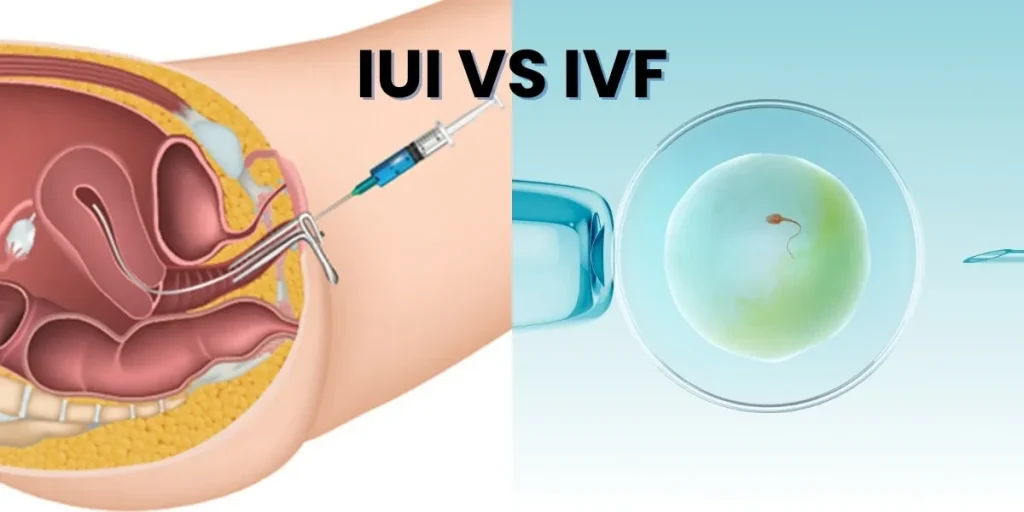
    Intrauterine Insemination (IUI) is a fertility treatment where sperm is placed directly into the uterus during ovulation. This procedure is less invasive and less expensive compared to IVF. It is often the first option for couples who are struggling to conceive. The success rate of IUI varies depending on factors such as age and underlying fertility issues, but it is generally lower than IVF.

    On the other hand, In Vitro Fertilization (IVF) involves retrieving eggs from the ovaries and fertilizing them with sperm in a laboratory. The fertilized eggs are then transferred to the uterus for implantation. IVF is a more complex and invasive procedure, and it has a higher success rate compared to IUI. However, it is also significantly more expensive.

    comparison of IUI and IVF fertility treatments with illustrations of procedures and a petri dish with an egg and sperm

    The Impact of Insurance: Intrauterine Insemination vs In Vitro Fertilization

    The cost of IUI and IVF can be a major barrier for couples seeking these treatments. On average, one cycle of IUI can cost between $500 to $4,000, while a single round of IVF can cost between $10,000 to $15,000. In some cases, multiple cycles of these treatments may be required, increasing the overall cost. This financial burden can cause stress and strain on couples, both emotionally and financially.

    Currently, insurance coverage for fertility treatments varies greatly. Some insurance plans cover a portion of the cost for IUI and IVF, while others provide no coverage at all. This lack of coverage can be frustrating for couples, especially when facing infertility issues. The cost of these procedures can be a significant barrier for many, making it challenging to access necessary treatment.

    The impact of insurance coverage for fertility treatments is significant. Access to these treatments can greatly improve the chances of conceiving for couples struggling with infertility. By offering coverage for IUI and IVF, more couples will have access to these treatments, increasing their chances of success.

    Moreover, offering insurance coverage for fertility treatments can also have a positive impact on society. Infertility can lead to emotional distress, and for many, it is a traumatic experience. By providing coverage for these treatments, couples can focus on their journey to parenthood without the added stress of financial concerns. This can lead to a healthier and happier society.

    Another crucial point to consider is the cost-effectiveness of offering insurance coverage for fertility treatments. While these procedures may seem expensive, the long-term costs of infertility can be even higher. Infertility can lead to the need for more extensive and costly medical interventions, such as fertility drugs, surgeries, and even adoption. By covering IUI and IVF, insurance companies can save money in the long run.

    In conclusion, the impact of insurance coverage for IUI and IVF is significant. It can provide much-needed financial relief for couples struggling with infertility and increase their chances of conceiving. It can also have a positive impact on society and be cost-effective for insurance companies in the long run. As infertility continues to affect many couples, it is crucial for insurance companies to consider offering coverage for these treatments.

  • The Financial Aspects of Egg Donation and Egg Freezing

    Blog Post: The Financial Aspects of Egg Donation and Egg Freezing

    Egg donation and egg freezing are two options available for women who are looking to preserve their fertility or help others become parents. Both processes involve medical procedures and can have significant financial implications. In this blog post, we will explore the financial aspects of egg donation and egg freezing, including the costs involved, insurance coverage, and potential financial benefits.

    Costs of Egg Donation and Egg Freezing

    The cost of egg donation and egg freezing can vary greatly depending on several factors such as location, clinic, and individual circumstances. In general, egg donation is more expensive than egg freezing as it involves a more extensive and invasive process.

    Egg Donation Cost

    The cost of egg donation can range from $5,000 to $15,000 per cycle, and multiple cycles may be needed to achieve a successful pregnancy. This cost includes the compensation for the egg donor, medical and screening expenses, and legal fees. The egg donor’s compensation can range from $5,000 to $10,000 and is usually higher for donors with desirable characteristics such as a high education level or specific ethnicity. Additional costs may include travel expenses and medication.

    Egg Freezing Cost

    Egg freezing, also known as oocyte cryopreservation, can cost between $5,000 to $10,000 per cycle. The cost includes the retrieval of eggs and the storage of the frozen eggs for future use. Additional costs may include medication, blood work, and ultrasounds. Some clinics offer package deals for multiple cycles, which can help reduce the overall cost.

    Insurance Coverage for Egg Donation and Egg Freezing

    Most insurance companies do not cover the cost of egg donation or egg freezing, considering it an elective procedure. However, some insurance plans may cover the cost of fertility preservation for medical reasons, such as cancer treatment. It is essential to check with your insurance provider to determine if you have any coverage for these procedures.

    Diagram illustrating intrauterine insemination (IUI) procedure with sperm injection into the uterus.

    The Financial Aspects of Egg Donation and Egg Freezing

    Potential Financial Benefits

    For women considering egg donation, the financial benefits can be significant. Egg donors can receive compensation for their time and any associated expenses. This compensation can help cover the costs of education, travel, or debt repayment. Furthermore, some clinics offer additional incentives such as free egg freezing for donors who complete a certain number of cycles.

    For women considering egg freezing, the financial benefits may come in the form of peace of mind. By preserving their fertility through egg freezing, women can delay starting a family and focus on their careers or other aspects of their lives. This option can also be beneficial for women who are not ready to have children but want to ensure they have the option in the future.

    Tax Implications

    The compensation received for egg donation is considered taxable income. The egg donor will receive a 1099 form from the clinic and is responsible for reporting this income on their tax return. The cost of egg freezing, on the other hand, is not tax-deductible, as it is considered an elective procedure.

    Legal Considerations

    It is essential to consider the legal implications of egg donation and egg freezing. Contracts are typically drawn up between donors and intended parents to outline the rights and responsibilities of all parties involved. It is crucial to work with an experienced attorney to ensure that all legal aspects are covered and both parties are protected.

    In conclusion, the financial aspects of egg donation and egg freezing can be significant. It is essential to carefully consider the costs involved, insurance coverage, and potential financial benefits before making a decision. Consulting with a financial advisor can also help individuals navigate the financial implications of these procedures. Ultimately, the decision to donate eggs or freeze them for future use is a personal one and should be made after careful consideration of all factors.

    Summary:

    Egg donation and egg freezing are two options available for preserving fertility or helping others become parents. The cost of egg donation can range from $5,000 to $15,000 per cycle, while egg freezing can cost between $5,000 to $10,000 per cycle. Insurance coverage for these procedures is limited, and the financial benefits may come in the form of compensation for egg donors or peace of mind for women considering egg freezing. It is essential to consider tax implications and legal considerations before making a decision.

  • The Role of the Medical Team: Finding the Right Doctors for Artificial Insemination and IVF

    The Role of the Medical Team: Finding the Right Doctors for Artificial Insemination and IVF

    In recent years, advancements in medical technology have made it possible for couples struggling with infertility to conceive through artificial insemination and in vitro fertilization (IVF). These procedures involve the use of sperm or eggs from a donor to fertilize the woman’s egg, and then transferring the resulting embryo into her uterus. While these procedures have given hope to many couples, finding the right medical team to guide you through the process is crucial for a successful outcome. In this blog post, we will discuss the role of the medical team in artificial insemination and IVF, and provide tips for finding the right doctors for these procedures.

    The Role of the Medical Team

    The medical team plays a crucial role in the success of artificial insemination and IVF. They are responsible for assessing the couple’s fertility, selecting the appropriate treatment plan, and carrying out the procedures. Here are some of the key members of the medical team involved in artificial insemination and IVF:

    1. Reproductive Endocrinologist – A reproductive endocrinologist is a specialist in fertility and hormone disorders. They are responsible for diagnosing and treating the underlying causes of infertility and overseeing the entire IVF process.

    2. Andrologist – An andrologist is a specialist in male reproductive health. They are responsible for assessing and treating male infertility, which includes collecting and analyzing sperm samples for use in artificial insemination or IVF.

    3. Embryologist – An embryologist is a specialist in the development and manipulation of embryos. They are responsible for monitoring the fertilization process, selecting the healthiest embryos for transfer, and preserving any remaining embryos for future use.

    4. Fertility Nurse – A fertility nurse is a registered nurse who specializes in reproductive health. They work closely with the reproductive endocrinologist and assist with the various procedures involved in artificial insemination and IVF.

    Illustration of a uterus with a syringe indicating an intrauterine insemination procedure.

    The Role of the Medical Team: Finding the Right Doctors for Artificial Insemination and IVF

    5. Genetic Counselor – A genetic counselor is a healthcare professional who is trained in genetics and counseling. They play a crucial role in the IVF process by assessing the risk of genetic disorders and providing guidance on genetic testing and family planning.

    Finding the Right Doctors for Artificial Insemination and IVF

    Now that we understand the role of the medical team in artificial insemination and IVF, let’s discuss some tips for finding the right doctors for these procedures:

    1. Research and Ask for Referrals – The first step in finding the right medical team for artificial insemination and IVF is to do your research. Look for reputable fertility clinics and read reviews from their previous patients. You can also ask for referrals from your primary care physician or friends and family who have gone through similar procedures.

    2. Consider Their Experience and Success Rates – It is essential to choose a medical team with experience and a track record of success in artificial insemination and IVF. Ask about their success rates and the number of procedures they have performed in the past. A more experienced team can increase your chances of a successful outcome.

    3. Check Their Credentials – Make sure that the doctors on your medical team are licensed and certified in their respective fields. You can verify their credentials through your state’s medical board or professional organizations such as the American Society for Reproductive Medicine (ASRM) or the Society for Assisted Reproductive Technology (SART).

    4. Evaluate Their Communication and Bedside Manner – Going through fertility treatments can be emotionally and physically taxing, so it is crucial to choose a medical team that you feel comfortable with. Evaluate their communication skills and bedside manner during your initial consultation to ensure that you feel heard and supported throughout the process.

    5. Consider Your Insurance Coverage – Before choosing a medical team, it is essential to consider your insurance coverage for fertility treatments. Some insurance plans may cover all or part of the costs of artificial insemination and IVF, while others may not cover any expenses. It is important to know your coverage to avoid any unexpected financial burdens.

    In summary, the role of the medical team in artificial insemination and IVF is crucial for a successful outcome. They play a vital role in diagnosing and treating infertility, selecting the appropriate treatment plan, and carrying out the procedures. When looking for the right doctors for these procedures, it is essential to research, consider their experience and success rates, check their credentials, evaluate their communication and bedside manner, and consider your insurance coverage.