Tag: Informed Consent

  • The Impact of Egg Donation and Egg Freezing on Women’s Health

    The Impact of Egg Donation and Egg Freezing on Women’s Health

    Egg donation and egg freezing are two procedures that have become increasingly popular in recent years, especially among women who are looking to delay starting a family. While both of these options have their benefits, they also come with their own set of potential risks and impacts on women’s health. In this blog post, we will delve into the world of egg donation and egg freezing, exploring their effects on women’s physical, mental, and emotional well-being.

    Egg Donation:

    Egg donation is the process of retrieving eggs from a donor and using them to help another woman or couple conceive a child. This process is often used by couples struggling with infertility, same-sex couples, or single women who want to have a child. While egg donation can be a life-changing opportunity for those who are unable to conceive on their own, it also has its own set of implications for women’s health.

    One of the main concerns with egg donation is the effect it can have on a woman’s hormones. In order to retrieve eggs, the donor must undergo a series of hormone injections to stimulate the production of multiple eggs. These hormones can cause a range of side effects, such as mood swings, headaches, bloating, and abdominal discomfort. In rare cases, they can also lead to more serious complications such as ovarian hyperstimulation syndrome (OHSS). This condition occurs when the ovaries become swollen and painful, and can even result in hospitalization.

    In addition to the physical impact, egg donation can also have emotional consequences for women. The process of undergoing hormone injections, egg retrieval, and the knowledge that their eggs will be used to help others can be emotionally taxing. Many donors report feeling a sense of loss or grief after the procedure, as well as concerns about the well-being of the child that may be born from their eggs.

    Furthermore, egg donation can also have long-term effects on a woman’s fertility. While it is possible for donors to still conceive naturally after the procedure, there is a risk of reduced ovarian reserve, meaning the number of eggs a woman has available for future pregnancies may be decreased. This is a crucial factor to consider for women who may still want to have biological children in the future.

    Egg Freezing:

    Egg freezing, also known as oocyte cryopreservation, is a process where a woman’s eggs are retrieved, frozen, and stored for future use. This option has become increasingly popular for women who want to delay starting a family for various reasons, such as focusing on their careers or not yet finding the right partner. While it allows women to preserve their fertility, egg freezing also has its own set of implications for women’s health.
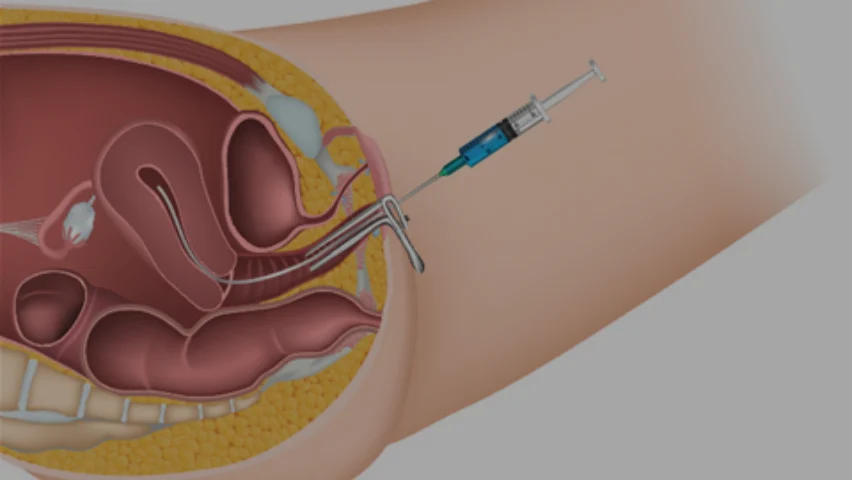
    Illustration of intrauterine insemination (IUI) procedure with syringe and catheter in the uterus.

    The Impact of Egg Donation and Egg Freezing on Women's Health

    The process of egg freezing involves the same hormone injections as egg donation, which can have similar physical and emotional effects. However, the main concern with egg freezing is the potential long-term effects on a woman’s health. The procedure itself is relatively new, and there is limited research on the potential risks associated with it. Some studies have suggested that the hormones used in the process may increase the risk of certain health conditions, such as breast and uterine cancer. Additionally, the process of retrieving eggs can also lead to complications such as bleeding, infection, and damage to surrounding organs.

    Another important consideration with egg freezing is the success rate. While it is a viable option for preserving fertility, there is no guarantee that the frozen eggs will result in a successful pregnancy in the future. This can lead to disappointment and emotional distress for women who have undergone the procedure. Additionally, the cost of egg freezing can be a barrier for many women, as it is not typically covered by insurance and can be quite expensive.

    The Importance of Informed Consent and Ongoing Support:

    Both egg donation and egg freezing are complex procedures that have the potential to impact a woman’s physical, mental, and emotional well-being. As with any medical procedure, it is crucial for women to fully understand the risks and potential effects before making a decision. This is why informed consent is essential in both egg donation and egg freezing.

    Informed consent means that individuals are fully informed about the details, risks, and benefits of a medical procedure, and are able to make an informed decision about whether or not to proceed. In the case of egg donation and egg freezing, this means providing donors and patients with thorough information about the procedures, potential side effects, and long-term implications. This allows women to make an informed decision about their own health and fertility.

    In addition to informed consent, ongoing support is also crucial for women who have undergone egg donation or egg freezing. These procedures can have a significant impact on a woman’s mental and emotional well-being, and it is important for them to have access to resources and support systems to help them navigate any challenges that may arise. This can include counseling, support groups, and access to information about their fertility and reproductive health.

    In conclusion, egg donation and egg freezing are two procedures that have the potential to greatly impact women’s health and fertility. While they offer opportunities for women to have a child or preserve their fertility, there are also potential risks and implications that must be carefully considered. Informed consent and ongoing support are essential for women to make informed decisions about their health and well-being.

    Summary:

    Egg donation and egg freezing are two procedures that have become popular among women for various reasons. While they offer benefits such as helping couples struggling with infertility or preserving fertility, they also come with potential risks and impacts on women’s health. The hormone injections used in these procedures can cause physical side effects and emotional distress. In addition, there are long-term implications on fertility and potential risks such as cancer. Informed consent and ongoing support are crucial for women to make informed decisions and navigate any challenges that may arise.
  • The Legal Implications of DIY Fertility Treatments

    Blog Post:

    In recent years, do-it-yourself (DIY) fertility treatments have become a popular option for couples struggling with infertility. With advancements in technology and the rising costs of traditional fertility treatments, more and more people are turning to DIY methods as a more affordable and accessible alternative. However, these DIY fertility treatments come with their own set of legal implications that individuals and couples should be aware of before embarking on this journey. In this blog post, we will explore the legal implications of DIY fertility treatments and the potential risks involved.

    First and foremost, it is important to understand that fertility treatments, whether done at a clinic or at home, are regulated by the government. In the United States, the Food and Drug Administration (FDA) regulates fertility treatments, and any DIY treatments that involve the use of drugs or medical devices without a prescription from a licensed healthcare professional are considered illegal. This means that individuals who choose to pursue DIY fertility treatments without proper medical supervision may be subject to legal consequences.

    One of the main concerns with DIY fertility treatments is the potential health risks involved. Without proper medical oversight, individuals may be putting their health and well-being at risk. For example, some DIY fertility treatments involve the use of hormones, which can have serious side effects if not monitored and administered correctly. In addition, there is a risk of contamination or improper handling of equipment, which can lead to infections or other health complications.

    Moreover, there is also a risk of legal consequences if the DIY fertility treatment results in a pregnancy. In some states, individuals who use a sperm donor or surrogate without going through a licensed fertility clinic may not have legal parental rights. This could lead to complicated legal battles and uncertainty for both the parents and the child. It is important to note that laws and regulations surrounding fertility treatments vary from state to state, so it is crucial to research and understand the legal implications in your specific jurisdiction.

    Another legal concern with DIY fertility treatments is the potential for fraud and scams. As with any growing industry, there are individuals and companies that may take advantage of vulnerable individuals seeking fertility treatments. Without proper regulation and oversight, it can be difficult to determine the legitimacy and effectiveness of DIY fertility treatments. This could result in individuals spending large sums of money on treatments that may not be effective or even safe.

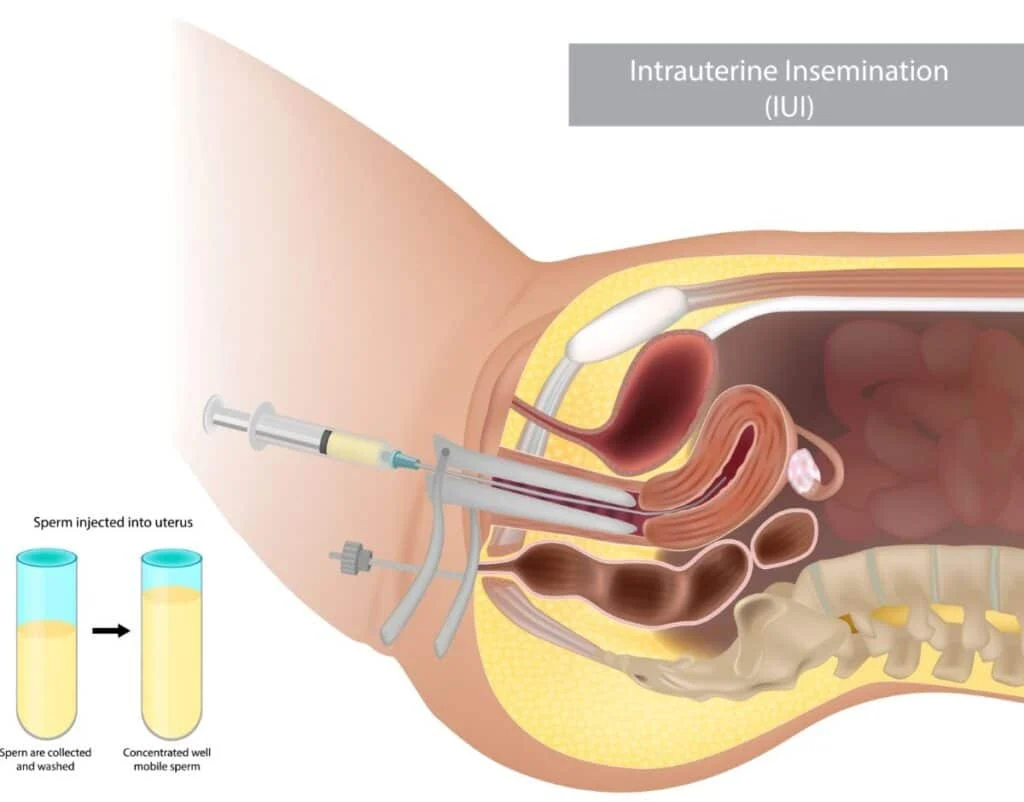
    Diagram illustrating intrauterine insemination (IUI) procedure with sperm injection into the uterus.

    The Legal Implications of DIY Fertility Treatments

    Furthermore, there is also the issue of informed consent. DIY fertility treatments often involve individuals procuring their own sperm or eggs, which raises questions about the consent of the donor. In traditional fertility treatments, donors go through a thorough screening process and provide their consent before any procedures are done. With DIY treatments, there is no guarantee that the donor has given their informed consent, which could lead to legal complications down the line.

    In addition, DIY fertility treatments also raise ethical concerns. With the rise of online marketplaces for sperm and egg donations, there is a growing concern about the commoditization of human reproductive materials. Some argue that this can lead to the exploitation of donors and the devaluation of human life. It is important for individuals to consider these ethical concerns before pursuing DIY fertility treatments.

    So, what can individuals do to protect themselves legally when it comes to DIY fertility treatments? One option is to seek legal advice before embarking on any DIY treatments. A lawyer can help individuals understand the legal implications and risks involved and provide guidance on how to protect their rights. It is also important to thoroughly research and understand the laws and regulations in your state regarding fertility treatments.

    In conclusion, while DIY fertility treatments may seem like a more affordable and accessible option for couples struggling with infertility, it is important to consider the legal implications and potential risks involved. Without proper medical supervision and legal guidance, individuals may be putting their health and well-being at risk and facing legal consequences. It is crucial to thoroughly research and understand the laws and regulations in your state before pursuing any DIY fertility treatments.

    Summary:

    DIY fertility treatments have become a popular option for couples struggling with infertility due to their lower costs and accessibility. However, it is important to note that these treatments are regulated by the government and individuals may face legal consequences if not done under proper medical supervision. DIY fertility treatments also carry health risks and raise concerns about informed consent, fraud, and ethics. Seeking legal advice and thoroughly researching laws and regulations in your state can help protect individuals from potential legal complications.

  • The Ethics of Fertility Clinics vs DIY Treatments

    Blog Post:

    Fertility is a deeply personal and emotional topic, with many couples struggling to conceive and turn to fertility clinics for help. However, as the cost of fertility treatments continue to rise, some couples are turning to do-it-yourself (DIY) treatments as a more affordable alternative. But with the rise of DIY fertility treatments, questions about their ethics have emerged. In this blog post, we will explore the ethics of fertility clinics versus DIY treatments and the potential risks and benefits of each option.

    Fertility Clinics: A Multimillion-Dollar Industry

    Fertility clinics have become a booming business, with the global fertility services market expected to reach $36.2 billion by 2026. These clinics offer a range of treatments, from basic fertility testing to more advanced procedures such as in vitro fertilization (IVF). While the success rates of these treatments vary, they often come with a hefty price tag, making them out of reach for many couples.

    One of the biggest ethical concerns surrounding fertility clinics is their high cost. The average cost of a single IVF cycle in the United States can range from $12,000 to $15,000, not including the cost of medications. This high cost can create a barrier for many couples who cannot afford these treatments, leading them to seek alternative options.

    DIY Treatments: A Controversial Alternative

    With the rise of DIY culture, some couples have turned to at-home fertility treatments as a more affordable option. These treatments can range from using over-the-counter fertility supplements to at-home insemination kits. While these treatments may seem appealing due to their lower cost, they come with their own set of ethical concerns.

    One of the major concerns with DIY treatments is the lack of medical supervision. Fertility clinics have a team of trained medical professionals overseeing the entire process, ensuring the safety and well-being of the patients. On the other hand, DIY treatments do not have the same level of medical oversight, putting the health of the individuals at risk. Improper use of medications or equipment can lead to serious health complications, and there is also a risk of misdiagnosis or incorrect treatment plans.

    Another issue with DIY treatments is the lack of regulation. Fertility clinics are highly regulated by government agencies, ensuring that they meet certain standards and adhere to ethical guidelines. However, DIY treatments are not held to the same level of scrutiny, and there is a lack of oversight on the quality and safety of the products being used. This can lead to unproven or potentially dangerous treatments being marketed to vulnerable couples.

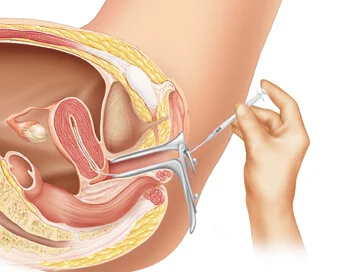
    illustration of intrauterine insemination procedure with a hand holding a speculum and syringe near the uterus

    The Ethics of Fertility Clinics vs DIY Treatments

    The Ethical Considerations of DIY Treatments

    In addition to the potential health risks, there are also ethical considerations when it comes to DIY treatments. One of the main concerns is the exploitation of vulnerable individuals. Couples who are struggling to conceive may be more willing to try unproven methods in the hopes of achieving pregnancy, and there are companies that take advantage of this by marketing their products as “miracle cures.”

    There is also the issue of informed consent. Fertility clinics have a legal and ethical obligation to fully inform patients of the potential risks and success rates of treatments, allowing them to make an informed decision. However, DIY treatments may not provide the same level of information, leading to individuals making decisions without fully understanding the potential consequences.

    Benefits and Risks of Fertility Clinics and DIY Treatments

    It is important to acknowledge that both fertility clinics and DIY treatments have their own set of benefits and risks. Fertility clinics offer the expertise and resources of trained medical professionals, increasing the chances of a successful pregnancy. They also provide a safe and regulated environment for treatments.

    On the other hand, DIY treatments may be more accessible and affordable for some couples. They also allow individuals to take a more active role in their own fertility journey, which can be empowering. However, the lack of medical supervision and regulation can pose significant risks.

    In Summary

    The decision to seek fertility treatments is a deeply personal one, and it is crucial to carefully consider the ethics and potential risks of both fertility clinics and DIY treatments. Fertility clinics offer the expertise and regulation that DIY treatments lack, but their high cost can create a barrier for many couples. DIY treatments may be a more affordable option, but they come with potential health risks and ethical concerns.

    It is important for individuals to thoroughly research and consult with medical professionals before making any decisions about their fertility journey. Fertility clinics and DIY treatments both have their own benefits and risks, and it is up to each couple to weigh these factors and make an informed decision that is best for them.

    In conclusion, the ethics of fertility clinics versus DIY treatments is a complex and ongoing debate. While fertility clinics offer regulated and supervised treatments, DIY treatments may be a more accessible and affordable option. It is crucial for individuals to carefully consider the ethical implications and potential risks before embarking on any fertility journey.

  • The Ethics of Donor Conception: Exploring Complex Questions and Considerations

    (Word count: 2009)

    Summary:

    Donor conception, the process of using a donor’s genetic material to create a child, is a complex and controversial topic that raises many ethical questions and considerations. On one hand, it provides hope and opportunity for individuals and couples struggling with infertility, while on the other hand, it raises concerns about the rights and well-being of the donor, the child, and the family created through this process.

    One of the key ethical considerations surrounding donor conception is the issue of informed consent. Donors should be fully informed about the potential implications and consequences of their donation, including the possibility of being contacted by any resulting offspring. Similarly, recipients should also be fully informed about the donor’s identity and any potential medical or genetic information that could affect their child’s health.

    Another ethical concern is the commodification of human reproductive materials. While some argue that individuals have the right to make choices about their own bodies and reproductive processes, others argue that the buying and selling of genetic material can lead to exploitation and objectification of donors. It also raises questions about the fairness and accessibility of donor conception to those who cannot afford it.

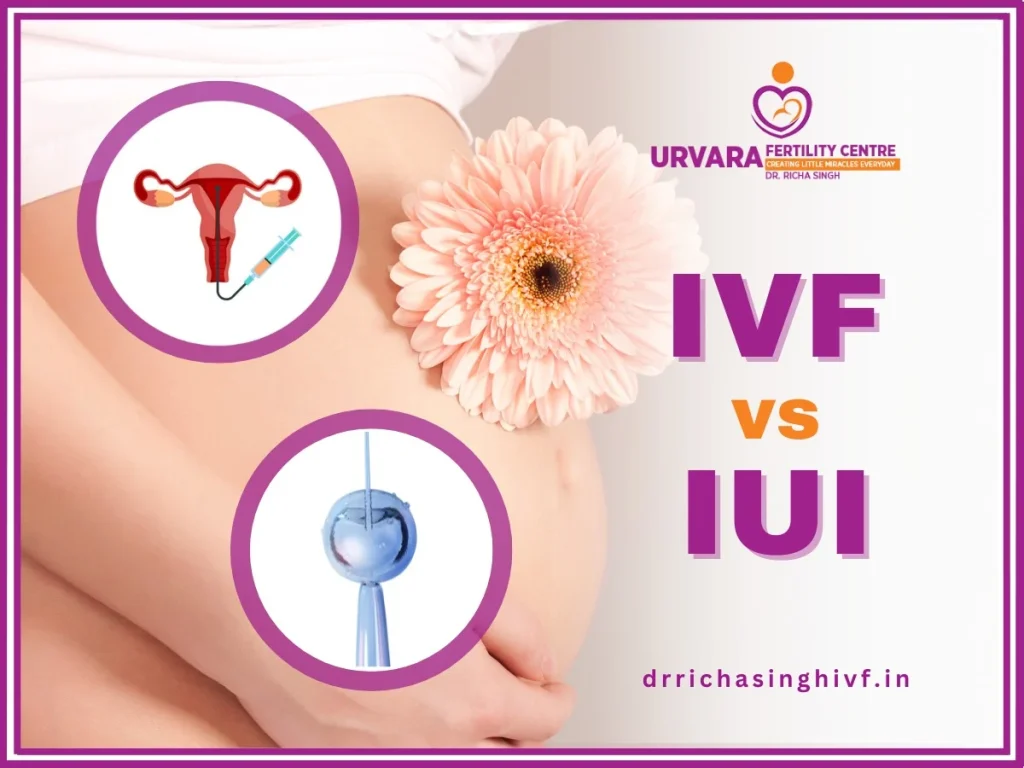
    IVF vs IUI comparison with illustrations of reproductive processes and a flower on a pregnant belly.

    The Ethics of Donor Conception: Exploring Complex Questions and Considerations

    The rights and well-being of the child also come into play in discussions about donor conception. Some argue that a child has the right to know their genetic origins and have access to information about their donor, while others believe that it should be up to the parents to decide when and how to share this information with their child. Additionally, there are concerns about the potential psychological and emotional impact on a child when they learn about their conception through donor material.

    The concept of family is also challenged by donor conception. Traditional notions of biological and genetic ties to one’s family may be disrupted, and this can lead to questions about the role and importance of genetics in defining familial relationships. It also raises questions about the rights and responsibilities of the donor in regards to any resulting children.

    In order to address these ethical considerations, there have been efforts to regulate and standardize the practice of donor conception. This includes guidelines for informed consent, screening and testing of donors, and the creation of donor registries. However, these regulations vary greatly across different countries and can be difficult to enforce.

    It is important to also consider the perspectives and experiences of all parties involved in donor conception. This includes donors, recipients, and the children who are conceived through this process. Donors may have their own personal reasons for donating and may have varying levels of involvement in the lives of any resulting offspring. Recipients may also have their own motivations and may struggle with the decision to use a donor. And for the children, their understanding and feelings about their donor-conceived identity may evolve over time.

    In conclusion, the ethics of donor conception are complex and multifaceted, requiring careful consideration of the rights and well-being of all involved parties. It is important to continue having open and honest discussions about this topic and to prioritize the best interests of any resulting children. Ultimately, the decision to use donor material to create a family is a personal one and should be made with careful consideration and awareness of the ethical implications.

  • The Ethics of Assisted Reproduction: Navigating Complex Moral Dilemmas

    Blog Post:

    Assisted reproduction, also known as assisted reproductive technology (ART), has revolutionized the field of reproductive medicine by allowing individuals and couples to conceive and give birth to children through various techniques such as in vitro fertilization (IVF), intrauterine insemination (IUI), and surrogacy. These techniques have provided hope and solutions for those struggling with infertility, same-sex couples, and single individuals who wish to become parents. But with this advancement in technology and science, comes complex moral dilemmas that must be navigated by healthcare professionals, policymakers, and individuals seeking these procedures.

    The Ethics of Assisted Reproduction is a highly debated topic, with various ethical, legal, and social issues at play. On one hand, it provides individuals with the opportunity to experience the joys of parenthood, but on the other hand, it raises concerns about the well-being of the child, the exploitation of women’s bodies, and the commodification of human life. In this blog post, we will explore the ethical considerations surrounding assisted reproduction and how they can be navigated in a responsible and ethical manner.

    The Ethics of Assisted Reproduction

    One of the main ethical considerations surrounding assisted reproduction is the well-being of the child. ART treatments often involve the use of multiple embryos, which raises concerns about the fate of the unused embryos. Some argue that these embryos have the potential to develop into human beings and should not be discarded or used for research purposes. This has led to the development of cryopreservation, where unused embryos are frozen for future use. However, this raises the question of what should be done with these embryos if they are not used or if the parents no longer want them. Should they be donated to other couples, used for research, or destroyed? These are complex ethical questions that require careful consideration and respect for the potential life of the embryo.

    Another ethical concern is the exploitation of women’s bodies. Women who act as egg donors or surrogate mothers are often compensated for their services, leading some to argue that their bodies are being commodified. In some cases, these women may be financially vulnerable and may feel pressured to participate in these procedures. This raises concerns about informed consent and the autonomy of these women. It is essential for healthcare professionals and policymakers to ensure that these women fully understand the risks and implications of their participation and are not being exploited for their bodies.

    Furthermore, assisted reproduction also raises questions about the commodification of human life. Some argue that these procedures turn human life into a commodity, where individuals can pick and choose the characteristics of their child through techniques like pre-implantation genetic diagnosis (PGD). This leads to the ethical dilemma of whether it is morally acceptable to manipulate the genetic makeup of a child and whether it undermines the value of human life.

    IVF vs IUI comparison with illustrations of reproductive processes and a flower on a pregnant belly.

    The Ethics of Assisted Reproduction: Navigating Complex Moral Dilemmas

    Navigating Complex Moral Dilemmas

    To navigate these complex moral dilemmas, it is crucial to have a set of ethical guidelines and regulations in place. These guidelines should consider the well-being of the child, the autonomy and rights of the individuals involved, and the ethical principles of beneficence and non-maleficence. Healthcare professionals should also undergo specialized training in assisted reproduction ethics to ensure that they are well-equipped to handle these complex ethical issues.

    Additionally, informed consent is a crucial aspect of navigating these moral dilemmas. Individuals seeking assisted reproduction procedures should be fully informed about the potential risks, implications, and ethical considerations involved. They should also be given the opportunity to ask questions and make informed decisions about their participation. This ensures that they are fully aware of the ethical issues at play and can make decisions that align with their values and beliefs.

    Policymakers also play a significant role in navigating the ethical considerations surrounding assisted reproduction. They should develop regulations and guidelines that protect the rights and well-being of all individuals involved, including the child, the parents, and the donors or surrogates. These regulations should also address the complex issues of embryo donation, compensation of donors, and the use of ART for non-medical reasons.

    In conclusion, the Ethics of Assisted Reproduction is a complex and highly debated topic, with various ethical considerations at play. While assisted reproduction provides hope and solutions for many individuals, it also raises concerns about the well-being of the child, the exploitation of women’s bodies, and the commodification of human life. To navigate these complex moral dilemmas, it is crucial to have ethical guidelines and regulations in place that consider the well-being and autonomy of all individuals involved. Healthcare professionals, policymakers, and individuals seeking assisted reproduction procedures must work together to ensure that these procedures are conducted in an ethical and responsible manner.

    Summary:

    Assisted reproduction, also known as assisted reproductive technology, has provided hope and solutions for individuals struggling with fertility, same-sex couples, and single individuals who wish to become parents. However, it also raises complex ethical considerations such as the well-being of the child, the exploitation of women’s bodies, and the commodification of human life. To navigate these moral dilemmas, ethical guidelines and regulations must be in place, and informed consent is crucial. Policymakers also play a significant role in ensuring the protection of the rights and well-being of all individuals involved in assisted reproduction.