Tag: Healthy Diet

  • The Role of Hormones in Fertility and How to Balance Them Naturally

    Blog Post Title: The Role of Hormones in Fertility and How to Balance Them Naturally

    Hormones play a crucial role in fertility, as they are responsible for regulating various processes in the body that are necessary for conception and pregnancy. However, imbalances in hormones can significantly impact fertility and make it difficult for couples to conceive. In this blog post, we will explore the role of hormones in fertility and discuss natural ways to balance them for improved reproductive health.

    Understanding Hormones and Fertility

    Hormones are chemical messengers produced by the endocrine glands that regulate various bodily functions, including reproduction. In women, the primary hormones involved in fertility are estrogen, progesterone, follicle-stimulating hormone (FSH), and luteinizing hormone (LH). In men, the primary hormone involved in fertility is testosterone.

    In women, the menstrual cycle is regulated by these hormones, with estrogen and progesterone responsible for preparing the uterus for pregnancy and FSH and LH involved in the release of eggs from the ovaries. In men, testosterone is responsible for sperm production and maintaining a healthy sex drive.

    Hormonal Imbalances and Fertility

    When hormones are not functioning properly, it can lead to imbalances that can affect fertility. For women, hormonal imbalances can cause irregular or absent periods, ovarian cysts, and difficulty ovulating. In men, hormonal imbalances can cause low sperm count, low libido, and erectile dysfunction.

    There are many factors that can contribute to hormonal imbalances, such as stress, poor diet, environmental toxins, and certain medical conditions. It is essential to identify the root cause of hormonal imbalances to effectively balance them and improve fertility.

    Natural Ways to Balance Hormones for Fertility

    1. Eat a Balanced and Nutritious Diet

    What you eat can significantly impact your hormones and fertility. A diet high in processed foods, sugar, and unhealthy fats can disrupt hormonal balance. On the other hand, a diet rich in whole foods, healthy fats, and lean protein can support hormone production and regulation.

    Foods that are particularly beneficial for balancing hormones include:

    – Leafy greens: These are rich in nutrients that support hormone production, such as magnesium, calcium, and vitamin B.
    – Healthy fats: Avocados, nuts, and seeds are excellent sources of healthy fats that support hormone production and balance.
    – Omega-3 fatty acids: Found in fatty fish, flaxseeds, and chia seeds, omega-3s can help reduce inflammation and regulate hormone levels.
    – Fermented foods: Foods like yogurt, kimchi, and sauerkraut contain probiotics that can support gut health and hormone balance.
    – Cruciferous vegetables: Vegetables like broccoli, cauliflower, and Brussels sprouts contain compounds that help the liver detoxify excess hormones.
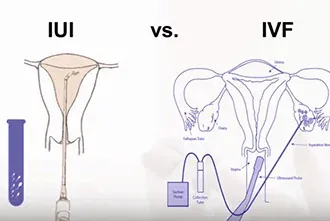
    Comparison of IUI and IVF treatments with diagrams of reproductive anatomy.

    The Role of Hormones in Fertility and How to Balance Them Naturally

    2. Manage Stress

    Chronic stress can wreak havoc on your hormones and fertility. When you are under stress, your body produces high levels of cortisol, which can interfere with the production of estrogen and progesterone. This can lead to irregular periods, difficulty ovulating, and reduced fertility.

    To manage stress, try incorporating relaxation techniques into your daily routine, such as meditation, yoga, or deep breathing exercises. Regular exercise can also help reduce stress and balance hormones.

    3. Get Enough Sleep

    Getting enough quality sleep is crucial for hormone balance. Lack of sleep can disrupt the production of hormones, leading to imbalances. Aim for 7-8 hours of sleep each night and try to maintain a consistent sleep schedule.

    4. Avoid Environmental Toxins

    Exposure to environmental toxins can disrupt hormones and negatively impact fertility. Try to limit your exposure to chemicals found in household cleaning products, cosmetics, and plastics. Choose natural, organic products when possible.

    5. Consider Herbal Remedies

    Certain herbs have been traditionally used to balance hormones and improve fertility. These include:

    – Maca: This root vegetable has been used for centuries to improve fertility and balance hormones.
    – Vitex: Also known as chaste tree berry, vitex has been shown to regulate menstrual cycles and improve fertility.
    – Dong Quai: This herb is commonly used in Traditional Chinese Medicine to regulate hormones and improve fertility.
    – Red Raspberry Leaf: This herb is known for its ability to tone the uterus and promote hormonal balance.

    It is essential to consult with a healthcare professional before incorporating herbal remedies into your routine, as they may interact with other medications or have side effects.

    Summary:

    Hormones play a vital role in fertility, and imbalances can significantly impact a couple’s ability to conceive. Factors such as stress, poor diet, and exposure to environmental toxins can disrupt hormone production and regulation. However, there are natural ways to balance hormones for improved fertility, including a nutritious diet, stress management, getting enough sleep, avoiding environmental toxins, and considering herbal remedies.
  • The Role of Nutrition in Fertility: Foods That Can Boost Natural Conception and Assisted Reproduction

    Blog Post:

    The journey to parenthood can be a challenging and emotional one, especially for couples struggling with fertility issues. While there are various factors that can affect fertility, one important aspect that often gets overlooked is nutrition. The food we eat plays a significant role in our overall health, including reproductive health. In this blog post, we will explore the role of nutrition in fertility and discuss the foods that can boost natural conception and assisted reproduction.

    The Link Between Nutrition and Fertility

    It is no secret that a well-balanced and nutritious diet is crucial for maintaining good health. But when it comes to fertility, the impact of nutrition becomes even more significant. Our bodies require certain nutrients to function properly, and this includes our reproductive system. The food we eat provides our bodies with the necessary vitamins, minerals, and other essential nutrients that are responsible for regulating hormones and supporting the reproductive organs.

    Inadequate nutrition can lead to hormonal imbalances, which can affect ovulation and sperm production. It can also lead to poor egg and sperm quality, making it more challenging to conceive. Studies have shown that women who follow a healthy and balanced diet have a higher chance of getting pregnant compared to those with a poor diet. Additionally, proper nutrition can also improve the success rates of fertility treatments such as IVF and IUI.

    Foods That Can Boost Natural Conception

    1. Leafy Greens – Leafy greens like spinach, kale, and broccoli are rich in folate, a B-vitamin that is crucial for reproductive health. Folate helps in the production of healthy eggs and sperm and reduces the risk of birth defects.

    2. Whole Grains – Whole grains, such as oats, quinoa, and brown rice, are a great source of complex carbohydrates, which provide a steady supply of energy to the body. They also contain fiber, which helps in regulating blood sugar levels and hormone balance.

    3. Healthy Fats – Healthy fats, such as omega-3 fatty acids found in salmon, avocado, and nuts, are essential for reproductive health. They help in regulating hormone levels and improving blood flow to the reproductive organs.

    4. Berries – Berries are packed with antioxidants, which help in protecting the eggs and sperm from free radical damage. They are also a great source of vitamin C, which is essential for healthy sperm production.

    5. Lean Protein – Lean protein sources like chicken, fish, and beans contain amino acids, which are the building blocks of cells and tissues. They are also important for hormone production and regulation.

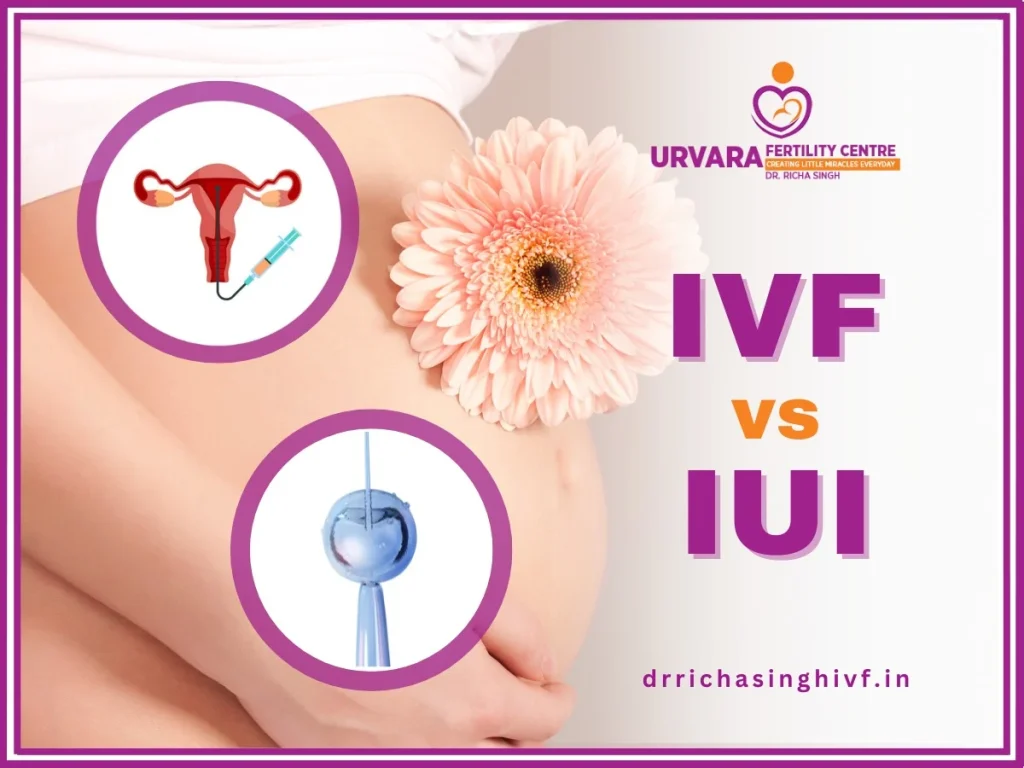
    IVF vs IUI comparison with illustrations of reproductive processes and a flower on a pregnant belly.

    The Role of Nutrition in Fertility: Foods That Can Boost Natural Conception and Assisted Reproduction

    6. Dairy Products – Dairy products like milk, cheese, and yogurt are rich in calcium, which is crucial for maintaining healthy bones and muscles. They also contain vitamin D, which plays a vital role in fertility by regulating hormone levels.

    7. Water – Staying hydrated is crucial for overall health, including reproductive health. Drinking enough water can help in regulating hormone levels, improving egg and sperm quality, and maintaining a healthy cervical mucus.

    Foods That Can Boost Assisted Reproduction

    1. Avocados – Avocados are a rich source of monounsaturated fats, which can help in improving the success rates of IVF. They also contain vitamin E, which can improve the quality of the uterine lining.

    2. Maca Root – Maca root is a superfood that has been used for centuries to boost fertility. It is rich in essential vitamins and minerals and has been shown to improve sperm and egg quality, regulate hormones, and increase libido.

    3. Pomegranate – Pomegranate is packed with antioxidants, which can help in improving the quality of the eggs and sperm. It also has anti-inflammatory properties, which can reduce inflammation in the reproductive organs and improve their function.

    4. Brazil Nuts – Brazil nuts are a rich source of selenium, a mineral that is essential for sperm production and motility. They also contain zinc, which is crucial for male fertility.

    5. Dark Chocolate – Dark chocolate contains flavonoids, which have been shown to improve sperm quality and increase sperm count. It is also a mood booster, which can be beneficial for couples going through the stressful process of assisted reproduction.

    In conclusion, a healthy and balanced diet is crucial for both natural conception and assisted reproduction. Incorporating these foods into your diet can improve your chances of conceiving and support the success of fertility treatments. Remember to also consult with your doctor or a registered dietitian to ensure you are getting all the necessary nutrients for optimal reproductive health.

    Summary:

    Nutrition plays a crucial role in fertility, affecting both natural conception and assisted reproduction. Adequate nutrition is essential for regulating hormones, supporting reproductive organs, and improving egg and sperm quality. Incorporating foods like leafy greens, whole grains, healthy fats, berries, and lean proteins can boost natural conception. For assisted reproduction, foods like avocados, maca root, pomegranate, brazil nuts, and dark chocolate are beneficial. Consult with your doctor or a registered dietitian for personalized recommendations.