Tag: Emotional Challenges

  • Navigating the Emotional Journey: Surrogacy vs Adoption

    Navigating the Emotional Journey: Surrogacy vs Adoption

    Choosing to start a family is a major decision, and for some couples, traditional methods may not be an option. This is where surrogacy and adoption come into play. Both options provide the opportunity for individuals or couples to become parents, but they also come with their own unique emotional journeys. In this blog post, we will explore the emotional aspects of surrogacy and adoption, and help you navigate the decision-making process.

    The Emotional Journey of Surrogacy

    Surrogacy is the process of using a gestational carrier to carry a baby for intended parents. This can be either traditional surrogacy, where the surrogate’s own egg is used, or gestational surrogacy, where an embryo created through in vitro fertilization (IVF) is implanted into the surrogate. Regardless of the type, the emotional journey of surrogacy can be complex and challenging.

    One of the biggest emotional challenges in surrogacy is the loss of control. As intended parents, you are entrusting the surrogate to carry and care for your baby. This can bring up feelings of anxiety, fear, and uncertainty. It is important to find a surrogate who you feel comfortable with and trust, but it can still be difficult to let go of control and trust that everything will go smoothly.

    Another emotional aspect of surrogacy is the financial investment. Surrogacy can be expensive, and this can add an extra layer of stress and pressure for intended parents. The fear of not achieving a successful pregnancy after investing time and money can be overwhelming. It is important to have open and honest conversations with your surrogacy agency and surrogate about the financial aspects and come up with a plan that works for everyone involved.

    The relationship between the intended parents and the surrogate can also be emotionally taxing. While some surrogacy arrangements involve a close relationship between the two parties, others may have a more distant relationship. This can bring up feelings of guilt, as intended parents may feel like they are not fully involved in the pregnancy or birth of their child. It is important to communicate openly and set boundaries to avoid any potential emotional conflicts.

    Finally, the journey of surrogacy can also bring up feelings of grief and loss. This can be especially true for intended mothers who may feel like they are missing out on the experience of carrying their own child. It is important to acknowledge these feelings and find ways to cope with them, such as attending support groups or talking to a therapist.

    The Emotional Journey of Adoption
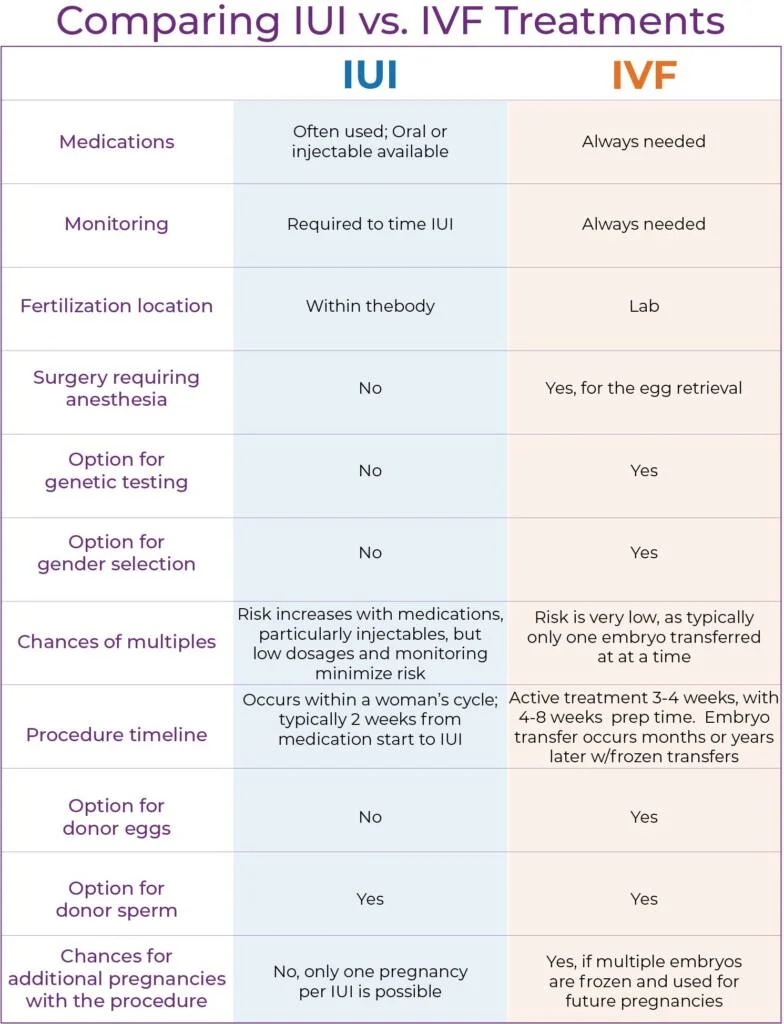
    Comparison chart of IUI and IVF treatments, detailing medications, monitoring, procedures, and success rates.

    Navigating the Emotional Journey: Surrogacy vs Adoption

    Adoption is the process of legally becoming parents to a child who is not biologically related to you. This can involve adopting a child from the foster care system, domestically, or internationally. While adoption can bring the same joy and fulfillment as any other form of parenthood, it also comes with its own set of emotional challenges.

    One of the biggest emotional challenges in adoption is the waiting process. Whether you are waiting to be matched with a child or waiting for the legal process to be completed, the waiting period can be emotionally draining. It is important to find healthy ways to cope with the waiting, such as focusing on self-care, staying in touch with your adoption agency, and connecting with other adoptive parents.

    Another aspect of adoption that can bring up emotional challenges is the unknowns. Unlike surrogacy, where there is a clear timeline and process, adoption can be unpredictable. You may not know the child’s medical history or background, and this can bring up feelings of anxiety and fear. It is important to educate yourself about the adoption process and be prepared for any possible challenges that may arise.

    The relationship with the birth parents is also a significant emotional aspect of adoption. Depending on the type of adoption, you may have an open or closed relationship with the birth parents. This can bring up feelings of guilt, as adoptive parents may feel like they are taking someone else’s child. It is important to have open and honest communication with the birth parents and establish boundaries that work for everyone involved.

    Finally, the emotional journey of adoption can also involve feelings of grief and loss. Birth parents may experience feelings of grief and loss as they come to terms with the decision to place their child for adoption. Similarly, adoptive parents may also experience feelings of grief and loss as they navigate the complexities of adoption. It is important to have a strong support system and seek professional help if needed to work through these feelings.

    Making the Decision

    Both surrogacy and adoption come with their own emotional journeys, and the decision to pursue either option is a personal one. It is important to consider all aspects, including the emotional ones, before making a decision. It may also be helpful to talk to other couples who have gone through surrogacy or adoption to gain a better understanding of the experience.

    In the end, what matters most is that you are able to build a loving and supportive family, regardless of the method you choose. It may be a challenging journey, but the end result of becoming a parent will make it all worth it.

    In summary, the decision to start a family through surrogacy or adoption involves navigating complex emotional journeys. Both options come with their own unique challenges, such as loss of control, financial investment, relationships, and feelings of grief and loss. It is important to consider all aspects and seek support during the decision-making process.

  • The Support System for Single Motherhood vs Traditional Family Planning

    Single motherhood has become increasingly common in today’s society, with more and more women choosing to raise children on their own. However, this decision does not come without its challenges. Single mothers often face financial and emotional struggles, making it essential to have a strong support system in place. On the other hand, traditional family planning involves a nuclear family structure, where a married couple raises their children together. In this blog post, we will explore the support systems available for single mothers and how they differ from the traditional family planning model.

    The traditional family structure has long been considered the norm in society. It consists of a married couple, usually a husband and wife, and their children living under one roof. This model has been portrayed as the ideal family unit, with the husband as the breadwinner and the wife as the homemaker. However, this model is no longer the only option for starting a family. With changing social norms and the rise of women empowerment, more and more women are choosing to become single mothers.

    One of the main challenges single mothers face is financial stability. Without a partner to share the financial burden, single mothers often struggle to make ends meet. This is where the support system for single motherhood comes into play. Government programs such as welfare and child support provide financial aid to single mothers, helping them to provide for their children’s basic needs. In addition, single mothers can also receive assistance from non-profit organizations, community groups, and religious institutions. These support systems can include food banks, free childcare, and career training programs, all aimed at helping single mothers become financially self-sufficient.

    Apart from financial struggles, single mothers also face emotional challenges. Raising children on their own can be overwhelming and can lead to feelings of isolation and loneliness. Having a strong support system in place can help single mothers to cope with these challenges. Friends and family members can provide a much-needed emotional outlet and support system. Online support groups for single mothers also offer a sense of community and understanding, allowing single mothers to connect with others who are going through similar experiences.

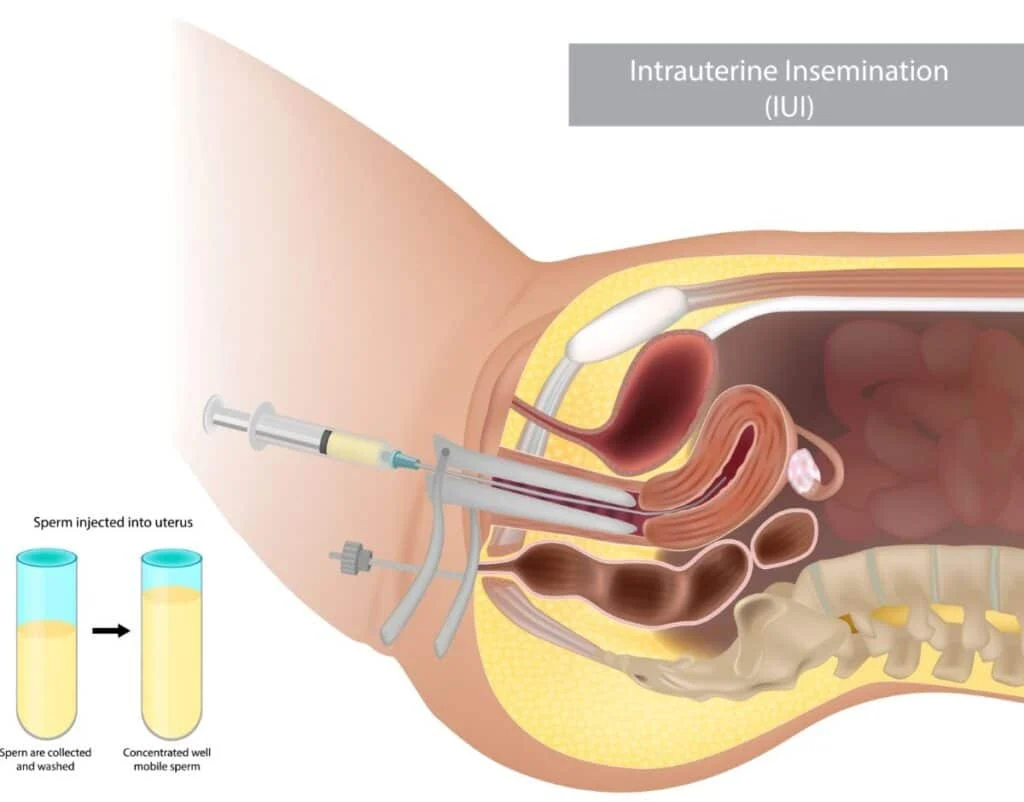
    Diagram illustrating intrauterine insemination (IUI) procedure with sperm injection into the uterus.

    The Support System for Single Motherhood vs Traditional Family Planning

    In contrast, traditional family planning involves a partner who can share the emotional and financial responsibilities of raising children. However, this does not mean that traditional families do not face any challenges. In today’s fast-paced world, both parents often have to work to make ends meet, leaving little time for family life. This can lead to feelings of guilt and stress, as parents try to balance their work and family responsibilities. In such cases, having a support system in place can be just as beneficial for traditional families as it is for single mothers.

    The support system for single motherhood and traditional family planning also differ in terms of social stigma. Single mothers may face judgment and discrimination from society, as single parenthood is often seen as deviating from the traditional family model. This can make it challenging for single mothers to find support and acceptance from their communities. On the other hand, traditional families may face pressure to conform to societal expectations, which can also be a source of stress.

    In conclusion, the support system for single motherhood and traditional family planning are two different models with their own challenges and benefits. While traditional families have the advantage of having a partner to share responsibilities, single mothers can rely on various support systems to help them navigate the challenges of raising children on their own. Both models have their own unique struggles, but having a strong support system in place can make all the difference.

    In summary, single motherhood and traditional family planning have distinct characteristics, challenges, and benefits. Single mothers often rely on government programs, non-profit organizations, and friends and family for financial and emotional support. On the other hand, traditional families may face challenges in balancing work and family responsibilities, but can also benefit from having a partner to share the load. Ultimately, it is important to recognize and support all types of families, whether they follow the traditional model or not.

  • The Emotional Rollercoaster of Sperm Donation and Co-Parenting: Tips for Coping and Finding Support

    The Emotional Rollercoaster of Sperm Donation and Co-Parenting: Tips for Coping and Finding Support

    Sperm donation and co-parenting are two paths to parenthood that have become increasingly popular in recent years. While both options offer the opportunity for individuals and couples to fulfill their dreams of having a child, they also come with unique emotional challenges. The decision to use a sperm donor or co-parent can be complicated and often leads to a rollercoaster of emotions. In this blog post, we will explore the emotional journey of sperm donation and co-parenting, and provide tips for coping and finding support along the way.

    The Decision to Use a Sperm Donor or Co-Parent

    The decision to use a sperm donor or co-parent is not one that is made lightly. For many individuals and couples, it is a last resort after years of struggling with infertility or unsuccessful attempts at conceiving through traditional methods. It can also be a conscious choice for those who identify as single or LGBTQ+ and want to start a family.

    Regardless of the reason behind the decision, it is a significant one that can bring up a range of emotions. Many people may feel excitement and hope for the future, but also fear and uncertainty about the unknown. They may also experience grief and sadness over the loss of the traditional idea of conceiving a child. It is essential to acknowledge and address these emotions before embarking on the journey of sperm donation or co-parenting.

    The Emotional Bond with the Donor or Co-Parent

    One of the challenges of sperm donation and co-parenting is navigating the emotional bond with the donor or co-parent. While some people may choose to have minimal contact with the other party, others may want a more involved relationship. This can lead to conflicting emotions, as the parties involved may have different expectations and boundaries.

    For those who choose to have a more involved relationship with the donor or co-parent, it is crucial to establish clear boundaries and communication from the beginning. This will help avoid any misunderstandings or hurt feelings down the road. It is also essential to be mindful of the emotional bond that may form between the child and the donor or co-parent. Open and honest communication with all parties involved is key to navigating these complex emotions.

    The Role of Society and Family in Sperm Donation and Co-Parenting

    Society’s attitudes and perceptions towards sperm donation and co-parenting can also have a significant impact on the emotional journey. Many people may face stigma and judgment from others for their decision to use a sperm donor or co-parent. This can lead to feelings of shame, isolation, and self-doubt.

    doctor discussing treatment with a patient in a medical office, featuring an ultrasound machine in the background

    The Emotional Rollercoaster of Sperm Donation and Co-Parenting: Tips for Coping and Finding Support

    Family dynamics can also play a role in the emotional journey of sperm donation and co-parenting. Some families may be supportive and accepting, while others may struggle to understand and may even reject the idea. It is crucial to set boundaries and communicate openly with family members about the decision and how they can support you.

    Coping with the Emotional Challenges

    The emotional journey of sperm donation and co-parenting can be a bumpy one, but there are ways to cope and find support. Here are some tips to help you through the process:

    1. Seek Counseling: Working with a therapist who specializes in fertility and family building can be incredibly beneficial. They can provide a safe and nonjudgmental space to process your emotions and offer coping strategies.

    2. Connect with Support Groups: Connecting with others who are going through a similar experience can be incredibly comforting and validating. Look for local support groups or online communities to connect with.

    3. Practice Self-Care: It is essential to take care of yourself during this emotional journey. Make time for activities that bring you joy and help you relax, such as exercise, meditation, or hobbies.

    4. Communicate Openly: Open and honest communication with all parties involved is crucial. This will help address any conflicts or misunderstandings and maintain healthy boundaries.

    5. Educate Yourself: Learning more about sperm donation and co-parenting can help you better understand and cope with the emotional challenges. There are many resources available online and in books that can provide valuable information and insights.

    The emotional journey of sperm donation and co-parenting can be a challenging one, but it is also a rewarding one. By acknowledging and addressing the emotions that arise, setting clear boundaries, and seeking support, you can navigate this journey and create a loving and supportive family.

    In summary, sperm donation and co-parenting are two paths to parenthood that come with unique emotional challenges. The decision to use a sperm donor or co-parent can bring up a range of emotions, and navigating the emotional bond with the donor or co-parent can be challenging. Society’s attitudes and family dynamics can also have an impact, and it is crucial to seek support and practice self-care to cope with the emotional challenges. By following these tips, you can navigate the emotional rollercoaster of sperm donation and co-parenting and create a loving family.