Fertility Treatments or Adoption: Which One is More Cost-Effective?
Choosing to start a family is a significant decision, one that requires careful consideration of various factors, including financial stability. For couples facing infertility or individuals wanting to become parents, fertility treatments and adoption are two popular options. Both routes have their own set of challenges, but one common concern is the cost. In this blog post, we will take a closer look at the expenses involved with fertility treatments and adoption, and determine which one is more cost-effective.
Fertility Treatments: Understanding the Costs
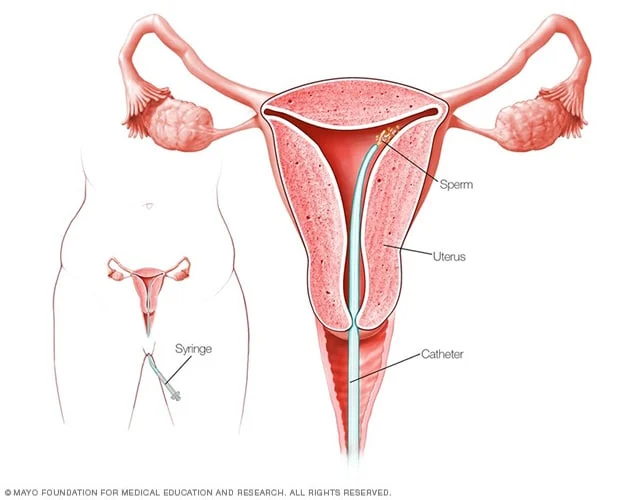
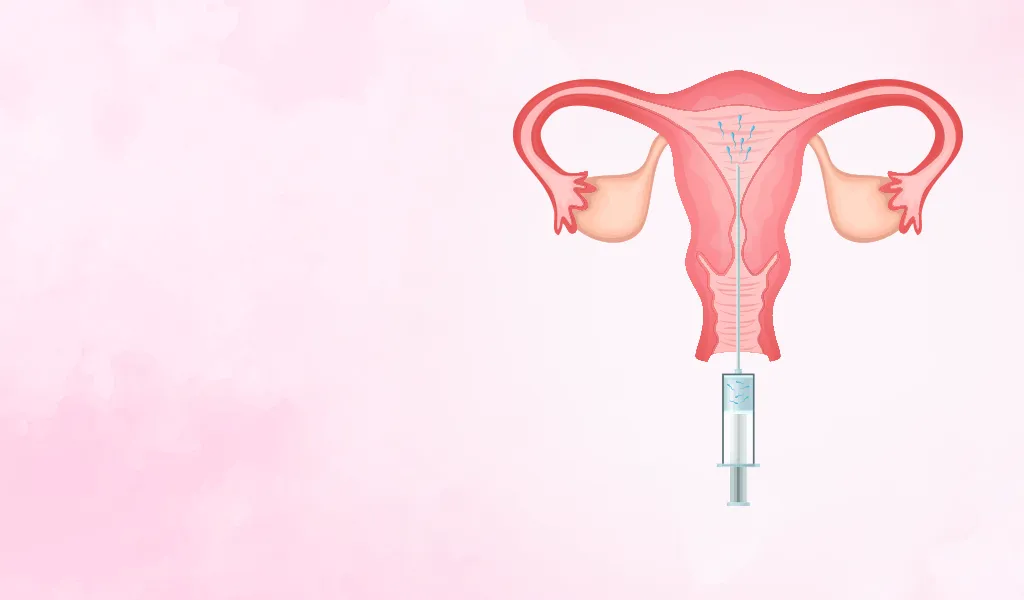
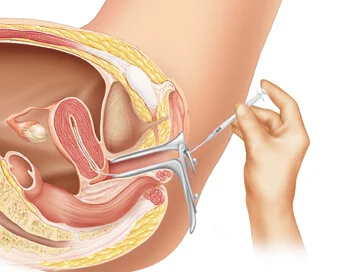
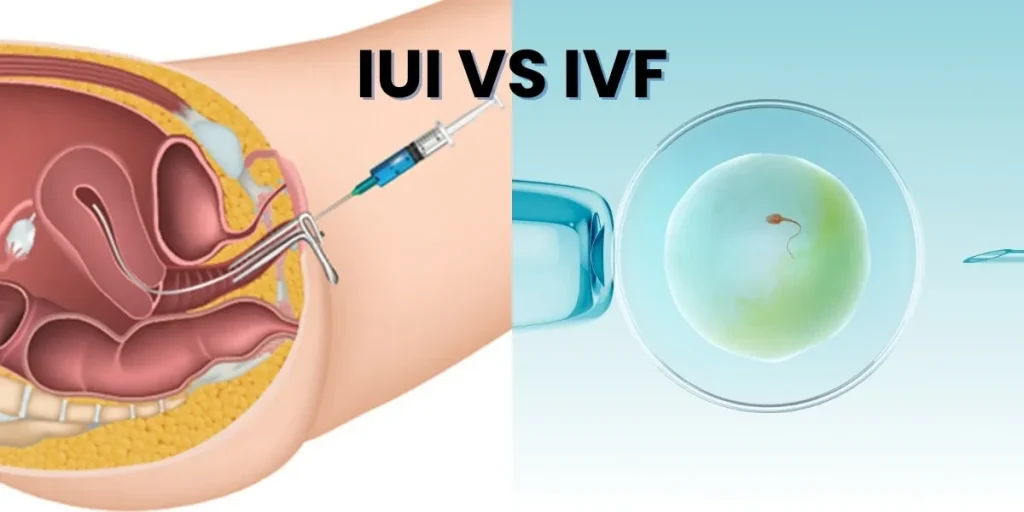
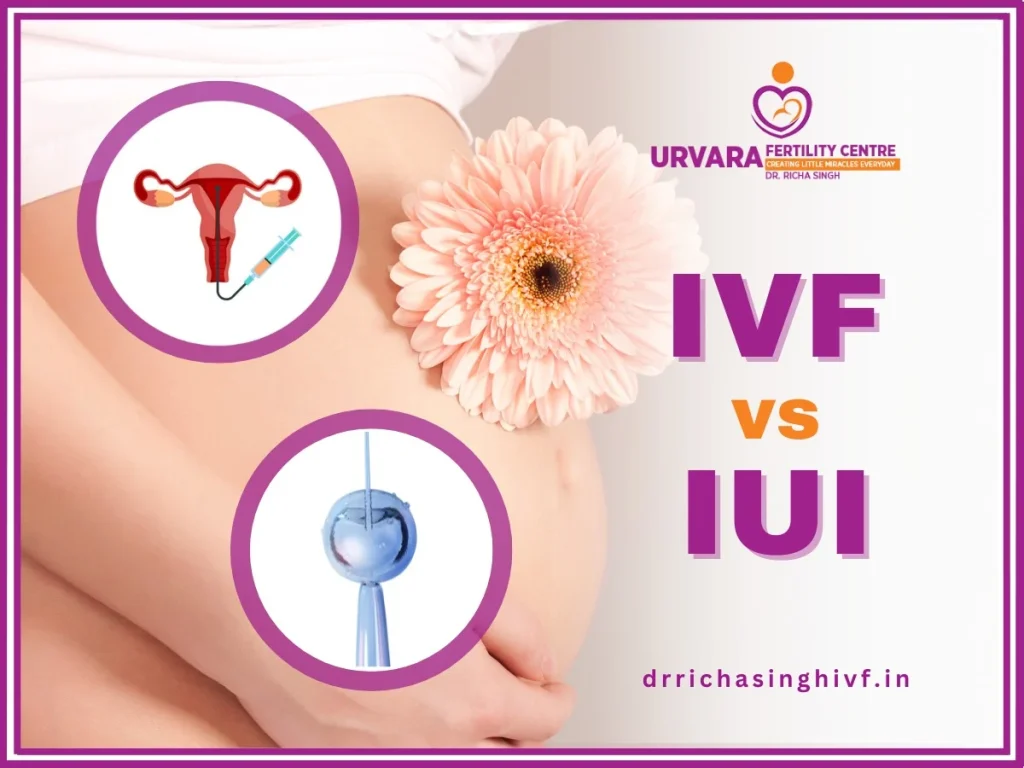
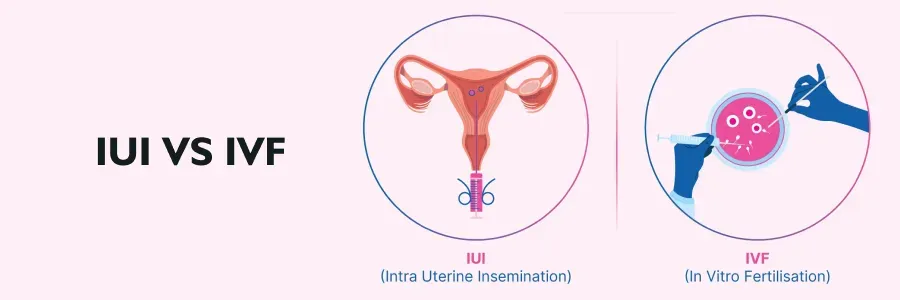
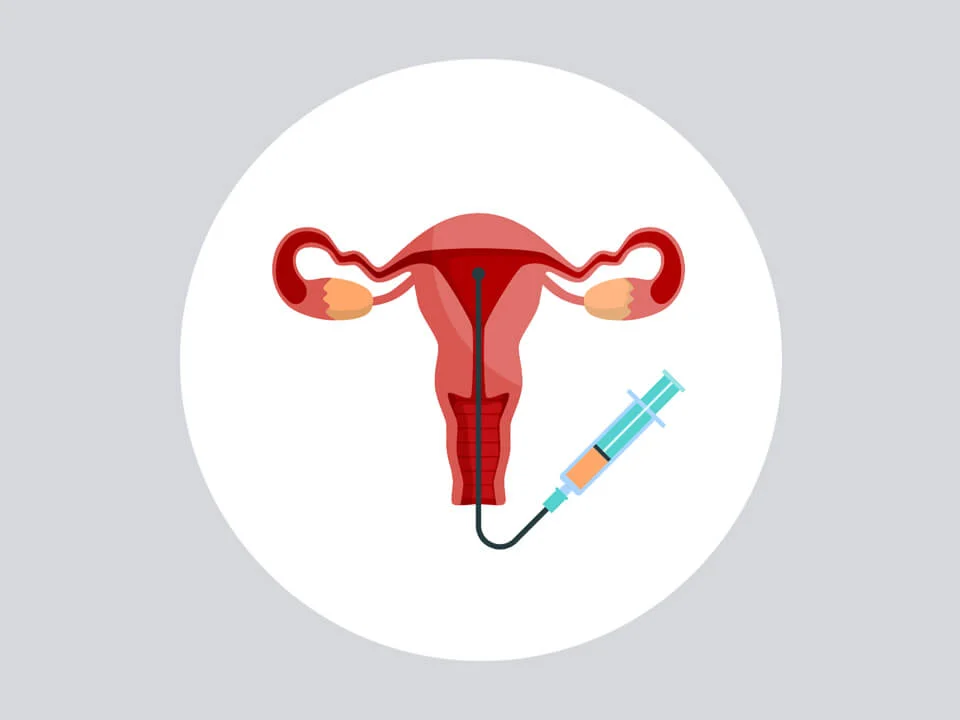
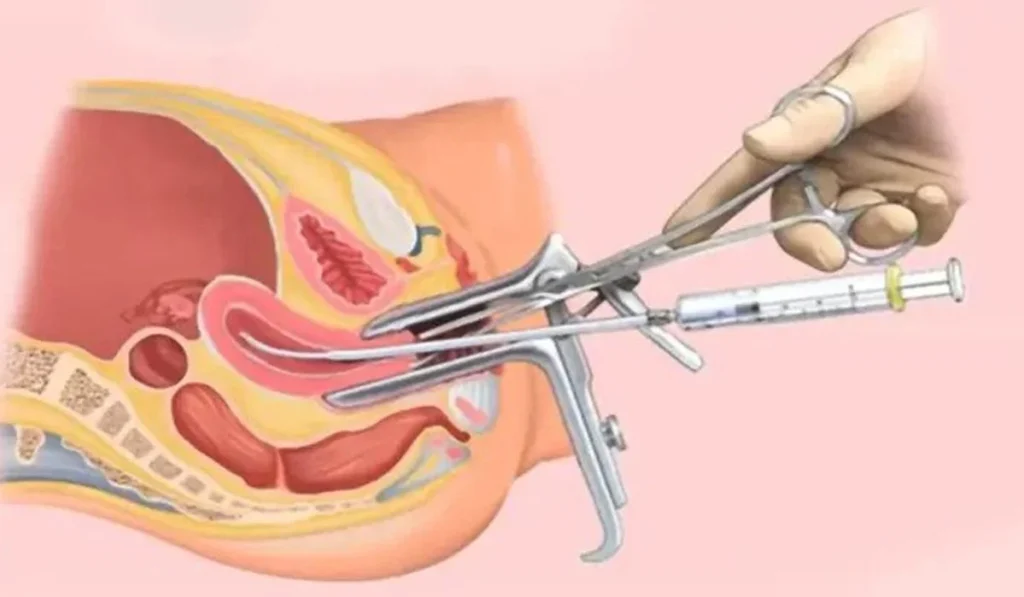
Fertility treatments refer to a range of medical procedures aimed at helping couples or individuals conceive a child. These treatments can include medication, artificial insemination, in vitro fertilization (IVF), and more. The cost of fertility treatments can vary greatly depending on the specific procedure, the clinic or doctor, and any additional expenses, such as medication or diagnostic tests.
The average cost of a single IVF cycle in the United States is around $12,000, and most couples require multiple cycles to achieve a successful pregnancy. This means that the total cost of IVF can easily reach tens of thousands of dollars. Other fertility treatments, such as artificial insemination and ovulation induction, can also add up to a significant amount over time. Additionally, there may be costs for consultations, diagnostic tests, and medications, which are not always covered by insurance.
Adoption: Examining the Expenses
Adoption is another popular option for those looking to expand their family. The process involves legally taking on the responsibility of another person’s child, either through a private agency, public agency, or independent adoption. The cost of adoption can vary depending on the type of adoption and the agency involved.
Private adoptions, which involve working with an attorney or agency, can cost around $30,000 to $40,000. This includes legal fees, home study fees, and other expenses related to the adoption process. Public adoptions, also known as foster care adoptions, are generally more affordable, with costs ranging from $0 to $2,500. However, the process can be lengthy, and there may be additional expenses for things such as background checks and training courses. Independent adoptions, which involve working directly with the birth parents, can cost anywhere from $8,000 to $40,000.
Fertility Treatments or Adoption: Which One is More Cost-Effective?
Which One is More Cost-Effective?
When considering the costs of fertility treatments and adoption, it’s essential to take into account the success rates of both options. While fertility treatments can be expensive, the chances of a successful pregnancy are higher than with adoption. The success rate for IVF, for example, is around 30%, meaning that out of 100 couples, only 30 will have a successful pregnancy. Adoption, on the other hand, has a success rate of 90%, as almost all families who choose this route are able to adopt a child.
Moreover, the costs of fertility treatments are not a one-time expense. As mentioned earlier, most couples require multiple cycles of IVF, which can add up to a significant amount. Adoption, on the other hand, is a one-time cost, and once the adoption is finalized, there are no further expenses related to the process. Additionally, some employers offer adoption benefits, which can help offset the costs.
Factors to Consider
While the cost of fertility treatments and adoption is a crucial factor to consider, there are other things to keep in mind as well. Fertility treatments can be physically and emotionally taxing, as couples may experience multiple failed attempts before achieving a successful pregnancy. Adoption, on the other hand, can also be a lengthy and emotionally challenging process, as it involves dealing with the birth parents and navigating the legal system.
Another aspect to consider is the age of the couple or individual. As women age, their chances of a successful pregnancy decrease, and fertility treatments may become less effective. Adoption, on the other hand, has no age limit, and individuals of any age can become parents through this route.
In the end, the decision between fertility treatments and adoption is a personal one, and there is no one-size-fits-all answer. It’s essential to weigh the costs, success rates, and other factors before making a decision. Consulting with a fertility specialist or adoption agency can also provide valuable insight and help individuals and couples make an informed decision.
Summary:
Choosing to start a family is a significant decision, and for those facing infertility or wanting to become parents, fertility treatments and adoption are two options. Both routes involve significant costs, but the success rates and additional factors need to be considered. Fertility treatments can cost tens of thousands of dollars, and the chances of a successful pregnancy may be lower than with adoption. Adoption, on the other hand, has a higher success rate, and the costs are a one-time expense. Other factors to consider include the physical and emotional toll of fertility treatments, the age of the couple or individual, and personal preferences. Ultimately, the decision between fertility treatments and adoption is a personal one, and individuals should carefully weigh all factors before making a choice.