Tag: Alternative Medicine

  • Navigating the World of Fertility: Holistic vs Western Medicine Perspectives

    Navigating the World of Fertility: Holistic vs Western Medicine Perspectives

    Fertility is a topic that affects many couples and individuals all over the world. With the rise of infertility rates, more and more people are seeking out treatments and solutions to help them conceive. However, when it comes to fertility, there are two main perspectives – holistic and western medicine. Both of these approaches have their own unique philosophies and methods, leaving many individuals confused about which path to take. In this blog post, we will explore the differences between holistic and western medicine perspectives on fertility and provide insights on how to navigate this complex world.

    Holistic Medicine Perspective

    Holistic medicine, also known as alternative or complementary medicine, takes a more natural and holistic approach to treating fertility issues. It focuses on the overall health and well-being of an individual, taking into account their mind, body, and spirit. Holistic medicine practitioners believe that the body has the ability to heal itself and that by addressing the root cause of an issue, one can achieve optimal health.

    When it comes to fertility, holistic medicine believes that the body needs to be in balance for conception to occur. This means addressing any underlying health issues, such as hormonal imbalances, stress, or nutritional deficiencies. Holistic practitioners use a variety of natural methods to help individuals improve their fertility, such as acupuncture, herbal remedies, and lifestyle changes.

    One of the main advantages of holistic medicine is its focus on individualized treatment. Holistic practitioners take the time to understand each person’s unique health history and tailor their treatments accordingly. This personalized approach can be beneficial for those who have been unsuccessful with traditional western medicine methods.

    Western Medicine Perspective

    On the other hand, western medicine, also known as conventional medicine, follows a more scientific and evidence-based approach to treating fertility issues. It relies on medical interventions such as medications, surgeries, and assisted reproductive technologies (ART) to help individuals conceive. Western medicine practitioners focus on treating the specific symptoms or conditions that may be causing infertility.
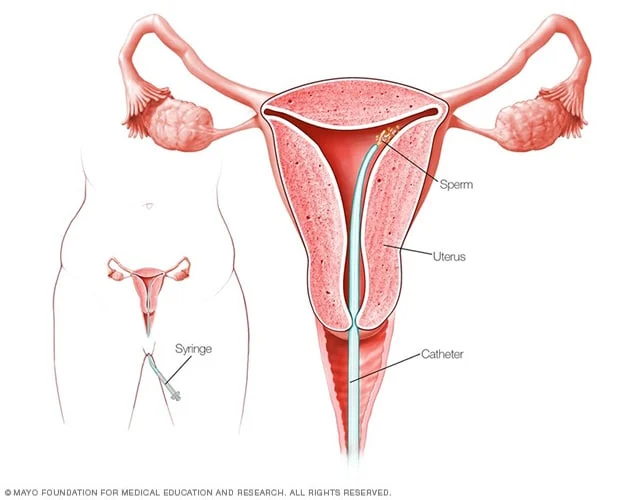
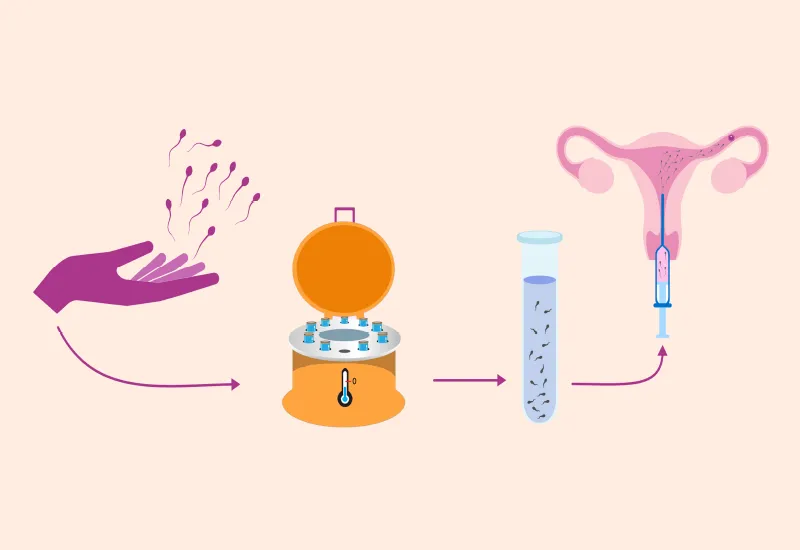
    diagram illustrating intrauterine insemination (IUI) procedure with uterus, sperm, and catheter labeled

    Navigating the World of Fertility: Holistic vs Western Medicine Perspectives

    Western medicine approaches fertility from a more mechanical perspective, treating the body as separate parts rather than a whole. It also tends to focus on the physical aspects of fertility, often overlooking the emotional and psychological factors that may play a role.

    One of the main benefits of western medicine is its ability to provide quick and effective solutions. With advancements in technology and medical procedures, couples can now have a higher chance of conceiving through ART, such as in vitro fertilization (IVF) and intrauterine insemination (IUI). However, these treatments can be expensive and may not always address the underlying cause of infertility.

    Navigating the World of Fertility

    When it comes to fertility, there is no one-size-fits-all solution. Each person’s body is unique, and what may work for one individual may not work for another. The key to navigating the world of fertility is to find a balance between the holistic and western medicine approaches.

    It is essential to first understand the root cause of your fertility issues. If you have been diagnosed with a specific medical condition, such as endometriosis or polycystic ovary syndrome (PCOS), then western medicine may be the best approach. However, if your infertility is unexplained or has been attributed to stress or hormonal imbalances, then a holistic approach may be more beneficial.

    It is also crucial to keep an open mind and be willing to try different methods. Combining holistic practices, such as acupuncture and herbal remedies, with western medicine treatments, can provide a more well-rounded approach to fertility. It is also important to consult with both a holistic practitioner and a western medicine doctor to ensure that you are receiving the best care possible.

    Additionally, taking care of your overall health and well-being is crucial for fertility. This includes eating a nutritious diet, exercising regularly, and managing stress levels. Both holistic and western medicine practitioners agree that a healthy lifestyle can greatly impact fertility.

    In the end, it is not about choosing one perspective over the other but finding a balance between the two. By incorporating both holistic and western medicine approaches, individuals can improve their chances of conceiving and achieve optimal health.

    In summary, navigating the world of fertility can be overwhelming, especially when faced with the two main perspectives – holistic and western medicine. Both approaches have their own unique philosophies and methods, and it is essential to find a balance between the two. By understanding the root cause of your fertility issues, consulting with both holistic and western medicine practitioners, and taking care of your overall health, you can find the best approach for your individual needs. Remember, fertility is a journey, and it is important to be patient, open-minded, and willing to try different methods.
  • Fertility Acupuncture and Age: Is It More Effective for Younger Women?

    Fertility acupuncture has been gaining popularity in recent years as a natural and holistic approach to improving reproductive health and increasing the chances of conception. While the practice has been around for centuries in traditional Chinese medicine, it has only recently become a mainstream option for women struggling with fertility issues. However, one question that often arises is whether fertility acupuncture is more effective for younger women. In this blog post, we will explore the connection between fertility acupuncture and age to determine if it is indeed more effective for younger women.

    What is Fertility Acupuncture?
    Before delving into the effects of fertility acupuncture on age, it is important to understand what the practice entails. Acupuncture is a form of traditional Chinese medicine that involves the insertion of thin needles into specific points on the body to stimulate energy flow and promote healing. Fertility acupuncture is a specialized branch of acupuncture that focuses on treating reproductive health issues and aiding in fertility. It works by increasing blood flow to the reproductive organs, balancing hormones, and reducing stress and anxiety, all of which can impact a woman’s ability to conceive.

    The Impact of Age on Fertility
    Age is a significant factor in a woman’s reproductive health. As women age, their fertility naturally declines due to a decrease in the number and quality of their eggs. This decline typically begins in a woman’s late 30s and speeds up in her early 40s. By the age of 45, a woman’s chances of conceiving naturally are greatly reduced. This is because as women age, their ovarian reserve (the number of eggs remaining in the ovaries) decreases, and the remaining eggs are more likely to have chromosomal abnormalities, making it harder to conceive and increasing the risk of miscarriage.

    Fertility Acupuncture and Age: Is It More Effective for Younger Women?
    Now that we have established the link between age and fertility, let us explore the effectiveness of fertility acupuncture for different age groups. While acupuncture can benefit women of all ages, several factors make it more effective for younger women.

    Firstly, younger women generally have a higher ovarian reserve and better egg quality, making them more responsive to fertility treatments, including acupuncture. This means that the chances of conception are higher for younger women undergoing fertility acupuncture.

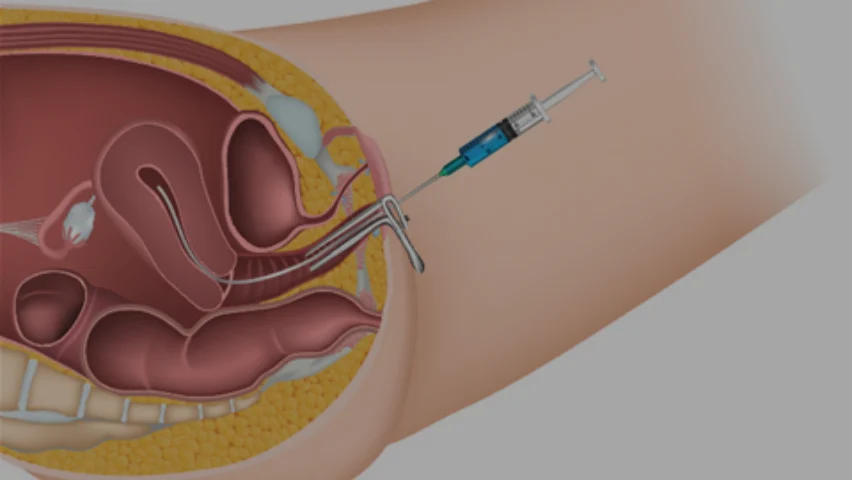
    illustration of an intrauterine insemination procedure with medical instruments and anatomical details

    Fertility Acupuncture and Age: Is It More Effective for Younger Women?

    Secondly, younger women tend to have fewer underlying health issues that can affect fertility, such as hormonal imbalances or chronic health conditions. This makes it easier for acupuncture to address the root cause of fertility issues and improve overall reproductive health.

    Thirdly, younger women are generally more open to alternative and holistic approaches to health and wellness. As acupuncture is a natural and non-invasive treatment, it can be more appealing to younger women who may want to avoid or reduce their reliance on medications or invasive procedures.

    However, this does not mean that fertility acupuncture is not effective for older women. Many women in their late 30s and 40s have successfully used acupuncture to improve their chances of conception and have healthy pregnancies. It is essential to note that each woman’s body and fertility journey are unique, and the effectiveness of acupuncture may vary from person to person.

    Other Factors to Consider
    While age is a crucial factor to consider when it comes to fertility and acupuncture, it is not the only one. Lifestyle factors, such as diet, exercise, and stress levels, can also impact a woman’s fertility at any age. For example, a young woman who leads a high-stress lifestyle may have lower fertility than an older woman who practices stress-management techniques. Therefore, it is essential to address all aspects of a woman’s health when using acupuncture for fertility.

    In conclusion, while fertility acupuncture can be beneficial for women of all ages, it may be more effective for younger women due to their higher ovarian reserve, better egg quality, and fewer underlying health issues. However, it is crucial to note that each woman’s fertility journey is unique, and age should not be the only determining factor when considering acupuncture as a treatment option. A holistic approach that addresses all aspects of a woman’s health is essential for improving fertility and increasing the chances of conception.

    In summary, fertility acupuncture is a natural and holistic approach to improving reproductive health and increasing the chances of conception. While it can benefit women of all ages, it may be more effective for younger women due to their higher ovarian reserve, better egg quality, and fewer underlying health issues. However, age should not be the only determining factor, as other lifestyle factors can also impact a woman’s fertility. A holistic approach that addresses all aspects of a woman’s health is crucial for successful treatment with fertility acupuncture.

  • Fertility Acupuncture for Men: Can It Improve Sperm Count and Quality?

    Blog Post:

    Fertility issues are often associated with women, but men can also face challenges when trying to conceive. Factors such as low sperm count and poor sperm quality can greatly impact a couple’s chances of getting pregnant. While there are many conventional treatments available, some couples are turning to alternative methods such as acupuncture to improve male fertility. In this blog post, we will explore the use of fertility acupuncture for men and whether it can actually improve sperm count and quality.

    What is Fertility Acupuncture?

    Acupuncture is a traditional Chinese medicine practice that involves inserting thin needles into specific points on the body to stimulate energy flow. Fertility acupuncture, also known as reproductive acupuncture, is a specialized form of acupuncture that focuses on treating issues related to fertility. The goal of fertility acupuncture is to balance the body’s energy and hormones, improve reproductive function, and increase the chances of conception.

    How Does Acupuncture Affect Male Fertility?

    Research has shown that acupuncture can have a positive impact on male fertility by improving sperm count and quality. Studies have found that acupuncture can increase the number of healthy sperm, improve sperm motility (movement), and reduce sperm DNA damage. It is believed that acupuncture can achieve these results by regulating hormones, reducing inflammation, and improving blood flow to the reproductive organs.

    One study published in the Journal of Fertility and Sterility found that men who received acupuncture twice a week for five weeks showed a significant increase in sperm count and motility compared to those who did not receive acupuncture. Another study published in Fertility and Sterility showed that men who received acupuncture had a higher percentage of normal sperm compared to those who did not receive acupuncture.

    Can Acupuncture Help with Specific Fertility Issues?

    Acupuncture has been found to be beneficial for various fertility issues that can affect men, including:

    1. Low Sperm Count
    Low sperm count, also known as oligospermia, is a common cause of male infertility. Acupuncture can help increase sperm production by balancing hormones and improving blood flow to the testicles.

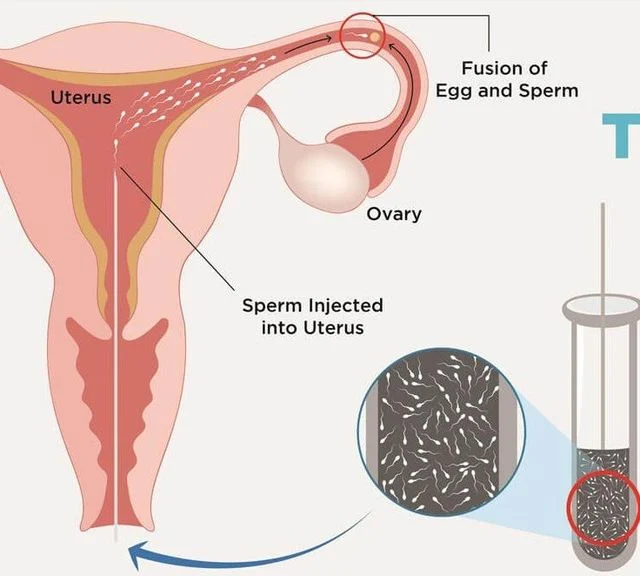
    Diagram illustrating the IUI process, showing sperm injection into the uterus and egg fertilization.

    Fertility Acupuncture for Men: Can It Improve Sperm Count and Quality?

    2. Poor Sperm Quality
    Acupuncture can improve sperm quality by reducing oxidative stress and inflammation, both of which can damage sperm DNA and affect its quality.

    3. Erectile Dysfunction
    Erectile dysfunction can be a symptom of underlying health issues that can affect fertility. Acupuncture can help improve blood flow to the penis, which can help with erectile dysfunction and increase sexual function.

    4. Varicocele
    Varicocele is a condition where the veins in the scrotum become enlarged, leading to decreased sperm production and quality. Acupuncture can help reduce the swelling and improve blood flow to the testicles, thus improving sperm production and quality.

    5. Stress and Anxiety
    Stress and anxiety can have a significant impact on male fertility. Acupuncture can help reduce stress and promote relaxation, which can improve sperm quality and motility.

    Is Fertility Acupuncture Safe?

    Fertility acupuncture is generally considered safe when performed by a licensed and trained acupuncturist. The needles used are sterile and disposable, and the treatment is non-invasive. However, it is essential to choose a qualified acupuncturist who specializes in fertility to ensure the best results.

    In Summary, Can Fertility Acupuncture Improve Male Fertility?

    While there is no guarantee that acupuncture will improve male fertility, research and anecdotal evidence have shown promising results. Acupuncture can help address specific fertility issues, such as low sperm count and poor sperm quality, by balancing hormones, reducing inflammation, and improving blood flow to the reproductive organs. However, it is essential to remember that fertility acupuncture is not a standalone treatment and should be used in conjunction with other fertility treatments or lifestyle changes for the best results.

    In conclusion, fertility acupuncture for men can be a safe and effective way to address male fertility issues. It is a natural and non-invasive treatment option that can potentially improve sperm count and quality. If you and your partner are struggling with fertility issues, consider adding acupuncture to your treatment plan and consult with a qualified acupuncturist to determine the best course of action for your specific needs.

    SEO metadata:

  • Fertility Acupuncture for Unsuccessful IVF: Is It Worth Trying?

    Fertility Acupuncture for Unsuccessful IVF: Is It Worth Trying?

    In recent years, more and more couples have turned to in vitro fertilization (IVF) as a solution for their struggles with fertility. While IVF can be a successful option for some, it is not a guaranteed solution for everyone. For those who have tried IVF multiple times without success, the idea of fertility acupuncture as an alternative treatment may be intriguing. But is it worth trying?

    Acupuncture, a form of traditional Chinese medicine, has been used for centuries to treat a variety of health issues, including fertility. It involves placing thin needles into specific points on the body to stimulate energy flow and promote healing. In recent years, there has been growing interest in the use of acupuncture for fertility, particularly as a complementary treatment to IVF.

    Many studies have examined the effectiveness of acupuncture in improving IVF success rates, and the results have been mixed. Some studies have shown a significant increase in pregnancy rates for those who received acupuncture during IVF treatment, while others have shown no significant difference. So, what is the truth about fertility acupuncture for unsuccessful IVF? Let’s take a closer look.

    How Does Acupuncture Help with Fertility?

    According to traditional Chinese medicine, the body has a vital energy called Qi (pronounced “chee”) that flows through channels or meridians. When there is a blockage or disruption in the flow of Qi, it can lead to illness and disease. Acupuncture aims to restore the balance of Qi in the body by stimulating specific points along these meridians.

    In terms of fertility, acupuncture is believed to help by:

    1. Regulating Hormones: Acupuncture can help regulate the hormones responsible for ovulation, which can improve egg quality and increase the chances of fertilization.

    2. Increasing Blood Flow to the Reproductive Organs: Acupuncture has been shown to improve blood flow to the uterus and ovaries, which can help with the development of follicles and thickening of the uterine lining.

    3. Reducing Stress: The process of IVF can be stressful, and stress has been linked to lower success rates. Acupuncture can help reduce stress and anxiety, creating a more relaxed and receptive environment for the embryo to implant.

    4. Improving Sperm Quality: Acupuncture has also been shown to improve sperm count and motility, which can increase the chances of fertilization.

    Diagram illustrating the IUI process, showing sperm injection into the uterus and egg fertilization.

    Fertility Acupuncture for Unsuccessful IVF: Is It Worth Trying?

    Is Fertility Acupuncture Effective for Unsuccessful IVF?

    As mentioned earlier, the results of studies on the effectiveness of fertility acupuncture for unsuccessful IVF have been mixed. However, there are some factors to consider when interpreting these results.

    Firstly, the quality of the acupuncture treatment and the experience of the acupuncturist can play a significant role in its effectiveness. It is essential to find a licensed acupuncturist with experience in treating fertility issues.

    Secondly, the timing of acupuncture sessions is crucial. Research has shown that receiving acupuncture before and after embryo transfer can significantly improve pregnancy rates. Therefore, it is recommended to start acupuncture at least three months before beginning IVF treatment.

    Lastly, acupuncture may not be effective for everyone. Factors such as age, underlying medical conditions, and the cause of infertility can also impact its effectiveness.

    Should You Try Fertility Acupuncture for Unsuccessful IVF?

    The decision to try fertility acupuncture for unsuccessful IVF ultimately depends on the individual and their unique circumstances. It is essential to consult with a qualified acupuncturist and discuss your medical history and goals before starting treatment.

    If you have already undergone multiple unsuccessful IVF cycles, it may be worth trying acupuncture as a complementary treatment. It can help improve your overall physical and emotional well-being and create a more favorable environment for a successful outcome.

    However, it is vital to keep in mind that fertility acupuncture is not a guaranteed solution, and it may not work for everyone. It is crucial to manage your expectations and remain open to other options.

    In conclusion, fertility acupuncture may be worth trying for those who have had unsuccessful IVF cycles. While it may not be a miracle cure, it can offer many benefits and potentially increase the chances of a successful pregnancy. As with any medical treatment, it is essential to do your research, consult with a professional, and make an informed decision.

    Summary:

    Fertility acupuncture, a form of traditional Chinese medicine, has been used for centuries to treat a variety of health issues, including fertility. It involves placing thin needles into specific points on the body to stimulate energy flow and promote healing. While studies have shown mixed results, acupuncture may help with fertility by regulating hormones, increasing blood flow to the reproductive organs, reducing stress, and improving sperm quality. The decision to try fertility acupuncture for unsuccessful IVF ultimately depends on the individual and their unique circumstances. It is essential to consult with a qualified acupuncturist and manage expectations while remaining open to other options.

  • Fertility Acupuncture and Endometriosis: Can It Help?

    Blog Post:

    Endometriosis is a condition affecting approximately 10% of women of reproductive age and is characterized by the abnormal growth of tissue similar to the lining of the uterus outside of the uterus. This condition can cause a range of symptoms including pelvic pain, heavy or irregular menstrual periods, and infertility. While there is no known cure for endometriosis, there are various treatments available to help manage the symptoms and improve fertility. One alternative treatment that has gained popularity in recent years is fertility acupuncture. In this blog post, we will explore the connection between fertility acupuncture and endometriosis and whether it can help in managing this condition.

    What is Fertility Acupuncture?

    Acupuncture is a form of traditional Chinese medicine that involves the insertion of thin needles into specific points on the body to stimulate the flow of energy or “qi.” Fertility acupuncture, specifically, focuses on treating fertility issues and improving reproductive health. This holistic approach aims to balance the body’s energy and restore harmony, which can have a positive impact on fertility.

    How Does Acupuncture Help with Endometriosis?

    Endometriosis is a complex condition that can involve multiple factors such as hormonal imbalances, inflammation, and immune dysfunction. Fertility acupuncture can help address these underlying issues by:

    1. Reducing Inflammation: Studies have shown that acupuncture can help reduce inflammation in the body. Inflammation is a significant contributor to endometriosis symptoms, including pain and infertility. By reducing inflammation, acupuncture can help alleviate these symptoms and improve fertility.

    2. Regulating Hormones: Hormonal imbalances, particularly of estrogen, play a crucial role in the development and progression of endometriosis. Acupuncture has been shown to regulate hormone levels, including estrogen, which can help improve endometriosis symptoms and fertility.

    3. Improving Blood Flow: Acupuncture can stimulate blood flow to the pelvic area, which can help nourish the reproductive organs and improve their function. This increased blood flow can also help reduce the build-up of endometrial tissue outside of the uterus.

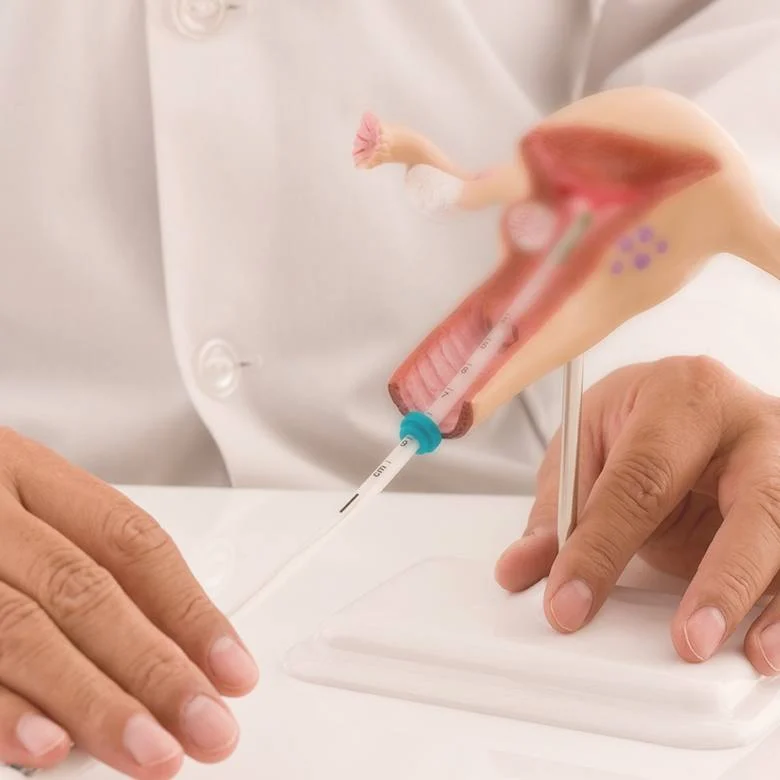
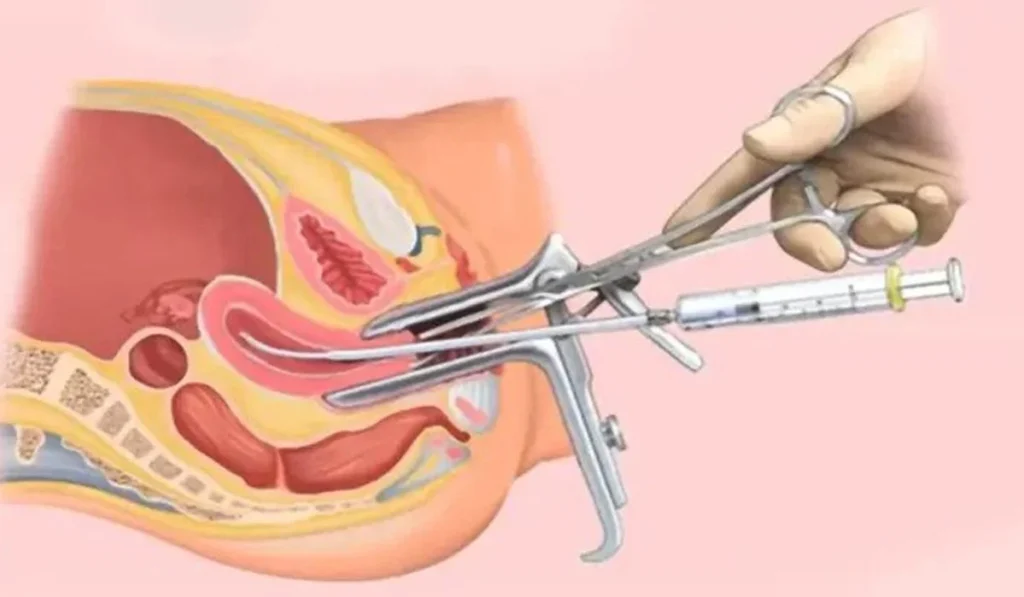
    model of the female reproductive system with a hand demonstrating intrauterine insemination technique

    Fertility Acupuncture and Endometriosis: Can It Help?

    4. Boosting the Immune System: Endometriosis is considered to be an autoimmune disorder, where the body’s immune system mistakenly attacks healthy tissue. Acupuncture can help balance the immune system and reduce its overactivity, which can help manage endometriosis symptoms.

    Can Fertility Acupuncture Help with Infertility?

    Infertility is a common concern for women with endometriosis. The good news is that acupuncture has shown promising results in improving fertility in women with endometriosis. A study published in the Journal of Integrative Medicine found that women who received acupuncture in conjunction with in vitro fertilization (IVF) had a higher rate of pregnancy and live birth compared to women who only received IVF treatment.

    Additionally, acupuncture can also help with the side effects of fertility treatments such as nausea, bloating, and anxiety. It can also help reduce stress, which is a known contributor to infertility.

    Is Fertility Acupuncture Safe for Endometriosis?

    Acupuncture is generally considered to be a safe and non-invasive treatment. However, it is essential to consult with a licensed and experienced acupuncturist who has experience in treating endometriosis. They will be able to create a personalized treatment plan based on your specific symptoms and needs.

    In some cases, acupuncture may not be suitable for women with severe endometriosis or those with certain medical conditions. It is always best to consult with your doctor before starting any new treatment, including acupuncture.

    Conclusion

    While there is no definitive evidence to suggest that acupuncture can cure endometriosis, it can be a valuable tool in managing the symptoms and improving fertility. By addressing the underlying factors contributing to endometriosis, acupuncture can help alleviate pain, regulate hormones, and improve overall reproductive health. As with any alternative treatment, it is essential to consult with your doctor and a licensed acupuncturist to determine if fertility acupuncture is right for you.

    In summary, fertility acupuncture can help with endometriosis by reducing inflammation, regulating hormones, improving blood flow, and boosting the immune system. It has also shown promising results in improving fertility in women with endometriosis. However, it is crucial to consult with a licensed acupuncturist and your doctor before starting any new treatment.

  • The Benefits of Fertility Acupuncture for Women over 35

    Blog Post: The Benefits of Fertility Acupuncture for Women over 35

    As women age, their fertility declines, making it more difficult to conceive and carry a healthy pregnancy. For women over 35, this can be a particularly challenging and emotional journey. While there are various medical interventions available, many women are turning to alternative therapies like acupuncture to help improve their chances of getting pregnant. In this blog post, we will explore the benefits of fertility acupuncture for women over 35 and how it can support their fertility journey.

    1. Regulates Hormones
    One of the key benefits of fertility acupuncture for women over 35 is its ability to regulate hormones. As women age, their hormone levels fluctuate, which can impact their fertility. Acupuncture works by stimulating specific points in the body, which in turn helps to balance hormones. This can be particularly helpful for women with conditions such as polycystic ovary syndrome (PCOS) or endometriosis, which can affect hormone levels and make it harder to conceive.

    2. Improves Ovarian Function
    As women age, the quality and quantity of their eggs decline. This can make it more difficult to conceive and increase the risk of chromosomal abnormalities. Fertility acupuncture has been shown to improve ovarian function and promote the production of healthy eggs. This is achieved by increasing blood flow to the ovaries, which helps to nourish the eggs and improve their quality. For women over 35, this can be a significant benefit as it can increase their chances of getting pregnant naturally or with assisted reproductive techniques.

    3. Reduces Stress and Anxiety
    Trying to conceive can be a stressful and emotional experience, especially for women over 35 who may feel the pressure of their ticking biological clock. Acupuncture has been shown to reduce stress and anxiety levels by promoting the release of endorphins, the body’s natural feel-good hormones. This can help women to relax and manage the emotional toll of their fertility journey. Additionally, stress and anxiety can have a negative impact on fertility, so reducing these factors may also improve the chances of getting pregnant.

    illustration of the IUI process, showing sperm collection, preparation, and insertion into the uterus

    The Benefits of Fertility Acupuncture for Women over 35

    4. Increases Blood Flow to the Uterus
    Acupuncture can also help to increase blood flow to the uterus, which is essential for a healthy pregnancy. As women age, the blood flow to the uterus naturally decreases, making it more difficult for the embryo to implant and grow. By increasing blood flow, acupuncture can help to create a more hospitable environment for the embryo and improve the chances of a successful pregnancy.

    5. Supports Assisted Reproductive Techniques
    For women over 35 who are undergoing assisted reproductive techniques such as in vitro fertilization (IVF) or intrauterine insemination (IUI), acupuncture can be a valuable supportive therapy. Studies have shown that acupuncture can improve the success rates of these techniques by increasing blood flow to the uterus, reducing stress, and improving hormone levels. It can also help to reduce the side effects of fertility medications, making the process more comfortable for women.

    6. Addresses Underlying Health Issues
    In traditional Chinese medicine, infertility is often seen as a symptom of an underlying health issue. Acupuncture takes a holistic approach to fertility, addressing not just the reproductive system but also the overall health and well-being of the individual. By identifying and treating any underlying health issues, acupuncture can help to improve overall health and fertility. For women over 35, this is particularly beneficial as they may be more likely to have underlying health conditions that could be affecting their fertility.

    In conclusion, fertility acupuncture can offer numerous benefits for women over 35 who are trying to conceive. By regulating hormones, improving ovarian function, reducing stress, and supporting assisted reproductive techniques, acupuncture can help to improve the chances of getting pregnant and having a healthy pregnancy. It also takes a holistic approach to fertility, addressing any underlying health issues that may be impacting fertility. If you are over 35 and trying to conceive, consider incorporating acupuncture into your fertility journey for its potential benefits.

    Summary:

    As women age, their fertility declines, making it more challenging to conceive and carry a healthy pregnancy. However, fertility acupuncture can offer numerous benefits for women over 35 who are trying to conceive. It can regulate hormones, improve ovarian function, reduce stress and anxiety, increase blood flow to the uterus, and support assisted reproductive techniques. Acupuncture also takes a holistic approach to fertility, addressing any underlying health issues that may be impacting fertility. With its potential benefits, fertility acupuncture can be a valuable tool for women over 35 on their fertility journey.

  • Is Fertility Acupuncture Safe? Debunking Common Myths and Concerns

    Blog Post Summary:

    Acupuncture has been used for centuries to treat a variety of health conditions, including infertility. However, there are many misconceptions and concerns surrounding fertility acupuncture, causing some individuals to question its safety and effectiveness.

    In this blog post, we will debunk common myths and concerns about fertility acupuncture and provide evidence-based information to help you make an informed decision about whether it is a safe option for you.

    Myth #1: Acupuncture is Painful and Invasive

    One of the most common concerns about acupuncture is that it is painful and invasive. However, acupuncture needles are incredibly thin and flexible, causing minimal discomfort. In fact, most people report feeling relaxed and even fall asleep during their acupuncture sessions.

    Myth #2: Acupuncture is Not Science-Based

    Another misconception about acupuncture is that it is not science-based and lacks evidence to support its effectiveness. However, numerous studies have shown that acupuncture can improve fertility outcomes by promoting blood flow to the reproductive organs and regulating hormones.

    Myth #3: Acupuncture is Not Safe During Pregnancy

    There is a common belief that acupuncture is not safe during pregnancy and can potentially harm the baby. However, acupuncture is a safe and effective treatment option for common pregnancy symptoms such as morning sickness, back pain, and anxiety. It can also help prepare the body for labor and delivery.

    Myth #4: Acupuncture is Only for Women

    Diagram illustrating the IUI process, showing sperm injection into the uterus and egg fertilization.

    Is Fertility Acupuncture Safe? Debunking Common Myths and Concerns

    While fertility acupuncture is often associated with women, it can also be beneficial for men. Studies have shown that acupuncture can improve sperm quality and increase sperm count, leading to better fertility outcomes for couples struggling with male factor infertility.

    Myth #5: Acupuncture is Expensive and Time-Consuming

    Many people believe that acupuncture is an expensive and time-consuming treatment option, making it unattainable for some individuals. However, acupuncture can be affordable, especially when compared to other fertility treatments like in vitro fertilization (IVF). Additionally, acupuncture sessions typically last 30-60 minutes, making it a feasible option for busy individuals.

    Concern #1: Fear of Needles

    One of the most common concerns about acupuncture is a fear of needles. It is important to note that acupuncture needles are much thinner than the needles used for injections and blood draws. Additionally, acupuncture practitioners are trained to insert the needles gently and quickly, causing minimal discomfort.

    Concern #2: Potential Side Effects

    Some individuals may worry about potential side effects or adverse reactions to acupuncture. However, acupuncture is a non-invasive treatment with minimal risk of side effects. In rare cases, minor bruising or soreness at the site of the needle insertion may occur, but these effects are temporary and typically resolve quickly.

    Concern #3: Interactions with Medications

    Some people may be concerned about potential interactions between acupuncture and their medications. It is essential to inform your acupuncturist of any medications you are taking to ensure there are no contraindications. In most cases, acupuncture can be safely integrated with other forms of treatment.

    Conclusion:

    Fertility acupuncture is a safe and effective treatment option for couples struggling with infertility. It is a non-invasive, science-based practice that can improve fertility outcomes and support overall reproductive health for both men and women. By debunking common myths and addressing concerns, we hope to provide a better understanding of fertility acupuncture and its potential benefits for those seeking to start or expand their family.

  • Can Fertility Acupuncture Really Help You Get Pregnant?

    Blog Post: Can Fertility Acupuncture Really Help You Get Pregnant?

    Infertility is a heartbreaking and challenging issue faced by many couples around the world. The desire to have a child and start a family can be overwhelming, but for some, it may not come as easily as they hope. In recent years, fertility acupuncture has gained popularity as a potential solution for those struggling with infertility. But can this ancient Chinese practice really help couples get pregnant? In this blog post, we will explore the topic of fertility acupuncture and its potential benefits for those trying to conceive.

    What is Fertility Acupuncture?
    Acupuncture is an ancient Chinese healing practice that involves inserting thin needles into specific points of the body to stimulate energy flow and promote healing. Fertility acupuncture, also known as reproductive acupuncture, is a specialized form of acupuncture that focuses on treating fertility issues in both men and women. It is believed that fertility acupuncture can help regulate the menstrual cycle, increase blood flow to the reproductive organs, and balance hormones, all of which can improve a person’s chances of getting pregnant.

    The Science Behind Fertility Acupuncture
    While there is limited scientific evidence to support the effectiveness of fertility acupuncture, some studies have shown promising results. One study published in the journal Fertility and Sterility found that women who received acupuncture treatments before and after embryo transfer during in vitro fertilization (IVF) had higher pregnancy rates compared to those who did not receive acupuncture. Another study published in the journal Evidence-Based Complementary and Alternative Medicine showed that acupuncture can help improve the quality of sperm in men with fertility issues. These studies suggest that fertility acupuncture may have a positive impact on fertility, but more research is needed to confirm these findings.

    test tube with sperm in blue liquid, promoting IUI success rate and factors influencing fertility.

    Can Fertility Acupuncture Really Help You Get Pregnant?

    How Does Fertility Acupuncture Work?
    According to traditional Chinese medicine, fertility issues are often caused by an imbalance of energy flow in the body. Fertility acupuncture aims to restore this balance by targeting specific acupuncture points that are believed to be connected to the reproductive system. By stimulating these points, acupuncture can help regulate the hormones that play a crucial role in ovulation and pregnancy. It can also increase blood flow to the uterus and ovaries, which may improve the chances of successful embryo implantation.

    Benefits of Fertility Acupuncture
    Aside from potentially increasing the chances of getting pregnant, fertility acupuncture can also have other benefits for couples trying to conceive. It is a natural and non-invasive treatment, making it a safe option for those who want to avoid or complement medical interventions. Acupuncture is also known to reduce stress and promote relaxation, which can be beneficial for couples dealing with the emotional toll of infertility. Additionally, fertility acupuncture can help improve overall health and well-being, which is essential for a healthy pregnancy.

    Is Fertility Acupuncture Right for You?
    While fertility acupuncture may sound promising, it is essential to consult with a fertility specialist before starting any treatment. They can help determine if there are any underlying medical issues that may be causing infertility and recommend the best course of action. Fertility acupuncture may not be suitable for everyone, and it is crucial to discuss all your options with a medical professional.

    In conclusion, while there is no guarantee that fertility acupuncture will result in a successful pregnancy, it can be a beneficial complementary treatment for couples struggling with infertility. It is a natural, safe, and non-invasive option that may help regulate hormones, improve blood flow to the reproductive organs, and reduce stress. However, it is best to consult with a fertility specialist before starting any treatment to ensure that it is the right course of action for you.

    In summary, fertility acupuncture is a specialized form of acupuncture that focuses on treating fertility issues in both men and women. While there is limited scientific evidence to support its effectiveness, some studies have shown promising results. Fertility acupuncture works by targeting specific acupuncture points to regulate hormones, improve blood flow to the reproductive organs, and reduce stress. While it may not be suitable for everyone, it can be a beneficial complementary treatment for couples struggling with infertility.

  • Breaking Down the Differences between Fertility Acupuncture and Traditional Treatments

    Blog Post Title: Breaking Down the Differences between Fertility Acupuncture and Traditional Treatments

    In recent years, there has been a growing interest in alternative and complementary treatments for fertility issues. While traditional treatments like in vitro fertilization (IVF) and intrauterine insemination (IUI) have been the go-to options for couples struggling with infertility, more and more people are turning to fertility acupuncture as a potential solution. But what exactly is fertility acupuncture and how does it differ from traditional treatments? In this blog post, we will break down the key differences between fertility acupuncture and traditional treatments, and help you make an informed decision about which option may be right for you.

    What is Fertility Acupuncture?

    Fertility acupuncture is a form of traditional Chinese medicine that involves the insertion of thin needles into specific points on the body. The goal of this treatment is to regulate the flow of energy, or Qi, throughout the body in order to restore balance and promote overall health and well-being. When it comes to fertility, acupuncture is believed to help by improving blood flow to the reproductive organs, regulating hormone levels, and reducing stress and anxiety.

    How Does it Differ from Traditional Treatments?

    1. Procedure

    One of the key differences between fertility acupuncture and traditional treatments is the procedure itself. While traditional treatments involve a series of medical procedures, fertility acupuncture is a non-invasive therapy that is performed by a trained acupuncturist. The acupuncturist will use thin, sterile needles to stimulate specific points on the body, and the treatment usually lasts about 30 minutes.

    2. Side Effects

    Another major difference between fertility acupuncture and traditional treatments is the potential for side effects. Traditional treatments like IVF and IUI can come with a range of side effects, including bloating, cramping, and mood swings. On the other hand, fertility acupuncture is known for its minimal side effects, with some patients reporting mild bruising or soreness at the insertion site. This makes it a more appealing option for those who want to avoid the potential risks and discomfort associated with traditional treatments.

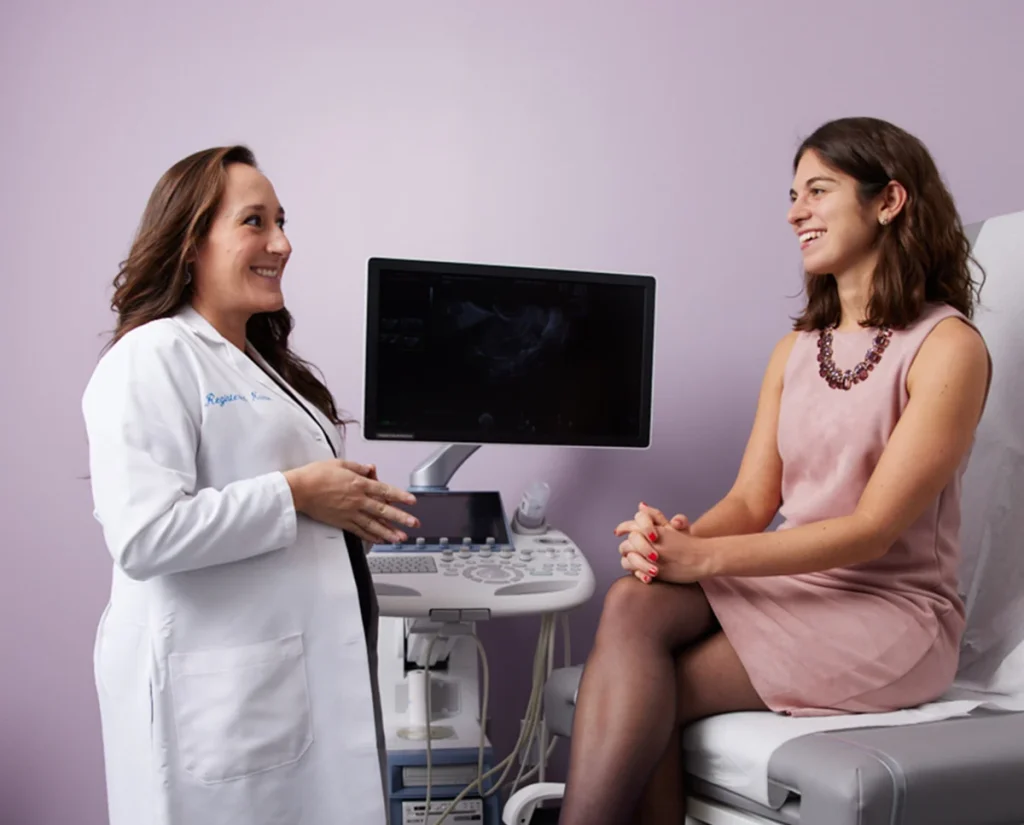
    doctor discussing treatment with a patient in a medical office, featuring an ultrasound machine in the background

    Breaking Down the Differences between Fertility Acupuncture and Traditional Treatments

    3. Cost

    The cost of fertility treatments is another factor that sets fertility acupuncture apart from traditional treatments. IVF and IUI can be expensive, with the average cost of a single IVF cycle in the US ranging from $10,000 to $15,000. In contrast, fertility acupuncture is generally more affordable, with the average cost per session ranging from $60 to $120. This makes it a more accessible option for those who may not be able to afford traditional treatments.

    4. Success Rates

    When it comes to success rates, traditional treatments have been found to be more effective than fertility acupuncture. IVF, for example, has a success rate of around 30%, while IUI has a success rate of 10-20%. On the other hand, the success rate of fertility acupuncture is difficult to determine, as it often varies depending on individual factors and the underlying cause of infertility. While some studies have shown positive results, more research is needed to determine the overall effectiveness of fertility acupuncture.

    5. Approach

    Perhaps the most significant difference between fertility acupuncture and traditional treatments is the approach to treating infertility. Traditional treatments focus primarily on addressing physical factors, such as blocked fallopian tubes or low sperm count. Fertility acupuncture, on the other hand, takes a more holistic approach by targeting the mind, body, and spirit. By promoting overall balance and well-being, acupuncture aims to address any underlying imbalances that may be contributing to fertility issues.

    Which Option is Right for You?

    Deciding between fertility acupuncture and traditional treatments ultimately comes down to personal preference and individual circumstances. Traditional treatments may be a better option for those with severe fertility issues, while fertility acupuncture may be a more suitable choice for those looking for a more natural and holistic approach. It is also worth considering that the two options are not mutually exclusive, and some couples may choose to combine both approaches for the best chances of success.

    Summary:

    Fertility acupuncture and traditional treatments are two options that couples struggling with infertility may consider. While traditional treatments involve medical procedures and have higher success rates, fertility acupuncture is a non-invasive and more affordable option with minimal side effects. Additionally, fertility acupuncture takes a holistic approach to treating infertility by targeting the mind, body, and spirit. The decision between the two options ultimately depends on personal preference and individual circumstances.

  • Exploring Alternative Fertility Treatments: From Acupuncture to Herbal Remedies

    Summary:

    Fertility issues can be a major source of stress and heartache for many couples. While modern medical treatments, such as IVF, have helped countless people conceive, they can also be expensive, invasive, and have varying rates of success. As a result, many couples are turning to alternative fertility treatments, such as acupuncture and herbal remedies, to help boost their chances of conception. In this blog post, we will explore these alternative treatments and their potential benefits for those struggling with fertility issues.

    First, we will delve into acupuncture and its role in fertility. Acupuncture, a traditional Chinese medicine practice, involves inserting thin needles into specific points on the body to stimulate energy flow and promote healing. Research has shown that acupuncture can help regulate hormones, improve blood flow to the reproductive organs, and reduce stress and anxiety, all of which can contribute to fertility issues. Many fertility clinics now offer acupuncture as an adjunct therapy to conventional treatments, and some couples have reported success with acupuncture alone.

    Next, we will discuss herbal remedies and their potential benefits for fertility. Traditional herbs, such as red raspberry leaf, chasteberry, and maca root, have been used for centuries to support reproductive health and improve fertility. These herbs can help balance hormones, regulate menstrual cycles, and improve egg quality and sperm count. While there is limited scientific research on the efficacy of herbal remedies for fertility, many couples have reported success with incorporating them into their fertility journey.

    Illustration of intrauterine insemination (IUI) procedure with syringe and catheter in the uterus.

    Exploring Alternative Fertility Treatments: From Acupuncture to Herbal Remedies

    We will also explore other alternative treatments, such as naturopathy, traditional Chinese medicine, and mind-body practices like yoga and meditation. Naturopathy focuses on using natural remedies and therapies to support the body’s natural healing abilities, while traditional Chinese medicine takes a holistic approach to treating fertility issues, incorporating acupuncture, herbs, and dietary changes. Mind-body practices can also be beneficial for fertility, as they help reduce stress and promote relaxation, which can have a positive impact on reproductive health.

    It is important to note that while alternative fertility treatments can offer potential benefits, they should not be seen as a replacement for medical advice and treatment. It is crucial for couples to consult with a qualified healthcare provider before trying any alternative treatments, and to continue any medical treatments recommended by their doctor.

    In addition to exploring the different alternative treatments for fertility, we will also discuss some lifestyle changes that can support fertility and overall reproductive health. These include maintaining a healthy diet, managing stress, and avoiding toxins and harmful substances. We will also touch on the importance of a supportive and understanding community, as fertility struggles can be emotionally taxing, and having a support system can make a significant difference.

    In conclusion, alternative fertility treatments, such as acupuncture and herbal remedies, can offer potential benefits for those struggling with fertility issues. While more research is needed to fully understand their effectiveness, many couples have reported success with these treatments. It is crucial to consult with a healthcare professional and continue any medical treatments alongside alternative therapies. Additionally, making lifestyle changes and having a supportive community can also contribute to a holistic approach to fertility and overall well-being.