Tag: Fertility Treatments

  • Exploring the Risks: Clinic vs Home Intrauterine Insemination

    Exploring the Risks: Clinic vs Home Intrauterine Insemination

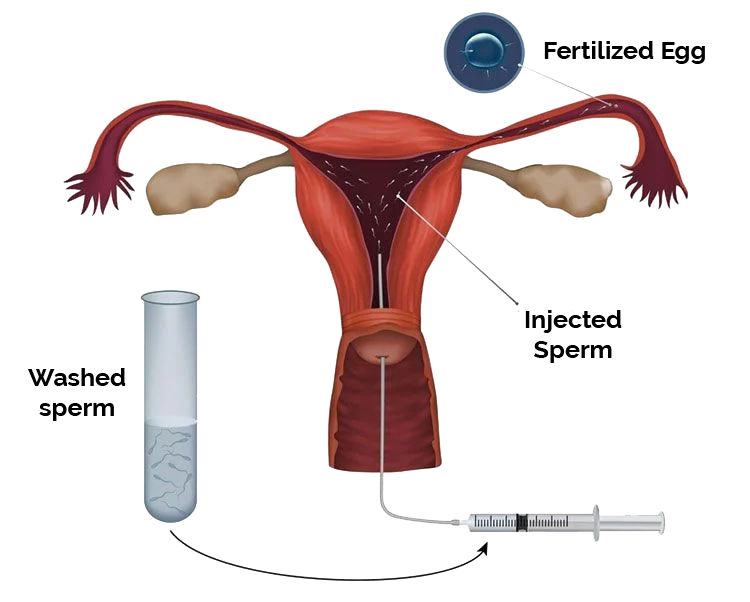
    Intrauterine insemination (IUI) is a form of assisted reproductive technology (ART) that involves inserting washed and concentrated sperm directly into a woman’s uterus during ovulation. This procedure can be performed in a fertility clinic or at home, and it is commonly used for couples struggling with fertility issues. While both clinic and home IUI have their own benefits and risks, it is important for individuals to understand and weigh these factors before deciding which option is right for them. In this blog post, we will explore the risks associated with clinic vs home IUI and provide information to help individuals make an informed decision about their fertility treatment.

    Risks of Clinic IUI:

    1. Cost:
    One of the biggest risks associated with clinic IUI is the cost. Fertility treatments can be expensive, and IUI is no exception. The average cost of an IUI cycle can range from $300 to $1000, depending on the clinic and location. This cost can increase significantly if the individual requires multiple cycles or additional procedures.

    2. Infection:
    As with any medical procedure, there is a risk of infection with clinic IUI. The insertion of instruments into the uterus can introduce bacteria, increasing the chances of developing an infection. While clinics follow strict sterilization protocols, there is still a risk of infection.

    3. Multiple pregnancies:
    One of the most significant risks of clinic IUI is the possibility of multiple pregnancies. The use of fertility drugs to stimulate ovulation can result in the release of more than one egg, increasing the chances of conceiving multiples. While this may be a desired outcome for some couples, it can also increase the risk of complications during pregnancy and childbirth.

    4. Emotional stress:
    Undergoing fertility treatments can be emotionally taxing for individuals and couples. The constant monitoring, uncertainty, and disappointment of failed cycles can take a toll on one’s mental health. Clinic IUI requires frequent visits to the fertility clinic, which can be emotionally exhausting and add to the stress of the process.

    Risks of Home IUI:

    1. Inaccurate timing:
    Timing is crucial for successful IUI, as the procedure must be performed during ovulation for the best chance of conception. In a clinic setting, doctors use ultrasound and blood tests to pinpoint the exact time of ovulation. However, in a home setting, individuals may rely on at-home ovulation predictor kits, which are not always accurate. This can result in missed ovulation and a failed cycle.

    2. Contamination:
    Unlike clinics, homes are not sterile environments. The sperm and instruments used for home IUI may not be properly sterilized, increasing the risk of contamination and infection. This can negatively impact the success of the procedure and put the individual’s health at risk.

    3. Lack of monitoring:
    One of the significant benefits of clinic IUI is the constant monitoring by medical professionals. This allows for adjustments to be made to the treatment plan if needed. In a home setting, there is a lack of monitoring, which means potential issues may go undetected, resulting in a failed cycle.
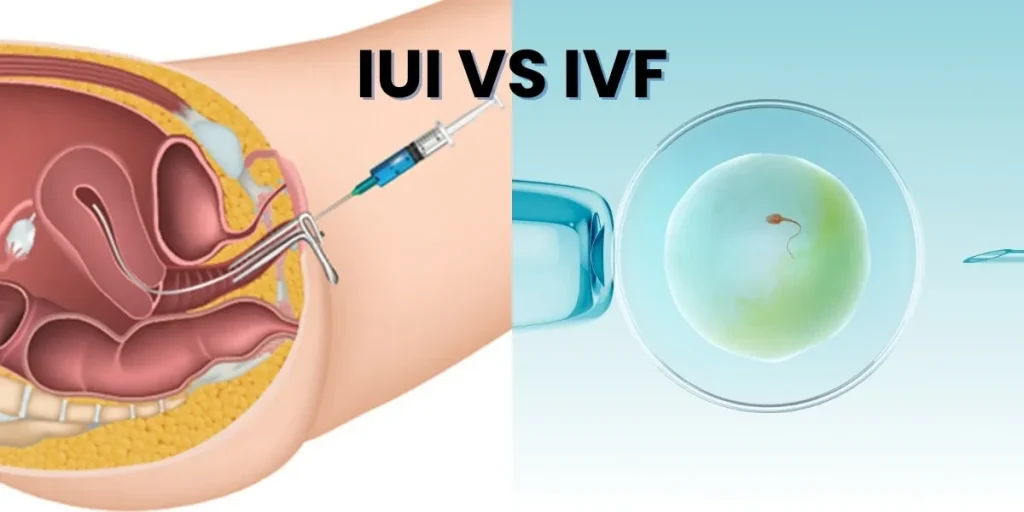
    comparison of IUI and IVF fertility treatments with illustrations of procedures and a petri dish with an egg and sperm

    Exploring the Risks: Clinic vs Home Intrauterine Insemination

    4. Psychological strain:
    Performing IUI at home can be psychologically challenging for individuals and couples. The responsibility of performing the procedure accurately and the pressure of achieving a successful outcome can cause significant stress and anxiety.

    Which option is right for you?

    The decision between clinic and home IUI ultimately depends on individual circumstances and preferences. Couples with a limited budget may opt for home IUI, while those who prefer the expertise and constant monitoring of medical professionals may choose clinic IUI. It is essential to consider the potential risks and benefits of each option and consult with a fertility specialist before making a decision.

    Some tips for reducing risks:

    1. Choose a reputable fertility clinic:
    If you decide to undergo clinic IUI, make sure to choose a reputable and experienced fertility clinic. Research the clinic’s success rates, read reviews, and ask for recommendations from your doctor or friends who have undergone similar treatments.

    2. Follow proper sterilization procedures:
    If you opt for home IUI, it is crucial to follow proper sterilization procedures to minimize the risk of contamination and infection. This includes using sterile instruments and sperm, as well as thoroughly cleaning the area where the procedure will take place.

    3. Monitor ovulation closely:
    To improve the chances of success with home IUI, it is essential to monitor ovulation closely. This can be done through at-home ovulation predictor kits or by tracking basal body temperature and cervical mucus changes.

    4. Seek emotional support:
    Undergoing fertility treatments can be emotionally challenging, so it is crucial to seek emotional support from loved ones or a therapist. Speak openly about your feelings and seek support from others who have gone through similar experiences.

    In conclusion, both clinic and home IUI have their own risks, and it is essential to carefully consider these factors before deciding which option is right for you. The decision should be made in consultation with a fertility specialist who can provide personalized recommendations based on your individual circumstances. By understanding the risks and taking necessary precautions, individuals can increase their chances of a successful IUI cycle and ultimately achieve their dream of starting a family.

    Summary:

    Intrauterine insemination (IUI) is a form of assisted reproductive technology that can be performed in a clinic or at home. While both options have their benefits, they also come with potential risks. Clinic IUI can be costly, increase the risk of infection and multiple pregnancies, and cause emotional stress. On the other hand, home IUI may have inaccurate timing, risk of contamination, lack of monitoring, and psychological strain. The decision between clinic and home IUI should be based on individual circumstances and preferences, and it is important to consider the potential risks and benefits of each option. Some tips for reducing risks include choosing a reputable clinic, following proper sterilization procedures, closely monitoring ovulation, and seeking emotional support. With proper precautions and guidance from a fertility specialist, individuals can increase their chances of a successful IUI cycle and achieve their goal of starting a family.
  • DIY Fertility: Is Intrauterine Insemination at Home Safe and Effective?

    DIY fertility has become a popular topic in recent years, as more and more people are seeking alternative methods for conceiving. Intrauterine insemination (IUI), a form of artificial insemination, is one option that can be done at home. But the big question is, is it safe and effective?

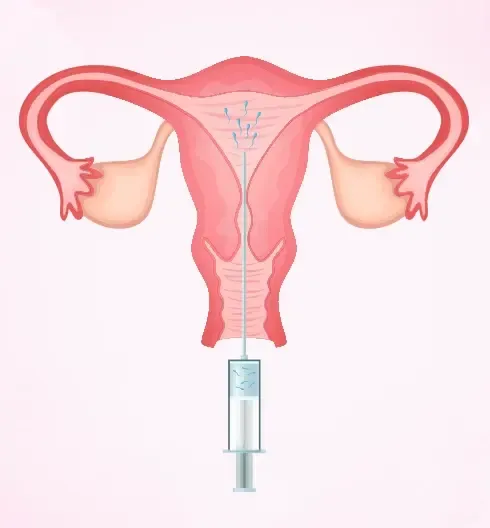
    Before we dive into the safety and effectiveness of DIY intrauterine insemination, let’s first understand what it is and how it works. IUI involves placing washed and prepared sperm directly into the uterus, bypassing the cervix and increasing the chances of fertilization. This procedure is typically done in a doctor’s office, but with the rise of DIY fertility, some people are attempting to do it at home.

    The main reason for opting for home insemination is the cost. IUI at a fertility clinic can cost thousands of dollars per cycle, making it unaffordable for many people. DIY insemination, on the other hand, can cost as little as a few hundred dollars, and some may even choose to use a known donor instead of purchasing sperm from a sperm bank.

    But with the lower cost comes concerns about safety and effectiveness. The most significant risk of DIY IUI is the possibility of infection. Without proper sterilization techniques and medical supervision, there is a higher risk of introducing bacteria or other harmful substances into the uterus. Additionally, without medical training, it can be challenging to properly place the sperm in the correct location, leading to a lower success rate.

    There is also the concern of using untested sperm from a known donor. Sperm from a sperm bank is rigorously tested for various infections and genetic disorders, ensuring the safety of the recipient and future child. However, with a known donor, there is no guarantee of the sperm’s quality, which can lead to potential health risks for the recipient and future child.

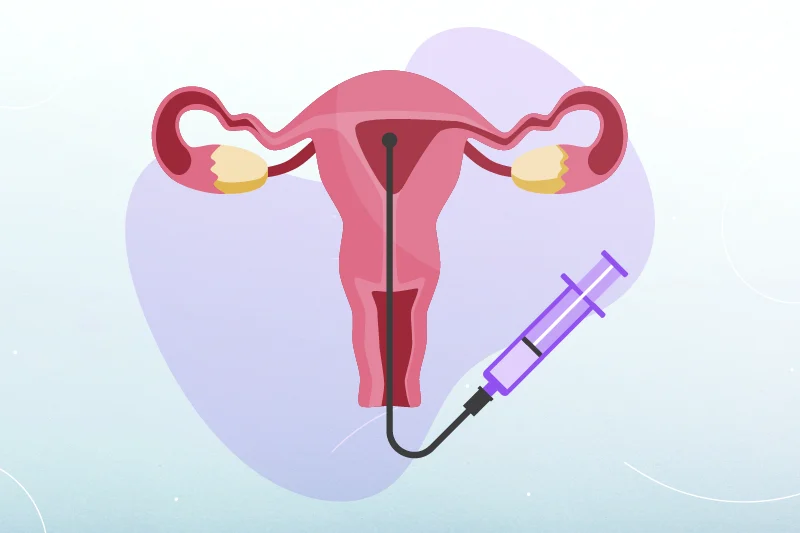
    Illustration of a uterus with a syringe indicating an intrauterine insemination procedure.

    DIY Fertility: Is Intrauterine Insemination at Home Safe and Effective?

    Another aspect to consider is the success rate of DIY IUI compared to professional IUI. According to a study published in the Journal of Assisted Reproduction and Genetics, the success rate of home insemination was significantly lower than that of clinical IUI. The study found that the pregnancy rate for home insemination was 7% compared to a 12% pregnancy rate for clinical IUI. This difference could be due to a variety of factors, such as the lack of medical supervision, improper placement of sperm, or using untested sperm.

    Moreover, DIY IUI does not take into account any underlying fertility issues that may be present. Without a proper fertility evaluation and medical guidance, it can be challenging to address any potential problems that may be hindering conception. This lack of medical oversight can lead to prolonged attempts at home insemination, causing unnecessary stress and disappointment for the couple.

    So, is home insemination a safe and effective option for DIY fertility? The answer is not a simple yes or no. It ultimately depends on the individual’s situation and their ability to follow proper sterilization techniques and obtain high-quality sperm. In some cases, DIY IUI may be a viable option for those who cannot afford clinical IUI or do not have access to a fertility clinic. However, it is crucial to consider the potential risks and lower success rates associated with DIY insemination.

    If you are considering DIY IUI, it is essential to consult with a medical professional beforehand. They can guide you on proper sterilization techniques and provide advice on obtaining high-quality sperm. It is also crucial to have a fertility evaluation to address any underlying issues that may be affecting conception. Remember, your health and the health of your future child should be a top priority.

    In conclusion, while DIY fertility options may seem appealing due to their lower cost, it is crucial to weigh the potential risks and lower success rates. DIY intrauterine insemination can be safe and effective for some individuals, but only with proper medical guidance and precautions. It is always best to consult with a medical professional before attempting any DIY fertility treatments to ensure the safety and well-being of everyone involved.

    SEO metadata:

  • The Evolution of Fertility Support: How Online Forums Are Revolutionizing the Way We Connect

    Blog Post:

    Fertility can be a sensitive and emotional topic for many individuals and couples who are struggling to conceive. Traditionally, support for those going through fertility treatments has been limited to in-person support groups or therapy sessions. However, with the rise of technology and social media, online forums have become a popular and valuable resource for individuals seeking support and information on their fertility journey.

    The Evolution of Fertility Support:

    In the past, the only option for those seeking support and advice on fertility treatments was to attend in-person support groups or therapy sessions. These options, while helpful, were often limited in terms of accessibility, as they required individuals to physically attend meetings or appointments. Additionally, individuals may have felt uncomfortable discussing such personal matters in a group setting.

    However, with the widespread use of the internet, online forums have become a game-changer in the world of fertility support. These forums, also known as online communities or message boards, provide a platform for individuals to connect with others who are going through similar experiences. These online forums offer a safe and anonymous space for individuals to share their thoughts, feelings, and questions about fertility treatments.

    How Online Forums Are Revolutionizing the Way We Connect:

    The use of online forums for fertility support has revolutionized the way individuals connect with others going through similar experiences. These forums provide a sense of community and understanding that may not be found in traditional support groups. By connecting with others who are on a similar journey, individuals can feel less alone and more supported, which can be crucial during the emotional rollercoaster of fertility treatments.

    One of the most significant advantages of online forums is the accessibility they offer. Unlike in-person support groups, which may have limited meeting times or locations, online forums are available 24/7, allowing individuals to connect with others at any time. This accessibility is especially beneficial for those who may have busy schedules or live in remote areas where in-person support groups are not available.

    Comparison of IUI and IVF, illustrating procedures and definitions for each fertility treatment.

    The Evolution of Fertility Support: How Online Forums Are Revolutionizing the Way We Connect

    Another advantage of online forums is the anonymity they provide. Many individuals going through fertility treatments may feel embarrassed or hesitant to share their experiences with others. Online forums offer a safe space for individuals to discuss their thoughts and feelings without fear of judgment or embarrassment. This anonymity can also be beneficial for individuals who are not yet ready to share their fertility journey with friends and family.

    Online forums also offer a wealth of information and resources for those going through fertility treatments. Many forums have specific sections dedicated to different types of treatments, allowing individuals to connect with others who have gone through or are currently undergoing the same treatment. This can be especially helpful for individuals who may be feeling overwhelmed or confused about their treatment options.

    Furthermore, online forums allow individuals to connect with others from all over the world. This global reach can provide a diverse and supportive community for individuals going through fertility treatments. It also allows individuals to gain insight into different cultural perspectives on fertility and treatments.

    The Impact of Online Forums on Fertility Support:

    The impact of online forums on fertility support cannot be overstated. These forums have provided a safe and supportive space for individuals to connect with others, share their experiences, and gain valuable information and resources. They have also helped to break down the barriers of distance and accessibility, allowing individuals from all over the world to connect and support each other.

    Moreover, online forums have also played a significant role in reducing the stigma surrounding fertility treatments. By providing a platform for open and honest discussions, these forums have helped to normalize the conversation around fertility and break down the taboos and misconceptions associated with it.

    In addition to providing support for individuals, online forums have also been instrumental in advocating for improvements and changes in the fertility treatment industry. Many forums have dedicated sections for individuals to share their experiences with different clinics and doctors, allowing others to make informed decisions about their treatment options.

    Summary:

    The evolution of fertility support has been greatly impacted by the rise of online forums. These forums provide a safe and anonymous space for individuals to connect with others, share their experiences, and gain valuable information and resources. They have revolutionized the way individuals connect, providing a sense of community and support that may not be found in traditional in-person support groups. Online forums have also played a crucial role in reducing the stigma surrounding fertility treatments and advocating for improvements in the industry.

  • Virtual Hugs and Real Support: The Comfort of Online Fertility Communities

    Blog Post:

    Fertility struggles can be an isolating and emotional experience. For many couples, it can feel like a lonely journey as they navigate the ups and downs of trying to conceive. However, with the rise of technology and social media, an online community of support has emerged for those facing fertility struggles. These virtual communities provide a safe space for individuals to share their experiences, seek advice, and receive virtual hugs and real support from others who understand what they are going through. In this blog post, we will explore the comfort of online fertility communities and how they have become a source of strength for many couples and individuals.

    The power of virtual hugs may seem insignificant to some, but for those struggling with fertility, a simple message of support from someone who understands can make all the difference. The journey of trying to conceive can be a rollercoaster of emotions, from hope to disappointment, and everything in between. It can be difficult for friends and family to fully understand the emotional toll of fertility struggles, which is why finding a community of individuals who are going through a similar experience can be incredibly comforting.

    One of the most significant benefits of online fertility communities is the sense of belonging and understanding they provide. As human beings, we have an innate need to feel connected and understood, and this is especially true for those facing fertility challenges. These communities offer a safe space for individuals to share their fears, frustrations, and hopes without judgment. It is a place where they can be vulnerable and open up about their struggles, knowing that they will be met with empathy and support.

    Another essential aspect of online fertility communities is the wealth of knowledge and resources that they offer. These communities are filled with individuals who have been through various fertility treatments and procedures, and they are often willing to share their experiences and insights. This can be a valuable source of information for those who are just beginning their journey or considering different treatment options. It can also provide a sense of hope and inspiration for those who may be feeling discouraged or lost in their fertility journey.

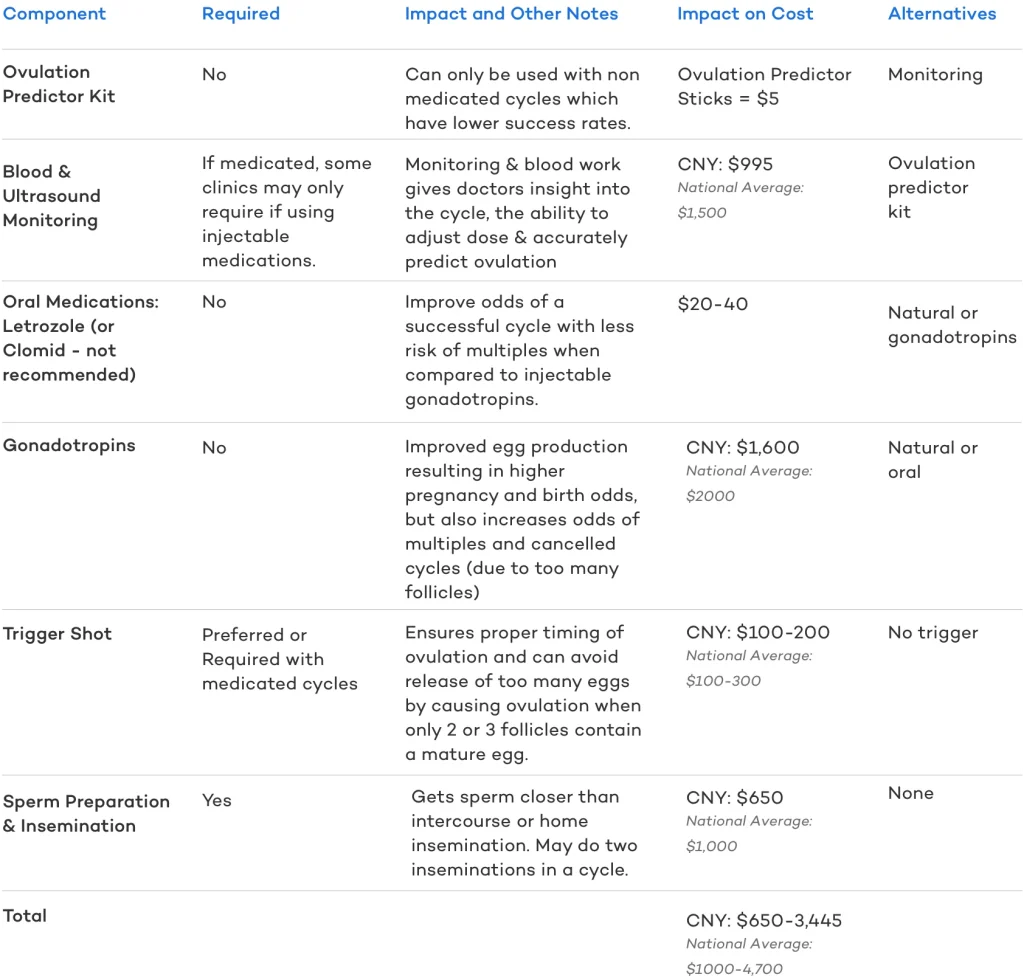
    Cost breakdown for IUI components, including requirements, impacts, and alternatives.

    Virtual Hugs and Real Support: The Comfort of Online Fertility Communities

    In addition to knowledge and support, online fertility communities also offer a sense of empowerment. By connecting with others who have faced similar challenges, individuals can feel more in control of their situation. They can learn from the experiences of others, gain confidence in their decisions, and feel less alone in their journey. This empowerment can be incredibly valuable for those who may feel helpless or overwhelmed by their fertility struggles.

    Moreover, online fertility communities offer a unique opportunity for individuals to connect with others from all over the world. This global network allows people to connect with others who may have different backgrounds, cultures, and experiences. It can be eye-opening to hear different perspectives and stories from individuals who may have faced similar challenges in a completely different way. This diversity also allows for a more extensive support system and a sense of community that transcends geographical boundaries.

    It is also worth noting that online fertility communities are not limited to just individuals struggling with fertility. They also welcome and provide support to partners, friends, and family members who may be impacted by fertility challenges. This inclusivity creates a sense of unity and understanding among all individuals involved in the journey to conceive. It also allows for a more comprehensive support system, as partners and loved ones can also share their experiences and provide support to others in the community.

    In addition to the emotional and informational support, online fertility communities also offer practical resources. From finding reliable fertility clinics to financial assistance programs, these communities can provide valuable recommendations and resources for those seeking fertility treatments. This can be particularly helpful for those who may not have access to such resources in their local area or may be overwhelmed by the vast amount of information available online.

    Furthermore, online fertility communities are not limited to just support groups. They also offer a space for individuals to connect and form friendships with others who understand their struggles. These friendships can provide a sense of camaraderie and hope, as individuals can share their experiences, celebrate successes, and provide comfort during difficult times. These connections can also extend beyond the online community, as many individuals have reported meeting up with their online friends in person and forming meaningful relationships.

    In summary, online fertility communities offer a unique and powerful source of comfort and support for those facing fertility struggles. They provide a safe space for individuals to share their experiences, seek advice, and receive virtual hugs and real support from others who understand what they are going through. These communities offer a sense of belonging, understanding, empowerment, and practical resources that can make the journey of trying to conceive a little less daunting. And most importantly, they remind us that we are not alone in this journey.

  • and Pregnant: Celebrating Success with Your Fertility Support Group

    Blog Post:

    Fertility struggles can be a difficult and isolating experience for many couples. The journey towards parenthood is not always a smooth one, and it can feel like a constant uphill battle. This is where fertility support groups come in – a community of individuals going through similar experiences, offering a safe space for support and understanding. And when success is finally achieved, it is important to celebrate this milestone with your fertility support group.

    The journey towards parenthood through fertility treatments can be emotionally, physically, and financially draining. It requires a great deal of strength, resilience, and support. This is where a fertility support group becomes an invaluable resource. These groups consist of individuals who are facing similar struggles and understand the complexities of fertility treatments. They offer a safe and non-judgmental space to share experiences, emotions, and coping mechanisms.

    One of the most significant benefits of being part of a fertility support group is the sense of solidarity and understanding. It can be challenging to find people who truly understand the rollercoaster of emotions that come with fertility treatments. Support groups provide a community of individuals who have been there or are currently going through similar experiences. This shared understanding creates a sense of belonging and validation, which can be incredibly comforting.

    In addition to emotional support, fertility support groups also offer practical advice and resources. Members of these groups often share information about different fertility clinics, doctors, and treatments. This can be helpful for individuals who are just starting their fertility journey or looking for alternative options. These groups also provide a platform for discussing different coping mechanisms and self-care practices that have helped members deal with the challenges of fertility treatments.

    However, the true value of a fertility support group is felt when success is achieved. After months or even years of trying, when a couple finally receives the news of a positive pregnancy test, it is a moment of pure joy and relief. And this is a moment that must be celebrated with the people who have been there through the ups and downs of the journey – your fertility support group.

    Celebrating success with your fertility support group not only allows you to share your joy with people who understand the significance of this achievement, but it also gives hope to those who are still on their journey towards parenthood. It is a powerful reminder that success is possible, and no one has to go through this alone.

    Illustration of the uterus with a syringe, depicting the intrauterine insemination procedure.

    and Pregnant: Celebrating Success with Your Fertility Support Group

    Here are some ways to celebrate success with your fertility support group:

    1. Host a potluck or dinner party: Food has a way of bringing people together, and what better way to celebrate than with a potluck or dinner party with your support group? Ask everyone to bring a dish and enjoy a delicious meal while sharing stories and celebrating this milestone.

    2. Plan a group outing: Whether it’s a day at the spa, a picnic in the park, or a trip to the beach, planning a fun outing with your support group can be a great way to celebrate. It allows everyone to relax, have fun, and create new memories together.

    3. Create a memory book: As a group, create a memory book with pictures, quotes, and messages from everyone. This can serve as a beautiful reminder of the journey you’ve been through together and the joy of achieving success.

    4. Organize a baby shower: If a member of your support group is the one expecting, organizing a baby shower can be a wonderful way to celebrate. It not only allows everyone to share in the joy of the upcoming arrival, but it also serves as a way to thank the group for their support throughout the journey.

    5. Give back: After achieving success, it can be meaningful to give back to the community by supporting other couples going through fertility treatments. This can be through volunteering at a fertility clinic or donating to a fertility support group.

    Celebrating success with your fertility support group is a reminder that even in the toughest of times, there is always hope and support. It is also a way to honor the journey and the strength and resilience it takes to get to this point. So when success is finally achieved, don’t forget to celebrate with the people who have been there through it all – your fertility support group.

    In conclusion, fertility support groups play a crucial role in the journey towards parenthood. They offer a sense of understanding, practical advice, and most importantly, a community to lean on during the difficult times. And when success is finally achieved, it is important to celebrate this milestone with your support group. It not only allows you to share your joy with those who understand, but it also serves as a reminder of the power of support and solidarity.

  • Exploring Alternative Insemination Methods

    Exploring Alternative Insemination Methods: A Guide to Non-Traditional Ways of Conceiving

    In today’s world, there are many different paths to parenthood. While traditional methods of conception through sexual intercourse may be the most common, they are not the only option for those looking to start a family. Alternative insemination methods, also known as assisted reproductive techniques, provide viable options for individuals and couples who are unable to conceive through traditional means. In this blog post, we will explore the various alternative insemination methods available, their processes, and their potential benefits and drawbacks.

    What is Alternative Insemination?

    Alternative insemination, or artificial insemination, is a method of assisted reproduction that involves the placement of sperm into the reproductive tract of a female in order to achieve fertilization. This can be done through various methods, including intrauterine insemination (IUI), intracervical insemination (ICI), and intrafallopian tube insemination (IFTI). These methods are typically used by individuals or couples who are unable to conceive through sexual intercourse, such as same-sex couples, single individuals, and those with fertility issues.

    Intrauterine Insemination (IUI)

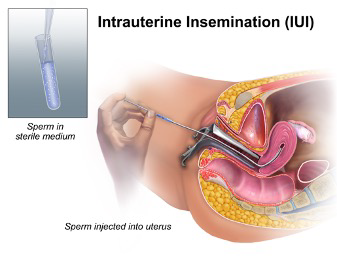
    IUI is one of the most common forms of alternative insemination. It involves directly placing sperm into the uterus using a thin catheter. This procedure is typically done in a doctor’s office and can be performed with or without the use of fertility drugs. IUI is a popular choice for individuals or couples with unexplained infertility or mild male factor infertility.

    Intracervical Insemination (ICI)

    ICI is a method of alternative insemination that involves inserting sperm into the cervix using a syringe. This can be done in a doctor’s office or at home, making it a more accessible option for those who may not have access to a fertility clinic. However, ICI has a lower success rate compared to other methods, and it is important to carefully follow instructions and timing for the best chances of success.

    Illustration of intrauterine insemination (IUI) procedure, showing sperm injection into the uterus.

    Exploring Alternative Insemination Methods

    Intrafallopian Tube Insemination (IFTI)

    IFTI is a more invasive form of alternative insemination that involves directly placing sperm into the fallopian tubes. This method is typically reserved for those with severe male factor infertility or individuals with blocked fallopian tubes. IFTI is usually done in a hospital or fertility clinic and may require the use of fertility drugs.

    Benefits of Alternative Insemination

    One of the main benefits of alternative insemination is that it provides options for those who are unable to conceive through traditional methods. It also allows individuals and couples to have a genetic connection to their child, which can be important for some. Alternative insemination also allows for more control over the timing of conception, as it can be scheduled according to ovulation and fertility treatments.

    Drawbacks of Alternative Insemination

    While alternative insemination can be a successful way to conceive, it does have its drawbacks. One of the main concerns is the cost, as fertility treatments and procedures can be expensive. There is also no guarantee of success, and multiple attempts may be necessary. Additionally, alternative insemination may not be covered by insurance, making it a financial burden for some.

    Other Alternative Methods of Conception

    Aside from assisted reproductive techniques, there are also other non-traditional ways of conceiving, such as in vitro fertilization (IVF), surrogacy, and adoption. IVF involves fertilizing eggs outside of the body and then transferring them into the uterus, while surrogacy involves using a gestational carrier to carry the pregnancy. Adoption provides an opportunity to grow a family through legal means and give a loving home to a child in need.

    In conclusion, alternative insemination methods offer a range of options for individuals and couples looking to start a family. Whether it’s through IUI, ICI, or IFTI, these methods provide a viable solution for those unable to conceive through traditional means. While there are benefits and drawbacks to consider, it ultimately comes down to personal choice and individual circumstances. For those exploring alternative methods of conception, it is important to consult with a medical professional and thoroughly research all options to make an informed decision.

  • The Emotional Toll of Failed Insemination Attempts

    Blog Post Title: The Emotional Toll of Failed Insemination Attempts

    Insemination, also known as artificial insemination or intrauterine insemination, is a common fertility treatment used by couples struggling to conceive. It involves the direct placement of sperm into a woman’s uterus during the most fertile time of her menstrual cycle. While this procedure may seem like a simple and straightforward solution for those facing fertility issues, the reality is that it can be emotionally draining, especially when multiple attempts end in failure.

    Insemination attempts can fail for various reasons, such as poor sperm quality, timing issues, or underlying medical conditions. Unfortunately, each unsuccessful attempt can take a toll on the emotional well-being of those going through it. In this blog post, we will delve into the emotional impact of failed insemination attempts and discuss ways to cope with the rollercoaster of emotions that come with it.

    Disappointment and Grief
    The most common emotion experienced by couples after a failed insemination attempt is disappointment. This disappointment can quickly turn into a sense of grief, especially when the couple has been trying to conceive for an extended period. Many couples have spent months or even years preparing for insemination, both financially and emotionally, only to have their hopes dashed with a negative pregnancy test. The feeling of grief can be overwhelming, as couples mourn the loss of what they had hoped would be their miracle solution.

    Frustration and Self-Blame
    Another common emotion that can arise from failed insemination attempts is frustration. For many couples, insemination is seen as a last resort after exhausting other fertility treatments. So when it fails, it can lead to feelings of hopelessness and frustration with the process. This frustration can turn inward, with couples blaming themselves for not doing something right or not being good enough. The self-blame game can be mentally and emotionally exhausting, leading to feelings of guilt and inadequacy.

    Anxiety and Fear
    The fear of the unknown can be overwhelming for couples undergoing insemination. The uncertainty of whether the procedure will be successful or not can create a constant state of anxiety. Each failed attempt can intensify this anxiety, making the next insemination cycle even more stressful. Fear can also arise from the thought of having to go through the procedure again and the potential financial and emotional strain it may bring. This constant state of worry and fear can take a toll on a person’s mental and emotional well-being.

    Strain on Relationships
    Going through insemination can be a challenging time for couples, and failed attempts can put a strain on their relationship. The emotional rollercoaster of insemination can lead to arguments, misunderstandings, and even resentment between partners. The disappointment, frustration, and anxiety can cause couples to withdraw from each other or lash out, making it difficult to communicate effectively. This strain on relationships can be a significant source of stress for the couple and can add to the already emotionally charged atmosphere.

    Comparison of IUI and IVF treatments with diagrams of reproductive anatomy.

    The Emotional Toll of Failed Insemination Attempts

    Coping Strategies
    Dealing with the emotional toll of failed insemination attempts is crucial for couples to move forward with their fertility journey. Here are some coping strategies that can help:

    1. Allow yourself to grieve: It is essential to acknowledge and process your emotions after a failed insemination attempt. Allow yourself to grieve the loss of what you had hoped would be a successful pregnancy.

    2. Seek support: Do not go through this journey alone. Reach out to your partner, family, friends, or a therapist to talk about your feelings and receive emotional support.

    3. Take care of yourself: Make self-care a priority. Engage in activities that bring you joy, practice relaxation techniques, and prioritize your physical health.

    4. Communicate with your partner: Keep the lines of communication open with your partner. Share your feelings and fears, and work together to support each other through this difficult time.

    5. Seek professional help: If the emotional toll of failed insemination attempts becomes too much to handle, do not hesitate to seek professional help. A therapist can provide you with coping strategies and support to navigate this challenging journey.

    In conclusion, failed insemination attempts can take a significant emotional toll on couples struggling to conceive. The disappointment, grief, frustration, and anxiety can be overwhelming and challenging to navigate. However, by acknowledging and processing these emotions and seeking support, couples can cope with the emotional rollercoaster and move forward with their fertility journey.

    Summary: Failed insemination attempts can be emotionally draining for couples struggling to conceive. The disappointment, grief, frustration, and anxiety can take a toll on their mental and emotional well-being. It can also put a strain on their relationships. However, by allowing themselves to grieve, seeking support, taking care of themselves, communicating with their partners, and seeking professional help, couples can cope with the emotional toll and move forward with their fertility journey.

  • The Intersection of Eastern and Western Medicine in Fertility Treatments

    Blog Post:

    Fertility treatments have been a topic of interest and concern for many couples struggling to conceive. In recent years, there has been a growing trend towards combining Eastern and Western medicine in fertility treatments. This approach combines the best of both worlds, utilizing traditional Eastern techniques and modern Western advancements to help couples achieve their dream of starting a family.

    Eastern medicine, also known as traditional Chinese medicine (TCM), has been used for centuries to treat various health conditions and promote overall well-being. Its holistic approach focuses on balancing the body’s energy, or qi, to achieve optimal health. In terms of fertility treatments, TCM works towards restoring balance in the body and treating the root cause of infertility rather than just addressing the symptoms.

    One of the key components of TCM in fertility treatment is acupuncture. This ancient practice involves the insertion of thin needles into specific points on the body to stimulate energy flow. Acupuncture has been found to improve blood flow to the reproductive organs, regulate hormone levels, and reduce stress and anxiety, all of which can contribute to infertility. In a study published in the Journal of Alternative and Complementary Medicine, women who received acupuncture alongside in vitro fertilization (IVF) had a significantly higher pregnancy rate compared to those who only received IVF treatments.

    Herbal medicine is another aspect of TCM that is often used in conjunction with acupuncture for fertility treatments. These herbs are carefully selected based on an individual’s specific needs and can help regulate hormones, improve egg quality, and promote a healthy menstrual cycle. Chinese herbal medicine has been found to be effective in improving the success rates of IVF, as well as reducing the risk of miscarriage.

    On the other hand, Western medicine, which is based on scientific research and evidence, has also made significant advancements in the field of fertility treatment. Assisted reproductive technology (ART) such as IVF, intrauterine insemination (IUI), and egg freezing have become popular options for couples struggling with infertility. These techniques involve the use of fertility drugs and procedures to help couples conceive.

    While Western medicine may focus more on the physical aspects of fertility, it also recognizes the importance of mental and emotional well-being in the fertility journey. Many clinics now offer counseling and support services to help couples cope with the emotional stress and anxiety that often come with fertility treatments.

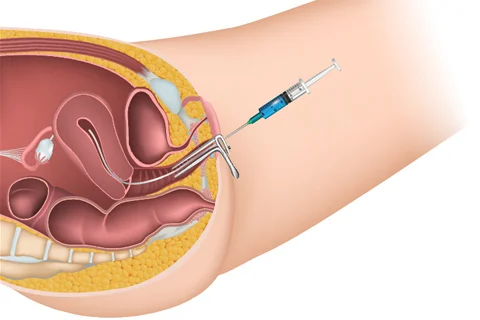
    Illustration of intrauterine insemination (IUI) procedure with syringe and catheter in the uterus.

    The Intersection of Eastern and Western Medicine in Fertility Treatments

    The combination of Eastern and Western medicine in fertility treatments has proven to be highly effective. By addressing both the physical and emotional aspects of infertility, this approach provides a more comprehensive and holistic treatment plan. Furthermore, the two practices complement each other, with TCM helping to prepare the body for Western procedures and improve their success rates.

    In addition to acupuncture and herbal medicine, other TCM techniques such as tai chi, yoga, and meditation have also been found to be beneficial for couples trying to conceive. These practices can help reduce stress, improve overall health, and promote relaxation, which can all contribute to a successful pregnancy.

    The integration of traditional and modern medicine in fertility treatments has also gained recognition and acceptance from the medical community. Many fertility clinics now offer a combination of TCM and ART, and some even have specialized practitioners who are trained in both Eastern and Western techniques.

    However, it is essential to note that not all cases of infertility can be treated with a single approach. Each individual’s journey to conception is unique, and what works for one couple may not work for another. It is essential to consult with a medical professional and discuss all options before deciding on a treatment plan.

    In conclusion, the intersection of Eastern and Western medicine in fertility treatments offers a holistic and comprehensive approach to address the complex issue of infertility. By combining the ancient techniques of TCM with the advancements of Western medicine, couples struggling with infertility have a higher chance of achieving their dream of starting a family. This approach not only addresses the physical aspects of fertility but also takes into account the mental and emotional well-being of the individual, making it a well-rounded and effective treatment option.

    Summary:

    The combination of Eastern and Western medicine in fertility treatments has gained popularity in recent years. Traditional Chinese medicine, with its holistic approach, uses techniques such as acupuncture and herbal medicine to improve fertility. On the other hand, Western medicine offers assisted reproductive technology (ART) such as IVF and IUI. By integrating these two practices, couples struggling with infertility have a more comprehensive and effective treatment plan. The use of TCM techniques has been found to improve success rates of ART, and the combination also addresses the emotional and mental well-being of individuals. However, it is important to consult with a medical professional and discuss all options before deciding on a treatment plan.

  • The Role of Mindfulness in Coping with Fertility Medications or Surgery

    As many couples struggle with fertility issues, they often turn to fertility medications or surgery as a potential solution. While these treatments can be effective, they can also bring about a range of emotions and challenges for individuals to cope with. This is where mindfulness can play a crucial role in helping individuals navigate through the ups and downs of these fertility treatments.

    Mindfulness is the practice of being fully present and aware in the present moment, without judgment. It involves paying attention to one’s thoughts, feelings, and bodily sensations without getting caught up in them. This practice has been shown to have numerous benefits for both physical and mental health, and it can be particularly helpful for those going through fertility treatments.

    One of the main challenges individuals face when undergoing fertility medications or surgery is the stress and anxiety that comes with it. The uncertainty of whether the treatment will be successful, the financial burden, and the physical toll it takes on the body can all contribute to heightened levels of stress. This is where mindfulness can come into play, as it can help individuals manage their stress levels and cope with the emotional rollercoaster of fertility treatments.

    Mindfulness can help individuals cultivate a sense of calm and inner peace, even in the midst of uncertainty. By focusing on the present moment, individuals can let go of worries about the future and accept the current situation as it is. This can help reduce the negative impact of stress on the body and mind, allowing individuals to better manage the challenges of fertility treatments.

    Moreover, mindfulness can also help individuals cope with the physical side effects of fertility medications or surgery. These treatments can often cause discomfort, pain, and other unwanted side effects. By practicing mindfulness, individuals can tune into their bodies and become more aware of any sensations or discomfort. This awareness can help them better manage and cope with these physical symptoms, and even reduce their intensity.

    illustration of intrauterine insemination procedure with a syringe and catheter in the uterus.

    The Role of Mindfulness in Coping with Fertility Medications or Surgery

    In addition to managing stress and physical discomfort, mindfulness can also help individuals process and cope with the range of emotions that come with fertility treatments. These treatments can bring about a wide range of emotions, including hope, disappointment, frustration, and grief. By practicing mindfulness, individuals can learn to observe these emotions without getting swept away by them. This can help individuals develop an inner resilience and ability to cope with the emotional challenges of fertility treatments.

    Furthermore, mindfulness can also improve the overall experience of fertility treatments. By being fully present and aware, individuals can better communicate with their healthcare providers and make informed decisions about their treatment. This can also help individuals feel more in control of their situation and reduce feelings of helplessness.

    So how can one incorporate mindfulness into their fertility journey? One way is through mindfulness meditation, which involves sitting in a comfortable position and focusing on the breath. This practice can help individuals become more aware of their thoughts and feelings, and develop a sense of inner calm. Other mindfulness practices such as yoga, tai chi, and mindful movement can also be beneficial in promoting relaxation and reducing stress.

    It’s important to note that while mindfulness can be a helpful tool in coping with fertility treatments, it is not a substitute for seeking professional support. It’s essential for individuals to have a support system in place, whether it be through therapy, support groups, or talking to loved ones.

    In summary, the practice of mindfulness can play a crucial role in helping individuals cope with the emotional and physical challenges of fertility medications or surgery. By cultivating a sense of calm and awareness, individuals can better manage stress, cope with physical discomfort, and process the range of emotions that come with these treatments. Incorporating mindfulness into one’s fertility journey can ultimately lead to a more positive and empowering experience.

  • Fertility Medications vs Surgery: A Comprehensive Comparison

    Fertility issues can be a challenging and emotional journey for couples trying to conceive. Fortunately, advancements in medical technology have provided various options to help individuals and couples overcome fertility struggles. Two of the most common approaches are fertility medications and surgery. While both aim to improve fertility and increase the chances of pregnancy, they differ in terms of method, effectiveness, and potential risks. In this blog post, we will provide a comprehensive comparison of fertility medications and surgery to help you make an informed decision on which option may be best for you.

    Fertility Medications:
    Fertility medications, also known as fertility drugs, are prescription medications that are often the first step in treating infertility. These drugs work to stimulate the ovaries and promote the growth and release of eggs. They are commonly used in assisted reproductive technology (ART) procedures such as in vitro fertilization (IVF) and intrauterine insemination (IUI). Fertility medications come in various forms, including pills, injections, and nasal sprays, and they work by mimicking the hormones necessary for ovulation.

    Effectiveness:
    Fertility medications have been shown to be effective in treating a variety of fertility issues, including irregular ovulation, polycystic ovary syndrome (PCOS), and unexplained infertility. They have a success rate of around 20-60%, depending on the type of medication and the individual’s specific condition. However, it’s important to note that the effectiveness of fertility medications can also be influenced by a person’s age, overall health, and other underlying fertility factors.

    Risks:
    Like any medication, fertility drugs come with potential risks and side effects. Some of the common side effects include headaches, bloating, hot flashes, and mood swings. In rare cases, fertility drugs can also lead to more severe complications such as ovarian hyperstimulation syndrome (OHSS), which can cause abdominal pain, bloating, and fluid buildup in the abdomen. It’s essential to discuss the potential risks and side effects with your doctor before beginning any fertility medication regimen.

    Surgery:
    Surgery is another option for treating fertility issues and is often recommended for more severe cases. There are various surgical procedures available, depending on the underlying cause of infertility. Some of the most common surgeries include laparoscopy, hysteroscopy, and tubal surgery. These procedures can address issues such as blocked fallopian tubes, fibroids, and endometriosis.

    diagram of the female reproductive system with an IUI syringe and test tube for artificial insemination

    Fertility Medications vs Surgery: A Comprehensive Comparison

    Effectiveness:
    The effectiveness of fertility surgery varies depending on the type of surgery and the individual’s specific condition. For example, tubal surgery to repair blocked or damaged fallopian tubes has a success rate of around 30-50%, while surgery to remove fibroids or endometriosis has a success rate of 40-80%. It’s important to note that surgery may not be effective for all types of fertility issues, and some individuals may require further treatments, such as fertility medications or ART procedures.

    Risks:
    Surgery carries more significant risks than fertility medications, as it involves a more invasive procedure. Depending on the type of surgery, potential risks may include bleeding, infection, damage to surrounding organs, and complications from anesthesia. It’s crucial to discuss the potential risks with your doctor and ensure that you are a good candidate for surgery before proceeding.

    Which option is best for you?
    The decision between fertility medications and surgery ultimately depends on your specific fertility issues and your doctor’s recommendation. In some cases, a combination of both may be necessary to achieve the best results. It’s essential to have a thorough consultation with your doctor to discuss your medical history, fertility concerns, and potential treatment options.

    In summary, fertility medications and surgery are two viable options for treating infertility. Fertility medications are often the first line of treatment and can be effective in addressing a variety of fertility issues. However, they come with potential risks and side effects. Surgery, on the other hand, is a more invasive option that may be necessary for more severe cases of infertility. It’s essential to weigh the potential risks and benefits of both options and consult with your doctor to determine the best course of action for your individual situation.

    In conclusion, fertility medications and surgery are valuable tools in the journey towards parenthood. Each has its own advantages and limitations, and the decision ultimately depends on the individual’s specific fertility concerns. With advancements in medical technology, there are now more options available than ever before for couples struggling with infertility. With the guidance of a trusted healthcare provider, individuals can make informed decisions and take steps towards achieving their dream of starting a family.