Tag: Intrauterine Insemination

  • Understanding the Process: Intrauterine Insemination vs Intracervical Insemination

    Understanding the Process: Intrauterine Insemination vs Intracervical Insemination

    For couples struggling with infertility, there are various options available to help them conceive. Intrauterine insemination (IUI) and intracervical insemination (ICI) are two commonly used procedures that can increase the chances of pregnancy. While these two methods may sound similar, there are important differences between them that couples should understand before making a decision. In this blog post, we will dive into the process of IUI and ICI, including how they work, their success rates, and which one may be the best option for you and your partner.

    What is Intrauterine Insemination (IUI)?

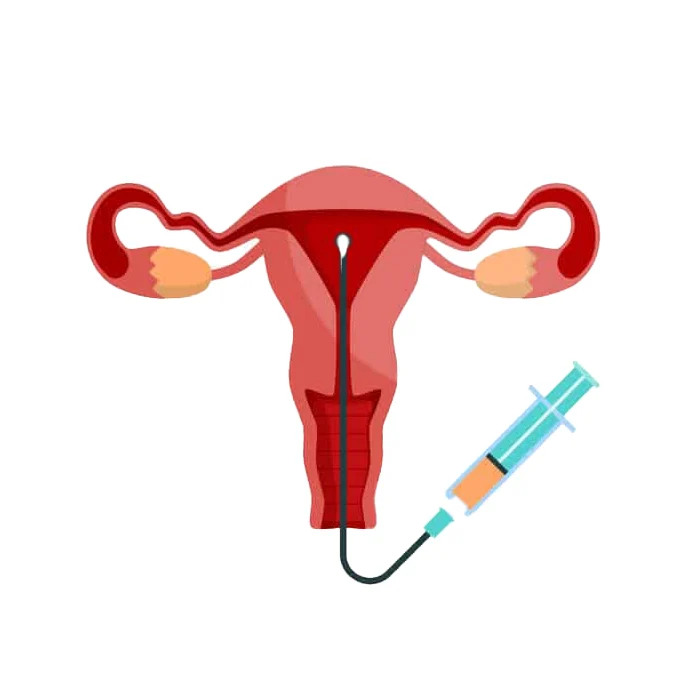
    Intrauterine insemination, also known as artificial insemination, is a fertility treatment that involves placing sperm directly into a woman’s uterus during ovulation. This procedure is usually recommended for couples who have been trying to conceive for at least a year with no success, or for those with certain fertility issues such as low sperm count or cervical mucus abnormalities.

    The IUI process begins with a fertility specialist monitoring the woman’s menstrual cycle to determine the best time for insemination. This is usually around the time of ovulation when the woman’s body releases an egg. The male partner will then provide a semen sample, which is washed and prepared in a laboratory to separate the healthiest and most active sperm from the rest. The prepared sperm is then inserted into the woman’s uterus using a thin catheter.

    What is Intracervical Insemination (ICI)?

    Intracervical insemination is another form of artificial insemination that involves placing sperm inside the cervix, rather than directly into the uterus. This procedure is typically used when the male partner has difficulties producing a semen sample, or when there are no male partners involved and donor sperm is being used.

    Similar to IUI, ICI also requires the woman to be monitored for ovulation. The sperm is collected and prepared in the same way as in IUI, but instead of being inserted into the uterus, it is placed in the cervix using a syringe or a cervical cap. This allows the sperm to swim up into the uterus and potentially fertilize an egg.

    Key Differences Between IUI and ICI
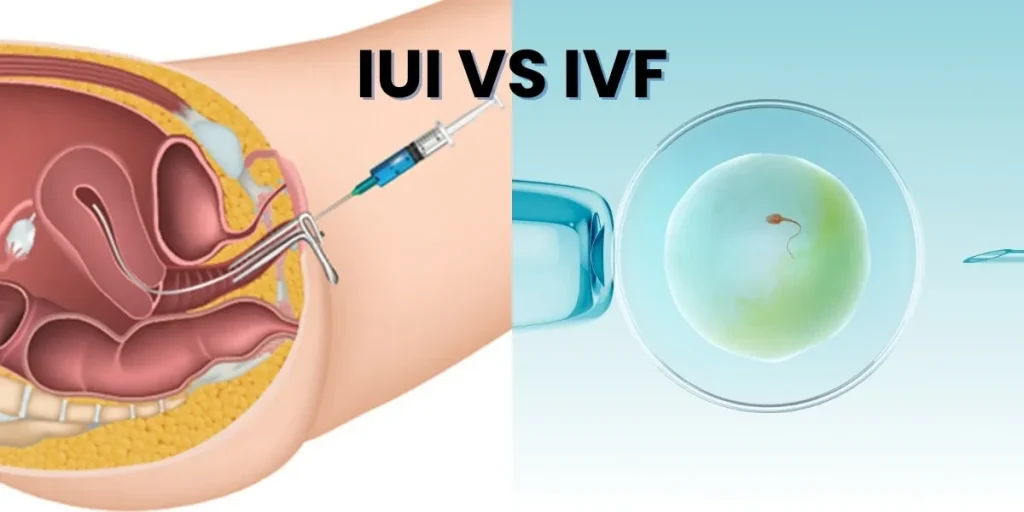
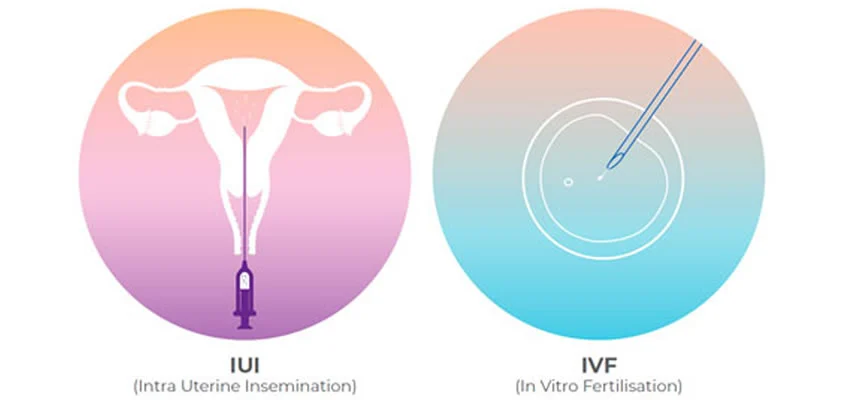
    comparison of IUI and IVF fertility treatments with illustrations of procedures and a petri dish with an egg and sperm

    Understanding the Process: Intrauterine Insemination vs Intracervical Insemination

    There are a few key differences between IUI and ICI that couples should be aware of when considering these procedures. One major difference is the location of the sperm placement. In IUI, the sperm is inserted directly into the uterus, while in ICI, it is placed in the cervix. This can affect the success rates of each procedure, as sperm has a shorter distance to travel in IUI, increasing the chances of fertilization.

    Another difference is the preparation of the sperm. In IUI, the sperm is washed and prepared in a laboratory, which removes any dead or slow-moving sperm and increases the concentration of healthy sperm. In ICI, the sperm is not washed, which can lead to a higher concentration of slower sperm and a lower success rate.

    Success Rates of IUI and ICI

    The success rates of IUI and ICI vary and can depend on various factors such as age, fertility issues, and sperm quality. According to a study published in the Journal of Obstetrics and Gynaecology Canada, the success rate of IUI is around 10-20% per cycle, while the success rate of ICI is approximately 10% per cycle. These success rates can increase with multiple cycles of treatment.

    Which One is Right for You?

    Deciding between IUI and ICI can be a difficult decision for couples struggling with infertility. It is important to consult with a fertility specialist who can evaluate your specific situation and recommend the best course of treatment. Factors such as age, fertility issues, and personal preferences should all be taken into consideration when choosing between IUI and ICI.
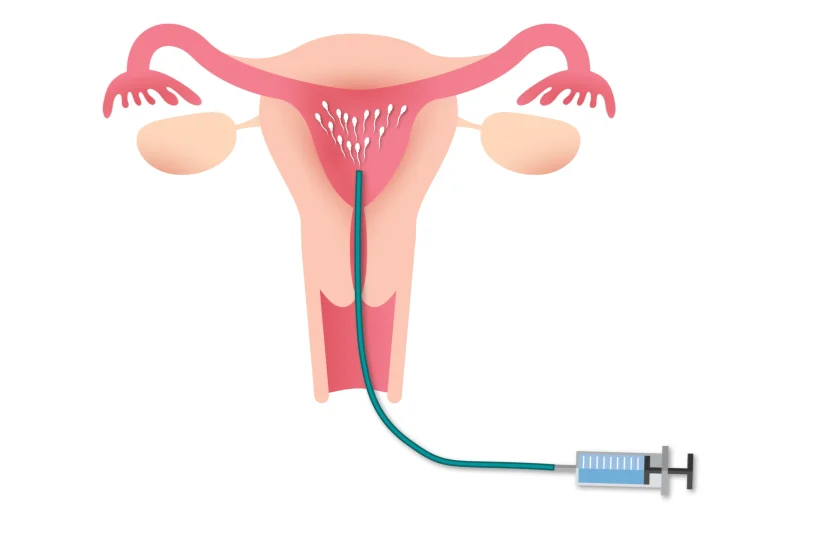
    In general, IUI is recommended for couples with mild fertility issues, while ICI may be a better option for couples with more severe fertility problems. It is also important to note that IUI is usually more expensive than ICI, as it involves more steps and procedures.

    In conclusion, both IUI and ICI are effective methods of artificial insemination that can help couples struggling with infertility to conceive. While there are similarities between the two procedures, understanding the key differences can help couples make an informed decision about which one is the best option for them.

    Summary:

    Intrauterine insemination (IUI) and intracervical insemination (ICI) are two common procedures used to increase the chances of pregnancy for couples struggling with infertility. IUI involves placing sperm directly into the uterus, while ICI involves placing sperm in the cervix. Success rates for both procedures vary, and it is important to consult with a fertility specialist to determine the best option based on individual circumstances. Factors such as age, fertility issues, and personal preferences should all be taken into consideration when choosing between IUI and ICI.

  • Demystifying the Options: Intrauterine Insemination vs Intracervical Insemination

    Blog Post: Demystifying the Options: Intrauterine Insemination vs Intracervical Insemination

    For couples or individuals struggling with fertility, the journey to starting a family can be a confusing and overwhelming process. Along with various medical procedures, there are also different types of insemination that may be recommended by doctors, such as intrauterine insemination (IUI) and intracervical insemination (ICI). These two procedures are often used interchangeably, which can cause confusion and uncertainty for those considering them. In this blog post, we will demystify the options and provide a clear understanding of the differences between IUI and ICI.

    What is Intrauterine Insemination (IUI)?

    IUI is a fertility treatment in which sperm is directly inserted into the uterus, bypassing the cervix. This procedure is commonly used for couples experiencing unexplained infertility, mild male factor infertility, or cervical issues. IUI can also be used for same-sex couples or individuals using donor sperm.

    The process of IUI begins with the collection of sperm, which can be from a partner or a sperm donor. The sperm is then washed and prepared in a laboratory to increase its concentration and remove any potentially harmful substances. During the procedure, a thin, flexible catheter is inserted through the cervix and into the uterus, where the sperm is injected. This procedure is usually painless and takes only a few minutes to complete.

    What is Intracervical Insemination (ICI)?

    ICI, also known as intravaginal insemination, is another fertility treatment that involves inserting sperm into the cervix. However, unlike IUI, ICI does not require the use of a catheter or any specialized equipment. Instead, a syringe or a cervical cap is used to introduce the sperm into the cervix.

    ICI is often recommended for couples with mild male factor infertility or for those who prefer a more natural and less invasive approach. It is also commonly used for donor insemination in same-sex couples or individuals.

    Key Differences between IUI and ICI

    While both IUI and ICI involve the insertion of sperm into the reproductive tract, there are some key differences between the two procedures.

    IVF vs IUI comparison graphic highlighting reproductive methods for aspiring parents.

    Demystifying the Options: Intrauterine Insemination vs Intracervical Insemination

    1. Process and Equipment

    As mentioned earlier, IUI requires the use of a catheter, while ICI does not. This makes ICI a more convenient and less invasive option, as it can be done at home without the need for specialized equipment or medical personnel. On the other hand, IUI must be performed in a medical setting and requires the use of a catheter, which can cause some discomfort for some individuals.

    2. Success Rates

    The success rates of IUI and ICI can vary depending on factors such as the cause of infertility, the age of the woman, and the quality of the sperm. However, in general, IUI has a higher success rate than ICI. This is because IUI allows the sperm to be placed closer to the fallopian tubes, increasing the chances of fertilization.

    3. Timing and Frequency of Procedure

    IUI is usually timed to coincide with ovulation, which is determined by monitoring hormone levels or using ultrasound. This means that the procedure is typically only done once or twice during a woman’s cycle. On the other hand, ICI can be done multiple times during a cycle, as it does not require precise timing.

    Which Procedure is Right for You?

    The decision between IUI and ICI ultimately depends on your specific situation and preferences. It is important to discuss with your doctor and consider factors such as the cause of infertility, your age, and any potential risks or discomfort associated with each procedure.

    If you are a same-sex couple or an individual using a sperm donor, ICI may be a more convenient and less invasive option. However, if you have been diagnosed with certain fertility issues or are facing unexplained infertility, IUI may be recommended by your doctor.

    In summary, intrauterine insemination (IUI) and intracervical insemination (ICI) are two different fertility procedures that involve the insertion of sperm into the reproductive tract. While IUI is a more invasive and specialized procedure, it has a higher success rate and is typically recommended for specific fertility issues. ICI, on the other hand, is a more natural and less invasive option, making it a popular choice for same-sex couples or individuals using donor sperm. It is important to consult with your doctor and consider your individual situation when deciding which procedure is right for you.

  • Making the Choice: Intrauterine Insemination vs Intracervical Insemination

    Making the Choice: Intrauterine Insemination vs Intracervical Insemination

    When it comes to starting a family, there are many different paths that people may take. One option for those struggling with fertility is assisted reproductive technology, or ART. Within ART, there are various methods available, including intrauterine insemination (IUI) and intracervical insemination (ICI). While these two procedures may sound similar, they have distinct differences and it’s important to understand which one may be the best choice for you and your partner. In this blog post, we will explore the differences between IUI and ICI and provide information to help you make the best decision for your fertility journey.

    The Basics of IUI and ICI

    Before diving into the differences between the two procedures, it’s important to understand the basics of IUI and ICI. Both of these methods are forms of artificial insemination, which involves placing sperm directly into a woman’s reproductive tract to increase the chances of fertilization. This is typically recommended for couples struggling with male factor infertility, unexplained infertility, or single women or same-sex couples looking to conceive.

    Intrauterine Insemination (IUI) involves placing washed and concentrated sperm directly into the uterus using a thin catheter. This procedure is typically performed around the time of ovulation, increasing the chances of the sperm reaching the egg. Intracervical Insemination (ICI) is a less invasive method, where sperm is placed in the cervix using a syringe or cervical cap. This procedure can be done at home or in a medical setting.

    Differences Between IUI and ICI

    The most significant difference between IUI and ICI is the location of where the sperm is placed. With IUI, the sperm is inserted directly into the uterus, bypassing the cervix and increasing the chances of fertilization. On the other hand, with ICI, the sperm is placed in the cervix, which can make it more difficult for the sperm to reach the egg. This means that IUI has a higher success rate compared to ICI.

    Another difference between the two procedures is the timing. IUI must be done at a specific time during the woman’s menstrual cycle, usually around the time of ovulation. This timing is crucial because it increases the chances of the sperm reaching the egg when it is most likely to be fertilized. However, with ICI, timing is less strict, and the procedure can be done at any time during the woman’s cycle. This can be more convenient for some couples, but it also means there is a higher chance of missing the window of ovulation.

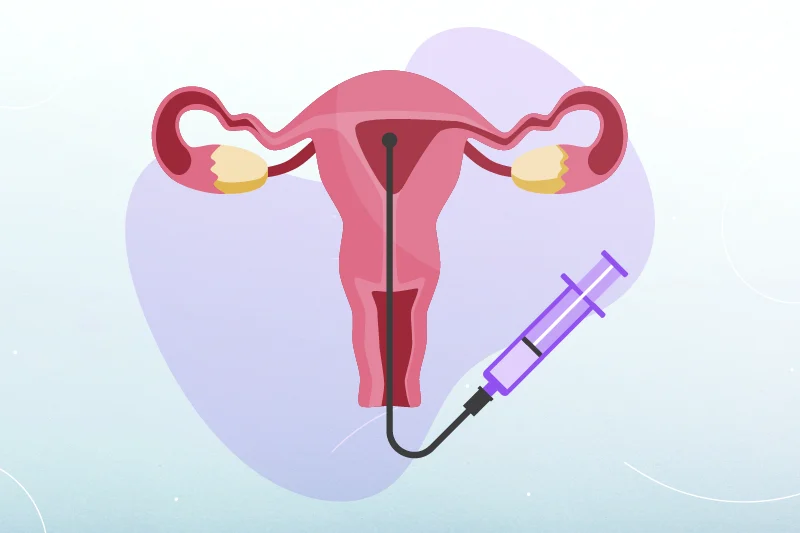
    diagram of a uterus with a syringe for intrauterine insemination procedure

    Making the Choice: Intrauterine Insemination vs Intracervical Insemination

    Cost is also a factor to consider when deciding between IUI and ICI. IUI is typically more expensive than ICI because it must be performed in a medical setting, whereas ICI can be done at home. However, the success rates of IUI may make it a more cost-effective option in the long run.

    Which One is Right for You?

    Choosing between IUI and ICI ultimately depends on your specific situation and preferences. If you have a known fertility issue or are using donor sperm, IUI may be the better option due to its higher success rate. However, if you have regular ovulation and no known fertility issues, ICI may be a more convenient and cost-effective choice. It’s important to consult with a fertility specialist to determine which option is best for you and your partner.

    It’s also important to note that neither IUI nor ICI guarantee a successful pregnancy. The success rates for both procedures vary and depend on factors such as age, reproductive health, and the quality of sperm. It’s important to manage expectations and understand that it may take multiple attempts before achieving a successful pregnancy.

    In addition, both IUI and ICI can be used in conjunction with fertility medications to increase the chances of success. This is something to discuss with your fertility specialist to determine the best course of action for your individual situation.

    In Conclusion

    Intrauterine insemination (IUI) and intracervical insemination (ICI) are two forms of artificial insemination that can help couples struggling with fertility to conceive. While both procedures have the same end goal, they have distinct differences in terms of success rates, timing, and cost. It’s important to consult with a fertility specialist to determine which option is best for you and your partner. Remember, no matter which procedure you choose, it’s important to stay positive and keep an open mind as you embark on your fertility journey.

    Summary: Intrauterine insemination (IUI) and intracervical insemination (ICI) are two forms of artificial insemination that can help couples struggling with fertility to conceive. IUI involves placing washed and concentrated sperm directly into the uterus, while ICI involves placing sperm in the cervix. IUI has a higher success rate compared to ICI, but is more expensive and must be done at a specific time during a woman’s cycle. Choosing between the two procedures depends on individual factors and consulting with a fertility specialist is recommended. Both procedures can also be used in conjunction with fertility medications.

  • Fresh Donor Sperm: The Traditional Route to Parenthood

    Blog Post: Fresh Donor Sperm: The Traditional Route to Parenthood

    Parenthood is a dream for many couples and individuals, and advancements in reproductive technologies have made it possible for people to start families in non-traditional ways. One such method is through the use of donor sperm, which has become a popular option for those struggling to conceive. While there are various types of donor sperm available, fresh donor sperm has been the traditional route to parenthood for many years. In this blog post, we will explore the process of using fresh donor sperm and why it continues to be a popular choice for those looking to start a family.

    What is Fresh Donor Sperm?

    Fresh donor sperm refers to sperm that is donated by a healthy, screened donor and used within a few hours of collection. This is different from frozen donor sperm, which is collected and then frozen for later use. Fresh donor sperm is typically used in intrauterine insemination (IUI) or in vitro fertilization (IVF) procedures to help individuals and couples conceive.

    The Process of Using Fresh Donor Sperm

    The first step in using fresh donor sperm is to find a reputable sperm bank or fertility clinic that offers donor sperm services. The sperm bank or clinic will have a thorough screening process in place to ensure the quality and health of the donor sperm. This may include medical and genetic testing, as well as a thorough review of the donor’s family medical history.

    Once the sperm is collected, it is analyzed for quality and then prepared for use. The sperm can be used in IUI, where it is injected directly into the uterus, or in IVF, where it is combined with the egg in a lab before being transferred to the uterus. The chosen method will depend on the individual or couple’s fertility needs and the recommendation of their fertility specialist.

    Illustration of the IUI process, showing a syringe and catheter in the reproductive system.

    Fresh Donor Sperm: The Traditional Route to Parenthood

    Why Fresh Donor Sperm is Still a Popular Choice

    While frozen donor sperm has become more widely available in recent years, fresh donor sperm continues to be a popular choice for those looking to start a family. One of the main reasons is the success rates of fresh donor sperm compared to frozen donor sperm. Fresh sperm has a higher chance of fertilizing an egg and resulting in a successful pregnancy.

    Additionally, fresh donor sperm allows for the possibility of multiple inseminations during one cycle, which can increase the chances of conception. This is especially beneficial for couples or individuals with fertility issues, as it provides multiple opportunities for the sperm to fertilize an egg.

    Another advantage of using fresh donor sperm is the ability to choose a donor based on physical characteristics and personality traits. This can help individuals and couples feel more connected to the donor and their future child.

    The Risks and Considerations

    While fresh donor sperm has many benefits, there are also risks and considerations to keep in mind. One risk is the potential for the sperm to carry infectious diseases, which is why thorough screening is crucial. It is also important to consider the legal implications, as the donor may have parental rights depending on the laws in the country or state where the procedure takes place.

    It is also essential to have open and honest communication with the donor, as their involvement in the child’s life can vary depending on individual agreements and legal regulations.

    In summary, fresh donor sperm continues to be the traditional route to parenthood for many individuals and couples. Its success rates, flexibility, and ability to choose a donor make it an appealing option for those looking to start a family. However, it is essential to consider the risks and make informed decisions when using fresh donor sperm as a method of conception.

  • The Psychological Impact on Same-Sex Couples: At-Home vs Clinic Intrauterine Insemination

    Blog Post:

    The Psychological Impact on Same-Sex Couples: At-Home vs Clinic Intrauterine Insemination

    In recent years, there has been a significant rise in the number of same-sex couples seeking to start a family through intrauterine insemination (IUI). IUI is a fertility treatment that involves placing sperm directly into a woman’s uterus to increase the chances of fertilization. However, for same-sex couples, the process of IUI can be emotionally and psychologically challenging. This is due to the fact that same-sex couples have to navigate through a different set of challenges compared to heterosexual couples, such as choosing between at-home or clinic IUI. In this blog post, we will delve into the psychological impact that same-sex couples experience when choosing between at-home and clinic IUI.

    At-Home IUI:

    At-home IUI involves the process of collecting sperm from a donor and then inserting it into the woman’s uterus using a syringe. This process is often done in the comfort and privacy of the couple’s own home. Many same-sex couples opt for at-home IUI as it is a more affordable and convenient option. However, despite its advantages, at-home IUI can also have a significant psychological impact on same-sex couples.

    One of the main psychological challenges faced by same-sex couples during at-home IUI is the loss of privacy. Unlike heterosexual couples, same-sex couples have to involve a third party in the process, either through a sperm donor or a known donor. This can be a stressful and emotionally taxing experience, as it involves opening up to someone about their personal and intimate desire to start a family. This lack of privacy can also lead to feelings of vulnerability and discomfort, as the couple may have to disclose their sexual orientation to a stranger.

    comparison of IUI and IVF procedures illustrated with simple graphics and labels

    The Psychological Impact on Same-Sex Couples: At-Home vs Clinic Intrauterine Insemination

    Another psychological impact of at-home IUI is the pressure to perform the procedure correctly. As at-home IUI is a do-it-yourself method, same-sex couples may feel the pressure to get it right in order to achieve a successful pregnancy. This can cause added stress and anxiety, which can further impact the couple’s emotional well-being. In some cases, the pressure to succeed can also put a strain on the relationship, as one partner may feel more responsible for the success or failure of the procedure.

    Clinic IUI:

    Clinic IUI, on the other hand, involves the process of collecting sperm from a donor and then inserting it into the woman’s uterus in a clinical setting. This is typically done by a medical professional, and the success rates of clinic IUI are generally higher compared to at-home IUI. However, the psychological impact of clinic IUI on same-sex couples can also be significant.

    One of the main psychological challenges faced by same-sex couples during clinic IUI is the fear of discrimination. Unfortunately, discrimination against the LGBTQ+ community still exists in many parts of the world. This fear of discrimination can be especially prevalent in a clinical setting, where the couple may have to disclose their sexual orientation to medical professionals who may not be accepting or understanding. This fear can cause anxiety and stress, making the experience of clinic IUI more challenging for same-sex couples.

    Another psychological impact of clinic IUI is the financial burden. Unlike at-home IUI, clinic IUI can be a more expensive option for same-sex couples. This can cause added stress and financial strain, as the couple may have to go through multiple cycles of clinic IUI to achieve a successful pregnancy. This financial burden can also add to the pressure and anxiety already experienced by the couple.

    Summary:

    In conclusion, the decision between at-home and clinic IUI can have a significant psychological impact on same-sex couples. Both options come with their own set of challenges, whether it be the loss of privacy and pressure to perform correctly in at-home IUI, or the fear of discrimination and financial burden in clinic IUI. It is essential for same-sex couples to consider these factors and seek support from a therapist or counselor to navigate through the emotional challenges of IUI. By acknowledging and addressing these psychological impacts, same-sex couples can better prepare themselves for the journey of starting a family through intrauterine insemination.

  • The Role of Stress Management in At-Home vs Clinic Intrauterine Insemination

    Blog Post Title: The Role of Stress Management in At-Home vs Clinic Intrauterine Insemination

    Summary:

    Intrauterine insemination (IUI) is a commonly used fertility treatment for couples struggling to conceive. While the procedure itself is relatively simple, the process of undergoing IUI can be emotionally and physically taxing. Stress is a common factor in fertility struggles, and it can greatly impact the success of IUI. This blog post will explore the role of stress management in at-home versus clinic IUI and how it can affect the outcome.

    At-Home IUI and Stress Management:

    At-home IUI involves the use of a special kit provided by a fertility clinic that allows couples to administer the procedure themselves in the comfort of their own home. While this may seem like a less stressful option, the reality is that the process can still be overwhelming for many couples. The pressure to get the timing right, the fear of failure, and the financial investment can all contribute to increased stress levels.

    One of the most effective ways to manage stress during at-home IUI is to have a thorough understanding of the process and the necessary steps involved. This includes knowing how to properly use the kit, how to track ovulation, and when to perform the procedure. Having a clear plan and feeling prepared can help alleviate some of the anxiety associated with at-home IUI.

    Another important aspect of stress management during at-home IUI is communication with your partner. Going through fertility treatments can be emotionally draining, and it’s crucial to have a strong support system. Communicating openly and honestly with your partner can help alleviate any added stress and create a sense of unity and understanding throughout the process.

    Clinic IUI and Stress Management:

    Clinic IUI, on the other hand, involves undergoing the procedure at a fertility clinic under the supervision of a healthcare professional. While this may seem like a more controlled and less stressful option, the reality is that clinic IUI comes with its own set of stressors. These can include the need to take time off work, the pressure of being in a clinical setting, and the fear of judgment from others.

    Illustration of the uterus with a syringe, depicting the intrauterine insemination procedure.

    The Role of Stress Management in At-Home vs Clinic Intrauterine Insemination

    One of the primary benefits of undergoing IUI in a clinic setting is the access to support and resources. Fertility clinics often offer counseling services to help couples cope with the emotional toll of fertility treatments. Additionally, having a team of healthcare professionals to guide and support you can help alleviate some of the stress associated with clinic IUI.

    Stress Management Techniques for IUI:

    Regardless of whether you choose at-home or clinic IUI, incorporating stress management techniques into your daily routine is crucial for a successful outcome. These can include relaxation techniques such as meditation, deep breathing, or yoga. Exercise can also be a great way to manage stress and improve overall well-being.

    Seeking support from friends and family can also play a significant role in reducing stress levels during IUI. Having a strong support system can provide emotional support and help you cope with the ups and downs of the process.

    It’s also vital to prioritize self-care during this time. Taking time for yourself to do things you enjoy can help reduce stress and improve your overall mood. This can include activities such as reading, listening to music, or spending time in nature.

    The Impact of Stress on IUI Success:

    Stress has been shown to have a significant impact on fertility and the success of IUI. Studies have found that high levels of stress can affect hormone levels, disrupt ovulation, and decrease sperm quality. Additionally, stress can also lead to unhealthy coping mechanisms such as smoking, excessive drinking, or poor eating habits, which can all negatively affect fertility.

    Managing stress during IUI not only improves your overall well-being, but it can also increase the chances of a successful outcome. By reducing stress levels, the body is in a more optimal state for conception, making it more likely for IUI to be successful.

    In conclusion, stress management plays a crucial role in the success of IUI, whether it’s done at home or in a clinic setting. By incorporating stress management techniques into your daily routine and seeking support from loved ones and healthcare professionals, you can improve your overall well-being and increase the chances of a successful outcome. Remember to prioritize self-care, communicate openly with your partner, and stay informed about the process to alleviate stress and improve your chances of conceiving through IUI.

  • Choosing the Right Method: Home vs Clinic Intrauterine Insemination

    Choosing the Right Method: Home vs Clinic Intrauterine Insemination

    Intrauterine insemination (IUI) is a form of assisted reproductive technology (ART) that involves placing sperm directly into a woman’s uterus to increase the chances of fertilization and pregnancy. This method is commonly used for couples struggling with infertility or for single women and same-sex couples who want to conceive. While IUI can be performed either at home or in a clinic setting, it is important to carefully consider which method is the right choice for you. In this blog post, we will discuss the differences between home and clinic IUI and provide some tips for choosing the right method for your individual situation.

    Home Intrauterine Insemination

    Home IUI involves performing the procedure at home using a kit that contains all the necessary equipment and instructions. This method is usually more affordable and convenient for couples, as they can perform it in the comfort of their own home and avoid the need for frequent visits to a fertility clinic. In addition, home IUI may be a preferable option for couples who prefer a more private and intimate setting for the procedure.

    However, there are a few important factors to consider before choosing home IUI. Firstly, it is essential to have a good understanding of the process and to follow the instructions carefully to ensure the best chances of success. This includes knowing how to properly prepare and insert the catheter, as well as timing the procedure correctly with ovulation. Additionally, home IUI does not involve the use of ultrasound monitoring, which is a crucial step in the clinic setting to ensure the proper placement of sperm. Without this monitoring, there is a higher risk of the sperm being placed in the wrong location, reducing the chances of fertilization and pregnancy.

    Another consideration is the quality and reliability of the sperm used in home IUI. While some kits may come with pre-washed and prepared sperm, others may require patients to obtain and prepare their own sperm sample. This can be a stressful and challenging task for many couples, as it involves collecting and handling the sample correctly to maintain its viability. Furthermore, the sperm quality may not be as controlled or monitored as it would be in a clinic setting, potentially impacting the chances of success.

    Clinic Intrauterine Insemination

    In contrast, clinic IUI involves having the procedure done at a fertility clinic by a trained healthcare professional. This allows for a more controlled and monitored environment, as well as the use of high-quality and pre-screened sperm. The clinic also provides ultrasound monitoring to ensure the accurate placement of sperm in the uterus, which significantly increases the chances of fertilization and pregnancy. Moreover, the healthcare professional can offer guidance and support throughout the process, making it less stressful and more reliable for couples.

    diagram of a uterus with a syringe for intrauterine insemination procedure

    Choosing the Right Method: Home vs Clinic Intrauterine Insemination

    However, there are some potential drawbacks to choosing clinic IUI. Firstly, it can be more expensive than home IUI, especially if multiple cycles are needed. This may be a barrier for couples on a tight budget. Additionally, clinic IUI may require more time and effort, as it involves scheduling appointments and traveling to the clinic for each cycle. This can also be a challenge for couples who live far from a fertility clinic or have busy schedules.

    Choosing the Right Method

    When deciding between home and clinic IUI, it is essential to consider your individual circumstances and preferences. Here are some factors to keep in mind:

    1. Cost – Consider your budget and insurance coverage to determine which method is more feasible for you. Keep in mind that multiple cycles may be needed for success, so factor in the overall cost when making your decision.

    2. Convenience – Think about your schedule and how much time and effort you are willing to put into the process. Home IUI may be more convenient for couples with busy schedules or those who live far from a fertility clinic.

    3. Comfort level – Consider your comfort level with the process and where you feel most at ease. Some couples may prefer the privacy and intimacy of home IUI, while others may feel more comfortable in a clinical setting with a healthcare professional.

    4. Medical history – If there are any underlying medical conditions or fertility issues, it may be more beneficial to choose clinic IUI, as it allows for closer monitoring and support from a healthcare professional.

    5. Success rates – While both methods have similar success rates, clinic IUI may offer slightly higher chances due to the use of ultrasound monitoring and high-quality sperm. This may be a deciding factor for some couples.

    In summary, choosing the right method for IUI is a personal decision that should be based on your unique circumstances and preferences. While home IUI may be more convenient and affordable, it may also involve more risks and challenges. On the other hand, clinic IUI offers a more controlled and monitored environment, but it may come with a higher cost and time commitment. Consider all these factors carefully before making your decision, and consult with your healthcare provider for personalized advice.

  • The Success Stories: Real Life Experiences with At-Home Intrauterine Insemination

    Blog Post Title: The Success Stories: Real Life Experiences with At-Home Intrauterine Insemination

    Have you been struggling with infertility and considering intrauterine insemination (IUI) as an option to start your family? You may be hesitant to go through the process of IUI in a clinical setting or may not have access to one near you. In that case, at-home intrauterine insemination (at-home IUI) may be a viable option for you. In this blog post, we will delve into the real-life success stories of individuals and couples who have undergone at-home IUI and have successfully conceived.

    What is At-Home Intrauterine Insemination?

    At-home IUI is a fertility treatment that involves placing prepared sperm into the uterus using a catheter. This procedure can be done in the comfort of your own home, eliminating the need for multiple visits to a fertility clinic. It involves purchasing a kit which includes a catheter, syringe, and instructions on how to perform the procedure at home.

    Success Story #1: Rachel and Mark

    Rachel and Mark had been trying to conceive for over two years, with no success. They had visited multiple fertility clinics and had tried various treatments, but nothing seemed to work. As a last resort, they decided to try at-home IUI. Rachel shared, “We were a bit skeptical at first, but we didn’t have anything to lose. We followed the instructions and did the procedure at home. To our surprise, I got a positive pregnancy test two weeks later. We were overjoyed and couldn’t believe that at-home IUI had worked for us!”

    Success Story #2: Sarah and David

    Sarah and David had been trying to conceive for over three years. They had undergone several rounds of IUI in a clinical setting, but none of them were successful. Frustrated and feeling defeated, they decided to try at-home IUI. “We were apprehensive about doing the procedure ourselves, but we were desperate to start a family. To our amazement, our first try with at-home IUI was successful. We are now proud parents of a beautiful baby girl,” shared Sarah.

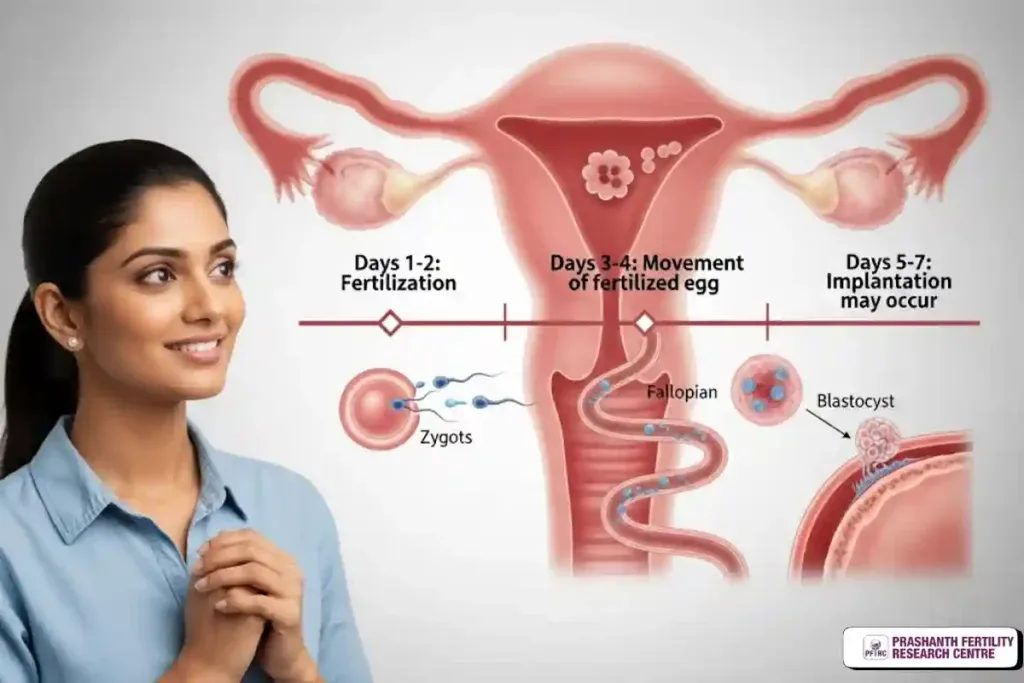
    Illustration showing fertilization and implantation timeline with a woman looking hopeful.

    The Success Stories: Real Life Experiences with At-Home Intrauterine Insemination

    Success Story #3: Natalie and James

    Natalie and James had been trying to conceive for over five years. They had been through multiple rounds of IVF and IUI, all of which failed. They were about to give up when they stumbled upon at-home IUI. “We were hesitant at first, but we decided to give it a try. To our surprise, it worked on our first try. We couldn’t believe it. We are now proud parents of twin boys, thanks to at-home IUI,” said a beaming Natalie.

    Why At-Home IUI?

    At-home IUI offers several benefits for those struggling with infertility. Firstly, it is a more affordable option compared to clinical IUI, with the average cost of a kit ranging from $50 to $300. Additionally, it can be done in the comfort and privacy of your own home, eliminating the need for multiple visits to a fertility clinic. This can be especially beneficial for those who live in remote areas or do not have access to a fertility clinic nearby. Moreover, at-home IUI allows for a more intimate and relaxed setting, which can increase the chances of success.

    Things to Consider Before Trying At-Home IUI

    While at-home IUI may be a convenient and affordable option, there are a few things to consider before trying it. Firstly, it is important to consult with your healthcare provider to ensure that you are a suitable candidate for at-home IUI. They can also provide guidance and advice on how to properly perform the procedure. It is also essential to thoroughly research and purchase a reputable at-home IUI kit to ensure the safety and effectiveness of the procedure.

    In conclusion, at-home IUI has proven to be a successful option for many individuals and couples struggling with infertility. While it may not be suitable for everyone, it is worth considering as an alternative to clinical IUI. Rachel, Sarah, Natalie, and many others are living proof of the success of at-home IUI. If you are considering this option, make sure to consult with your healthcare provider and thoroughly research before proceeding. Who knows, you may be the next success story!

    Summary:

    At-home IUI is an affordable and convenient option for those struggling with infertility. Real-life success stories have shown that it can be just as effective as clinical IUI. Couples who have tried at-home IUI have successfully conceived and started their families. However, it is essential to consult with a healthcare provider and thoroughly research before trying at-home IUI.

  • The Emotional Journey: At-Home vs Clinic Intrauterine Insemination

    Blog Post:

    Intrauterine insemination (IUI) is a fertility treatment that involves placing sperm directly into a woman’s uterus to increase the chances of pregnancy. It is a popular option for couples struggling with infertility, and can be performed either at the clinic or at home. While both methods have the same goal, the emotional journey for couples can differ greatly between at-home and clinic IUI. In this blog post, we will explore the emotional journey of couples undergoing IUI and how it may vary depending on where the procedure takes place.

    At-Home IUI: The Convenience Factor

    One of the main reasons why couples opt for at-home IUI is convenience. It eliminates the need for frequent visits to the fertility clinic and allows for privacy in the comfort of one’s own home. This can be particularly beneficial for couples who have busy schedules or live far from the clinic.

    However, this convenience can also come with added stress and pressure. Unlike at the clinic, where a healthcare professional performs the procedure, at-home IUI requires the couple to take on a more active role. This can be intimidating for some, especially if they are not familiar with the process or have never performed it before. The pressure to get it right and the fear of making a mistake can add to the emotional burden of the couple.

    The Emotional Rollercoaster of Timing and Waiting

    Timing is crucial in at-home IUI as it involves tracking a woman’s ovulation cycle and performing the procedure at the most optimal time. This means that couples must be diligent in tracking ovulation and performing the procedure within a specific timeframe. This can be emotionally taxing, as it adds pressure to perform and can cause anxiety if the timing is missed.

    Moreover, the waiting game after the procedure can be emotionally draining for couples. Unlike at the clinic, where the couple can immediately get answers from a healthcare professional, at-home IUI requires waiting for the pregnancy test results. This waiting period can be filled with hope, anxiety, and disappointment, making it a rollercoaster of emotions for the couple.

    Clinic IUI: The Comfort of Professional Care

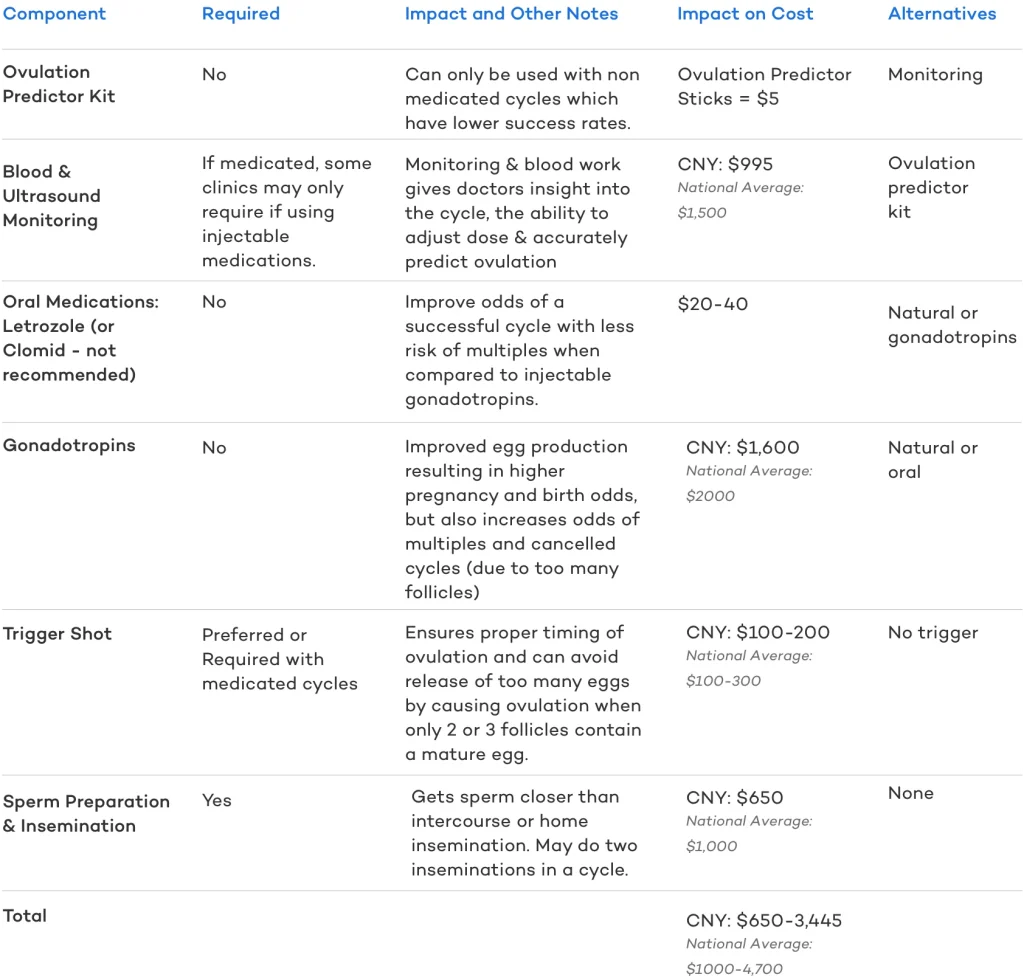
    Cost breakdown for IUI components, including requirements, impacts, and alternatives.

    The Emotional Journey: At-Home vs Clinic Intrauterine Insemination

    On the other hand, clinic IUI offers the comfort of professional care. The procedure is performed by a trained healthcare professional, which can provide a sense of reassurance for couples. The clinic environment is also designed to create a calming and supportive atmosphere, which can help ease the emotional burden of the couple.

    Additionally, clinic IUI eliminates the need for the couple to perform the procedure themselves. This can take away the pressure and stress of getting it right, allowing the couple to focus on the emotional aspects of the treatment.

    The Emotional Support of a Community

    One of the other benefits of clinic IUI is the emotional support from a community of individuals going through similar experiences. Many fertility clinics offer support groups and counseling services for couples undergoing fertility treatments. This can provide a sense of belonging and understanding for couples, as they can connect with others who are also on the journey to parenthood.

    However, the downside of clinic IUI is the frequent visits to the clinic, which can be time-consuming and expensive. This can add to the stress and emotional burden of the couple, especially if they have to take time off work or have financial constraints.

    The Emotional Impact of Success and Failure

    Regardless of where the IUI takes place, the emotional impact of success and failure can be significant for couples. The hope and anticipation of a positive pregnancy test can bring immense joy and excitement, while a negative result can cause disappointment and heartache.

    At-home IUI can intensify these emotions, as the couple is alone in dealing with the results. On the other hand, clinic IUI offers the support of a healthcare professional and a community, which can help couples cope with the emotional impact of the results.

    Summary:

    Intrauterine insemination (IUI) is a fertility treatment that can be performed either at the clinic or at home. While both methods have the same goal, the emotional journey for couples can differ greatly. At-home IUI offers convenience but can also come with added stress and pressure. Timing and waiting can also be emotionally taxing for couples. On the other hand, clinic IUI offers the comfort of professional care and the emotional support of a community. However, it can also be time-consuming and expensive. Regardless of where the IUI takes place, the emotional impact of success and failure can be significant for couples.

  • The Benefits of Professional Monitoring: Clinic Intrauterine Insemination

    Blog Post:

    Intrauterine insemination (IUI) is a fertility treatment that involves placing sperm directly into a woman’s uterus to increase the chances of pregnancy. This procedure can be done at a clinic with the help of professional monitoring, which involves closely monitoring the woman’s fertility cycle and ensuring that the IUI is done at the most optimal time. While some couples may opt for at-home insemination, there are many benefits to seeking professional monitoring for clinic IUI. In this blog post, we will delve into the various advantages of professional monitoring for clinic IUI.

    1. Accurate Timing

    One of the main benefits of professional monitoring for clinic IUI is the accurate timing of the procedure. In order for IUI to be successful, the sperm needs to be placed in the uterus at the exact time of ovulation. This can be difficult to determine without the help of professional monitoring. Fertility specialists will use various methods such as blood tests, ultrasounds, and ovulation predictor kits to accurately pinpoint the time of ovulation. This ensures that the IUI is done at the most optimal time, increasing the chances of success.

    2. Increased Success Rates

    With accurate timing comes increased success rates for clinic IUI. When the IUI is done at the most optimal time, the chances of the sperm successfully fertilizing the egg are significantly higher. This is especially important for couples who have been struggling with infertility, as every opportunity for pregnancy counts. Professional monitoring also allows for adjustments to be made if the first attempt is unsuccessful, increasing the chances of success in subsequent attempts.

    3. Monitoring for Potential Complications

    During the fertility cycle, there may be potential complications that can impact the success of IUI. These can include issues with ovulation, the thickness of the uterine lining, or the quality of the sperm. With professional monitoring, these potential complications can be identified and addressed before the IUI procedure. This not only increases the chances of success but also ensures the safety of the woman and any potential pregnancy.

    4. Personalized Treatment Plans

    illustration of a uterus with a syringe for intrauterine insemination (IUI) procedure

    The Benefits of Professional Monitoring: Clinic Intrauterine Insemination

    Every woman’s fertility journey is unique, and professional monitoring allows for personalized treatment plans to be created. Fertility specialists will take into account factors such as age, medical history, and any underlying conditions to create a treatment plan that is tailored to the individual’s needs. This personalized approach can lead to better outcomes and a more positive experience for the patient.

    5. Emotional Support

    Going through fertility treatments can be an emotional rollercoaster for couples. Professional monitoring offers emotional support from fertility specialists who understand the challenges and emotions that come with trying to conceive. They can provide guidance, reassurance, and a listening ear throughout the process. This can make a significant difference in the overall experience for couples undergoing clinic IUI.

    6. Access to Advanced Techniques

    Professional monitoring for clinic IUI also opens up the possibility of using advanced techniques. For example, if a woman has a low ovarian reserve, fertility specialists may recommend using intrauterine insemination with donor sperm (IUI-D) to increase the chances of pregnancy. This technique is not possible with at-home insemination and can only be done with professional monitoring at a clinic.

    7. Increased Safety

    At-home insemination carries a higher risk of infection as it is not done under sterile conditions. With professional monitoring at a clinic, IUI is performed in a sterile environment, reducing the risk of infection. Additionally, fertility specialists are trained and experienced in performing IUI, ensuring the procedure is done safely and accurately.

    Summary:

    Professional monitoring for clinic IUI offers many benefits, including accurate timing, increased success rates, personalized treatment plans, emotional support, access to advanced techniques, and increased safety. With the help of fertility specialists, couples can increase their chances of success in achieving pregnancy while also receiving personalized care and emotional support throughout the process.