Tag: Ovulation

  • Traditional vs Tech: Which Fertility Tracking Method Is Right for You?

    Traditional vs Tech: Which Fertility Tracking Method Is Right for You?

    Fertility tracking has been practiced for centuries, with traditional methods such as tracking basal body temperature and cervical mucus being the go-to options for women trying to conceive or avoid pregnancy. However, with the rise of technology, there are now a plethora of fertility tracking apps and devices available on the market. This has sparked a debate among women about which method is more effective and accurate. In this blog post, we will discuss the differences between traditional and tech-based fertility tracking methods and help you determine which one is right for you.

    Traditional Fertility Tracking Methods

    Traditional fertility tracking methods rely on observing and recording changes in the woman’s body to determine her fertile window. These methods are based on the understanding that a woman’s body goes through hormonal changes throughout her menstrual cycle, which affects her fertility. The two most commonly used traditional methods are tracking basal body temperature and cervical mucus.

    1. Basal Body Temperature (BBT) Tracking

    BBT tracking involves taking your temperature every morning before getting out of bed. This method relies on the fact that a woman’s body temperature rises slightly after ovulation due to an increase in progesterone. By tracking your BBT over several cycles, you can identify when you are most likely to ovulate and determine your fertile window.

    Pros:
    – BBT tracking is free and only requires a basal body thermometer.
    – It can help you identify if and when you are ovulating, which is helpful for both trying to conceive and avoiding pregnancy.
    – It can also help identify potential issues with your menstrual cycle, such as irregularities in ovulation or luteal phase defects.

    Cons:
    – BBT tracking can be time-consuming and requires diligence in taking your temperature at the same time every day.
    – It can only predict ovulation after it has occurred, making it less useful for timing intercourse.
    – Factors such as illness, lack of sleep, or alcohol consumption can affect your BBT, making it less reliable.

    2. Cervical Mucus Tracking

    Cervical mucus tracking involves observing and recording changes in the texture and consistency of your cervical mucus throughout your cycle. As estrogen levels rise, cervical mucus becomes more abundant, slippery, and stretchy, resembling raw egg whites. This type of mucus is considered the most fertile and indicates that ovulation is approaching.

    Pros:
    – Cervical mucus tracking is free and only requires observation and recording.
    – It can help pinpoint your fertile window and time intercourse accordingly.
    – It can also give insight into potential hormonal imbalances or issues with ovulation.

    Cons:
    – It can be challenging to accurately observe and interpret changes in cervical mucus.
    – Factors such as sexual activity, lubricants, or infections can affect the quality of cervical mucus.
    – It may not be reliable for women with irregular cycles or those using hormonal birth control.

    Tech-Based Fertility Tracking Methods

    Cost breakdown for IUI components, including requirements, impacts, and alternatives.

    Traditional vs Tech: Which Fertility Tracking Method Is Right for You?

    With the advancement of technology, there has been an influx of fertility tracking apps and devices on the market. These methods use a combination of data input, algorithms, and sometimes external devices to track and predict ovulation and fertility.

    1. Fertility Tracking Apps

    Fertility tracking apps use algorithms to predict ovulation based on data such as menstrual cycle length, period start and end dates, and other symptoms like libido and mood changes. Some apps also allow for input of additional data such as BBT and cervical mucus observations. These apps also provide helpful features like tracking fertility trends, setting reminders for ovulation and fertility window, and providing educational resources.

    Pros:
    – Fertility tracking apps are convenient and user-friendly.
    – They can incorporate multiple data points to predict ovulation accurately.
    – They can provide helpful insights and resources for women trying to conceive or avoid pregnancy.

    Cons:
    – These apps rely on algorithms and may not be entirely accurate for all women.
    – They may not be suitable for women with irregular cycles or those using hormonal birth control.
    – Some apps may require a subscription fee for full access to features.

    2. Fertility Tracking Devices

    Fertility tracking devices use external sensors or monitors to track various data points such as BBT, cervical mucus, and hormone levels. These devices connect to a corresponding app, which uses the data to predict ovulation and fertility. Some devices, like the Ava bracelet, can also track additional data like heart rate, skin temperature, and sleep patterns.

    Pros:
    – Fertility tracking devices can provide more accurate and detailed data compared to apps.
    – They can be more convenient than traditional methods as they require minimal effort from the user.
    – Some devices offer additional features like tracking overall health and providing personalized insights.

    Cons:
    – These devices can be costly, with some ranging from $100 to $300.
    – They may not be suitable for women with irregular cycles or those using hormonal birth control.
    – Some devices may require a subscription fee for full access to features.

    Which Method Is Right for You?

    The decision between traditional and tech-based fertility tracking methods ultimately depends on your personal preferences and needs. If you are someone who prefers a natural and low-cost approach, traditional methods may be the way to go. However, if you are looking for convenience and more detailed data, tech-based methods may be worth the investment. Additionally, if you have irregular cycles or use hormonal birth control, traditional methods may not be as effective for you, and tech-based methods may be a better option.

    In conclusion, both traditional and tech-based fertility tracking methods have their pros and cons. It is essential to research and consider your options carefully to determine which one is right for you. Remember, no method is 100% accurate, and it is always best to consult with a healthcare professional for personalized advice.

    Summary:

    Fertility tracking involves monitoring changes in a woman’s body to determine her fertile window. Traditional methods such as tracking basal body temperature and cervical mucus have been used for centuries, while tech-based methods, such as fertility tracking apps and devices, have gained popularity in recent years. Traditional methods rely on observing and recording changes in the body, while tech-based methods use data input and algorithms to predict ovulation and fertility. The choice between traditional and tech-based methods depends on personal preferences and needs, and it is always best to consult with a healthcare professional for personalized advice.
  • Fertility Tracking Apps: Are They Worth the Hype?

    Fertility tracking apps have become increasingly popular in recent years, with claims of helping women track their menstrual cycles, ovulation, and fertility windows. These apps promise to make it easier for women to plan or prevent pregnancy, and some even offer additional features such as personalized health insights and reminders for self-care. But are these apps really worth the hype? In this blog post, we will explore the pros and cons of fertility tracking apps and analyze whether they truly live up to their promises.

    First, let’s understand what fertility tracking apps are and how they work. These apps use algorithms and data input by the user to predict ovulation and fertility windows. The user can input information such as menstrual cycle length, period dates, and any symptoms or changes in their body. Some apps also allow users to track their basal body temperature and cervical mucus, which are indicators of fertility. Based on this information, the app generates a fertility calendar and provides personalized insights and predictions.

    One of the main advantages of fertility tracking apps is convenience. These apps are easily accessible on smartphones and can be used anywhere at any time. This makes it easier for women to track their cycles and fertility without the need for traditional methods such as charting on paper. Additionally, some apps also offer features like cycle summaries and reminders for taking birth control pills, making it easier for women to stay on top of their reproductive health.

    Another benefit of fertility tracking apps is the potential for increased awareness and understanding of one’s body. By tracking their menstrual cycle and fertility, women may become more in tune with their bodies and notice any changes or irregularities. This can be especially helpful for those trying to conceive, as they can identify their most fertile days and increase their chances of becoming pregnant. Some apps even offer educational resources and information about reproductive health, which can be empowering for users.

    However, there are also some downsides to fertility tracking apps that should be considered. One major concern is the reliability and accuracy of these apps. While some apps may use scientifically-backed algorithms, others may not be as accurate. This can lead to incorrect predictions and potentially cause issues for those relying on the app for family planning. It’s important to carefully research and choose a reputable app with good reviews and accurate algorithms.

    illustration of an intrauterine insemination procedure with medical instruments and anatomical details

    Fertility Tracking Apps: Are They Worth the Hype?

    Moreover, fertility tracking apps may not be suitable for everyone. These apps may not work as well for those with irregular periods or conditions that affect their menstrual cycle. It’s also important to note that these apps should not be used as a replacement for medical advice. If you are experiencing any fertility issues or concerns, it’s best to consult a healthcare professional rather than relying solely on an app.

    Privacy is another aspect to consider when using fertility tracking apps. These apps require personal information such as menstrual cycle dates and intimate details about one’s body. While most apps claim to have strong privacy policies and secure data storage, there have been concerns about data breaches and the selling of user data in the past. It’s important to thoroughly read the app’s privacy policy and be cautious about the information you share.

    In addition, the use of fertility tracking apps can also contribute to increased stress and anxiety for some users. Trying to conceive can already be a stressful and emotional journey, and relying on an app for fertility predictions can add to that pressure. It’s important for users to take breaks from the app and not become too dependent on it for their reproductive health.

    So, are fertility tracking apps worth the hype? The answer is not a simple yes or no. These apps can be useful tools for some women, providing convenience, awareness, and potential insights into their reproductive health. However, they should not be relied upon as the sole method of family planning and should be used in conjunction with other methods or medical advice. It’s also important to carefully research and choose a reputable app and be aware of the potential downsides and limitations.

    In conclusion, fertility tracking apps can be beneficial for those looking to track their menstrual cycle and fertility. They offer convenience, increased awareness, and potential insights, but it’s important to carefully consider their accuracy and limitations. These apps should not be seen as a replacement for medical advice and should be used with caution. Ultimately, it’s up to individual users to weigh the pros and cons and decide if fertility tracking apps are worth the hype for them.

  • Fertility Tracking in the Digital Age: Apps vs Traditional Techniques

    Fertility tracking is a practice that has been used for centuries to help individuals and couples monitor their reproductive health and increase their chances of conceiving. With the rise of technology, there are now various digital tools, such as apps, that claim to make fertility tracking easier and more accurate. However, many traditional techniques, such as basal body temperature charting and cervical mucus monitoring, are still widely used and trusted. In this blog post, we will explore the pros and cons of using fertility tracking apps versus traditional techniques in the digital age.

    Introduction to Fertility Tracking
    Fertility tracking is the process of monitoring various physiological changes in the body to determine the most fertile days of a woman’s menstrual cycle. This can be used to either avoid or achieve pregnancy. The most fertile time for a woman is typically around ovulation, which occurs when an egg is released from the ovary. By tracking fertility, individuals and couples can plan for pregnancy or use natural methods of birth control.

    Traditional Techniques
    Basal body temperature charting and cervical mucus monitoring are two of the most commonly used traditional techniques for fertility tracking. Basal body temperature charting involves taking your temperature every morning before getting out of bed and recording it on a chart. This can help determine when ovulation occurs, as there is a slight increase in temperature after ovulation. Cervical mucus monitoring involves observing changes in the consistency and texture of cervical mucus throughout the menstrual cycle. As ovulation approaches, the mucus becomes more clear, stretchy, and slippery, making it easier for sperm to travel to the egg.

    Pros of Traditional Techniques
    One of the main advantages of traditional techniques is that they are natural and non-invasive. They do not require any expensive devices or technology, making them accessible to everyone. Additionally, these methods have been used for centuries and have been proven to be effective in tracking fertility. They also provide a deeper understanding of one’s own body and can help individuals identify any potential fertility issues.

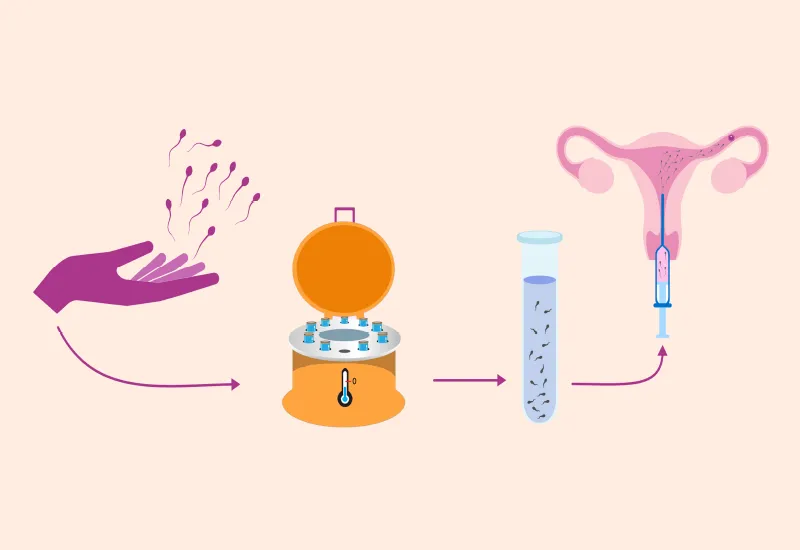
    illustration of the IUI process, showing sperm collection, preparation, and insertion into the uterus

    Fertility Tracking in the Digital Age: Apps vs Traditional Techniques

    Cons of Traditional Techniques
    The main drawback of traditional techniques is that they require a lot of time and effort. Basal body temperature charting requires taking your temperature at the same time every morning, which can be challenging for those with irregular sleep schedules. Cervical mucus monitoring also requires daily observation and recording, which can be inconvenient for some individuals. Another downside is that these methods are subjective and rely on the individual’s interpretation of their own body, which can lead to errors.

    Fertility Tracking Apps
    In recent years, there has been an explosion of fertility tracking apps in the market. These apps use algorithms and data input by the user to predict ovulation and fertile days. Some apps also offer additional features, such as tracking of other fertility indicators like mood, energy levels, and exercise. These apps can be downloaded on smartphones, making them easily accessible and convenient for users.

    Pros of Fertility Tracking Apps
    One of the main benefits of fertility tracking apps is their convenience. They require minimal effort and can provide quick and accurate results. They also offer additional features that can help individuals track other aspects of their health that may affect fertility. Additionally, these apps can store and analyze data over time, providing a more comprehensive understanding of one’s fertility patterns. Some apps also offer community support and educational resources, which can be helpful for those trying to conceive.

    Cons of Fertility Tracking Apps
    One of the major concerns with fertility tracking apps is their accuracy. While they may use advanced algorithms, these apps rely on the user inputting accurate data. If the data is incorrect or incomplete, it can lead to inaccurate predictions. Additionally, these apps may not work for individuals with irregular menstrual cycles, as they are not able to make accurate predictions for those with unpredictable ovulation patterns. Another disadvantage is that most fertility tracking apps are not regulated by medical authorities, so their effectiveness and safety cannot be guaranteed.

    Summary
    In summary, fertility tracking is a useful practice for both those trying to conceive and those using natural methods of birth control. Traditional techniques, such as basal body temperature charting and cervical mucus monitoring, have been used for centuries and have proven to be effective. However, they require a lot of time and effort and can be subjective. Fertility tracking apps offer convenience and additional features, but their accuracy and effectiveness may be questionable. Ultimately, the best approach may be to combine traditional techniques with the use of fertility tracking apps for a more comprehensive understanding of one’s fertility.

  • Navigating Fertility: Comparing Apps and Traditional Tracking Tools

    Navigating Fertility: Comparing Apps and Traditional Tracking Tools

    Fertility is a topic that has been gaining more attention in recent years as more couples struggle with conceiving. With advancements in technology, there are now various apps and traditional tracking tools available to help individuals and couples navigate their fertility journey. In this blog post, we will explore the different options and compare apps and traditional tracking tools to help you decide which one may be best for you.

    Understanding Fertility Tracking

    Before diving into the comparison, it’s important to understand the basics of fertility tracking. Fertility tracking involves monitoring and recording various fertility signs such as menstrual cycle, basal body temperature, cervical mucus, and ovulation. By tracking these signs, individuals can identify their most fertile days and increase their chances of conception.

    Apps for Fertility Tracking

    In recent years, there has been a surge in the popularity of fertility tracking apps. These apps use algorithms and data input by users to predict ovulation and fertile days. There are many different apps available, each with its unique features and interface. Some popular options include Clue, Flo, and Glow.

    Pros of Apps for Fertility Tracking

    One of the main advantages of using an app for fertility tracking is convenience. Most apps are available for download on smartphones, making it easy to track on-the-go. These apps also have features that allow users to input data such as menstrual cycle length, ovulation test results, and other fertility signs, making it easier to keep track of everything in one place. Additionally, some apps offer additional features such as personalized insights, community forums, and partner syncing options.

    Cons of Apps for Fertility Tracking

    One of the main drawbacks of using fertility tracking apps is their reliance on algorithms and data input by users. This means that the accuracy of predictions and fertile window may vary from person to person. Some apps also require a paid subscription for full access to features, which can be costly in the long run.

    Traditional Tracking Tools

    Traditional tracking tools have been used for decades to monitor fertility signs. These tools include ovulation predictor kits (OPKs), basal body temperature thermometers, and cervical mucus monitoring. Unlike apps, these tools do not rely on algorithms or data input and instead provide more accurate readings of fertility signs.

    diagram of the female reproductive system with an IUI syringe and test tube for artificial insemination

    Navigating Fertility: Comparing Apps and Traditional Tracking Tools

    Pros of Traditional Tracking Tools

    One of the main advantages of traditional tracking tools is their accuracy. OPKs, for example, use urine tests to detect the surge in luteinizing hormone, which is a primary indicator of ovulation. Basal body temperature thermometers are also highly accurate in detecting changes in body temperature that occur during ovulation. Additionally, these tools are often more affordable in the long run compared to fertility tracking apps.

    Cons of Traditional Tracking Tools

    One of the main drawbacks of traditional tracking tools is the inconvenience and time commitment required. For example, basal body temperature thermometers require daily temperature readings at the same time each morning, which can be challenging for individuals with irregular sleep schedules. OPKs also require daily testing during the predicted fertile window, which can be costly and time-consuming.

    Comparing Apps and Traditional Tracking Tools

    When it comes to comparing apps and traditional tracking tools, it ultimately depends on personal preference and individual fertility needs. Apps offer convenience and additional features, while traditional tracking tools provide more accurate readings. Some individuals may find it beneficial to use a combination of both methods for a more comprehensive tracking approach.

    Tips for Effective Fertility Tracking

    Regardless of whether you choose to use apps or traditional tracking tools, there are some tips that can help make your fertility tracking more effective:

    1. Be consistent: Whether using an app or traditional tracking tool, it’s important to be consistent with tracking your fertility signs. This will provide more accurate data and help identify patterns.

    2. Educate yourself: It’s essential to understand the basics of fertility and how tracking works to make informed decisions about your fertility journey.

    3. Seek professional help: If you are struggling to conceive or have concerns about your fertility, it’s best to consult a healthcare professional for guidance and support.

    Summary:

    Fertility tracking is essential for individuals and couples who are trying to conceive. With advancements in technology, there are now various apps and traditional tracking tools available to help in this process. Apps offer convenience and additional features, while traditional tracking tools provide more accurate readings. Some tips for effective fertility tracking include being consistent, educating yourself, and seeking professional help if needed.

  • The Evolution of Fertility Tracking: Apps vs Traditional Methods

    The Evolution of Fertility Tracking: Apps vs Traditional Methods

    Fertility tracking has been a practice for centuries, with women using various methods to track their menstrual cycles and identify ovulation to increase their chances of conception. However, with the advancement of technology, there has been a significant shift in how women track their fertility. Traditional methods like tracking basal body temperature and cervical mucus have been replaced by fertility tracking apps, which offer convenience and accuracy. In this blog post, we will explore the evolution of fertility tracking from traditional methods to the rise of fertility tracking apps.

    Traditional Methods of Fertility Tracking

    Before the advent of fertility tracking apps, women relied on traditional methods to track their menstrual cycles and ovulation. These methods include tracking basal body temperature, cervical mucus, and using ovulation predictor kits. Tracking basal body temperature involves taking your temperature every morning before getting out of bed and noting any changes. An increase in temperature signals that ovulation has occurred. Similarly, tracking cervical mucus involves observing changes in vaginal discharge throughout the menstrual cycle. Cervical mucus becomes thin, clear, and stretchy around ovulation, indicating the most fertile days. Ovulation predictor kits, on the other hand, detect the surge of luteinizing hormone, which occurs about 24-36 hours before ovulation.

    While these traditional methods have been used for a long time, they have several drawbacks. Firstly, they require a lot of manual effort and consistency, which can be challenging for busy women. Secondly, they rely on interpretation and observation, which can be subjective and prone to errors. Finally, these methods do not take into account individual variations in menstrual cycles, making them less accurate for some women.

    The Rise of Fertility Tracking Apps

    With the widespread use of smartphones, fertility tracking apps have become increasingly popular among women. These apps use advanced algorithms and data input by the user to predict ovulation and fertility windows. They offer a range of features, including period tracking, ovulation prediction, and fertility advice. Fertility tracking apps also allow women to input additional data, such as mood, stress levels, and sexual activity, to provide a more accurate prediction.

    One of the main advantages of fertility tracking apps is convenience. They eliminate the need for manual tracking, making it easier for women to monitor their menstrual cycles. These apps also offer a more comprehensive and personalized approach to fertility tracking. With data input by the user, they can account for individual variations in menstrual cycles, making them more accurate than traditional methods.

    Additionally, these apps offer a range of features that can benefit women trying to conceive. They can track ovulation, fertility windows, and even provide tips on the best time to have intercourse for conception. Some apps also offer personalized advice based on the user’s data, helping women understand their fertility better.

    comparison of IUI and IVF procedures illustrated with simple graphics and labels

    The Evolution of Fertility Tracking: Apps vs Traditional Methods

    Challenges and Controversies

    Despite their popularity, fertility tracking apps have faced some challenges and controversies. One of the main criticisms is the lack of regulation and accuracy of these apps. Unlike medical devices, fertility tracking apps are not regulated, and their accuracy has not been scientifically validated. This has led to concerns about the reliability of their predictions, especially for women trying to avoid pregnancy.

    Moreover, fertility tracking apps rely on the user’s input, making them susceptible to user error. If the data entered is incorrect or inconsistent, the app’s predictions may be inaccurate, leading to potential issues for those trying to conceive or avoid pregnancy.

    Another concern is the privacy and security of user data. Fertility tracking apps collect a significant amount of personal information, including menstrual cycles, sexual activity, and even mood. There have been instances of data breaches and the selling of user data to third parties, raising questions about the safety of these apps.

    The Future of Fertility Tracking

    As technology continues to advance, we can expect to see further evolution of fertility tracking methods. Some companies are already developing wearable devices that can track fertility by monitoring physiological changes in the body. These devices offer a more accurate and convenient option for women looking to track their fertility.

    Moreover, there is a growing demand for more scientifically validated fertility tracking apps. Some companies are working towards obtaining FDA approval for their apps, which would provide users with more confidence in their accuracy and reliability.

    Summary:

    Fertility tracking has evolved significantly over the years, from traditional methods like tracking basal body temperature and cervical mucus to the rise of fertility tracking apps. While traditional methods require a lot of manual effort and are prone to errors, fertility tracking apps offer convenience and a more personalized approach to tracking fertility. However, these apps have faced challenges and controversies, such as the lack of regulation and accuracy, user error, and privacy concerns. As technology advances, we can expect to see further developments in fertility tracking methods, including wearable devices and more scientifically validated apps.

  • The Role of Fertility Medications in At-Home Intrauterine Insemination

    Blog Post Title: The Role of Fertility Medications in At-Home Intrauterine Insemination

    Intrauterine insemination (IUI) is a popular fertility treatment method that involves placing sperm directly into a woman’s uterus to increase the chances of fertilization. While it is typically performed in a clinical setting, many couples are now turning to at-home IUI as a more affordable and convenient option. However, there are certain factors that can affect the success rate of at-home IUI, including the use of fertility medications. In this blog post, we will explore the role of fertility medications in at-home intrauterine insemination and how they can impact the chances of achieving a successful pregnancy.

    What are Fertility Medications?

    Fertility medications are drugs that are used to stimulate ovulation or regulate the menstrual cycle in women who are struggling with fertility issues. These medications work by balancing the levels of hormones in the body, which can help improve the chances of conception. There are various types of fertility medications available, and they can be administered in different forms such as pills, injections, or nasal sprays.

    The Role of Fertility Medications in At-Home IUI

    In at-home IUI, the use of fertility medications can play a crucial role in increasing the chances of success. As mentioned earlier, these medications work by stimulating ovulation, which is the release of an egg from the ovary. For women who have irregular or infrequent ovulation, fertility medications can help regulate their menstrual cycle and improve the timing of IUI to coincide with ovulation. This ensures that the sperm is inserted into the uterus at the most optimal time for fertilization to occur.

    Additionally, fertility medications can also help increase the number and quality of eggs produced during ovulation. This is especially beneficial for women who have a low ovarian reserve or poor egg quality, as it can improve their chances of producing a viable egg for fertilization. The more eggs that are available, the higher the chances of success for at-home IUI.

    Types of Fertility Medications Used in At-Home IUI

    There are two main types of fertility medications used in at-home IUI: oral medications and injectable medications.

    illustration explaining the steps of intrauterine insemination (IUI) process on a bright yellow background

    The Role of Fertility Medications in At-Home Intrauterine Insemination

    Oral medications, such as Clomiphene Citrate, work by stimulating the release of follicle-stimulating hormone (FSH) and luteinizing hormone (LH), which are responsible for triggering ovulation. These medications are taken in pill form and are generally well-tolerated by most women. They are also more affordable compared to injectable medications.

    Injectable medications, on the other hand, are more potent and can produce a higher number of eggs. These medications, such as Follicle Stimulating Hormone (FSH) and Human Chorionic Gonadotropin (HCG), are administered through injections and require close monitoring by a fertility specialist. They are typically recommended for women who have not had success with oral medications or have a low response to them.

    The Importance of Monitoring and Dosage in At-Home IUI

    One of the key factors that determine the success of at-home IUI is the proper monitoring and dosage of fertility medications. It is essential to closely monitor the ovulation cycle and adjust the dosage of medications accordingly. This ensures that the eggs are maturing correctly and that ovulation occurs at the right time for IUI to be performed. Without proper monitoring and dosage, there is a risk of ovulating too early or too late, which can significantly decrease the chances of success.

    Risks and Side Effects of Fertility Medications

    Like any medication, fertility medications come with potential risks and side effects. The most common side effects of oral fertility medications include hot flashes, mood swings, and bloating. Injectable medications, on the other hand, can cause more severe side effects such as ovarian hyperstimulation syndrome (OHSS), which can lead to abdominal pain, nausea, and vomiting.

    It is crucial to discuss the potential risks and side effects of fertility medications with a fertility specialist before starting any treatment. They can also provide guidance on how to manage side effects and ensure the safety and effectiveness of the medications.

    In Conclusion

    Fertility medications can play a significant role in increasing the success rate of at-home IUI. They help regulate the menstrual cycle, stimulate ovulation, and improve the quality and quantity of eggs produced. However, it is crucial to seek guidance from a fertility specialist and closely monitor the ovulation cycle to ensure the proper dosage and timing of medications. With the right combination of fertility medications and proper monitoring, at-home IUI can be a successful option for couples seeking to start a family.

    In summary, fertility medications are a vital aspect of at-home IUI and can greatly impact its success rate. They help regulate the menstrual cycle, stimulate ovulation, and improve the quality and quantity of eggs, increasing the chances of pregnancy. Proper monitoring and dosage are crucial for the effectiveness of these medications. It is important to discuss the potential risks and side effects with a fertility specialist to ensure a safe and successful at-home IUI experience.

  • Maximizing Results: Combining At-Home and Clinic Intrauterine Insemination

    Title: Maximizing Results: Combining At-Home and Clinic Intrauterine Insemination

    Intrauterine insemination (IUI) is a common fertility treatment option for couples struggling with infertility. It involves the placement of washed and prepared sperm directly into the uterus during the woman’s ovulation period. While traditionally done in a medical clinic, there is an increasing interest in performing IUI at home.

    At-home IUI involves the same process as clinic IUI, but it allows couples to have more control over the timing and comfort of the procedure. However, there are also potential risks and challenges associated with at-home IUI. In this blog post, we will discuss how combining at-home and clinic IUI can maximize results for couples trying to conceive.

    Benefits of At-Home IUI
    There are several reasons why couples may choose to do at-home IUI. Firstly, it offers a more relaxed and intimate environment for the procedure. For some couples, the clinical setting of a fertility clinic can be overwhelming and cause anxiety. By doing the procedure at home, couples can create a comfortable and familiar atmosphere, which can positively impact their chances of success.

    Secondly, at-home IUI allows for more flexibility in terms of timing. In a clinical setting, couples have to adhere to the clinic’s schedule, which may not align with the woman’s ovulation cycle. By doing the procedure at home, couples can time it more accurately, increasing the chances of successful conception.

    Challenges of At-Home IUI
    While at-home IUI offers many benefits, there are also potential challenges that couples need to consider. Firstly, there is a risk of contamination and infection if the procedure is not done correctly. The sperm must be handled and inserted in a sterile environment to avoid introducing bacteria into the uterus.

    illustration of a uterus with a syringe, representing intrauterine insemination procedure

    Maximizing Results: Combining At-Home and Clinic Intrauterine Insemination

    Additionally, at-home IUI may not be suitable for couples with certain fertility issues, such as low sperm count or motility. In these cases, a clinical setting may be more beneficial as it allows for closer monitoring and potential medical interventions.

    Combining At-Home and Clinic IUI
    To maximize the success of IUI, many fertility experts recommend a combination of at-home and clinic IUI. This approach takes advantage of the benefits of both methods while minimizing the risks and challenges.

    The first step in combining at-home and clinic IUI is to seek guidance from a fertility specialist. They can assess the couple’s individual situation and determine if at-home IUI is a suitable option. They can also provide instructions and support for the at-home procedure, ensuring it is done correctly and safely.

    Next, the couple can use ovulation predictor kits to determine the timing of the procedure accurately. This method involves tracking the woman’s hormone levels to determine when she is most fertile. By using these kits, couples can time the at-home IUI procedure more accurately, increasing the chances of success.

    Finally, after the at-home IUI procedure, the couple can go to the clinic for a follow-up visit. This visit allows the fertility specialist to monitor the woman’s hormone levels and uterine lining, as well as confirm if the procedure was successful. If needed, they can also provide additional medical interventions to increase the chances of conception.

    In conclusion, combining at-home and clinic IUI can maximize results for couples struggling with infertility. It offers the comfort and flexibility of at-home IUI while also allowing for close monitoring and potential medical interventions of clinic IUI. However, it is essential to seek guidance from a fertility specialist and follow instructions carefully to ensure the safety and success of the procedure.

  • The Role of Hormone Monitoring in At-Home Intrauterine Insemination

    Blog Post:

    Intrauterine insemination (IUI) is a fertility treatment where sperm is placed directly into the uterus to increase the chances of fertilization. This procedure can be done at a fertility clinic, but with advancements in technology, it is now possible to do at-home IUI. One important aspect of at-home IUI is hormone monitoring, which plays a crucial role in the success of this procedure. In this blog post, we will explore the role of hormone monitoring in at-home IUI and how it can increase the chances of a successful pregnancy.

    What is Hormone Monitoring?

    Hormone monitoring is the process of tracking and measuring hormone levels in the body. In the context of fertility, it involves monitoring the levels of luteinizing hormone (LH) and follicle-stimulating hormone (FSH) in women and testosterone levels in men. These hormones play a critical role in ovulation and sperm production, respectively.

    Why is Hormone Monitoring Important in At-Home IUI?

    Hormone monitoring is crucial in at-home IUI because it helps to determine the best time for insemination. In order for conception to occur, a woman needs to release an egg during ovulation. By monitoring the levels of LH and FSH, women can determine when they are most fertile and increase their chances of a successful pregnancy.

    In addition, hormone monitoring can also detect any hormonal imbalances that may affect fertility. For example, women with polycystic ovary syndrome (PCOS) may have higher levels of LH and lower levels of FSH, making it difficult for them to ovulate regularly. By monitoring these hormone levels, women with PCOS can receive proper treatment and increase their chances of successful conception.

    How is Hormone Monitoring Done?

    Hormone monitoring can be done in various ways, including blood tests, urine tests, and at-home fertility monitors. Blood tests are often done at a fertility clinic, where a small sample of blood is taken to measure hormone levels. Urine tests, on the other hand, can be done at home using ovulation predictor kits (OPKs). These kits detect the presence of LH in the urine, indicating that ovulation is about to occur.

    At-home fertility monitors, such as the Clearblue Advanced Digital Ovulation Test, are an effective and convenient way to monitor hormone levels. These monitors track both LH and estrogen levels to give a more accurate prediction of ovulation. They also come with an app that allows women to track their fertility and receive personalized insights and tips.

    illustration of an intrauterine insemination procedure with medical instruments and anatomical details

    The Role of Hormone Monitoring in At-Home Intrauterine Insemination

    The Role of Hormone Monitoring in At-Home IUI

    As mentioned earlier, hormone monitoring is crucial in at-home IUI because it helps determine the best time for insemination. By tracking LH levels, women can pinpoint their most fertile days and time insemination accordingly. This can significantly increase the chances of sperm reaching and fertilizing the egg, leading to a successful pregnancy.

    In addition, hormone monitoring can also help in diagnosing any underlying hormonal imbalances that may affect fertility. This allows women to seek proper treatment and improve their chances of conception. For men, monitoring testosterone levels can also help identify any issues with sperm production and take necessary steps to improve it.

    Tips for Successful Hormone Monitoring in At-Home IUI

    1. Start tracking early: It is recommended to start tracking hormone levels at least a month before attempting at-home IUI. This will give you a better understanding of your body’s hormonal patterns and increase your chances of success.

    2. Be consistent: For accurate results, it is essential to monitor hormone levels at the same time every day. This will help you identify the surge in LH levels and predict ovulation more accurately.

    3. Use multiple methods: It is recommended to use multiple methods of hormone monitoring, such as blood tests and at-home fertility monitors, for more accurate results. This will also help in detecting any discrepancies between the methods.

    4. Seek professional guidance: It is always best to consult with a fertility specialist before attempting at-home IUI. They can guide you on the best methods for hormone monitoring and provide personalized recommendations based on your individual needs.

    In conclusion, hormone monitoring plays a crucial role in the success of at-home IUI. By tracking hormone levels, women can determine their most fertile days and increase their chances of successful conception. It also helps in identifying any underlying hormonal imbalances that may affect fertility. With advancements in technology, at-home hormone monitoring has become more accessible and convenient, making it an essential tool for those attempting at-home IUI.

    Summary:

    At-home intrauterine insemination (IUI) is a fertility treatment that can be done in the comfort of one’s own home. One crucial aspect of at-home IUI is hormone monitoring, which involves tracking and measuring hormone levels in the body. Hormone monitoring helps in determining the best time for insemination and can also detect any hormonal imbalances that may affect fertility. It can be done through various methods such as blood tests, urine tests, and at-home fertility monitors. Hormone monitoring plays a critical role in the success of at-home IUI and can increase the chances of a successful pregnancy. Tips for successful hormone monitoring include starting early, being consistent, using multiple methods, and seeking professional guidance.

  • Preparation and Tips for At-Home Intrauterine Insemination

    Blog Post: Preparation and Tips for At-Home Intrauterine Insemination

    Intrauterine insemination (IUI) is a form of assisted reproductive technology that involves placing sperm directly into a woman’s uterus to increase the chances of fertilization. While IUI is typically performed in a medical setting, it is also possible to do it at home with the right preparation and guidance. In this blog post, we will discuss the important steps to take and tips to follow for a successful at-home intrauterine insemination.

    Preparing for At-Home IUI
    Before attempting at-home IUI, it is crucial to consult with a medical professional to ensure that it is the right option for you. They will evaluate your fertility and provide you with the necessary medications and supplies. It is also important to have a partner or a known donor who is willing to provide sperm for the procedure.

    Once you have decided to move forward with at-home IUI, it is essential to track your ovulation cycle. This can be done through various methods such as using ovulation predictor kits, tracking your basal body temperature, or monitoring changes in cervical mucus. Knowing when you are ovulating will help you time the insemination correctly.

    Preparing the Sperm
    Before the day of the insemination, the sperm sample needs to be prepared. This can be done by using a sperm wash kit, which is available at most fertility clinics. The process involves separating the sperm from the semen and adding a special solution to enhance their motility. It is important to follow the instructions carefully to ensure the best results.

    Creating a Sterile Environment
    One of the most critical aspects of at-home IUI is creating a sterile environment to minimize the risk of infection. This can be achieved by thoroughly cleaning the area where the insemination will take place and using sterile, single-use equipment. It is also recommended to wear gloves during the procedure to reduce the risk of contamination.

    Comparison chart of IUI and IVF treatments, detailing medications, monitoring, procedures, and success rates.

    Preparation and Tips for At-Home Intrauterine Insemination

    Administering the Insemination
    On the day of the insemination, it is crucial to follow the instructions provided by your healthcare provider. They will likely recommend using a sterile syringe or catheter to insert the sperm into the uterus. It is important to keep the sperm at body temperature before inserting it to ensure its viability.

    Lying down for 15-20 minutes after the insemination can also increase the chances of success. This allows the sperm to travel towards the fallopian tubes where fertilization occurs. It is also recommended to avoid any strenuous activities or exercise for the rest of the day to give the sperm the best chance to reach the egg.

    Tips for a Successful At-Home IUI
    – Keep all the equipment and supplies sterile and follow the instructions carefully.
    – Have your partner or donor ejaculate directly into the sterile container provided by your healthcare provider.
    – Avoid using lubricants during the insemination as they can be harmful to sperm.
    – Stay relaxed and calm during the procedure to increase the chances of success.
    – Stay hydrated and avoid caffeine and alcohol before and after the insemination.
    – Consider using a fertility-friendly diet and supplements to improve your chances of conception.
    – Have a support system in place, whether it is your partner, family, or friends, to help you through the process.

    Possible Risks and Complications
    While at-home IUI is generally safe, there are some potential risks and complications to be aware of. These include infection, allergic reaction to the sperm wash solution, and the risk of multiple pregnancies. It is essential to discuss these risks with your healthcare provider and follow their instructions carefully to minimize them.

    In conclusion, at-home IUI can be a viable option for couples or individuals looking to start a family. However, it is crucial to consult with a medical professional and follow the necessary steps and guidelines for a successful procedure. With proper preparation, a sterile environment, and the right timing, at-home IUI can increase the chances of conception and bring you one step closer to your dream of having a baby.

    Summary:
    At-home intrauterine insemination (IUI) is a form of assisted reproductive technology that can increase the chances of conception. It involves placing sperm directly into a woman’s uterus. To prepare for at-home IUI, it is crucial to consult with a medical professional, track ovulation, and create a sterile environment. Administering the insemination requires following instructions carefully and remaining calm. Some tips for success include keeping everything sterile, avoiding lubricants, and having a support system. Potential risks and complications should also be considered and discussed with a healthcare provider.

  • The Role of Timing in At-Home Intrauterine Insemination

    Timing is everything when it comes to at-home intrauterine insemination (IUI). This fertility treatment involves placing sperm directly into the uterus, bypassing the cervix and increasing the chances of fertilization. While the process itself may seem simple, the timing of the procedure is crucial for its success. In this blog post, we will explore the role of timing in at-home IUI and how it can impact the chances of conception.

    The Process of At-Home Intrauterine Insemination

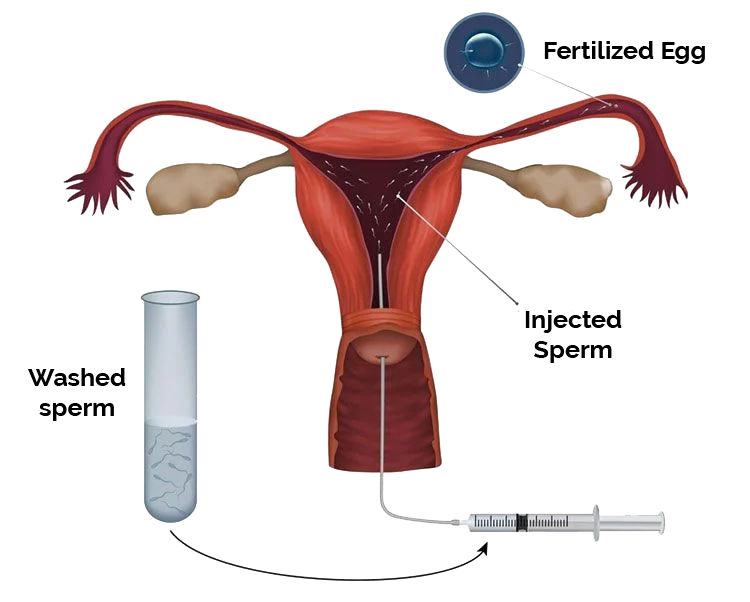
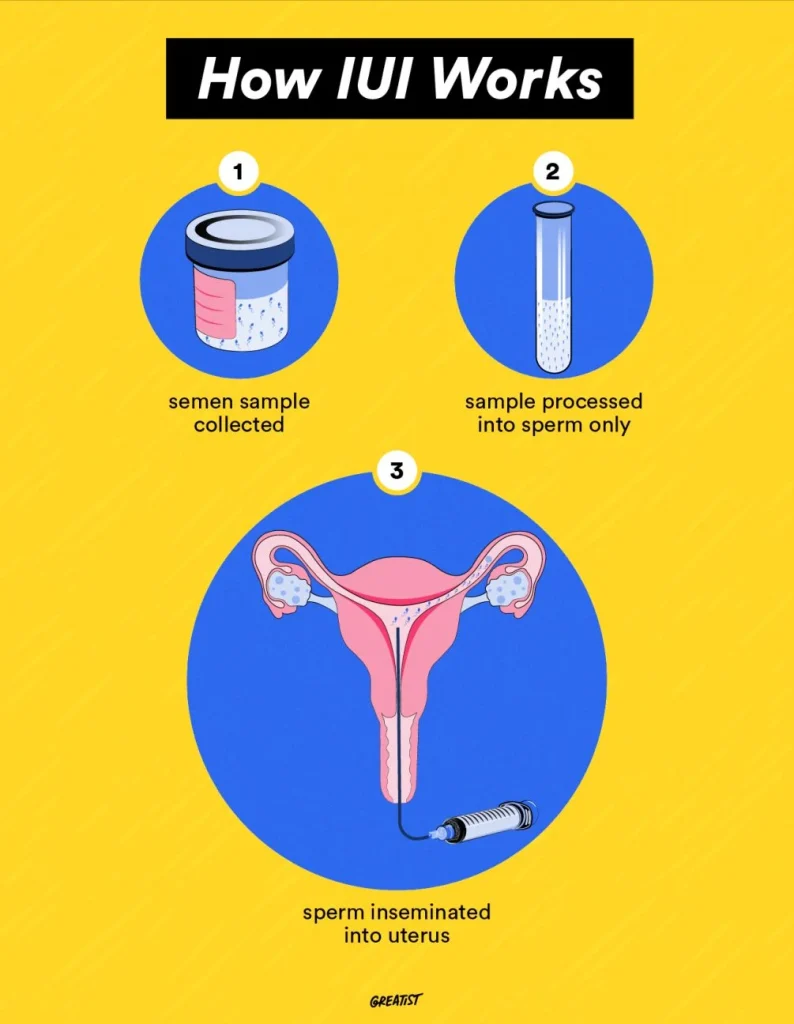
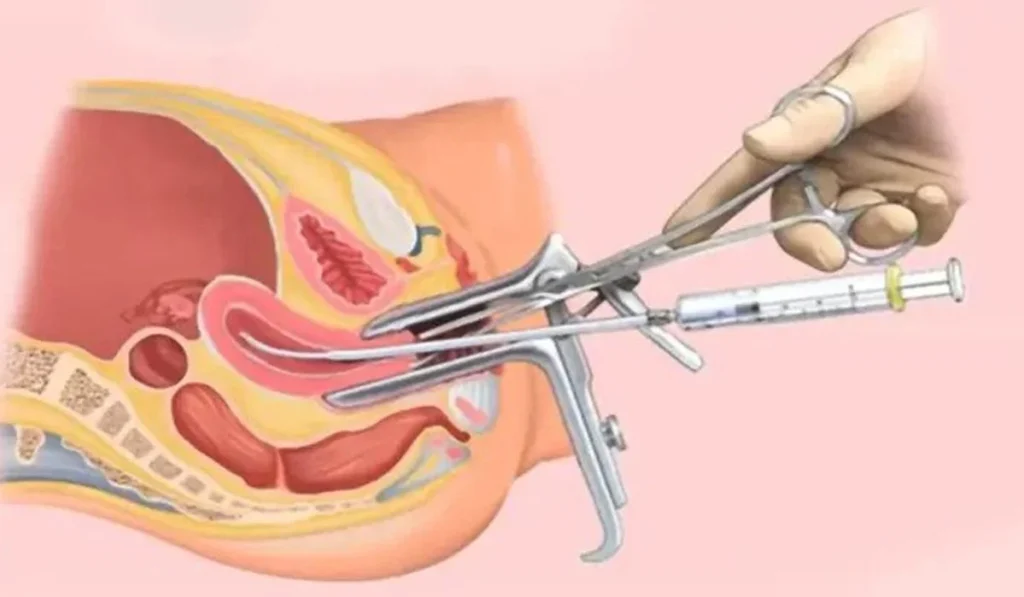
    Before diving into the importance of timing, let’s first understand the process of at-home IUI. This fertility treatment involves collecting a semen sample from the male partner or a donor and using a syringe or specialized device to place the sperm directly into the uterus. This can be done at home, without the need for a medical professional, making it a more affordable and convenient option for couples trying to conceive.

    The Role of Timing in At-Home IUI

    Timing is crucial in at-home IUI for two main reasons: ovulation and sperm survival. Ovulation is the process of releasing an egg from the ovaries, and it is the most fertile time of a woman’s menstrual cycle. In order for conception to occur, the sperm needs to meet the egg during this window of time. Therefore, it is essential to time the insemination procedure with ovulation.

    Sperm survival is also a critical factor in at-home IUI. Sperm can survive in the female reproductive tract for up to five days, but their optimal lifespan is only 24-48 hours. This means that for the best chances of fertilization, the sperm should be present in the uterus during the time of ovulation. Timing the insemination procedure correctly can ensure that the sperm and egg meet at the right time, increasing the chances of conception.

    Methods for Timing At-Home IUI

    There are a few different methods for timing at-home IUI, and the best approach may vary depending on individual circumstances. One method is to use an ovulation predictor kit (OPK) to track ovulation. These kits detect the surge in luteinizing hormone (LH) that occurs 12-36 hours before ovulation. Once the surge is detected, the insemination procedure can be performed within the next 24-48 hours.

    Another method is to track basal body temperature (BBT). BBT is the body’s resting temperature, and it rises slightly after ovulation. By tracking BBT, a woman can determine when she ovulates and time the insemination procedure accordingly.

    Illustration of intrauterine insemination (IUI) procedure, showing sperm injection into the uterus.

    The Role of Timing in At-Home Intrauterine Insemination

    Some couples may also choose to use fertility tracking apps or calendars to help predict ovulation and time the insemination procedure. These tools use data such as menstrual cycle length and past ovulation dates to estimate when ovulation will occur.

    Factors That Can Affect Timing

    While tracking methods can be helpful, there are some factors that can affect the accuracy of timing for at-home IUI. These factors include irregular menstrual cycles, hormone imbalances, and external stressors. It is essential to keep track of any changes in these factors and adjust the timing of the insemination procedure accordingly.

    The Importance of Patience and Flexibility

    Timing at-home IUI correctly requires patience and flexibility. It may take a few cycles to determine the best method for tracking ovulation and timing the insemination procedure. Additionally, external factors such as illness or stress can affect ovulation and may require adjustments in timing. It is essential to stay patient and open to changes in the timing process to increase the chances of success.

    In Conclusion

    Timing plays a critical role in at-home intrauterine insemination. By understanding the process of ovulation and sperm survival, and using tracking methods and being patient and flexible, couples can increase their chances of success with this fertility treatment. It is also crucial to seek guidance from a medical professional and follow their recommendations for timing and other aspects of the at-home IUI process.

    Summary:

    At-home intrauterine insemination is a fertility treatment that involves placing sperm directly into the uterus, bypassing the cervix. Timing is crucial in this process for two main reasons: ovulation and sperm survival. Methods for timing at-home IUI include ovulation predictor kits, basal body temperature tracking, and fertility tracking apps or calendars. Factors such as irregular cycles and hormone imbalances can affect timing, and it is essential to be patient and flexible in the process. Seeking guidance from a medical professional is important in ensuring the success of at-home IUI.