Tag: Ovulation

  • Navigating the World of Fertility Treatments: Medications vs Surgery

    Blog Post:

    Fertility treatments can be a daunting and overwhelming journey for many couples struggling to conceive. For some, the process may involve a combination of medications and surgeries to help improve their chances of getting pregnant. However, navigating the world of fertility treatments can be confusing, especially when it comes to choosing between medications and surgery. In this blog post, we will discuss the pros and cons of both options and offer guidance on how to make the best decision for your unique situation.

    Medications for Fertility Treatments:

    Medications are often the first line of treatment for couples struggling with infertility. These medications can help regulate hormone levels, stimulate ovulation, and improve the chances of pregnancy. Depending on the underlying cause of infertility, your doctor may prescribe different types of medications such as:

    1. Clomiphene Citrate: This medication is used to treat ovulation disorders in women and is often the first medication prescribed for fertility treatment. It works by stimulating the release of hormones necessary for ovulation.

    2. Gonadotropins: These are injectable hormones that can be used to stimulate ovulation in women with ovulation disorders. They can also help regulate hormone levels in men with low sperm count.

    3. Metformin: This medication is commonly used to treat polycystic ovary syndrome (PCOS) and can help regulate ovulation and improve fertility.

    4. Bromocriptine: This medication is used to treat high levels of the hormone prolactin, which can interfere with ovulation.

    While medications can be highly effective in treating certain fertility issues, they can also come with their own set of risks and side effects. Some common side effects of fertility medications include headaches, hot flashes, mood swings, and abdominal discomfort. In some cases, medications may also increase the risk of multiple pregnancies, which can come with its own set of complications.

    Surgery for Fertility Treatments:
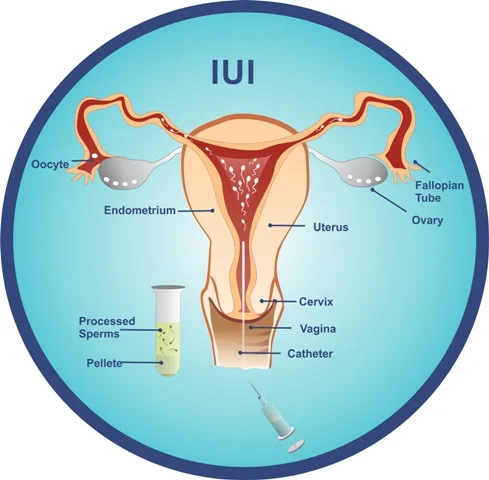
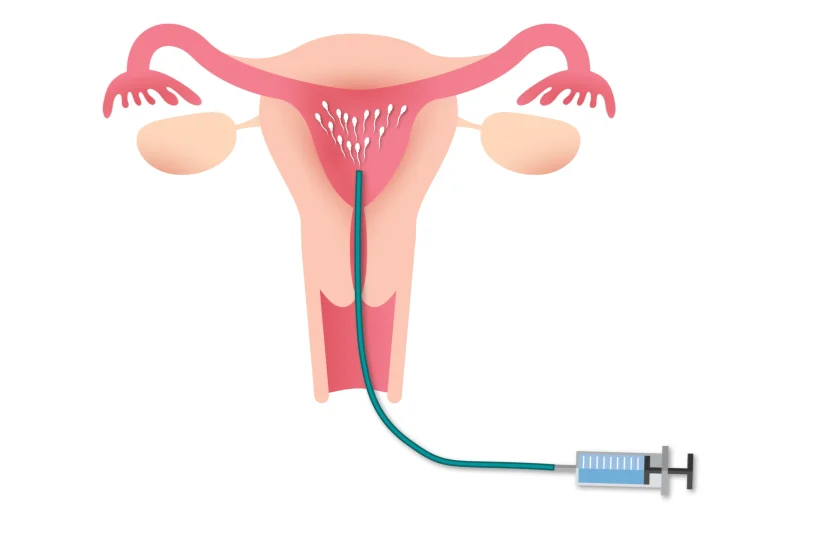
    diagram illustrating intrauterine insemination (IUI) with labeled reproductive anatomy and procedures

    Navigating the World of Fertility Treatments: Medications vs Surgery

    Surgery is often recommended for couples with structural abnormalities or blockages that may be preventing pregnancy. Some common surgical procedures used for fertility treatments include:

    1. Laparoscopy: This minimally invasive procedure involves making small incisions in the abdomen to diagnose and treat conditions such as endometriosis, fibroids, and blocked fallopian tubes.

    2. Hysteroscopy: This procedure involves inserting a thin, lighted tube into the uterus to diagnose and treat abnormalities such as polyps, fibroids, and scar tissue.

    3. Varicocele repair: This surgery is performed on men to repair enlarged veins in the scrotum that may be interfering with sperm production.

    Surgery can be a more invasive option compared to medications, and it often requires downtime for recovery. However, surgery can also offer a more permanent solution to certain fertility issues. For example, correcting a structural abnormality through surgery can greatly improve the chances of getting pregnant without the need for ongoing medication use.

    Choosing Between Medications and Surgery:

    When it comes to choosing between medications and surgery for fertility treatments, there is no one-size-fits-all solution. The best approach will depend on your specific infertility diagnosis, medical history, and personal preferences. It is crucial to discuss all available options with your doctor and ask any questions or concerns you may have.

    In some cases, a combination of medications and surgery may be necessary to address different aspects of infertility. For instance, a woman with PCOS may benefit from taking Metformin to regulate hormone levels, while also undergoing surgery to remove any cysts or blockages in the ovaries. It is important to keep an open mind and be willing to explore different treatment options.

    Conclusion:

    Fertility treatments can be a complex and emotionally challenging journey, and the decision between medications and surgery can be overwhelming. It is important to work closely with your doctor and trust their expertise when making this decision. Remember to also take care of your emotional well-being and seek support from loved ones or a therapist if needed. With the right treatment plan and support, many couples are able to overcome fertility challenges and achieve their dream of starting a family.

    In summary, fertility treatments can involve a combination of medications and surgery to help improve the chances of getting pregnant. While medications can help regulate hormone levels and stimulate ovulation, they may also come with side effects and risks. On the other hand, surgery can offer a more permanent solution to certain fertility issues, but it can also be more invasive. The best approach will depend on your specific infertility diagnosis, medical history, and personal preferences, and it is important to discuss all options with your doctor.
  • The Impact of Medications on At-Home and Clinical Insemination

    The Impact of Medications on At-Home and Clinical Insemination: A Comprehensive Guide

    Medications play a crucial role in the success of both at-home and clinical insemination. Insemination, also known as artificial insemination, is a form of assisted reproductive technology that involves placing sperm into a woman’s reproductive tract to facilitate fertilization. It is commonly used by couples struggling with fertility issues, as well as by same-sex couples and single individuals who want to start a family.

    While insemination can be done at home using a donor sperm kit, it can also be performed in a clinical setting with the help of a fertility specialist. In both cases, medications are often prescribed to increase the chances of successful fertilization. In this blog post, we will delve into the impact of medications on at-home and clinical insemination and discuss their importance in the process.

    The Role of Medications in At-Home Insemination

    At-home insemination involves using a donor sperm kit that contains all the necessary tools for the procedure. This method is often preferred by those who want to conceive in the comfort of their own home and at a lower cost compared to clinical insemination. However, the success rate of at-home insemination is significantly lower than that of clinical insemination, and this is where medications come into play.

    The most commonly used medication in at-home insemination is Clomiphene citrate, also known as Clomid. It is an oral medication that is used to induce ovulation in women who have trouble ovulating on their own. Ovulation is the process of releasing an egg from the ovary, and it is essential for pregnancy to occur. By taking Clomid, women can increase their chances of ovulating and thus, increase their chances of successful insemination.

    Another medication that is sometimes prescribed for at-home insemination is human chorionic gonadotropin (hCG). This hormone is naturally produced by the body after ovulation and is responsible for maintaining the uterine lining. In at-home insemination, hCG is used to trigger ovulation, which helps to time the insemination perfectly. This medication is usually administered as an injection, and it is crucial to follow the doctor’s instructions carefully to ensure its effectiveness.

    The Impact of Medications on Clinical Insemination

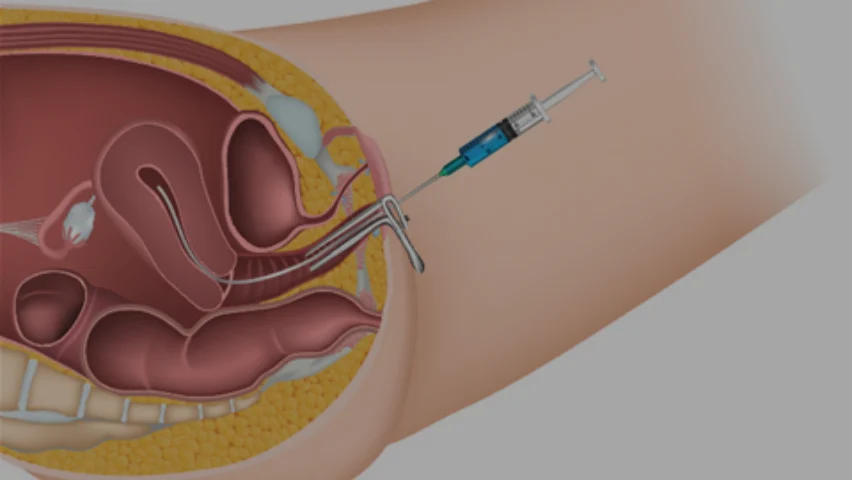
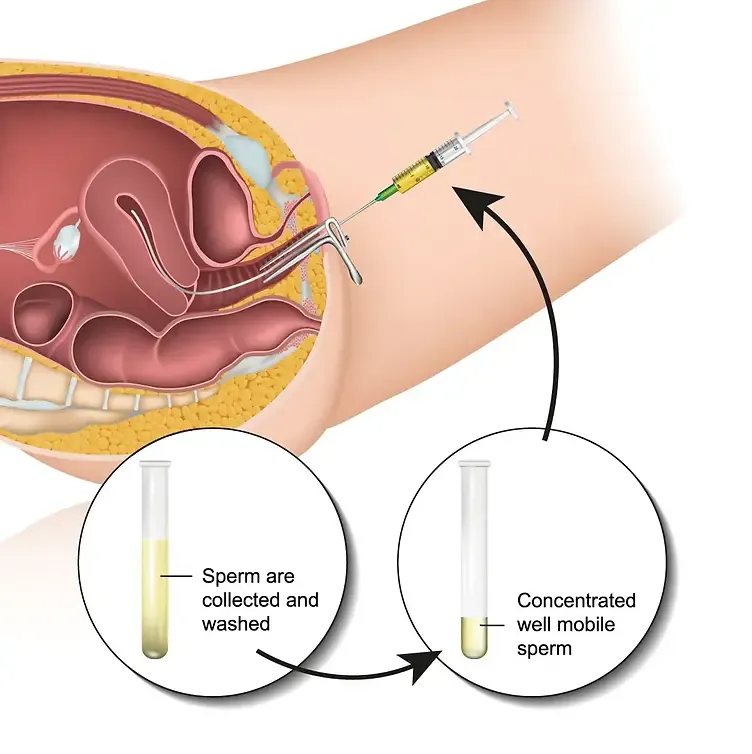
    Clinical insemination, also known as intrauterine insemination (IUI), involves placing washed sperm directly into the uterus using a catheter. This method is more invasive and requires the assistance of a fertility specialist. The success rate of clinical insemination is significantly higher than at-home insemination, but medications are still an essential part of the process.

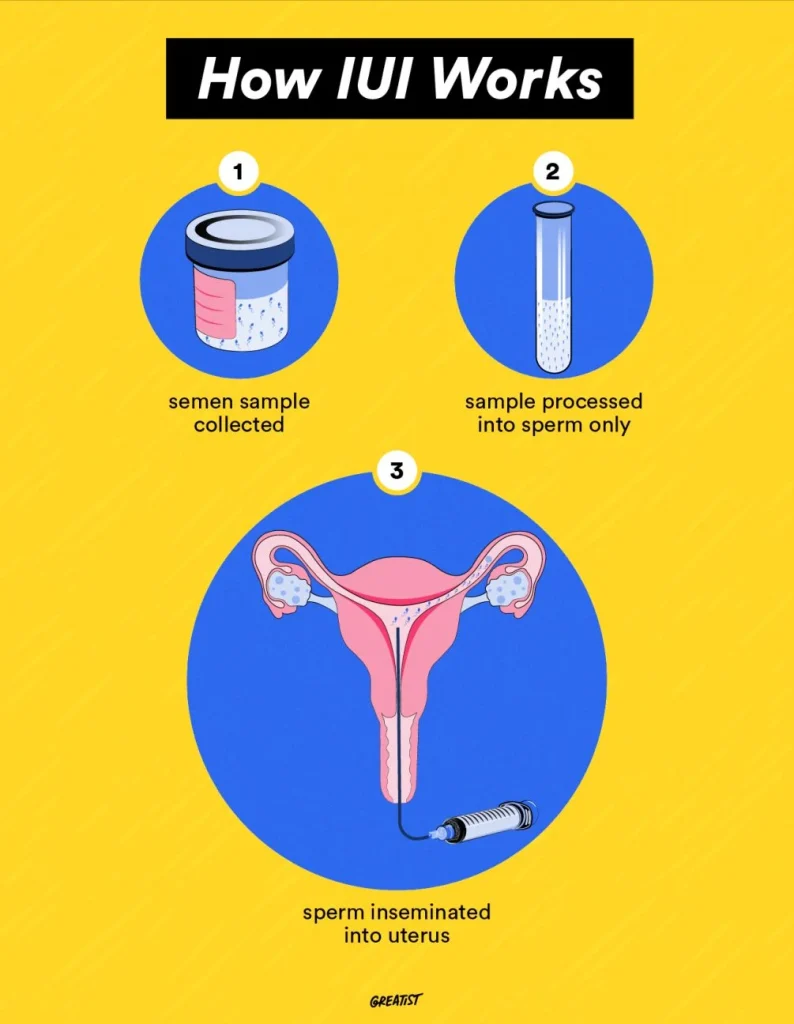
    Illustration of intrauterine insemination process, showing sperm collection and injection into the uterus.

    The Impact of Medications on At-Home and Clinical Insemination

    In clinical insemination, the medications used are similar to those in at-home insemination, but the dosage and administration may differ. In addition to Clomid and hCG, gonadotropins are another type of medication that may be prescribed for clinical insemination. These are injectable hormones that stimulate the ovaries to produce multiple eggs, increasing the chances of successful fertilization.

    Progesterone is another medication that is commonly used in clinical insemination. It is a hormone that is naturally produced by the body after ovulation and is essential in preparing the uterus for pregnancy. Progesterone supplements may be prescribed to help thicken the uterine lining and make it more receptive to embryo implantation.

    The Importance of Monitoring and Timing

    In both at-home and clinical insemination, medications are not the only crucial factor in achieving pregnancy. Proper monitoring and timing are also essential for success. In at-home insemination, women are advised to track their ovulation using ovulation predictor kits or by monitoring their basal body temperature. This helps to determine the best time to perform the insemination.

    In clinical insemination, monitoring is done through blood tests and ultrasounds to track the development of follicles (structures that contain eggs) in the ovaries. This allows the fertility specialist to determine the best time to trigger ovulation and perform the insemination. Timing is crucial in both methods, as insemination should be done as close to ovulation as possible for the best chances of success.

    Potential Side Effects of Medications

    As with any medication, there are potential side effects that come with using medications for insemination. The most common side effects of Clomid and gonadotropins include hot flashes, mood swings, and abdominal discomfort. Some women may also experience ovarian hyperstimulation syndrome (OHSS), a condition where the ovaries become swollen and painful.

    Progesterone supplements may cause side effects such as bloating, breast tenderness, and mood swings. It is essential to discuss potential side effects with a doctor and to report any unusual symptoms. In rare cases, severe side effects such as allergic reactions or blood clots may occur, and immediate medical attention should be sought.

    In conclusion, medications play a crucial role in the success of both at-home and clinical insemination. They can help regulate ovulation, increase the chances of successful fertilization, and prepare the uterus for pregnancy. However, proper monitoring and timing are also crucial for the best chances of success. It is important to consult with a fertility specialist and follow their instructions carefully to ensure the safe and effective use of medications in insemination.

    SEO Metadata:

  • The Role of Diet and Lifestyle in At-Home Insemination

    Blog Post:

    In recent years, at-home insemination has become an increasingly popular option for individuals and couples looking to start or expand their families. This method involves using a donor’s sperm to fertilize an egg, either through artificial insemination or self-insemination. While this process can be done in a medical setting, many people are opting to do it in the comfort of their own homes. In this blog post, we will explore the role of diet and lifestyle in at-home insemination and how making certain changes can improve the chances of a successful pregnancy.

    The first and most important factor to consider when it comes to at-home insemination is ovulation. Ovulation is the process of releasing an egg from the ovary, and it is crucial for fertilization to occur. A healthy diet and lifestyle can help regulate ovulation and increase the chances of getting pregnant. Eating a balanced diet that includes plenty of fruits, vegetables, whole grains, and lean proteins can provide the necessary nutrients for a healthy reproductive system. Avoiding processed foods, excessive alcohol, and smoking can also improve fertility and reduce the risk of complications during pregnancy.

    Another important aspect of diet and lifestyle to consider is maintaining a healthy weight. Being either underweight or overweight can have a significant impact on fertility. Women who are underweight may experience irregular or absent ovulation, while those who are overweight may have hormonal imbalances that can affect ovulation. It is recommended to consult with a healthcare provider to determine a healthy weight and develop a plan to achieve it before attempting at-home insemination.

    In addition to a healthy diet, regular exercise can also play a vital role in at-home insemination. Exercise can help regulate hormones, improve blood flow to the reproductive organs, and reduce stress levels. However, it is important to avoid excessive or intense exercise, as it can have a negative impact on fertility. Moderate exercise, such as walking, yoga, or swimming, is recommended for those trying to conceive.

    Stress is another factor that can significantly impact fertility. High levels of stress can disrupt the hormonal balance in the body, making it more difficult to conceive. Therefore, finding ways to manage stress is crucial for those attempting at-home insemination. Some effective stress-management techniques include yoga, meditation, deep breathing, and regular exercise. It is also essential to have a support system and to communicate openly with a partner or a close friend during this process.

    In addition to diet and lifestyle, there are also some specific foods and supplements that may improve fertility and increase the chances of a successful pregnancy. These include:

    1. Folic acid: This B vitamin is essential for fetal development and can reduce the risk of birth defects. It is recommended to take a folic acid supplement or eat foods rich in folic acid, such as leafy greens, legumes, and fortified cereals, before and during pregnancy.

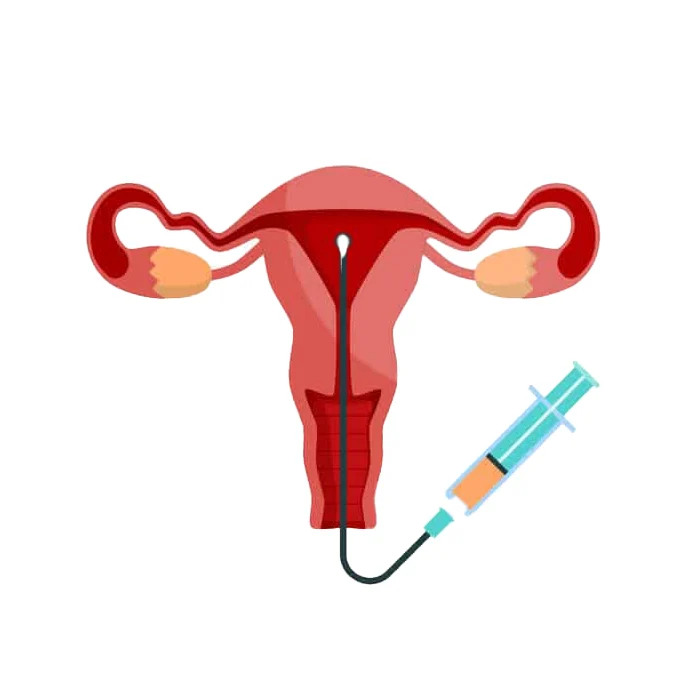
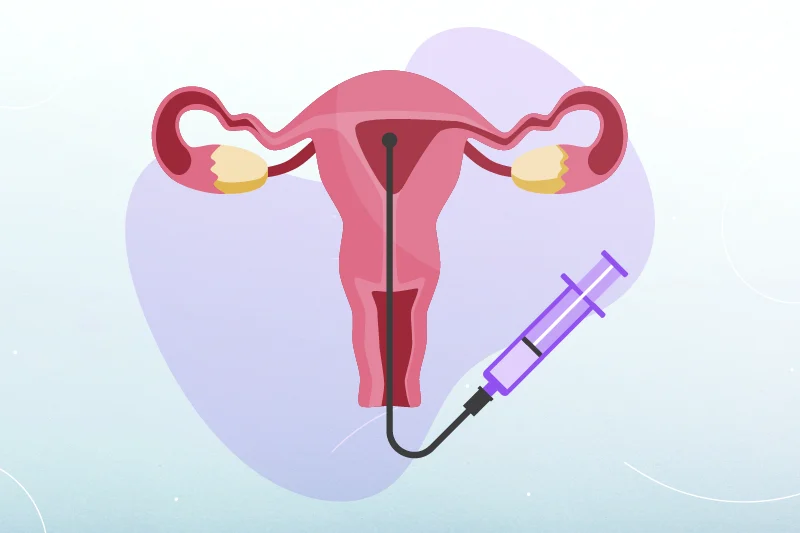
    Illustration of the uterus with a syringe, depicting the intrauterine insemination procedure.

    The Role of Diet and Lifestyle in At-Home Insemination

    2. Omega-3 fatty acids: These healthy fats are crucial for hormone production and can improve overall fertility. Sources of omega-3 fatty acids include fatty fish like salmon, chia seeds, and flaxseeds.

    3. Antioxidant-rich foods: Antioxidants can help protect the reproductive cells from damage and improve overall fertility. Foods rich in antioxidants include berries, dark leafy greens, nuts, and seeds.

    4. Zinc: This mineral is essential for sperm production and can improve male fertility. Good sources of zinc include oysters, beef, chicken, and pumpkin seeds.

    5. Vitamin D: Deficiency in this vitamin has been linked to infertility and pregnancy complications. It is recommended to get enough exposure to sunlight or take a supplement to maintain adequate levels of vitamin D.

    While diet and lifestyle play a crucial role in at-home insemination, it is also essential to follow proper techniques and guidelines for the process to be successful. Some tips for successful at-home insemination include tracking ovulation, using a sterile and hygienic environment, and following the instructions provided by the sperm donor or medical professional.

    In conclusion, at-home insemination can be a viable option for individuals and couples looking to start or expand their families. Making healthy lifestyle choices, including a balanced diet, regular exercise, and stress management, can improve fertility and increase the chances of a successful pregnancy. Consulting with a healthcare provider and following proper techniques and guidelines can also contribute to a positive outcome. By taking care of our bodies and making necessary changes, we can increase the likelihood of a successful at-home insemination.

    Summary:

    At-home insemination has become a popular option for individuals and couples looking to start or expand their families. It involves using a donor’s sperm to fertilize an egg, either through artificial insemination or self-insemination. Diet and lifestyle play a crucial role in this process, with factors such as ovulation, weight, exercise, stress, and specific foods and supplements all impacting fertility. It is essential to make healthy lifestyle choices, follow proper techniques and guidelines, and consult with a healthcare provider for a successful at-home insemination.

  • The Role of Ovulation Tests in At-Home Insemination

    Blog Post Title: Understanding the Importance of Ovulation Tests in At-Home Insemination

    At-home insemination, also known as self-insemination, is a method of conception in which couples or individuals use donor sperm to try and conceive a child in the comfort of their own home. This method has become increasingly popular as it allows for a more intimate and private experience compared to traditional methods such as in-clinic insemination or in vitro fertilization. However, for at-home insemination to be successful, timing is crucial. This is where ovulation tests come into play. In this blog post, we will explore the role of ovulation tests in at-home insemination and how they can increase the chances of a successful pregnancy.

    What is Ovulation?

    Before delving into the importance of ovulation tests in at-home insemination, it is essential to understand what ovulation is. Ovulation is a process in which a mature egg is released from the ovaries and travels down the fallopian tubes, ready to be fertilized by sperm. This usually occurs once a month, around the middle of a woman’s menstrual cycle. Ovulation is a critical aspect of conception, and timing intercourse or insemination during this window of fertility is crucial.

    The Role of Ovulation Tests in At-Home Insemination

    Ovulation tests, also known as ovulation predictor kits, are urine-based tests that detect the presence of luteinizing hormone (LH) in a woman’s body. LH is a hormone that surges just before ovulation, signaling the body to release an egg. By detecting this surge, ovulation tests can predict when ovulation is about to occur, giving couples a better understanding of their most fertile days.

    In at-home insemination, timing is crucial, as sperm can survive in the female reproductive tract for up to five days, while an egg is only viable for 12-24 hours after ovulation. By using ovulation tests, couples can accurately time insemination to maximize their chances of conception. It is recommended to start using ovulation tests a few days before the expected date of ovulation, as LH levels can vary from person to person. This way, couples can pinpoint their most fertile days and plan for insemination accordingly.

    Types of Ovulation Tests

    There are two types of ovulation tests available for at-home use: urine-based and saliva-based. Urine-based tests are the most common and work similarly to a pregnancy test. A woman collects her urine in a cup and then dips the test strip into the urine or uses a dropper to apply urine onto the test. The test will then indicate whether the LH surge is present or not. Saliva-based tests, on the other hand, require a woman to dry her saliva on a microscope slide and then examine it under a microscope. The presence of fern-like patterns in the saliva indicates an increase in estrogen levels, which is a sign of impending ovulation.

    The Benefits of Using Ovulation Tests in At-Home Insemination

    Using ovulation tests in at-home insemination can provide several benefits, including:

    diagram of a uterus with a syringe for intrauterine insemination procedure

    The Role of Ovulation Tests in At-Home Insemination

    1. Increased Accuracy: Ovulation tests are highly accurate in predicting ovulation, with most tests boasting a 99% accuracy rate. This can help couples avoid missing their most fertile days, increasing their chances of conceiving.

    2. Cost-Effective: Compared to other fertility treatments, at-home insemination and ovulation tests are relatively affordable. This makes it an attractive option for couples who may not have the financial means to pursue other fertility treatments.

    3. Convenience: Ovulation tests can be easily purchased over-the-counter or online, making them a convenient option for couples trying to conceive. They can be used in the privacy of one’s home, without the need for frequent visits to a fertility clinic.

    4. Education: By tracking their ovulation using tests, couples can gain a better understanding of their menstrual cycle and fertility. This information can be beneficial for future attempts at conception or when seeking medical assistance for fertility concerns.

    Potential Challenges of Using Ovulation Tests in At-Home Insemination

    While ovulation tests can be a helpful tool in at-home insemination, there are some potential challenges to be aware of, including:

    1. Inconsistent Results: Ovulation tests rely on the detection of hormones in a woman’s body, and these levels can vary from person to person. This can lead to inconsistent results, making it challenging to pinpoint the exact day of ovulation.

    2. User Error: As with any at-home test, user error can occur, leading to inaccurate results. It is essential to carefully follow the instructions provided with the test to ensure accurate results.

    3. False Positives or Negatives: Ovulation tests may sometimes produce false positives or negatives, indicating an LH surge when there isn’t one or not detecting a surge when it occurs. This can be frustrating and cause confusion for couples trying to conceive.

    In conclusion, ovulation tests play a vital role in at-home insemination by helping couples accurately predict ovulation and time insemination accordingly. While there may be some potential challenges, the benefits of using ovulation tests far outweigh the drawbacks. With proper use and understanding, ovulation tests can increase the chances of a successful pregnancy and bring joy to couples hoping to start a family.

    Summary:

    At-home insemination has become a popular method of conception for couples or individuals using donor sperm. Timing is crucial for this method to be successful, and ovulation tests play a significant role in predicting ovulation and increasing the chances of conception. These tests work by detecting the surge of luteinizing hormone (LH) in a woman’s body, indicating the release of an egg. There are two types of ovulation tests available: urine-based and saliva-based. While there may be some potential challenges with using ovulation tests, such as inconsistent results or user error, the benefits, such as increased accuracy, convenience, and education, make them a valuable tool for couples trying to conceive.

  • Navigating the World of At-Home Insemination

    As technology and medical advancements continue to evolve, more and more individuals and couples are turning to at-home insemination as a means of starting a family. Whether it’s due to infertility, same-sex relationships, or personal preference, at-home insemination offers a convenient and cost-effective alternative to traditional fertility treatments. However, navigating the world of at-home insemination can be overwhelming and intimidating for those who are new to the process. In this blog post, we will discuss everything you need to know about at-home insemination, including its benefits, methods, risks, and tips for a successful experience.

    Benefits of At-Home Insemination
    One of the main benefits of at-home insemination is the comfort and privacy it offers. For many individuals and couples, the thought of going to a fertility clinic can be daunting and may even discourage them from pursuing their dream of having a child. With at-home insemination, the entire process can be done in the comfort of your own home, making it a more relaxed and intimate experience.

    Another benefit of at-home insemination is the cost. Fertility treatments can be expensive, and many insurance plans do not cover them. At-home insemination, on the other hand, is significantly more affordable, with the average cost ranging from $50 to $500, depending on the method used. This makes it a more accessible option for those who may not have the financial means to pursue traditional fertility treatments.

    Methods of At-Home Insemination
    There are two main methods of at-home insemination: intracervical insemination (ICI) and intrauterine insemination (IUI). ICI involves inserting semen into the cervix using a syringe or a soft cup, while IUI involves placing the sperm directly into the uterus using a catheter. Both methods have their own advantages and disadvantages, and it’s important to understand the differences between them before deciding which one is right for you.

    ICI is a non-invasive and less complicated method, making it a popular choice for at-home insemination. However, it has a lower success rate compared to IUI, as the sperm has to travel a longer distance to reach the egg. IUI, on the other hand, has a higher success rate as the sperm is placed directly into the uterus, but it requires more preparation and may be more challenging to do at home without medical assistance.

    illustration explaining the steps of intrauterine insemination (IUI) process on a bright yellow background

    Navigating the World of At-Home Insemination

    Risks of At-Home Insemination
    While at-home insemination may seem like a simple and safe process, it’s important to be aware of the potential risks involved. Since it’s done without medical supervision, there is a higher risk of infection and injury if proper hygiene and precautions are not taken. It’s crucial to thoroughly wash your hands and sterilize all equipment before and after the insemination. Additionally, there is also a small risk of allergic reactions to sperm or sperm donors, so it’s essential to conduct thorough research and testing before proceeding with the insemination.

    Tips for a Successful At-Home Insemination
    To increase the chances of a successful at-home insemination, there are a few things you can do to prepare. First and foremost, it’s crucial to have a healthy lifestyle. This includes maintaining a healthy diet, exercising regularly, and avoiding alcohol and smoking. It’s also recommended to track your ovulation cycle using ovulation predictor kits or charting your basal body temperature.

    Choosing a sperm donor is another crucial aspect of at-home insemination. If using a known donor, it’s essential to have open and honest communication and to discuss any potential legal and emotional implications beforehand. If using a sperm bank, it’s important to carefully research and select a reputable one and to thoroughly read and understand the donor’s profile.

    Finally, it’s essential to have realistic expectations and to be patient. At-home insemination may not work on the first try, and it’s important to be mentally and emotionally prepared for this possibility. It may take several attempts before achieving a successful pregnancy, and it’s essential to seek medical assistance if necessary.

    In conclusion, at-home insemination offers a convenient and affordable option for those looking to start a family. However, it’s crucial to thoroughly research and understand the process, risks, and tips for a successful experience. With proper preparation and precautions, at-home insemination can be a fulfilling and rewarding journey towards parenthood.

  • The Role of Timing: Donor Insemination vs Partner Insemination

    The Role of Timing: Donor Insemination vs Partner Insemination

    Timing plays a crucial role in both donor insemination and partner insemination, two common methods used by individuals and couples to conceive a child. While both methods involve the introduction of sperm into the female reproductive system, there are key differences in terms of timing and how it affects the success of the insemination. In this blog post, we will delve into the importance of timing in both donor insemination and partner insemination, and how it can impact the outcome of the process.

    Donor insemination, also known as artificial insemination by donor (AID), is a process where a woman receives a sperm donation from a known or anonymous donor. The timing of a donor insemination is crucial because it involves the coordination of the donor’s sperm with the woman’s ovulation cycle. This is typically done through fertility tracking methods such as basal body temperature charting, ovulation predictor kits, or ultrasounds.

    One of the main advantages of donor insemination is that it allows for more control over the timing of conception. As the sperm is obtained from a donor, the process can be planned in advance, making it easier to coordinate with the woman’s ovulation. This is particularly beneficial for women with irregular or unpredictable ovulation cycles.

    Timing is also important in donor insemination because it can affect the success rate of the procedure. In order for conception to occur, the sperm needs to be present in the reproductive system during the woman’s fertile window, which is typically a few days leading up to and including ovulation. By tracking ovulation and timing the insemination accordingly, the chances of the sperm fertilizing the egg are increased.

    A person administering an injection into their abdomen with a yellow pen-like device.

    The Role of Timing: Donor Insemination vs Partner Insemination

    On the other hand, partner insemination, also known as artificial insemination by partner (AIP), involves using the male partner’s sperm to inseminate the female partner. Unlike donor insemination, the timing of partner insemination can be a bit more challenging as it relies on the male partner’s ability to produce sperm on demand. This means that the timing of the insemination may not always align perfectly with the woman’s ovulation.

    However, there are ways to improve the timing in partner insemination. One method is through the use of fertility medications, such as Clomid, which can stimulate the production of sperm and increase the chances of conception. Another option is to collect and freeze the male partner’s sperm in advance, allowing for more control over the timing of the insemination.

    Overall, timing is crucial in both donor insemination and partner insemination. While donor insemination offers more control over the timing of conception, partner insemination may require more planning and coordination to ensure the sperm is present during the woman’s fertile window.

    In addition to timing, there are other factors that can impact the success of both donor insemination and partner insemination. These include the health and fertility of both partners, the quality of the sperm, and any underlying fertility issues. It is important for individuals and couples considering either method to consult with a fertility specialist to determine the best course of action.

    In conclusion, timing plays a significant role in both donor insemination and partner insemination. While donor insemination offers more control over the timing of conception, partner insemination may require more planning and coordination. However, with the help of fertility tracking methods and medical interventions, couples can increase their chances of successful conception through either method.

  • The Role of Medication: Artificial Insemination and Natural Conception

    Blog Post: The Role of Medication: Artificial Insemination and Natural Conception

    In today’s world, there are many options available for couples who are struggling with fertility issues. One of these options is medication, which can be used for both artificial insemination and natural conception. But what exactly is the role of medication in these processes? In this blog post, we will delve into the details of how medication is used in both artificial insemination and natural conception methods, and the benefits and drawbacks of each.

    Artificial insemination, also known as intrauterine insemination (IUI), is a fertility treatment that involves placing sperm directly into a woman’s uterus to increase the chances of fertilization. This process can be done with or without the use of medication. In cases where medication is used, it is usually in the form of fertility drugs that stimulate the ovaries to produce multiple eggs. This increases the chances of pregnancy, as more eggs mean more opportunities for fertilization.

    The medication used in artificial insemination can vary, but the most common types are clomiphene citrate and gonadotropins. Clomiphene citrate is an oral medication that helps stimulate the release of hormones needed for ovulation. It is often the first choice for women who are not ovulating regularly. Gonadotropins, on the other hand, are injectable medications that contain the same hormones as the ones produced by the pituitary gland. They work by stimulating the ovaries to produce multiple mature eggs. Gonadotropins are usually used in cases where clomiphene citrate is not effective.

    One of the main benefits of using medication in artificial insemination is that it can increase the chances of pregnancy. By stimulating the ovaries to produce more eggs, there is a higher chance of at least one egg being fertilized. This is especially beneficial for women who have irregular cycles or do not ovulate on their own. Additionally, medication can help regulate the timing of ovulation, making it easier to plan for the insemination procedure.

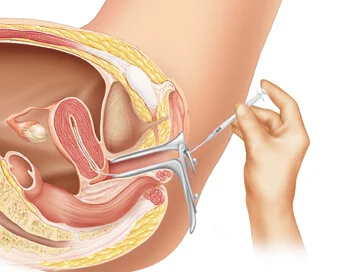
    illustration of intrauterine insemination procedure with a hand holding a speculum and syringe near the uterus

    The Role of Medication: Artificial Insemination and Natural Conception

    However, there are also some drawbacks to using medication in artificial insemination. One of the main concerns is the risk of multiple pregnancies. As the medication stimulates the ovaries to produce more eggs, there is a higher chance of releasing multiple eggs, which can lead to a higher chance of twins or even triplets. While this may be seen as a positive for some couples, it also increases the risk of complications during pregnancy and delivery. Another drawback is the potential side effects of the medication, which can include bloating, mood swings, and nausea.

    On the other hand, natural conception refers to the process of conceiving a child without any medical intervention. This method relies solely on the natural processes of ovulation and fertilization. In some cases, couples may choose to use fertility tracking methods, such as tracking ovulation through basal body temperature or ovulation predictor kits, to increase their chances of conceiving.

    The main benefit of natural conception is that it is a more natural and less invasive method compared to artificial insemination. It also eliminates the risks and potential side effects associated with medication. However, the success rate of natural conception may be lower compared to artificial insemination, especially for couples who are struggling with fertility issues. This is because there may be underlying factors that are preventing conception, such as low sperm count or blocked fallopian tubes.

    In some cases, couples may choose to combine both methods by using medication to stimulate ovulation and then attempting natural conception. This can increase the chances of pregnancy while still maintaining a more natural approach.

    In conclusion, medication plays a crucial role in both artificial insemination and natural conception methods. While it can increase the chances of pregnancy in artificial insemination, it is not always necessary for natural conception. Each method has its own benefits and drawbacks, and it is important for couples to discuss their options with a fertility specialist to determine the best course of action for their unique situation.

    Summary: Medication can be used in both artificial insemination and natural conception methods to increase the chances of pregnancy. In artificial insemination, medication is used to stimulate the ovaries to produce more eggs, while in natural conception, it relies solely on the natural processes of ovulation and fertilization. However, medication can also come with risks and potential side effects, and it is important for couples to weigh their options and consult with a fertility specialist to determine the best approach for their situation.

  • The Role of Timing: Artificial Insemination vs Natural Conception

    Blog Post: The Role of Timing: Artificial Insemination vs Natural Conception

    When it comes to starting a family, many couples may face challenges in conceiving a child. In recent years, there has been a rise in the use of artificial insemination as a method of conception. However, the debate between natural conception and artificial insemination still remains. One crucial factor that plays a role in both methods is timing. In this blog post, we will explore the role of timing in artificial insemination and natural conception and how it can impact the success of both methods.

    Natural Conception and Timing

    Natural conception, also known as sexual intercourse, is the most common way for couples to conceive a child. It involves the fertilization of an egg by sperm during the woman’s fertile window. The fertile window refers to the days in a woman’s menstrual cycle when she is most likely to conceive. Typically, this window occurs around day 14 of a 28-day menstrual cycle, but it can vary from woman to woman.

    Timing is crucial in natural conception because the egg is only viable for fertilization for about 12-24 hours after it is released from the ovary. Sperm, on the other hand, can survive in the female reproductive tract for up to 5 days. This means that couples need to have sexual intercourse during the fertile window to increase their chances of conception.

    Several factors can affect the timing of ovulation and, therefore, the fertile window. Stress, hormonal imbalances, and certain health conditions can all impact a woman’s menstrual cycle and make it difficult to pinpoint the exact time of ovulation. Additionally, age can also play a role, as women’s fertility declines with age, making it more challenging to conceive naturally.

    Artificial Insemination and Timing

    Artificial insemination involves the insertion of sperm directly into a woman’s uterus or cervix, bypassing the need for sexual intercourse. This method is often used by couples who have been unsuccessful in conceiving naturally or by same-sex couples or single individuals who want to have a child.

    Timing is also crucial in artificial insemination, but in a slightly different way. Unlike natural conception, where couples need to time sexual intercourse during the fertile window, artificial insemination requires the timing of the insemination procedure. The timing of the procedure is critical as it needs to be done when the woman is ovulating to increase the chances of conception.

    illustration of a uterus with a syringe for intrauterine insemination (IUI) procedure

    The Role of Timing: Artificial Insemination vs Natural Conception

    There are two types of artificial insemination: intrauterine insemination (IUI) and intracervical insemination (ICI). In IUI, the sperm is inserted directly into the uterus, while in ICI, it is placed in the cervix. IUI is typically performed around 24-36 hours after the woman has received a trigger shot, which helps induce ovulation. On the other hand, ICI is usually done within a few hours of a positive ovulation test.

    Timing is also essential in artificial insemination because sperm can only survive for a limited time outside of the body. To ensure the sperm is viable and can fertilize the egg, the timing of the procedure needs to be precise.

    Which Method is More Effective?

    When it comes to timing, both natural conception and artificial insemination require careful planning and consideration. However, studies have shown that artificial insemination may be more effective, especially for couples who have been struggling with fertility issues.

    In natural conception, the chances of conceiving in each cycle are around 20%, while in artificial insemination, it can be as high as 25%. This is because artificial insemination allows for a higher concentration of sperm, increasing the chances of fertilization. Additionally, artificial insemination also bypasses any potential issues with sperm motility or the female reproductive system, which can affect natural conception.

    Moreover, artificial insemination also allows for timing to be more controlled and precise. With natural conception, there is a higher chance of missing the fertile window, while artificial insemination can be timed to coincide with ovulation.

    Summarizing the Role of Timing in Artificial Insemination vs Natural Conception

    Timing plays a crucial role in both artificial insemination and natural conception. In natural conception, couples need to time sexual intercourse during the woman’s fertile window, while in artificial insemination, the timing of the procedure is essential. Both methods require careful planning and consideration to increase the chances of conception.

    While natural conception may be the preferred method for many couples, artificial insemination may be a more effective option, especially for those struggling with fertility issues. With the ability to control timing and bypass potential issues, artificial insemination can increase the chances of conception and help couples start a family.

    In conclusion, timing is a vital factor in both artificial insemination and natural conception. Whether couples choose to conceive naturally or opt for artificial insemination, understanding the role of timing can help them make an informed decision and increase their chances of success.

  • Intrauterine Insemination vs Timed Intercourse: Understanding the Potential Complications and Risks

    Blog Post: Intrauterine Insemination vs Timed Intercourse: Understanding the Potential Complications and Risks

    Deciding to start a family is an exciting and life-changing decision. However, for some couples, conceiving a child may not come as easily as they had hoped. In these situations, fertility treatments such as intrauterine insemination (IUI) and timed intercourse may be recommended by a fertility specialist. While both methods aim to increase the chances of pregnancy, they each come with their own set of potential complications and risks. In this blog post, we will dive into the differences between intrauterine insemination and timed intercourse and explore the potential complications and risks associated with each method.

    Intrauterine Insemination (IUI)

    Intrauterine insemination, also known as artificial insemination, is a fertility treatment method in which sperm is directly placed into a woman’s uterus during ovulation. This procedure is often used for couples with unexplained infertility or in cases where the male partner has a low sperm count or mobility.

    The process of IUI involves a series of steps. First, the male partner’s sperm is washed and prepared in the laboratory to ensure only the healthiest and most motile sperm are used for the procedure. Then, a thin catheter is inserted through the vagina and cervix, allowing the sperm to be placed directly into the uterus. This procedure is usually painless and takes only a few minutes to complete.

    Potential Complications and Risks of IUI

    While IUI is generally considered a safe and minimally invasive procedure, there are still potential complications and risks that couples should be aware of. One of the most common risks is infection, which can occur if the catheter used during the procedure is not properly sterilized. In rare cases, IUI can also cause damage to the uterus or cervix.

    Another risk associated with IUI is the potential for multiple pregnancies. Because multiple eggs can be released during ovulation, there is a higher chance of conceiving multiples with IUI. This can increase the risks and complications during pregnancy and delivery, as well as the financial and emotional strain of raising multiple children.

    Timed Intercourse

    Illustration of intrauterine insemination (IUI) procedure with syringe and catheter in the uterus.

    Intrauterine Insemination vs Timed Intercourse: Understanding the Potential Complications and Risks

    Timed intercourse, also known as ovulation induction, is another fertility treatment method that involves tracking a woman’s ovulation cycle and timing intercourse accordingly. This method can be used for couples with unexplained infertility or in cases where the female partner has irregular ovulation.

    The process of timed intercourse typically begins with monitoring a woman’s ovulation using ovulation predictor kits or ultrasounds. Once ovulation is detected, the couple is instructed to have intercourse during the most fertile days of the cycle. In some cases, fertility medications may also be prescribed to stimulate ovulation and increase the chances of pregnancy.

    Potential Complications and Risks of Timed Intercourse

    While timed intercourse may seem like a simple and natural method of conceiving, there are still potential complications and risks that couples should be aware of. One of the most common risks is the possibility of missing the fertile window. Ovulation can be unpredictable, and if the timing of intercourse is off, the chances of conceiving decrease significantly.

    Another potential complication is the use of fertility medications. These medications can cause side effects such as bloating, mood swings, and abdominal pain. In rare cases, they may also lead to ovarian hyperstimulation syndrome (OHSS), a condition in which the ovaries become swollen and painful.

    Which Method is Right for You?

    The decision between IUI and timed intercourse ultimately depends on various factors, including the cause of infertility, the age of the woman, and the couple’s preferences. It is essential to discuss all available options with a fertility specialist to determine which method is best suited for your individual situation.

    Summary

    Intrauterine insemination and timed intercourse are two common fertility treatment methods used to increase the chances of pregnancy. While IUI involves placing sperm directly into the uterus during ovulation, timed intercourse involves tracking ovulation and timing intercourse accordingly. Both methods come with their own set of potential complications and risks, including infection, multiple pregnancies, missed fertile window, and side effects from fertility medications. It is crucial to consult with a fertility specialist to determine the best treatment option for your individual needs.

  • Intrauterine Insemination vs Timed Intercourse: How to Prepare Your Body for Pregnancy

    Blog Post:

    Preparing your body for pregnancy is an important step for anyone looking to start a family. For couples struggling with fertility, there are two commonly used methods to increase their chances of conception: intrauterine insemination (IUI) and timed intercourse. Both options have their own unique benefits and considerations, and it’s important to understand the differences between the two in order to make an informed decision. In this blog post, we will explore the key differences between IUI and timed intercourse, as well as how to prepare your body for pregnancy using either method.

    Intrauterine Insemination (IUI):

    IUI is a form of assisted reproductive technology (ART) where sperm is directly inserted into the uterus during a woman’s fertile window. This method is commonly used for couples with unexplained infertility, mild male factor infertility, or cervical issues. IUI can also be used for same-sex couples or single women who are using donor sperm.

    The procedure for IUI involves the use of a small catheter to insert the washed and prepared sperm into the uterus. This bypasses the cervix and allows the sperm to have a better chance of reaching the fallopian tubes and fertilizing the egg. IUI is typically painless and can be done in a doctor’s office without the need for anesthesia.

    Preparing Your Body for IUI:

    Before undergoing IUI, it’s important to prepare your body to increase your chances of success. This includes making lifestyle changes such as quitting smoking, reducing alcohol intake, and maintaining a healthy weight. It’s also important to have a pre-IUI checkup with your doctor to ensure that you are in good overall health and there are no underlying issues that may affect the procedure.

    In addition to lifestyle changes, your doctor may also prescribe fertility medications to stimulate ovulation and increase the number of eggs produced. These medications can include oral medications such as Clomid or injectable hormones like gonadotropins. It’s important to closely follow your doctor’s instructions and attend all monitoring appointments to ensure that the medications are working properly.

    illustration of intrauterine insemination procedure with a hand holding a speculum and syringe near the uterus

    Intrauterine Insemination vs Timed Intercourse: How to Prepare Your Body for Pregnancy

    Timed Intercourse:

    Timed intercourse is a natural method of trying to conceive where couples have sex during a woman’s fertile window. This is typically the five days leading up to ovulation and the day of ovulation itself. Timing is crucial for this method, as sperm can survive in the female reproductive tract for up to five days, while the egg is only viable for about 24 hours after ovulation.

    This method is often used for couples with unexplained infertility or mild male factor infertility. It can also be a more affordable option compared to IUI or other ART procedures. However, timed intercourse can be stressful for some couples, as it requires careful tracking of ovulation and frequent intercourse during the fertile window.

    Preparing Your Body for Timed Intercourse:

    Unlike IUI, there are no medical procedures involved in timed intercourse. However, there are still steps you can take to prepare your body for pregnancy. As with IUI, making lifestyle changes such as quitting smoking and reducing alcohol intake can improve fertility. Additionally, tracking ovulation through methods such as basal body temperature charting or ovulation predictor kits can help determine the best time for intercourse.

    It’s also important to maintain a healthy and balanced diet, as well as incorporating regular exercise into your routine. This can help regulate hormones and improve overall reproductive health. Some studies have also shown that certain supplements, such as folic acid, can improve fertility and increase the chances of conception.

    Summary:

    Intrauterine insemination (IUI) and timed intercourse are two commonly used methods for couples struggling with fertility. IUI involves the insertion of washed and prepared sperm into the uterus, while timed intercourse relies on natural conception during a woman’s fertile window. Both methods have their own unique benefits and considerations, and it’s important to prepare your body for pregnancy using either method. This includes making lifestyle changes, attending doctor appointments, and closely following instructions for fertility medications. Timed intercourse also requires careful tracking of ovulation and maintaining a healthy diet and exercise routine. By understanding the differences between IUI and timed intercourse and taking steps to prepare your body, you can increase your chances of conceiving and starting your journey towards parenthood.