Tag: fertility

  • Fertility Tracking Apps: Are They Worth the Hype?

    Fertility tracking apps have become increasingly popular in recent years, with claims of helping women track their menstrual cycles, ovulation, and fertility windows. These apps promise to make it easier for women to plan or prevent pregnancy, and some even offer additional features such as personalized health insights and reminders for self-care. But are these apps really worth the hype? In this blog post, we will explore the pros and cons of fertility tracking apps and analyze whether they truly live up to their promises.

    First, let’s understand what fertility tracking apps are and how they work. These apps use algorithms and data input by the user to predict ovulation and fertility windows. The user can input information such as menstrual cycle length, period dates, and any symptoms or changes in their body. Some apps also allow users to track their basal body temperature and cervical mucus, which are indicators of fertility. Based on this information, the app generates a fertility calendar and provides personalized insights and predictions.

    One of the main advantages of fertility tracking apps is convenience. These apps are easily accessible on smartphones and can be used anywhere at any time. This makes it easier for women to track their cycles and fertility without the need for traditional methods such as charting on paper. Additionally, some apps also offer features like cycle summaries and reminders for taking birth control pills, making it easier for women to stay on top of their reproductive health.

    Another benefit of fertility tracking apps is the potential for increased awareness and understanding of one’s body. By tracking their menstrual cycle and fertility, women may become more in tune with their bodies and notice any changes or irregularities. This can be especially helpful for those trying to conceive, as they can identify their most fertile days and increase their chances of becoming pregnant. Some apps even offer educational resources and information about reproductive health, which can be empowering for users.

    However, there are also some downsides to fertility tracking apps that should be considered. One major concern is the reliability and accuracy of these apps. While some apps may use scientifically-backed algorithms, others may not be as accurate. This can lead to incorrect predictions and potentially cause issues for those relying on the app for family planning. It’s important to carefully research and choose a reputable app with good reviews and accurate algorithms.
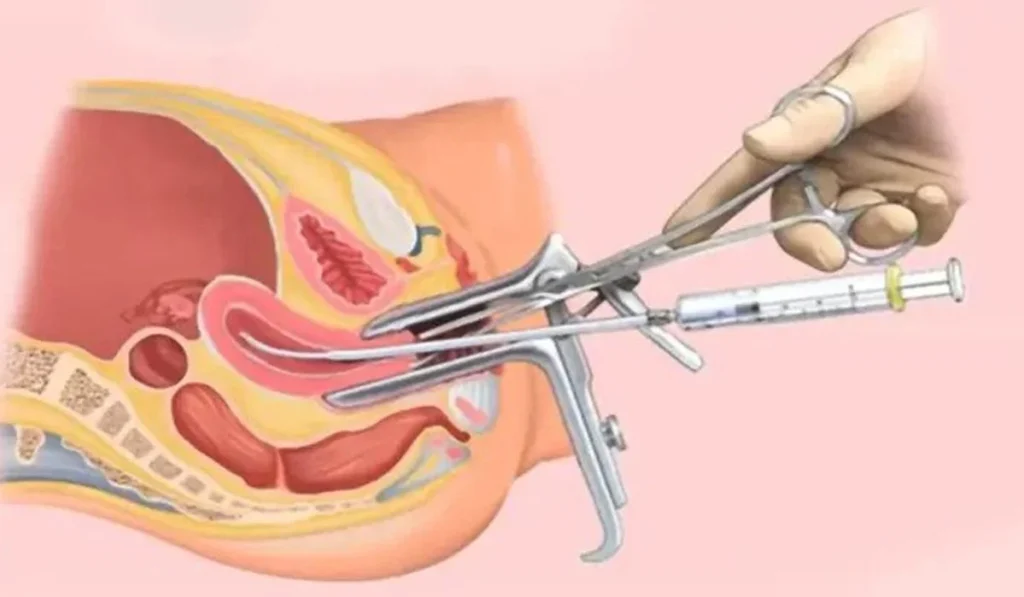
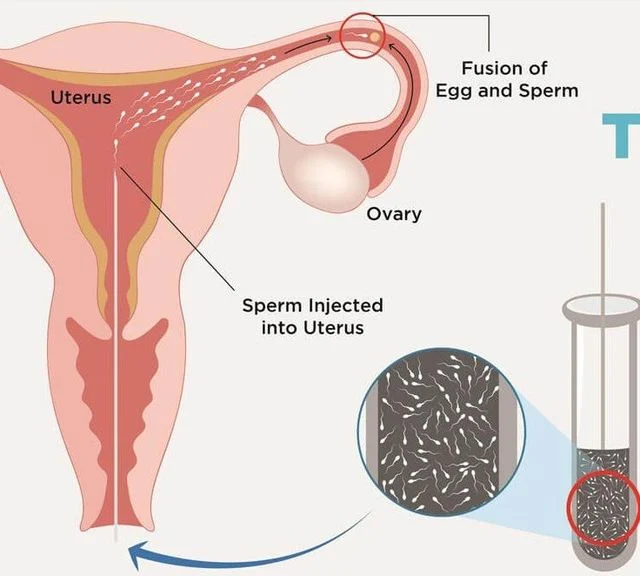
    illustration of an intrauterine insemination procedure with medical instruments and anatomical details

    Fertility Tracking Apps: Are They Worth the Hype?

    Moreover, fertility tracking apps may not be suitable for everyone. These apps may not work as well for those with irregular periods or conditions that affect their menstrual cycle. It’s also important to note that these apps should not be used as a replacement for medical advice. If you are experiencing any fertility issues or concerns, it’s best to consult a healthcare professional rather than relying solely on an app.

    Privacy is another aspect to consider when using fertility tracking apps. These apps require personal information such as menstrual cycle dates and intimate details about one’s body. While most apps claim to have strong privacy policies and secure data storage, there have been concerns about data breaches and the selling of user data in the past. It’s important to thoroughly read the app’s privacy policy and be cautious about the information you share.

    In addition, the use of fertility tracking apps can also contribute to increased stress and anxiety for some users. Trying to conceive can already be a stressful and emotional journey, and relying on an app for fertility predictions can add to that pressure. It’s important for users to take breaks from the app and not become too dependent on it for their reproductive health.

    So, are fertility tracking apps worth the hype? The answer is not a simple yes or no. These apps can be useful tools for some women, providing convenience, awareness, and potential insights into their reproductive health. However, they should not be relied upon as the sole method of family planning and should be used in conjunction with other methods or medical advice. It’s also important to carefully research and choose a reputable app and be aware of the potential downsides and limitations.

    In conclusion, fertility tracking apps can be beneficial for those looking to track their menstrual cycle and fertility. They offer convenience, increased awareness, and potential insights, but it’s important to carefully consider their accuracy and limitations. These apps should not be seen as a replacement for medical advice and should be used with caution. Ultimately, it’s up to individual users to weigh the pros and cons and decide if fertility tracking apps are worth the hype for them.
  • The Power of Data: How Fertility Tracking Apps Are Changing the Game

    Blog Post:

    Data has become an essential part of our daily lives, and it’s no surprise that it has also revolutionized the way we approach fertility tracking. In recent years, fertility tracking apps have gained immense popularity, providing women with a convenient and accurate way to monitor their menstrual cycles, ovulation, and overall reproductive health. These apps use data and technology to help women better understand their bodies, plan or prevent pregnancy, and even identify potential fertility issues. In this blog post, we will explore the power of data in fertility tracking apps and how they are changing the game for women’s reproductive health.

    The Rise of Fertility Tracking Apps:

    Fertility tracking, also known as natural family planning, has been around for centuries. Women have been using various methods like tracking their basal body temperature, cervical mucus, and menstrual cycle to understand their fertility and plan or prevent pregnancy. However, these methods were often tedious, inaccurate, and required a lot of manual tracking. With the rise of technology, fertility tracking has become more accessible, convenient, and accurate through the use of fertility tracking apps.

    These apps use algorithms and data from users to predict ovulation, fertile windows, and menstrual cycles. They also offer features like symptom tracking, reminders, and personalized insights to help women better understand their reproductive health. The popularity of these apps can be attributed to their ease of use, privacy, and accuracy. With just a few taps on their smartphones, women can track their cycles, receive personalized predictions and insights, and even connect with other users for support and advice.

    The Power of Data in Fertility Tracking Apps:

    One of the most significant advantages of fertility tracking apps is the use of data to provide accurate predictions and insights. These apps collect data from users, such as menstrual cycle length, period flow, and symptoms, and use it to create personalized fertility charts and predictions. The more data a user inputs, the more accurate the predictions become. This data-driven approach not only makes fertility tracking more efficient but also empowers women to take control of their reproductive health.

    Moreover, fertility tracking apps also use data to identify potential fertility issues. For example, irregularities in menstrual cycles or symptoms like excessive bleeding or severe cramps can be a sign of underlying health problems. By tracking these symptoms and providing the data to their healthcare providers, women can receive early detection and treatment for these issues. This not only improves their reproductive health but also overall well-being.

    Supporting Women’s Health Choices:

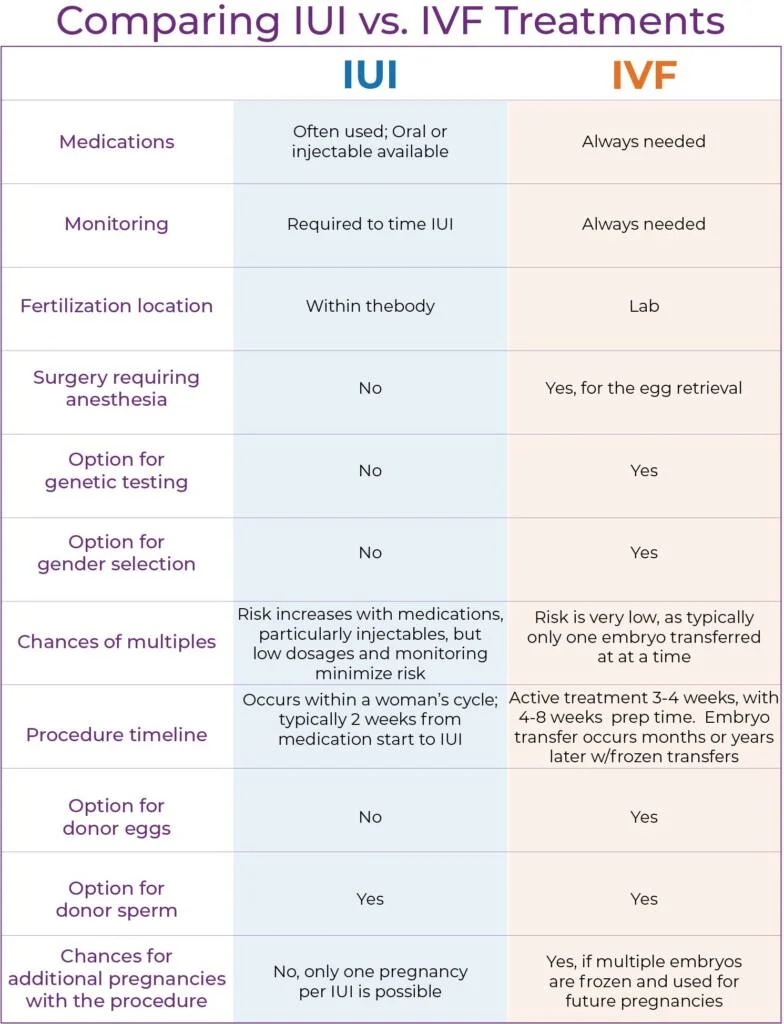
    Comparison chart of IUI and IVF treatments, detailing medications, monitoring, procedures, and success rates.

    The Power of Data: How Fertility Tracking Apps Are Changing the Game

    Fertility tracking apps not only provide women with insights into their reproductive health but also support their health choices. These apps offer features like birth control reminders and family planning tools, helping women make informed decisions about their reproductive health. For those trying to conceive, these apps can be incredibly helpful in identifying the most fertile days and tracking ovulation. On the other hand, for those looking to prevent pregnancy, these apps can act as a convenient alternative to traditional birth control methods.

    Moreover, fertility tracking apps also allow women to track other aspects of their health, such as mood, energy levels, and exercise. This data can help women identify patterns and make lifestyle changes to improve their overall well-being. By promoting a holistic approach to reproductive health, these apps empower women to take charge of their health and make informed choices.

    The Impact on Women’s Health:

    The use of data in fertility tracking apps has had a significant impact on women’s reproductive health. These apps have not only made fertility tracking more accessible and convenient but have also helped identify potential fertility issues and support women’s health choices. With the abundance of data collected, these apps also have the potential to contribute to medical research and advancements in women’s healthcare.

    Moreover, the rise of fertility tracking apps has also led to a shift in societal attitudes towards women’s reproductive health. These apps have made it easier for women to openly discuss and seek information about their reproductive health, breaking the stigma surrounding the topic. With more data and information available, women can make informed choices about their reproductive health, leading to better overall health outcomes.

    In Conclusion:

    Fertility tracking apps have become a game-changer in women’s reproductive health, thanks to the power of data. These apps offer a convenient and accurate way to track menstrual cycles, ovulation, and overall reproductive health. By using data to provide personalized insights and predictions, these apps empower women to take control of their reproductive health and make informed decisions. With the potential to impact medical research and change societal attitudes, the power of data in fertility tracking apps is truly remarkable.

    Summary:

    Fertility tracking apps have gained popularity in recent years for their convenience, accuracy, and use of data to monitor women’s menstrual cycles and reproductive health. These apps use algorithms and personal data to provide personalized insights and predictions, making fertility tracking more efficient and empowering women to make informed decisions about their reproductive health. They also support women’s health choices and have the potential to impact medical research and societal attitudes towards women’s reproductive health.

  • From Pen and Paper to Pixels: How Fertility Tracking Methods Have Changed

    From Pen and Paper to Pixels: How Fertility Tracking Methods Have Changed

    Fertility tracking is the process of monitoring and recording various aspects of a woman’s menstrual cycle in order to determine the most fertile days for conception. For many years, this was done using pen and paper, with women tracking their cycles through handwritten charts and calendars. However, with the advancement of technology, fertility tracking methods have evolved and shifted towards digital tools and devices. In this blog post, we will explore the journey from pen and paper to pixels and how it has revolutionized the way women track their fertility.

    The Traditional Method: Pen and Paper

    Before the digital age, women relied on pen and paper to track their fertility. This involved keeping a record of their menstrual cycles, including the first day of their period, the duration of their cycle, and any changes or irregularities. This information was then used to predict the most fertile days for conception. This method required a lot of manual work and calculation, and there was always room for error.

    The Rise of Digital Fertility Tracking

    With the rise of technology, fertility tracking methods have become more advanced and accurate. The first digital fertility tracking method was the basal body temperature (BBT) method, which involved using a special thermometer to track subtle changes in body temperature that occur during ovulation. This method was more accurate than the traditional pen and paper method, but it still required manual tracking and recording.

    The introduction of fertility tracking apps took this process to the next level. These apps allow women to input their menstrual cycle data, and they use algorithms to predict the most fertile days for conception. They also offer additional features such as tracking symptoms, mood, and lifestyle factors that may affect fertility. This has made the process more convenient and accurate, as the data is automatically recorded and analyzed.

    The Role of Wearable Devices

    Another significant development in fertility tracking has been the introduction of wearable devices, such as fertility bracelets and smartwatches. These devices use sensors to track various physiological data, including body temperature, heart rate, and sleep patterns. They also sync with fertility tracking apps, providing more accurate data and predictions. This has made the process of fertility tracking even more effortless and accurate, as the data is collected in real-time without any manual input.

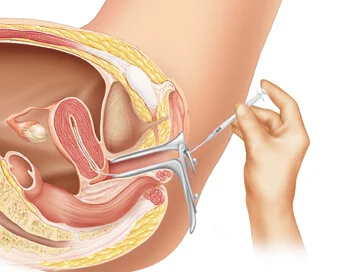
    illustration of intrauterine insemination procedure with a hand holding a speculum and syringe near the uterus

    From Pen and Paper to Pixels: How Fertility Tracking Methods Have Changed

    The Advantages of Digital Fertility Tracking

    The shift towards digital fertility tracking methods has brought numerous advantages for women. Firstly, it offers a more accurate way of tracking fertility, as the data is automatically recorded and analyzed, reducing the chances of human error. Secondly, it is more convenient and less time-consuming than the traditional pen and paper method. With just a few clicks, women can track their cycles and get predictions on their most fertile days. Additionally, digital fertility tracking also allows for more comprehensive tracking of various factors that may affect fertility, such as lifestyle and environmental factors. This can provide valuable insights for women trying to conceive.

    Challenges and Controversies

    While digital fertility tracking methods have numerous advantages, they also come with their own set of challenges and controversies. One of the main concerns is the reliability and accuracy of these methods. While they are more accurate than the traditional method, they are not foolproof, and there is still room for error. Another concern is the privacy of data collected by these apps and devices. As they collect sensitive information about a woman’s menstrual cycle, there have been concerns about data privacy and security. Additionally, some critics argue that relying solely on technology for fertility tracking may lead to a loss of awareness and understanding of one’s own body and cycles.

    The Future of Fertility Tracking

    As technology continues to advance, we can expect to see further developments in fertility tracking methods. One area that is gaining traction is the use of artificial intelligence (AI) in fertility tracking. AI-powered fertility tracking apps and devices can analyze vast amounts of data and provide more accurate predictions. Another exciting development is the use of non-invasive methods, such as saliva or urine testing, to track fertility. These methods eliminate the need for manual tracking and can provide more accurate results.

    In conclusion, the journey from pen and paper to pixels has transformed the way women track their fertility. Digital fertility tracking methods offer numerous advantages, such as convenience and accuracy, but they also come with their own set of challenges. As technology continues to advance, we can expect to see even more innovations in this field, making the process of fertility tracking even more accurate and effortless.

    Summary:

    Fertility tracking methods have evolved from traditional pen and paper methods to digital tools and devices. The rise of technology has led to the development of fertility tracking apps and wearable devices, making the process more accurate and convenient. However, digital fertility tracking also comes with its own set of challenges and controversies. The future of fertility tracking looks promising, with the potential for AI-powered apps and non-invasive methods. Overall, the shift towards digital fertility tracking has revolutionized the way women track their fertility.

  • Revolutionizing Fertility Tracking: The Rise of Apps

    Revolutionizing Fertility Tracking: The Rise of Apps

    In recent years, there has been a significant increase in the use of fertility tracking apps. These apps, designed to help women track their menstrual cycles, ovulation, and fertility, have become a popular tool for women trying to conceive or simply gain a better understanding of their bodies. With the rise of technology and the increasing demand for more personalized and convenient healthcare options, fertility tracking apps have revolutionized the way women approach their reproductive health. In this blog post, we will explore the reasons behind the rise of these apps, their features, and their impact on women’s health.

    The Need for Fertility Tracking Apps

    For many years, women have relied on traditional methods such as tracking their cycles on calendars or using physical fertility tracking devices to monitor their fertility. However, these methods have limitations and are often not accurate or convenient. With the advancements in technology, fertility tracking apps have emerged as a more accessible and efficient alternative.

    One of the main reasons for the popularity of fertility tracking apps is the increasing number of women who are postponing pregnancy to later in life. As women age, their fertility declines, and they become more conscious of their reproductive health. Fertility tracking apps allow women to monitor their cycles and ovulation, providing them with information about their most fertile days to help them plan for pregnancy.

    In addition, these apps have also become useful for women who are trying to avoid pregnancy. By tracking their menstrual cycles, women can determine their most fertile days and take necessary precautions to avoid pregnancy. This is especially beneficial for those who do not want to use hormonal contraceptives or other traditional birth control methods.

    Features of Fertility Tracking Apps

    Fertility tracking apps offer a range of features that make them a valuable tool for women’s reproductive health. These apps use various methods, such as calendar tracking, basal body temperature tracking, and cervical mucus monitoring, to help women track their cycles and determine their most fertile days.

    Many fertility tracking apps also offer personalized insights and predictions based on the user’s data. This allows women to understand their unique patterns and get more accurate predictions about their fertility. Some apps even offer additional features, such as reminders to take birth control pills or notifications for when to expect their next period.

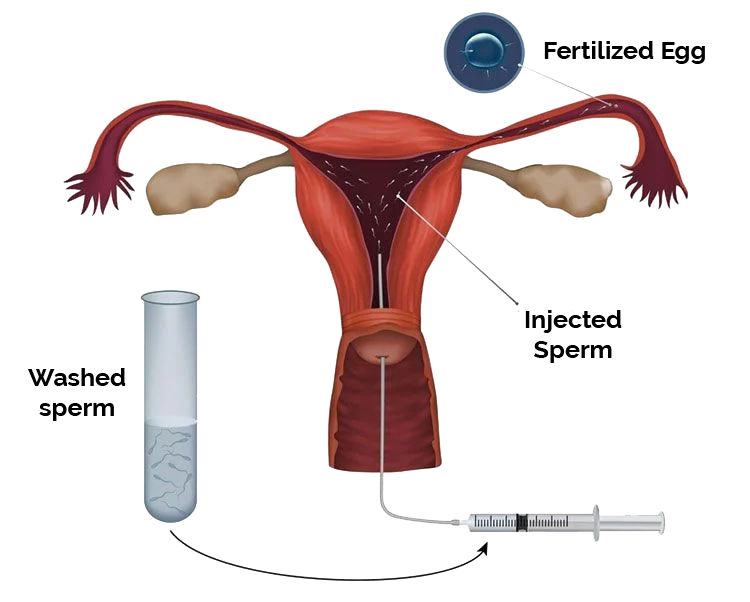
    Diagram illustrating the IUI process, showing sperm injection into the uterus and egg fertilization.

    Revolutionizing Fertility Tracking: The Rise of Apps

    The Impact of Fertility Tracking Apps on Women’s Health

    The rise of fertility tracking apps has had a significant impact on women’s health. These apps have empowered women to take control of their reproductive health and make informed decisions about their fertility. By tracking their cycles and understanding their bodies better, women can identify any irregularities or potential health issues and seek medical help if needed.

    Moreover, fertility tracking apps have also helped break the stigma surrounding women’s reproductive health. By providing a discreet and convenient way for women to track their fertility, these apps have made it easier for women to discuss their reproductive health without feeling uncomfortable.

    Future of Fertility Tracking Apps

    As the use of fertility tracking apps continues to grow, we can expect to see more advancements and improvements in these apps. With the integration of artificial intelligence and machine learning, these apps will become even more personalized and accurate in predicting fertility.

    Furthermore, fertility tracking apps are also becoming a part of the larger trend of telemedicine and remote healthcare. With the ability to track and share data with healthcare providers, these apps can offer a more holistic approach to women’s reproductive health.

    In conclusion, fertility tracking apps have revolutionized the way women approach their reproductive health. With their convenience, accuracy, and personalized features, these apps have become a valuable tool for women trying to conceive or simply gain a better understanding of their bodies. As technology continues to advance, we can expect to see even more advancements in these apps, making them an essential part of the modern woman’s healthcare journey.

    Summary:

    Fertility tracking apps have become a popular tool for women trying to conceive or gain a better understanding of their bodies. These apps provide a more convenient and accurate alternative to traditional methods of fertility tracking. They offer features such as calendar tracking, personalized insights, and predictions, and have had a significant impact on women’s health by empowering them to take control of their reproductive health and breaking the stigma surrounding it. With advancements in technology, these apps are expected to become even more personalized and integrated into telemedicine and remote healthcare.

  • Navigating Fertility: Comparing Apps and Traditional Tracking Tools

    Navigating Fertility: Comparing Apps and Traditional Tracking Tools

    Fertility is a topic that has been gaining more attention in recent years as more couples struggle with conceiving. With advancements in technology, there are now various apps and traditional tracking tools available to help individuals and couples navigate their fertility journey. In this blog post, we will explore the different options and compare apps and traditional tracking tools to help you decide which one may be best for you.

    Understanding Fertility Tracking

    Before diving into the comparison, it’s important to understand the basics of fertility tracking. Fertility tracking involves monitoring and recording various fertility signs such as menstrual cycle, basal body temperature, cervical mucus, and ovulation. By tracking these signs, individuals can identify their most fertile days and increase their chances of conception.

    Apps for Fertility Tracking

    In recent years, there has been a surge in the popularity of fertility tracking apps. These apps use algorithms and data input by users to predict ovulation and fertile days. There are many different apps available, each with its unique features and interface. Some popular options include Clue, Flo, and Glow.

    Pros of Apps for Fertility Tracking

    One of the main advantages of using an app for fertility tracking is convenience. Most apps are available for download on smartphones, making it easy to track on-the-go. These apps also have features that allow users to input data such as menstrual cycle length, ovulation test results, and other fertility signs, making it easier to keep track of everything in one place. Additionally, some apps offer additional features such as personalized insights, community forums, and partner syncing options.

    Cons of Apps for Fertility Tracking

    One of the main drawbacks of using fertility tracking apps is their reliance on algorithms and data input by users. This means that the accuracy of predictions and fertile window may vary from person to person. Some apps also require a paid subscription for full access to features, which can be costly in the long run.

    Traditional Tracking Tools

    Traditional tracking tools have been used for decades to monitor fertility signs. These tools include ovulation predictor kits (OPKs), basal body temperature thermometers, and cervical mucus monitoring. Unlike apps, these tools do not rely on algorithms or data input and instead provide more accurate readings of fertility signs.

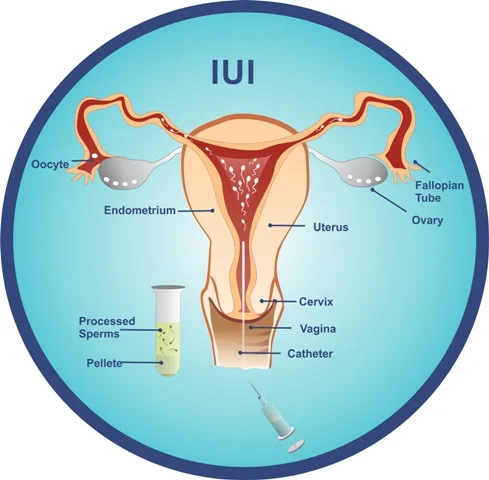
    diagram of the female reproductive system with an IUI syringe and test tube for artificial insemination

    Navigating Fertility: Comparing Apps and Traditional Tracking Tools

    Pros of Traditional Tracking Tools

    One of the main advantages of traditional tracking tools is their accuracy. OPKs, for example, use urine tests to detect the surge in luteinizing hormone, which is a primary indicator of ovulation. Basal body temperature thermometers are also highly accurate in detecting changes in body temperature that occur during ovulation. Additionally, these tools are often more affordable in the long run compared to fertility tracking apps.

    Cons of Traditional Tracking Tools

    One of the main drawbacks of traditional tracking tools is the inconvenience and time commitment required. For example, basal body temperature thermometers require daily temperature readings at the same time each morning, which can be challenging for individuals with irregular sleep schedules. OPKs also require daily testing during the predicted fertile window, which can be costly and time-consuming.

    Comparing Apps and Traditional Tracking Tools

    When it comes to comparing apps and traditional tracking tools, it ultimately depends on personal preference and individual fertility needs. Apps offer convenience and additional features, while traditional tracking tools provide more accurate readings. Some individuals may find it beneficial to use a combination of both methods for a more comprehensive tracking approach.

    Tips for Effective Fertility Tracking

    Regardless of whether you choose to use apps or traditional tracking tools, there are some tips that can help make your fertility tracking more effective:

    1. Be consistent: Whether using an app or traditional tracking tool, it’s important to be consistent with tracking your fertility signs. This will provide more accurate data and help identify patterns.

    2. Educate yourself: It’s essential to understand the basics of fertility and how tracking works to make informed decisions about your fertility journey.

    3. Seek professional help: If you are struggling to conceive or have concerns about your fertility, it’s best to consult a healthcare professional for guidance and support.

    Summary:

    Fertility tracking is essential for individuals and couples who are trying to conceive. With advancements in technology, there are now various apps and traditional tracking tools available to help in this process. Apps offer convenience and additional features, while traditional tracking tools provide more accurate readings. Some tips for effective fertility tracking include being consistent, educating yourself, and seeking professional help if needed.

  • The Pros and Cons of Fertility Tracking Apps and Traditional Methods

    Blog Post:

    Fertility tracking is a crucial aspect for many couples who are trying to conceive or avoid pregnancy. In the past, traditional methods such as calendar tracking and cervical mucus observation were used to track fertility. However, with the rise of technology, fertility tracking apps have become increasingly popular. These apps claim to make the process of tracking fertility easier and more accurate. But are they really better than traditional methods? In this blog post, we will discuss the pros and cons of fertility tracking apps and traditional methods.

    Pros of Fertility Tracking Apps:

    1. Convenience: One of the biggest advantages of using fertility tracking apps is convenience. These apps can be easily downloaded on smartphones and can be used anytime and anywhere. Unlike traditional methods, where you need to keep a physical record, these apps automatically track and store your data, making it easier for you to view and analyze your fertility patterns.

    2. Accurate Predictions: Fertility tracking apps use advanced algorithms and data analysis to predict ovulation and fertile days. These predictions are based on the user’s menstrual cycle data, making them more accurate than traditional methods. This helps couples to plan their intercourse more effectively, increasing their chances of conceiving.

    3. Additional Features: Many fertility tracking apps come with additional features such as reminders for taking birth control pills, tracking symptoms, and providing personalized tips for improving fertility. These features not only make the process of tracking fertility easier but also help couples to understand their bodies better.

    4. Privacy: Fertility is a personal matter, and many couples prefer to keep it private. Fertility tracking apps provide a sense of privacy as compared to traditional methods, where you might have to share your data with a healthcare provider.

    Cons of Fertility Tracking Apps:

    1. Cost: While some fertility tracking apps are free, others come with a price tag. The cost can add up over time, especially if the app requires a subscription. On the other hand, traditional methods are free of cost and only require basic materials such as a calendar and a pen.

    2. Technology Dependence: Fertility tracking apps are dependent on technology, and if there is a technical issue or if the app crashes, it can disrupt your tracking process. This can be frustrating, especially for couples who are actively trying to conceive.

    3. Human Error: Fertility tracking apps may be advanced, but they are not foolproof. They rely on the user’s input of data, and if the data is incorrect, the predictions can be inaccurate. This can lead to unplanned pregnancies or missed fertile days.

    diagram illustrating intrauterine insemination (IUI) with labeled reproductive anatomy and procedures

    The Pros and Cons of Fertility Tracking Apps and Traditional Methods

    4. Inaccurate for Irregular Cycles: Fertility tracking apps work best for women with regular menstrual cycles. However, for women with irregular cycles, these apps may not be as accurate. Traditional methods, on the other hand, can be tailored to fit the individual’s cycle length, making them more suitable for women with irregular cycles.

    Pros of Traditional Methods:

    1. Cost-effective: As mentioned earlier, traditional methods are free of cost and only require basic materials. This makes them a more affordable option for couples who are trying to conceive or avoid pregnancy.

    2. Non-Dependent on Technology: Unlike fertility tracking apps, traditional methods do not rely on technology. This eliminates the risk of technical issues disrupting your tracking process.

    3. Suitable for Irregular Cycles: Traditional methods can be adjusted according to the individual’s cycle length, making them more suitable for women with irregular cycles.

    4. Familiarity: Many women have been using traditional methods for years and are familiar with them. This can make them more comfortable and reliable compared to new technology.

    Cons of Traditional Methods:

    1. Time-consuming: Traditional methods require daily tracking and recording of data, which can be time-consuming. This can be a burden for busy couples who have a lot on their plates.

    2. Inaccurate Predictions: Traditional methods rely on past data and assumptions, which may not always be accurate. This can lead to unplanned pregnancies or missed fertile days.

    3. Lack of Additional Features: Unlike fertility tracking apps, traditional methods do not come with additional features such as reminders and personalized tips, making the process of tracking fertility less comprehensive.

    Summary:

    Fertility tracking is an essential aspect for many couples, and with the rise of technology, fertility tracking apps have gained popularity. These apps offer convenience, accurate predictions, and additional features, but they also come with a cost and technology dependence. On the other hand, traditional methods are cost-effective and non-dependent on technology, but they can be time-consuming and less accurate for women with irregular cycles. Ultimately, the choice between fertility tracking apps and traditional methods depends on personal preference and individual needs.

  • A Modern Approach: Fertility Tracking Apps and Their Benefits

    Blog Post Title: A Modern Approach: Fertility Tracking Apps and Their Benefits

    In recent years, there has been a significant rise in the use of fertility tracking apps among women. These apps use technology to help women monitor their menstrual cycles, track ovulation, and predict fertile days. With the increasing popularity of these apps, it is essential to understand their benefits and how they can positively impact women’s reproductive health.

    Benefits of Fertility Tracking Apps:

    1. Accurate Prediction of Fertile Days: One of the significant benefits of fertility tracking apps is their ability to accurately predict fertile days. These apps use algorithms and data input by the user to calculate the most fertile days in a woman’s cycle. This allows women to plan and time intercourse accordingly, increasing their chances of conceiving.

    2. Understanding Menstrual Cycles: Fertility tracking apps also help women understand their menstrual cycles better. By inputting information about their periods, such as start and end dates, intensity, and symptoms, the app can create a detailed and personalized cycle chart. This can help women identify any irregularities or potential health issues that may affect their fertility.

    3. Convenient and User-Friendly: Fertility tracking apps are convenient and easy to use. They can be downloaded on smartphones, making it accessible to women at any time and any place. These apps also have user-friendly interfaces, making it simple for women to input data and navigate through the different features.

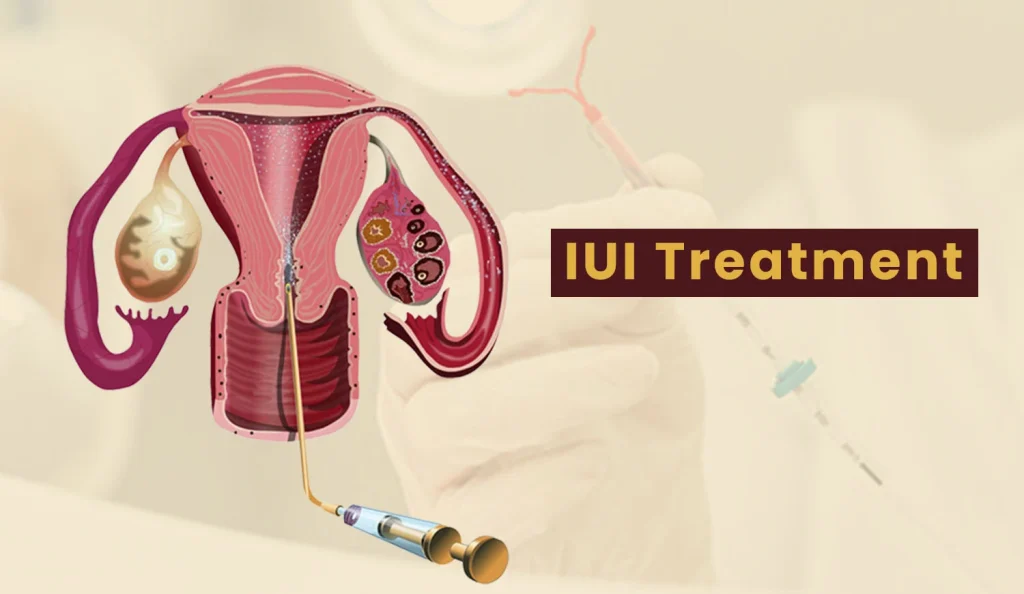
    illustration of the uterus and ovaries with a syringe, labeled "IUI Treatment" in the background

    A Modern Approach: Fertility Tracking Apps and Their Benefits

    4. Personalized Recommendations: Many fertility tracking apps also offer personalized recommendations based on the user’s data. This can include advice on how to improve fertility, lifestyle changes, and even product recommendations. These personalized recommendations can be beneficial for women who are trying to conceive or those who are looking for ways to better understand their bodies.

    5. Helps with Birth Control: Fertility tracking apps can also be used as a form of natural birth control. By tracking ovulation and predicting fertile days, women can avoid intercourse during these times to prevent pregnancy. This method, known as the fertility awareness method, has been found to be up to 99% effective when used correctly.

    6. Allows for Better Communication with Healthcare Providers: Fertility tracking apps also allow women to track and monitor their reproductive health and share this information with their healthcare providers. This can be especially helpful for women who are struggling with infertility or other reproductive health issues. The data collected by the app can provide valuable insights to healthcare providers and aid in diagnosis and treatment.

    7. Promotes Self-Awareness and Empowerment: Fertility tracking apps promote self-awareness and empower women to take control of their reproductive health. By tracking their cycles and understanding their bodies, women can make informed decisions about their fertility and reproductive health. It also allows them to be more involved in their own healthcare and feel more in control of their bodies.

    In conclusion, fertility tracking apps offer numerous benefits for women looking to conceive or better understand their reproductive health. These apps use technology to make the process of tracking menstrual cycles and predicting fertile days more accurate, convenient, and personalized. They also promote self-awareness and empowerment, allowing women to take control of their fertility and reproductive health. With the increasing use of technology in the field of healthcare, fertility tracking apps are a modern approach that can positively impact women’s reproductive health.

    Summary: Fertility tracking apps use technology to accurately predict fertile days, understand menstrual cycles, and provide personalized recommendations for women. They are convenient, user-friendly, and can be used for natural birth control. They also promote self-awareness and empower women to take control of their reproductive health.

  • The Evolution of Fertility Tracking: Apps vs Traditional Methods

    The Evolution of Fertility Tracking: Apps vs Traditional Methods

    Fertility tracking has been a practice for centuries, with women using various methods to track their menstrual cycles and identify ovulation to increase their chances of conception. However, with the advancement of technology, there has been a significant shift in how women track their fertility. Traditional methods like tracking basal body temperature and cervical mucus have been replaced by fertility tracking apps, which offer convenience and accuracy. In this blog post, we will explore the evolution of fertility tracking from traditional methods to the rise of fertility tracking apps.

    Traditional Methods of Fertility Tracking

    Before the advent of fertility tracking apps, women relied on traditional methods to track their menstrual cycles and ovulation. These methods include tracking basal body temperature, cervical mucus, and using ovulation predictor kits. Tracking basal body temperature involves taking your temperature every morning before getting out of bed and noting any changes. An increase in temperature signals that ovulation has occurred. Similarly, tracking cervical mucus involves observing changes in vaginal discharge throughout the menstrual cycle. Cervical mucus becomes thin, clear, and stretchy around ovulation, indicating the most fertile days. Ovulation predictor kits, on the other hand, detect the surge of luteinizing hormone, which occurs about 24-36 hours before ovulation.

    While these traditional methods have been used for a long time, they have several drawbacks. Firstly, they require a lot of manual effort and consistency, which can be challenging for busy women. Secondly, they rely on interpretation and observation, which can be subjective and prone to errors. Finally, these methods do not take into account individual variations in menstrual cycles, making them less accurate for some women.

    The Rise of Fertility Tracking Apps

    With the widespread use of smartphones, fertility tracking apps have become increasingly popular among women. These apps use advanced algorithms and data input by the user to predict ovulation and fertility windows. They offer a range of features, including period tracking, ovulation prediction, and fertility advice. Fertility tracking apps also allow women to input additional data, such as mood, stress levels, and sexual activity, to provide a more accurate prediction.

    One of the main advantages of fertility tracking apps is convenience. They eliminate the need for manual tracking, making it easier for women to monitor their menstrual cycles. These apps also offer a more comprehensive and personalized approach to fertility tracking. With data input by the user, they can account for individual variations in menstrual cycles, making them more accurate than traditional methods.

    Additionally, these apps offer a range of features that can benefit women trying to conceive. They can track ovulation, fertility windows, and even provide tips on the best time to have intercourse for conception. Some apps also offer personalized advice based on the user’s data, helping women understand their fertility better.

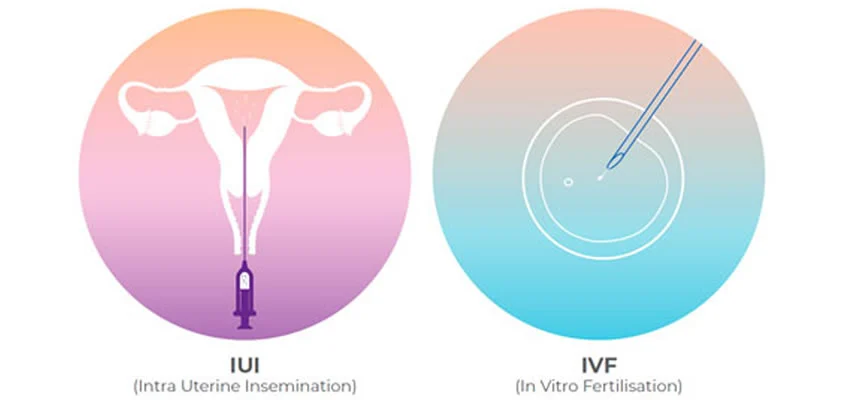
    comparison of IUI and IVF procedures illustrated with simple graphics and labels

    The Evolution of Fertility Tracking: Apps vs Traditional Methods

    Challenges and Controversies

    Despite their popularity, fertility tracking apps have faced some challenges and controversies. One of the main criticisms is the lack of regulation and accuracy of these apps. Unlike medical devices, fertility tracking apps are not regulated, and their accuracy has not been scientifically validated. This has led to concerns about the reliability of their predictions, especially for women trying to avoid pregnancy.

    Moreover, fertility tracking apps rely on the user’s input, making them susceptible to user error. If the data entered is incorrect or inconsistent, the app’s predictions may be inaccurate, leading to potential issues for those trying to conceive or avoid pregnancy.

    Another concern is the privacy and security of user data. Fertility tracking apps collect a significant amount of personal information, including menstrual cycles, sexual activity, and even mood. There have been instances of data breaches and the selling of user data to third parties, raising questions about the safety of these apps.

    The Future of Fertility Tracking

    As technology continues to advance, we can expect to see further evolution of fertility tracking methods. Some companies are already developing wearable devices that can track fertility by monitoring physiological changes in the body. These devices offer a more accurate and convenient option for women looking to track their fertility.

    Moreover, there is a growing demand for more scientifically validated fertility tracking apps. Some companies are working towards obtaining FDA approval for their apps, which would provide users with more confidence in their accuracy and reliability.

    Summary:

    Fertility tracking has evolved significantly over the years, from traditional methods like tracking basal body temperature and cervical mucus to the rise of fertility tracking apps. While traditional methods require a lot of manual effort and are prone to errors, fertility tracking apps offer convenience and a more personalized approach to tracking fertility. However, these apps have faced challenges and controversies, such as the lack of regulation and accuracy, user error, and privacy concerns. As technology advances, we can expect to see further developments in fertility tracking methods, including wearable devices and more scientifically validated apps.

  • The Role of Stress Management in At-Home vs Clinic Intrauterine Insemination

    Blog Post Title: The Role of Stress Management in At-Home vs Clinic Intrauterine Insemination

    Summary:

    Intrauterine insemination (IUI) is a commonly used fertility treatment for couples struggling to conceive. While the procedure itself is relatively simple, the process of undergoing IUI can be emotionally and physically taxing. Stress is a common factor in fertility struggles, and it can greatly impact the success of IUI. This blog post will explore the role of stress management in at-home versus clinic IUI and how it can affect the outcome.

    At-Home IUI and Stress Management:

    At-home IUI involves the use of a special kit provided by a fertility clinic that allows couples to administer the procedure themselves in the comfort of their own home. While this may seem like a less stressful option, the reality is that the process can still be overwhelming for many couples. The pressure to get the timing right, the fear of failure, and the financial investment can all contribute to increased stress levels.

    One of the most effective ways to manage stress during at-home IUI is to have a thorough understanding of the process and the necessary steps involved. This includes knowing how to properly use the kit, how to track ovulation, and when to perform the procedure. Having a clear plan and feeling prepared can help alleviate some of the anxiety associated with at-home IUI.

    Another important aspect of stress management during at-home IUI is communication with your partner. Going through fertility treatments can be emotionally draining, and it’s crucial to have a strong support system. Communicating openly and honestly with your partner can help alleviate any added stress and create a sense of unity and understanding throughout the process.

    Clinic IUI and Stress Management:

    Clinic IUI, on the other hand, involves undergoing the procedure at a fertility clinic under the supervision of a healthcare professional. While this may seem like a more controlled and less stressful option, the reality is that clinic IUI comes with its own set of stressors. These can include the need to take time off work, the pressure of being in a clinical setting, and the fear of judgment from others.

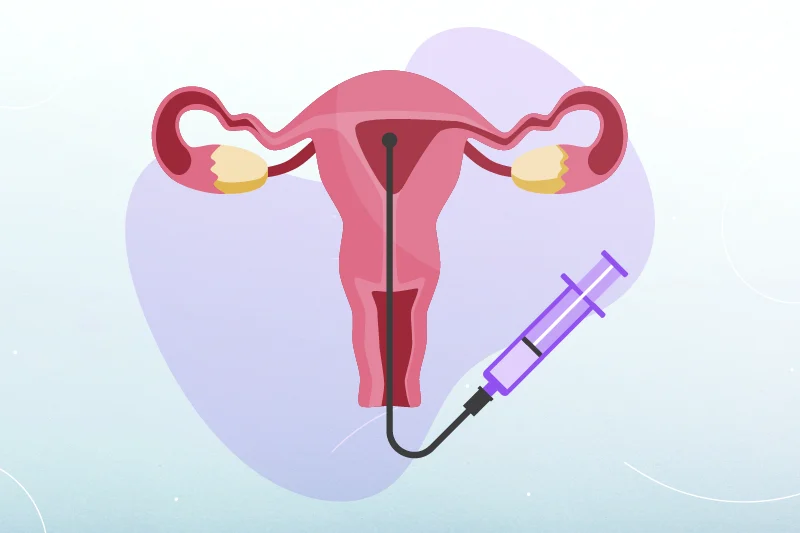
    Illustration of the uterus with a syringe, depicting the intrauterine insemination procedure.

    The Role of Stress Management in At-Home vs Clinic Intrauterine Insemination

    One of the primary benefits of undergoing IUI in a clinic setting is the access to support and resources. Fertility clinics often offer counseling services to help couples cope with the emotional toll of fertility treatments. Additionally, having a team of healthcare professionals to guide and support you can help alleviate some of the stress associated with clinic IUI.

    Stress Management Techniques for IUI:

    Regardless of whether you choose at-home or clinic IUI, incorporating stress management techniques into your daily routine is crucial for a successful outcome. These can include relaxation techniques such as meditation, deep breathing, or yoga. Exercise can also be a great way to manage stress and improve overall well-being.

    Seeking support from friends and family can also play a significant role in reducing stress levels during IUI. Having a strong support system can provide emotional support and help you cope with the ups and downs of the process.

    It’s also vital to prioritize self-care during this time. Taking time for yourself to do things you enjoy can help reduce stress and improve your overall mood. This can include activities such as reading, listening to music, or spending time in nature.

    The Impact of Stress on IUI Success:

    Stress has been shown to have a significant impact on fertility and the success of IUI. Studies have found that high levels of stress can affect hormone levels, disrupt ovulation, and decrease sperm quality. Additionally, stress can also lead to unhealthy coping mechanisms such as smoking, excessive drinking, or poor eating habits, which can all negatively affect fertility.

    Managing stress during IUI not only improves your overall well-being, but it can also increase the chances of a successful outcome. By reducing stress levels, the body is in a more optimal state for conception, making it more likely for IUI to be successful.

    In conclusion, stress management plays a crucial role in the success of IUI, whether it’s done at home or in a clinic setting. By incorporating stress management techniques into your daily routine and seeking support from loved ones and healthcare professionals, you can improve your overall well-being and increase the chances of a successful outcome. Remember to prioritize self-care, communicate openly with your partner, and stay informed about the process to alleviate stress and improve your chances of conceiving through IUI.

  • The Future of At-Home Intrauterine Insemination: Advancements and Innovations

    The world of assisted reproduction has come a long way in recent years, with advancements in technology and science making it possible for more and more people to start a family. One method that has gained popularity in recent years is intrauterine insemination (IUI), a procedure where sperm is inserted directly into the uterus to increase the chances of fertilization. While traditionally done in a clinical setting, the future of IUI is rapidly shifting towards at-home insemination, thanks to advancements and innovations in the field.

    In this blog post, we will explore the current state of at-home intrauterine insemination and how it is revolutionizing the fertility landscape. We will also discuss the advancements and innovations that are making this method more accessible and effective for women and couples looking to start a family.

    The Rise of At-Home Intrauterine Insemination

    At-home intrauterine insemination is not a new concept, but it has gained significant traction in recent years. With the rising costs of fertility treatments and the inconvenience of multiple visits to a fertility clinic, many women and couples are turning to at-home insemination as a more affordable and convenient option.

    One of the main reasons for the increasing popularity of at-home IUI is the development of home insemination kits. These kits typically include everything needed for the procedure, such as a catheter, speculum, and sperm collection cup, along with instructions for use. This allows women to perform the insemination in the comfort of their own home, without the need for a medical professional.

    Advancements in Technology

    Technology has played a significant role in making at-home IUI a viable option for many women. One of the key advancements is the development of ovulation prediction kits (OPKs). These kits use urine or saliva samples to detect the surge in luteinizing hormone (LH) that occurs just before ovulation. This helps women pinpoint their most fertile days and time the insemination accordingly, increasing the chances of success.

    Another technological advancement that has made at-home IUI more accessible is telemedicine. Through telemedicine, women can consult with a fertility specialist remotely, eliminating the need for in-person visits. This not only saves time and money but also provides a level of convenience for those who may live in rural areas or have a busy schedule.

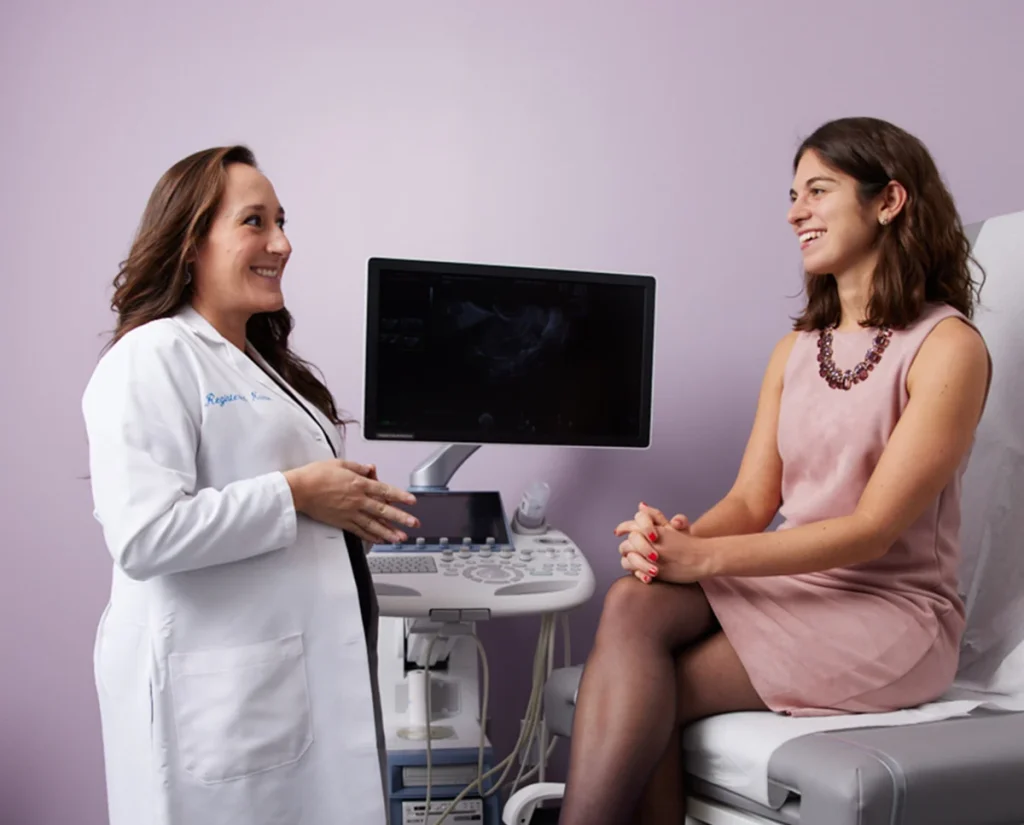
    doctor discussing treatment with a patient in a medical office, featuring an ultrasound machine in the background

    The Future of At-Home Intrauterine Insemination: Advancements and Innovations

    Innovations in Insemination Techniques

    While the traditional method of IUI involves inserting a catheter through the cervix, new innovations have made the process less invasive and more comfortable for women. One such innovation is the soft catheter, which is designed to be more flexible and gentle on the cervix. This reduces the risk of discomfort and potential injury during the insemination procedure.

    Another innovation that is gaining traction is the use of intrauterine devices (IUDs) for at-home insemination. These devices are inserted into the uterus and release sperm over a period of time, increasing the chances of fertilization. This method is particularly useful for women who have difficulty tracking their ovulation or have irregular cycles.

    The Future of At-Home Intrauterine Insemination

    The advancements and innovations in at-home IUI are constantly evolving, and the future looks promising for women and couples struggling with fertility. One of the most significant developments is the use of at-home fertility testing kits. These kits allow women to test their fertility levels at home, providing valuable information about their reproductive health and potential obstacles to conception.

    Moreover, the use of artificial intelligence (AI) in fertility treatments is also on the horizon. By analyzing a woman’s menstrual cycle data and other health factors, AI can predict the best time for insemination and even provide personalized recommendations for increasing the chances of success.

    Summary

    At-home intrauterine insemination is revolutionizing the fertility landscape, offering a more affordable and convenient option for women and couples looking to start a family. Advancements in technology, such as ovulation prediction kits and telemedicine, have made it more accessible, while innovations in insemination techniques, such as soft catheters and IUDs, have made the process less invasive and more comfortable. The future of at-home IUI looks promising, with the use of at-home fertility testing kits and AI technology on the horizon.

    SEO metadata: