Tag: acupuncture

  • Exploring the Role of Acupuncture in Conjunction with Fertility Medications or Surgery

    Exploring the Role of Acupuncture in Conjunction with Fertility Medications or Surgery

    Infertility is a common issue that affects many couples around the world. According to the Centers for Disease Control and Prevention (CDC), approximately 6.1 million women in the United States between the ages of 15-44 have difficulty getting or staying pregnant. While there are various factors that can contribute to infertility, one treatment option that has gained attention and popularity in recent years is acupuncture. This ancient Chinese practice involves the insertion of thin needles into specific points in the body to stimulate and balance the flow of energy. But how effective is acupuncture when used in conjunction with fertility medications or surgery? In this blog post, we will explore the role of acupuncture in fertility and its potential benefits when used alongside traditional fertility treatments.

    Understanding Acupuncture and Fertility

    Acupuncture has been used for thousands of years in traditional Chinese medicine to treat a variety of health conditions. It is based on the belief that the body has a natural flow of energy, known as qi, that travels through channels called meridians. When this energy is disrupted or blocked, it can lead to illness and other health problems. Acupuncture aims to restore the flow of qi and bring the body back into balance.

    In terms of fertility, acupuncture is believed to help by regulating the hormones involved in the reproductive system, improving blood flow to the reproductive organs, and reducing stress and anxiety. Many practitioners also believe that acupuncture can help to increase the chances of successful conception by improving the quality of eggs and sperm.

    Acupuncture in Conjunction with Fertility Medications

    Fertility medications, such as Clomid, are commonly prescribed to women who are struggling to get pregnant. These medications work by stimulating the ovaries to produce more eggs, increasing the chances of conception. However, these medications can also have side effects such as headaches, mood swings, and bloating.
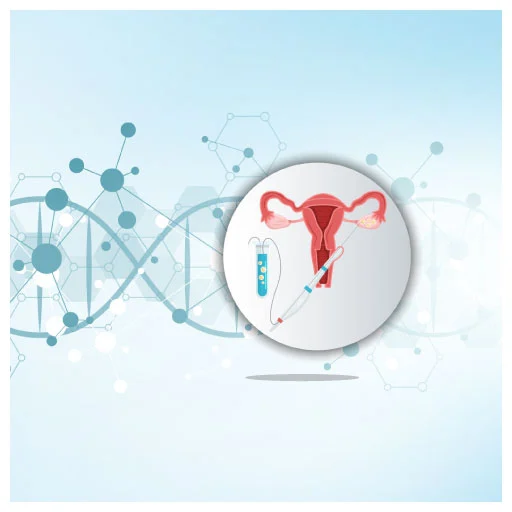
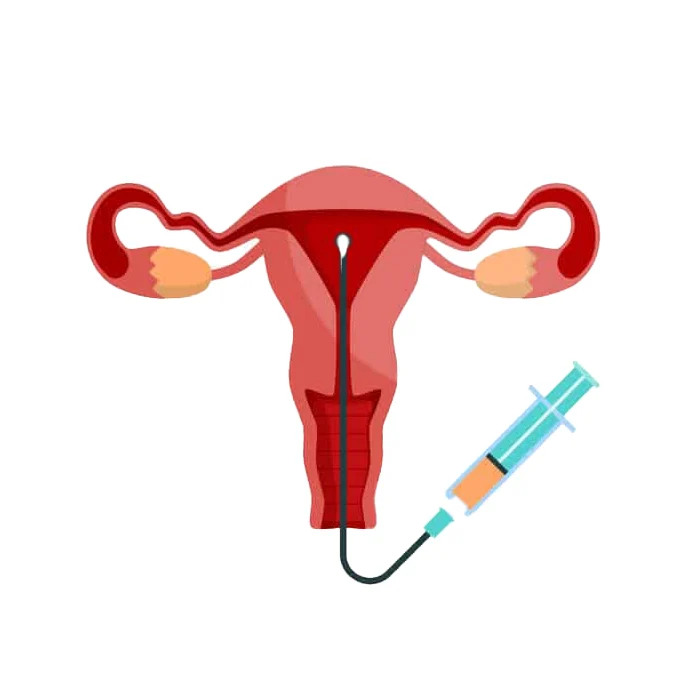
    Illustration of IUI procedure with uterus and syringe against a DNA background.

    Exploring the Role of Acupuncture in Conjunction with Fertility Medications or Surgery

    Studies have shown that acupuncture can help to alleviate these side effects and improve the chances of success when used alongside fertility medications. In a study published in the Journal of Complementary and Alternative Medicine, women who received acupuncture in conjunction with Clomid had a significantly higher pregnancy rate than those who only received Clomid treatment. This suggests that acupuncture can enhance the effectiveness of fertility medications and improve the chances of successful conception.

    Acupuncture in Conjunction with Fertility Surgery

    For some couples, fertility surgery may be necessary to address issues such as blocked fallopian tubes, fibroids, or endometriosis. While these procedures can improve the chances of pregnancy, they can also be physically and emotionally taxing. This is where acupuncture can play a role in supporting the body during and after surgery.

    Research has shown that acupuncture can help to reduce pain and inflammation, as well as improve wound healing. In a study published in the Journal of Alternative and Complementary Medicine, women who received acupuncture before and after laparoscopic surgery for endometriosis reported less pain and a faster recovery compared to those who did not receive acupuncture. Additionally, acupuncture has been found to improve sperm quality and motility in men who have had fertility surgery.

    The Benefits of Combining Acupuncture and Fertility Treatments

    There are several potential benefits to combining acupuncture with fertility medications or surgery. Firstly, acupuncture can help to reduce the side effects of fertility medications, making the process more comfortable for women. It can also improve the chances of success by regulating hormones and improving the quality of eggs and sperm. Furthermore, acupuncture can help to alleviate stress and anxiety, which can have a negative impact on fertility.

    Additionally, using acupuncture in conjunction with fertility treatments can also be more cost-effective in the long run, as it may reduce the need for multiple rounds of treatments. It can also provide a more holistic approach to fertility, addressing not only the physical but also the emotional and mental aspects of the journey.

    In conclusion, while more research is needed to fully understand the role of acupuncture in fertility, the evidence suggests that it can be a beneficial complementary treatment when used alongside traditional fertility medications or surgery. By regulating hormones, improving blood flow, reducing stress, and supporting the body during and after procedures, acupuncture can enhance the effectiveness of fertility treatments and improve the chances of successful conception.
  • The Intersection of Traditional and Modern Medicine in Fertility Treatments

    The Intersection of Traditional and Modern Medicine in Fertility Treatments

    Fertility treatments have come a long way in recent years, with advancements in modern medicine providing hope for couples struggling to conceive. However, traditional medicine has also played a significant role in treating fertility issues, with practices such as acupuncture and herbal remedies being used for centuries. The intersection of traditional and modern medicine in fertility treatments is a topic that has gained increasing attention as more and more people turn to alternative methods in their fertility journey. In this blog post, we will explore the history of traditional and modern medicine in fertility treatments, the benefits and limitations of each, and how they can work together to provide the best possible outcomes for those seeking to start a family.

    The History of Traditional Medicine in Fertility Treatments

    Traditional medicine has been used to treat fertility issues for thousands of years. In ancient civilizations such as China, India, and Egypt, herbal remedies and acupuncture were commonly used to promote fertility and treat reproductive disorders. These practices were based on the belief that imbalances in the body’s energy flow, or qi, can lead to fertility issues. By restoring the balance of qi, traditional medicine practitioners believed they could improve a person’s chances of conceiving.

    One of the most well-known traditional fertility treatments is acupuncture. This practice involves inserting thin needles into specific points on the body to stimulate energy flow and promote healing. In terms of fertility, acupuncture has been shown to improve blood flow to the reproductive organs, regulate hormone levels, and reduce stress and anxiety, all of which can contribute to infertility. Studies have also shown that acupuncture can increase the success rates of in vitro fertilization (IVF) by up to 65%.

    In addition to acupuncture, herbal remedies have also been used in traditional medicine to improve fertility. Many herbs, such as red clover, chasteberry, and maca root, have been found to have properties that can regulate hormones, improve egg quality, and increase sperm count and motility. These herbal remedies are often used in combination with acupuncture to address fertility issues from a holistic perspective.

    The Rise of Modern Medicine in Fertility Treatments

    While traditional medicine has been used for centuries to treat fertility issues, modern medicine has made significant advancements in reproductive technology, providing more options for couples struggling to conceive. One of the most well-known modern fertility treatments is IVF, where eggs are fertilized outside the body and then implanted into the uterus. IVF has a success rate of around 40%, making it one of the most effective fertility treatments available.

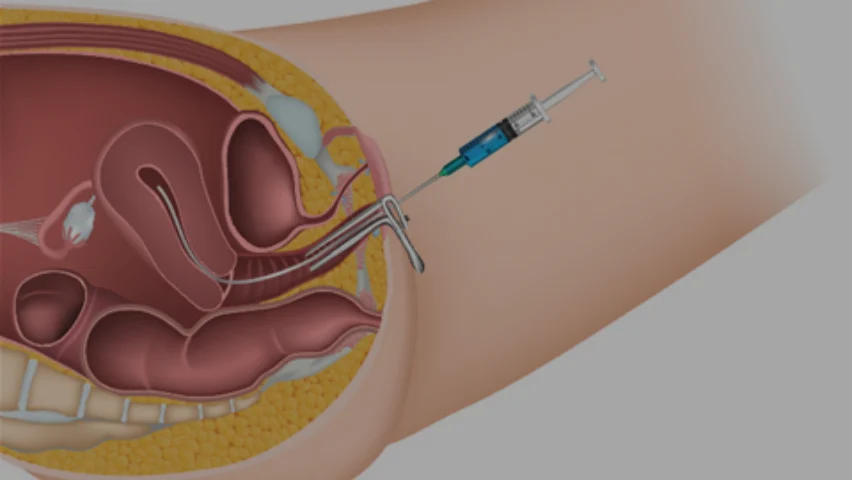
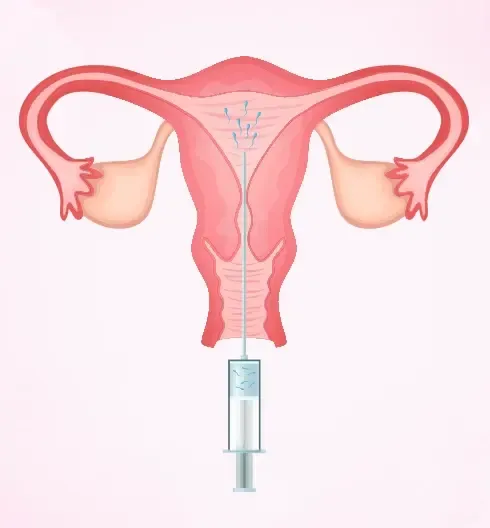
    Other modern fertility treatments include intrauterine insemination (IUI), where sperm is directly inserted into the uterus, and intracytoplasmic sperm injection (ICSI), where a single sperm is injected into an egg to facilitate fertilization. These treatments are often used in combination with IVF to increase the chances of conception.

    illustration of a uterus with a syringe for intrauterine insemination (IUI) procedure

    The Intersection of Traditional and Modern Medicine in Fertility Treatments

    Another significant advancement in modern medicine is genetic testing, which can identify potential genetic disorders in embryos before implantation. This is particularly beneficial for couples with a family history of genetic conditions, as it can help prevent passing on these disorders to their children.

    The Benefits and Limitations of Traditional and Modern Medicine in Fertility Treatments

    Both traditional and modern medicine have their own unique benefits and limitations when it comes to treating fertility issues. Traditional medicine offers a holistic approach to fertility, addressing both the physical and emotional aspects of the body. It also tends to have fewer side effects compared to modern medicine. On the other hand, modern medicine offers more precise and advanced techniques, making it more effective in treating specific causes of infertility, such as structural issues or genetic disorders.

    However, traditional medicine may not have the same success rates as modern medicine, and it may take longer to see results. It also requires a commitment to lifestyle changes and regular treatments, which may not be feasible for everyone. Modern medicine, on the other hand, can be costly, invasive, and emotionally challenging for some couples. It also has a higher risk of multiple pregnancies, which can lead to complications during pregnancy and birth.

    The Intersection of Traditional and Modern Medicine in Fertility Treatments

    The intersection of traditional and modern medicine in fertility treatments offers a holistic approach that combines the best of both worlds. By integrating traditional practices such as acupuncture and herbal remedies with modern techniques like IVF and genetic testing, couples can address fertility issues from multiple angles and increase their chances of success. For example, acupuncture can be used to prepare the body for IVF and improve its effectiveness, while herbal remedies can be used to support hormone levels and improve egg quality.

    In addition, the emotional support and stress-reducing benefits of traditional medicine can be beneficial for couples undergoing the emotional rollercoaster of fertility treatments. By combining traditional and modern medicine, patients can also reduce the potential side effects and risks associated with modern treatments and improve their overall well-being.

    In recent years, many fertility clinics have started to incorporate traditional practices into their treatments, recognizing the benefits of a holistic approach. This collaboration between traditional and modern medicine in fertility treatments has led to promising results, with some studies showing significantly higher success rates when both methods are used together.

    In conclusion, the intersection of traditional and modern medicine in fertility treatments provides a holistic approach that addresses the physical, emotional, and spiritual aspects of fertility. While traditional medicine has a long history of treating fertility issues, modern medicine has made significant advancements in reproductive technology. By combining these two approaches, couples can increase their chances of starting a family and improve their overall well-being in the process.

  • Exploring Alternative Fertility Medications and Surgical Treatments

    Blog Post:

    Fertility issues can be a source of great stress and heartache for those who are trying to conceive. While traditional fertility treatments such as in vitro fertilization (IVF) and medication like Clomid have been successful for many couples, some may be looking for alternative options. In this blog post, we will explore alternative fertility medications and surgical treatments that may offer a different approach to achieving pregnancy.

    Alternative Fertility Medications:

    1. Acupuncture:

    Acupuncture has been used for centuries in traditional Chinese medicine to treat various health conditions, including infertility. This practice involves inserting thin needles into specific points on the body to improve the flow of energy. Studies have shown that acupuncture can help regulate hormones, increase blood flow to the reproductive organs, and reduce stress levels, all of which can have a positive impact on fertility.

    2. Herbal Supplements:

    There are various herbal supplements available that claim to improve fertility. Some of the most commonly used ones include chasteberry, maca root, and red clover. These herbs are believed to balance hormones, improve egg quality, and increase sperm count. However, it is essential to consult with a healthcare professional before taking any herbal supplements, as they may interact with other medications and have side effects.

    3. Traditional Chinese Medicine (TCM):

    TCM is a holistic approach to health that includes acupuncture, herbal medicine, diet, and lifestyle changes. TCM practitioners believe that infertility is caused by imbalances in the body and can be treated by restoring these imbalances. This comprehensive approach to fertility treatment has been shown to improve ovulation, regulate menstrual cycles, and increase sperm count.

    4. Homeopathy:

    Homeopathy is a system of alternative medicine based on the principle of “like cures like.” It involves using tiny amounts of natural substances to stimulate the body’s healing process. Homeopathy has been used to treat various health conditions, including infertility. Its supporters claim that it can help regulate hormones and improve sperm count and quality.

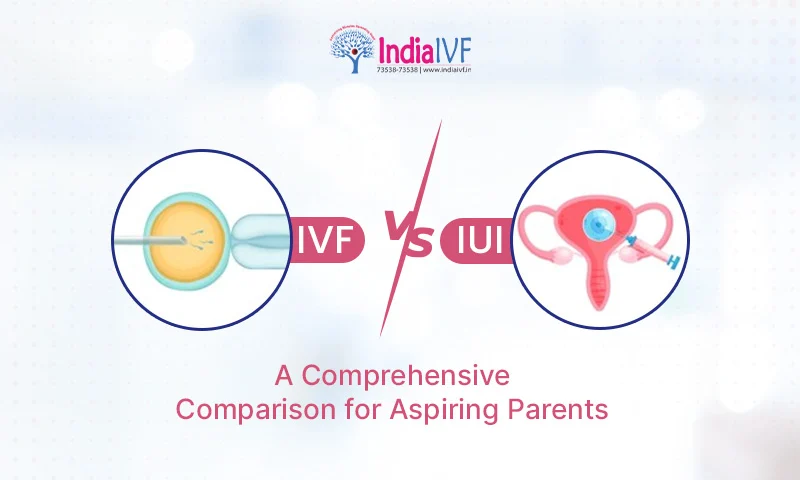
    IVF vs IUI comparison graphic highlighting reproductive methods for aspiring parents.

    Exploring Alternative Fertility Medications and Surgical Treatments

    Alternative Surgical Treatments:

    1. Laparoscopic Surgery:

    Laparoscopic surgery is a minimally invasive surgical procedure that uses a thin, lighted tube with a camera to examine and treat conditions in the pelvic region. It can be used to diagnose and treat conditions such as endometriosis, uterine fibroids, and blocked fallopian tubes, all of which can contribute to infertility. This type of surgery has a shorter recovery time and less scarring compared to traditional open surgery.

    2. Hysteroscopic Surgery:

    Hysteroscopic surgery is another minimally invasive procedure that involves inserting a thin, lighted tube with a camera into the uterus to diagnose and treat issues such as fibroids, polyps, and scar tissue. This procedure can improve the chances of pregnancy by correcting any structural abnormalities in the uterus.

    3. Intrauterine Insemination (IUI):

    Intrauterine insemination (IUI) is a fertility treatment that involves placing washed and concentrated sperm directly into the uterus during ovulation. This procedure is often recommended for couples with unexplained infertility or male factor infertility. It is a less invasive and less expensive option compared to IVF.

    4. In Vitro Fertilization (IVF):

    In vitro fertilization (IVF) is a widely known fertility treatment that involves fertilizing eggs with sperm in a laboratory, and then transferring the resulting embryo into the uterus. This procedure is often recommended for couples with blocked or damaged fallopian tubes, endometriosis, or severe male factor infertility. While IVF can be a more expensive and invasive option, it has a higher success rate compared to other fertility treatments.

    In conclusion, traditional fertility treatments may not work for everyone, and some couples may want to explore alternative options. Acupuncture, herbal supplements, TCM, and homeopathy are some of the alternative fertility medications that may offer a different approach to treating infertility. On the other hand, laparoscopic and hysteroscopic surgeries, IUI, and IVF are alternative surgical treatments that can address the underlying causes of infertility. It is important to consult with a healthcare professional before trying any alternative treatments and to choose the one that best suits your individual needs.

    Summary:

    In this blog post, we explored alternative fertility medications and surgical treatments that can offer a different approach to achieving pregnancy. Acupuncture, herbal supplements, TCM, and homeopathy are some of the alternative medications that can help regulate hormones and improve fertility. On the other hand, laparoscopic and hysteroscopic surgeries, IUI, and IVF are alternative surgical treatments that can address structural issues that may be causing infertility. It is essential to consult with a healthcare professional before trying any alternative treatments and to choose the one that best suits your individual needs.

  • Holistic Approaches to Boosting Sperm Count and Quality

    Blog Post: Holistic Approaches to Boosting Sperm Count and Quality

    Infertility is a common issue among couples trying to conceive, with one in six couples facing difficulties in getting pregnant. While there are multiple factors that can contribute to infertility, male factor infertility is responsible for about 30% of cases. One of the key factors in male infertility is low sperm count and poor sperm quality. This can make it difficult for sperm to reach and fertilize the egg, resulting in unsuccessful attempts at conception. However, there are various holistic approaches that can help boost sperm count and improve sperm quality. In this blog post, we will explore some of the most effective holistic methods for improving male fertility and increasing the chances of conception.

    1. Maintain a Healthy Diet

    A healthy and balanced diet is crucial for overall health and wellness, and it also plays a significant role in male fertility. Studies have shown that men who follow a healthy diet have better sperm count and quality compared to those who have poor dietary habits. A diet rich in antioxidants, vitamins, and minerals is particularly beneficial for sperm health. Foods such as leafy greens, fruits, nuts, and seeds are excellent sources of antioxidants that can help protect sperm from damage and improve their quality. Additionally, reducing intake of processed foods, alcohol, and caffeine can also have a positive impact on sperm count and quality.

    2. Exercise Regularly

    Regular exercise not only helps in maintaining a healthy weight but also has a positive effect on male fertility. Studies have shown that men who engage in moderate exercise have higher sperm count and better sperm quality compared to those who lead sedentary lifestyles. Exercise helps in improving blood flow to the reproductive organs, which can have a positive impact on sperm production. However, excessive exercise can have the opposite effect, so it’s essential to find a balance and avoid over-exercising.

    3. Try Acupuncture

    Acupuncture is an ancient Chinese practice that involves the insertion of thin needles into specific points in the body to stimulate energy flow. It has been used for centuries to treat various health conditions, including male infertility. Studies have shown that acupuncture can help improve sperm count, motility, and morphology. It is believed that acupuncture can help balance the body’s energy and improve blood flow to the reproductive organs, promoting sperm production and quality.

    4. Take Supplements

    Certain supplements have been found to be beneficial in improving male fertility. Coenzyme Q10, also known as CoQ10, is an antioxidant that helps protect sperm from damage and improve their quality. Another supplement, L-carnitine, has been shown to increase sperm count and motility. Additionally, taking a daily multivitamin that contains essential vitamins and minerals can also help boost sperm health.

    5. Reduce Stress

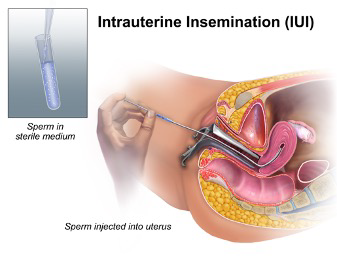
    Illustration of intrauterine insemination (IUI) procedure, showing sperm injection into the uterus.

    Holistic Approaches to Boosting Sperm Count and Quality

    Stress can have a detrimental effect on overall health, including male fertility. Chronic stress can lead to hormonal imbalances, which can affect sperm production and quality. It is essential to find ways to manage stress, such as practicing relaxation techniques like meditation or yoga, getting enough sleep, and engaging in activities that bring joy and relaxation.

    6. Avoid Exposure to Toxins

    Exposure to toxins, both environmental and occupational, can have a negative impact on sperm health. Chemicals found in pesticides, plastics, and other industrial products can disrupt the hormonal balance in the body and affect sperm production. It is essential to limit exposure to these toxins as much as possible and take necessary precautions if working in industries that involve exposure to such substances.

    7. Quit Smoking and Limit Alcohol Intake

    Smoking and excessive alcohol consumption have been linked to poor sperm quality and low sperm count. Studies have shown that smoking can affect sperm production and increase the risk of sperm DNA damage. Similarly, excessive alcohol intake can also have a negative impact on sperm health. It is advisable to quit smoking and limit alcohol intake to improve sperm quality and increase the chances of conception.

    8. Practice Mindfulness

    Mindfulness practices, such as meditation and yoga, have been found to be beneficial in improving male fertility. Mindfulness can help reduce stress levels, improve hormonal balance, and promote overall well-being. It is also an effective way to cope with the emotional challenges of infertility, allowing men to better manage their thoughts and emotions and improve their mental health.

    9. Consider Herbal Remedies

    There are various herbal remedies that have been used for centuries to improve male fertility. Herbs like ashwagandha, maca root, and ginseng have been found to have a positive impact on sperm count and quality. However, it is essential to consult a healthcare professional before trying any herbal remedies to ensure they are safe and suitable for individual needs.

    10. Seek Support

    Infertility can be a challenging and emotionally draining experience for couples. It is essential to seek support from loved ones, join support groups, or seek professional counseling to cope with the emotional challenges and stress of trying to conceive. Support can also come in the form of talking openly with one’s partner about the struggles and finding ways to navigate the journey together.

    In summary, male factor infertility is a common issue, and low sperm count and poor sperm quality are key factors in this. However, there are various holistic approaches that can help men improve their sperm health and increase the chances of conception. Maintaining a healthy diet, exercising regularly, trying acupuncture, taking supplements, reducing stress, avoiding exposure to toxins, quitting smoking and limiting alcohol intake, practicing mindfulness, considering herbal remedies, and seeking support are all effective ways to boost sperm count and quality. By incorporating these holistic methods into one’s lifestyle, men can improve their overall health and increase their chances of successfully conceiving with their partner.

  • The Connection Between Stress and Fertility: A Holistic View

    Title: The Connection Between Stress and Fertility: A Holistic View

    Introduction:
    Fertility is a complex process that involves the physical, emotional, and psychological well-being of an individual. While there are many factors that can affect fertility, one that is often overlooked is stress. Stress is a natural response to challenging situations, but when it becomes chronic, it can have a significant impact on our overall health, including our fertility. In this blog post, we will explore the connection between stress and fertility from a holistic perspective and discuss how managing stress can improve fertility outcomes.

    The Science Behind Stress and Fertility:
    To understand the link between stress and fertility, we must first understand how stress affects our bodies. When we experience stress, our bodies release cortisol, a hormone that prepares us to fight or flee from a perceived threat. In the short term, this response can be beneficial, but when stress becomes chronic, our cortisol levels remain elevated, leading to a wide range of health issues, including fertility problems.

    High cortisol levels can disrupt the delicate balance of hormones that regulate the menstrual cycle, making it difficult for women to ovulate regularly. In men, chronic stress can reduce sperm quality and quantity, making it harder to conceive. Additionally, stress can also interfere with sexual desire and intimacy, further impacting fertility.

    The Mind-Body Connection:
    The mind and body are closely interconnected, and stress affects both. When we are stressed, our bodies respond with physical symptoms, such as headaches, muscle tension, and fatigue. These physical symptoms can also impact fertility by disrupting the delicate hormonal balance and affecting reproductive organs’ function.

    On the other hand, fertility struggles can also cause stress, leading to a vicious cycle. The emotional toll of trying to conceive can lead to anxiety, depression, and feelings of inadequacy, further increasing stress levels. This mind-body connection highlights the importance of addressing stress in fertility treatment.

    Holistic Approaches to Managing Stress and Improving Fertility:
    Holistic approaches focus on treating the whole person, including the physical, emotional, and spiritual aspects of health. When it comes to managing stress and improving fertility, a holistic approach can be highly beneficial. Here are some strategies to consider:

    Illustration of intrauterine insemination (IUI) procedure with syringe and catheter in the uterus.

    The Connection Between Stress and Fertility: A Holistic View

    1. Mindfulness and Meditation:
    Mindfulness and meditation practices can help reduce stress and promote relaxation. By focusing on the present moment, we can let go of worries and anxieties and cultivate a sense of peace and calm. Research has shown that regular mindfulness and meditation practices can also improve fertility outcomes by reducing stress levels.

    2. Exercise:
    Regular physical activity can help reduce stress by releasing endorphins, our body’s natural feel-good hormones. Exercise can also increase blood flow to the reproductive organs, improving their function. Additionally, staying active can help maintain a healthy weight, which is crucial for fertility.

    3. Nutrition:
    The food we eat can also impact our stress levels and fertility. A balanced diet that includes whole foods, healthy fats, and lean proteins can help regulate hormones and reduce inflammation, both of which can improve fertility. Avoiding highly processed and sugary foods can also help manage stress.

    4. Acupuncture:
    Acupuncture is an ancient Chinese practice that involves inserting thin needles into specific points on the body. It is believed to balance the body’s energy flow and promote healing. Studies have shown that acupuncture can reduce stress and improve fertility outcomes, making it a popular complementary treatment for fertility.

    5. Talk Therapy:
    Talking to a therapist or joining a support group can be highly beneficial for managing stress and improving fertility outcomes. It can provide a safe space to share your feelings, address any underlying emotional issues, and develop coping mechanisms to deal with stress.

    Conclusion:
    Stress is a natural part of life, and we cannot eliminate it entirely. However, by understanding its impact on our bodies and taking a holistic approach to managing it, we can improve our overall health and increase our chances of conceiving. By incorporating mindfulness practices, exercise, a healthy diet, and seeking support, we can reduce stress levels and create a more conducive environment for fertility.

    In summary, stress and fertility are closely connected, and chronic stress can have a negative impact on fertility outcomes. By addressing stress from a holistic perspective and incorporating strategies such as mindfulness, exercise, nutrition, acupuncture, and talk therapy, we can manage stress and improve our chances of conceiving.

  • Holistic Approaches to Boosting Egg Quality

    Blog Post: Holistic Approaches to Boosting Egg Quality

    Egg quality is a crucial factor in female fertility and a key determinant of successful conception. With the increasing age of women choosing to start families later in life, the issue of declining egg quality has become a common concern. While age is an inevitable factor in reducing egg quality, there are also other lifestyle and environmental factors that can impact it. In recent years, there has been a growing interest in holistic approaches to improve egg quality and increase the chances of successful conception. In this blog post, we will explore some of the most effective holistic approaches to boosting egg quality.
    1. A Nutrient-Dense Diet
    One of the most crucial aspects of improving egg quality is following a nutrient-dense diet. A diet rich in whole, unprocessed foods is essential for providing the body with the necessary vitamins, minerals, and antioxidants needed for healthy egg production. Foods like leafy greens, fruits, vegetables, whole grains, and lean proteins should be prioritized. It is also crucial to limit or avoid processed and fast foods, which can negatively impact egg quality.

    2. Supplements
    In addition to a healthy diet, certain supplements can also be beneficial for egg quality. Coenzyme Q10, also known as CoQ10, is a powerful antioxidant that helps protect the eggs from oxidative damage. DHEA, a hormone produced by the body, has also been shown to improve egg quality and ovarian function in women with diminished ovarian reserve. Other supplements like vitamin D, omega-3 fatty acids, and folic acid can also support healthy egg production.

    3. Acupuncture
    Acupuncture, a traditional Chinese medicine practice, has been gaining popularity as a holistic approach to improving egg quality. This ancient practice involves the insertion of thin needles into specific points on the body to stimulate energy flow and promote overall well-being. Studies have shown that acupuncture can improve blood flow to the ovaries, regulate hormone levels, and reduce stress, all of which can contribute to better egg quality.

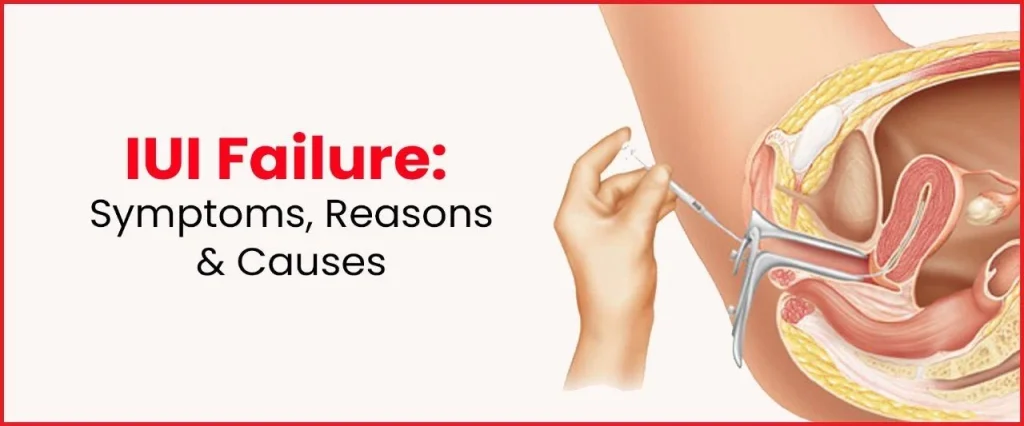
    illustration of IUI procedure with text on symptoms, reasons, and causes of IUI failure

    Holistic Approaches to Boosting Egg Quality

    4. Stress Management
    Speaking of stress, it is a well-known fact that chronic stress can have a negative impact on fertility and egg quality. When the body is under prolonged stress, it produces cortisol, a hormone that can interfere with the production of estrogen and other reproductive hormones. Therefore, it is essential to incorporate stress management techniques like yoga, meditation, or deep breathing into your daily routine to reduce stress levels and improve egg quality.

    5. Moderate Exercise
    Regular exercise is vital for overall health and can also have a positive impact on egg quality. However, it is essential to strike a balance and avoid overexertion, which can have adverse effects. Low-impact exercises like walking, swimming, and yoga are great options for women looking to improve egg quality. These exercises can improve blood flow to the reproductive organs, balance hormone levels, and reduce stress.

    6. Detoxification
    Our bodies are constantly exposed to toxins from the food we eat, the products we use, and the environment we live in. These toxins can build up in the body and negatively impact egg quality. Therefore, it is essential to support the body’s natural detoxification process by avoiding exposure to harmful chemicals, eating a clean diet, and incorporating detoxifying practices like dry brushing, saunas, and herbal supplements.

    7. Traditional Chinese Medicine
    Traditional Chinese Medicine (TCM), which includes practices like acupuncture, herbal medicine, and dietary therapy, has been used for centuries to improve fertility and egg quality. TCM practitioners believe that imbalances in the body’s energy can affect reproductive health. Through a personalized approach, TCM can help regulate hormones, improve blood flow, and support overall reproductive health.

    In conclusion, while age is a significant factor in declining egg quality, there are several holistic approaches that can help improve it. By following a nutrient-dense diet, incorporating supplements and stress management techniques, and trying alternative treatments like acupuncture and TCM, women can support their reproductive health and increase their chances of successful conception.
  • The Role of Energy Healing in Holistic Fertility Care

    Blog Post:

    Holistic fertility care is an approach to fertility treatment that takes into account the overall well-being of an individual, including their physical, emotional, and spiritual health. This approach views fertility as a reflection of one’s overall health and focuses on addressing any underlying issues that may be impacting fertility. One key aspect of holistic fertility care is the use of energy healing techniques, which can play a powerful role in supporting fertility and overall well-being.

    Energy healing is a form of alternative medicine that involves working with the body’s energy fields to promote healing and balance. It is based on the belief that all living beings have an energy field that surrounds and permeates the physical body, and disruptions in this energy flow can lead to illness and disease.

    In the context of fertility, energy healing can help to balance and strengthen the body’s energy fields, promoting optimal reproductive health. This can be especially beneficial for those struggling with fertility issues, as imbalances or blockages in the energy flow can contribute to difficulties conceiving.

    One of the most well-known energy healing techniques is Reiki, which originated in Japan and involves the use of light touch or non-touch hand placements to channel healing energy into the body. Reiki is believed to promote relaxation, reduce stress and anxiety, and support the body’s natural healing processes. For those trying to conceive, this can be particularly helpful as stress and anxiety can have a negative impact on fertility.

    Another popular energy healing modality is acupuncture, which originated in China and involves the insertion of thin needles into specific points on the body. Acupuncture is believed to stimulate the flow of energy and promote balance within the body. When used in the context of fertility, acupuncture has been shown to improve ovulation, regulate menstrual cycles, and increase the chances of conception.

    Other energy healing techniques that can be beneficial for fertility include reflexology, which involves applying pressure to specific points on the feet or hands to stimulate healing and relaxation, and crystal healing, which uses the energy of crystals to promote balance and healing within the body.

    doctor discussing treatment with a patient in a medical office, featuring an ultrasound machine in the background

    The Role of Energy Healing in Holistic Fertility Care

    But how exactly does energy healing support fertility? One way is by promoting relaxation and reducing stress. Stress can have a significant impact on fertility by disrupting hormone levels and ovulation, as well as contributing to conditions such as polycystic ovary syndrome (PCOS) and endometriosis. By promoting relaxation and reducing stress, energy healing can help to create a more receptive environment for conception.

    Energy healing can also help to address any energetic imbalances or blockages in the body that may be impacting fertility. These imbalances can be caused by physical, emotional, or spiritual factors and can contribute to conditions such as hormonal imbalances, irregular menstrual cycles, and endometriosis. By restoring balance and promoting the free flow of energy, energy healing techniques can support the body in its natural healing process and improve overall reproductive health.

    In addition to its physical benefits, energy healing can also have a positive impact on one’s emotional and spiritual well-being. Struggling with fertility can take a toll on one’s mental and emotional health, causing feelings of stress, anxiety, and even depression. Energy healing can help to address these emotional imbalances, promoting a sense of calm and inner peace. This, in turn, can lead to a more positive mindset and a greater sense of well-being, which can be beneficial for fertility.

    Moreover, energy healing can also help to address any spiritual imbalances or blockages that may be impacting fertility. This can include unresolved trauma, limiting beliefs, or a disconnection from one’s inner self. By addressing these spiritual aspects, energy healing can support an individual in aligning with their authentic self and creating a more harmonious environment for conception.

    It’s essential to note that energy healing should not be seen as a replacement for medical treatment or a quick fix for fertility issues. Instead, it should be viewed as a complementary therapy that works in conjunction with other aspects of holistic fertility care, such as nutrition, exercise, and mindfulness practices.

    In conclusion, energy healing techniques play a vital role in holistic fertility care by promoting relaxation, reducing stress, and addressing energetic, emotional, and spiritual imbalances that may be impacting fertility. By incorporating energy healing into fertility treatment, individuals can support their overall well-being and create a more receptive environment for conception.

    Summary:

    Holistic fertility care takes into account the overall well-being of an individual and focuses on addressing underlying issues that may be impacting fertility. Energy healing techniques, such as Reiki, acupuncture, reflexology, and crystal healing, can play a powerful role in promoting relaxation, reducing stress, and addressing energetic, emotional, and spiritual imbalances that may be impacting fertility. By incorporating energy healing into fertility treatment, individuals can support their overall well-being and create a more receptive environment for conception.

  • Holistic Fertility Treatments for PCOS: Addressing the Root Cause

    Title: Holistic Fertility Treatments for PCOS: Addressing the Root Cause

    Polycystic Ovary Syndrome (PCOS) affects 1 in 10 women of reproductive age, making it one of the most common hormonal disorders in women. It is a complex condition that can cause a range of symptoms, including irregular periods, weight gain, acne, and fertility problems. While conventional treatments may offer relief from the symptoms, they often fail to address the root cause of PCOS. This is where holistic fertility treatments come in – they aim to address the underlying imbalances in the body that are causing PCOS, rather than just treating the symptoms. In this blog post, we will explore some holistic fertility treatments that can help women with PCOS achieve a healthy pregnancy by addressing the root cause of their condition.

    1. Diet and Nutrition
    Diet and nutrition play a crucial role in managing PCOS. Women with PCOS often have insulin resistance, which means that their cells are less responsive to insulin, leading to high levels of insulin in the blood. This results in the ovaries producing excess androgens (male hormones), which can disrupt ovulation and cause other symptoms of PCOS. A diet that is low in sugar and refined carbohydrates and high in healthy fats, protein, and fiber can help manage insulin resistance and balance hormone levels. Foods like green leafy vegetables, lean protein, and healthy fats like avocados, nuts, and olive oil should be incorporated into the diet. Additionally, supplements like inositol, folic acid, and vitamin D can also help improve insulin sensitivity and regulate menstrual cycles in women with PCOS.

    2. Acupuncture
    Acupuncture is an ancient Chinese therapy that involves inserting thin needles into specific points on the body to stimulate energy flow. In the case of PCOS, acupuncture can help regulate hormone levels, reduce inflammation, and promote ovulation. Several studies have shown that acupuncture can improve menstrual regularity, reduce testosterone levels, and increase the chances of pregnancy in women with PCOS. It is a safe and natural treatment with little to no side effects, making it a popular choice among women with PCOS who are trying to conceive.

    3. Herbal Medicine
    Herbal medicine has been used for centuries to treat various health conditions, including PCOS. There are several herbs that have been found to be effective in treating PCOS by balancing hormones, reducing inflammation, and improving insulin sensitivity. Some of the most commonly used herbs for PCOS include cinnamon, spearmint, licorice root, and saw palmetto. However, it is important to consult a qualified herbalist or naturopath before incorporating any herbal remedies into your PCOS treatment plan, as some herbs may interact with medications or have side effects.

    Illustration of a uterus with a syringe indicating an intrauterine insemination procedure.

    Holistic Fertility Treatments for PCOS: Addressing the Root Cause

    4. Stress Management
    Stress can have a significant impact on hormone levels and ovulation in women with PCOS. Cortisol, the stress hormone, can disrupt the delicate balance of hormones in the body, leading to irregular periods and fertility problems. It is essential to find ways to manage stress and incorporate relaxation techniques into your daily routine. This can include practicing yoga or meditation, going for walks in nature, or spending time doing activities that you enjoy. Reducing stress levels can help regulate hormone levels and improve fertility in women with PCOS.

    5. Exercise
    Regular exercise is crucial for women with PCOS as it can help improve insulin sensitivity, regulate menstrual cycles, and manage weight. Women with PCOS are often advised to engage in moderate to high-intensity exercises like strength training, cardio, and high-intensity interval training (HIIT). These types of exercises can help burn fat, improve insulin sensitivity, and regulate hormone levels. However, it is important to find an exercise routine that works for you and to not over-exercise, as excessive exercise can also disrupt hormone levels.

    6. Mind-Body Therapies
    Mind-body therapies like meditation, mindfulness, and cognitive-behavioral therapy (CBT) can be beneficial for women with PCOS. These therapies can help reduce stress, improve mood, and promote a positive mindset, which can be helpful in managing PCOS. CBT, in particular, can also help address any negative thoughts or beliefs that may contribute to stress and anxiety in women with PCOS. By incorporating mind-body therapies into your PCOS treatment plan, you can improve your overall well-being and increase your chances of conceiving.

    In conclusion, holistic fertility treatments can be highly effective in managing PCOS and improving fertility by addressing the root cause of the condition. By incorporating diet and nutrition, acupuncture, herbal medicine, stress management, exercise, and mind-body therapies into your treatment plan, you can balance your hormones, regulate your menstrual cycles, and increase your chances of conceiving naturally. It is important to work with a qualified healthcare practitioner who can create a personalized treatment plan tailored to your specific needs and monitor your progress along the way. With a holistic approach, women with PCOS can overcome their fertility struggles and achieve a healthy pregnancy.

    Summary:
    Polycystic Ovary Syndrome (PCOS) affects 1 in 10 women and is a common hormonal disorder that can cause fertility problems. Holistic fertility treatments aim to address the root cause of PCOS by balancing hormones, reducing inflammation, and improving insulin sensitivity. These treatments include diet and nutrition, acupuncture, herbal medicine, stress management, exercise, and mind-body therapies. By incorporating these treatments into your PCOS treatment plan, you can improve your overall health and increase your chances of conceiving naturally.

  • Holistic Approaches to Addressing Male Infertility

    Blog Post Title: Holistic Approaches to Addressing Male Infertility: A Comprehensive Guide

    Summary:

    Infertility affects approximately 15% of couples trying to conceive, with male infertility accounting for about 40% of these cases. While there are various medical treatments available, many couples are turning to holistic approaches to address male infertility. These approaches focus on improving overall health and well-being, rather than just targeting the reproductive system. In this blog post, we will explore the different holistic approaches to addressing male infertility, including diet and lifestyle changes, herbal remedies, acupuncture, and mind-body techniques.

    Diet and Lifestyle Changes:
    The first step in addressing male infertility holistically is to make dietary and lifestyle changes. A healthy, balanced diet that includes whole foods, fruits, vegetables, and lean proteins can help improve sperm quality and quantity. Avoiding processed foods, alcohol, and smoking is also crucial. Regular exercise, stress management techniques, and getting enough sleep are also important factors that can improve overall health and fertility.

    Herbal Remedies:
    Herbs have been used for centuries to treat various health conditions, including male infertility. Some of the most commonly used herbs for male infertility include ashwagandha, maca root, and tribulus. These herbs have been shown to improve sperm count, motility, and morphology. It is important to note that herbs should be used under the guidance of a qualified herbalist or healthcare practitioner.

    Comparison of IUI and IVF, illustrating procedures and definitions for each fertility treatment.

    Holistic Approaches to Addressing Male Infertility

    Acupuncture:
    Acupuncture is an ancient Chinese practice that involves inserting thin needles into specific points on the body. Studies have shown that acupuncture can improve sperm quality and increase the chances of conception in couples struggling with infertility. It is believed that acupuncture helps by improving blood flow to the reproductive organs, reducing stress, and balancing hormones.

    Mind-Body Techniques:
    Stress and anxiety can have a significant impact on male fertility. Mind-body techniques such as meditation, yoga, and tai chi can help reduce stress levels and promote relaxation. These practices can also improve hormonal balance and increase blood flow to the reproductive organs, making them beneficial for male fertility.

    Supplements:
    There are several supplements that can help improve male fertility, including CoQ10, vitamin D, and omega-3 fatty acids. CoQ10 is an antioxidant that helps protect sperm from oxidative damage, while vitamin D is crucial for testosterone production. Omega-3 fatty acids have been shown to improve sperm count and motility. It is important to consult with a healthcare practitioner before starting any supplements.

    Environmental Toxins:
    Exposure to environmental toxins, such as pesticides, chemicals, and heavy metals, can have a negative impact on male fertility. It is essential to avoid these toxins as much as possible and to consider using natural and organic products. Saunas, steam rooms, and hot tubs should also be avoided, as they can increase testicular temperature, which can affect sperm production.

    Conclusion:
    Male infertility can be a challenging and emotional journey for couples, but there are holistic approaches that can help improve fertility and increase the chances of conception. By making dietary and lifestyle changes, using herbal remedies, incorporating mind-body techniques, and avoiding environmental toxins, men can improve their overall health and increase their chances of becoming fathers.

    In summary, holistic approaches to addressing male infertility involve making dietary and lifestyle changes, using herbal remedies, acupuncture, mind-body techniques, and avoiding environmental toxins. These approaches focus on improving overall health and well-being, which can have a positive impact on male fertility. It is essential to consult with a healthcare practitioner before starting any new treatments or supplements.

  • Fertility and Emotional Wellbeing: A Holistic Perspective

    Blog Post Title: Fertility and Emotional Wellbeing: A Holistic Perspective

    Fertility is a topic that has gained more attention in recent years, as more and more couples struggle with conceiving a child. While there are many factors that can contribute to fertility issues, one aspect that is often overlooked is emotional wellbeing. Many couples focus solely on the physical aspect of fertility, such as hormone levels and reproductive health, but neglect to address the emotional and psychological impact it can have on them.

    In this blog post, we will explore the connection between fertility and emotional wellbeing from a holistic perspective. We will discuss the various ways in which emotions can affect fertility, and how taking a holistic approach can improve overall wellbeing and increase the chances of conception.

    The Emotional Impact of Fertility Issues

    For couples struggling with fertility issues, the emotional toll can be significant. The desire to have a child and start a family is a deeply personal and emotional experience, and when that desire is not fulfilled, it can lead to feelings of frustration, sadness, and even guilt. This emotional rollercoaster can take a toll on a person’s mental health, causing anxiety, depression, and stress.

    Studies have shown that stress can have a negative impact on fertility, as it can disrupt the hormonal balance and interfere with ovulation. In addition, the constant worry and pressure to conceive can lead to a strain on a couple’s relationship, causing further emotional stress.

    The Mind-Body Connection

    The mind and body are intricately connected, and this is especially true when it comes to fertility. Our thoughts and emotions can have a direct impact on our physical health, and vice versa. When it comes to fertility, this mind-body connection is particularly crucial.

    Negative emotions such as stress, anxiety, and depression can trigger the release of stress hormones like cortisol, which can interfere with reproductive hormones and ovulation. On the other hand, positive emotions and a calm state of mind can have a beneficial effect on the reproductive system.

    Holistic Approaches to Addressing Fertility and Emotional Wellbeing

    Taking a holistic approach means addressing the mind, body, and spirit as a whole. It recognizes that all aspects of a person’s life are interconnected and that an imbalance in one area can affect other areas. When it comes to fertility and emotional wellbeing, a holistic approach can be highly effective in addressing underlying issues that may be hindering conception.

    Illustration of intrauterine insemination (IUI) procedure, showing sperm injection into the uterus.

    Fertility and Emotional Wellbeing: A Holistic Perspective

    Here are some holistic approaches that can help improve fertility and emotional wellbeing:

    1. Mindfulness and Meditation: Mindfulness and meditation techniques can help reduce stress and anxiety, promote relaxation, and improve overall emotional wellbeing. Research has shown that regular meditation can increase the chances of conception by reducing stress and balancing hormones.

    2. Acupuncture: Acupuncture is an ancient Chinese practice that involves inserting thin needles into specific points on the body. It is believed to help balance the flow of energy in the body and promote overall wellbeing. Studies have shown that acupuncture can improve fertility by regulating hormones, reducing stress, and improving blood flow to the reproductive organs.

    3. Nutrition and Supplements: A healthy diet and proper supplementation can play a crucial role in fertility and emotional wellbeing. Certain nutrients, such as folic acid, iron, and zinc, are essential for reproductive health. In addition, supplements like omega-3 fatty acids and vitamin D can help improve mood and reduce anxiety.

    4. Therapy and Support: Seeking therapy or joining a support group can be highly beneficial for couples struggling with fertility issues. It can provide a safe space to express emotions, learn coping strategies, and receive support from others who are going through a similar experience.

    5. Yoga: Yoga is an excellent way to reduce stress and promote relaxation. It also incorporates breathing techniques and postures that can help balance hormones and promote overall wellbeing.

    The Importance of Self-Care

    Self-care is often overlooked when it comes to fertility and emotional wellbeing. However, taking care of oneself is crucial for both partners in a couple trying to conceive. This can include practicing relaxation techniques, engaging in enjoyable activities, and setting boundaries to reduce stress and promote emotional balance.

    Self-care also involves being kind to oneself and reframing negative thoughts. It is essential to let go of any guilt or shame associated with fertility issues and focus on self-acceptance and self-love.

    In conclusion, fertility and emotional wellbeing are closely intertwined, and addressing one without the other can be counterproductive. By taking a holistic approach and addressing emotional wellbeing alongside physical health, couples can improve their chances of conception while also promoting overall wellbeing. By incorporating techniques such as mindfulness, acupuncture, proper nutrition, and self-care, couples can reduce stress, balance hormones, and increase their chances of starting a family.

    In summary, fertility and emotional wellbeing are interconnected, and negative emotions such as stress and anxiety can affect fertility. Taking a holistic approach that addresses the mind, body, and spirit can be highly beneficial in improving fertility and emotional wellbeing. Techniques such as mindfulness, acupuncture, proper nutrition, and self-care can help reduce stress, balance hormones, and increase the chances of conception.