Exploring the Differences: Donor Insemination vs Partner Insemination
In the world of assisted reproductive technology, there are various methods available for individuals and couples who are struggling with fertility issues. Two common methods are donor insemination and partner insemination. While both involve the use of donated sperm, there are significant differences between the two procedures. In this blog post, we will explore the differences between donor insemination and partner insemination, including the process, legal considerations, and emotional implications.
Donor Insemination
Donor insemination, also known as artificial insemination by donor (AID), is a fertility treatment in which donated sperm is used to fertilize a woman’s egg. This method is commonly used by single women or same-sex female couples who want to have a biological child. It can also be an option for heterosexual couples where the male partner has fertility issues or carries a genetic disorder that can be passed down to their offspring.
The Process
The first step in donor insemination is selecting a sperm donor. Donor sperm can be obtained from a sperm bank or through a known donor, such as a friend or family member. Sperm donors must go through a rigorous screening process to ensure they are healthy and free from any genetic or infectious diseases. Once a donor is selected, the sperm is then prepared and inserted into the woman’s uterus through a catheter. This procedure is usually performed during the woman’s ovulation period to increase the chances of conception.
Legal Considerations
One of the significant differences between donor insemination and partner insemination is the legal implications. In donor insemination, the sperm donor is considered a legal stranger to the resulting child, and they have no legal rights or responsibilities towards the child. This is because the donor has signed away their parental rights, and the recipient has full legal rights and responsibilities towards the child.
Emotional Implications
Donor insemination can have both positive and negative emotional implications. On the one hand, it can be a source of joy and fulfillment for individuals or couples who have longed for a child. It allows them to have a biological connection to their child, and in some cases, the donor can be known to the child, providing them with a sense of identity and belonging. However, it can also bring about feelings of loss and grief, especially for single women or same-sex couples who may feel the absence of a male figure in their child’s life.
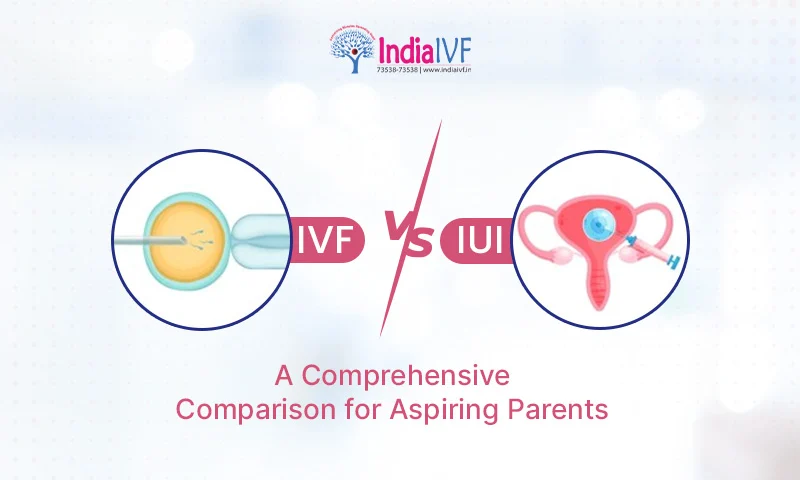
Exploring the Differences: Donor Insemination vs Partner Insemination
Partner Insemination
Partner insemination, also known as artificial insemination by partner (AIP), is a fertility treatment in which a woman is inseminated with her partner’s sperm. This method is commonly used by heterosexual couples who are struggling with infertility or have a male partner with a low sperm count.
The Process
The process of partner insemination is similar to that of donor insemination, except that the sperm used for fertilization comes from the woman’s partner. The sperm is collected, prepared, and then inserted into the woman’s uterus during her ovulation period.
Legal Considerations
In partner insemination, both partners are considered legal parents of the resulting child, regardless of who carries the pregnancy. This means that both partners have equal legal rights and responsibilities towards the child, including financial support and decision-making for the child’s upbringing.
Emotional Implications
Partner insemination can be a less complicated process emotionally, as the resulting child will have a genetic connection to both parents. However, it can also bring about added pressure and stress on the relationship, especially if the couple has been trying to conceive for an extended period.
Summary
In summary, donor insemination and partner insemination are two methods of assisted reproductive technology that involve the use of donated sperm. Donor insemination is commonly used by single women or same-sex couples, while partner insemination is often used by heterosexual couples. The legal and emotional implications of these procedures differ significantly, and it is essential for individuals and couples to carefully consider these factors before deciding on a fertility treatment.