Blog Post: The Influence of Religion: Artificial Insemination vs Natural Conception
Religion has long been a source of guidance and moral values for individuals and societies around the world. However, when it comes to topics such as reproduction and conception, religious beliefs and teachings can greatly influence personal decisions and societal views. In recent years, the advancement of medical technology has introduced artificial insemination as an alternative method to natural conception. This has sparked debates and discussions within religious communities about the morality and implications of artificial insemination compared to natural conception. In this blog post, we will explore the influence of religion on these two methods of conception and the implications they have on individuals and society as a whole.
Natural Conception in Religious Teachings
In many religious teachings, the act of procreation is seen as sacred and should only occur between a married couple. Natural conception, the process of conceiving a child through sexual intercourse, is viewed as the natural and God-given way to bring a child into the world. In Christianity, for example, the Bible states in Genesis 1:28, “Be fruitful and multiply.” This verse is often interpreted to mean that it is God’s will for humans to procreate through natural means. Similarly, in Islam, the Quran states in Surah An-Nahl 16:72, “And Allah has made for you from yourselves mates and has made for you from your mates sons and grandchildren.” This verse emphasizes the importance of procreation through natural means and the role of marriage in this process.
Artificial Insemination and Religious Views
Artificial insemination, also known as assisted reproductive technology (ART), involves the introduction of sperm into the reproductive tract of a woman using medical procedures. This method is often used by couples who are having difficulty conceiving or by single women who desire to have a child on their own. However, some religious teachings view this method as going against the natural order of procreation and as a violation of religious beliefs.
In Christianity, the Catholic Church has expressed opposition to artificial insemination, as it goes against the traditional understanding of marriage and procreation. The Church believes that procreation should only occur within the context of a married couple and through sexual intercourse. Similarly, in Judaism, the Orthodox Jewish community does not support artificial insemination as it is seen as a form of adultery and goes against the biblical commandment to “be fruitful and multiply” within the bounds of marriage.
In contrast, other religious groups, such as Reform Judaism and some branches of Protestantism, have a more accepting view of artificial insemination. They view it as a way for couples to fulfill their desire for children and see it as a medical treatment rather than a moral issue.
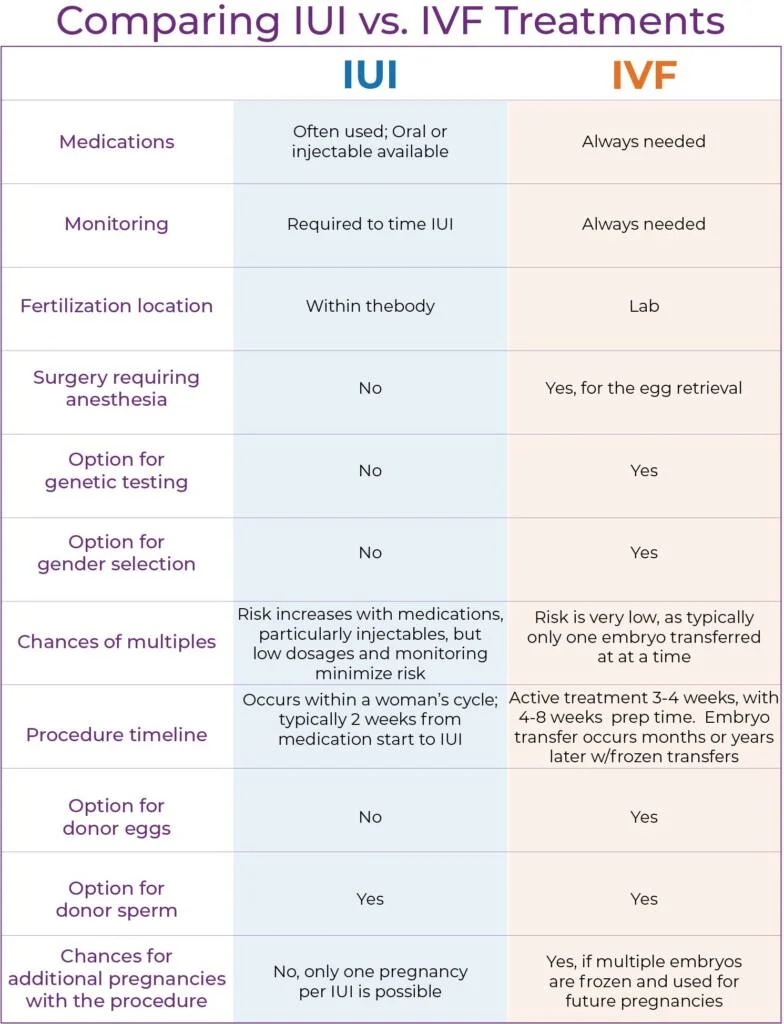
The Influence of Religion: Artificial Insemination vs Natural Conception
Implications on Society
The debate between natural conception and artificial insemination also has wider implications on society. One of the main concerns is the potential for the commodification of human life. With the advancement of technology, the process of creating a child can be reduced to a medical procedure, raising ethical questions about the value and sanctity of life.
Additionally, the availability and accessibility of artificial insemination can also lead to societal disparities. Those who can afford this costly procedure may have a higher chance of having children compared to those who cannot. This can further widen the gap between the rich and the poor, leading to social inequalities.
The Influence of Religion on Personal Decisions
Religious beliefs and teachings play a significant role in personal decisions regarding conception. For individuals who are religious, their faith may guide them in their decision to either pursue natural conception or use artificial insemination. For example, a Catholic couple may choose not to undergo artificial insemination due to their religious beliefs, while a couple from a more progressive religious community may feel more comfortable pursuing this method. The influence of religion on personal decisions regarding reproduction further highlights the significant impact it has on individuals and society as a whole.
In conclusion, religion has a profound influence on the discussion of artificial insemination vs natural conception. While some religious groups may view it as a violation of their beliefs, others may see it as a means to fulfill their desire for children. The debate between these two methods of conception also raises wider implications on society and personal decisions. As advancements in medical technology continue to shape the way we bring children into the world, it is essential to consider the influence of religion and its teachings on these matters.
Summary:
Religion plays a significant role in shaping opinions and beliefs about conception and reproduction. In recent years, the introduction of artificial insemination has sparked debates within religious communities about its morality compared to natural conception. Natural conception is seen as the God-given way to bring a child into the world, while artificial insemination is viewed as going against the natural order of procreation. This has wider implications on society, such as the commodification of human life and potential social disparities. Religious beliefs also heavily influence personal decisions about conception, with some individuals choosing one method over the other based on their faith. As technology continues to advance, it is crucial to consider the influence of religion on these matters.