Blog Post:
In recent years, the LGBTQ+ community has made significant strides towards achieving equal rights and recognition. One area where this progress has been particularly notable is in the realm of family planning. Same-sex couples, specifically those who identify as female, now have more options than ever before when it comes to starting a family. However, with so many options available, it can be overwhelming to determine the best path to parenthood. Two common methods for same-sex female couples are home insemination and IVF (in vitro fertilization). In this blog post, we will explore the success rates of these two methods and provide insights for couples considering these options.
Home Insemination:
Home insemination, also known as at-home insemination, is a technique where sperm is inserted into the vagina using a syringe or a cervical cap. This method is often chosen by same-sex female couples because it can be done in the privacy and comfort of their own home. Additionally, it is a more affordable option compared to other fertility treatments.
One of the main factors that contribute to the success rate of home insemination is timing. Sperm can survive in the female reproductive tract for up to five days, making it crucial to have sex or inseminate during the most fertile window. Ovulation predictor kits can be used to track ovulation and increase the chances of success. It is also recommended to have multiple inseminations during the fertile window to increase the number of sperm available for fertilization.
Studies have shown that home insemination has a success rate of around 10-15% per cycle. However, this number can vary significantly depending on factors such as age, fertility status, and overall health. It is worth noting that home insemination is a less controlled method compared to other fertility treatments, which can lead to a lower success rate.
In Vitro Fertilization (IVF):
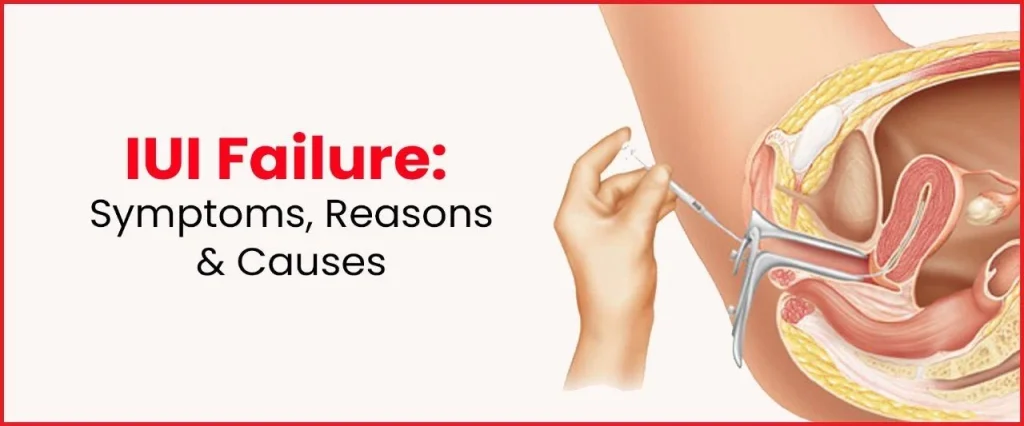
The Success Rate of Home Insemination vs IVF for Same-Sex Couples
IVF is a more complex and expensive fertility treatment that involves retrieving eggs from the ovaries and fertilizing them with sperm in a laboratory. The resulting embryo is then transferred into the uterus for implantation. This method is often chosen by couples who have fertility issues or have been unsuccessful with other methods.
The success rate of IVF is significantly higher compared to home insemination, with an average success rate of 30-40% per cycle. This is because IVF allows for more control and precision in the fertilization process. Additionally, IVF can also be combined with other techniques such as intracytoplasmic sperm injection (ICSI) to further increase the chances of success.
Factors such as age, egg and sperm quality, and overall health can also affect the success rate of IVF. The success rate may also vary depending on the clinic and the specific treatment protocol used.
So, which method is better for same-sex female couples?
It is essential to understand that both home insemination and IVF have their own unique advantages and limitations. Home insemination is a more affordable and less invasive option, while IVF offers higher success rates and more control over the fertilization process. Ultimately, the best method for a same-sex female couple will depend on their individual circumstances and preferences.
Some couples may choose to try home insemination first, and if unsuccessful, move on to IVF. Others may opt for IVF right away due to fertility issues or other factors. It is crucial to consult with a fertility specialist to determine the best course of action for each couple.
In conclusion, both home insemination and IVF can be successful methods for same-sex female couples to achieve pregnancy. While home insemination may have a lower success rate, it is a more affordable and less invasive option. On the other hand, IVF offers higher success rates but comes with a higher cost and more medical intervention. Each couple must weigh their options and make an informed decision based on their unique situation.
SEO metadata: