Paternal involvement in sperm banks and with known donors is a highly debated topic in the world of assisted reproductive technology. On one hand, sperm banks provide anonymity and the chance for a child to have a biological father who is not involved in their life. On the other hand, known donors offer the opportunity for a child to have a relationship with their biological father and potentially have a more complete understanding of their genetic background. In this blog post, we will explore the significance of paternal involvement in sperm banks vs known donors and the potential impact it has on children, donors, and families.
Sperm banks, also known as cryobanks, have been around since the 1950s and have become a popular option for individuals and couples looking to start a family. These banks collect and store donated sperm from anonymous donors, which can then be used by women or couples who are unable to conceive naturally. The anonymity of sperm donors in these banks is seen as a major benefit for both the donors and the recipients. Donors are able to provide their sperm without any legal or financial responsibilities towards the child, and recipients have the assurance that the donor will not have any involvement in the child’s life.
However, the lack of paternal involvement in sperm banks can have significant implications for the child. Many children born through donor sperm have expressed a desire to know more about their biological father and their genetic background. This lack of information can create a sense of identity loss and confusion for the child, especially as they grow up and start to question their origins. In some cases, this can even lead to feelings of rejection and abandonment. As a result, there has been a growing movement to encourage sperm banks to provide more information about the donor, such as their physical characteristics, education, and medical history.
On the other hand, known donors offer a different option for individuals and couples looking to conceive. Known donors are typically friends or acquaintances who agree to donate their sperm directly to the recipient. This allows for a more personal connection between the donor and the child, and the potential for the child to have a relationship with their biological father. In addition, known donors often provide more information about their background and may even have a role in the child’s life, whether it be as a mentor or father figure.
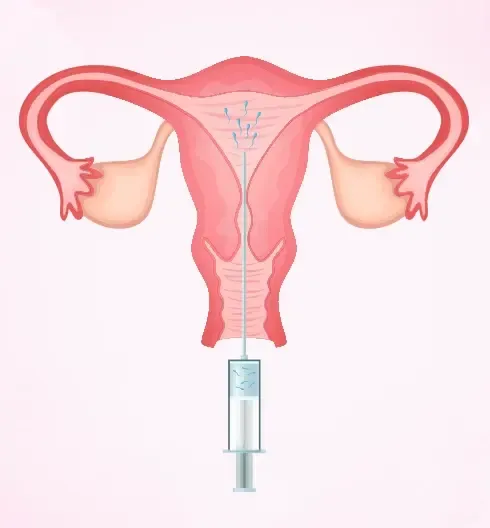
The Significance of Paternal Involvement in Sperm Banks vs Known Donors
However, known donors also come with their own set of challenges and potential risks. Unlike sperm banks, there are no legal contracts or regulations in place when using a known donor. This can lead to complicated legal and emotional issues, especially if the donor decides to have a more involved role in the child’s life. In addition, known donors may also have their own expectations and desires for their involvement in the child’s life, which could conflict with the recipient’s wishes.
The decision between using sperm banks or known donors ultimately comes down to personal preference and individual circumstances. However, studies have shown that children born through known donors tend to have a more positive outlook on their conception story and their relationship with their biological father. This is not to say that children born through sperm banks do not have fulfilling and happy lives, but rather that the potential for a lack of information and connection can have a significant impact on their well-being.
Furthermore, paternal involvement in sperm banks and with known donors also has implications for the donors themselves. Sperm donors in banks are often anonymous and may never know if their donation resulted in a child. On the other hand, known donors are able to see the direct impact of their donation and may feel a sense of responsibility towards the child. This can lead to a more fulfilling experience for the donor and a potential lifelong relationship with the child.
In addition, the involvement of the biological father in the child’s life can also have a positive impact on the family dynamics. Children born through known donors have the opportunity to have a complete understanding of their genetic background and may feel a stronger sense of connection to their family. It also allows for open communication about the child’s origins, which can help create a more honest and trusting relationship between the child and their parents.
In conclusion, the significance of paternal involvement in sperm banks vs known donors is a complex and highly debated topic. While sperm banks offer anonymity and a sense of security for both donors and recipients, known donors provide the opportunity for a child to have a relationship with their biological father and a more complete understanding of their genetic background. The decision ultimately comes down to personal preference, but it is important to consider the potential impacts on the child, donor, and family dynamics. As technology continues to advance, it is crucial that we continue to have these discussions and consider the best option for all parties involved.