In today’s world, many couples struggle with infertility and turn to assisted reproductive technology (ART) to help them conceive. Two popular options for ART are Intrauterine Insemination (IUI) and In Vitro Fertilization (IVF). These methods have been used for decades and have helped thousands of couples achieve their dream of having a child. However, there is often confusion and debate surrounding which method has a higher success rate. In this blog post, we will delve into the research and statistics to compare the success rates of IUI and IVF.
Intrauterine Insemination (IUI) is a fertility treatment that involves inserting washed and prepared sperm directly into the uterus during ovulation. This method is often used for couples who have unexplained infertility, mild male factor infertility, or cervical issues. The success rate of IUI depends on various factors such as age, cause of infertility, and overall health. According to the American Pregnancy Association, the success rate for IUI is around 10-20% per cycle. This means that out of 100 couples, 10-20 will conceive in the first cycle of IUI.
On the other hand, In Vitro Fertilization (IVF) is a more complex and invasive procedure that involves fertilizing eggs with sperm in a lab and then transferring the resulting embryo(s) into the uterus. This method is often recommended for couples with severe male factor infertility, tubal blockages, or advanced maternal age. The success rate of IVF also depends on various factors, but according to the Centers for Disease Control and Prevention (CDC), the average success rate for IVF in the United States is around 30% per cycle. This means that out of 100 couples, 30 will conceive in the first cycle of IVF.
It is clear from these statistics that IVF has a higher success rate than IUI. However, it is essential to note that success rates can vary greatly depending on the individual case. For example, the success rate for IVF is higher in younger women, as age plays a significant role in fertility. Additionally, the cause of infertility can also affect success rates. For couples with male factor infertility, IVF may be a more effective option compared to IUI.
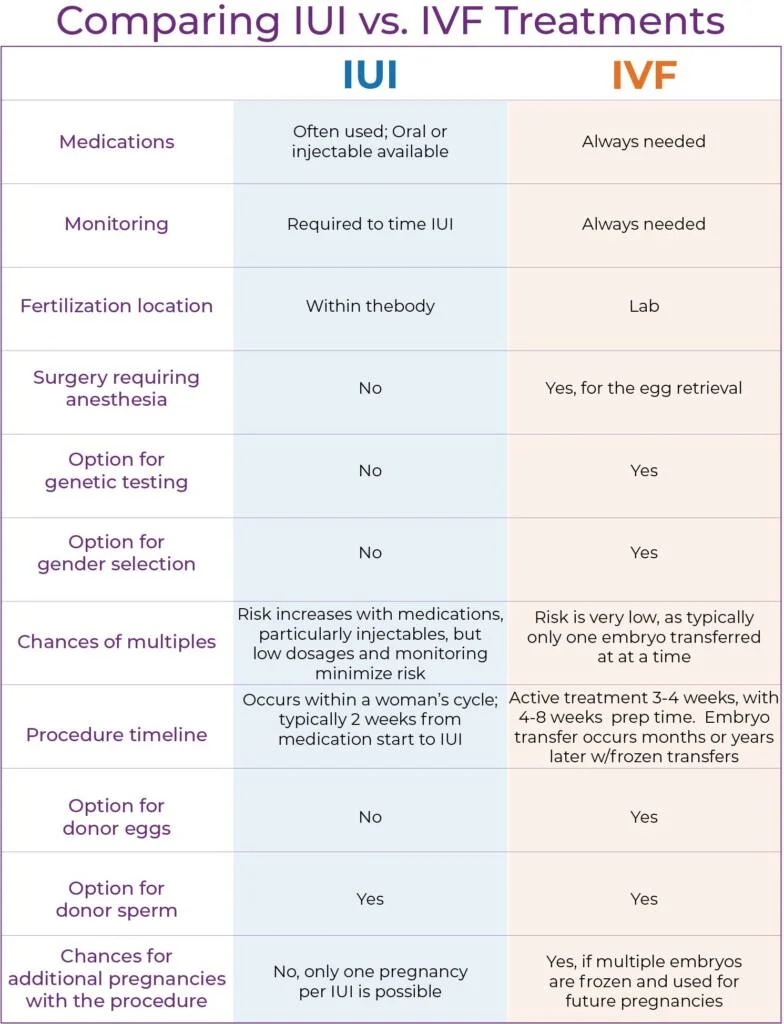
Success Rates: Intrauterine Insemination vs In Vitro Fertilization
Another factor to consider is the cost of these treatments. IUI is a less expensive option compared to IVF, as it does not involve the same level of complexity and medication. The average cost of IUI in the US is around $1,000-$2,000 per cycle, while IVF can cost anywhere from $12,000-$15,000 per cycle. This cost difference can be a significant factor for couples when deciding which treatment to pursue.
It is also essential to understand that success rates are not the only measure of success in fertility treatments. The emotional toll and stress of undergoing these procedures can also play a significant role in a couple’s journey to parenthood. It is crucial for couples to consider their emotional well-being and seek support during this time.
Furthermore, it is worth noting that both IUI and IVF may require multiple cycles to achieve a successful pregnancy. The success rates mentioned above are per cycle, and it is not uncommon for couples to undergo several cycles before conceiving. This can also add to the overall cost of treatment.
In conclusion, when comparing the success rates of IUI and IVF, it is clear that IVF has a higher success rate. However, the decision between these two methods should not solely be based on success rates. Couples should also consider other factors such as cost, cause of infertility, and emotional well-being. It is essential to consult with a fertility specialist to determine the best course of treatment for each individual case.
In summary, when it comes to success rates, In Vitro Fertilization (IVF) has a higher success rate compared to Intrauterine Insemination (IUI). However, success rates can vary greatly depending on individual factors, and other considerations such as cost and emotional well-being should also be taken into account when deciding on a fertility treatment. It is crucial for couples to seek guidance from a fertility specialist and to make an informed decision that is best for their unique situation.