Blog Post Title: The Role of Technology in Fertility Testing: From Apps to Home Kits
Summary:
Technology has revolutionized many aspects of our lives, and fertility testing is no exception. With the rise of fertility apps and home testing kits, couples now have more options than ever before to track and monitor their fertility. In this blog post, we will explore the various ways technology is changing the landscape of fertility testing and how it is helping couples on their journey to parenthood.
First, we will delve into the world of fertility apps. These smartphone applications have gained popularity in recent years, offering a convenient and accessible way for women to track their menstrual cycles and ovulation. Many of these apps use algorithms and data input by the user to predict the most fertile days of the month. They also provide valuable information and resources on fertility, ovulation, and pregnancy.
However, while fertility apps can be helpful, they should not be relied on as the sole method of fertility testing. They are not always accurate, as they are based on assumptions and calculations rather than actual data from the body. Additionally, they do not take into account individual differences and factors that can affect fertility, such as hormonal imbalances or underlying medical conditions.
This is where home fertility testing kits come into play. These kits allow couples to test their fertility in the comfort of their own home, without the need for a doctor’s appointment. They typically include ovulation predictor kits, which detect the surge of luteinizing hormone (LH) that occurs before ovulation, as well as sperm analysis kits for men. These tests provide more reliable and personalized results, giving couples a better understanding of their fertility status.
The Role of Technology in Fertility Testing: From Apps to Home Kits
Another significant advancement in fertility technology is the development of at-home hormone testing kits. These kits use saliva or urine samples to measure levels of key hormones such as estrogen, progesterone, and follicle-stimulating hormone (FSH). Hormone imbalances can have a significant impact on fertility, and these tests can help identify any issues that may be hindering conception.
Furthermore, technology has also made it possible for couples to test for genetic disorders that may affect their ability to conceive or carry a healthy pregnancy. Preconception carrier screening kits can be purchased online and provide a comprehensive analysis of potential genetic risks. This information can help couples make informed decisions about their family planning and seek appropriate medical interventions if necessary.
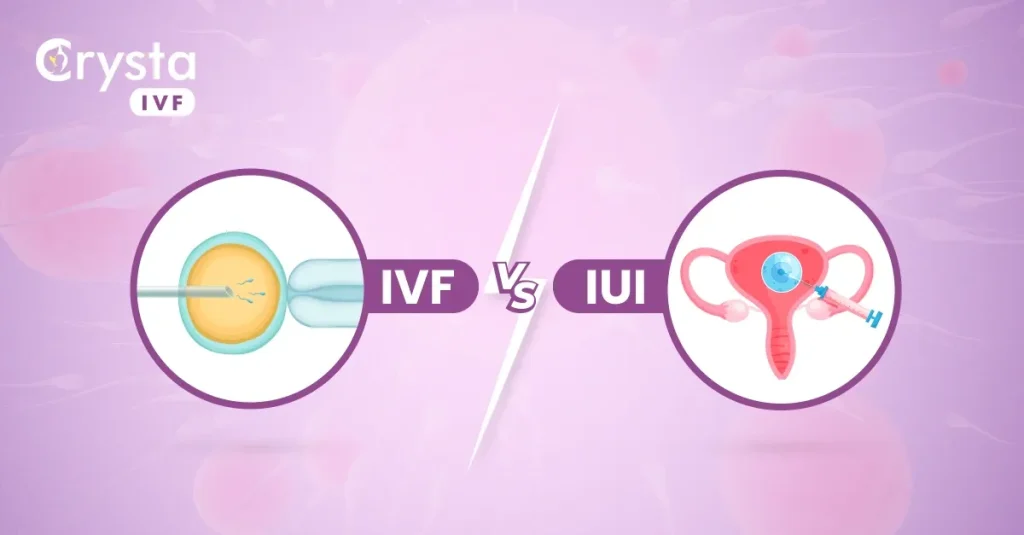
Apart from these direct fertility testing methods, technology has also played a crucial role in the assisted reproductive technology (ART) field. In vitro fertilization (IVF) and other ART procedures have become more advanced and successful with the use of cutting-edge technology. From embryo screening to the freezing and thawing of eggs and sperm, technology has greatly improved the success rates of these procedures, giving hope to many couples struggling with fertility issues.
Moreover, technology has also made it possible for couples to seek remote medical consultations and treatments. Telemedicine and virtual appointments have become increasingly popular, allowing couples to connect with fertility specialists from the comfort of their own homes. This has been especially beneficial for those living in rural or remote areas, where access to specialized medical care may be limited.
However, with all these advancements in technology, it is essential to note that fertility testing is just one piece of the puzzle when it comes to conceiving. It is crucial to seek guidance from a healthcare professional and not solely rely on technology for a complete assessment of fertility.
In conclusion, technology has had a significant impact on the world of fertility testing. From apps to home kits and advanced ART procedures, it has made the process more accessible, convenient, and accurate. However, it is essential to use technology as a tool in conjunction with medical advice and not as a replacement for professional guidance. With the help of technology, couples can take a more proactive approach to their fertility and have a better chance of achieving their dream of starting a family.