Surrogacy vs Adoption: A Religious Perspective
Surrogacy and adoption are two options for individuals or couples who are unable to conceive a child naturally. While both options involve bringing a child into a family, they have significant differences in terms of the processes, legalities, and ethical considerations. These differences become even more complex when viewed through a religious lens, as many religions have strong beliefs and teachings regarding the creation and sanctity of human life.
In this blog post, we will explore the topic of surrogacy vs adoption from a religious perspective. We will examine the beliefs and opinions of various religions, discuss the ethical considerations involved, and weigh the pros and cons of each option. By the end, you will have a better understanding of these two paths to parenthood and how they intersect with different faiths.
Religious Perspectives on Surrogacy
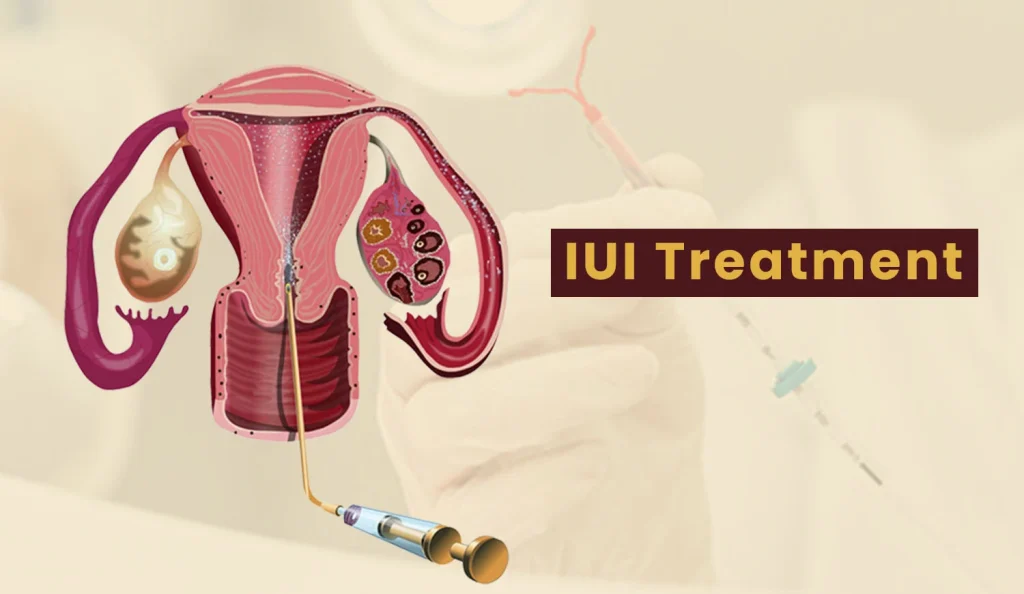
Surrogacy is the process through which a woman carries a child for another individual or couple. There are two types of surrogacy: traditional and gestational. In traditional surrogacy, the surrogate mother’s own egg is fertilized with the intended father’s sperm. In gestational surrogacy, the surrogate mother carries a child conceived through in vitro fertilization (IVF) using either the intended mother’s egg or a donor egg.
From a religious perspective, surrogacy is a complex and controversial issue. Many religions believe that human life is sacred and should only be created through natural means, such as sexual intercourse between a husband and wife. For example, in Catholicism, surrogacy is seen as a violation of the natural order of procreation and is therefore considered morally unacceptable. Similarly, in Islam, surrogacy is not allowed as it goes against the teachings of the Qur’an, which states that children should be conceived through the union of a husband and wife.
On the other hand, some religions have a more accepting view of surrogacy. In Judaism, surrogacy is permitted as long as the surrogate mother is Jewish and the intended parents are married. However, there are still debates within the Jewish community about the ethical implications of surrogacy, particularly regarding the potential exploitation of the surrogate mother and the commodification of human life.
In Hinduism, there is no clear stance on surrogacy, as it is not mentioned in religious texts. However, some Hindus believe that the creation of life through surrogacy is a form of divine intervention and therefore acceptable. Others argue that surrogacy goes against the principle of karma and can have negative consequences for the child and the surrogate mother.
Ethical Considerations of Surrogacy
One of the main ethical concerns surrounding surrogacy is the potential for exploitation of the surrogate mother. In some cases, the surrogate mother may come from a lower socioeconomic background and may be financially motivated to carry a child for someone else. This raises questions about the autonomy and agency of the surrogate mother and whether she is truly making an informed decision.
Surrogacy vs Adoption: A Religious Perspective
There is also the issue of the emotional and physical toll that surrogacy can take on the surrogate mother. Carrying a child for nine months and then giving it up can be a traumatic experience for some women, and it is important to consider their well-being in the surrogacy process.
Furthermore, surrogacy raises questions about the commodification of human life. Some argue that it reduces the child to a commodity that can be bought and sold, rather than a precious and unique individual. This goes against the beliefs of many religions, which view human life as sacred and not something that can be bought or traded.
Religious Perspectives on Adoption
Adoption, on the other hand, is the legal process through which a child is permanently placed with individuals or couples who are not the child’s biological parents. It is often seen as a selfless and compassionate act, as it provides a loving home for a child in need.
From a religious perspective, adoption is generally viewed in a positive light. In Christianity, adoption is often seen as a reflection of God’s love and care for his children. The Bible even mentions adoption, with verses such as Romans 8:15 stating, “For you did not receive the spirit of slavery to fall back into fear, but you have received the Spirit of adoption as sons, by whom we cry, ‘Abba! Father!’”
In Islam, adoption is encouraged as a way to provide care and love for orphaned children. The Qur’an states, “They ask you [O Muhammad] concerning orphans. Say, ‘The best thing to do is what is for their good; if you mix their affairs with yours, remember they are your brethren; but Allah knows the one who spoils from the one who improves. If Allah had wished, He could have put you in great difficulty. Allah is Mighty, Wise.” (Qur’an 2:220)
Ethical Considerations of Adoption
While adoption may seem like a more straightforward and ethical option compared to surrogacy, it also has its own set of concerns. One of the main issues is the potential for cultural and religious displacement of the child. In some cases, children are adopted by families of a different culture or religion, which can lead to a loss of identity and confusion for the child.
Another concern is the possibility of “baby selling” or unethical adoption practices. In some countries, there have been cases of adoption agencies or individuals taking advantage of vulnerable birth parents and profiting from the adoption process. This goes against the principles of honesty, fairness, and compassion that are emphasized in many religions.
Summary
In conclusion, surrogacy and adoption are two paths to parenthood that have significant differences in terms of religious beliefs, ethical considerations, and legalities. While surrogacy may go against the teachings of many religions and raises concerns about exploitation and commodification, adoption is generally viewed more positively but still has its own set of ethical concerns. Ultimately, the decision to pursue surrogacy or adoption is a deeply personal one that should be made after careful consideration and consultation with one’s religious beliefs and values.