Egg donation and egg freezing are two fertility options that have become increasingly popular in recent years. While both procedures involve the use of eggs, they differ in their purpose and process. Egg donation involves retrieving eggs from a donor and using them for in vitro fertilization (IVF) to help another woman or couple conceive. On the other hand, egg freezing involves retrieving and preserving a woman’s own eggs for future use. In both cases, the quality of the eggs is a crucial factor in the success of the procedures. In this blog post, we will take a closer look at egg quality and its importance in egg donation and egg freezing.
Understanding Egg Quality
Egg quality refers to the health and viability of an egg. It is determined by several factors, including the age of the egg donor or the woman producing the eggs, the number of eggs retrieved, and the condition of the eggs. As women age, their egg quality decreases, making it more difficult to conceive naturally. This decline in egg quality is due to a decrease in the number of eggs and a decrease in their quality.
Egg Quality and Egg Donation
In egg donation, the recipient relies on the quality of the donor’s eggs to conceive. This is why the selection process for egg donors is rigorous, and a thorough evaluation of their egg quality is conducted. Egg donors are typically young and healthy women, with a high number of eggs and good quality. This increases the chances of success for the recipient.
Factors That Affect Egg Quality in Egg Donation
There are several factors that can affect egg quality in egg donation. One of the most significant factors is the age of the egg donor. Younger donors have better quality eggs, which increases the chances of a successful pregnancy. The donor’s lifestyle and medical history are also taken into consideration. Donors who lead a healthy lifestyle and have no known medical issues are more likely to have good quality eggs. Additionally, the fertility clinic’s protocols and procedures can also impact egg quality. A reputable clinic with experienced medical professionals will have higher success rates in producing good quality eggs.
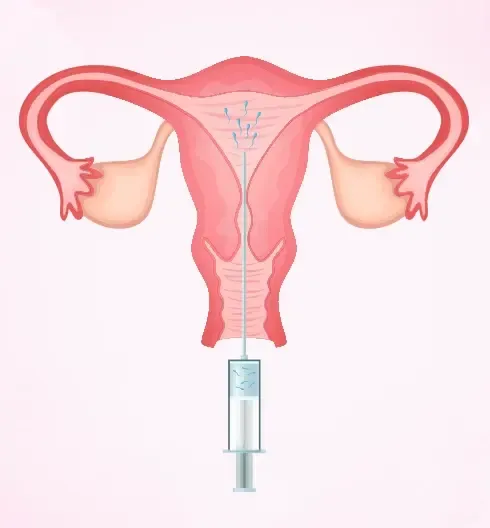
Egg Donation and Egg Freezing: A Look at Egg Quality
Egg Quality and Egg Freezing
Egg freezing has become a popular option for women who wish to preserve their fertility for the future. As women age, their egg quality decreases, making it more difficult to conceive naturally. By freezing their eggs at a younger age, women can increase their chances of having a healthy pregnancy later in life. The quality of the frozen eggs is crucial in the success of the procedure.
Factors That Affect Egg Quality in Egg Freezing
Similar to egg donation, the age of the woman is a significant factor in egg quality for egg freezing. Women in their 20s and early 30s have higher quality eggs compared to women in their late 30s and 40s. The number of eggs retrieved and the condition of the eggs also play a role. It is essential that the eggs are retrieved and frozen properly to maintain their quality. The freezing process, known as vitrification, has been a significant advancement in egg freezing technology as it allows for better preservation of egg quality.
Improving Egg Quality
While age is a significant factor in egg quality, there are steps that can be taken to improve the quality of eggs. A healthy lifestyle, including a balanced diet and regular exercise, can have a positive impact on egg quality. Avoiding smoking, excessive alcohol consumption, and drugs can also help improve egg quality. In some cases, supplements and medications may be prescribed by a fertility specialist to help improve egg quality.
In Conclusion
Egg quality is a crucial factor in the success of egg donation and egg freezing procedures. While age is a significant factor, there are other factors that can affect egg quality. By understanding the importance of egg quality and taking steps to improve it, women can increase their chances of having a successful pregnancy through egg donation or egg freezing.
In summary, egg donation and egg freezing are two fertility options that rely on the quality of eggs for success. Egg quality is determined by various factors, including age, lifestyle, and medical history. For egg donation, the quality of the donor’s eggs is crucial, while for egg freezing, the quality of the woman’s own eggs is vital. Improving egg quality through a healthy lifestyle and medical intervention can increase the chances of a successful pregnancy.