Blog Post: The Intersection of Mental Health and Fertility: How Fertility Counselors Can Help
Fertility is a complex journey that can bring about a wide range of emotions and challenges. While many people may think of fertility solely as a physical issue, the truth is that it also has a significant impact on mental health. The emotional toll of struggling to conceive, undergoing fertility treatments, and experiencing miscarriages or pregnancy losses can be overwhelming. This is where fertility counselors play a crucial role in supporting individuals and couples through their fertility journey.
In this blog post, we will explore the intersection of mental health and fertility and the ways in which fertility counselors can help individuals and couples navigate this complex terrain.
Understanding the Mental Health Impact of Fertility
Fertility struggles can lead to a wide range of mental health issues, including anxiety, depression, grief, and trauma. The emotional rollercoaster of trying to conceive can take a toll on even the strongest individuals. Fertility treatments, such as in vitro fertilization (IVF), can also be physically and emotionally draining, adding to the stress and anxiety of the process.
Moreover, the fear of not being able to have a child can evoke feelings of grief and loss, causing individuals to question their self-worth and purpose. This can be especially challenging for those who have always dreamed of becoming parents or have been trying to conceive for an extended period. The pressure from society and family members can also add to the mental burden, making it challenging to navigate the fertility journey alone.
The Role of Fertility Counselors in Supporting Mental Health
Fertility counselors are mental health professionals who specialize in helping individuals and couples navigate the mental health challenges of fertility. They provide a safe and non-judgmental space for individuals to express their emotions, fears, and concerns. Here are some ways in which fertility counselors can help:
1. Coping with Stress and Anxiety
Fertility counselors can assist individuals in developing coping strategies to manage the stress and anxiety that often accompany fertility struggles. They may use techniques such as mindfulness, relaxation techniques, and cognitive-behavioral therapy (CBT) to help individuals manage their emotions and thoughts effectively.
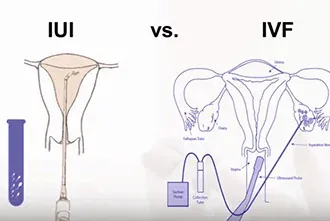
The Intersection of Mental Health and Fertility: How Fertility Counselors Can Help
2. Processing Grief and Loss
Experiencing miscarriages or pregnancy losses can be devastating for individuals and couples. Fertility counselors can provide a supportive environment for individuals to process their grief, understand their emotions, and find ways to cope with their loss. They can also help couples navigate the impact of pregnancy losses on their relationship.
3. Managing the Impact of Fertility Treatments
Fertility treatments can be physically and emotionally taxing. Fertility counselors can help individuals and couples prepare for the emotional challenges of treatment and provide support throughout the process. They can also assist in managing the side effects of medication and the financial stress that comes with fertility treatments.
4. Addressing Relationship Issues
Fertility struggles can strain even the strongest of relationships. Fertility counselors can help couples navigate the impact of fertility issues on their relationship and find ways to communicate effectively and support each other. They can also assist in addressing any underlying relationship issues that may be contributing to the fertility struggles.
5. Making Informed Decisions
Fertility counselors can help individuals and couples make informed decisions about their fertility journey. They can provide information about different treatment options, their success rates, and the potential emotional and financial impact of each option. This can help individuals and couples make choices that align with their values and goals.
6. Providing Support During Pregnancy
For those who have struggled with fertility, pregnancy can bring about a unique set of emotions and challenges. Fertility counselors can provide support during this transition, helping individuals and couples navigate their anxieties and fears, and prepare for the changes that come with pregnancy.
In summary, fertility struggles can have a significant impact on mental health, and fertility counselors play a crucial role in supporting individuals and couples through their journey. They can provide a safe and supportive space for individuals to process their emotions, develop coping strategies, and make informed decisions. Fertility counselors can also assist in maintaining healthy relationships and supporting individuals during pregnancy. Seeking the support of a fertility counselor can make a significant difference in the mental well-being of those struggling with fertility, helping them navigate this challenging journey with greater resilience and strength.