Blog Post: Uncovering the Success Rates of At-Home Insemination: What You Need to Know
At-home insemination, also known as self-insemination, is becoming an increasingly popular method for couples and individuals who are trying to conceive. With the advancements in technology and the availability of home insemination kits, many are choosing this option over traditional methods. However, there is still a lot of uncertainty and misconceptions surrounding the success rates of at-home insemination. In this blog post, we will uncover the truth about at-home insemination and what you need to know before considering this method.
What is At-Home Insemination?
At-home insemination is a method of conceiving a child without medical intervention. It involves using a donor’s sperm to fertilize an egg, which can either be self-administered or with the help of a partner. This process can be done at home using a home insemination kit or with the assistance of a healthcare professional.
Understanding Success Rates
The success rates of at-home insemination vary greatly and are affected by several factors such as age, overall health, and fertility issues. It is essential to have realistic expectations and understand that at-home insemination may not work for everyone. According to a study published in the Journal of Assisted Reproduction and Genetics, the success rate of at-home insemination ranges from 15% to 28% per cycle. This is significantly lower than the success rates of assisted reproductive technologies such as in vitro fertilization (IVF).
Factors Affecting Success Rates
Age: Age plays a significant role in the success rates of at-home insemination. Women over the age of 35 have a lower likelihood of conceiving through at-home insemination compared to younger women. As women age, their fertility decreases, making it more challenging to conceive through any method.
Fertility Issues: At-home insemination may not be suitable for couples or individuals with certain fertility issues such as low sperm count or endometriosis. It is crucial to consult with a healthcare professional before attempting at-home insemination to determine if it is the right option for you.
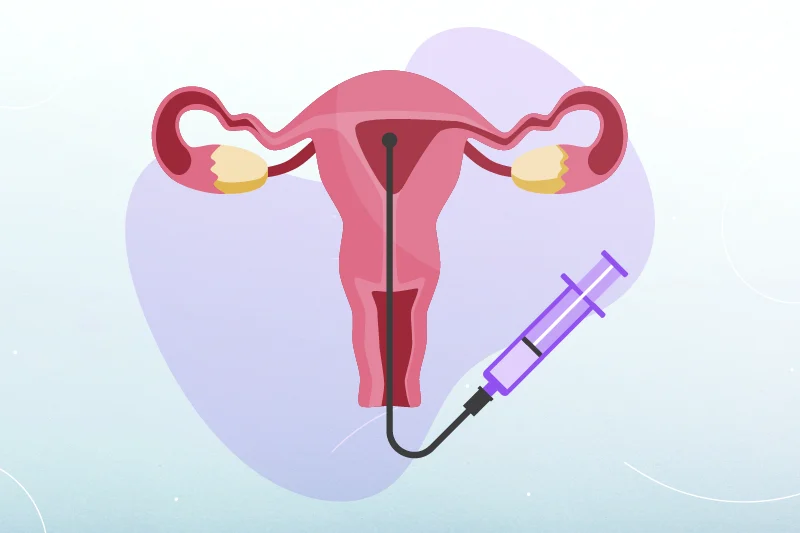
Uncovering the Success Rates of At-Home Insemination: What You Need to Know
Timing: Timing is crucial when it comes to at-home insemination. It is recommended to track ovulation using ovulation predictor kits or fertility apps to increase the chances of success. Having intercourse or insemination during the fertile window is crucial for conception to occur.
Preparation and Technique: Proper preparation and technique are vital for the success of at-home insemination. It is essential to follow the instructions of the home insemination kit carefully and be aware of any potential risks or side effects. Some kits may require additional steps such as preparing the sperm sample or using a cervical cap.
Tips for Improving Success Rates
While there is no guarantee that at-home insemination will lead to pregnancy, there are some tips that can help improve the success rates:
– Consult with a healthcare professional: It is always recommended to consult with a healthcare professional before attempting at-home insemination. They can help assess your overall health and fertility and provide guidance on the best approach for you.
– Track ovulation: As mentioned earlier, tracking ovulation is crucial for timing intercourse or insemination. Ovulation predictor kits and fertility apps can help determine the fertile window and increase the chances of conception.
– Consider fertility supplements: Some fertility supplements, such as folic acid and CoQ10, have been shown to improve fertility in both men and women. Consult with a healthcare professional before incorporating any supplements into your routine.
– Be patient: It is essential to have patience when it comes to at-home insemination. It may take several cycles before conception occurs, so do not get discouraged if it does not happen right away.
In conclusion, at-home insemination can be an effective method for conceiving a child, but it is essential to have realistic expectations and understand the factors that can affect its success rates. Consulting with a healthcare professional, tracking ovulation, and being patient are all crucial in increasing the chances of success. Remember to always follow the instructions of the home insemination kit and seek medical advice if needed.
SEO Metadata: