Fertility is a natural process that is essential for the continuation of human life. However, for many couples, trying to conceive can be a challenging and emotional journey. In recent years, the use of fertility medications and supplements has become increasingly common as a way to enhance fertility and increase the chances of pregnancy. But with so many different options available, it can be overwhelming to know which ones are truly effective and safe. In this blog post, we will dive into the truth about fertility medications and supplements, providing expert insights to help you make informed decisions on your fertility journey.
Understanding Fertility Medications and Supplements
Fertility medications are drugs that are used to stimulate ovulation in women or improve sperm production in men. These medications are often used in conjunction with assisted reproductive technology (ART) such as in vitro fertilization (IVF). The most commonly used fertility drugs for women include clomiphene citrate, letrozole, and gonadotropins. These drugs work by stimulating the ovaries to produce more eggs, increasing the chances of pregnancy.
On the other hand, fertility supplements are natural products that are believed to enhance fertility by improving overall reproductive health. They may contain a combination of vitamins, minerals, herbs, and other nutrients that are thought to support reproductive function. Some popular fertility supplements include CoQ10, DHEA, and omega-3 fatty acids.
Expert Insights on Fertility Medications and Supplements
To gain a better understanding of the effectiveness and safety of fertility medications and supplements, we consulted with experts in the field of reproductive medicine.
Dr. Brooke Hodes-Wertz, a reproductive endocrinologist and infertility specialist at New York University Langone Fertility Center, emphasizes the importance of consulting with a fertility specialist before starting any medication or supplement. She says, “It is crucial to undergo a thorough fertility evaluation to determine the underlying cause of infertility before starting any treatment. This will help to determine which medication or supplement is most appropriate for each individual.”
When it comes to fertility medications, Dr. Hodes-Wertz explains that they can be highly effective in stimulating ovulation and increasing the chances of pregnancy, especially for women with ovulation disorders. She also notes that these drugs are generally safe when used under the guidance of a fertility specialist. However, they may come with side effects such as hot flashes, mood swings, and bloating.
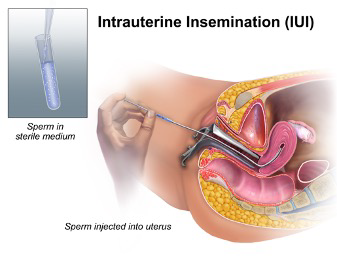
The Truth About Fertility Medications and Supplements: Expert Insights
As for fertility supplements, Dr. Hodes-Wertz says that while some may have potential benefits for certain individuals, they are not regulated by the FDA and their effectiveness has not been scientifically proven. She advises caution when using supplements and recommends discussing them with a doctor before incorporating them into a fertility treatment plan.
Dr. Aimee Eyvazzadeh, a fertility specialist and founder of Egg Whisperer Fertility Clinic, also stresses the importance of consulting with a fertility specialist before taking any medication or supplement. She explains that “every person’s fertility journey is unique, and what works for one person may not work for another.” Dr. Eyvazzadeh also recommends doing thorough research and seeking guidance from a trusted healthcare provider before starting any medication or supplement.
Are Natural Supplements Safe?
Many couples turn to natural supplements as a more “natural” option for enhancing fertility. However, it’s essential to understand that just because a product is labeled as “natural” does not automatically make it safe or effective. Dr. Hodes-Wertz explains that “natural” supplements are not regulated by the FDA, and there is limited research on their safety and effectiveness. She recommends being cautious and consulting with a doctor before taking any supplements, as some may interact with other medications or have potential side effects.
Dr. Eyvazzadeh also cautions against taking high doses of supplements without supervision, as they may not be safe and could potentially harm the liver or kidneys. She advises her patients to focus on a healthy diet and lifestyle instead of relying on supplements for fertility.
The Bottom Line
Fertility medications and supplements can be beneficial for couples struggling to conceive, but they are not a one-size-fits-all solution. It’s essential to work with a fertility specialist to determine the best course of treatment for your unique situation. While fertility medications have been proven to be effective in increasing fertility, natural supplements may have potential benefits but are not regulated and may not be safe for everyone. Always consult with a doctor before starting any new medication or supplement.
In conclusion, fertility medications and supplements can play a role in enhancing fertility, but they should be used under the guidance of a fertility specialist and with caution. The most important factor in achieving a successful pregnancy is a thorough fertility evaluation to determine the underlying cause of infertility. With the help of a trusted healthcare provider, you can make informed decisions on your fertility journey and increase your chances of starting a family.