Traditional fertility treatments have been used for centuries to help women and couples struggling with fertility issues. These treatments often involve natural remedies, herbal supplements, and traditional practices passed down through generations. While modern medical technology has made significant advancements in fertility treatments, many still turn to traditional methods due to their affordability, accessibility, and cultural significance.
However, before making a decision to pursue traditional fertility treatments, there are important factors to consider. In this blog post, we will explore the various traditional fertility treatments available, their effectiveness, and what to consider before choosing this route.
Types of Traditional Fertility Treatments
1. Acupuncture: This ancient Chinese practice involves the insertion of thin needles into specific points on the body to improve the flow of energy. Acupuncture has been used for fertility treatment as it is believed to regulate hormones, improve blood flow to the reproductive organs, and reduce stress and anxiety.
2. Herbal Remedies: Many cultures have their own herbal remedies for fertility, such as Chinese medicine, Ayurveda, and Native American medicine. These herbs are believed to balance hormones, improve egg quality, and increase sperm count.
3. Traditional Diets: In some cultures, certain foods are believed to have fertility-boosting properties. For example, in the Mediterranean diet, which is rich in healthy fats, fruits, and vegetables, has been linked to improved fertility in women.
4. Massage: Traditional fertility massages, such as the Maya Abdominal Massage, are believed to help improve fertility by increasing blood flow to the reproductive organs, reducing stress, and balancing hormones.
Effectiveness of Traditional Fertility Treatments
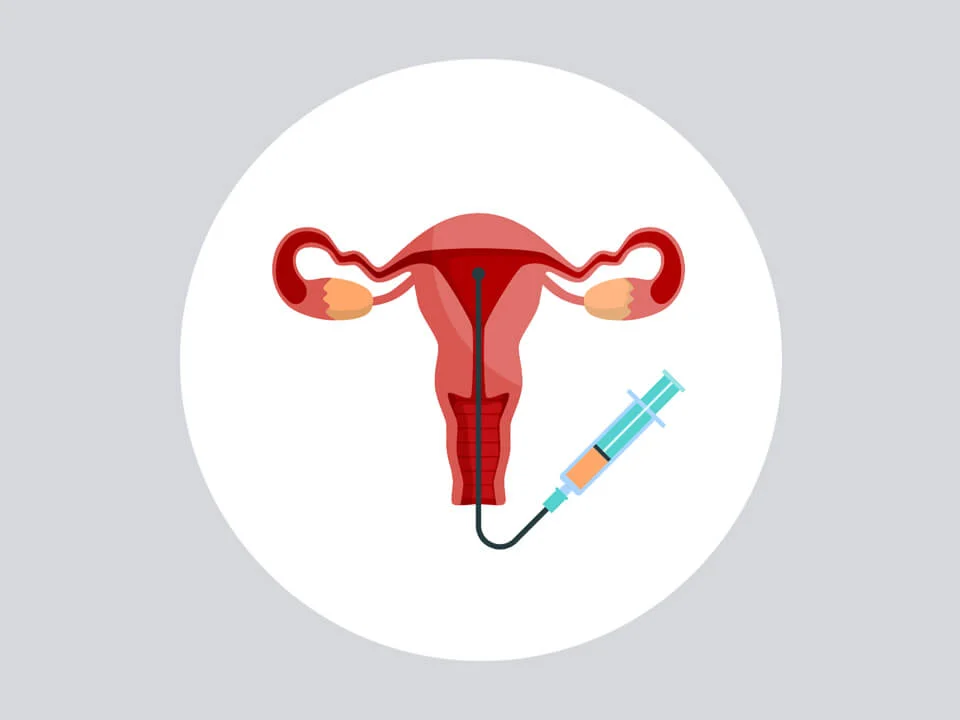
Traditional Fertility Treatments: What to Consider Before Making a Decision
While there is limited scientific evidence to support the effectiveness of traditional fertility treatments, many have been used for centuries and have anecdotal evidence of success. Acupuncture, for example, has been shown to improve fertility outcomes in women undergoing in vitro fertilization (IVF) treatments. Herbal remedies, such as chasteberry, have been linked to improved hormone balance and menstrual regularity. However, it is important to note that these treatments may not work for everyone, and results may vary.
Factors to Consider Before Choosing Traditional Fertility Treatments
1. Consult Your Doctor: Before starting any traditional fertility treatments, it is crucial to consult with your doctor. They can help determine if the treatment is safe for you, and if it may interact with any medications you are currently taking.
2. Understand the Risks: While traditional fertility treatments are generally considered safe, some herbs and supplements may have side effects or interact with other medications. It is important to research and understand the potential risks associated with any treatment before starting it.
3. Time and Commitment: Unlike medical fertility treatments, traditional methods may require more time and commitment before seeing results. For example, acupuncture may require multiple sessions before showing any improvements in fertility.
4. Cultural Sensitivity: It is essential to approach traditional fertility treatments with cultural sensitivity and respect. Some treatments may have cultural or spiritual significance, and it is important to understand and honor these traditions.
5. Cost: Traditional fertility treatments may be more affordable than medical treatments, but they still come with a cost. It is important to consider the cost of herbs, supplements, acupuncture sessions, and other related expenses.
6. Emotional Impact: Struggling with fertility can take an emotional toll on individuals and couples. It is essential to take care of your mental health during this process and seek support if needed.
In summary, traditional fertility treatments offer an alternative option for those struggling with infertility. While they may not have the same level of scientific evidence as medical treatments, many have been used for centuries and have anecdotal evidence of success. Before choosing this route, it is crucial to consult with your doctor, understand the risks, and consider factors such as time, cost, and cultural sensitivity.