Traditional Fertility Treatments: Understanding the Risks and Side Effects
Fertility is a vital aspect of human existence. For many couples, the desire to have a child is one of the most important goals in their lives. Unfortunately, not everyone has an easy time conceiving. In such cases, fertility treatments can be a helpful option. These treatments have been used for centuries in various cultures and have evolved into a multi-billion-dollar industry in modern times.
While modern fertility treatments offer hope to couples struggling with infertility, they also come with their share of risks and side effects. In this blog post, we will discuss traditional fertility treatments, their potential risks and side effects, and how to make an informed decision when considering these treatments.
Traditional fertility treatments refer to methods that have been used for centuries in different cultures to help couples conceive. These treatments are often rooted in cultural beliefs and practices and are passed down from generation to generation. They include herbal remedies, acupuncture, massage, and dietary changes.
One of the most popular traditional fertility treatments is herbal remedies. Herbs such as maca root, red clover, and chasteberry have been used for centuries to boost fertility. These herbs are believed to regulate hormones, improve egg quality, and increase sperm count. However, the use of herbal remedies for fertility is not backed by scientific evidence and may come with potential risks.
One of the main risks of using herbal remedies for fertility is the lack of regulation. In many countries, herbal supplements are not subject to the same strict regulations as prescription medication. This means that the purity, potency, and safety of these herbs may not be guaranteed. Some herbal supplements may also interact with other medications or have adverse effects on certain medical conditions. It is essential to consult a healthcare professional before taking any herbal supplements for fertility.
Another traditional fertility treatment is acupuncture, which involves the insertion of thin needles into specific points on the body. This ancient Chinese practice is believed to stimulate the body’s natural healing processes and regulate the flow of energy. In terms of fertility, acupuncture is thought to improve blood flow to the reproductive organs, balance hormones, and reduce stress levels. While there is some evidence to support the use of acupuncture for fertility, its effectiveness is still debated. Moreover, there are some potential risks associated with this treatment, such as infection and bruising at the needle insertion site.
Massage is another traditional fertility treatment that has been used for centuries. The practice of abdominal or fertility massage involves gentle, targeted massage techniques on the abdomen and lower back to improve blood flow to the reproductive organs. This type of massage is believed to help break up scar tissue, improve hormonal balance, and promote relaxation. While there is limited scientific evidence to support the effectiveness of fertility massage, it is generally considered safe. However, it is essential to consult a trained therapist to ensure proper techniques are used, as incorrect massage techniques can cause harm.
Dietary changes are also a popular traditional fertility treatment. In many cultures, certain foods are believed to have fertility-boosting properties. For example, in traditional Chinese medicine, foods like goji berries, black beans, and green leafy vegetables are believed to improve fertility. While a healthy diet is important for overall health and fertility, there is limited scientific evidence to support the use of specific foods for fertility. Additionally, drastic changes in diet or extreme restrictions may have adverse effects on overall health and fertility. It is crucial to consult a healthcare professional before making significant changes to your diet for fertility purposes.
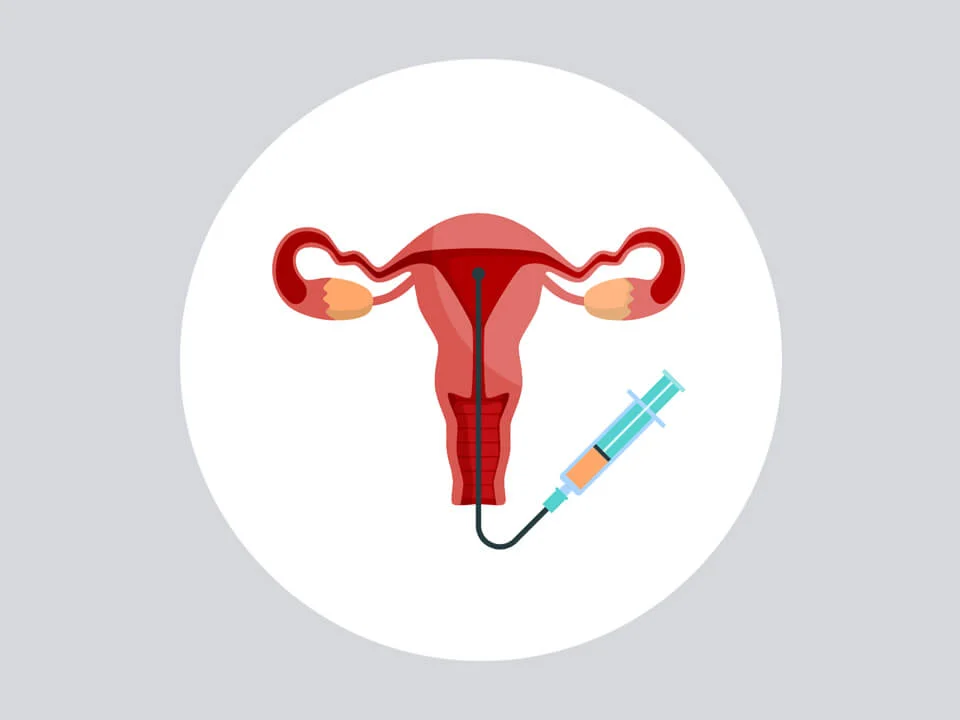
Traditional Fertility Treatments: Understanding the Risks and Side Effects
In addition to the potential risks associated with traditional fertility treatments, they also come with side effects. These side effects may vary depending on the treatment and the individual’s body. For example, herbal remedies may cause gastrointestinal issues, headaches, or allergic reactions. Acupuncture may cause temporary discomfort or bruising at the needle insertion site. Massage may cause tenderness or bruising on the targeted areas. And drastic dietary changes may lead to nutrient deficiencies or digestive issues.
It is essential to understand and discuss these potential risks and side effects with a healthcare professional before starting any traditional fertility treatment. They can provide guidance and monitor your progress to ensure the treatment is safe and effective for you.
So, what can you do to make an informed decision when considering traditional fertility treatments? Here are some tips to keep in mind:
1. Do your research: It is crucial to educate yourself about the traditional fertility treatment you are considering. Look for reliable sources and consult with healthcare professionals to understand the potential risks and side effects.
2. Consult a healthcare professional: Before starting any fertility treatment, it is crucial to consult with a healthcare professional. They can evaluate your overall health and provide guidance on the best course of action for your specific situation.
3. Consider the source: When using herbal remedies, make sure to purchase from a reputable source and check for any certifications or approvals. This can help ensure the safety and effectiveness of the product.
4. Communicate openly with your partner: Fertility treatments can be emotionally and physically taxing for both partners. It is essential to communicate openly and support each other throughout the process.
5. Keep an open mind: While traditional fertility treatments may have been used for centuries, they may not work for everyone. It is essential to keep an open mind and be prepared to explore other options if needed.
In summary, traditional fertility treatments have been used for centuries and continue to be popular today. However, they come with potential risks and side effects that should be carefully considered before starting any treatment. It is essential to educate yourself, consult with a healthcare professional, and keep an open mind when considering traditional fertility treatments. And most importantly, remember that every individual’s body is different, and what may work for one person may not work for another.