Summary:
When a couple or individual is struggling to conceive, they may turn to assisted reproductive technology (ART) to help them start a family. One option within ART is artificial insemination, which involves the placement of sperm into the reproductive tract to facilitate fertilization. However, when using a known sperm donor, there are important legal considerations to take into account, particularly when deciding between home insemination and clinical insemination.
Home insemination, as the name suggests, involves the process of self-insemination at home. This can be done with the use of a syringe or a turkey baster, and is often less expensive and more convenient than clinical insemination. However, there are some legal concerns to consider when using this method. First and foremost, the sperm donor may not be protected from any legal or financial responsibilities for the child that is conceived. This means that the donor could potentially be held responsible for child support or other obligations in the future.
Another issue with home insemination is the potential lack of medical screening for the sperm donor. In a clinical setting, donors are typically screened for infectious diseases and genetic disorders. This helps to ensure the health and well-being of the child. However, in a home insemination scenario, there may be no medical screening involved, putting the health of the child at risk.
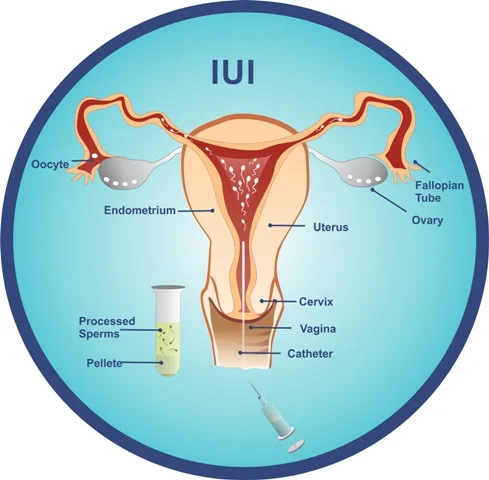
Home Insemination vs Clinical Insemination: Legal Considerations for Known Sperm Donors
On the other hand, clinical insemination involves the use of a medical facility, such as a fertility clinic, for the insemination process. This method offers more legal protection for all parties involved. The clinic will typically have a legal agreement in place that outlines the responsibilities of the donor and the intended parents. This can help to alleviate any potential disputes or misunderstandings in the future.
Additionally, clinical insemination usually involves medical screening and testing for the sperm donor, which helps to ensure the health of the child. However, this method can also be more costly and may require more planning and scheduling.
When deciding between home insemination and clinical insemination, it is important to also consider the laws and regulations in your specific state or country. In the United States, for example, the laws regarding sperm donation vary from state to state. Some states may require a written agreement between the donor and the intended parents, while others may not recognize the donor as the legal father at all.
Furthermore, it is crucial to have a clear understanding and agreement between all parties involved. This includes the rights and responsibilities of the donor, the intended parents, and any potential future children. It is recommended to seek legal counsel and have a written agreement in place before beginning the insemination process.
In conclusion, when using a known sperm donor for artificial insemination, it is important to carefully consider the legal implications and potential risks involved. Home insemination may be a more convenient and cost-effective option, but it may lack legal protection and medical screening. Clinical insemination offers more legal protection and medical screening, but may be more expensive and require more planning. Ultimately, it is crucial to prioritize the health and well-being of the child and have a clear understanding and agreement between all parties involved.