Summary:
In the world of assisted reproductive technology, home insemination and clinical insemination are two popular options for individuals and couples looking to conceive using donor sperm. While home insemination may seem like a more convenient and cost-effective option, it is important to consider the legal implications of using sperm banks for both home and clinical insemination. In this blog post, we will explore the legal considerations for sperm banks in relation to home insemination and clinical insemination, and how they can impact the process of conceiving a child through donor sperm.
Firstly, it is important to understand the difference between home insemination and clinical insemination. Home insemination involves the self-administration of donor sperm at home, without the involvement of a medical professional. On the other hand, clinical insemination is performed by a medical provider in a clinical setting, and may involve additional procedures such as intrauterine insemination (IUI).
One of the main legal considerations for sperm banks is the issue of consent. In the case of home insemination, it is crucial for the donor and the recipient to have a clear and legally binding agreement in place. This agreement should outline the terms of the insemination, including the donor’s rights and responsibilities, and the recipient’s rights to the child. It is also important for the donor to undergo proper screening and testing to ensure the safety and health of both the donor and the recipient.
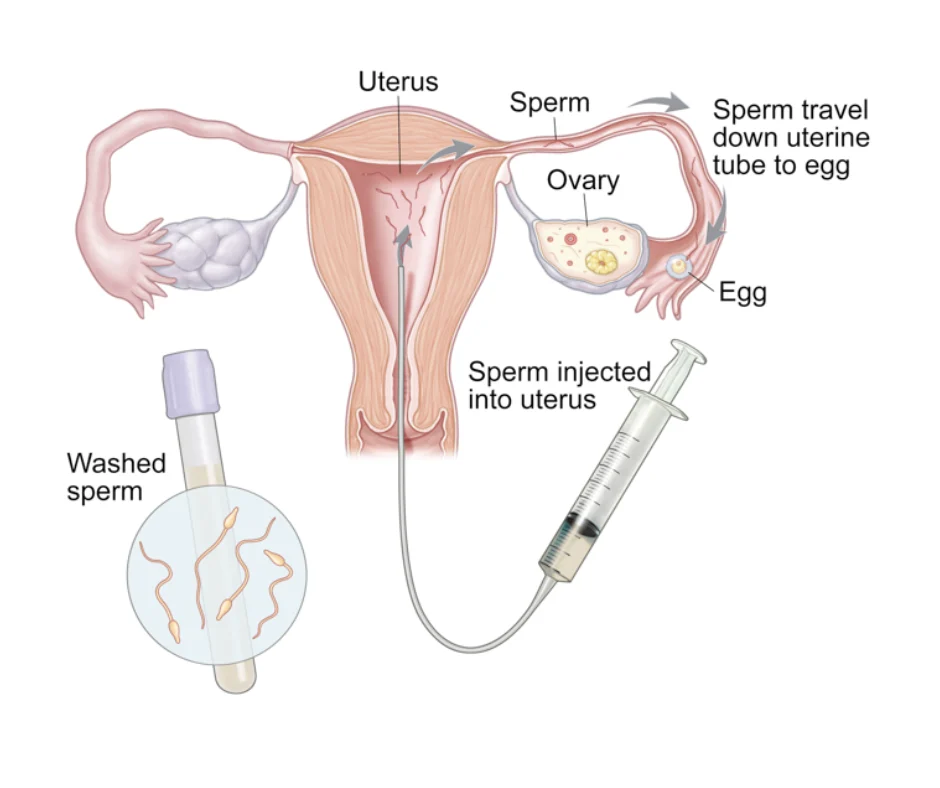
Home Insemination vs Clinical Insemination: Legal Considerations for Sperm Banks
In contrast, clinical insemination through a sperm bank involves a more rigorous process of obtaining consent. Sperm banks have strict guidelines and protocols in place to ensure that all donors have provided informed consent for their sperm to be used for reproductive purposes. This includes thorough medical and genetic screening, as well as psychological evaluations to assess the donor’s mental and emotional readiness to donate sperm.
Another legal consideration for sperm banks is the issue of parental rights. In the case of home insemination, the donor may have legal rights and responsibilities to the child, depending on the laws of the state or country. This can potentially lead to legal disputes and complications in the future if the terms of the agreement are not clearly defined. In clinical insemination, the sperm bank typically handles all legal aspects, and the donor does not have any parental rights or responsibilities to the child.
In addition to consent and parental rights, another important legal consideration for sperm banks is the issue of liability. In the case of home insemination, the donor may be held liable for any potential health risks or complications that arise from the use of their sperm. This is why proper screening and testing are crucial to ensure the safety and well-being of both the donor and the recipient. On the other hand, clinical insemination through a sperm bank involves a higher level of liability protection, as the sperm bank takes on the responsibility for screening and testing the donor and ensuring the quality of the sperm.
It is also important to consider the legal implications of using sperm banks for same-sex couples and single individuals. While some states and countries may have laws that restrict the use of donor sperm for these groups, many sperm banks have policies in place to support them. However, it is important for individuals and couples to research the laws and regulations in their specific location before proceeding with home or clinical insemination.
In conclusion, when considering home insemination vs clinical insemination, it is important to take into account the legal considerations for sperm banks. While home insemination may seem like a more convenient and cost-effective option, it is crucial to have a clear and legally binding agreement in place and to ensure proper screening and testing of the donor. On the other hand, clinical insemination through a sperm bank offers a more regulated and protected process, but may also be more expensive. Ultimately, individuals and couples should carefully consider their options and seek legal advice to ensure a smooth and legally sound process of conceiving a child through donor sperm.