Home Insemination vs Clinical Insemination: Legal Considerations for Donor Screening
In recent years, there has been a rise in the number of individuals and couples turning to alternative methods of conception, such as home insemination and clinical insemination. While these methods may offer a more affordable and convenient option for those struggling with fertility, there are important legal considerations that must be taken into account, specifically when it comes to donor screening.
Home insemination, also known as at-home insemination, involves the use of a donor’s sperm that is collected and inseminated by the intended recipient(s) at home. This method is often preferred by those who wish to have a more intimate and personal experience, and also allows for more control over the timing and frequency of insemination.
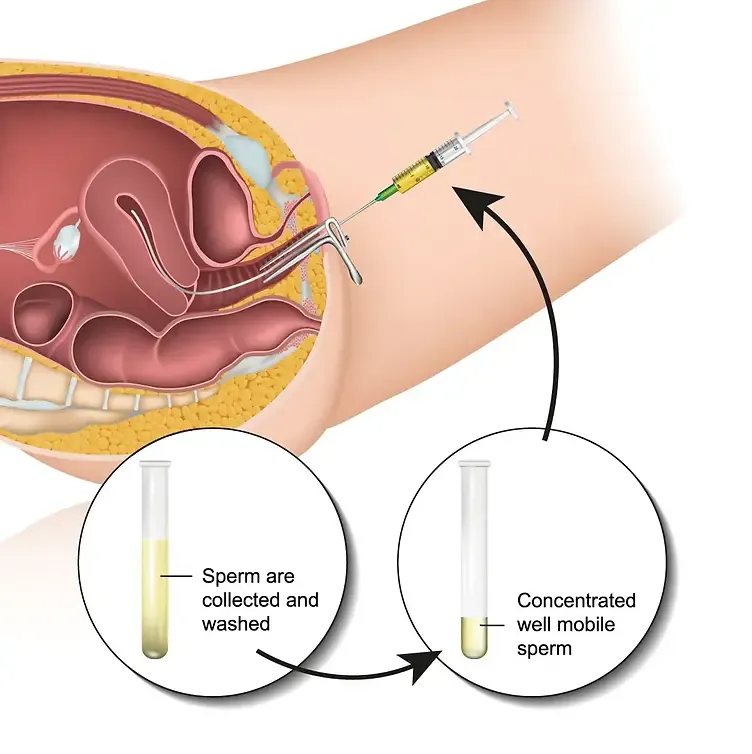
On the other hand, clinical insemination, also known as artificial insemination, is performed by a licensed medical professional in a clinical setting. This method often involves the use of donor sperm that has been screened and stored at a sperm bank, and is usually recommended for individuals or couples who may have underlying fertility issues.
While both home insemination and clinical insemination can be effective methods of conception, there are important legal considerations to keep in mind, particularly when it comes to donor screening. Here are some key points to consider:
1. Legal Parentage
One of the biggest concerns for individuals or couples considering home insemination is the issue of legal parentage. In many countries, the law recognizes the donor as the legal father of the child, regardless of whether the insemination was done at home or in a clinical setting. This can create complications down the line, especially if the donor wishes to have a role in the child’s life or if legal issues arise.
To avoid any legal complications, it is essential to have a written agreement in place between the donor and the intended recipient(s) outlining the responsibilities and expectations of each party. It is also recommended to seek legal advice to ensure that the agreement is legally binding and protects the rights of all parties involved.
2. Donor Screening
Another important consideration is the screening process for donors. In clinical insemination, the sperm is usually obtained from a sperm bank that has strict protocols in place for donor screening. This includes thorough medical and genetic testing, as well as psychological evaluations.
Home Insemination vs Clinical Insemination: Legal Considerations for Donor Screening
However, in home insemination, the donor screening process is often not as rigorous, if done at all. This can pose potential health risks for the recipient and the child, as well as legal risks if the donor has any underlying health conditions that may be passed on.
To ensure the safety and well-being of all parties involved, it is crucial to thoroughly screen the donor, regardless of whether the insemination is done at home or in a clinical setting. This includes medical and genetic testing, as well as psychological evaluations to ensure that the donor is mentally and emotionally prepared for the process.
3. Legal Rights and Responsibilities
In addition to legal parentage, there are other rights and responsibilities that must be considered when using donor sperm. In some countries, the donor may have legal rights and obligations to the child, including financial support and visitation rights.
To avoid any legal disputes, it is crucial to have a clear understanding of the legal rights and responsibilities of the donor, as well as the intended recipient(s), before proceeding with insemination. This can also be addressed in the written agreement between the donor and the recipient(s).
4. Legal Implications of Donor Anonymity
In clinical insemination, the donor is usually anonymous, and the recipient(s) have no contact with the donor. This protects the privacy of all parties involved and eliminates any potential legal issues that may arise in the future.
However, in home insemination, the donor may not always be anonymous, and there is a risk of the donor seeking legal rights or involvement in the child’s life. To avoid this, it is important to establish clear boundaries and expectations with the donor from the beginning, and to have a legal agreement in place.
In conclusion, both home insemination and clinical insemination can be viable options for conception, but it is crucial to consider the legal implications, particularly when it comes to donor screening. Thorough screening and legal agreements can help protect the rights and well-being of all parties involved and ensure a smooth and legally sound process.
SEO Metadata: