Blog Post:
In recent years, there has been a shift in the traditional family structure, with more and more individuals choosing to become single parents through co-parenting. Co-parenting, also known as platonic parenting, is a non-romantic arrangement where two individuals decide to have a child and raise them together without being in a romantic relationship. This trend has gained popularity among single individuals, particularly women, who are ready to become parents but do not want to do it alone. In this blog post, we will explore the growing appeal of co-parenting, the benefits and challenges it presents, and the rise of co-parenting options and communities.
The concept of co-parenting is not entirely new, as it has been practiced for decades in LGBTQ+ communities and among friends who have decided to raise a child together. However, in recent years, there has been a significant increase in individuals seeking co-parenting arrangements, especially among single women in their 30s and 40s. This can be attributed to various factors, including the rise in divorce rates, advancements in fertility treatments, and the changing societal norms and attitudes towards single parenting.
One of the main appeals of co-parenting is the idea of sharing the responsibilities and joys of parenting with another person. Many single individuals, particularly women, may feel overwhelmed by the idea of raising a child alone, both financially and emotionally. Co-parenting allows them to have a partner in this journey and share the financial burden, childcare duties, and emotional support. Moreover, co-parenting also provides a child with the opportunity to have two actively involved parents, who are not just limited to traditional gender roles.
Another significant factor contributing to the appeal of co-parenting is the desire to have a child but not being in a romantic relationship. With the rise in divorce rates and the increasing number of single individuals, many people may feel that finding the right partner to start a family with is becoming more challenging. Co-parenting offers them an alternative to traditional family structures and allows them to fulfill their desire to become parents without having to compromise on their romantic or personal goals.
However, co-parenting also presents its own set of challenges and complexities. Unlike traditional parenting, where the two parents are a committed couple, co-parenting involves navigating a relationship with someone who is not your romantic partner. This can lead to blurred boundaries and unclear expectations, which can cause conflict and strain the relationship. Moreover, co-parenting also requires a great deal of communication, trust, and compromise to make the arrangement work effectively.
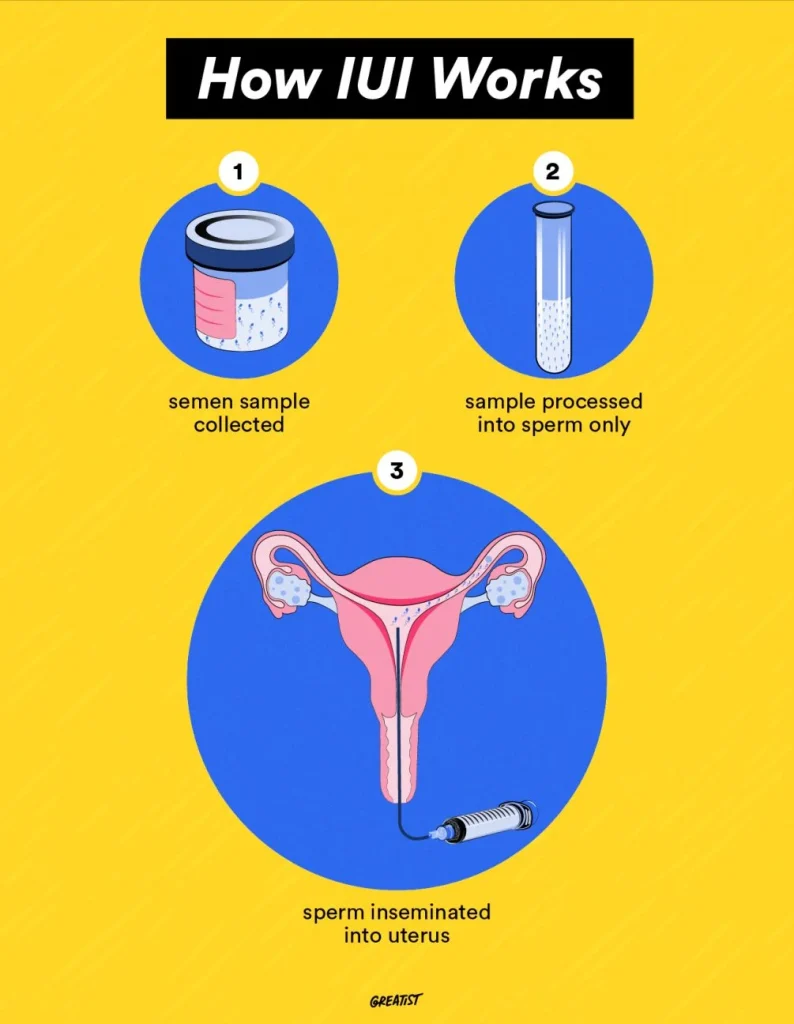
Single and Ready to Parent: The Growing Appeal of Co-Parenting
To address these challenges, co-parenting options and communities have emerged, providing a platform for individuals to connect with potential co-parents and receive support and guidance throughout the process. These platforms range from online forums and social media groups to co-parenting agencies that help individuals find suitable co-parenting partners. These options have made it easier for individuals to find like-minded people who share their desire to become parents and have compatible parenting styles and values.
In addition to the emotional and practical benefits, co-parenting also has financial advantages. The cost of raising a child can be daunting for a single individual, but with co-parenting, the financial burden is shared, making it more manageable. Moreover, co-parents can also support each other in terms of childcare, allowing them to pursue their careers or personal goals while still being actively involved in their child’s life.
However, it is important to note that co-parenting is not for everyone. It requires a strong commitment, communication, and compatibility between the co-parents, as well as a deep understanding of the potential challenges and responsibilities that come with raising a child. Before embarking on a co-parenting journey, it is crucial for individuals to do thorough research, seek legal advice, and have open and honest discussions with their potential co-parent to ensure that they are on the same page.
In conclusion, co-parenting is becoming an increasingly popular option for single individuals who are ready to become parents. It offers the opportunity to share the responsibilities and joys of parenthood with another person, without the need for a romantic relationship. However, it also comes with its own set of challenges and complexities, which can be mitigated through effective communication, trust, and support from co-parenting platforms and communities. As societal norms continue to evolve, co-parenting may become a more widely accepted and accessible option for those who want to start a family on their own terms.
Summary:
Co-parenting, also known as platonic parenting, is a non-romantic arrangement where two individuals decide to have a child and raise them together without being in a romantic relationship. This trend has gained popularity among single individuals, particularly women, who are ready to become parents but do not want to do it alone. The appeal of co-parenting lies in the shared responsibilities and joys of parenting, the desire to have a child without being in a romantic relationship, and the financial advantages. However, it also comes with its own challenges and complexities, which can be addressed through effective communication and support from co-parenting options and communities. As society continues to evolve, co-parenting may become a more widely accepted and accessible option for those who want to start a family on their own terms.
Leave a Reply