Navigating the Legalities of Frozen Donor Sperm vs Fresh Donor Sperm: A Comprehensive Guide
When it comes to starting a family using donor sperm, there are many factors to consider – from choosing the right donor to understanding the legalities involved. One of the biggest decisions that prospective parents have to make is whether to use frozen donor sperm or fresh donor sperm. While both options have their own benefits and drawbacks, it is crucial to understand the legal implications of each before making a final decision. In this blog post, we will delve into the legalities of frozen donor sperm and fresh donor sperm, and provide a comprehensive guide to help you navigate this important aspect of the donor sperm process.
What is Frozen Donor Sperm?
Frozen donor sperm refers to sperm that has been collected, processed, and then cryopreserved (frozen) for future use. This process involves the donor providing a semen sample, which is then tested for any potential health risks and infectious diseases. If the sample is deemed safe, it is then prepared for freezing. Once frozen, the sperm can be stored for an extended period, typically up to 10 years, and then thawed when it is needed for insemination.
What is Fresh Donor Sperm?
Fresh donor sperm, on the other hand, refers to sperm that has not been frozen and is used immediately after it is collected from the donor. In this process, the donor provides a fresh semen sample, which is then tested and prepared for insemination. Unlike frozen donor sperm, fresh donor sperm does not require cryopreservation and can be used right away.
Legal Considerations for Frozen Donor Sperm
Using frozen donor sperm comes with certain legal considerations that prospective parents need to be aware of. First and foremost, there are strict regulations and laws governing the collection, testing, and storage of frozen donor sperm. These laws vary from state to state and country to country, so it is essential to research and understand the specific regulations in your area.
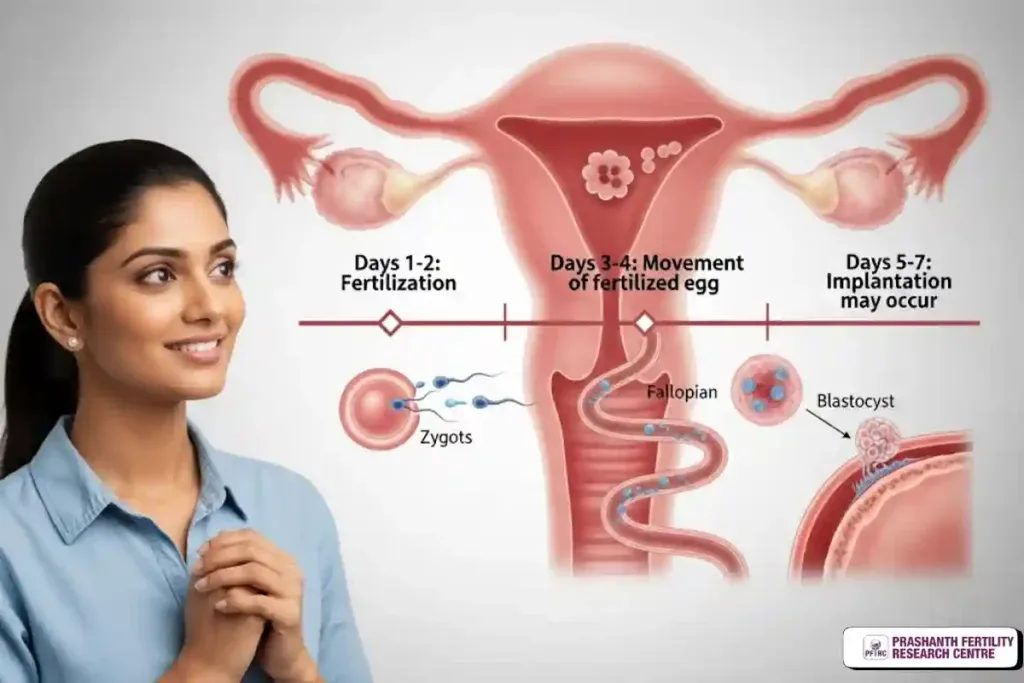
Navigating the Legalities of Frozen Donor Sperm vs Fresh Donor Sperm
Another important legal consideration for frozen donor sperm is the issue of consent. Before the sperm is collected and frozen, the donor must provide written consent for its use, and this consent must be kept on record. In some cases, the donor may also need to provide medical and personal information that will be shared with the prospective parents and any future children conceived with the donor’s sperm.
Additionally, using frozen donor sperm may also require a legal contract between the donor and the prospective parents. This contract outlines the rights and responsibilities of all parties involved and can help protect everyone’s interests should any legal issues arise in the future.
Legal Considerations for Fresh Donor Sperm
While the legal considerations for fresh donor sperm may be similar to those for frozen donor sperm, there are a few key differences to keep in mind. Since fresh donor sperm is used immediately, there is no need for cryopreservation or storage, which can make the process simpler and less expensive. However, this also means that there is less time for thorough testing and screening of the donor’s sperm, which could potentially increase the risk of health concerns or infectious diseases.
In some cases, fresh donor sperm may also require a legal contract between the donor and the prospective parents. This contract should outline the terms of the donor’s involvement and any potential rights or responsibilities they may have in the future. It is essential to consult with a legal professional to ensure that the contract is legally binding and protects the interests of all parties involved.
Choosing Between Frozen Donor Sperm and Fresh Donor Sperm
Deciding between frozen donor sperm and fresh donor sperm is a personal choice that should be made after careful consideration of all the factors involved. Some factors to consider include the cost, availability, and success rates of each option, as well as any specific legal requirements in your area. It is also crucial to have open and honest communication with the donor and to fully understand their rights and responsibilities in the process.
It is also important to keep in mind that using donated sperm, whether frozen or fresh, does not automatically establish legal parentage. In many cases, legal parentage must be established through a court process, such as adoption or a legal parentage agreement. Consult with a legal professional to understand the specific requirements in your area and to ensure that all legalities are properly addressed.
In summary, navigating the legalities of frozen donor sperm vs fresh donor sperm is an important aspect of the donor sperm process. It is crucial to research and understand the laws and regulations in your area, obtain proper consent and documentation, and consider all factors before making a decision. Consult with a legal professional to ensure that all legalities are properly addressed and to protect the rights and interests of all parties involved.