Blog Post:
Fertility tracking has been practiced for centuries as a method to aid in family planning and conception. In the past, women would rely on traditional methods such as tracking their menstrual cycle and monitoring their basal body temperature to determine their most fertile days. However, with the advancements in technology, there has been a significant shift towards using fertility tracking apps and devices. These apps and devices use algorithms and data input to help women track their ovulation and fertility. In this blog post, we will explore the role of technology in fertility tracking, comparing the effectiveness of apps and traditional methods.
Traditional Methods of Fertility Tracking:
Tracking menstrual cycles and monitoring basal body temperature (BBT) are two of the most common traditional methods of fertility tracking. Menstrual tracking involves keeping a record of the start and end dates of each menstrual cycle. This can help women determine the length of their cycle and identify the approximate time of ovulation. BBT tracking, on the other hand, involves measuring body temperature every morning before getting out of bed. A slight increase in BBT can indicate ovulation and the start of the fertile window.
While these traditional methods have been used for centuries, they have their limitations. Menstrual tracking can be less reliable for women with irregular cycles, and BBT tracking requires consistency and accuracy in temperature measurement. Additionally, these methods do not provide any additional information or insights about fertility.
The Rise of Fertility Tracking Apps:
Technology has revolutionized the way women track their menstrual cycles and fertility. Fertility tracking apps have gained popularity in recent years, with over 100 apps available in the market. These apps use algorithms and data input to predict ovulation and fertile days. Women can input information such as menstrual cycle length, BBT, and other symptoms like cervical mucus changes and mood swings to get a more accurate prediction of their fertile window.
One of the biggest advantages of fertility tracking apps is the convenience and ease of use. Most apps have user-friendly interfaces and can be easily accessed on smartphones. They also offer additional features such as reminders for taking birth control pills and tracking other aspects of reproductive health, making them a one-stop solution for women’s reproductive health needs.
Effectiveness of Fertility Tracking Apps:
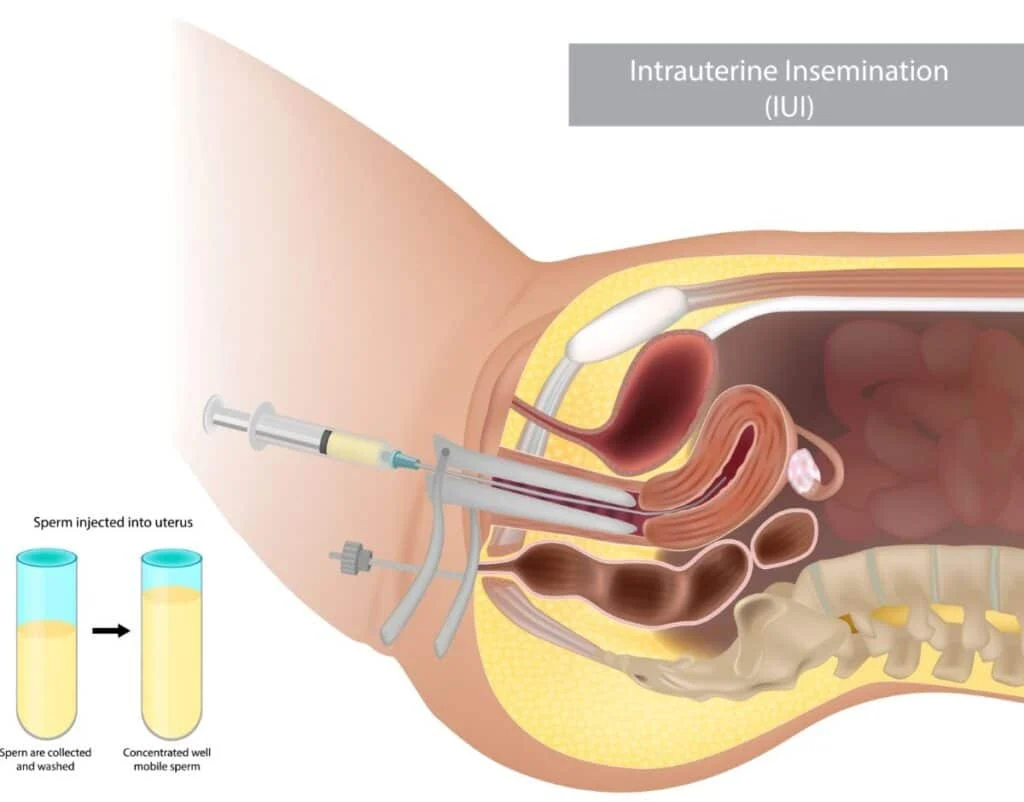
The Role of Technology in Fertility Tracking: A Look at Apps and Traditional Methods
Research has shown that fertility tracking apps can be as effective as traditional methods in predicting ovulation and fertile days. A study published in the Journal of Medical Internet Research found that 50% of women who used a fertility tracking app were able to conceive within three months of trying, compared to 38% of women who used traditional methods. Another study by the University of Washington found that fertility tracking apps were 95% accurate in predicting the fertile window.
However, it’s important to note that the effectiveness of these apps depends on the accuracy of the data input. Women need to consistently track their menstrual cycles and input accurate information to get the most reliable predictions. Additionally, these apps may not be suitable for women with irregular cycles or those with certain medical conditions affecting their fertility.
The Role of Wearable Devices:
In addition to fertility tracking apps, wearable devices such as smartwatches and bracelets have also gained popularity in recent years. These devices use sensors to track various aspects of reproductive health, such as BBT, heart rate, and sleep patterns. They can provide a more comprehensive view of a woman’s fertility and can be used in conjunction with fertility tracking apps.
The Future of Fertility Tracking Technology:
With the rapid advancements in technology, the future of fertility tracking looks promising. Some companies are already working on developing devices that can analyze saliva samples to predict ovulation, while others are exploring the use of artificial intelligence to improve the accuracy of fertility predictions. These innovations could potentially make fertility tracking more accessible and accurate for women.
In conclusion, technology has played a significant role in transforming the way women track their fertility. Fertility tracking apps and wearable devices offer convenience and accuracy compared to traditional methods. However, it’s essential to understand the limitations and rely on accurate data input for the most reliable results. With further advancements in technology, the future of fertility tracking looks promising, offering women more options for managing their reproductive health.
Summary:
Fertility tracking has evolved with advancements in technology, with traditional methods being replaced by fertility tracking apps and wearable devices. These apps and devices use algorithms and data input to predict ovulation and fertile days, offering convenience and accuracy compared to traditional methods. However, they may not be suitable for women with irregular cycles or certain medical conditions. The future of fertility tracking looks promising, with ongoing developments in technology that could make tracking more accessible and accurate for women.