DIY fertility has become a popular topic in recent years, as more and more people are seeking alternative methods for conceiving. Intrauterine insemination (IUI), a form of artificial insemination, is one option that can be done at home. But the big question is, is it safe and effective?
Before we dive into the safety and effectiveness of DIY intrauterine insemination, let’s first understand what it is and how it works. IUI involves placing washed and prepared sperm directly into the uterus, bypassing the cervix and increasing the chances of fertilization. This procedure is typically done in a doctor’s office, but with the rise of DIY fertility, some people are attempting to do it at home.
The main reason for opting for home insemination is the cost. IUI at a fertility clinic can cost thousands of dollars per cycle, making it unaffordable for many people. DIY insemination, on the other hand, can cost as little as a few hundred dollars, and some may even choose to use a known donor instead of purchasing sperm from a sperm bank.
But with the lower cost comes concerns about safety and effectiveness. The most significant risk of DIY IUI is the possibility of infection. Without proper sterilization techniques and medical supervision, there is a higher risk of introducing bacteria or other harmful substances into the uterus. Additionally, without medical training, it can be challenging to properly place the sperm in the correct location, leading to a lower success rate.
There is also the concern of using untested sperm from a known donor. Sperm from a sperm bank is rigorously tested for various infections and genetic disorders, ensuring the safety of the recipient and future child. However, with a known donor, there is no guarantee of the sperm’s quality, which can lead to potential health risks for the recipient and future child.
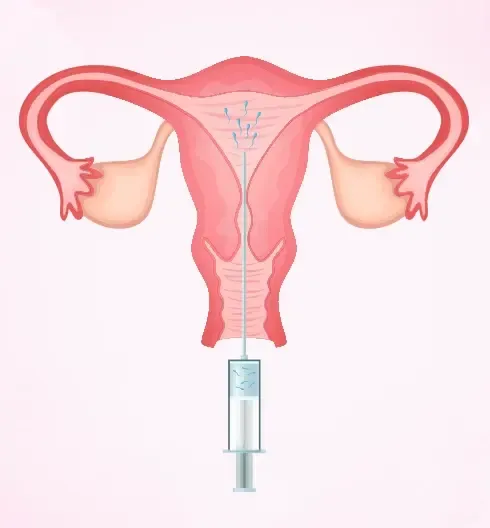
DIY Fertility: Is Intrauterine Insemination at Home Safe and Effective?
Another aspect to consider is the success rate of DIY IUI compared to professional IUI. According to a study published in the Journal of Assisted Reproduction and Genetics, the success rate of home insemination was significantly lower than that of clinical IUI. The study found that the pregnancy rate for home insemination was 7% compared to a 12% pregnancy rate for clinical IUI. This difference could be due to a variety of factors, such as the lack of medical supervision, improper placement of sperm, or using untested sperm.
Moreover, DIY IUI does not take into account any underlying fertility issues that may be present. Without a proper fertility evaluation and medical guidance, it can be challenging to address any potential problems that may be hindering conception. This lack of medical oversight can lead to prolonged attempts at home insemination, causing unnecessary stress and disappointment for the couple.
So, is home insemination a safe and effective option for DIY fertility? The answer is not a simple yes or no. It ultimately depends on the individual’s situation and their ability to follow proper sterilization techniques and obtain high-quality sperm. In some cases, DIY IUI may be a viable option for those who cannot afford clinical IUI or do not have access to a fertility clinic. However, it is crucial to consider the potential risks and lower success rates associated with DIY insemination.
If you are considering DIY IUI, it is essential to consult with a medical professional beforehand. They can guide you on proper sterilization techniques and provide advice on obtaining high-quality sperm. It is also crucial to have a fertility evaluation to address any underlying issues that may be affecting conception. Remember, your health and the health of your future child should be a top priority.
In conclusion, while DIY fertility options may seem appealing due to their lower cost, it is crucial to weigh the potential risks and lower success rates. DIY intrauterine insemination can be safe and effective for some individuals, but only with proper medical guidance and precautions. It is always best to consult with a medical professional before attempting any DIY fertility treatments to ensure the safety and well-being of everyone involved.
SEO metadata: