Blog Post: The Pros and Cons of DIY Insemination
DIY insemination, also known as at-home insemination, is a method of self-insemination that involves using a donor’s sperm to impregnate oneself without the assistance of a medical professional. This option has become increasingly popular among same-sex couples, single individuals, and couples struggling with fertility issues. While it may seem like a convenient and cost-effective solution, there are both pros and cons to consider before embarking on this journey.
Pros:
1. Cost-Efficient: One of the main advantages of DIY insemination is its affordability. Traditional methods of insemination can be very expensive, especially if multiple attempts are needed. DIY insemination eliminates the need for costly medical procedures and allows individuals to save money by purchasing donor sperm from a reputable sperm bank.
2. Privacy: For many people, the idea of going to a fertility clinic and discussing their personal reproductive matters with a medical professional can be uncomfortable. DIY insemination offers a more private and discreet option for those who value their privacy.
3. Convenience: At-home insemination allows individuals to perform the procedure in the comfort of their own home and on their own schedule. This can be especially beneficial for those with busy lifestyles or individuals who live in remote areas without easy access to fertility clinics.
4. Control: DIY insemination puts the individual in control of the entire process. They can choose the donor, the timing, and the method of insemination. This can be empowering for individuals who want to take an active role in starting their family.
5. Emotional Connection: For couples, DIY insemination can provide a more intimate and emotional connection to the conception process. It allows partners to support each other and feel more involved in the process of creating their family.
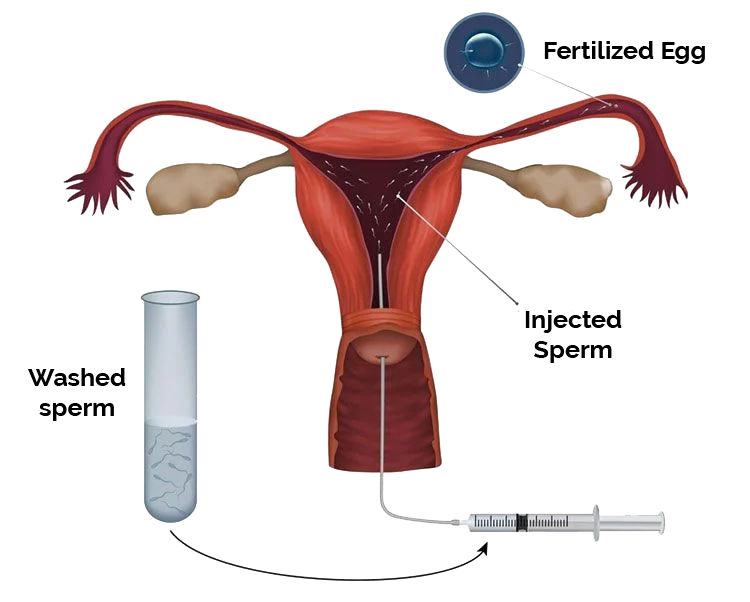
The Pros and Cons of DIY Insemination
Cons:
1. Legal and Safety Concerns: One of the biggest drawbacks of DIY insemination is the lack of legal and safety regulations. Unlike traditional methods of insemination, there is no medical professional to oversee the process. This can lead to potential health risks and legal complications, especially if the donor is not properly screened for infectious diseases.
2. Lack of Medical Expertise: Without the guidance of a medical professional, individuals may not have the necessary knowledge and skills to perform the procedure correctly. This can lead to a lower success rate and potential health risks for both the mother and the child.
3. Limited Success Rate: While DIY insemination can be successful, the success rate is much lower compared to traditional methods. This is due to the lack of medical expertise and the possibility of using low-quality sperm.
4. Emotional Toll: Fertility struggles can be emotionally draining, and DIY insemination can add to the stress and emotional toll. The added pressure of performing the procedure correctly and the disappointment of unsuccessful attempts can take a toll on individuals and relationships.
5. Potential Legal Complications: In some countries, using donor sperm without the involvement of a licensed medical professional is considered illegal. This can lead to potential legal battles and custody issues if the donor decides to claim parental rights.
In conclusion, DIY insemination can be a cost-efficient and convenient option for individuals and couples looking to start a family. However, it is crucial to consider the potential risks and drawbacks before making a decision. Seeking the guidance of a medical professional and using a reputable sperm bank can help ensure a safer and more successful process.
Summary:
DIY insemination, also known as at-home insemination, is a method of self-insemination that is gaining popularity among individuals and couples. It offers cost-efficiency, privacy, convenience, control, and emotional connection. However, it also comes with potential legal and safety concerns, lack of medical expertise, limited success rate, emotional toll, and potential legal complications. Before embarking on this journey, it is essential to consider both the pros and cons and seek professional guidance for a safer and more successful process.