Blog Post:
Infertility can be a challenging and emotional journey for individuals and couples who are trying to conceive. It can lead to feelings of frustration, disappointment, and even guilt. Fortunately, there are various treatment options available, including fertility medications and surgery. However, these treatments may not always be effective on their own. In many cases, lifestyle changes can play a crucial role in improving fertility outcomes when used in conjunction with fertility medications or surgery.
What are Lifestyle Changes?
Lifestyle changes refer to modifications in daily habits and behaviors. They can include changes in diet, exercise, stress management, and other aspects of one’s lifestyle. These changes can have a significant impact on overall health and well-being, including fertility.
The Role of Lifestyle Changes in Fertility
Lifestyle changes can have a significant impact on fertility in both men and women. In women, certain lifestyle factors can affect hormone levels and ovulation, making it more challenging to conceive. In men, lifestyle changes can impact sperm quality and quantity, affecting fertility. Here are some lifestyle factors that can impact fertility:
1. Diet and Nutrition
A healthy and balanced diet is essential for overall health, including fertility. Eating a diet rich in fruits, vegetables, whole grains, and lean protein can help improve fertility outcomes. A diet high in processed foods, trans fats, and refined sugars can have a negative impact on fertility.
2. Exercise
Regular physical activity can help improve fertility by reducing stress, regulating hormone levels, and maintaining a healthy weight. However, excessive exercise can have the opposite effect and can disrupt ovulation in women and sperm production in men.
3. Stress Management
Stress is a common factor that can affect fertility. When the body is under stress, it produces high levels of cortisol, a hormone that can interfere with ovulation and sperm production. Managing stress through relaxation techniques such as yoga, meditation, or therapy can help improve fertility outcomes.
4. Alcohol and Tobacco Use
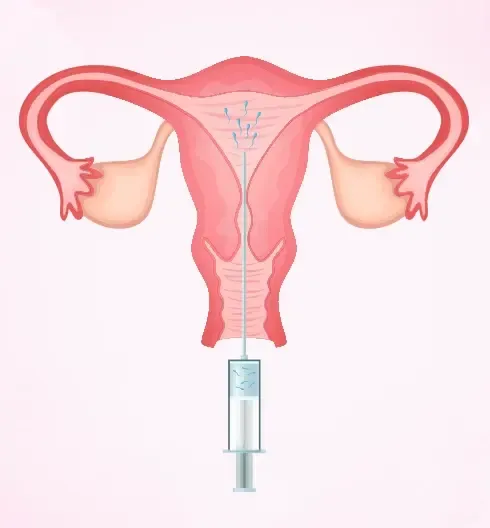
The Role of Lifestyle Changes in Conjunction with Fertility Medications or Surgery
Excessive alcohol consumption and tobacco use have been linked to decreased fertility in both men and women. Alcohol can disrupt hormone levels and ovulation, while smoking can damage sperm and affect sperm motility.
5. Weight Management
Being underweight or overweight can have a significant impact on fertility. Women with a body mass index (BMI) below 18 or above 30 may have irregular ovulation, making it challenging to conceive. Men with a high BMI may have lower sperm quality and quantity.
6. Environmental Factors
Exposure to certain environmental factors, such as chemicals, pesticides, and toxins, can impact fertility. It is essential to limit exposure to these substances to improve fertility outcomes.
The Combination of Lifestyle Changes and Fertility Medications or Surgery
While lifestyle changes alone may not be enough to overcome fertility challenges, they can play a crucial role in improving the effectiveness of fertility medications or surgery. For example, in women with polycystic ovary syndrome (PCOS), a condition that affects ovulation, a combination of lifestyle changes and medication can improve ovulation and increase the chances of conception.
In men with low sperm count or poor sperm quality, lifestyle changes, such as quitting smoking and reducing alcohol consumption, can improve sperm health and increase the chances of successful fertility treatment.
Furthermore, lifestyle changes can also help prepare the body for fertility treatments, making the body more receptive to medications or surgery. For example, maintaining a healthy weight and reducing stress can improve hormone levels, making fertility treatments more effective.
It is essential to note that lifestyle changes may take some time to show results, and it is crucial to be patient and consistent. It is also essential to consult with a fertility specialist to create a personalized treatment plan that includes both lifestyle changes and fertility medications or surgery.
In conclusion, lifestyle changes can play a significant role in improving fertility outcomes when used in conjunction with fertility medications or surgery. Eating a healthy diet, managing stress, maintaining a healthy weight, and limiting exposure to environmental toxins can all help improve fertility in both men and women. By making these lifestyle changes, individuals and couples can increase their chances of successfully conceiving and starting a family.
Summary:
Infertility can be a challenging journey, but there are treatment options available, including fertility medications and surgery. However, lifestyle changes can also play a crucial role in improving fertility outcomes when used in conjunction with these treatments. Factors such as diet, exercise, stress management, and environmental factors can all impact fertility. By making lifestyle changes, individuals and couples can increase their chances of successfully conceiving and starting a family. It is essential to consult with a fertility specialist to create a personalized treatment plan that includes both lifestyle changes and fertility treatments.