The Importance of Medical Supervision in Clinical Insemination
For couples struggling with fertility issues, clinical insemination can be a viable option to help them achieve their dream of having a child. However, it is important to note that this procedure should only be performed under the supervision of a trained and experienced medical professional. In this blog post, we will discuss the importance of medical supervision in clinical insemination and why it should never be taken lightly.
What is Clinical Insemination?
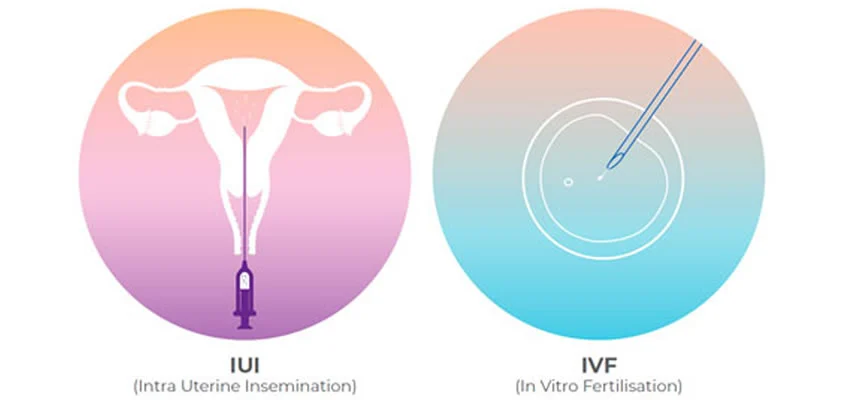
Clinical insemination, also known as intrauterine insemination (IUI), is a form of assisted reproductive technology (ART) that involves placing sperm directly into a woman’s uterus in order to increase the chances of fertilization. This procedure is often recommended for couples who have been trying to conceive for a year or more without success, or for those with certain medical conditions that make it difficult to conceive through natural means.
The Role of Medical Supervision
While clinical insemination may seem like a simple and straightforward procedure, it is important to remember that it involves delicate and complex processes that require the guidance and expertise of a medical professional. Here are some reasons why medical supervision is crucial in clinical insemination:
1. Accurate Diagnosis and Treatment Plan
Before undergoing clinical insemination, it is important for both the male and female partners to undergo a thorough medical evaluation. This includes testing for any underlying medical conditions that may affect fertility, as well as assessing the quality and quantity of sperm. A trained medical professional will be able to accurately diagnose any issues and develop a personalized treatment plan for the couple.
2. Monitoring of Ovulation
Timing is crucial in clinical insemination, as the procedure needs to be performed during the woman’s ovulation period. Medical supervision ensures that the woman’s cycle is closely monitored, and the timing of the procedure is optimized for the best chances of success.
3. Proper Preparation and Handling of Sperm
The success of clinical insemination greatly depends on the quality of the sperm used. Medical supervision ensures that the sperm is properly prepared and handled before being inserted into the uterus, increasing the chances of fertilization.
The Importance of Medical Supervision in Clinical Insemination
4. Minimizing Risks and Complications
As with any medical procedure, there are potential risks and complications associated with clinical insemination. With proper medical supervision, these risks can be minimized and managed effectively. In addition, a medical professional will be able to identify any potential red flags and take appropriate measures to avoid complications.
5. Emotional Support
Couples undergoing clinical insemination may experience a range of emotions, from hope and excitement to anxiety and disappointment. Medical supervision not only provides physical support, but also emotional support for the couple throughout the entire process. A trained medical professional can offer guidance and reassurance, making the experience less stressful and overwhelming.
The Consequences of Not Having Medical Supervision
Without proper medical supervision, clinical insemination can lead to serious consequences. Here are some potential risks of undergoing this procedure without medical guidance:
1. Incorrect Diagnosis and Treatment
A lack of proper medical evaluation can lead to incorrect diagnosis and treatment, which can greatly reduce the chances of success. This can also result in unnecessary stress and expenses for the couple.
2. Increased Risk of Infection
Improper handling and preparation of sperm can lead to infections, which can have serious consequences for both the woman and the potential fetus.
3. Complications During the Procedure
Without medical supervision, there is a higher risk of complications during the insemination procedure. This can include discomfort, bleeding, or even damage to the reproductive organs.
4. Wasted Time and Resources
Going through clinical insemination without medical supervision can result in wasted time, money, and emotional energy for the couple. This can be particularly devastating for those who have been struggling with fertility issues for a long time.
In summary, medical supervision is crucial in clinical insemination. It ensures accurate diagnosis and treatment, minimizes risks and complications, and provides emotional support for the couple. Without proper medical guidance, the chances of success are greatly reduced, and there can be serious consequences. Therefore, it is important for couples to seek the help of a trained medical professional when considering clinical insemination as a fertility option.