At-home insemination, also known as artificial insemination, is a method of assisted reproduction that involves self-administering sperm into the vagina or cervix at home in order to achieve pregnancy. This procedure has gained popularity in recent years, especially among LGBTQ+ couples and individuals, as it provides a more affordable and private option for fertility treatment. However, like any medical procedure, at-home insemination has its own set of pros and cons. In this blog post, we will dive into the advantages and disadvantages of at-home insemination, so you can make an informed decision about whether it is the right option for you.
Pros:
1. Cost-effective
One of the main advantages of at-home insemination is its affordability. Compared to other fertility treatments such as in-vitro fertilization (IVF), at-home insemination is significantly cheaper. IVF can cost anywhere from $12,000 to $15,000 per cycle, whereas at-home insemination kits can be purchased for as little as $50. This makes it a more accessible option for individuals or couples who may not have the financial means to pursue other fertility treatments.
2. Privacy and comfort
Another benefit of at-home insemination is the level of privacy and comfort it provides. Many individuals and couples prefer to handle their fertility journey in the comfort of their own home without the need for frequent visits to a clinic. This can be particularly helpful for LGBTQ+ couples who may face discrimination or feel uncomfortable in a medical setting. At-home insemination allows for a more intimate and personal experience, which can alleviate some of the stress and pressure associated with fertility treatments.
3. Greater control over the process
With at-home insemination, individuals have more control over the timing and process of insemination. Unlike other fertility treatments where a medical professional may dictate the schedule, at-home insemination allows individuals to monitor their own ovulation and choose the best time for insemination. This can be particularly helpful for couples who have busy schedules and may find it difficult to make frequent visits to a clinic.
4. No invasive procedures
At-home insemination involves self-administering sperm using either a syringe or a cervical cap. This method is non-invasive and does not require any medical procedures or medications, which can be a relief for individuals who may have a fear of needles or invasive treatments. Additionally, since the procedure can be done at home, there is no need for hospital stays or recovery time, making it a less disruptive option for those with busy lifestyles.
Cons:
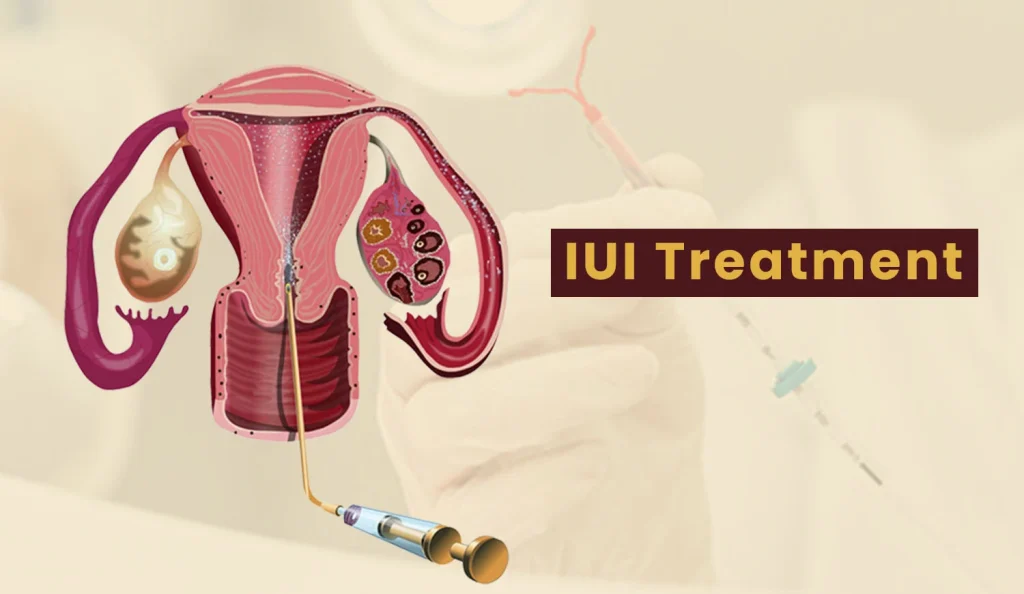
The Pros and Cons of At-Home Insemination
1. Lower success rates
While at-home insemination may be a more affordable option, it does come with lower success rates compared to other fertility treatments. The success rate of at-home insemination can range from 10-20%, whereas IVF has a success rate of around 40%. This is because the sperm has to navigate through the vagina and cervix on its own, which can decrease the chances of fertilization. This may require individuals or couples to try multiple times before achieving a successful pregnancy.
2. Risk of infection
Since at-home insemination is a self-administered procedure, there is a higher risk of infection if proper precautions are not taken. It is important to use sterile equipment and follow the instructions provided carefully to avoid any potential infections. Additionally, if the sperm used is not from a known, healthy donor, there is a risk of contracting sexually transmitted infections.
3. Limited options for sperm donors
At-home insemination relies on using donor sperm, which can be limited in terms of options. Individuals may have to rely on sperm banks or known donors, which may not always be readily available. This can be a challenge for LGBTQ+ couples or individuals who may not have access to sperm donors or may not feel comfortable using a known donor.
4. Lack of medical supervision
Unlike other fertility treatments, at-home insemination does not involve any medical supervision. This means that there is no medical professional available to monitor the process and provide guidance or support. This can be a disadvantage for individuals who may have underlying fertility issues or require medical monitoring during the insemination process.
5. Emotional and psychological impact
The journey towards parenthood can be emotionally and psychologically taxing, and at-home insemination may come with its own set of challenges. The lower success rates and lack of medical supervision can lead to feelings of disappointment, frustration, and stress for individuals or couples trying to conceive. It is important to seek emotional support and counseling throughout the process to cope with any potential challenges.
In summary, at-home insemination offers a more affordable and private option for individuals or couples pursuing fertility treatment. It provides greater control over the process and is a non-invasive procedure. However, it also comes with lower success rates, a risk of infection, and limited options for sperm donors. It is important to weigh the pros and cons and seek professional guidance before making a decision about at-home insemination.
SEO metadata: